

I had already been in the Serengeti ecosystem for 4 weeks when I began this trip, and I was very excited to get started again. The previous trip followed a similar itinerary and we had experienced extraordinary events — true, we had been patient, waited for long periods and invested many hours to get the shots, but it had been well worth it. Additionally, there had been a lot of rain during that trip, with significant flooding across the ecosystem and I was interested to see how the area looked now that the downpours had slowed.
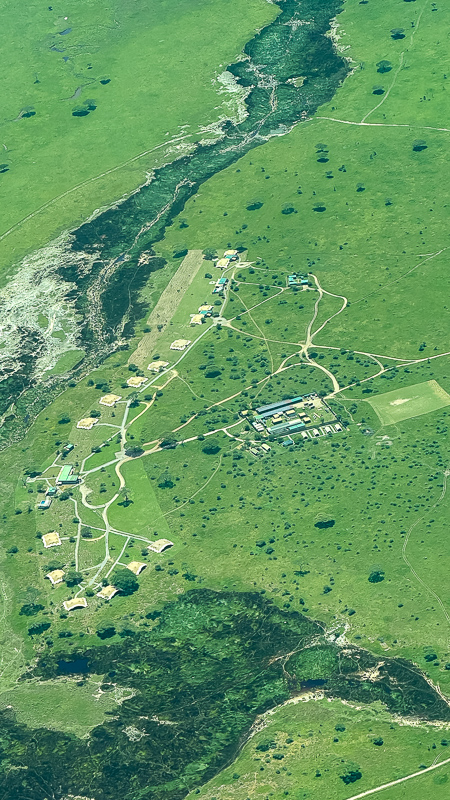
So, late in the evening on day 1, I met the group at Rivertrees Country Inn in Arusha. It was cloudy, gloomy and damp…and it was clear that the group were not entirely convinced that this was the place they wanted to be! But our flight from Arusha to Ndutu the following day revealed that much of the water from the heavy rains of the previous weeks was now draining away and the skies appeared clear.
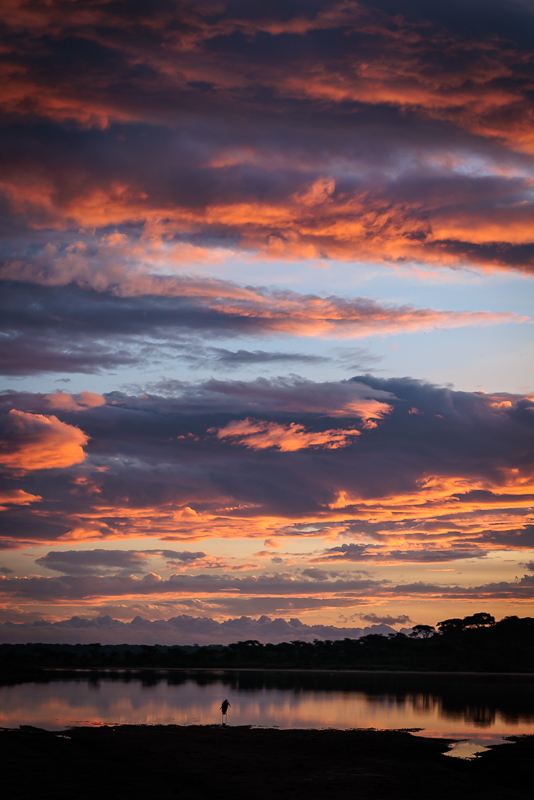
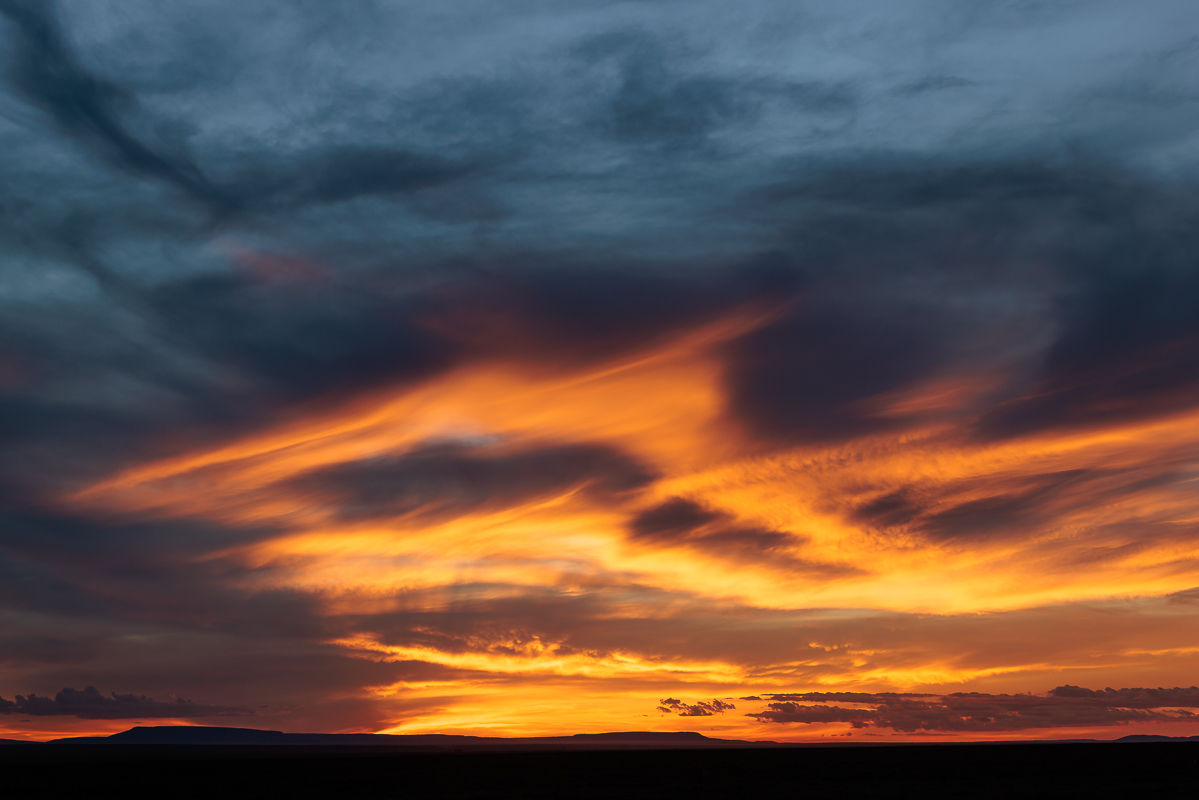
In fact, we didn’t experience any rain at all in the 10 day trip, with the occasional threatening storm being the only reference to the incredible rain storms and flooding that we had seen just 10 days earlier. Much of the Serengeti ecosystem is at 1000m or more above sea level so it drains quickly and the ground dries out. By the end of the trip, we were beginning to find that the wind was raising dust that coated our cameras on a daily basis.
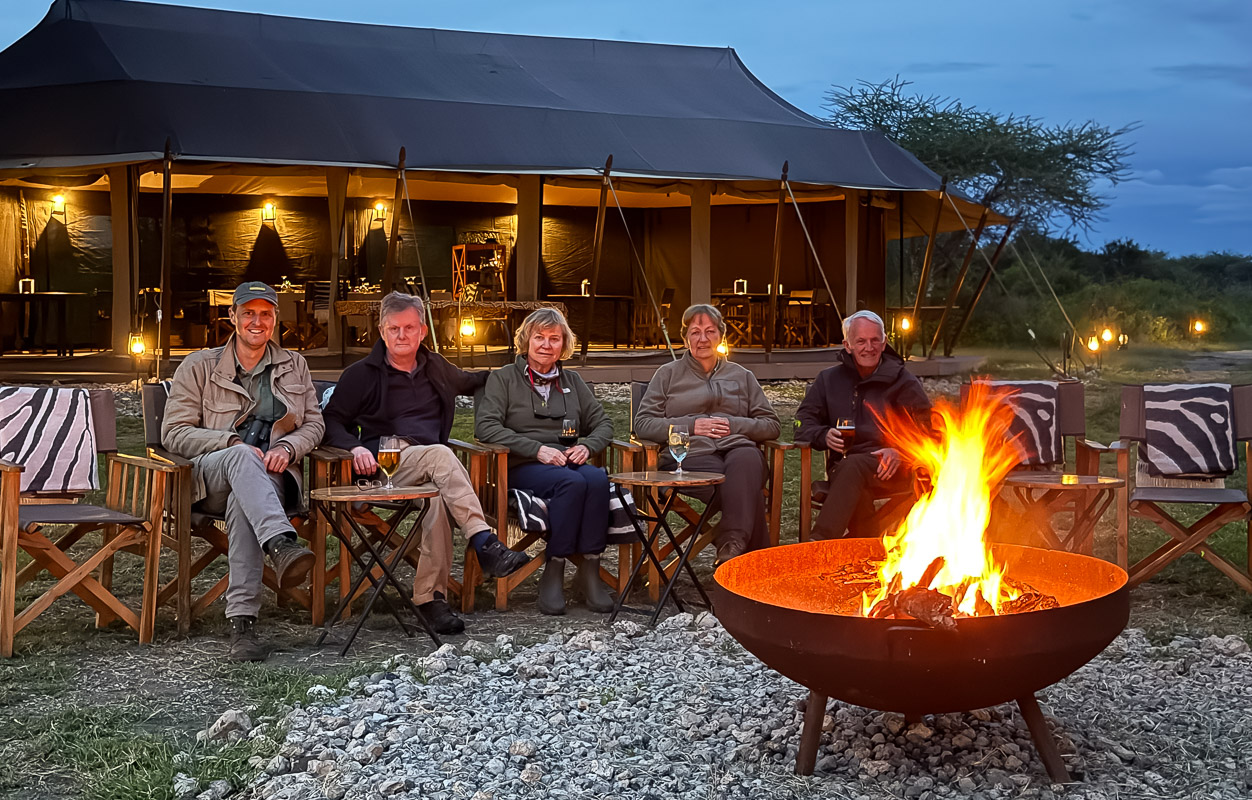
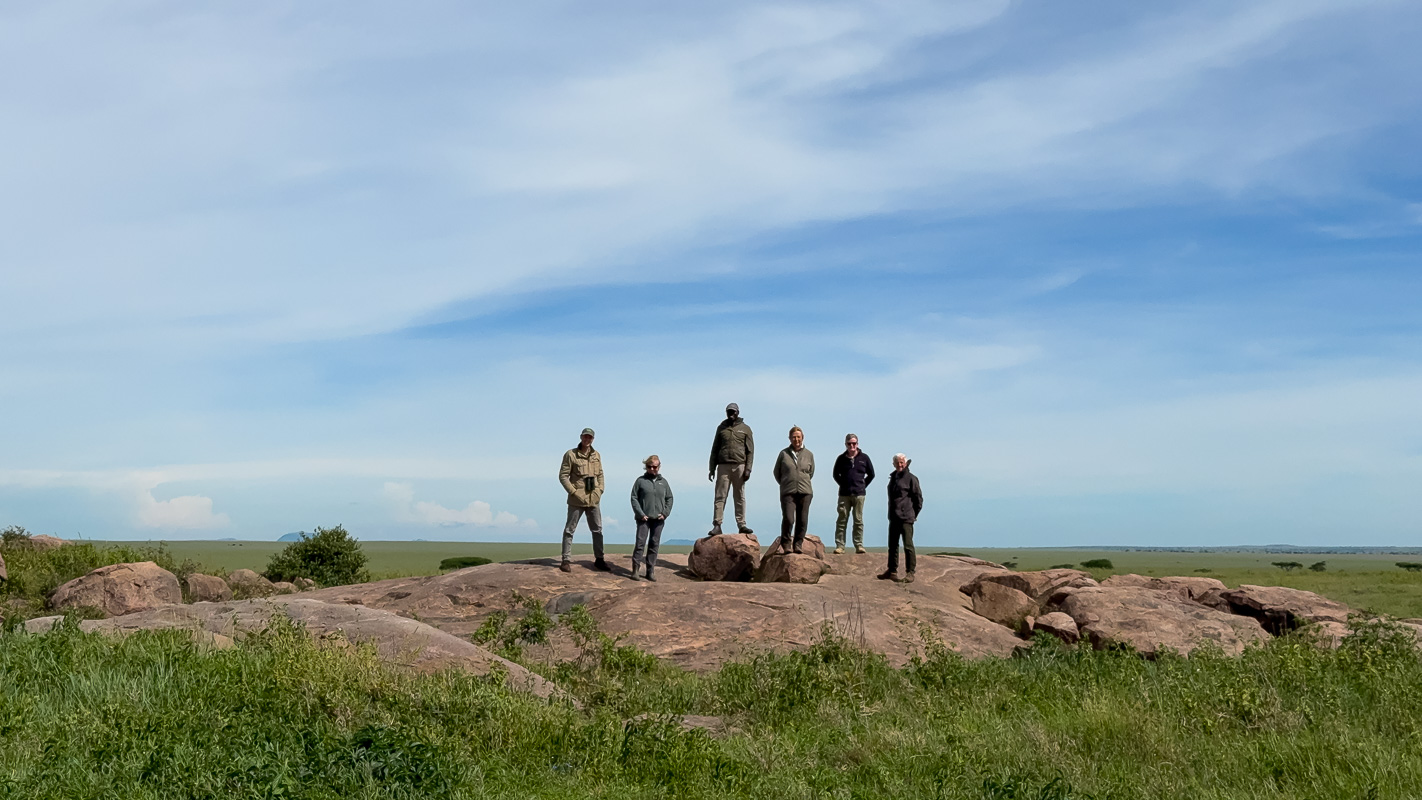
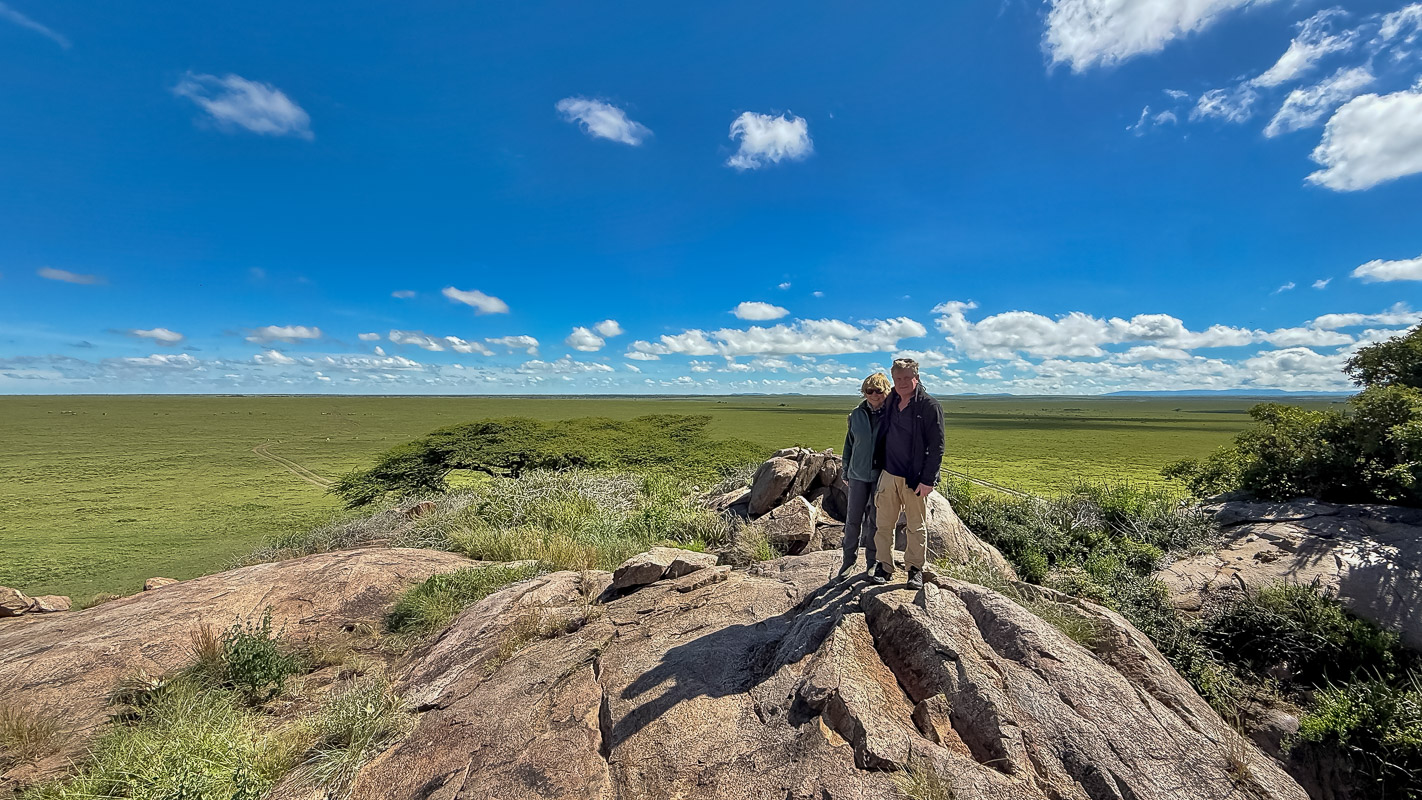
So, with Ann, Iain, David and Ute, we started 10 days in the Serengeti. Read on for a camp-by-camp account.
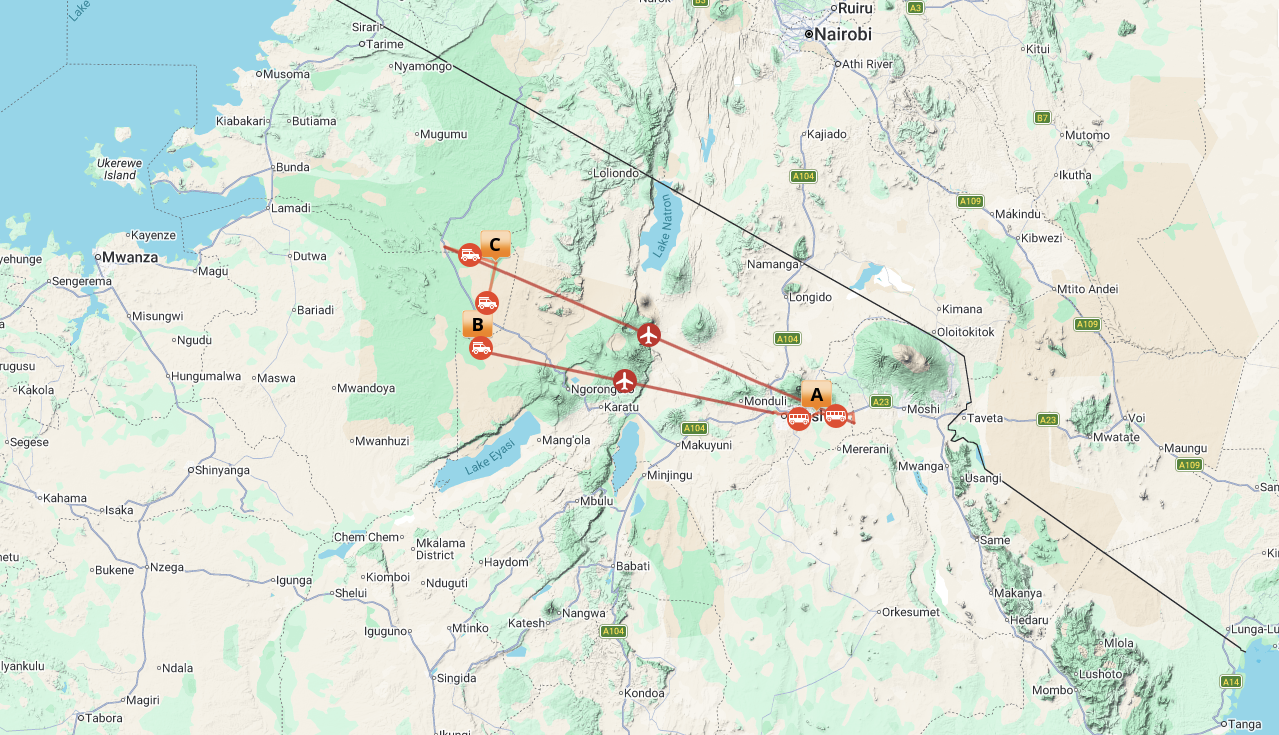
Olakira Migration Camp, Ndutu
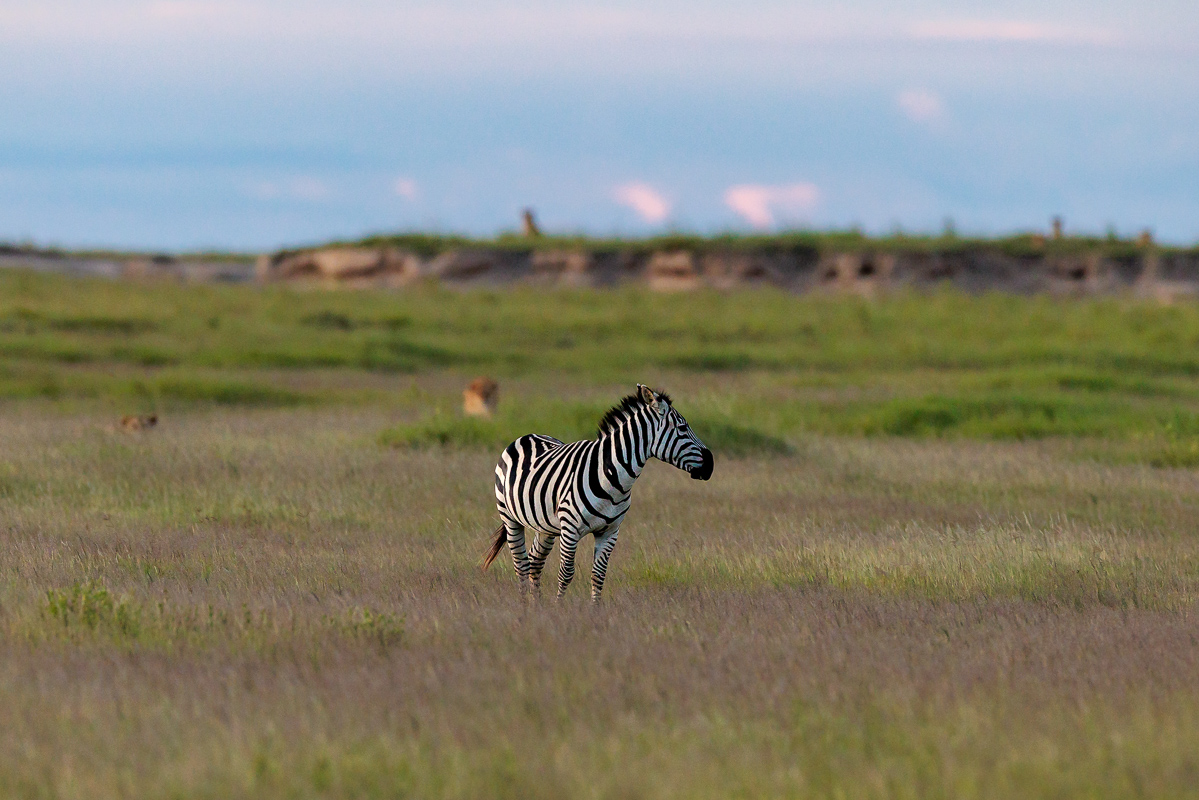
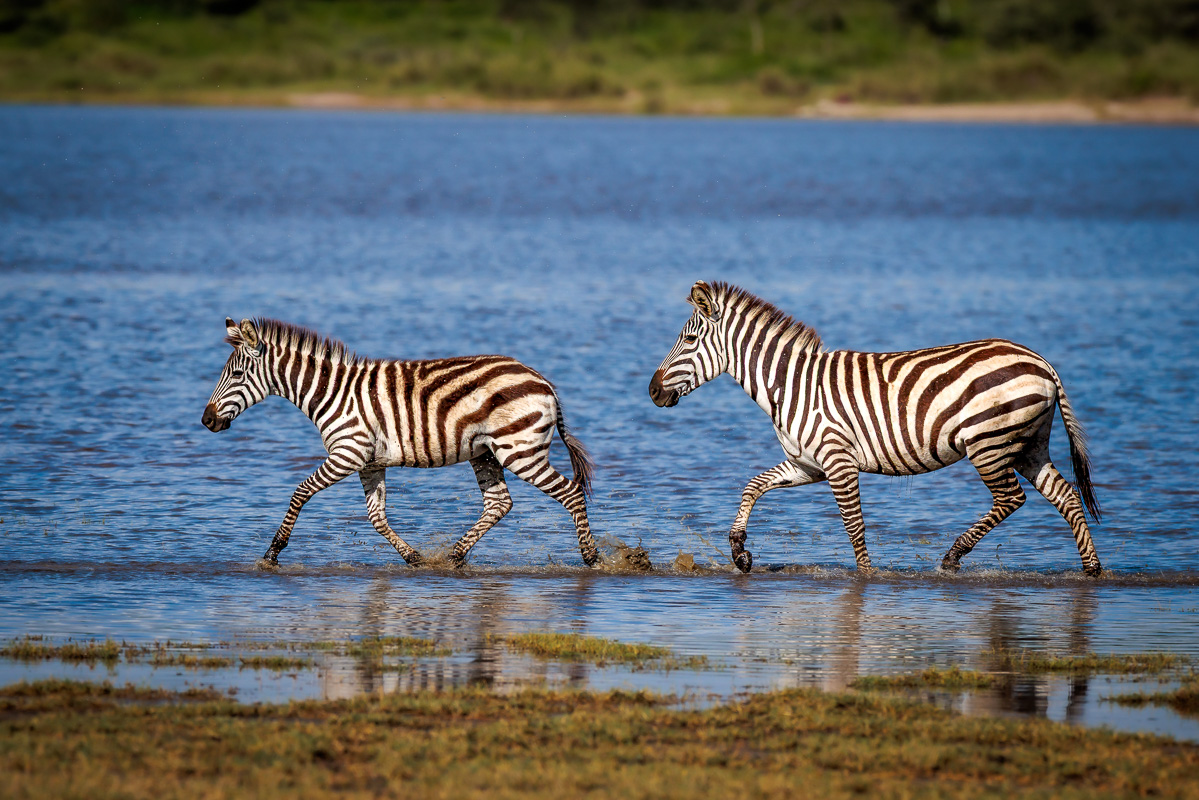
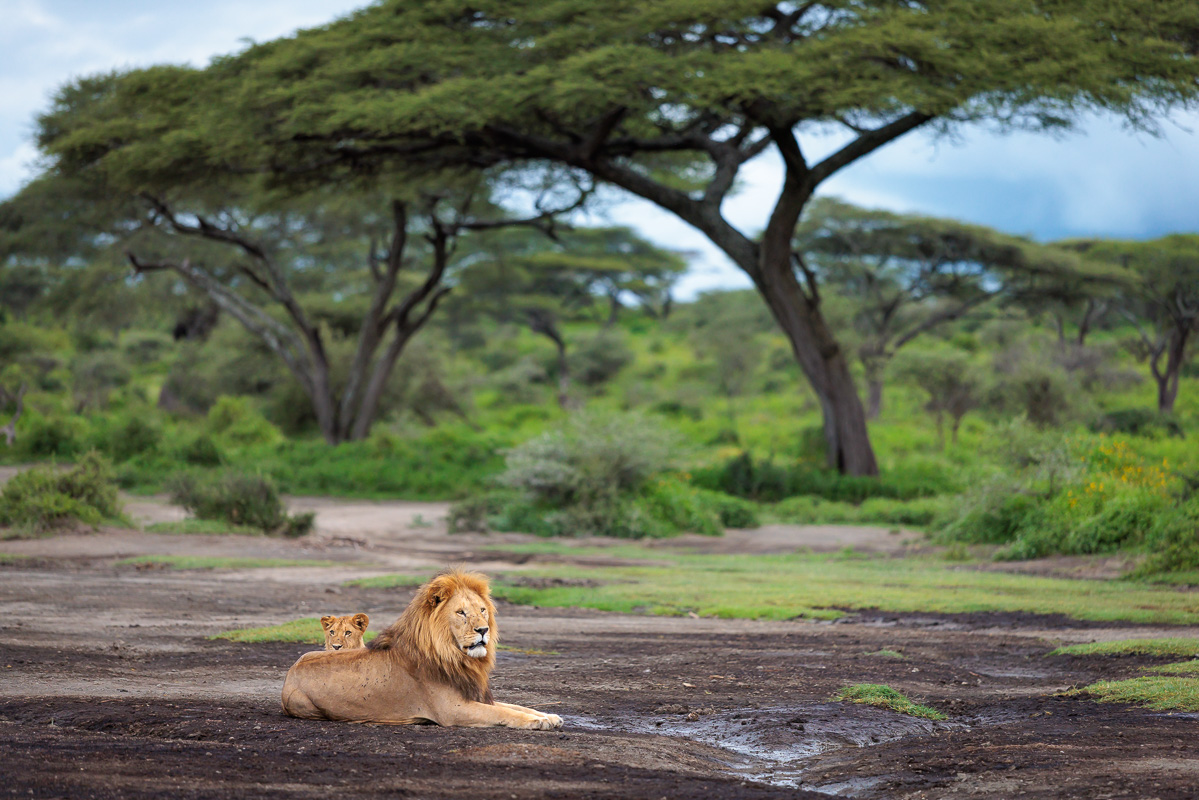
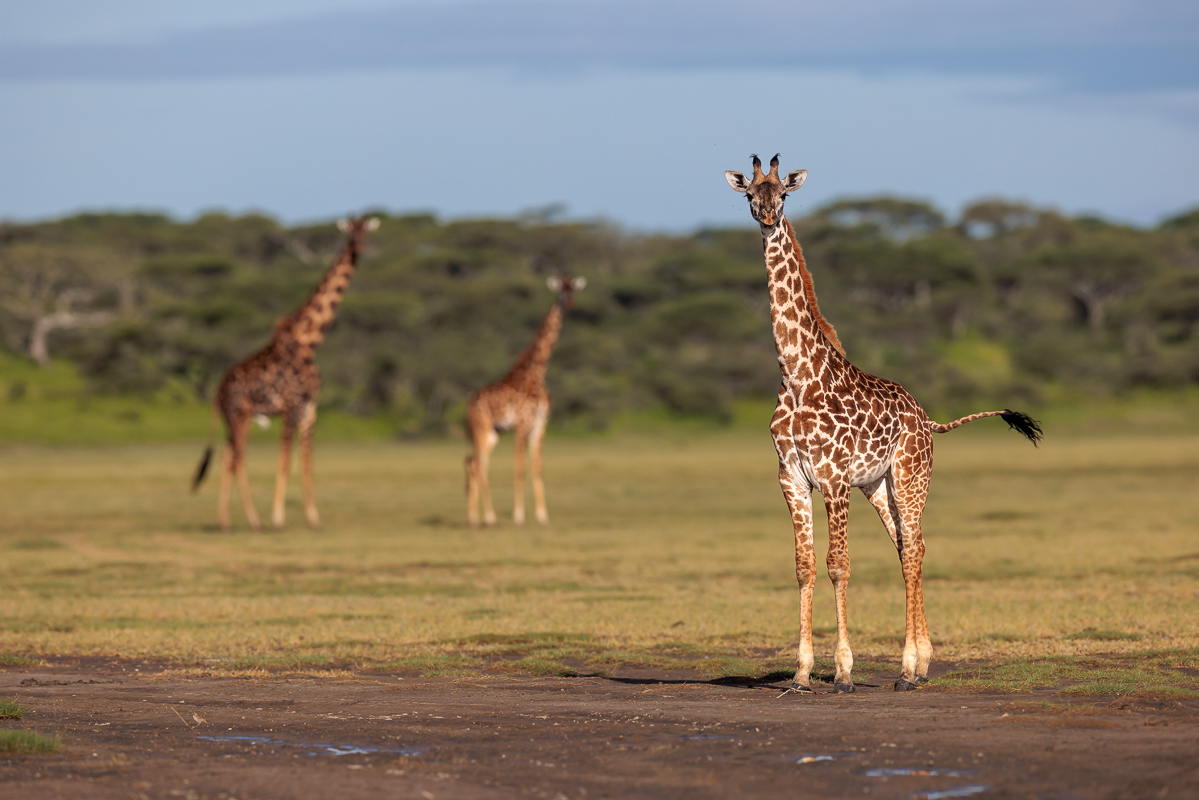
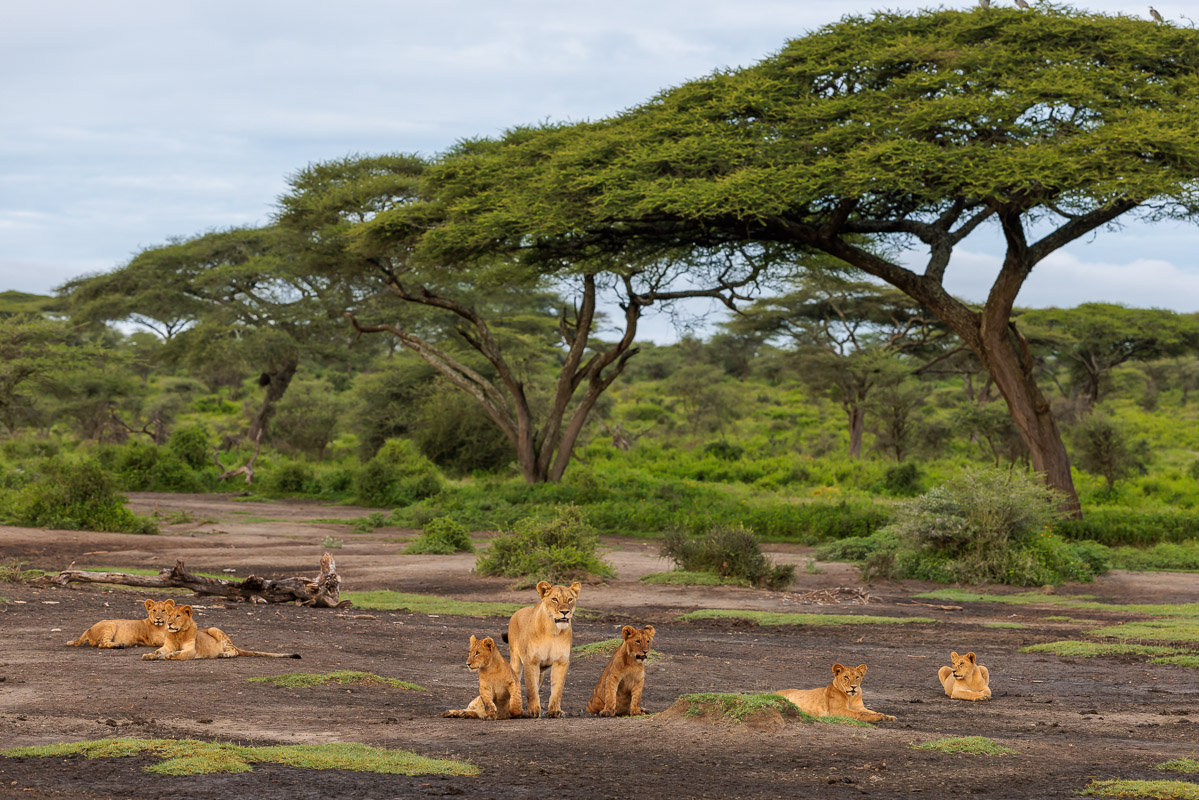
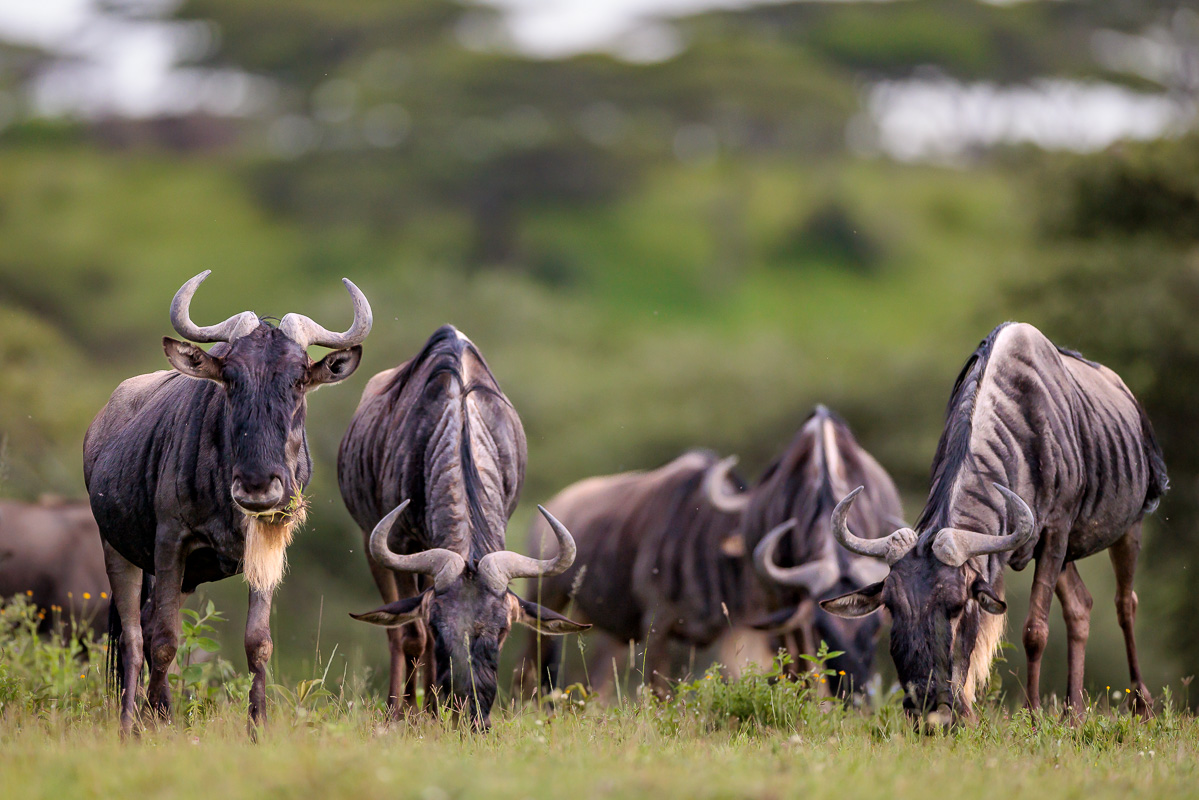
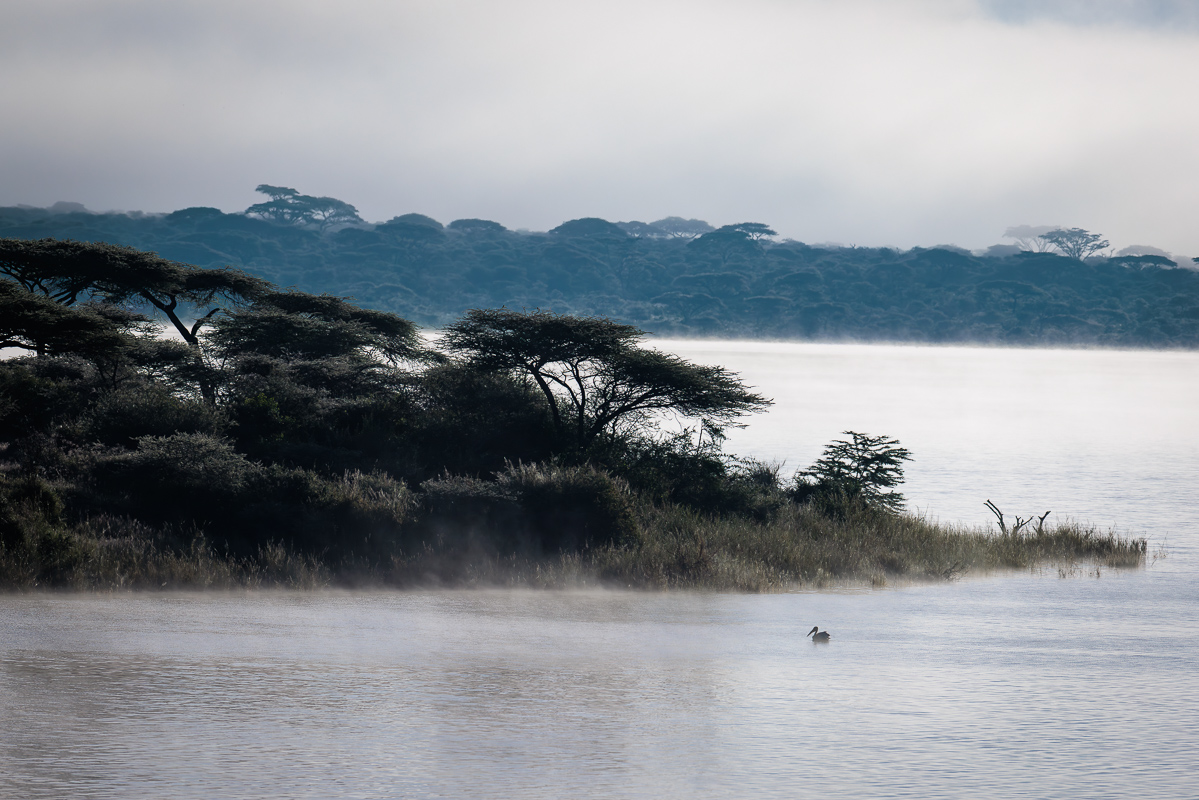
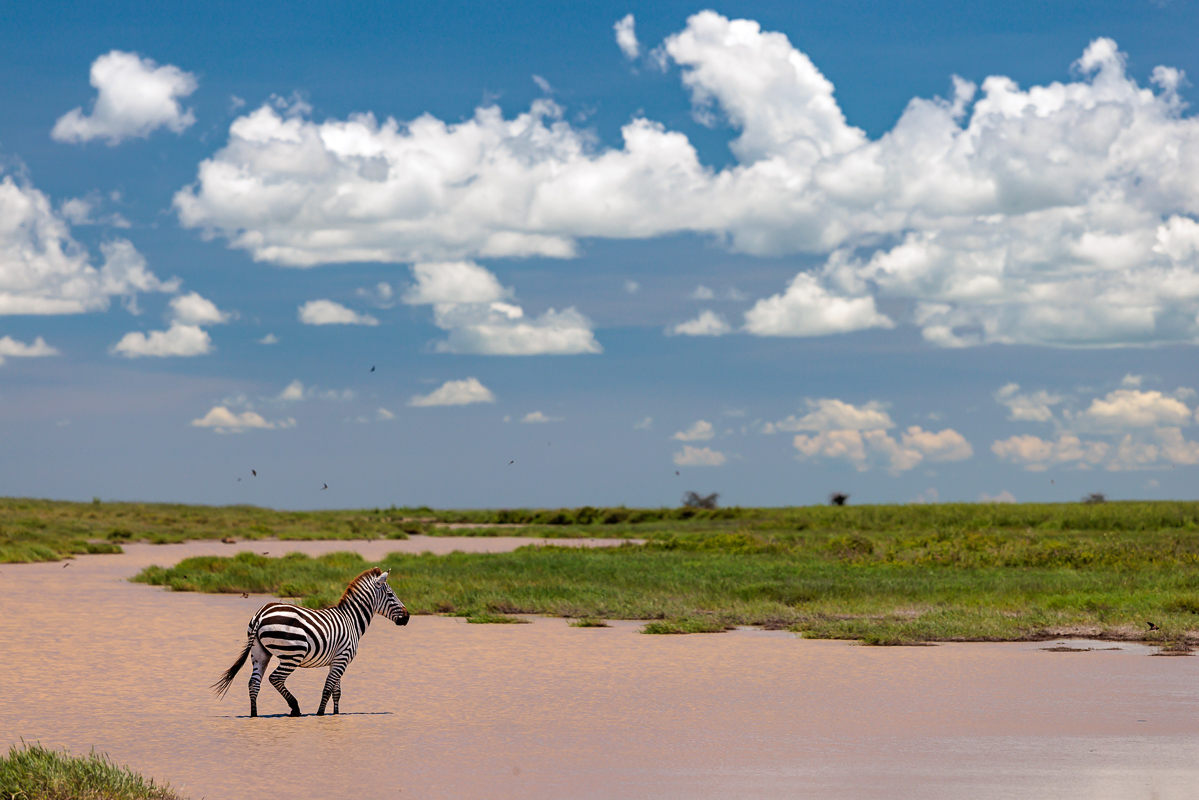
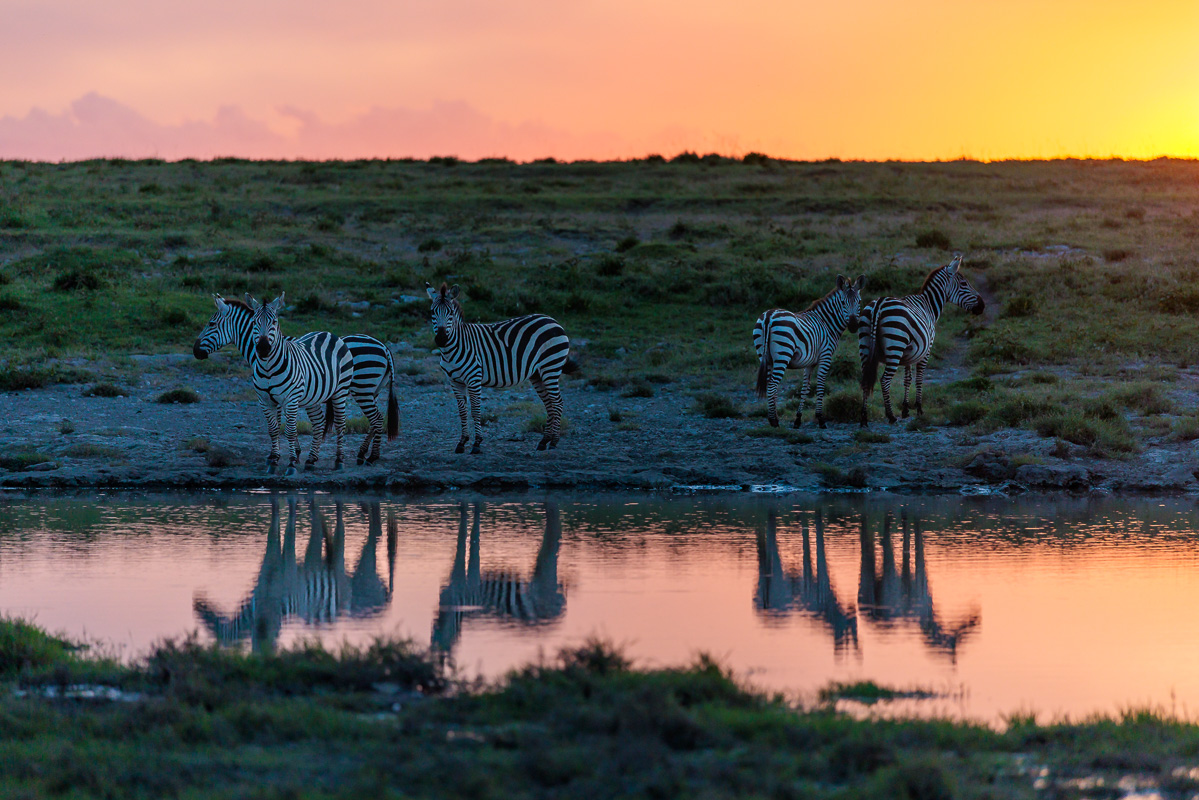
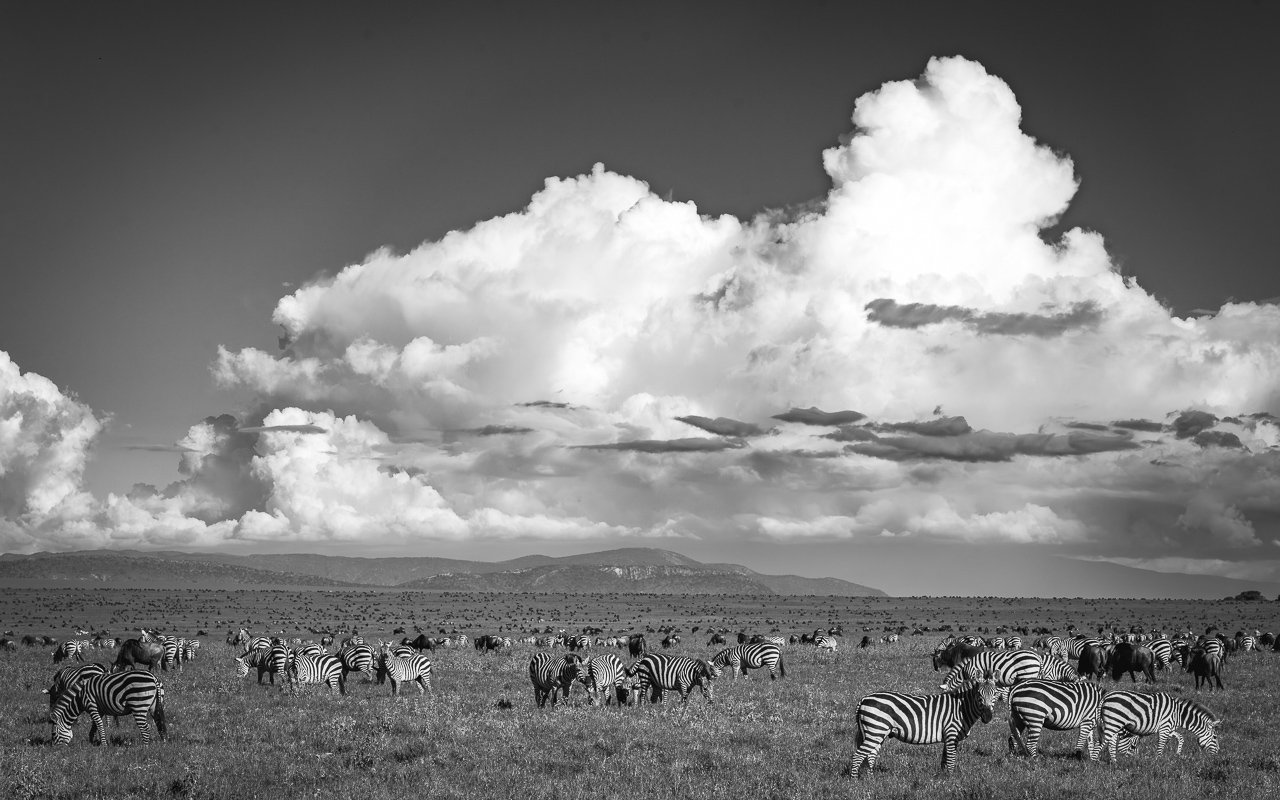
In the 3 weeks that I had been away, Ndutu had dried, greened-up and emptied out! Many of the seasonal camps had closed down leaving the place much more peaceful. The rains had ensured that the grass was growing well so herds of wildebeest and zebra were still in the area, rather than moving away to follow the new rainfall in the western areas of the Serengeti.
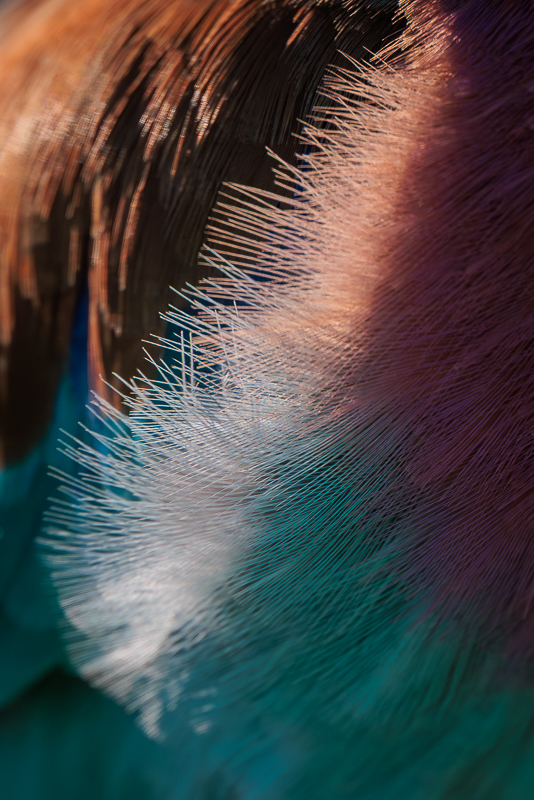
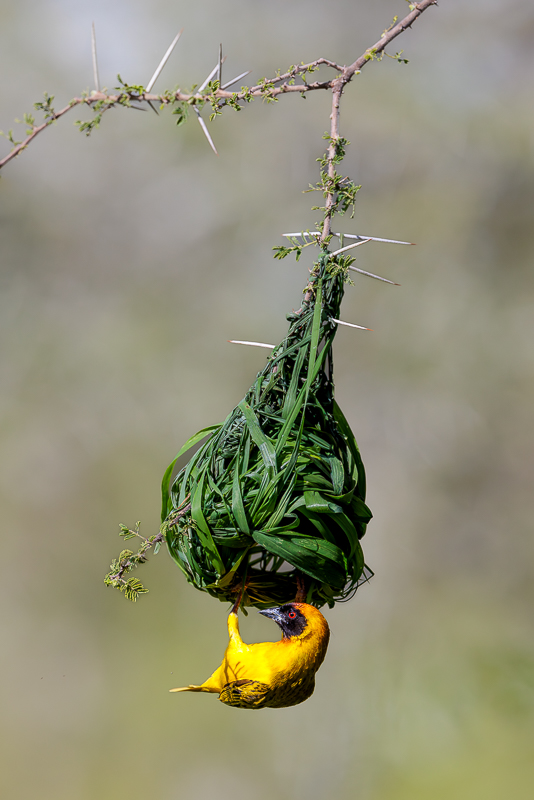
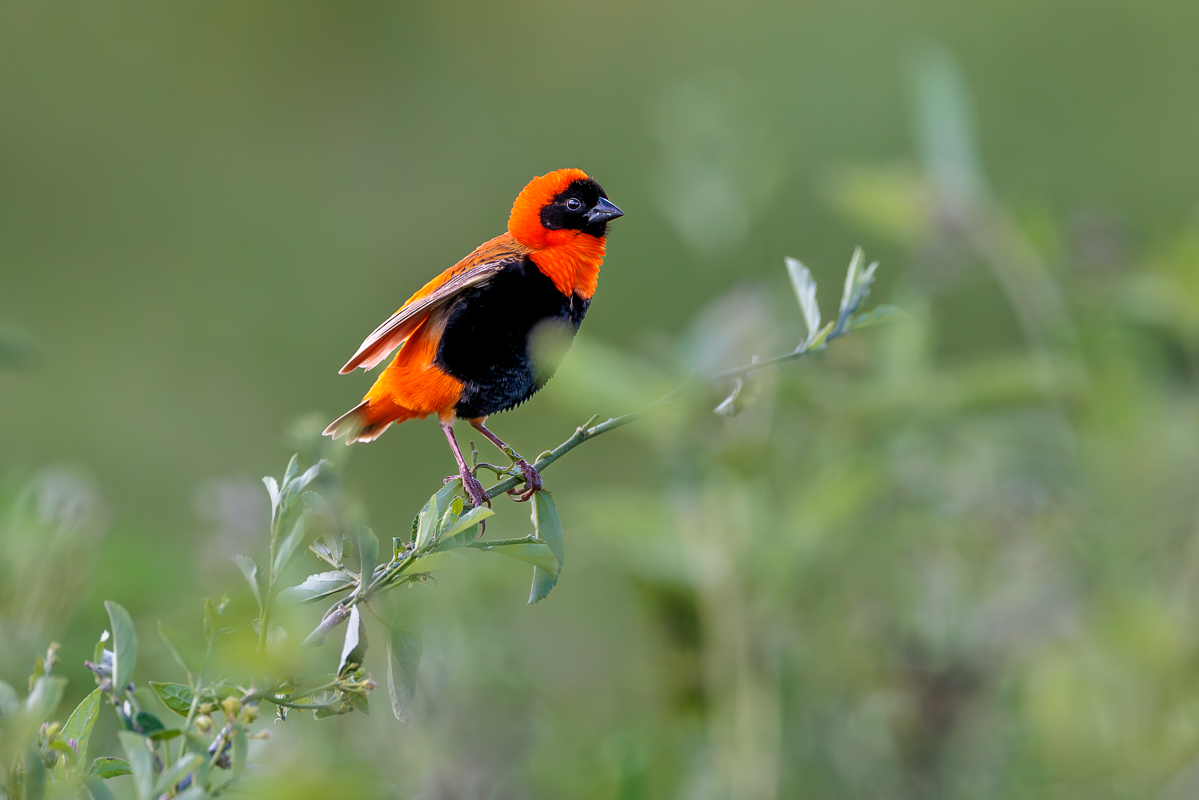
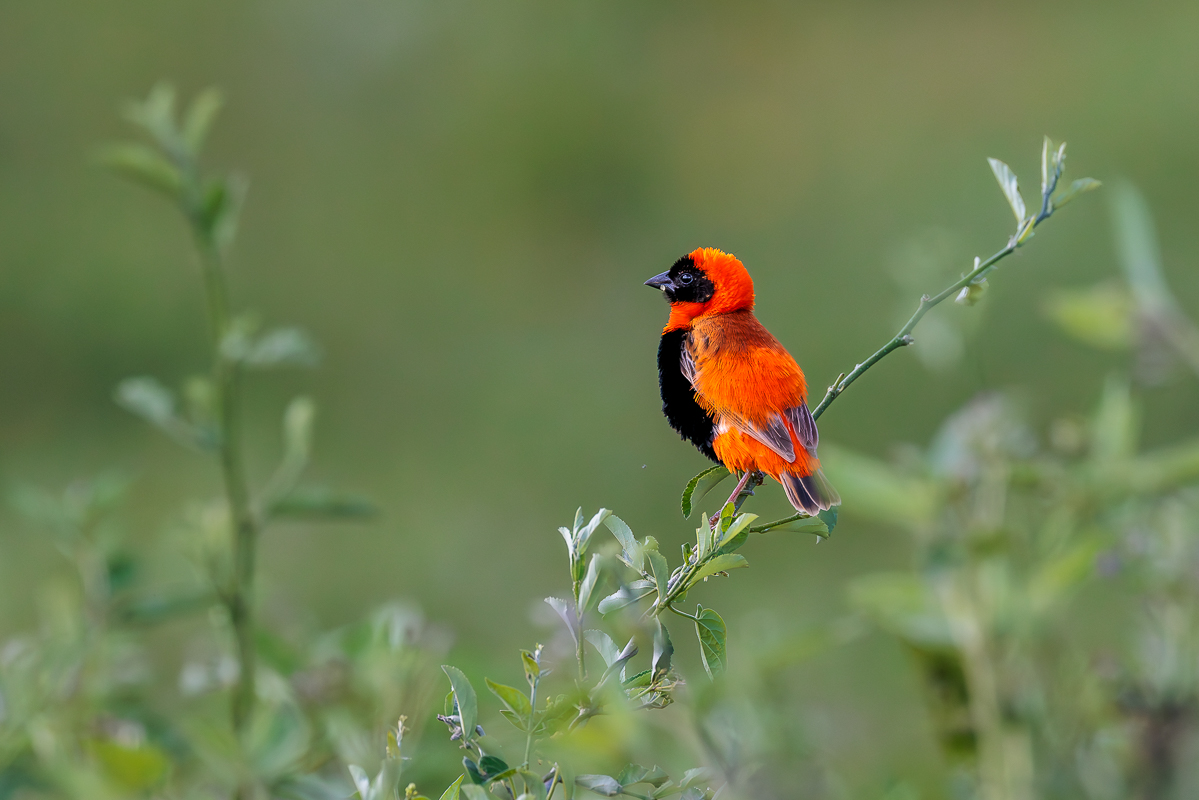
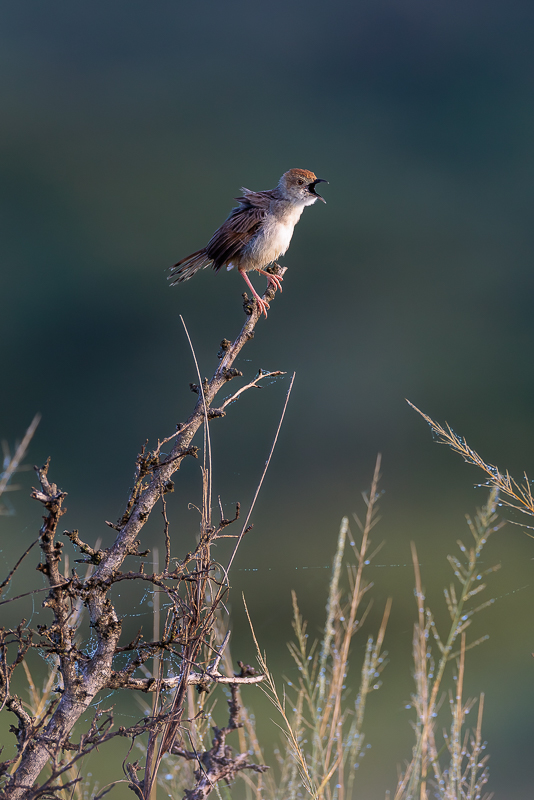
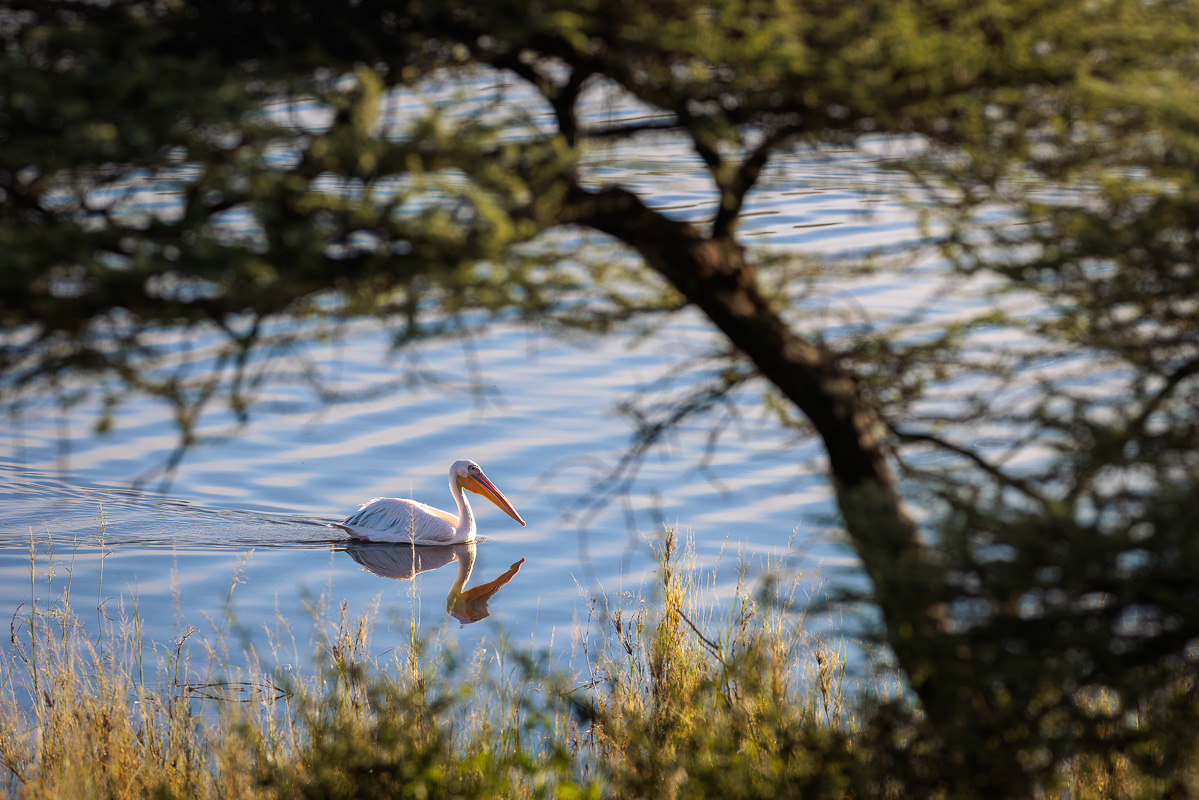
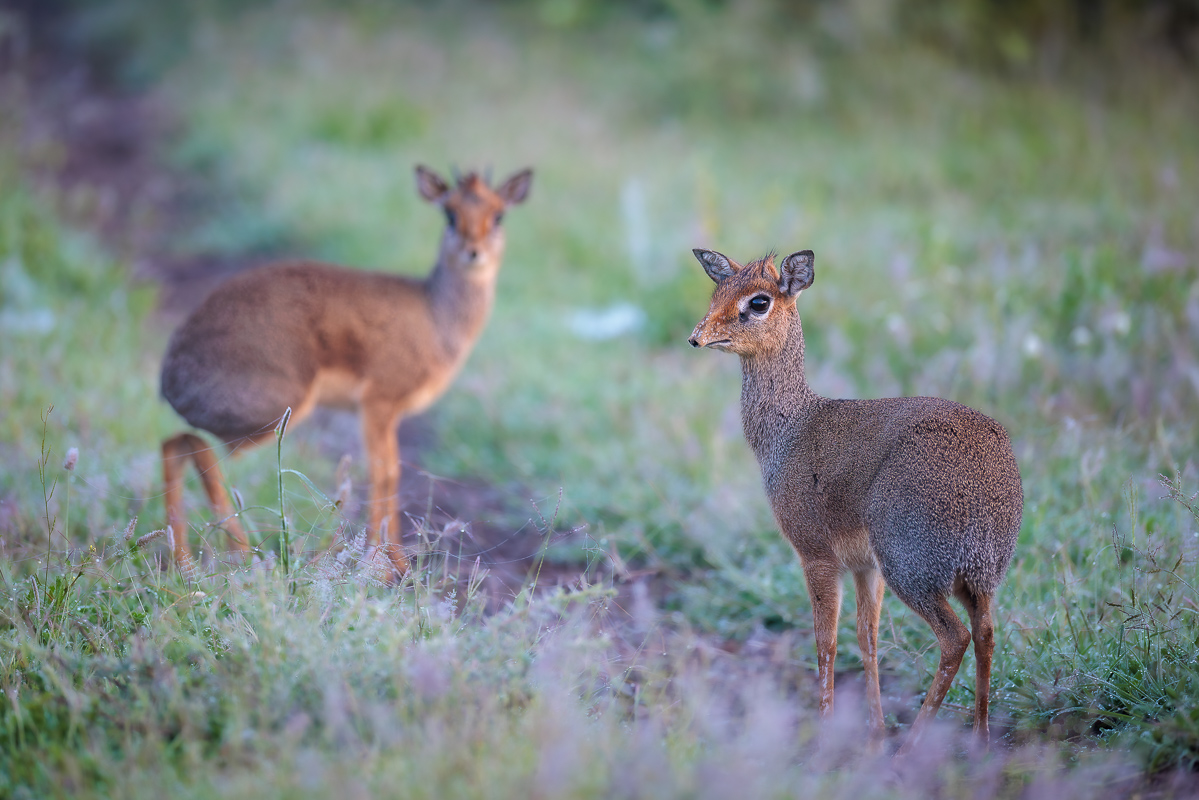
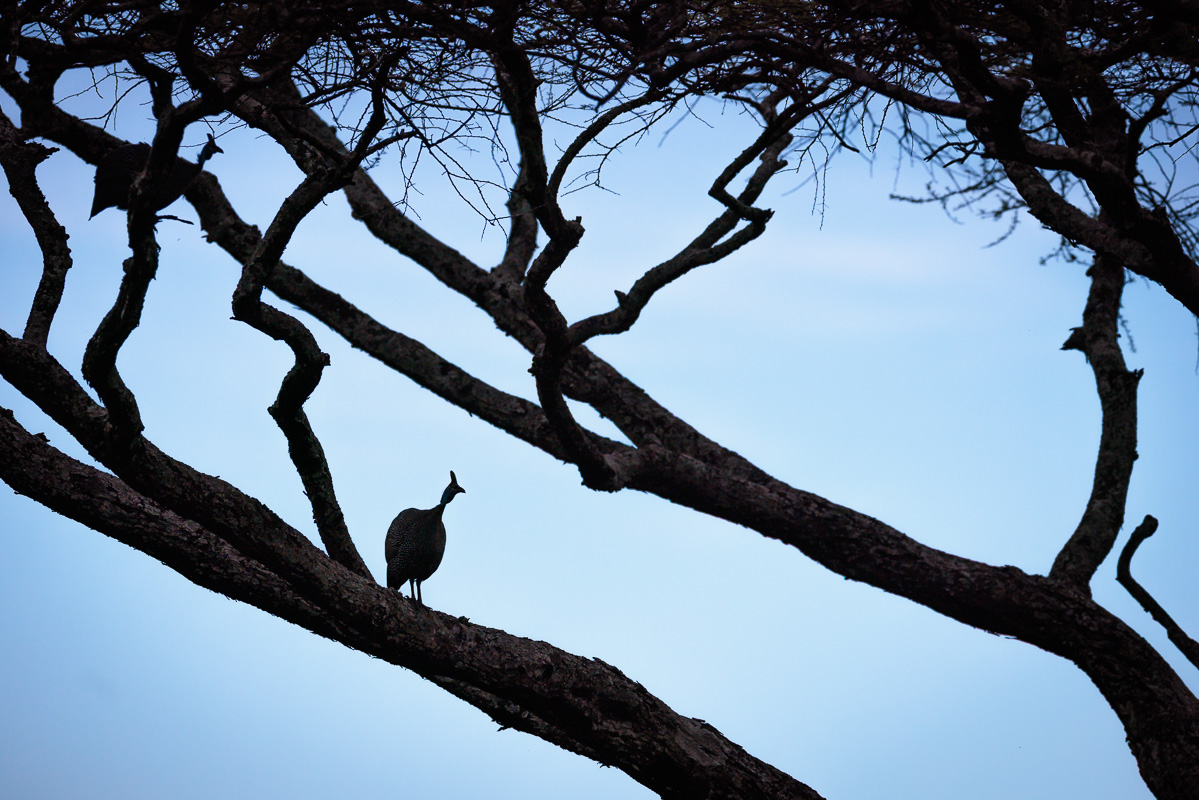
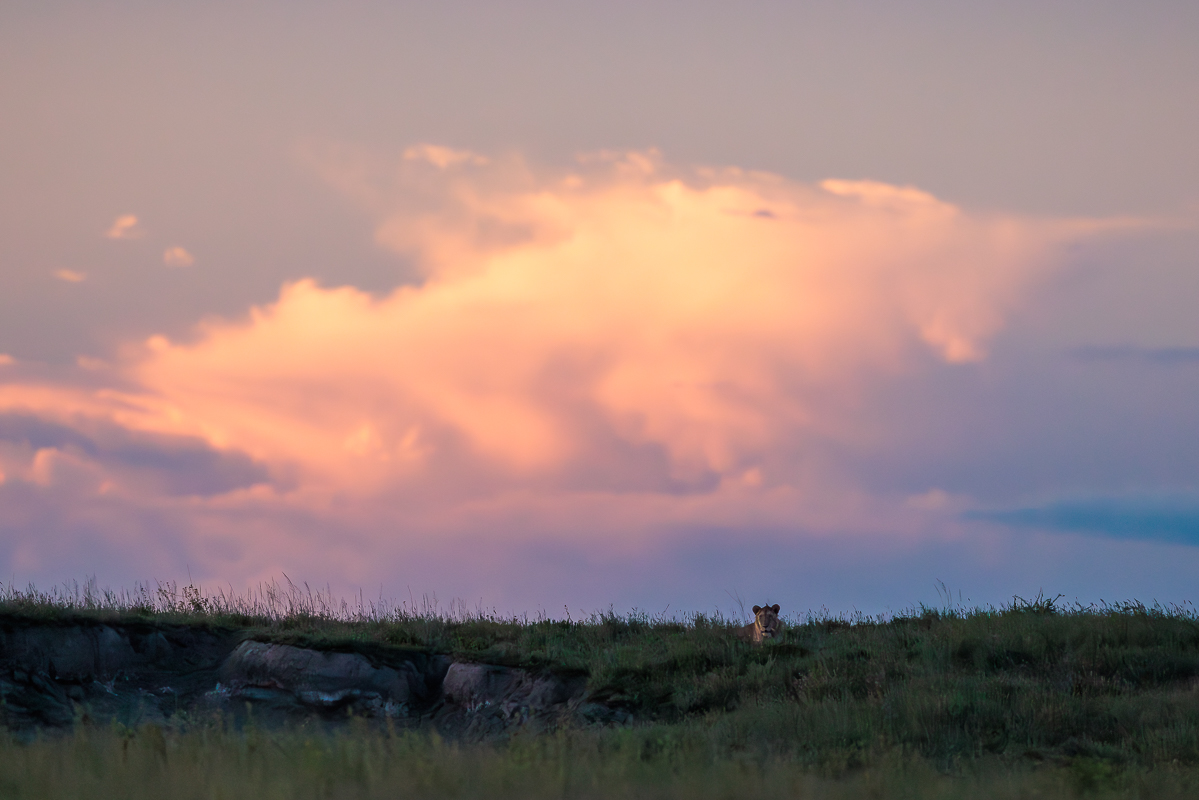
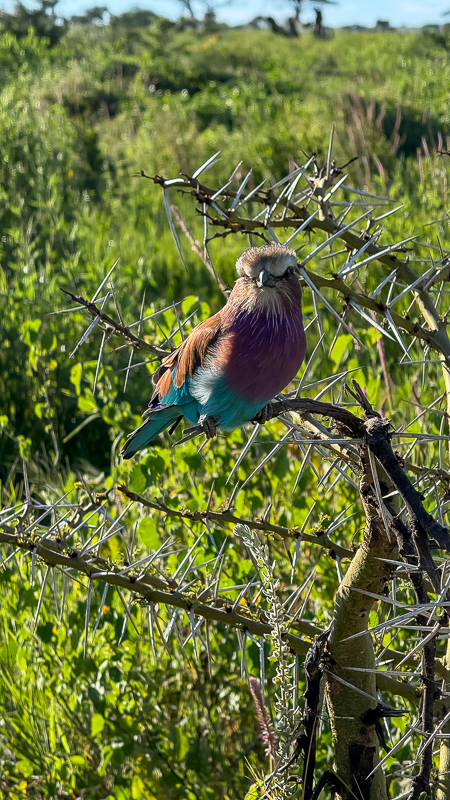
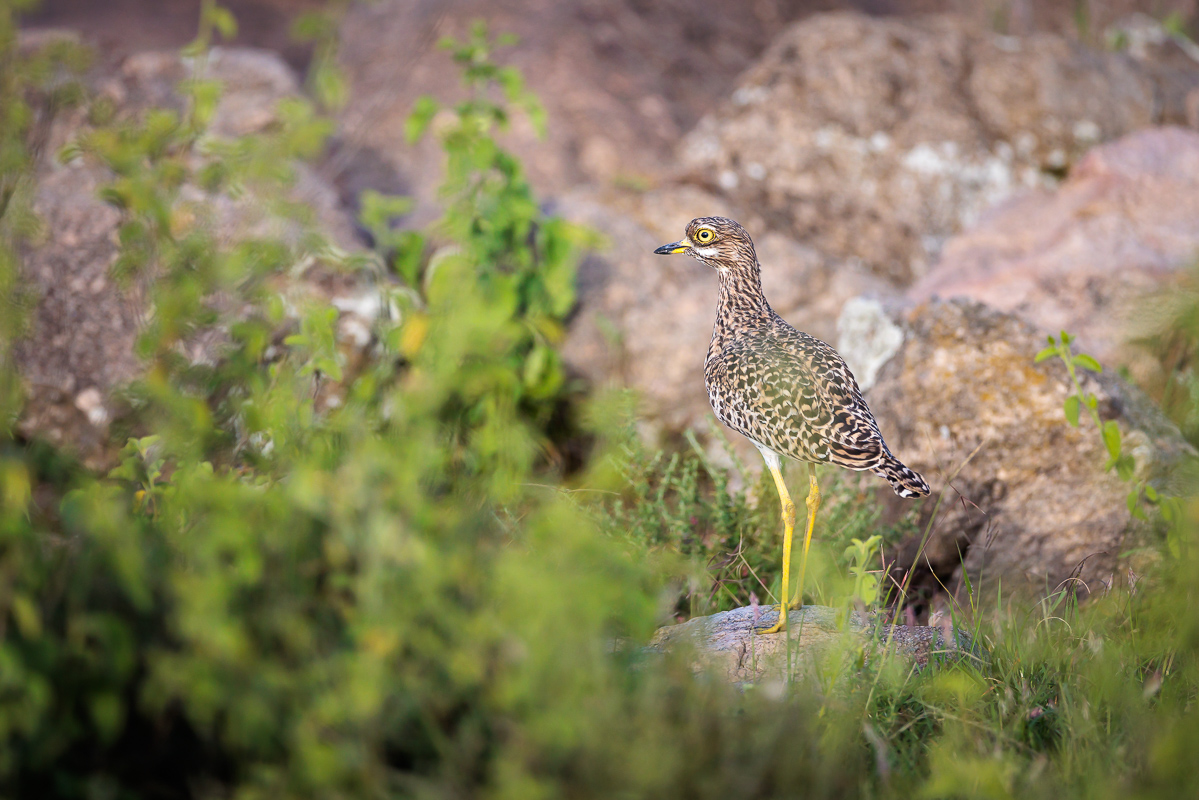
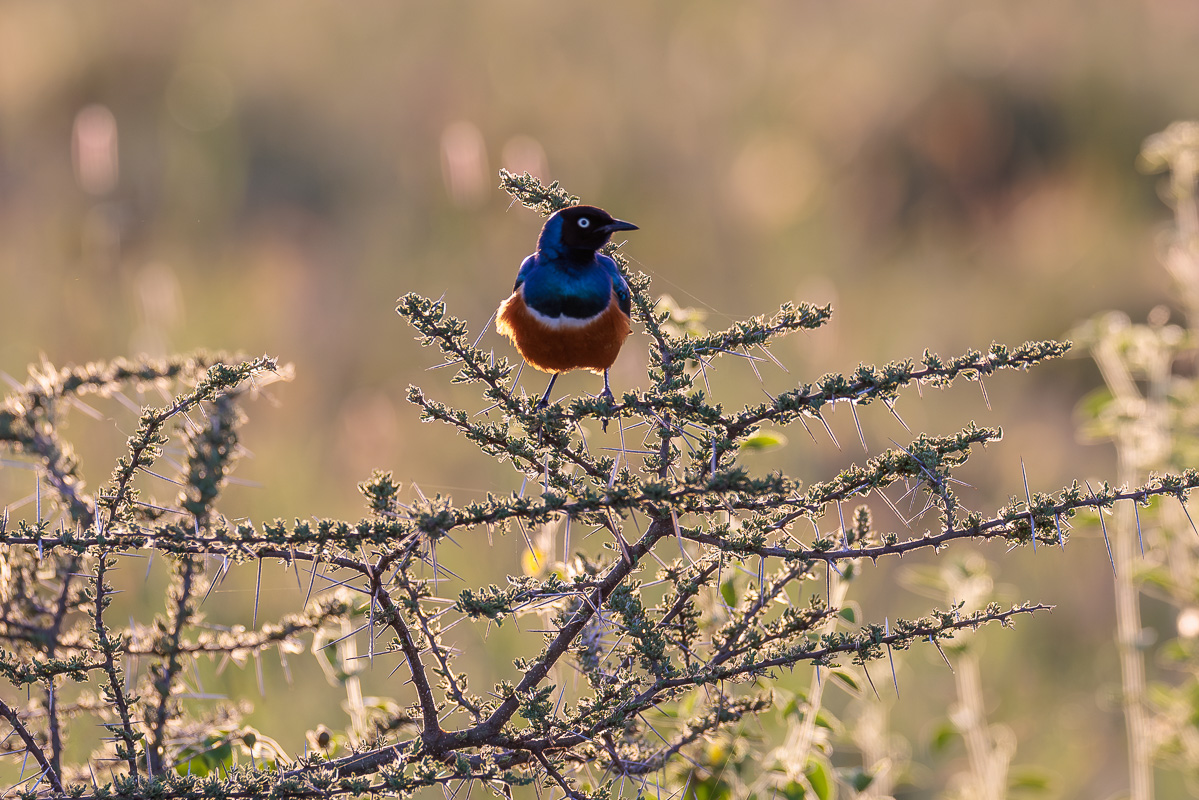
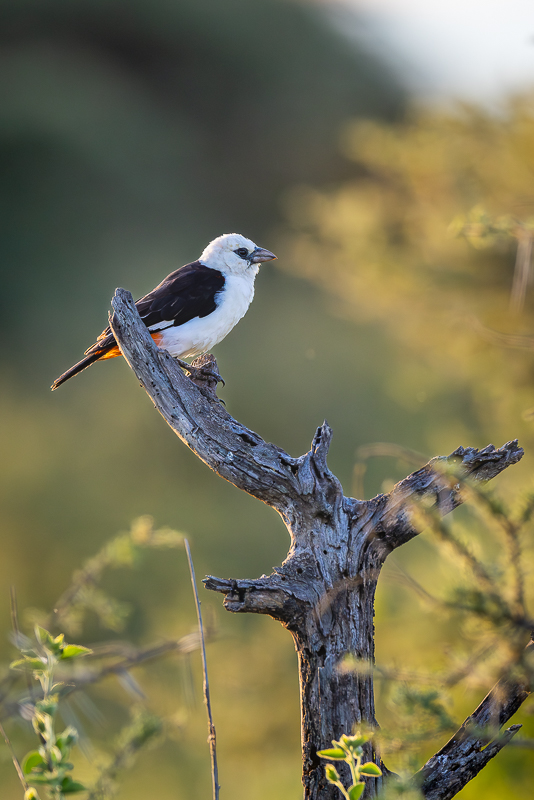
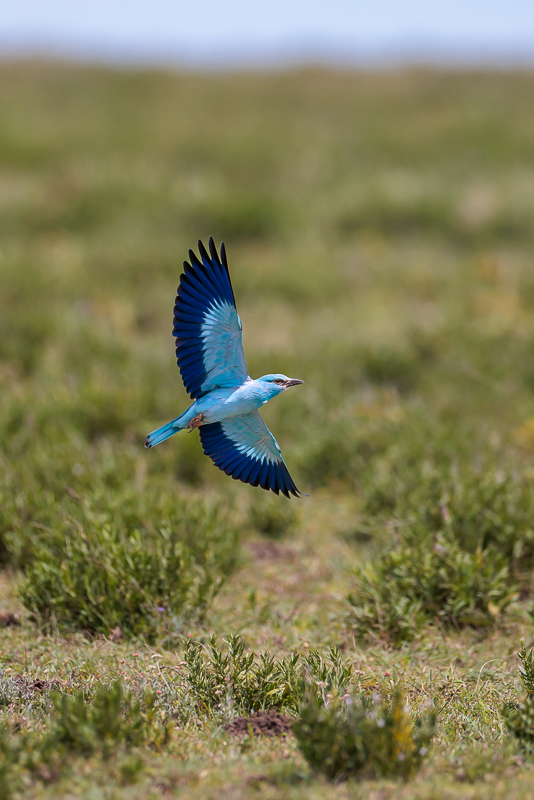
The other large change was the impact of the rain on the birds; they were all in breeding plumage, with weavers busily creating nests, bishops chasing their prospective mates through the long grass and Cardinal Quelea calling frenetically to establish territories. We enjoyed lots of time with these subjects as we carefully searched for small cats in the grass around the camp.
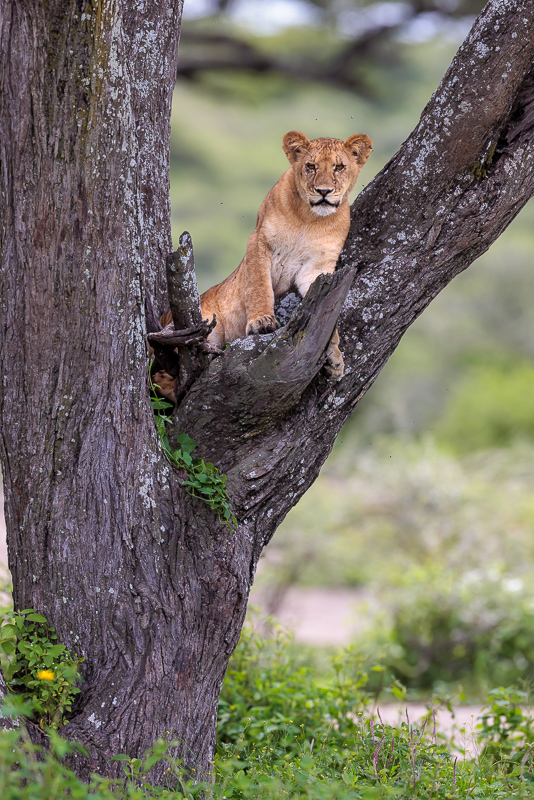
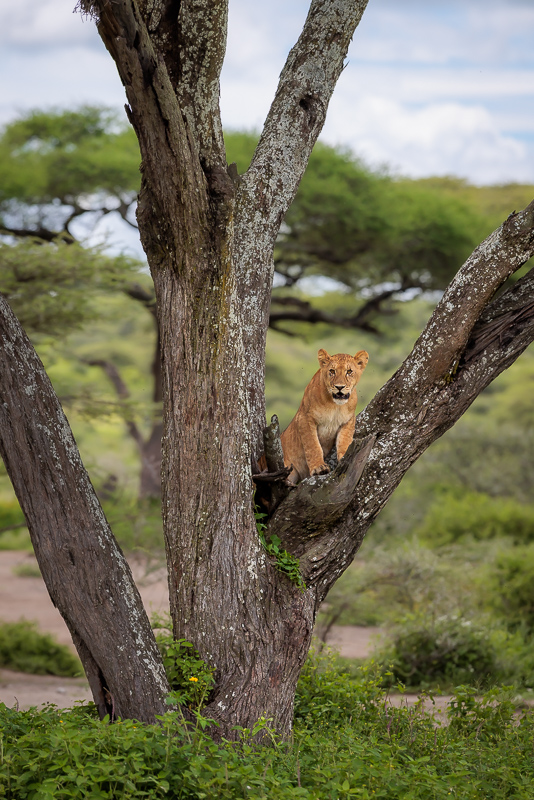
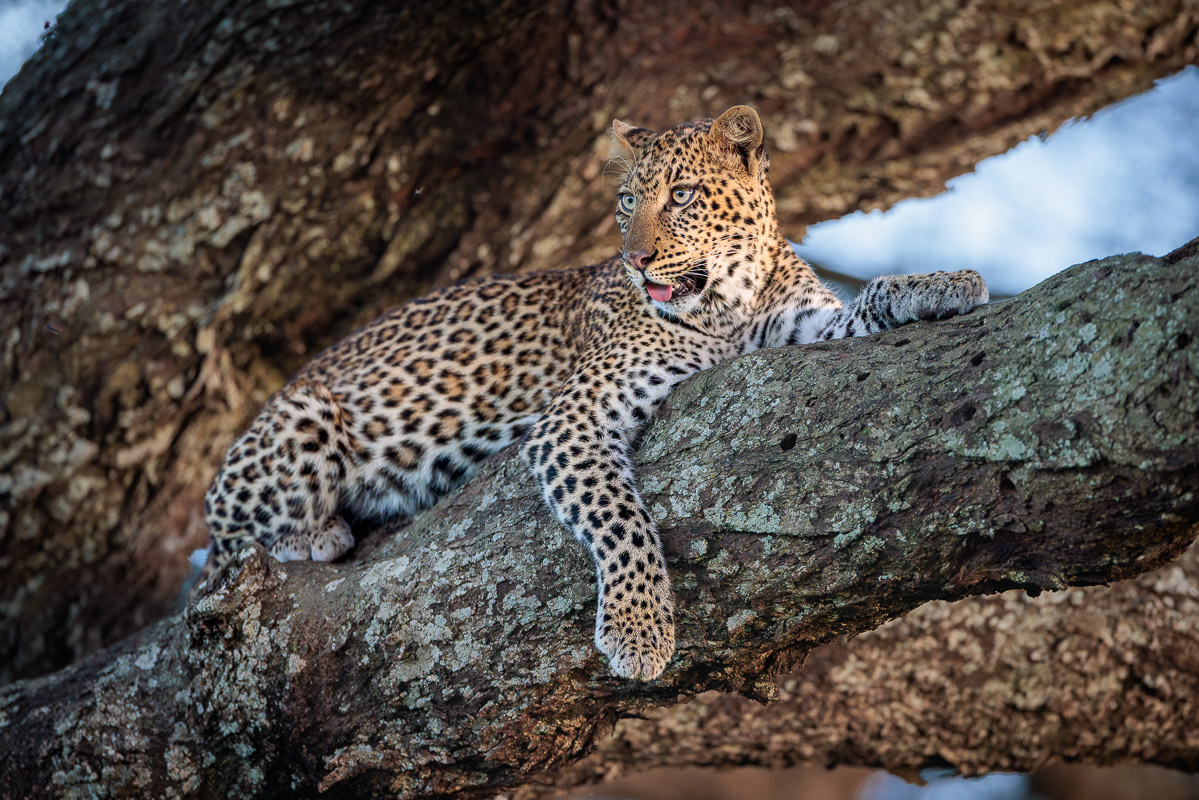
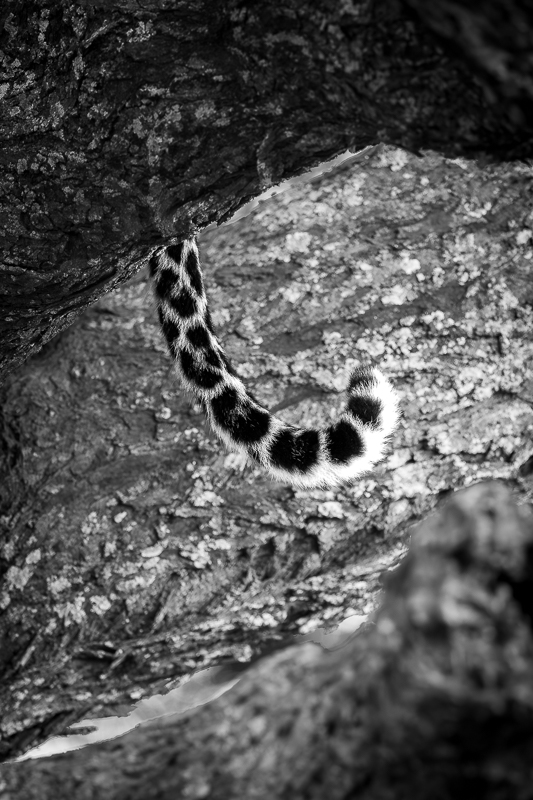
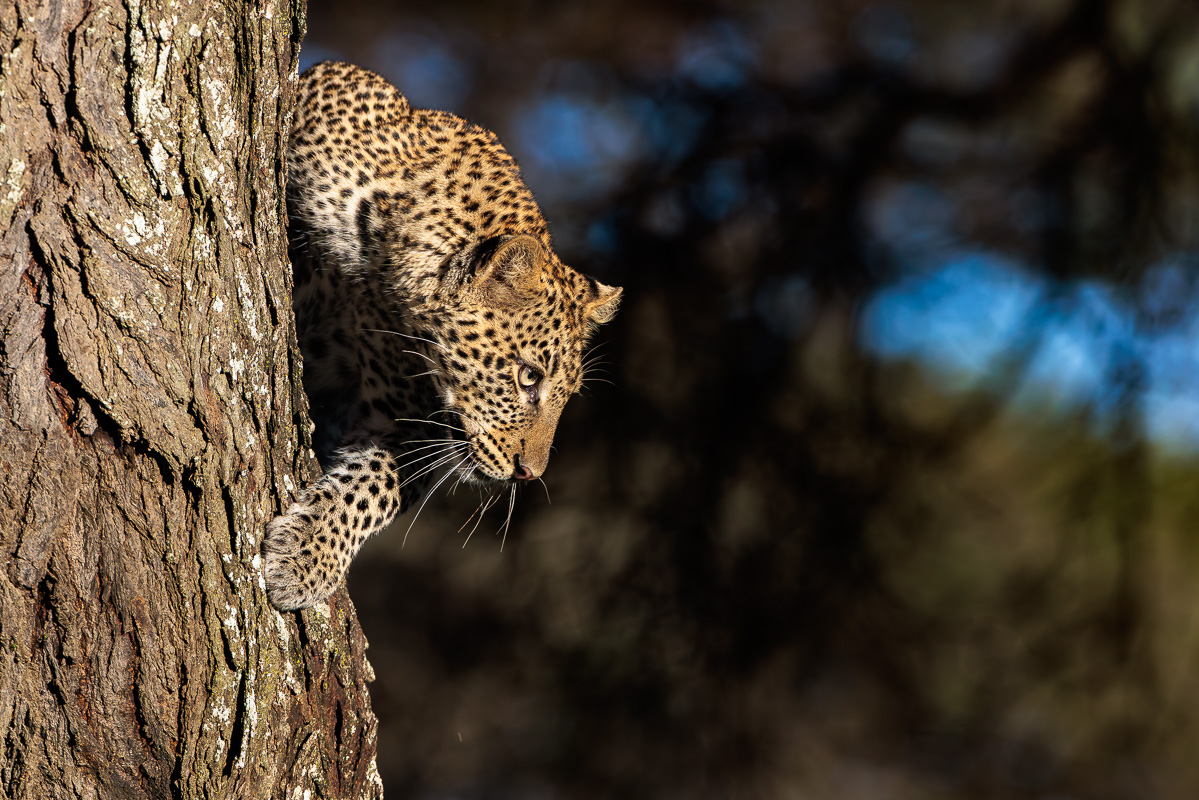
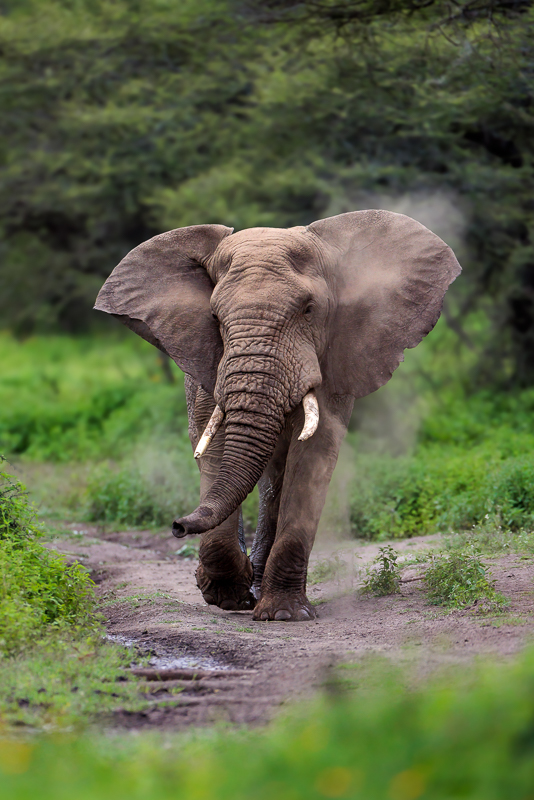
The highlights of our time in this area were the birds, an afternoon with 3 leopards feeding on a young wildebeest in a tree and a gorgeous morning searching for a hidden valley in the north-west corner of the Ndutu conservation area.
Namiri Plains Camp
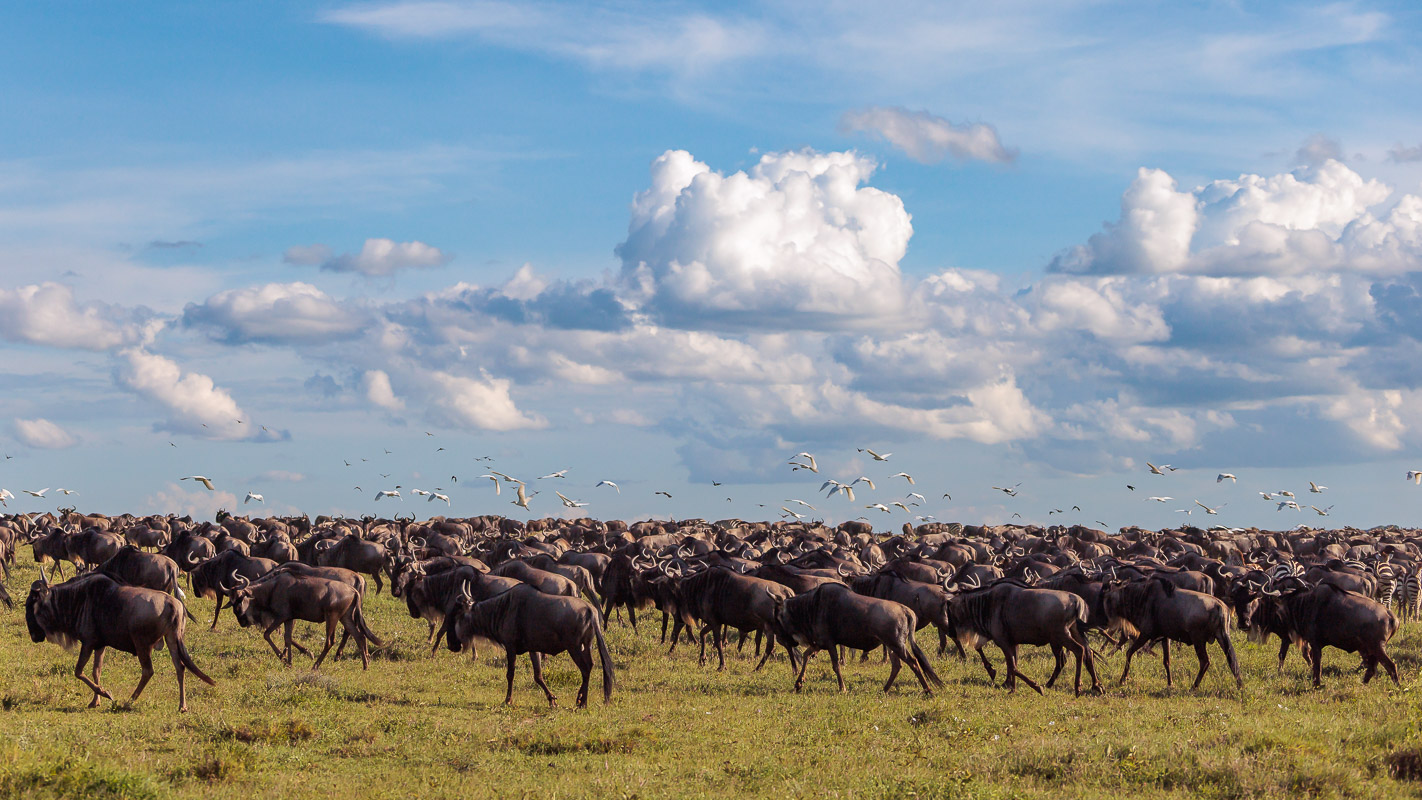
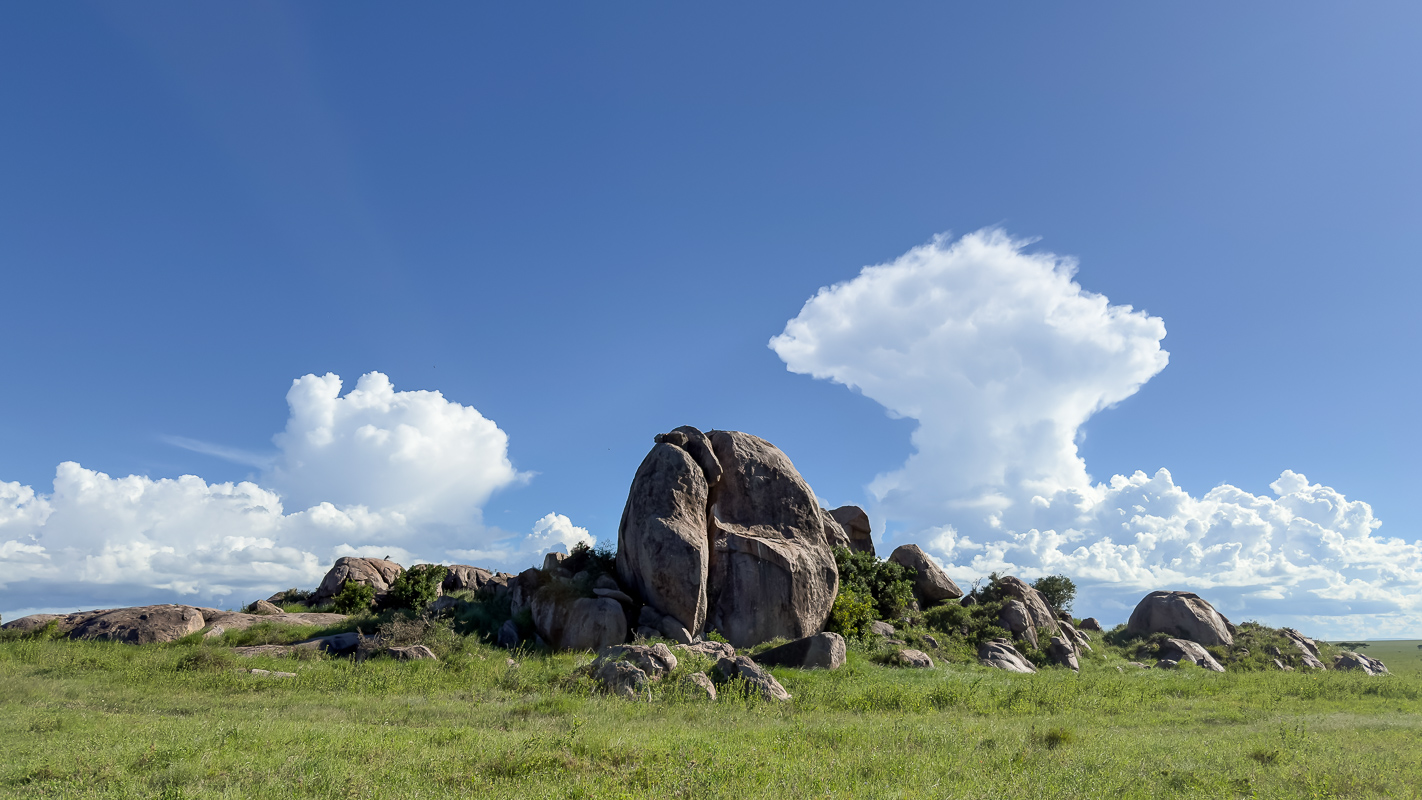
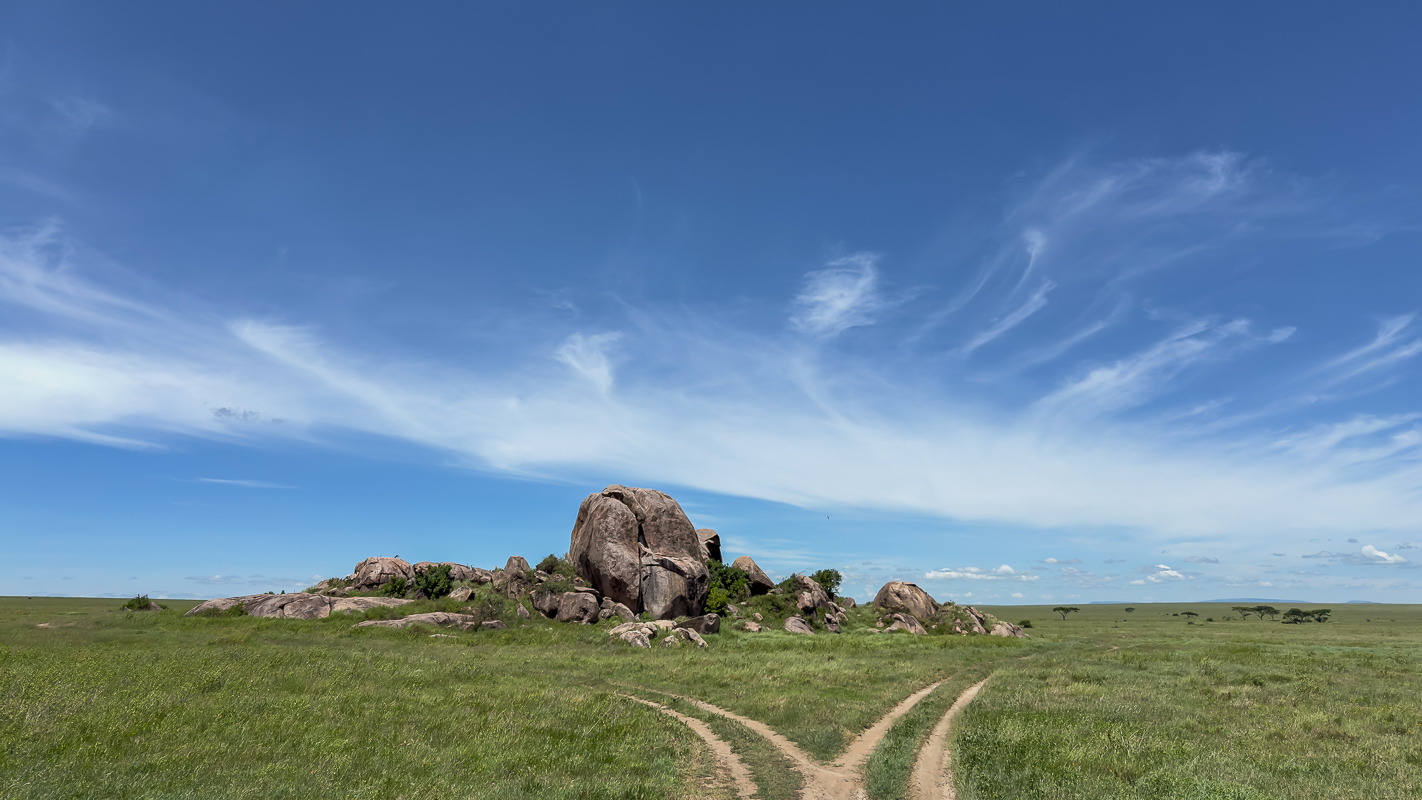
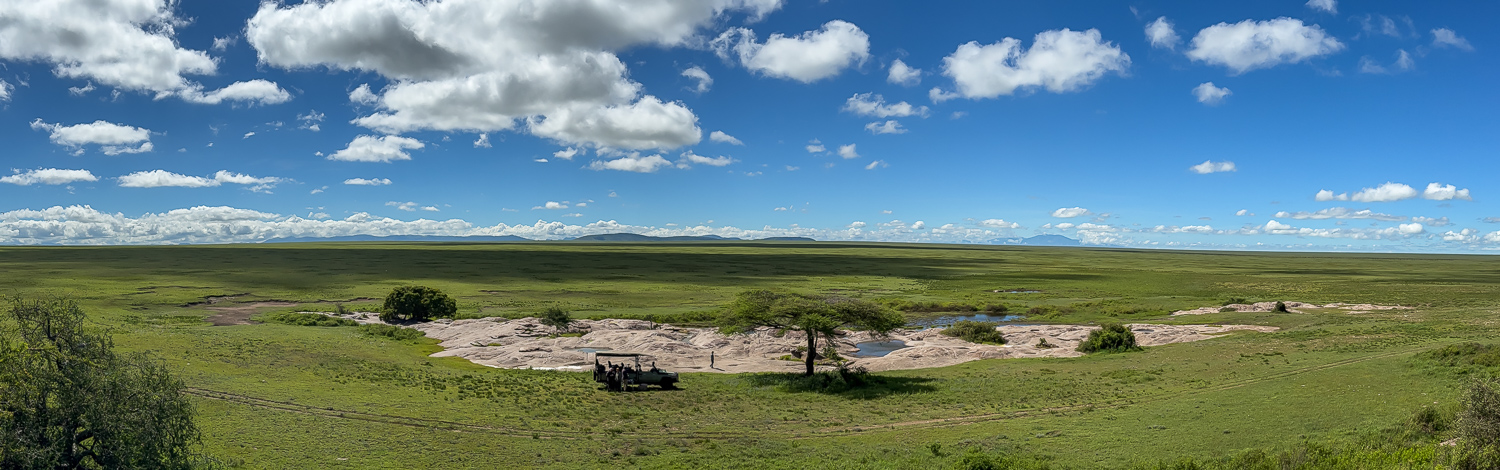
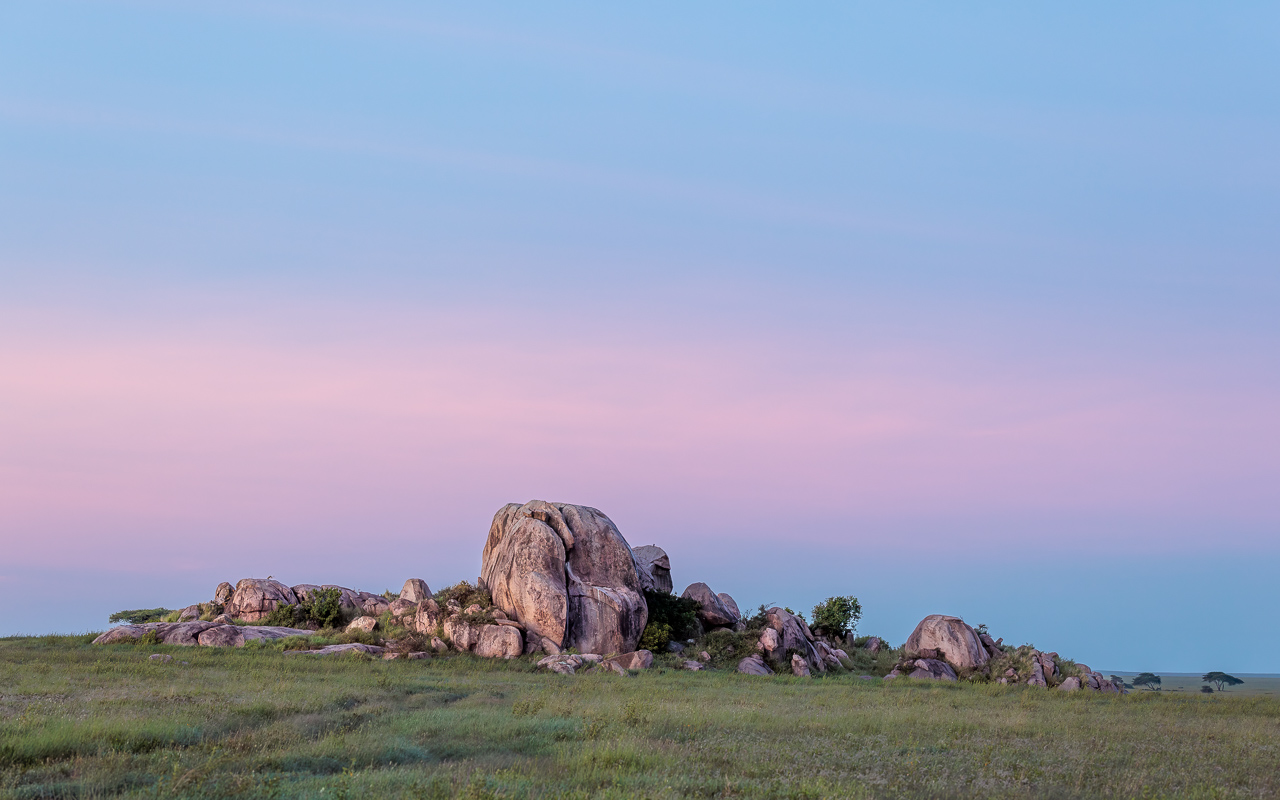
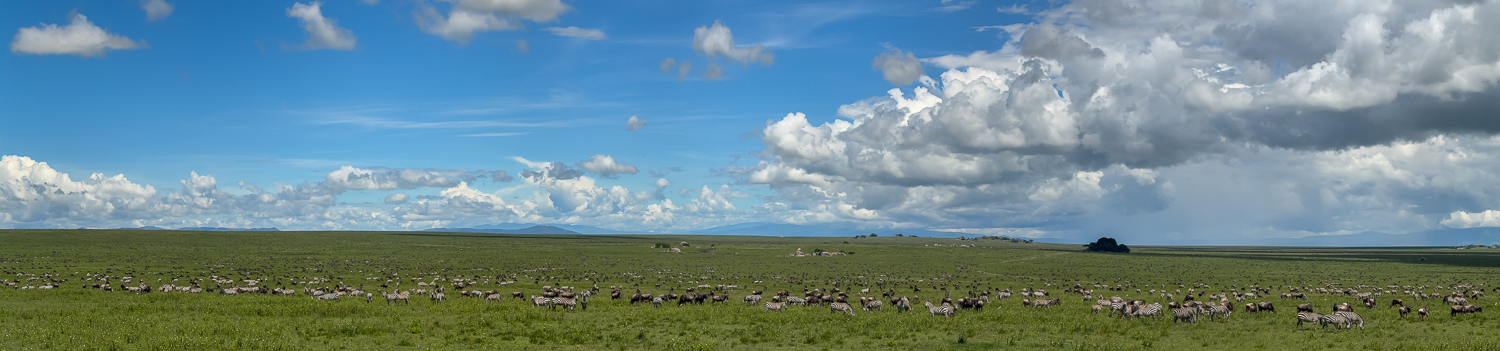
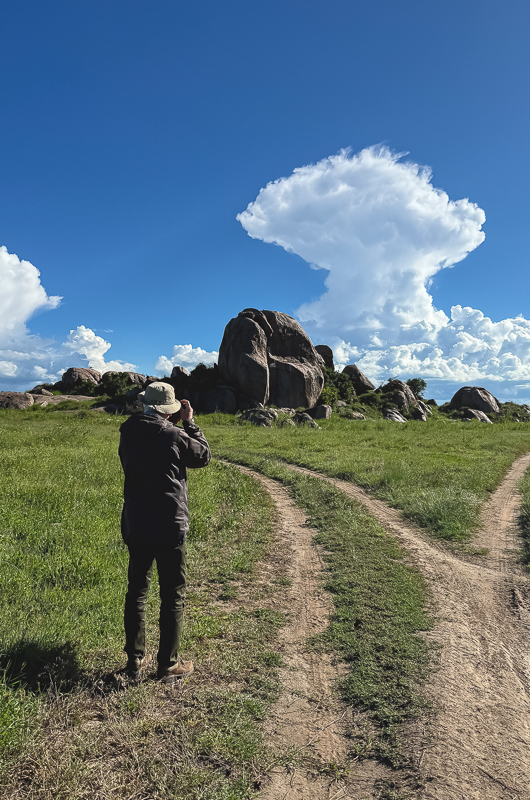
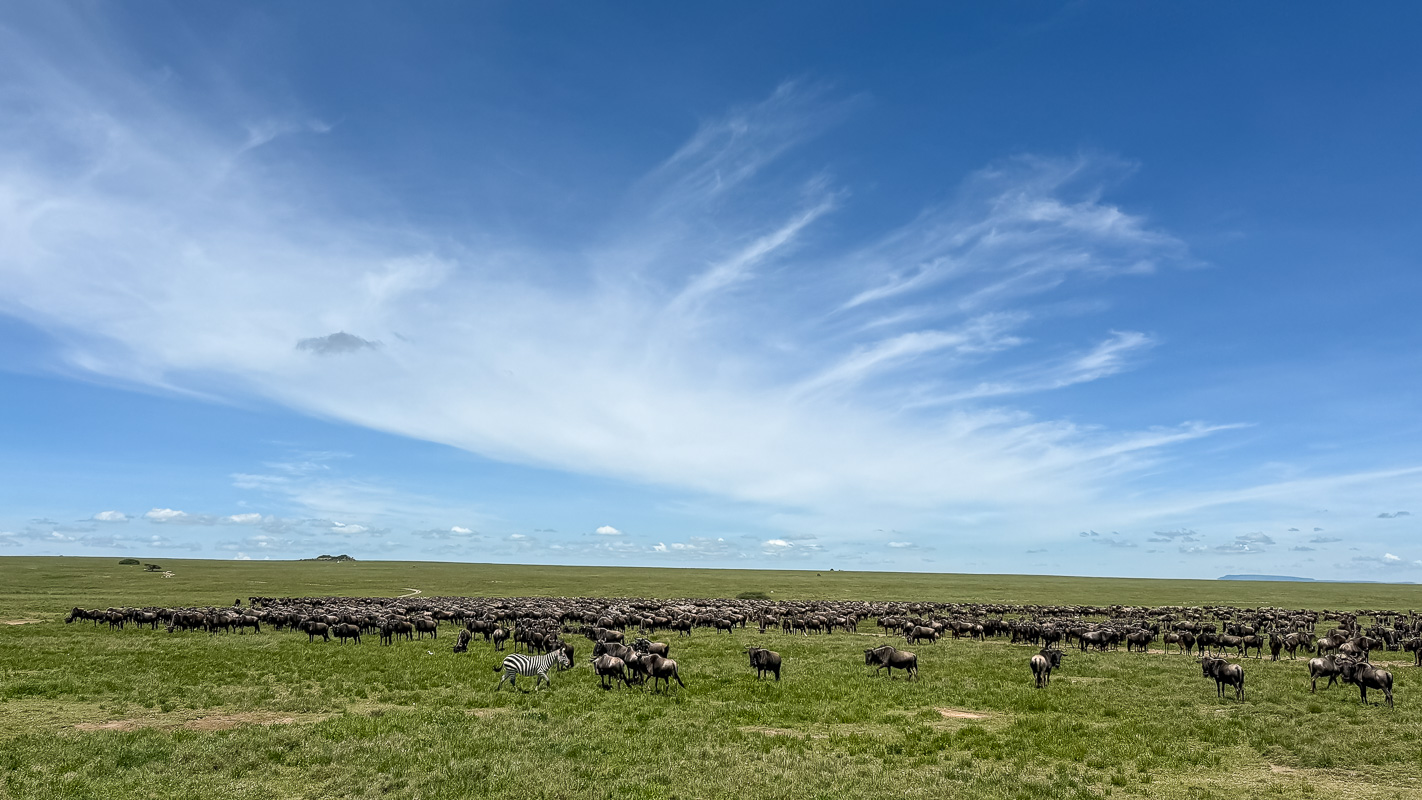
I admit to getting a major thrill from entering the Serengeti NP and heading towards the huge, rolling short-grass plains of the Eastern highlands. This feeling was enhanced by the sight of tens of thousands of wildebeest feeding on the shallow valleys around the Gol kopjes. It’s a special view, especially when there are no other vehicles around to have to share it with!
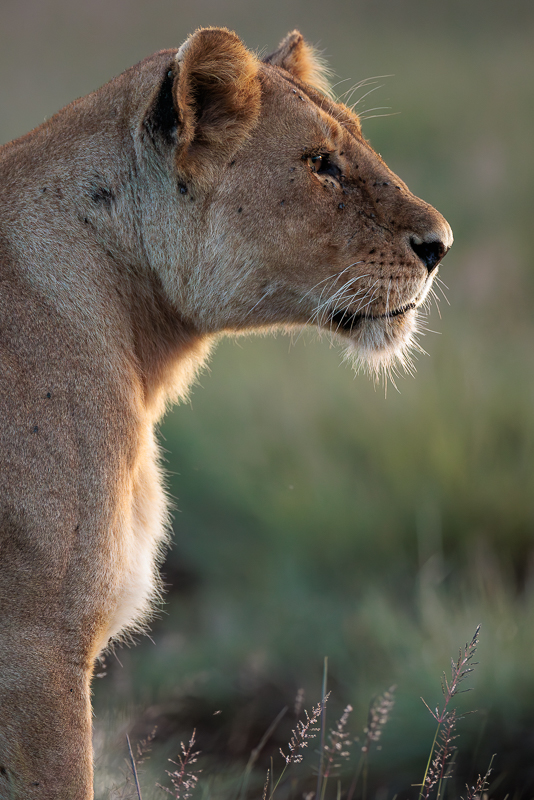
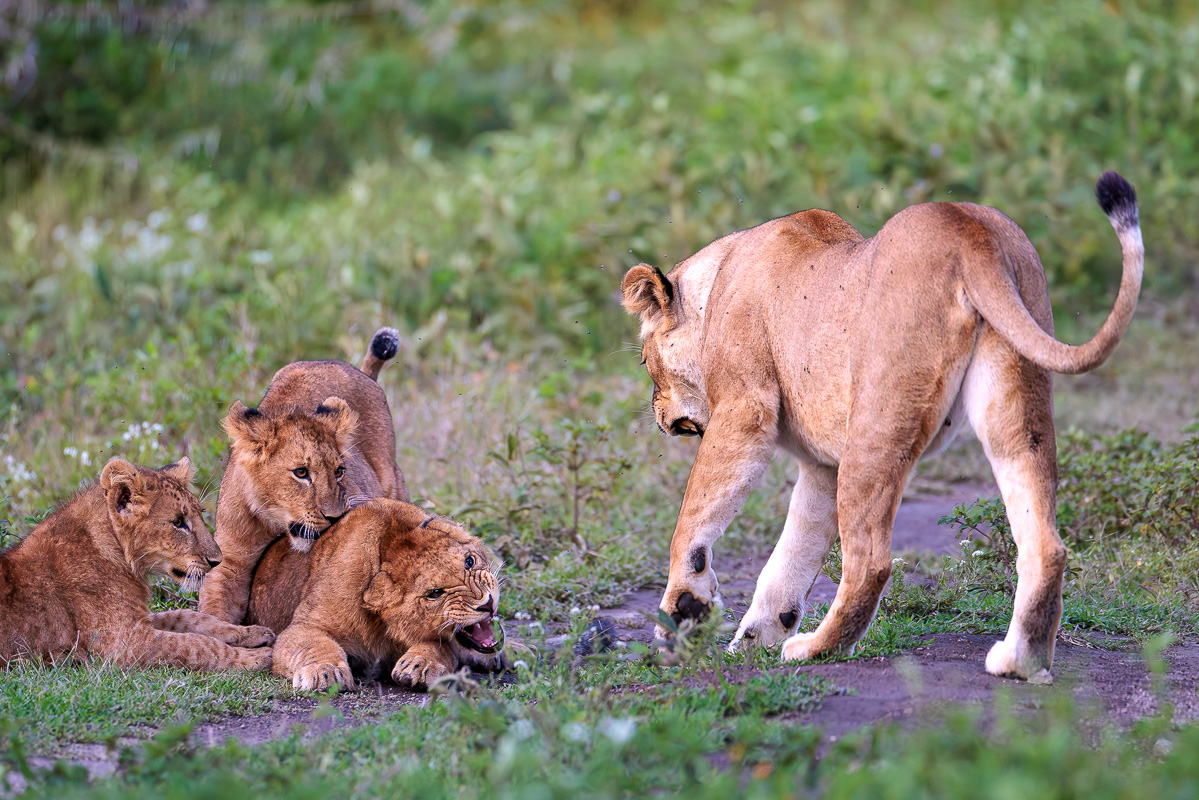
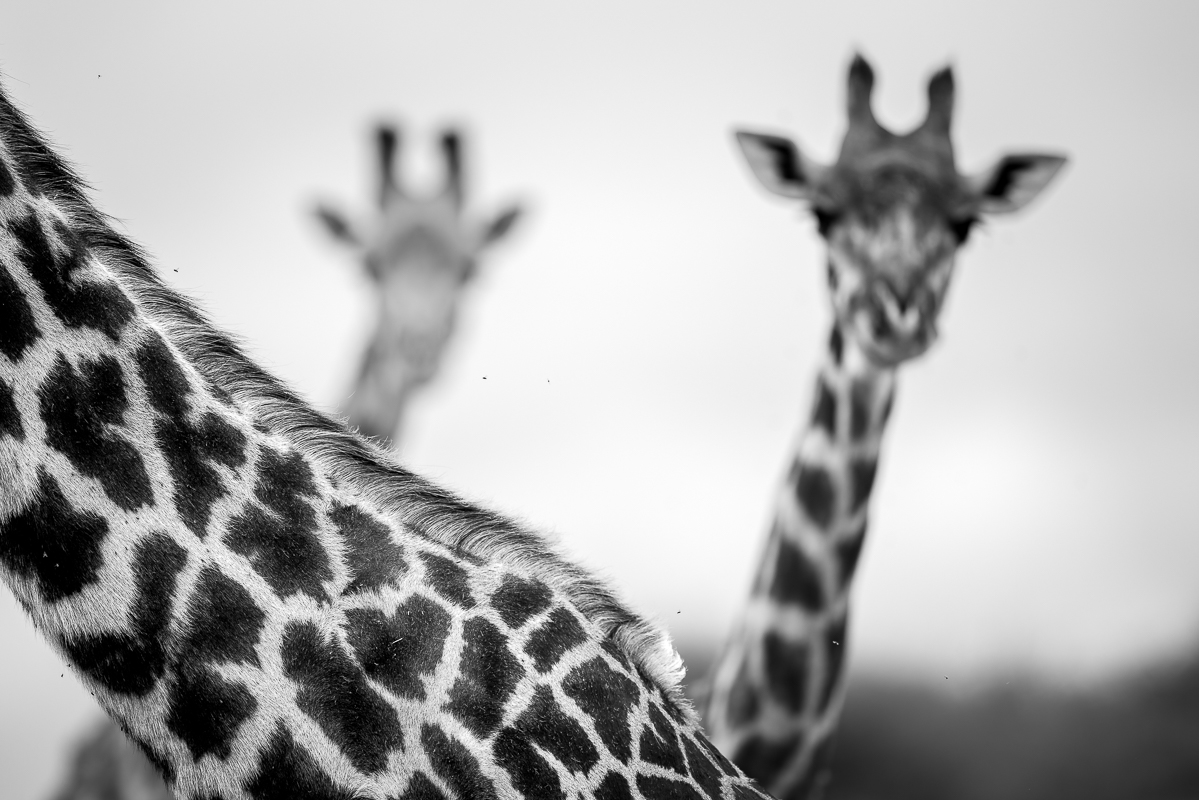
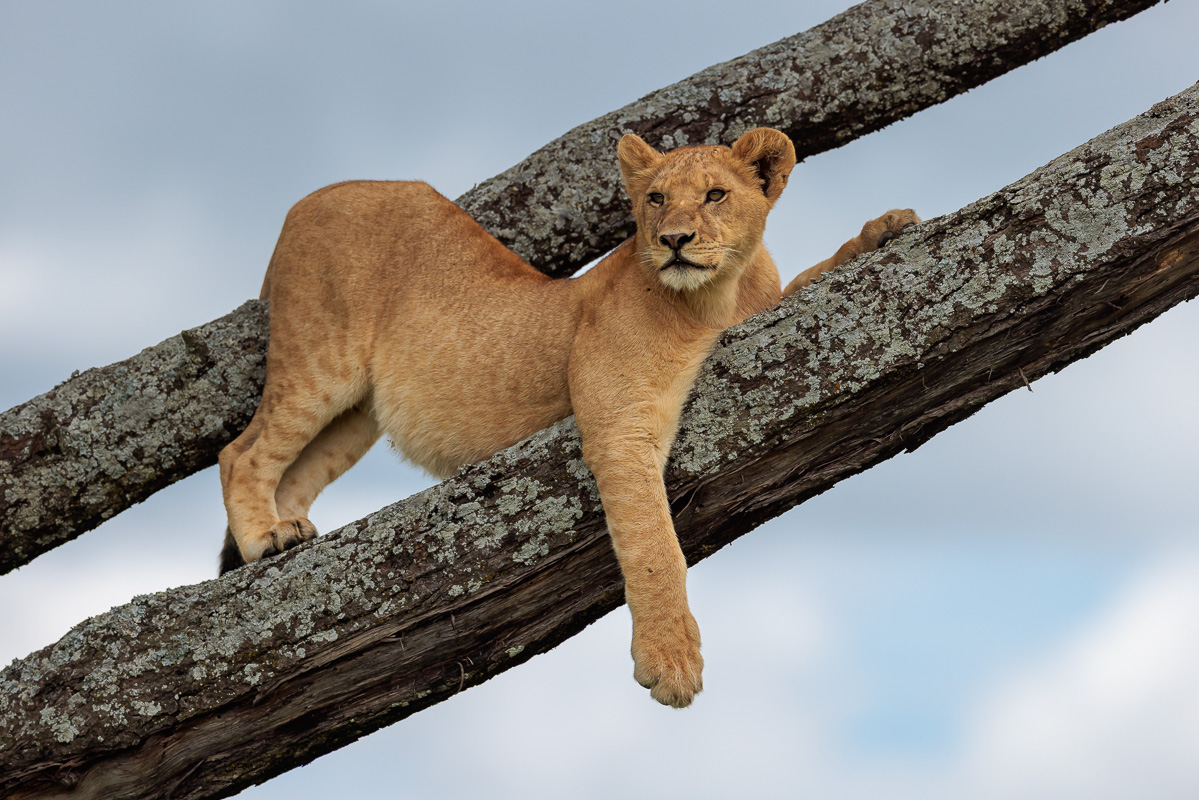
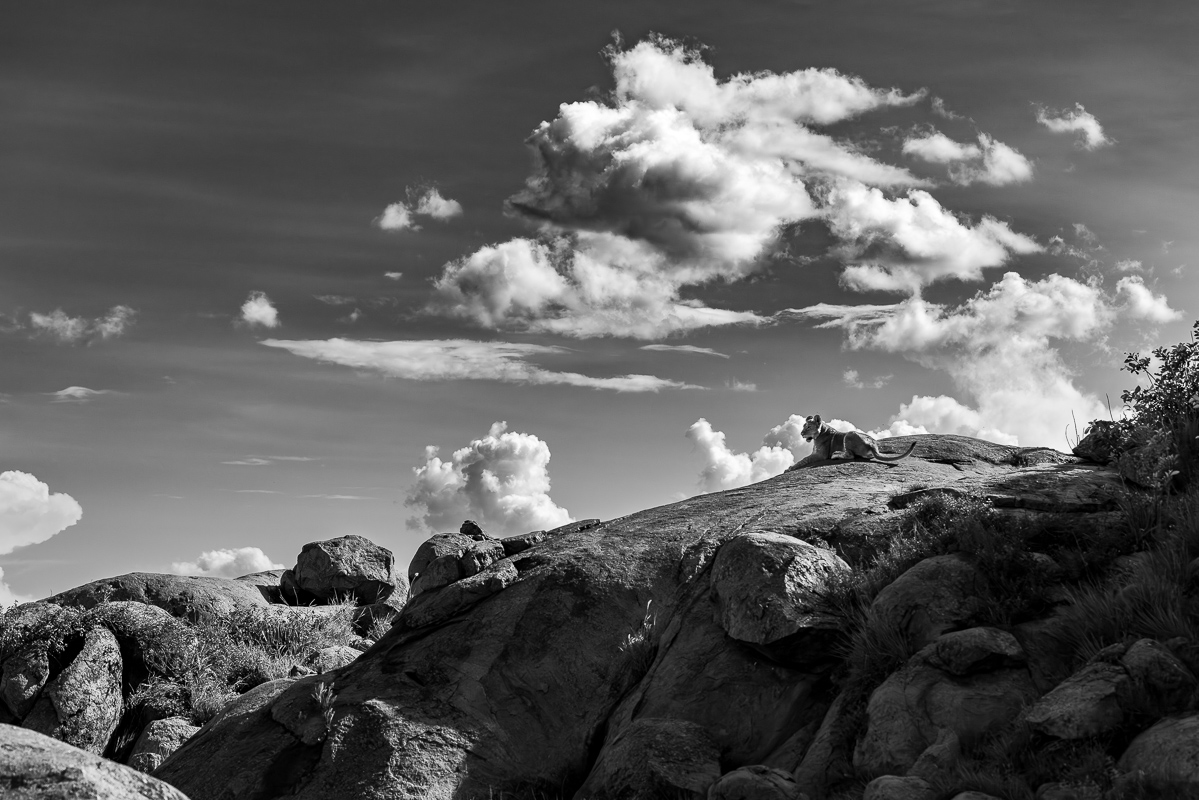
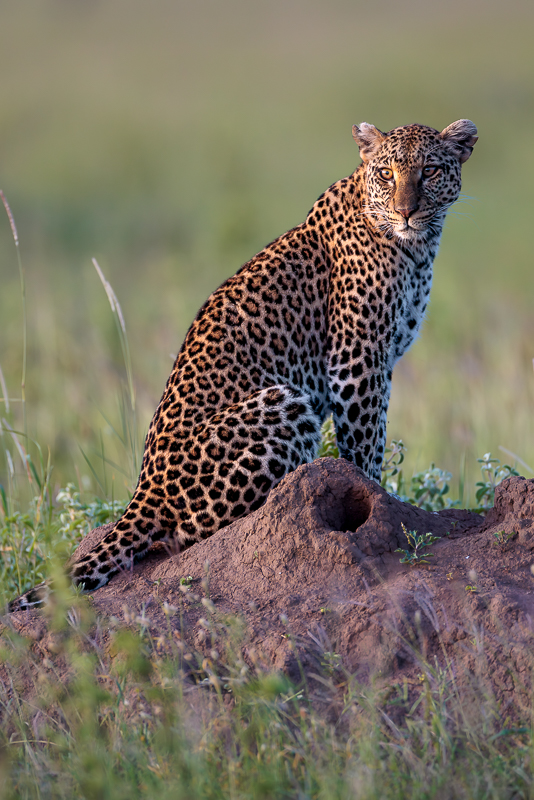
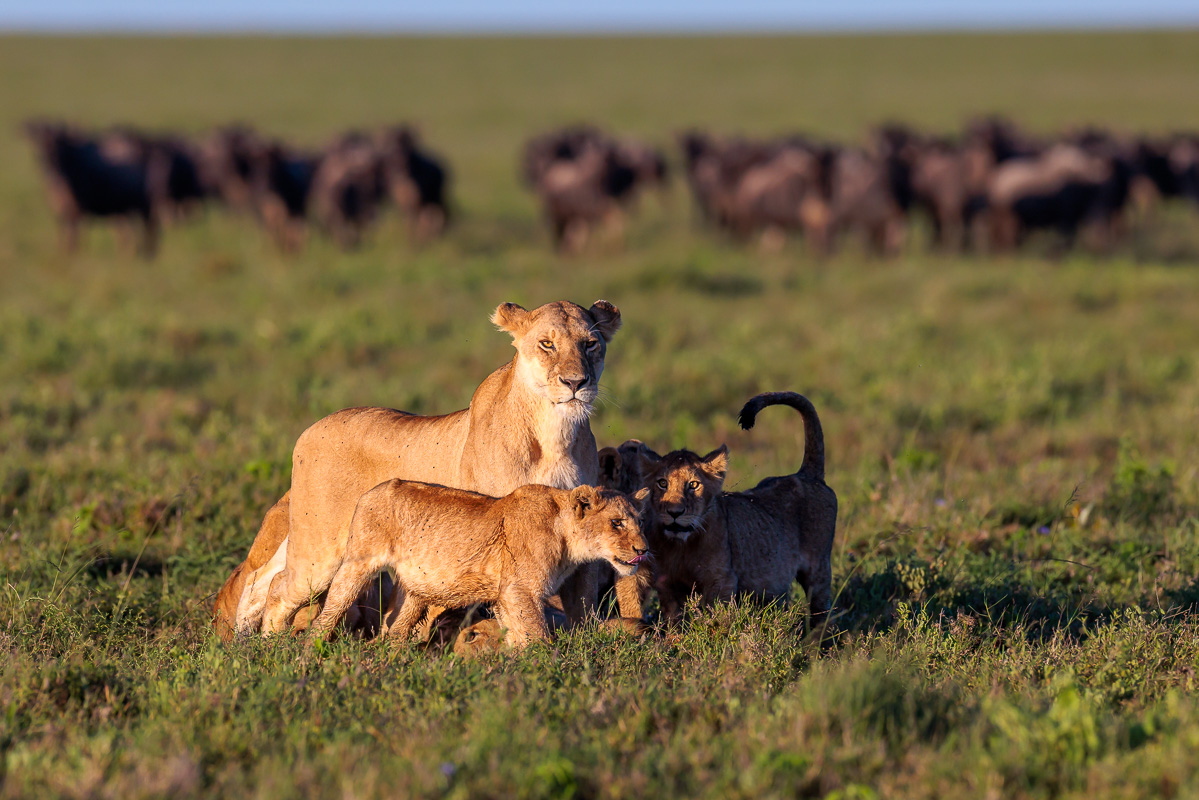
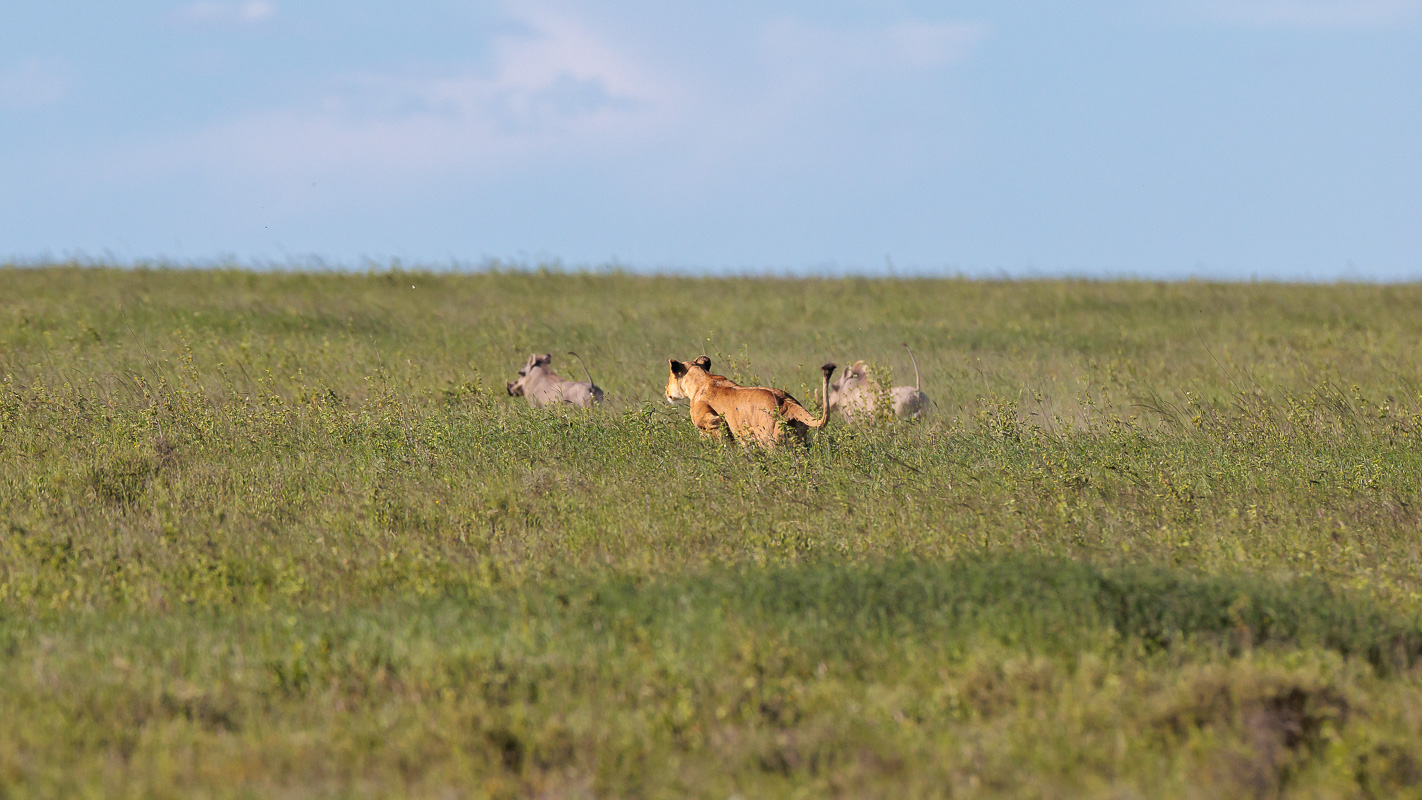
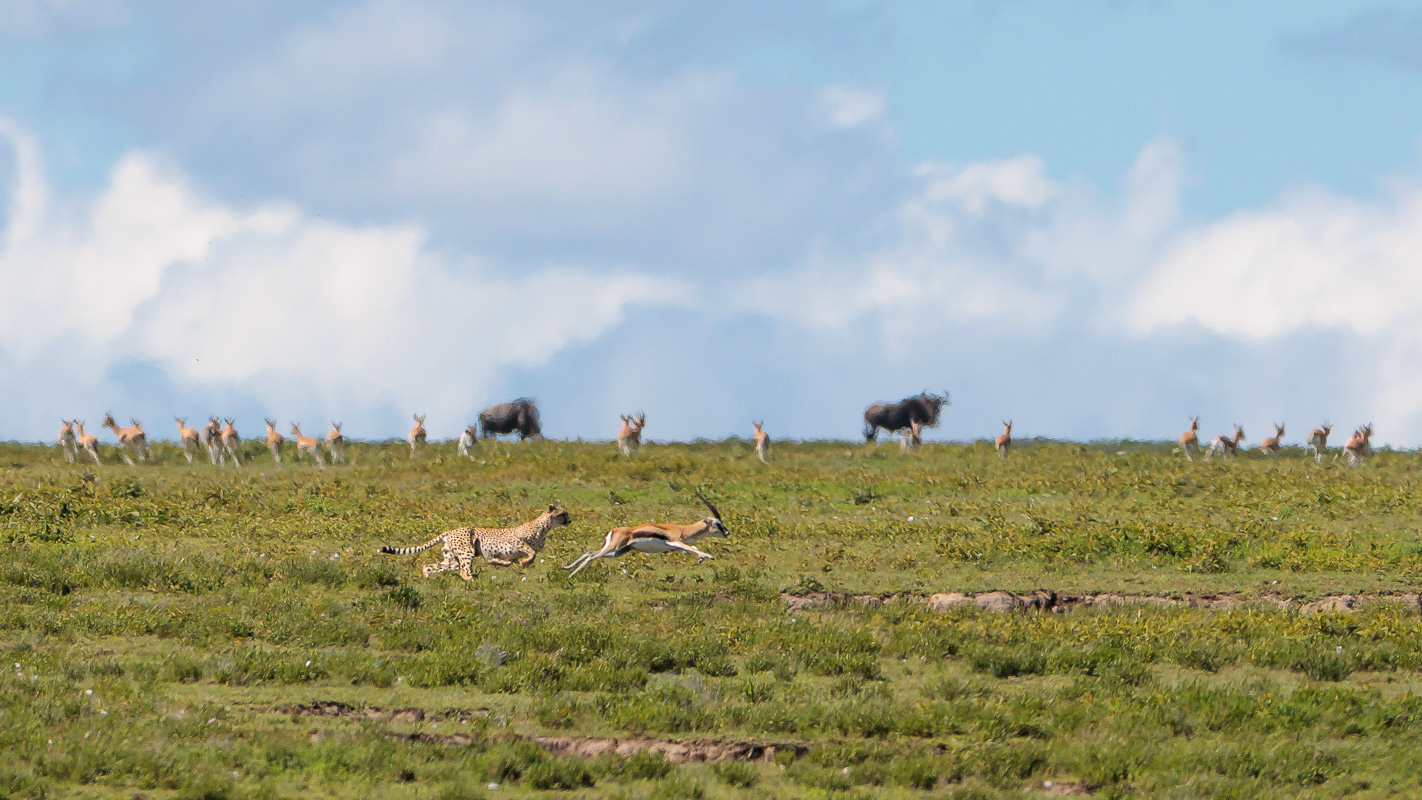
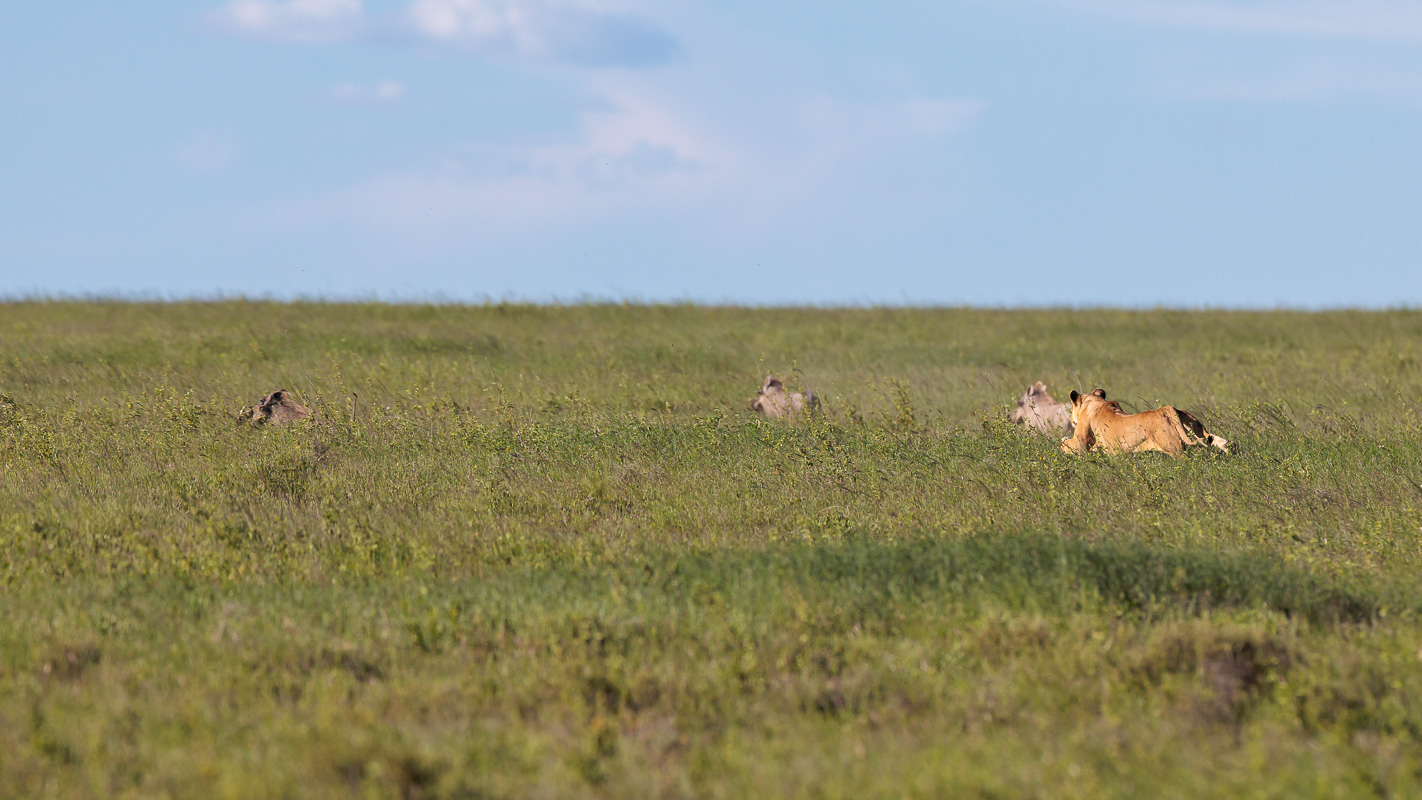
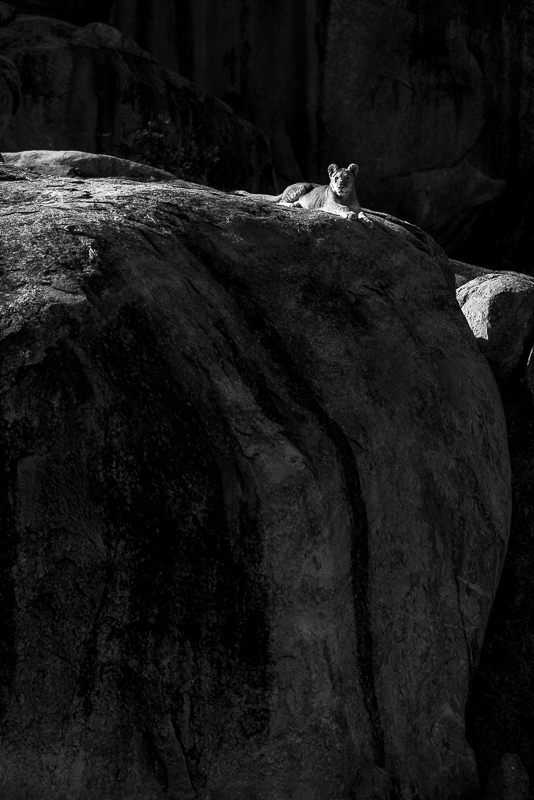
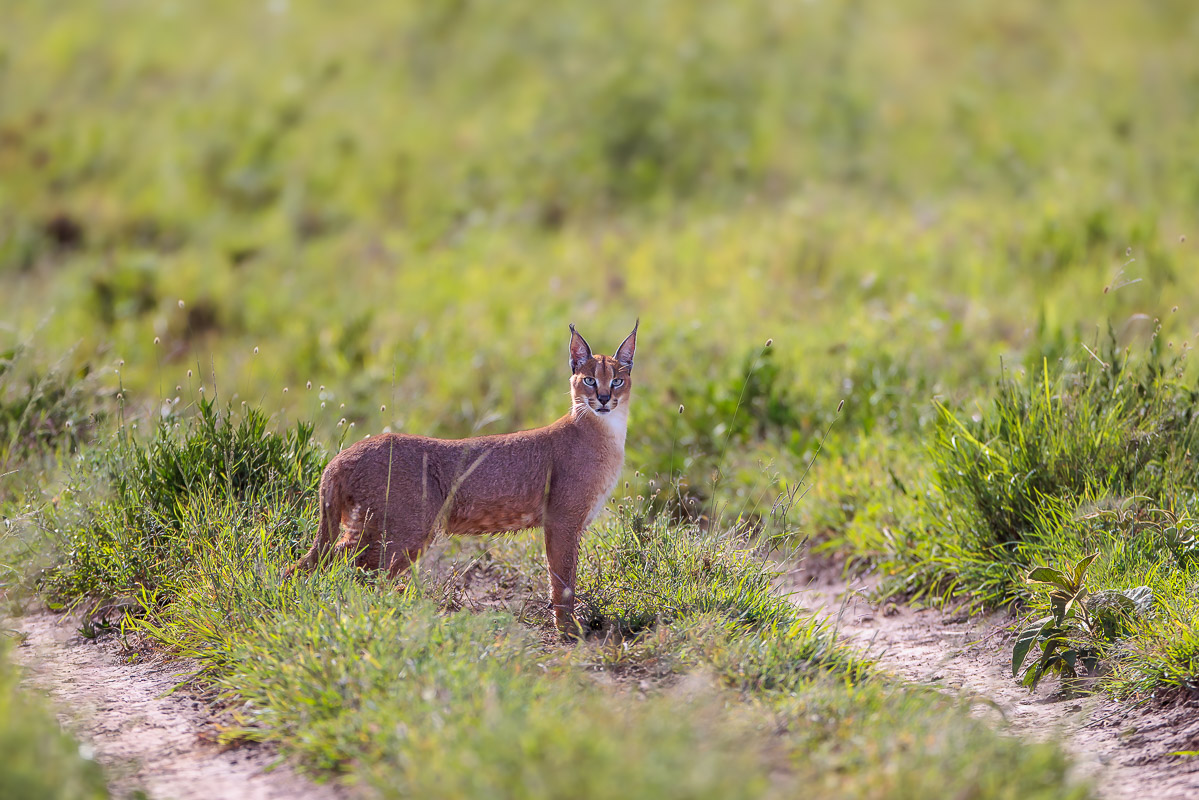
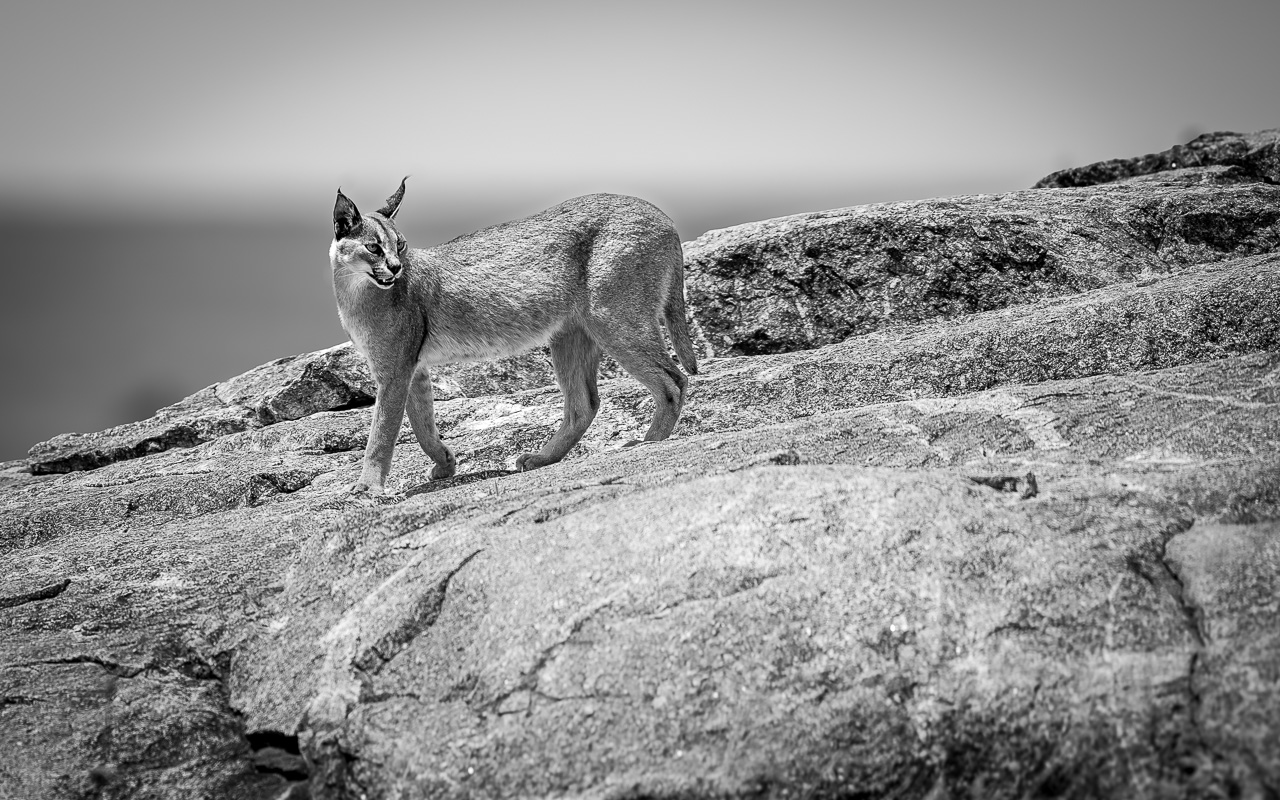
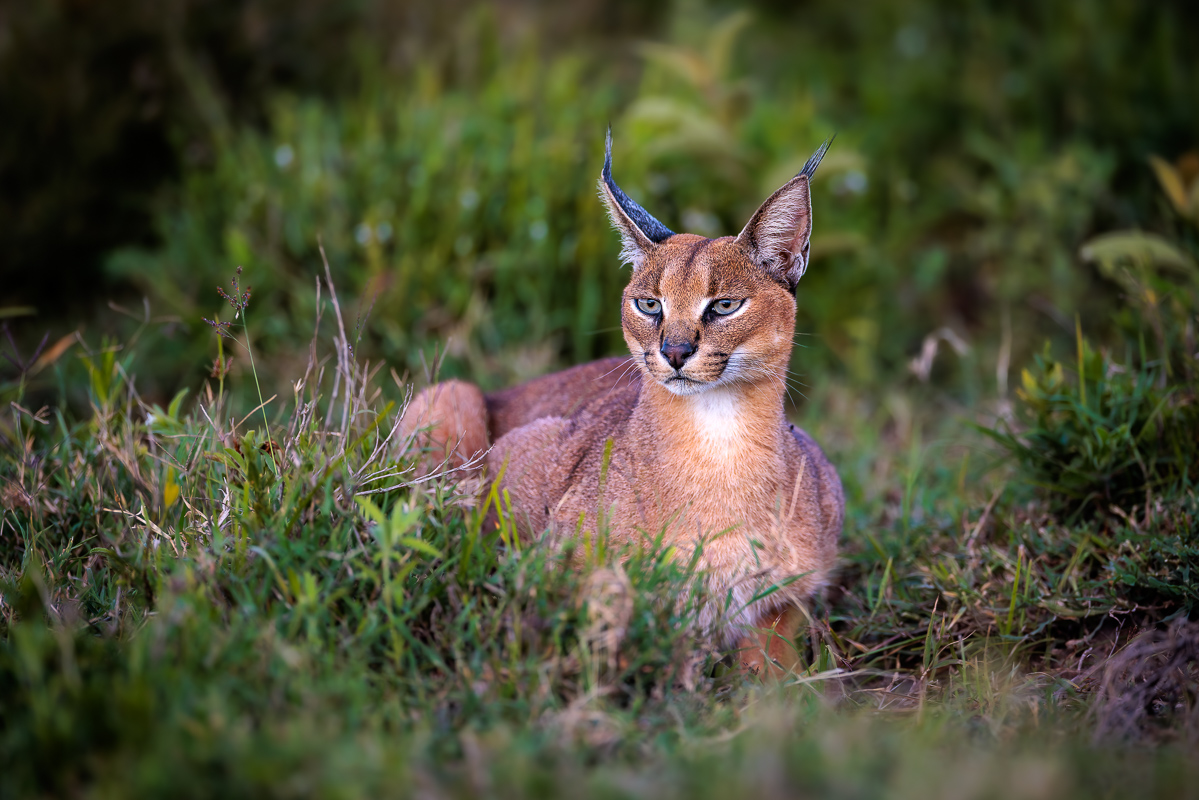
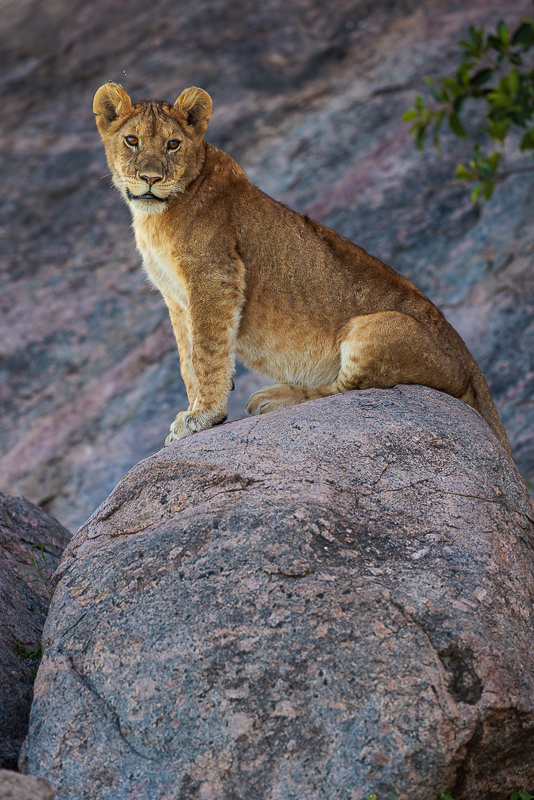
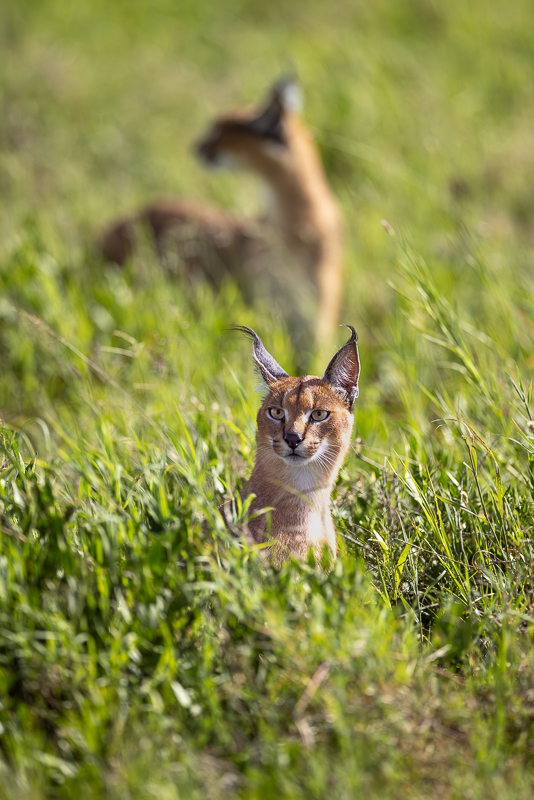
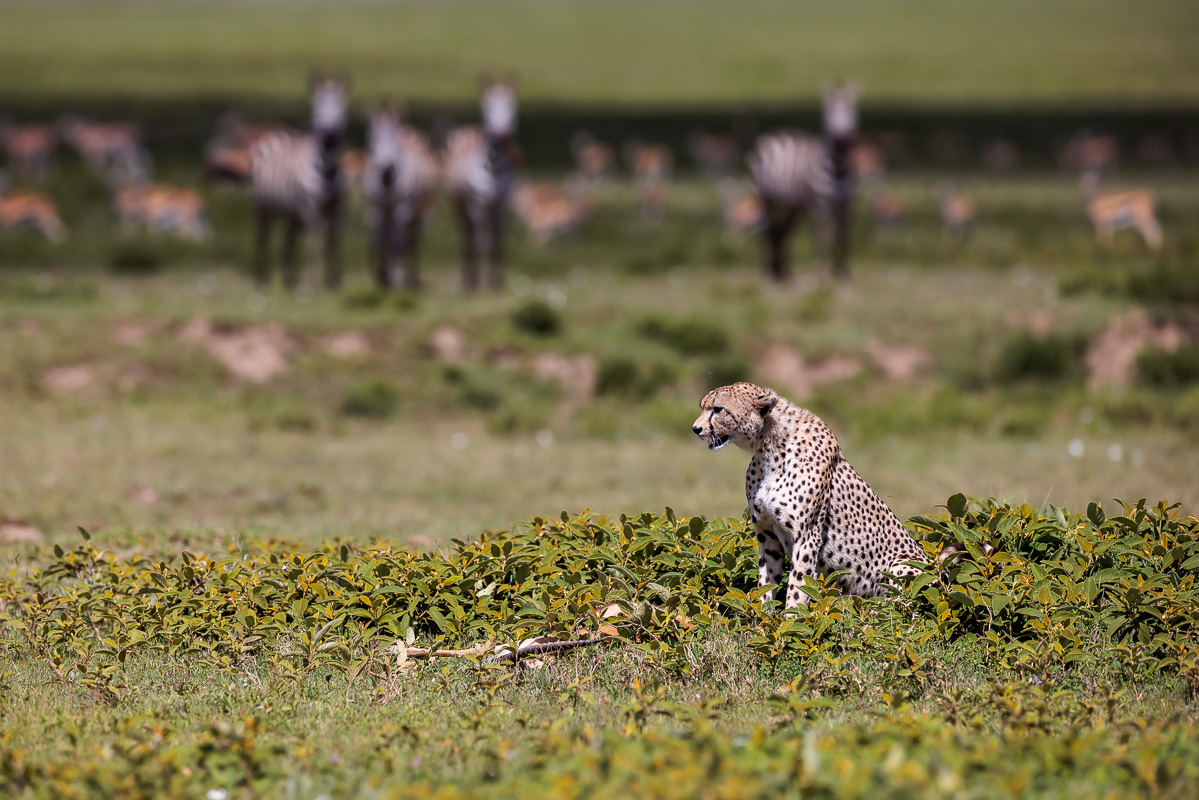
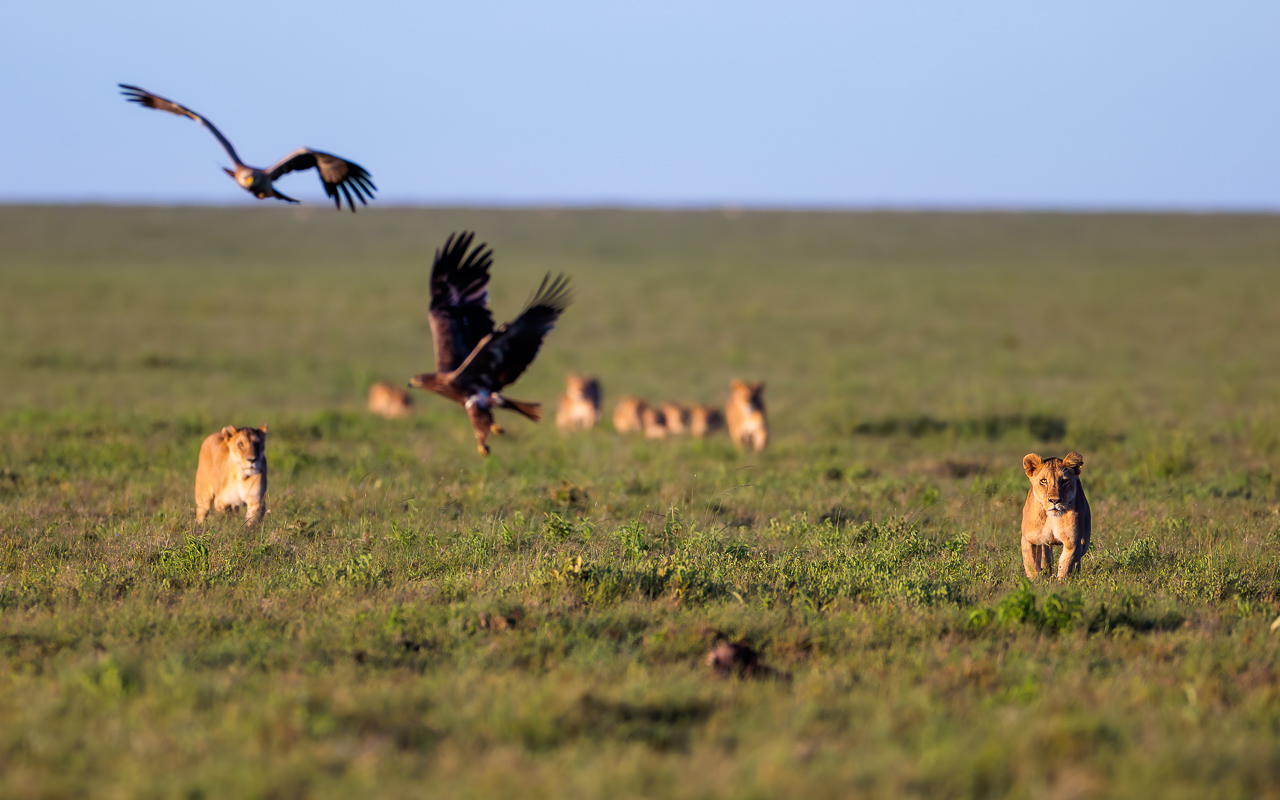
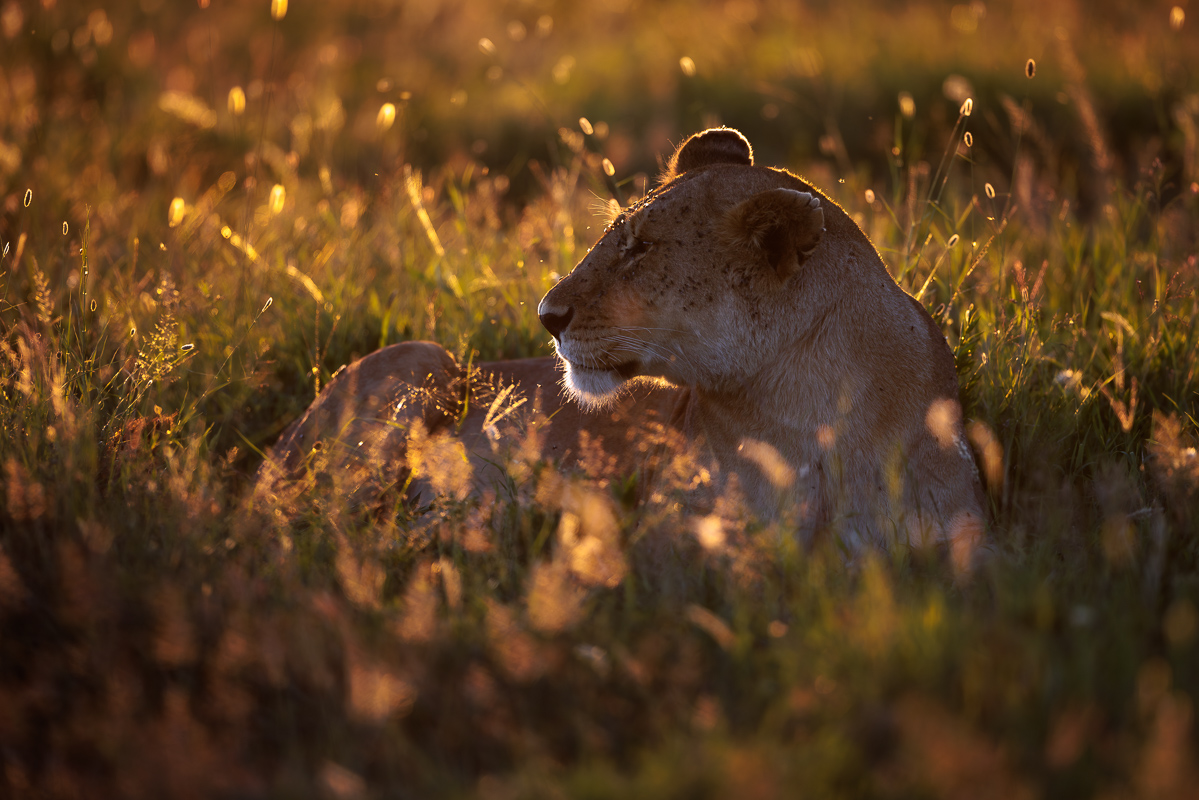
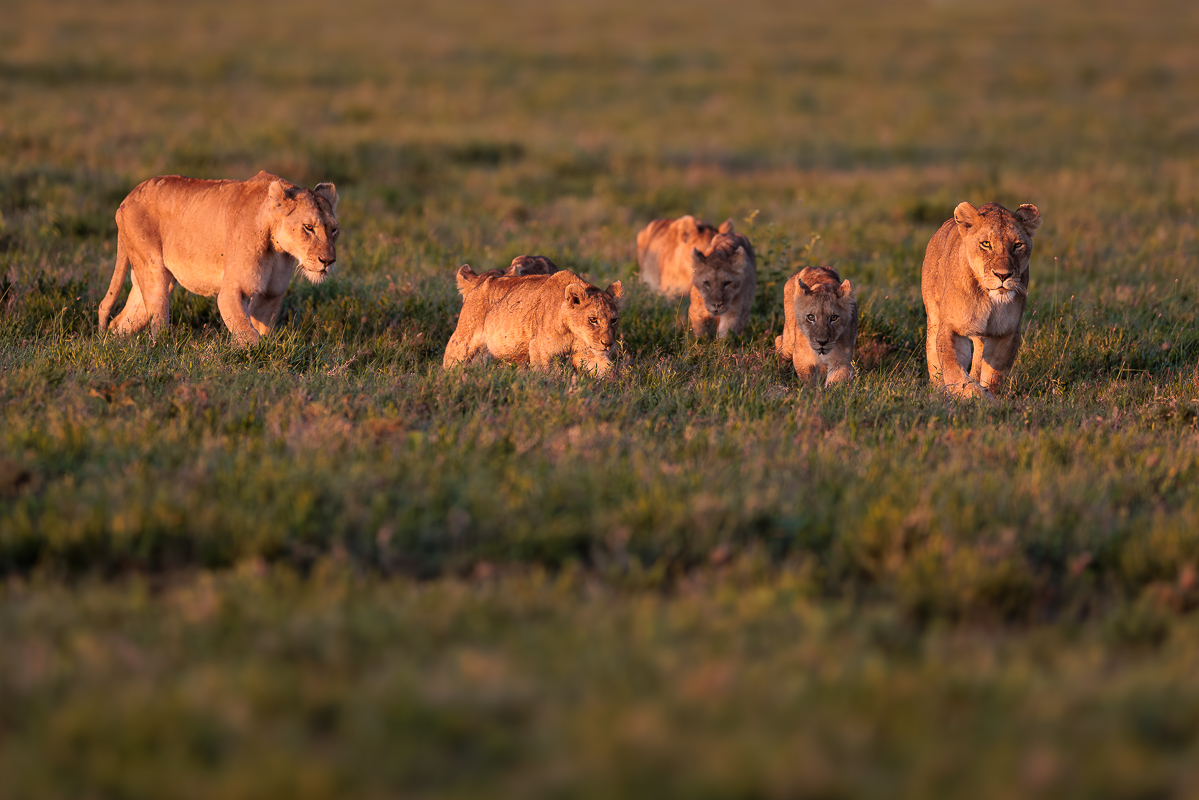
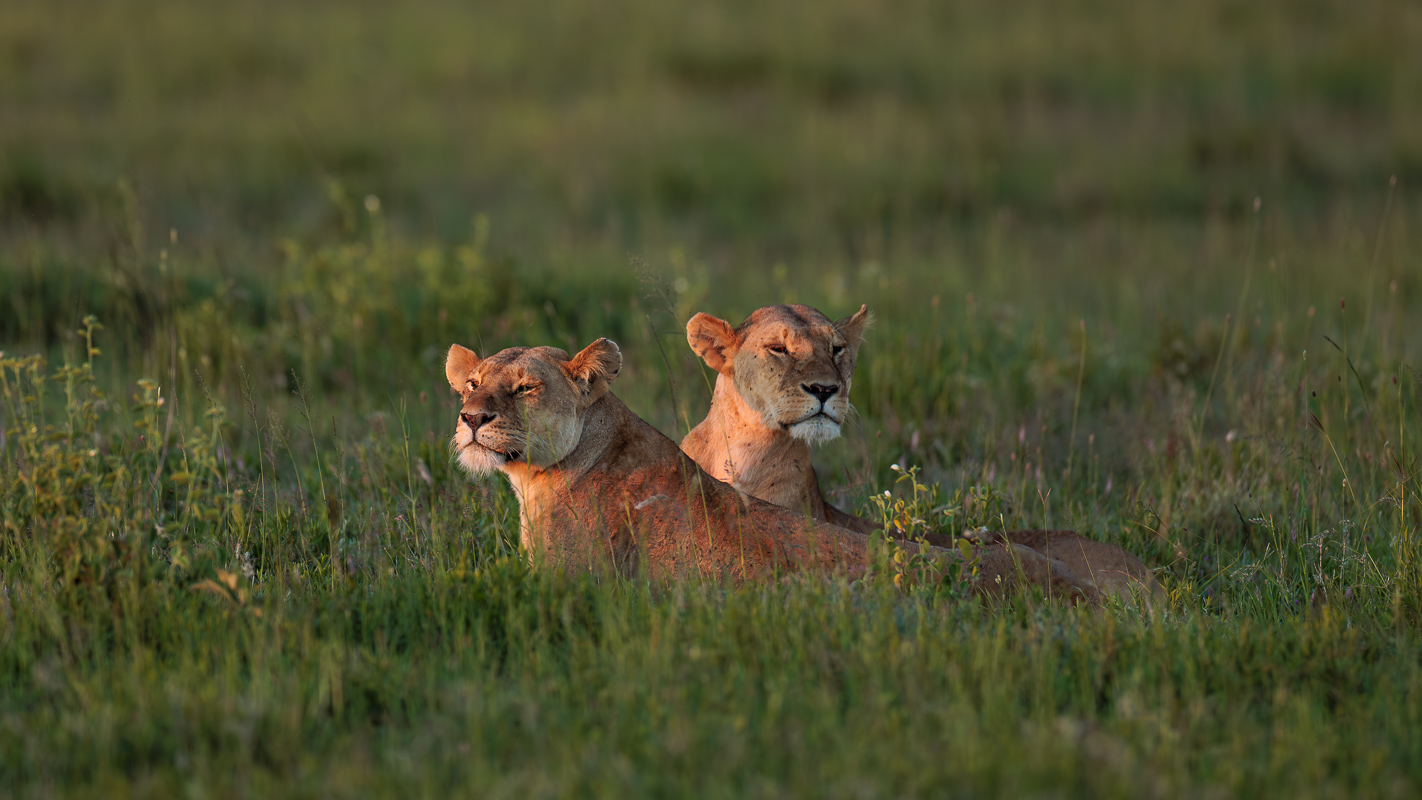
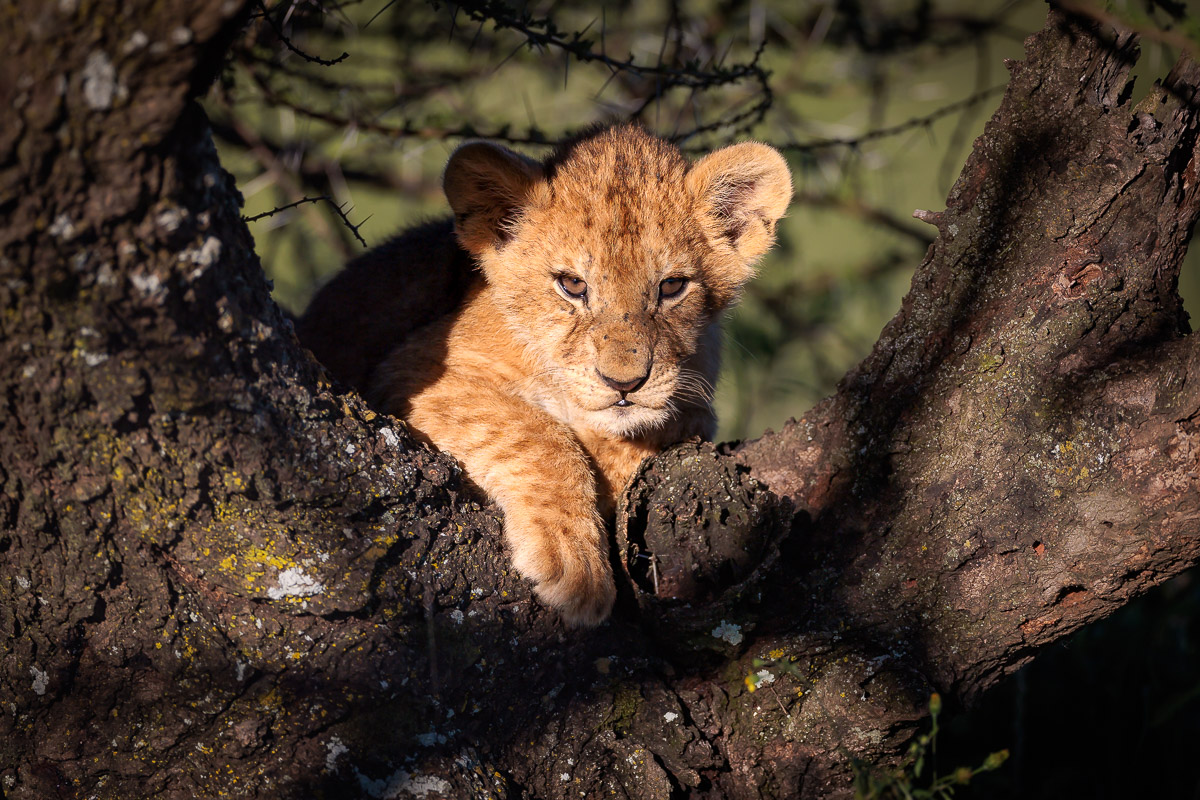
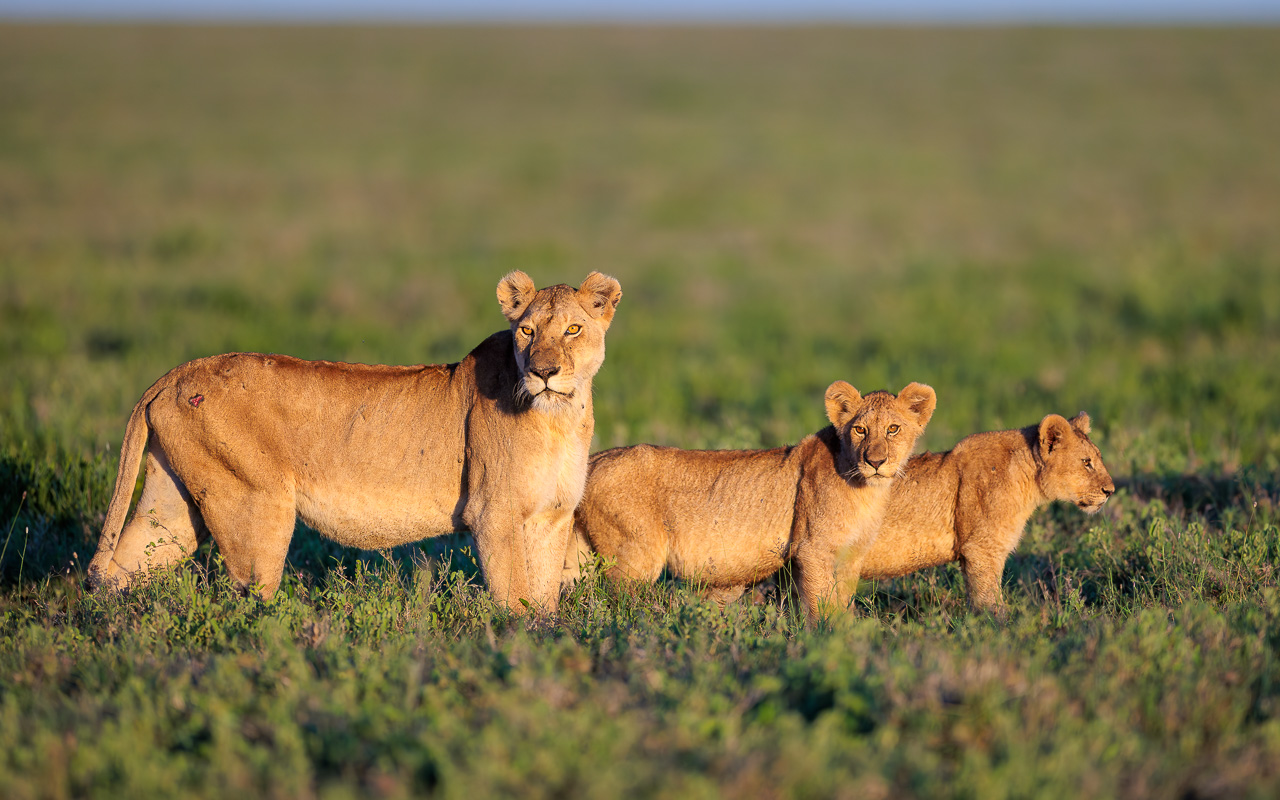
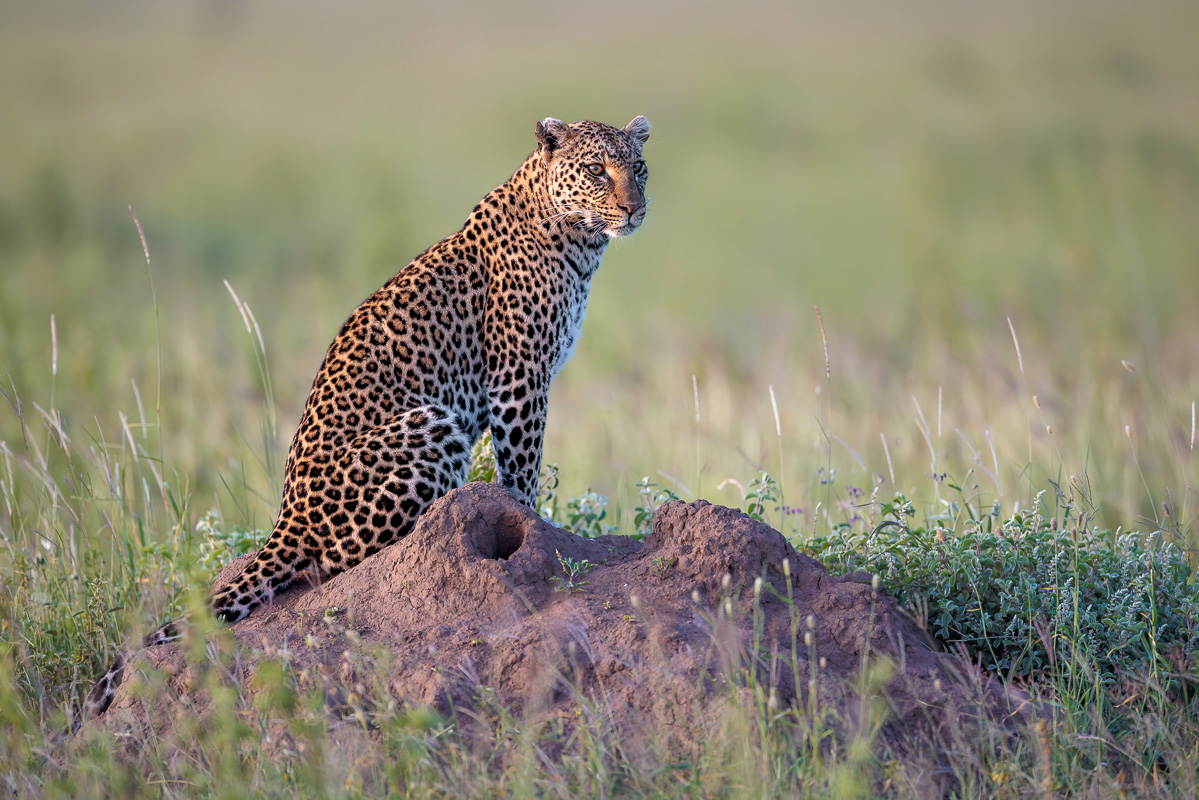
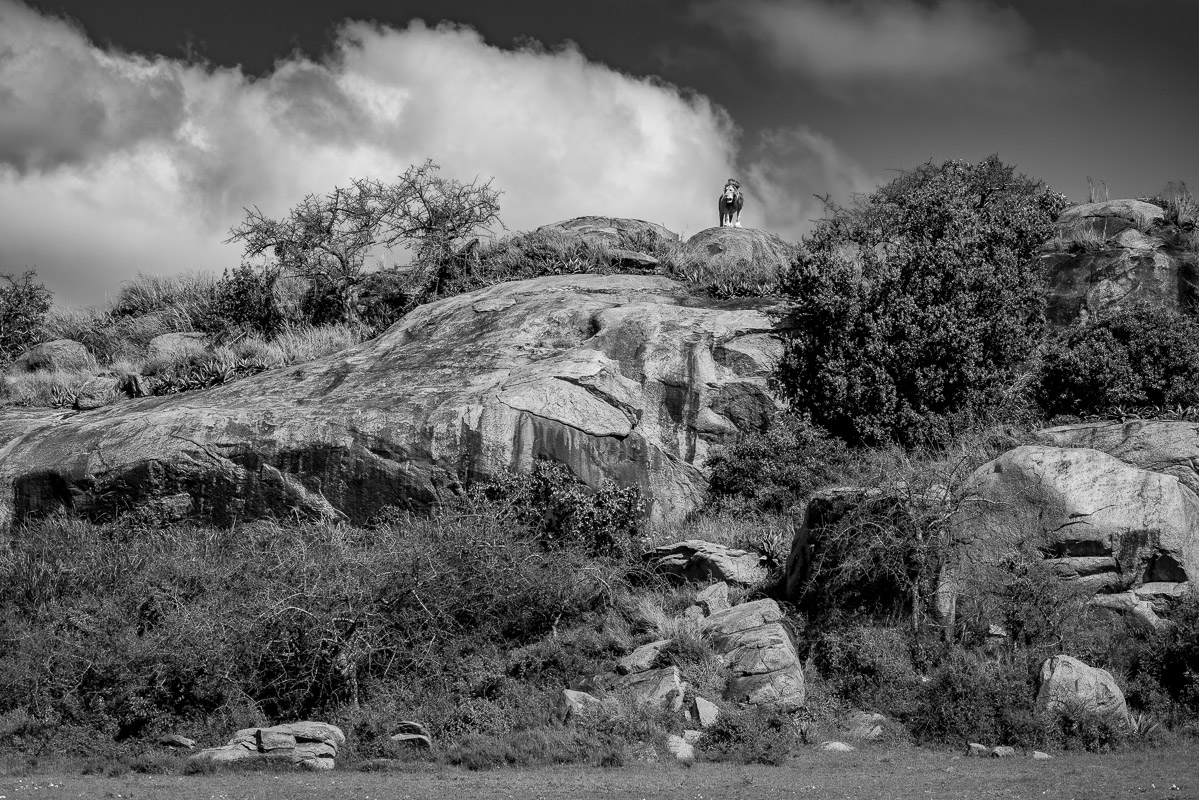
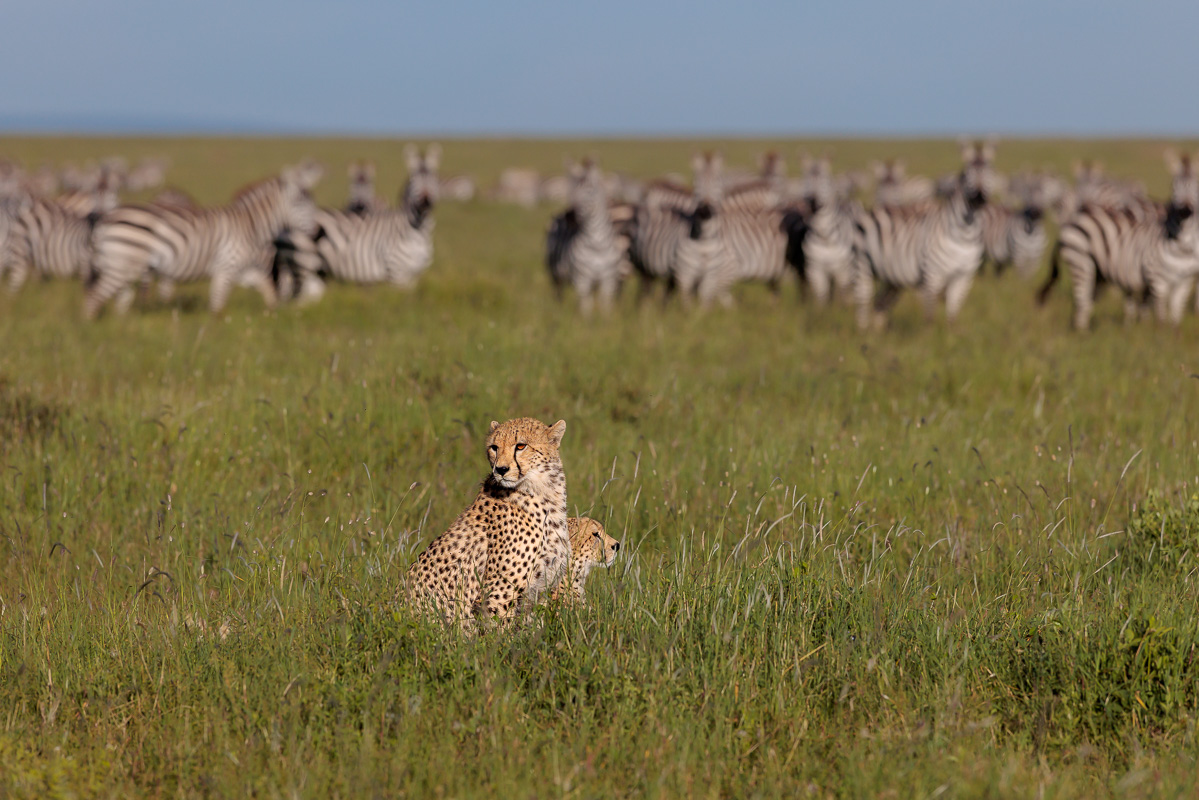
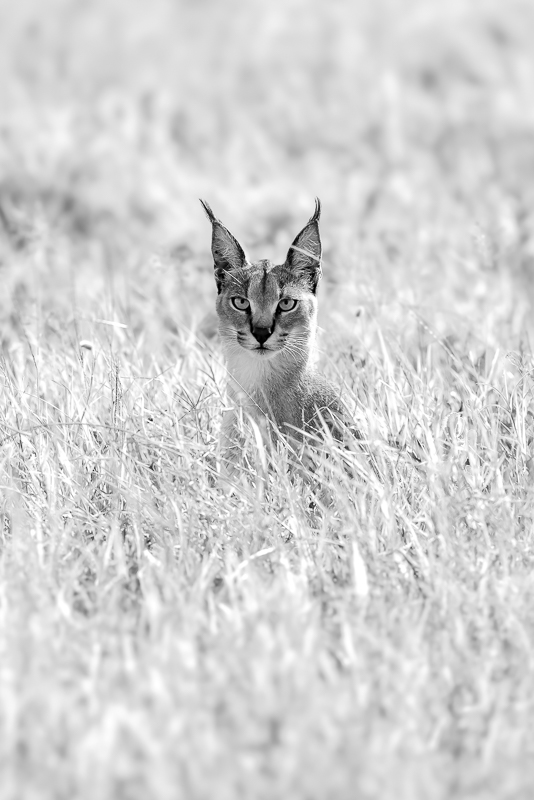
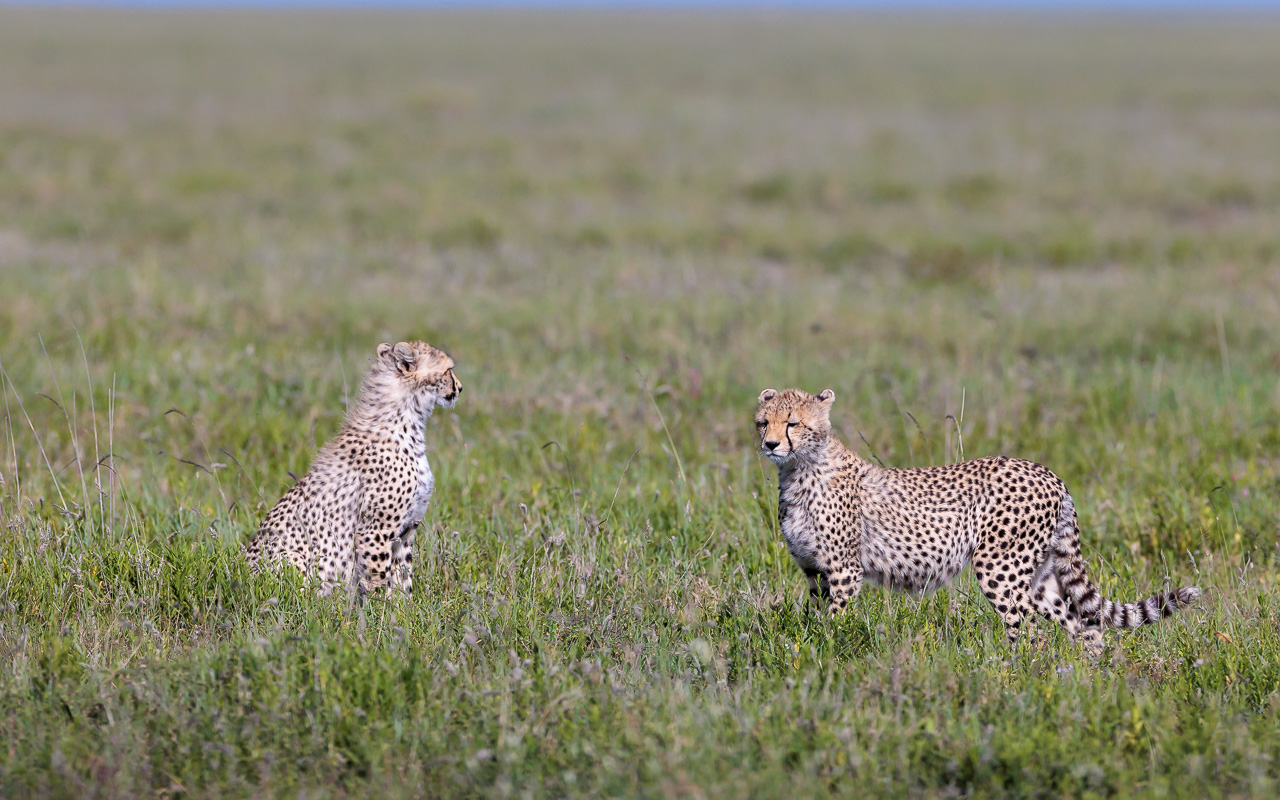
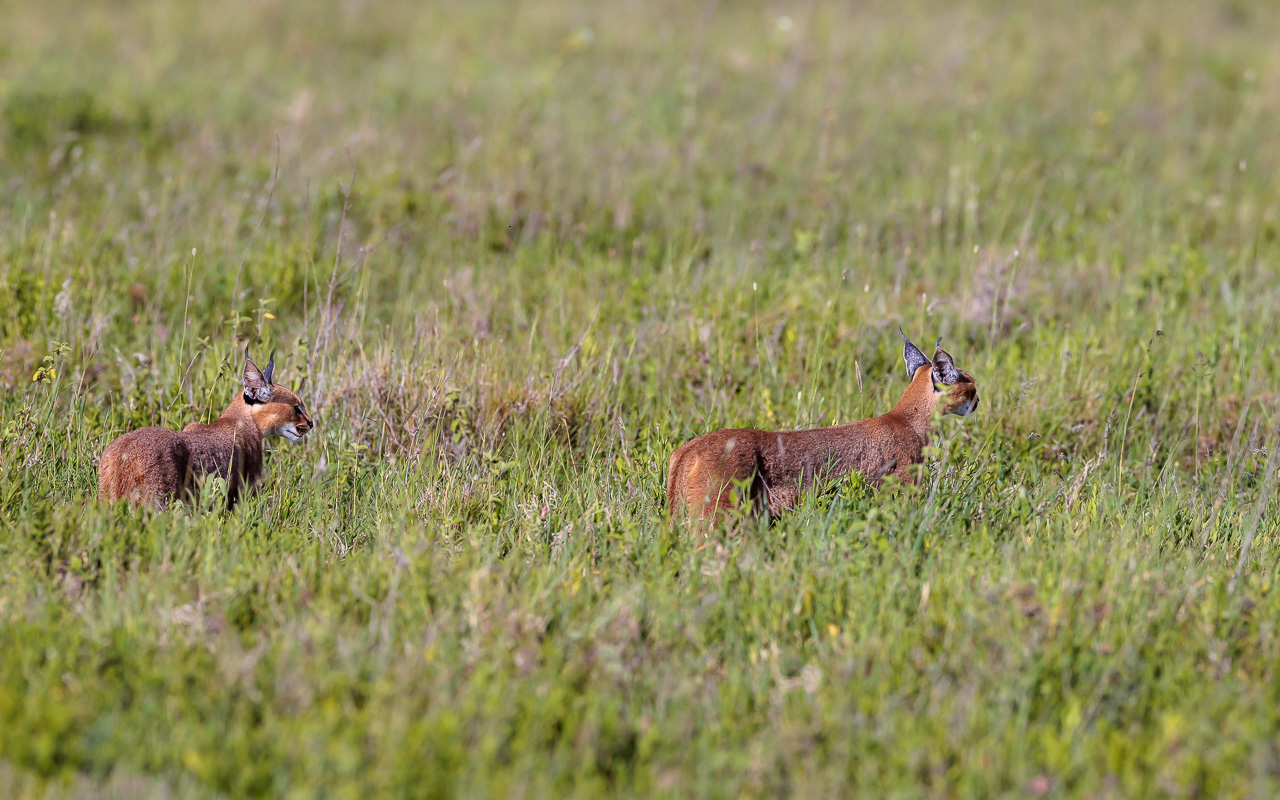
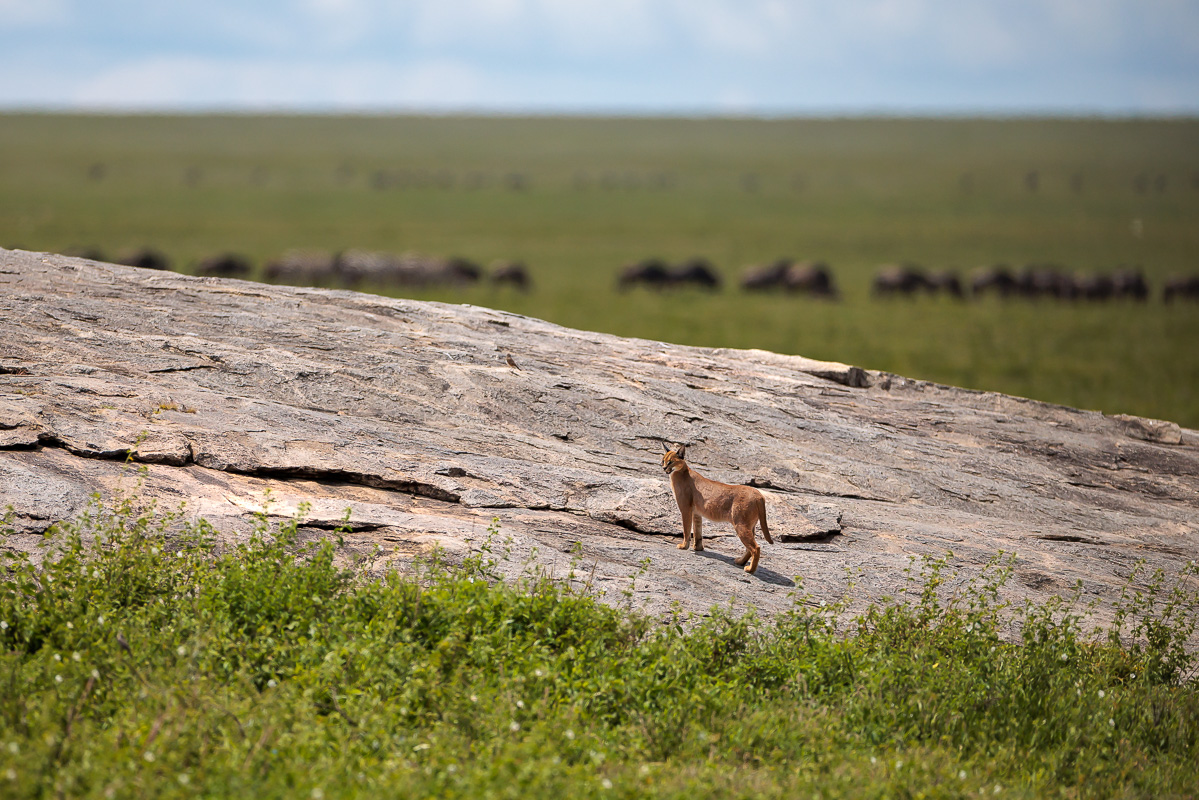
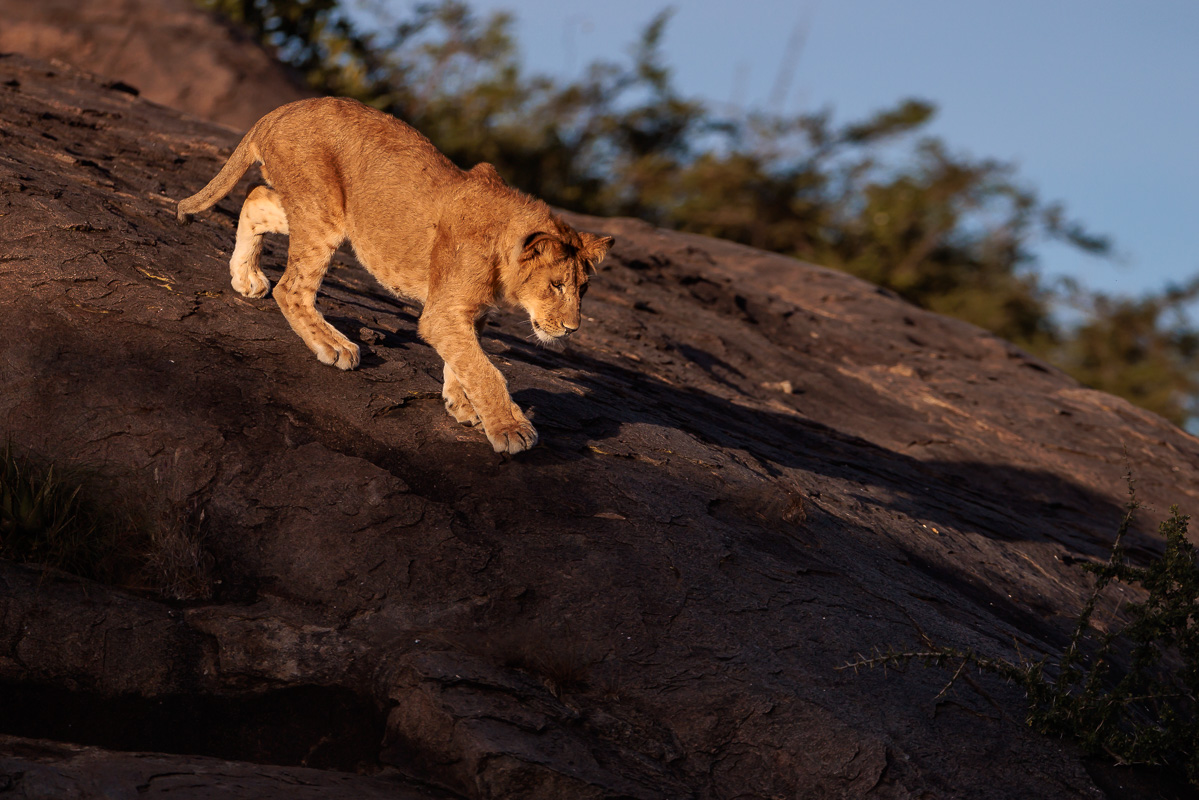
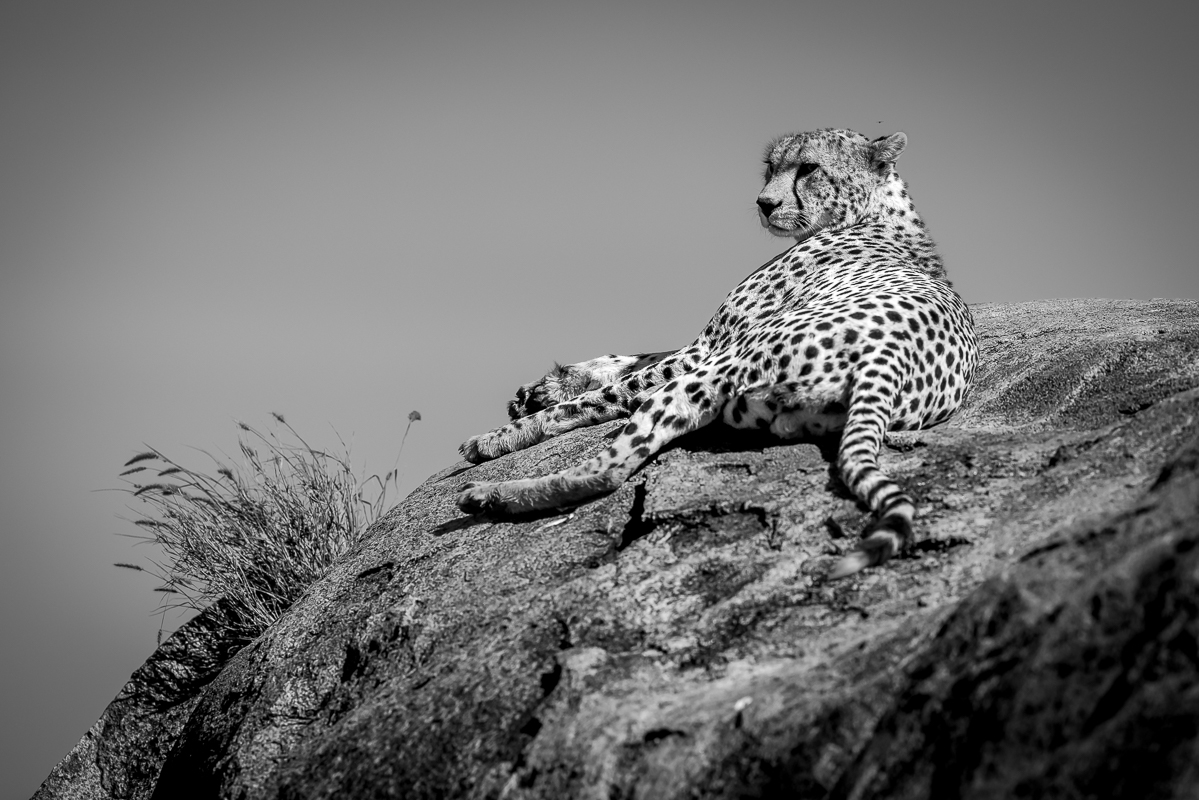
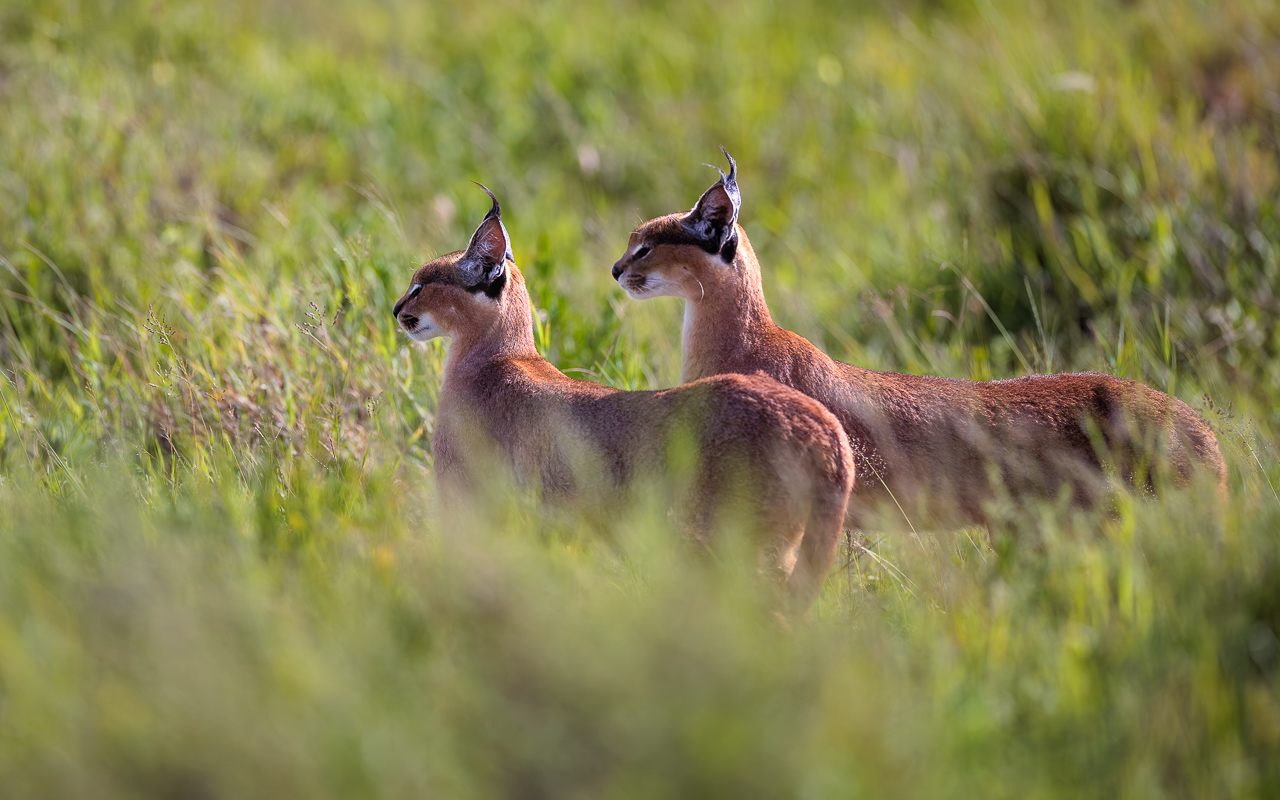
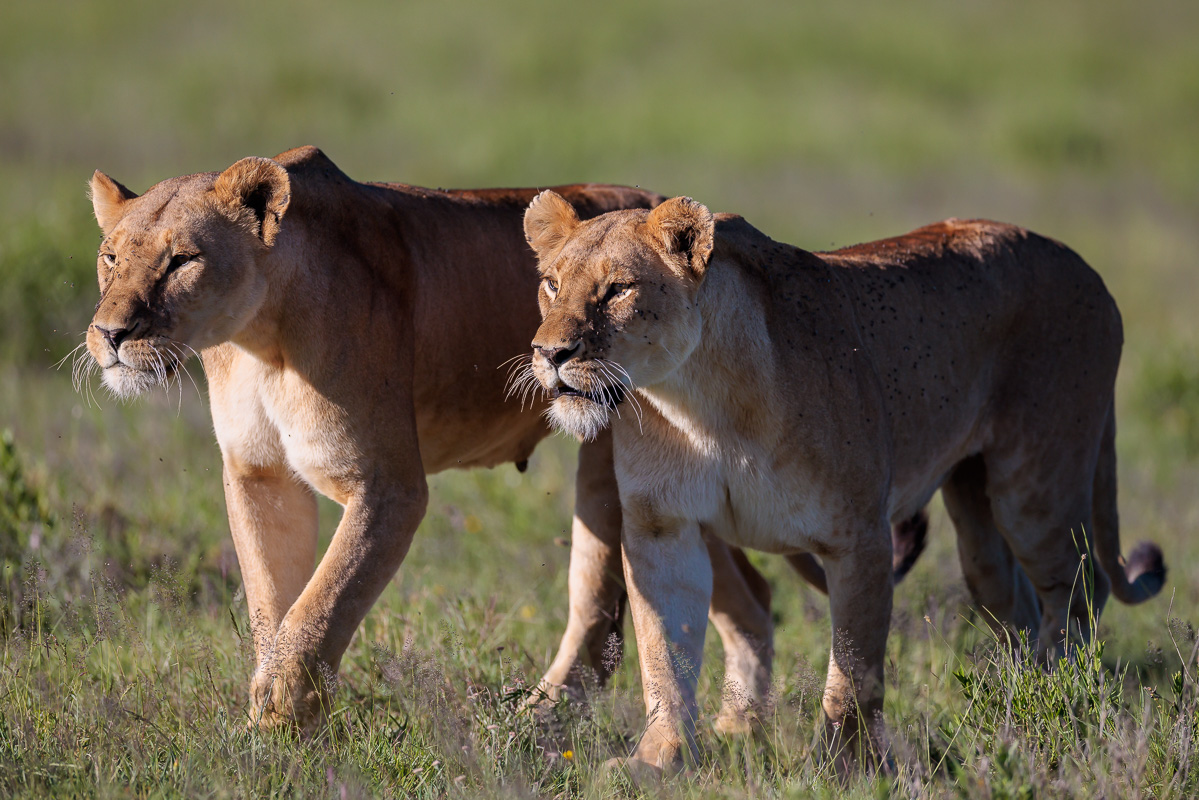
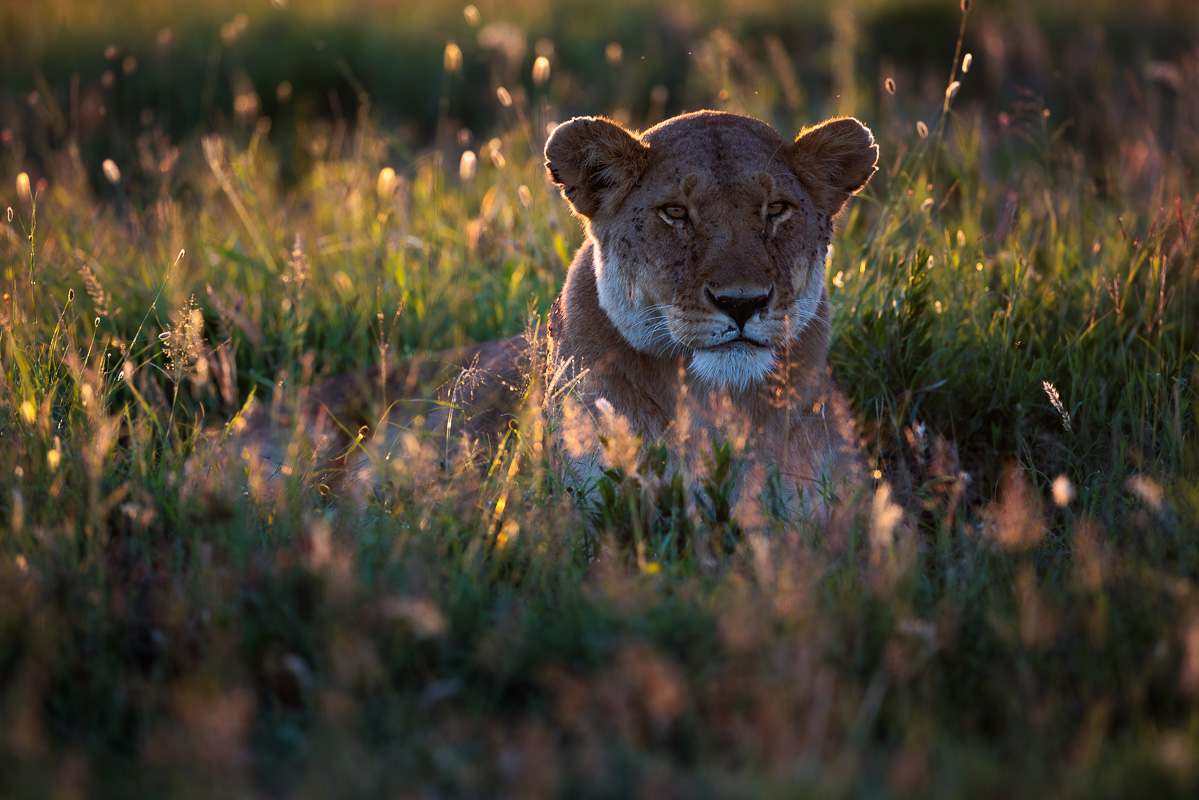
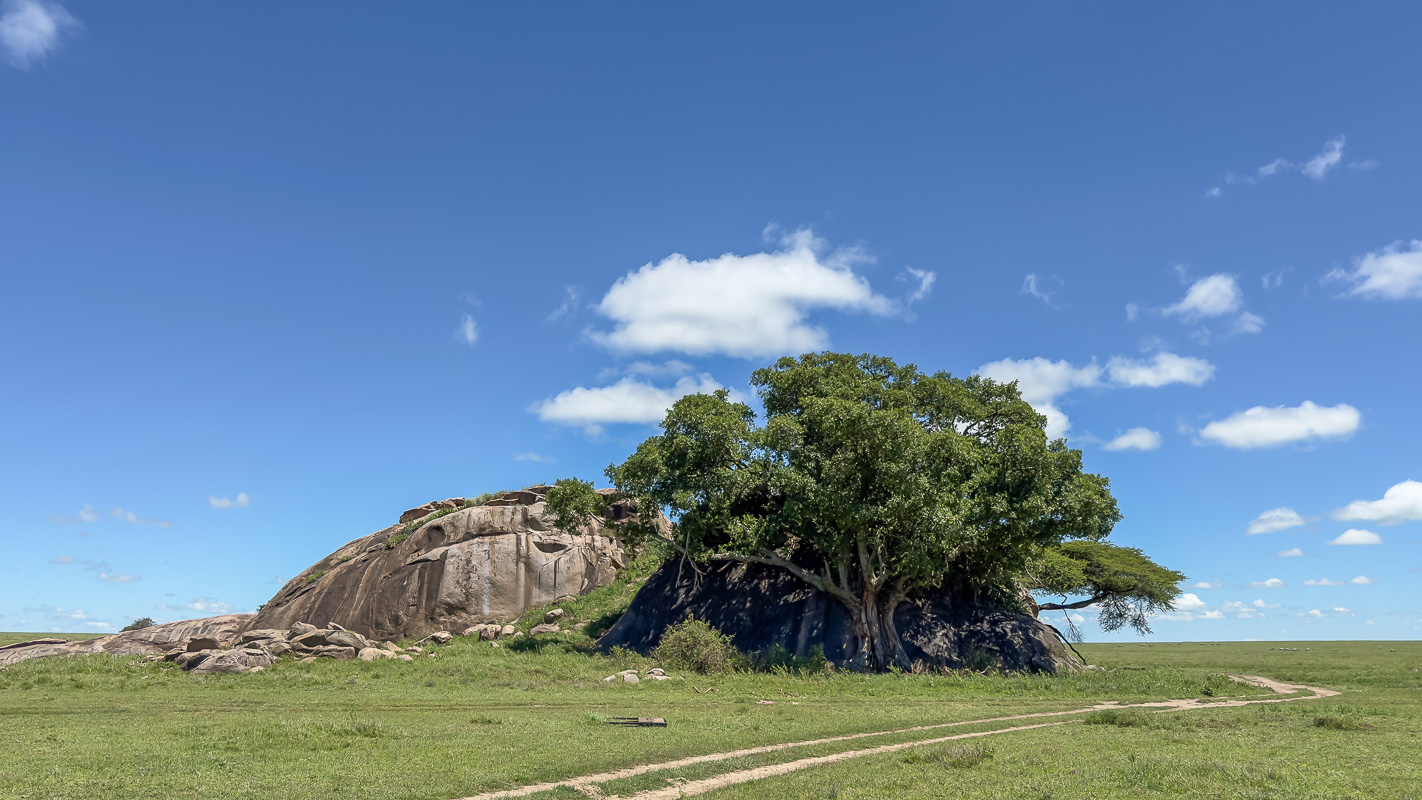
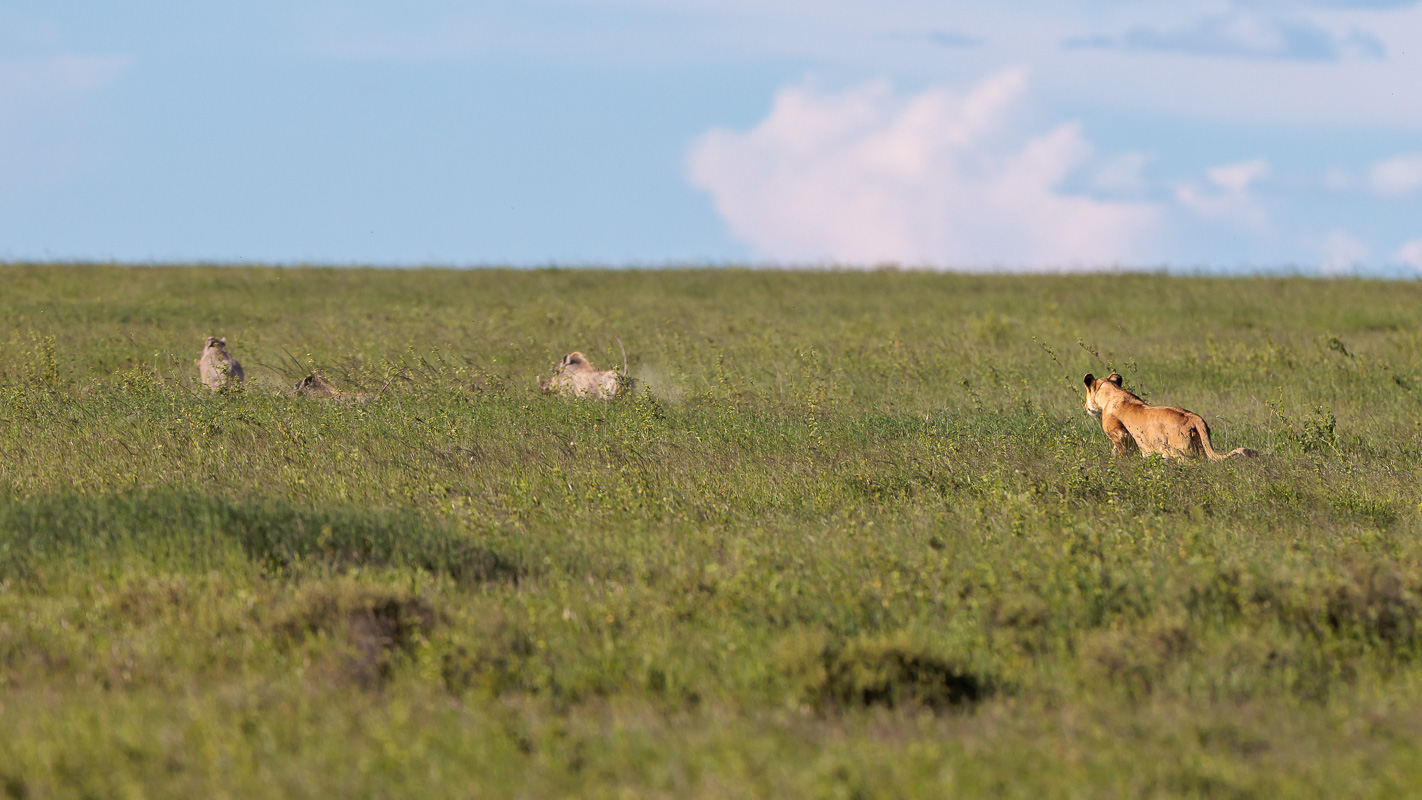
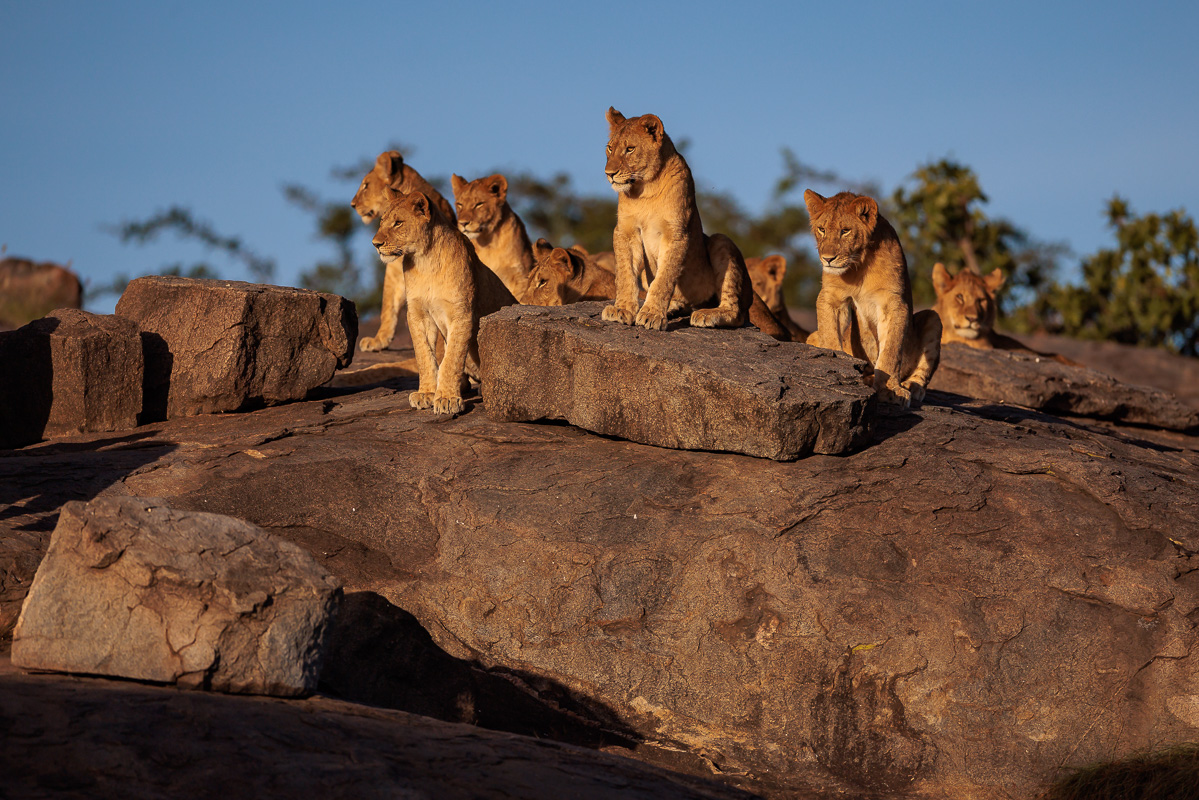
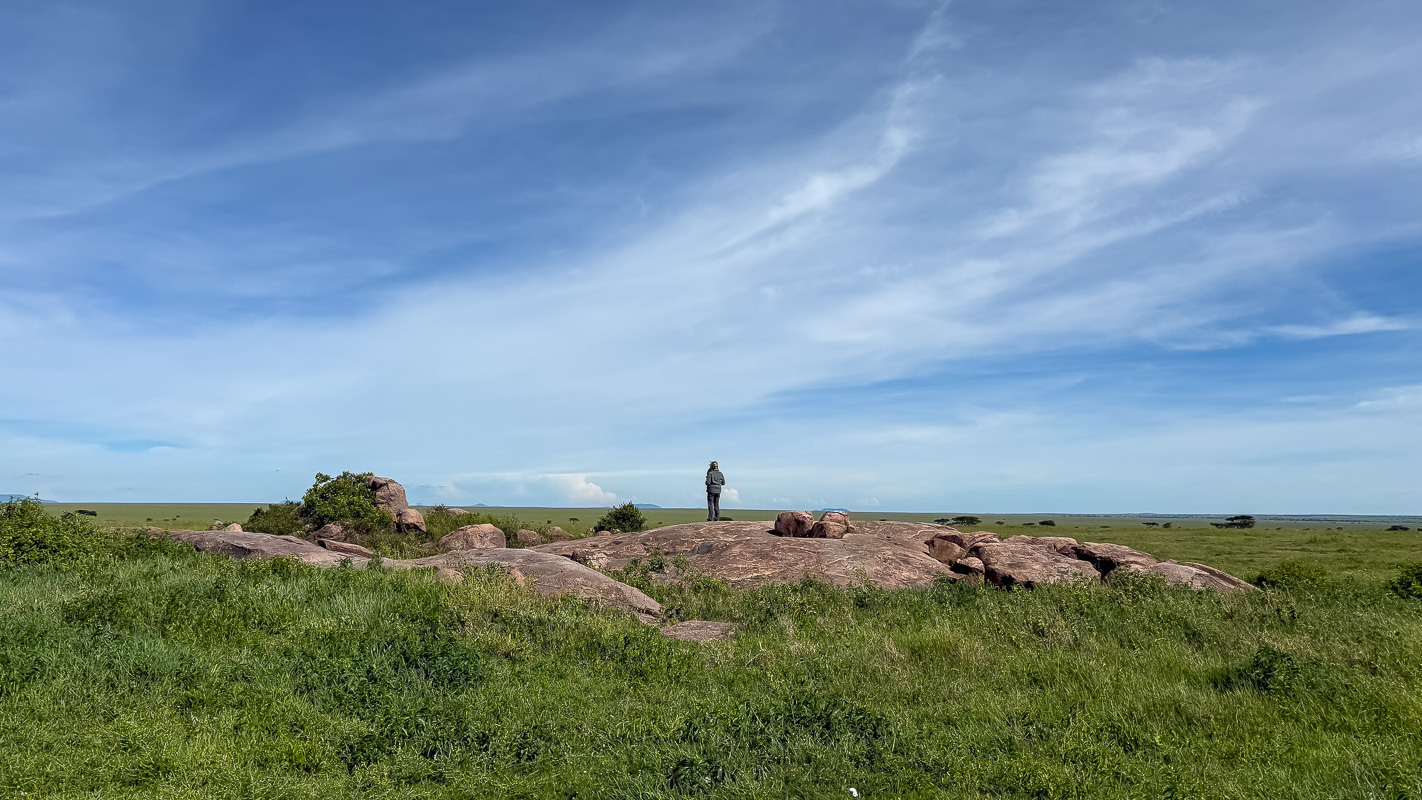
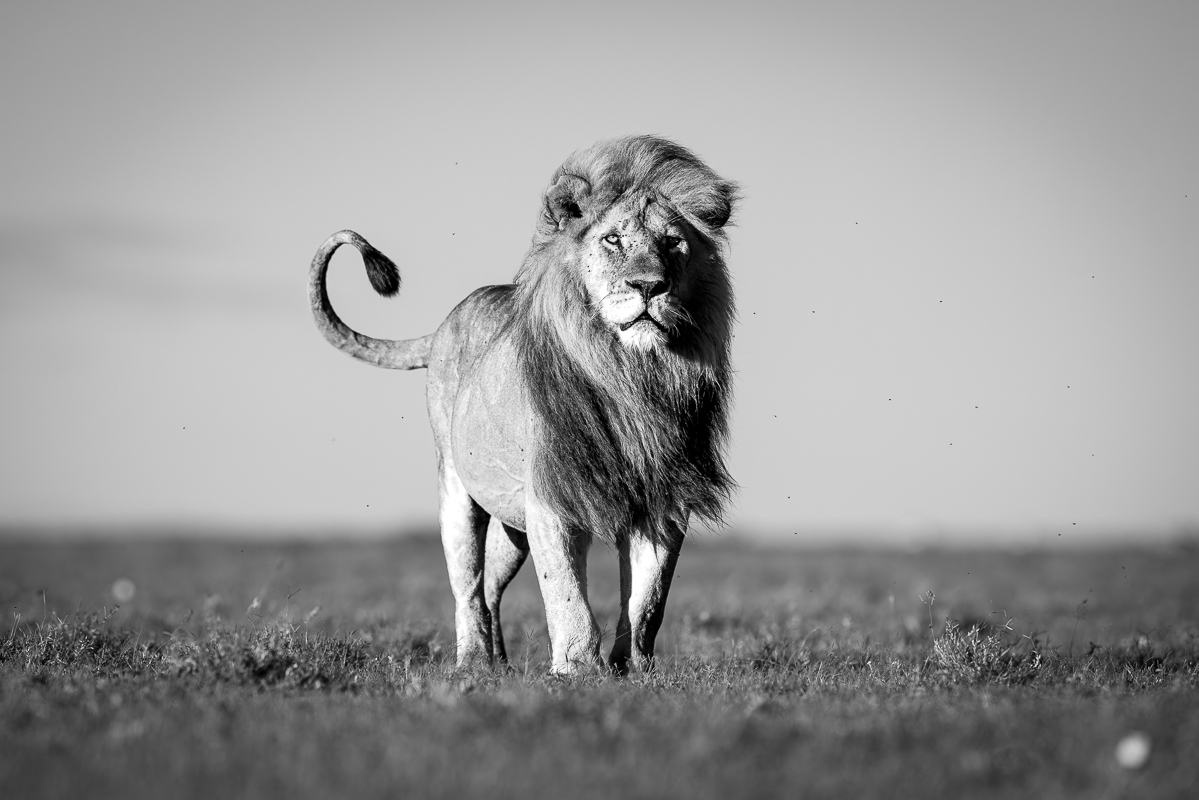
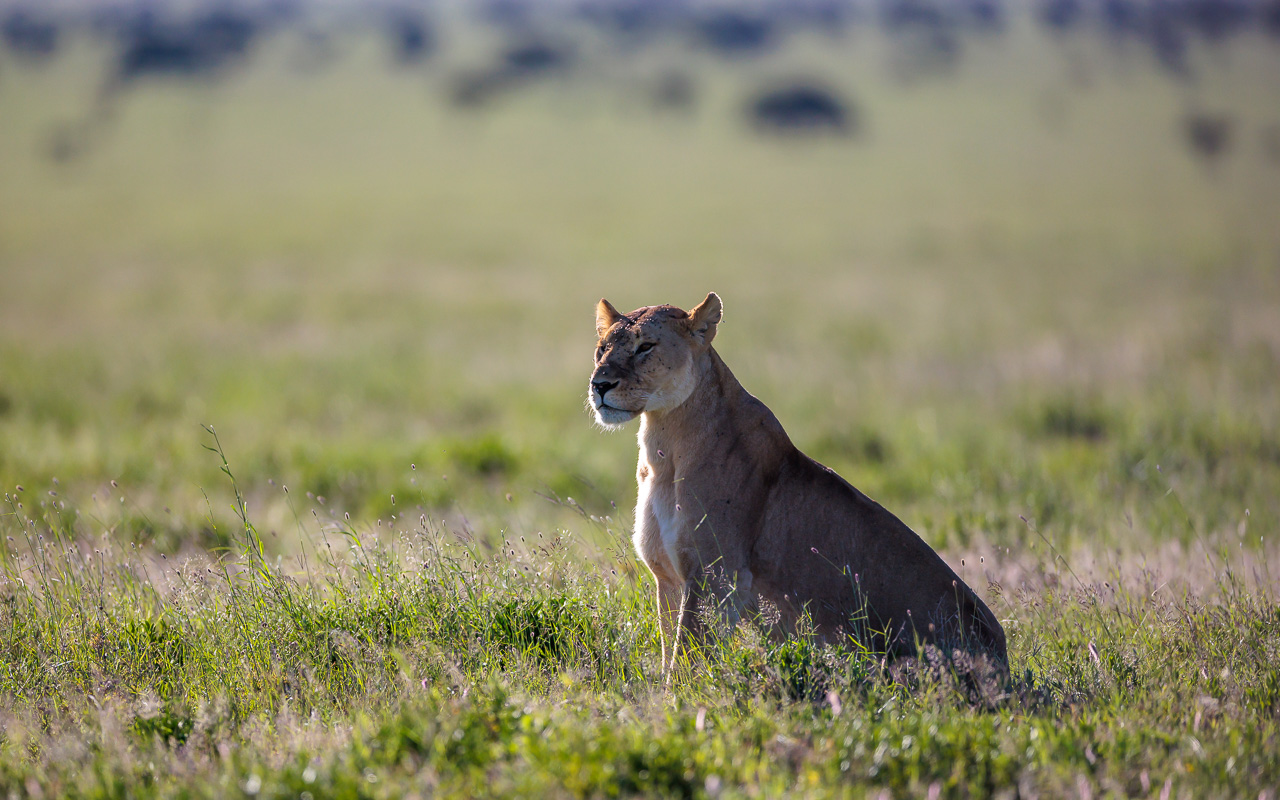
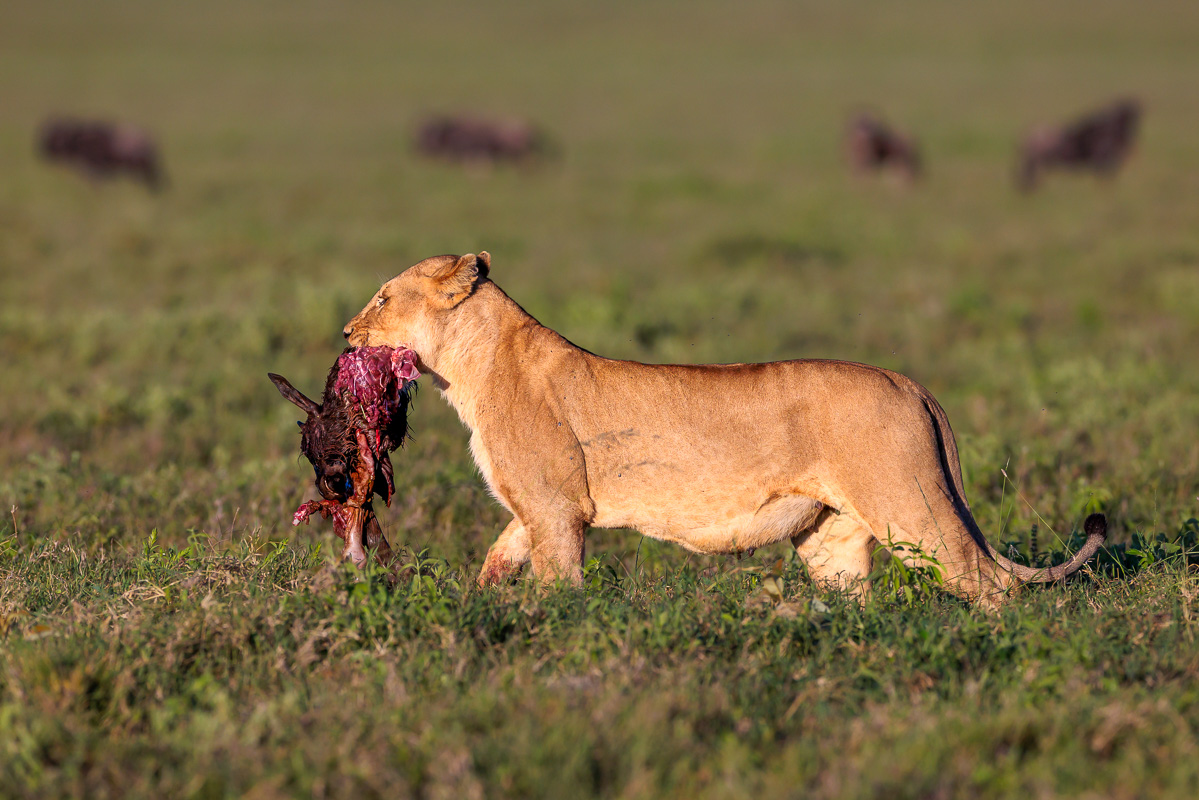
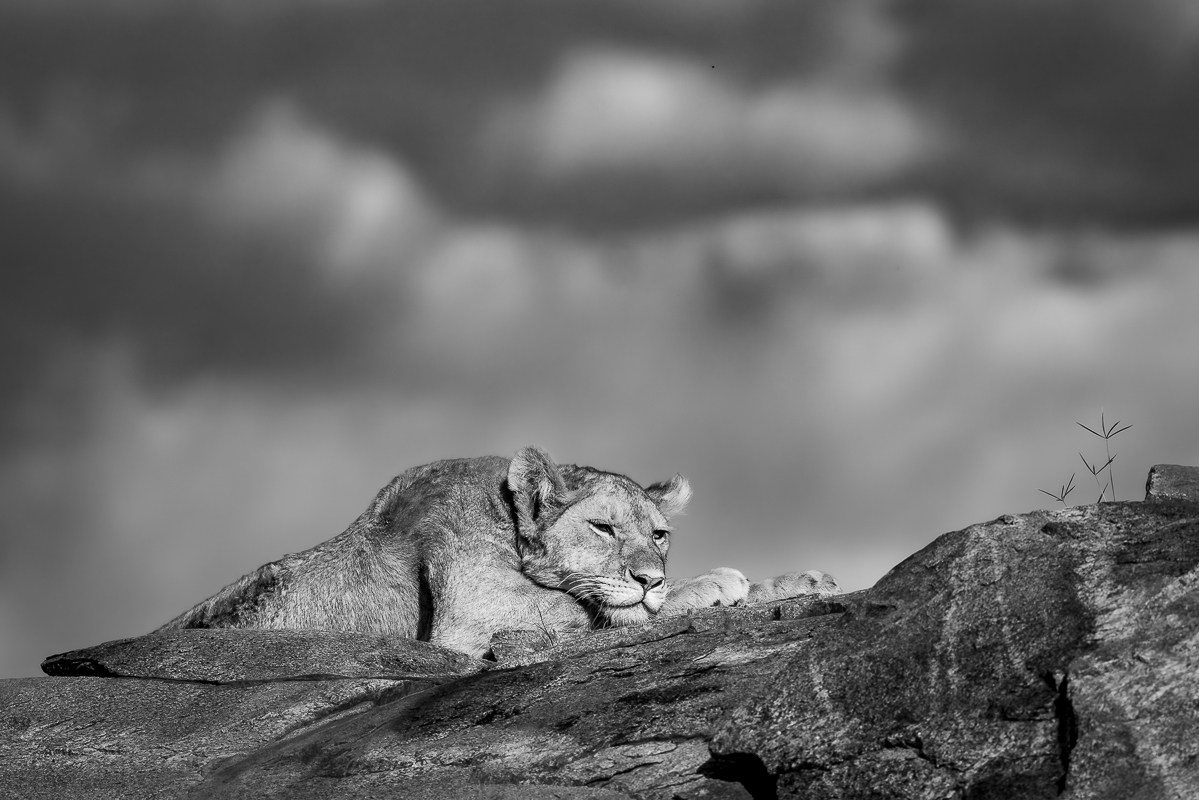
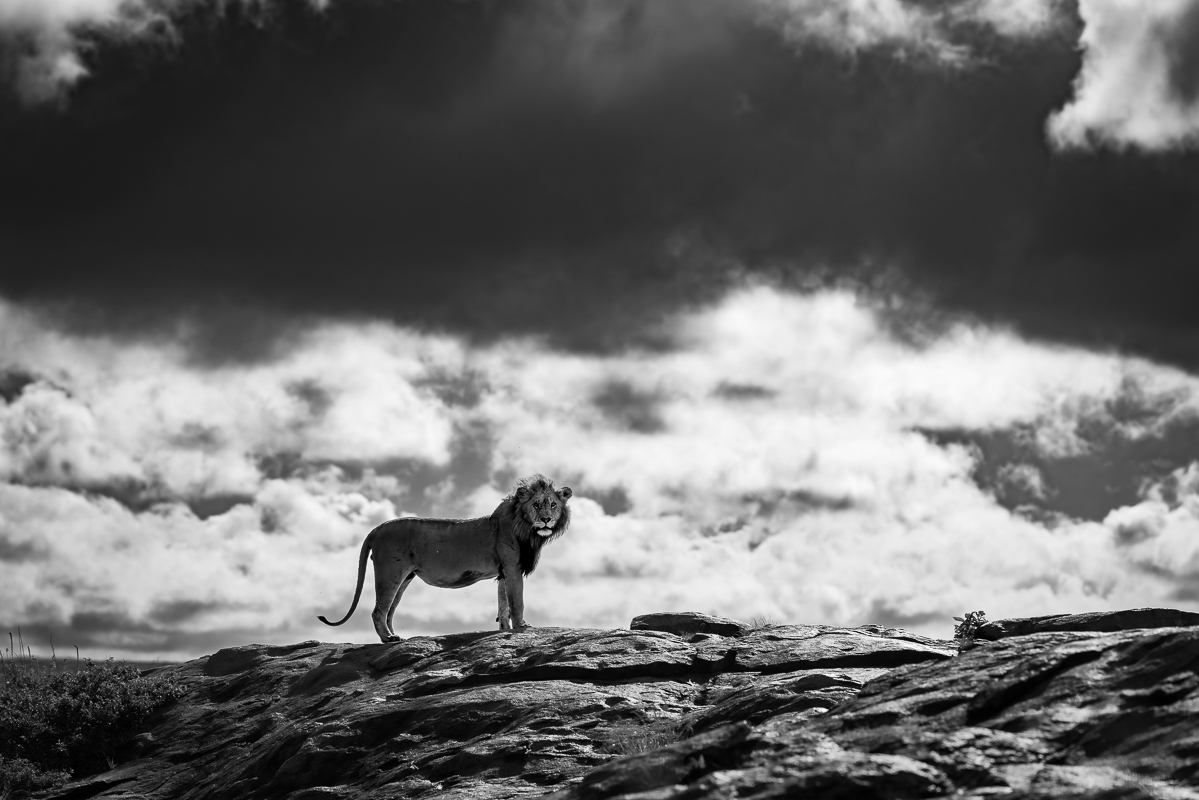
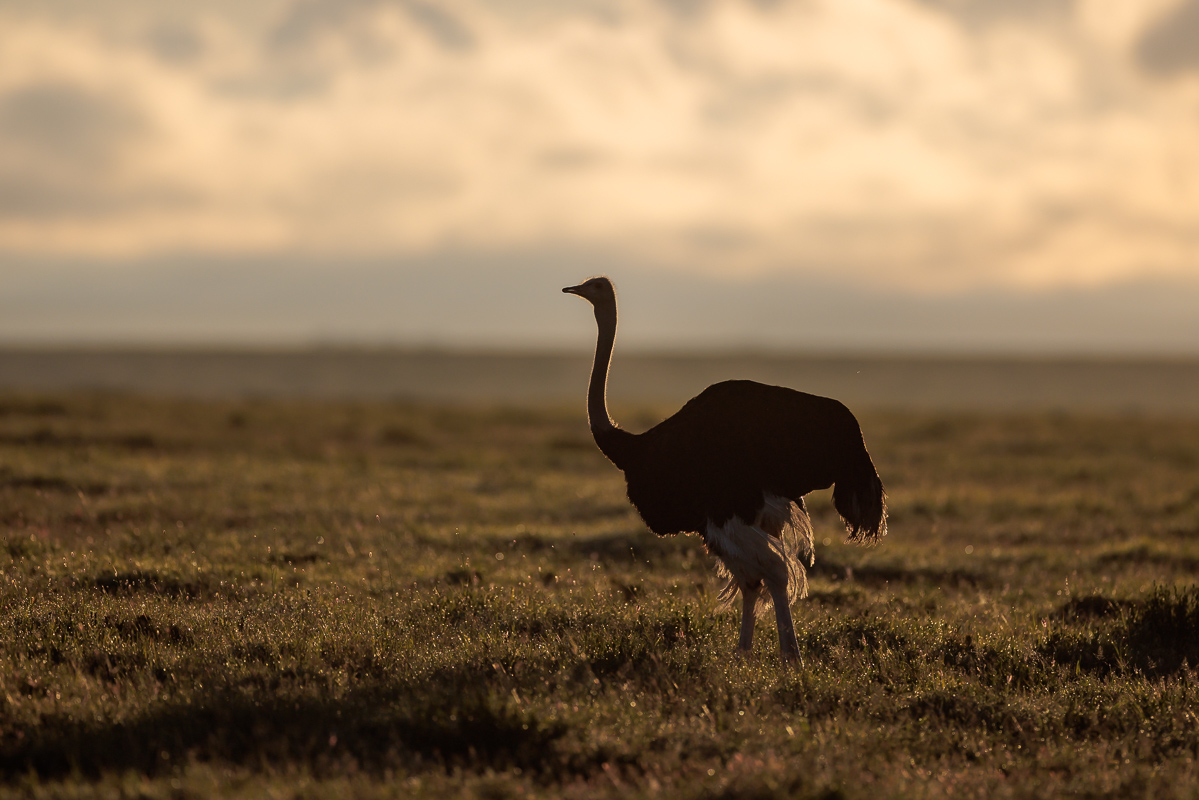
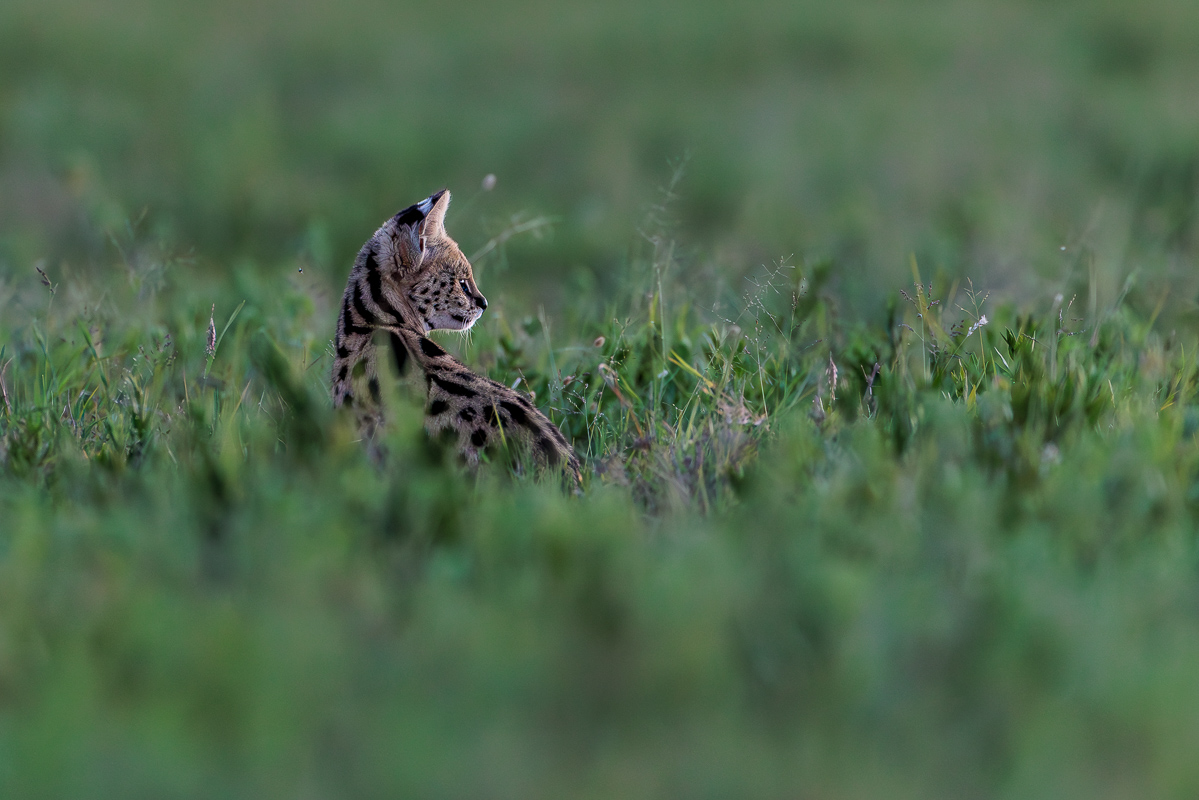
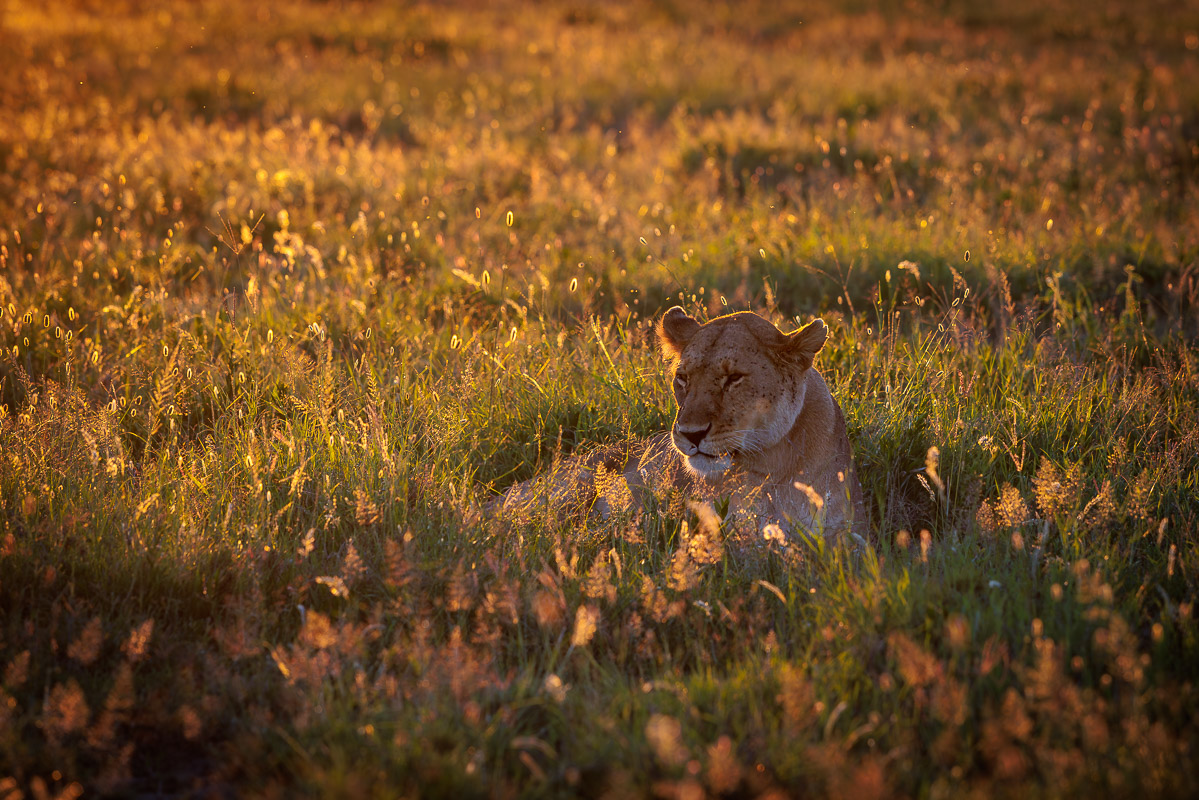
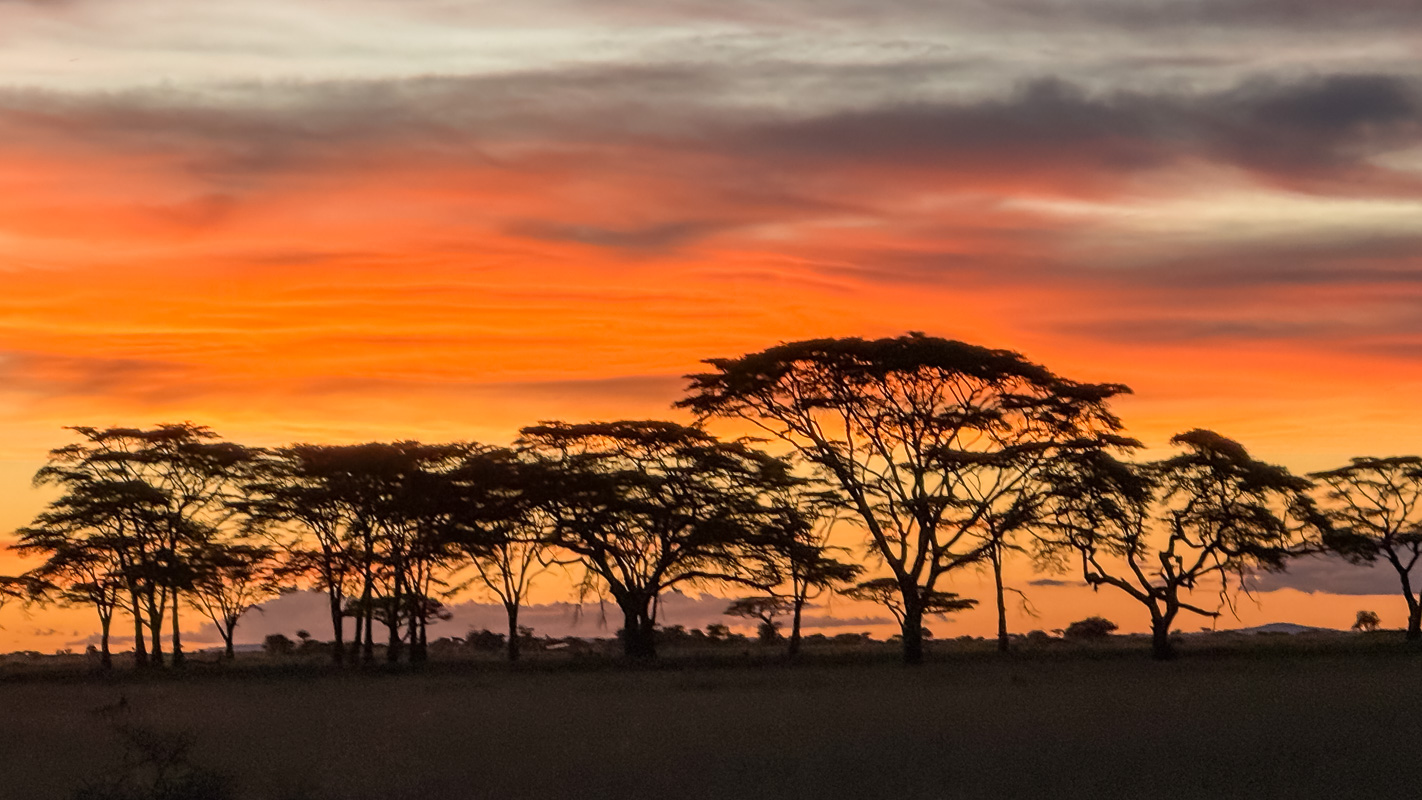
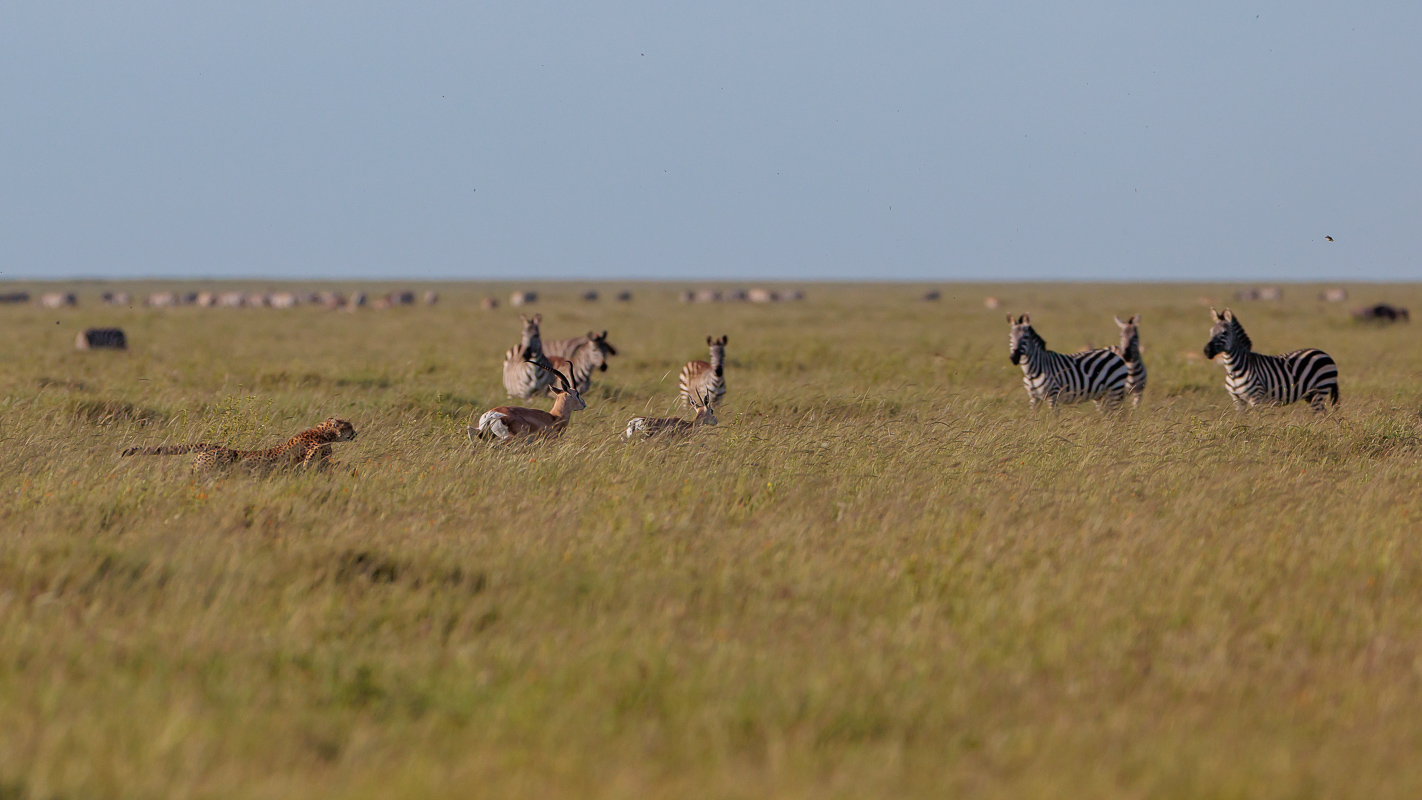
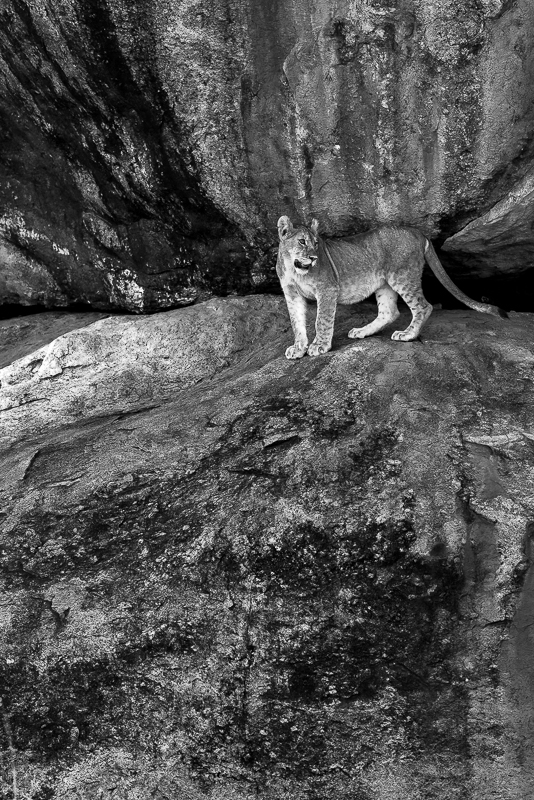
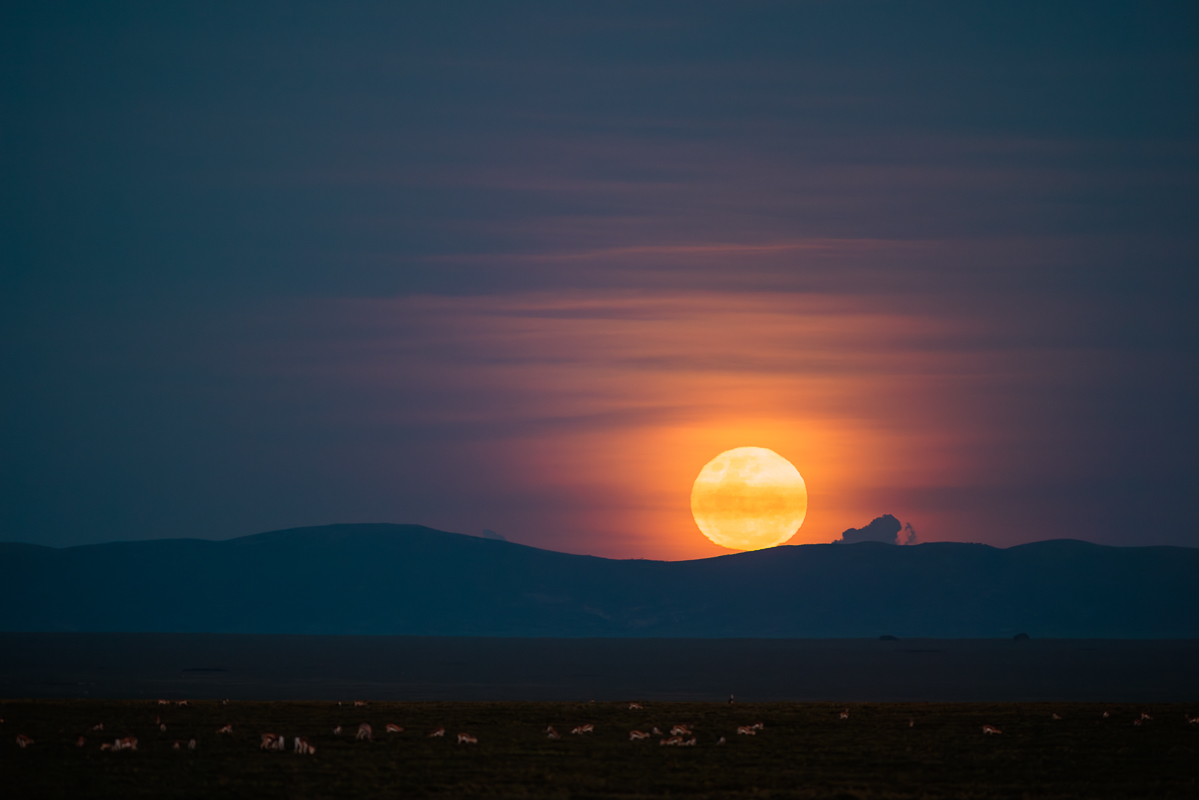
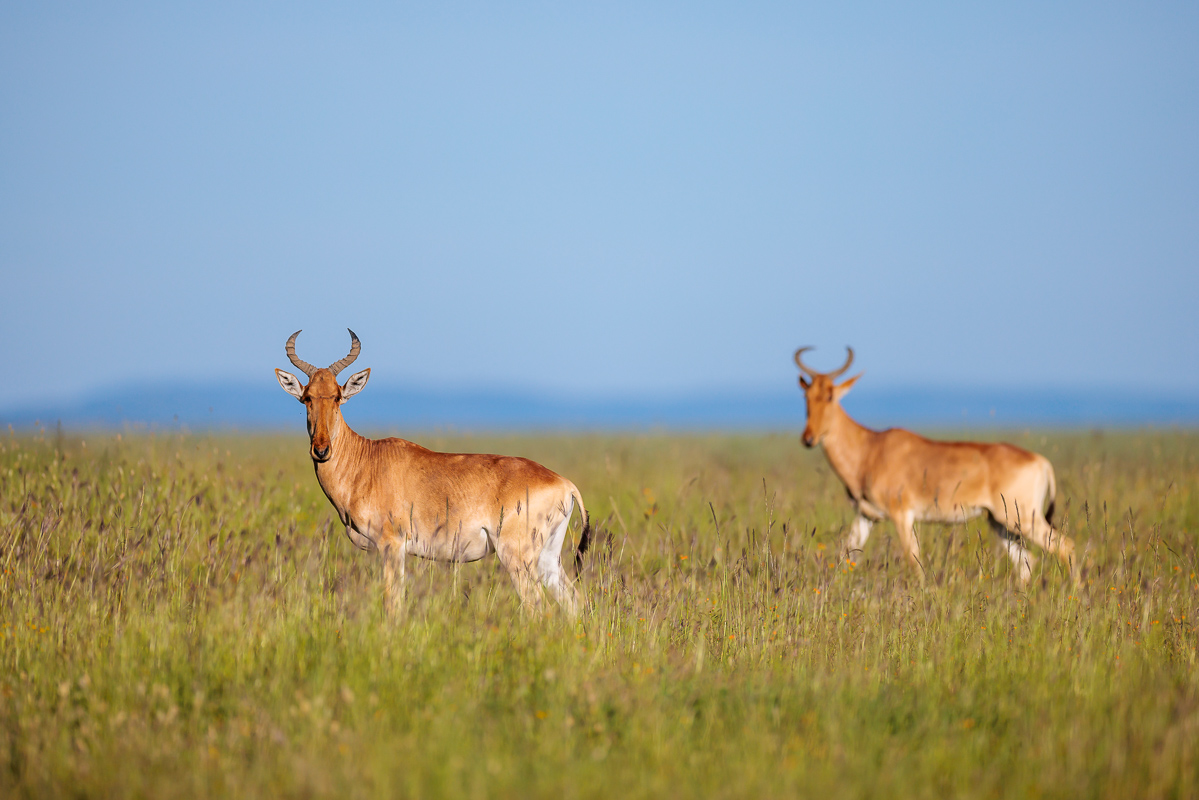
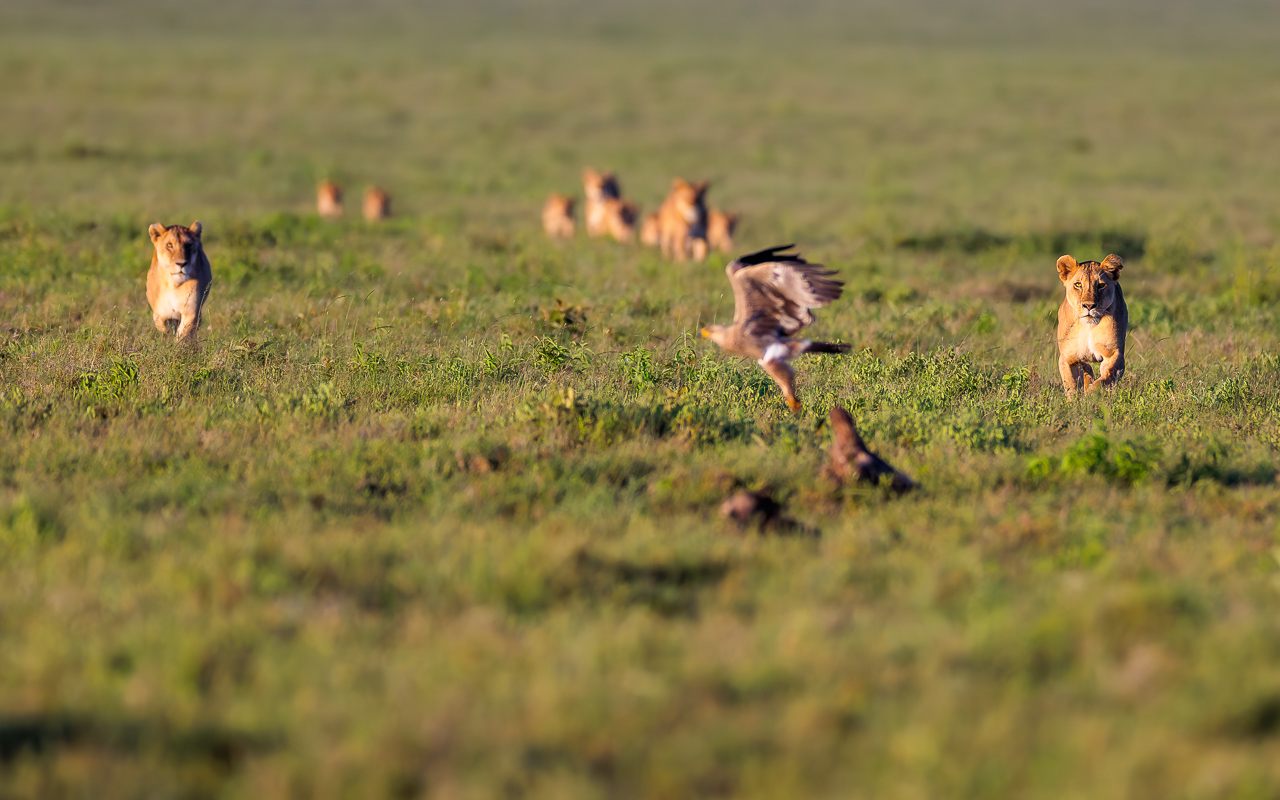
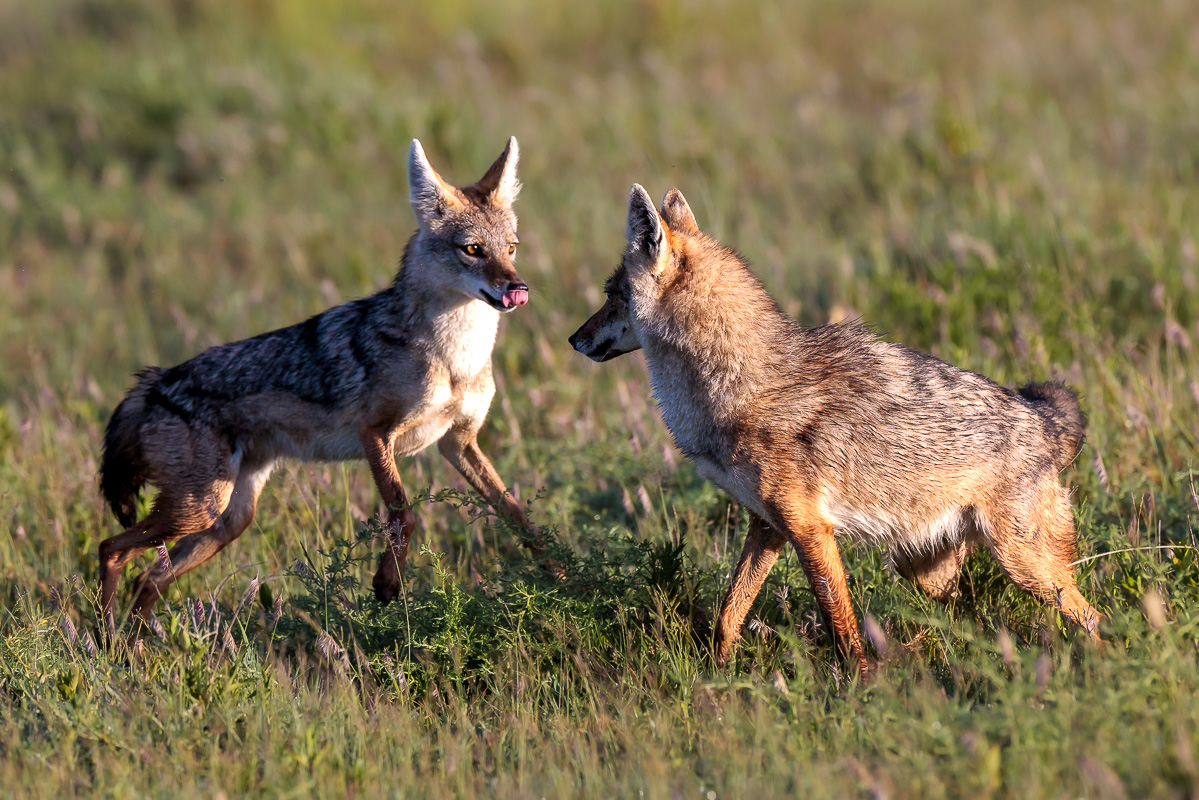
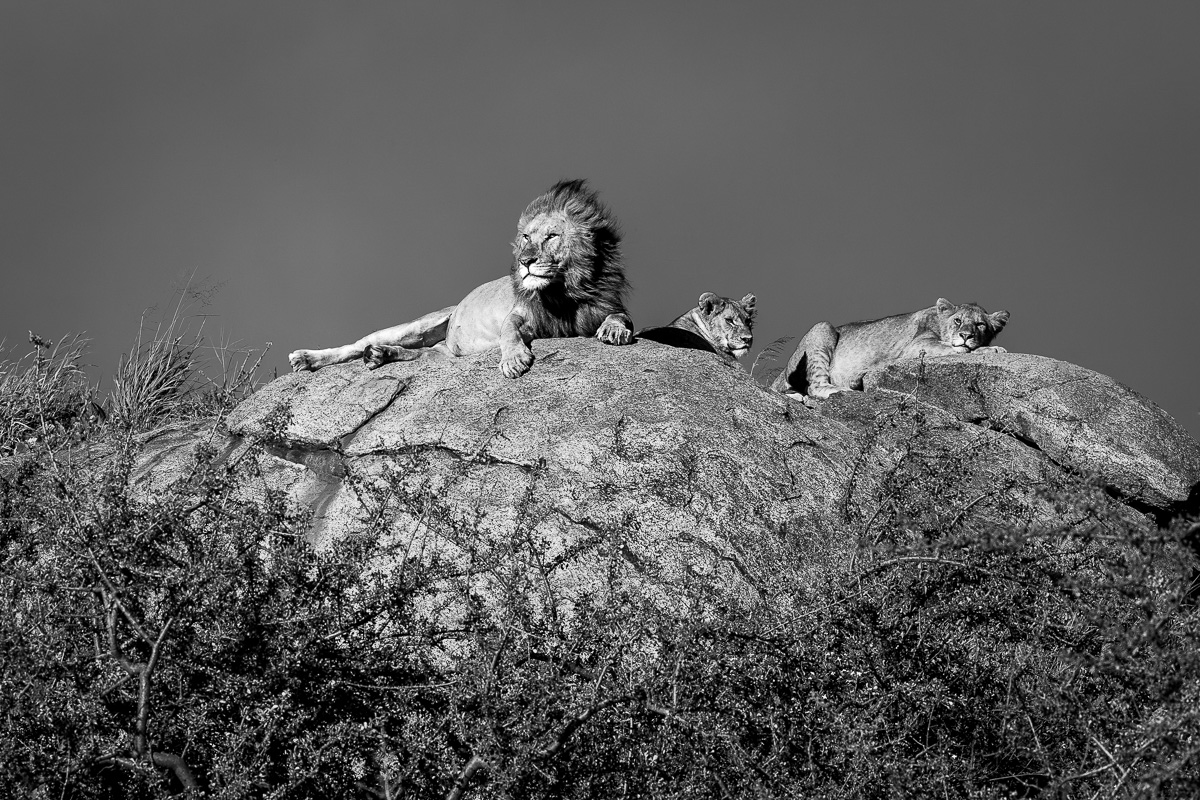
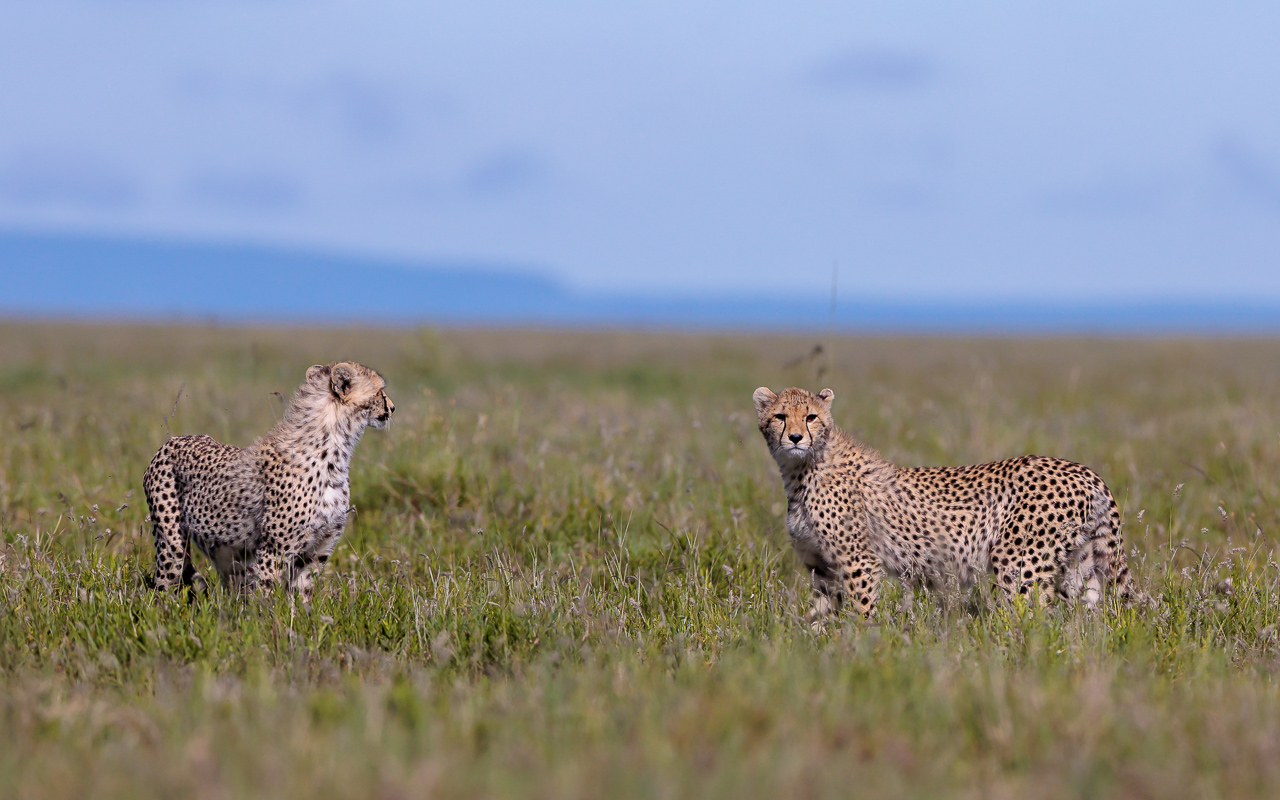
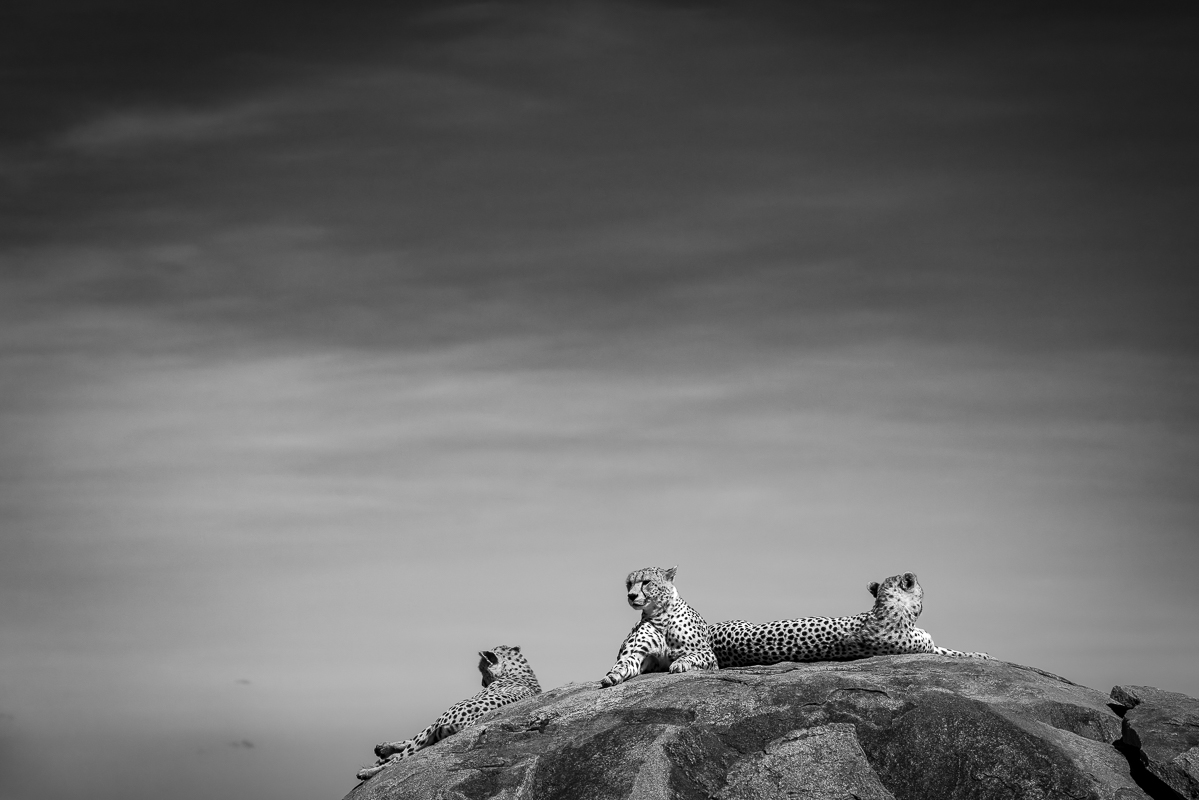
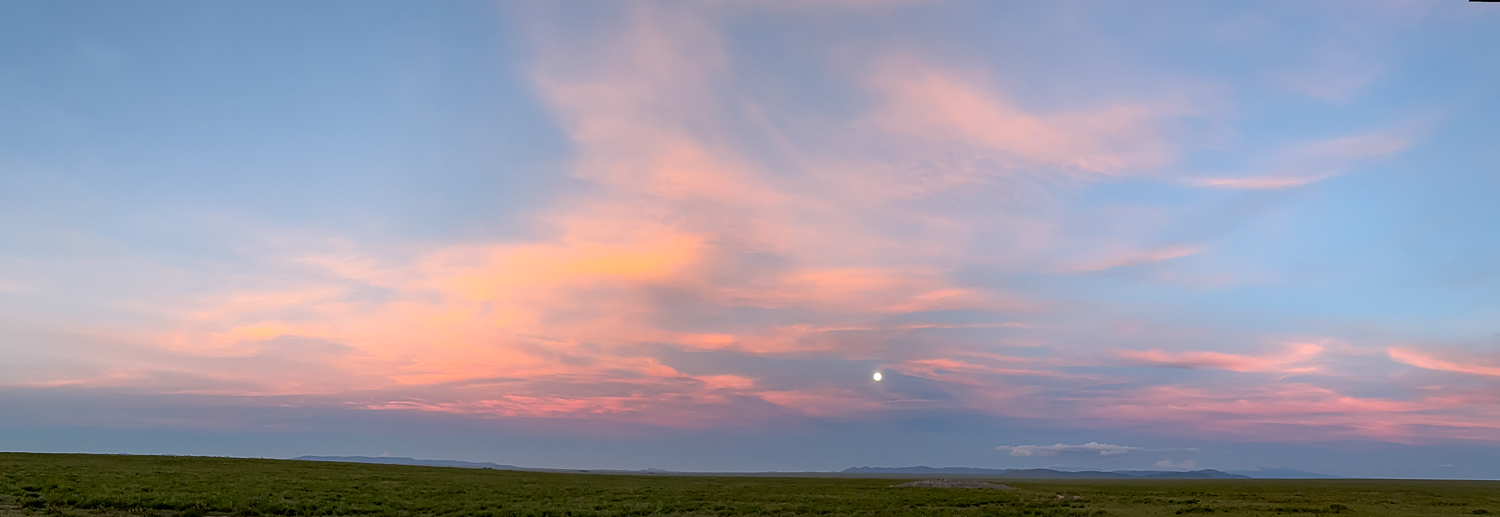
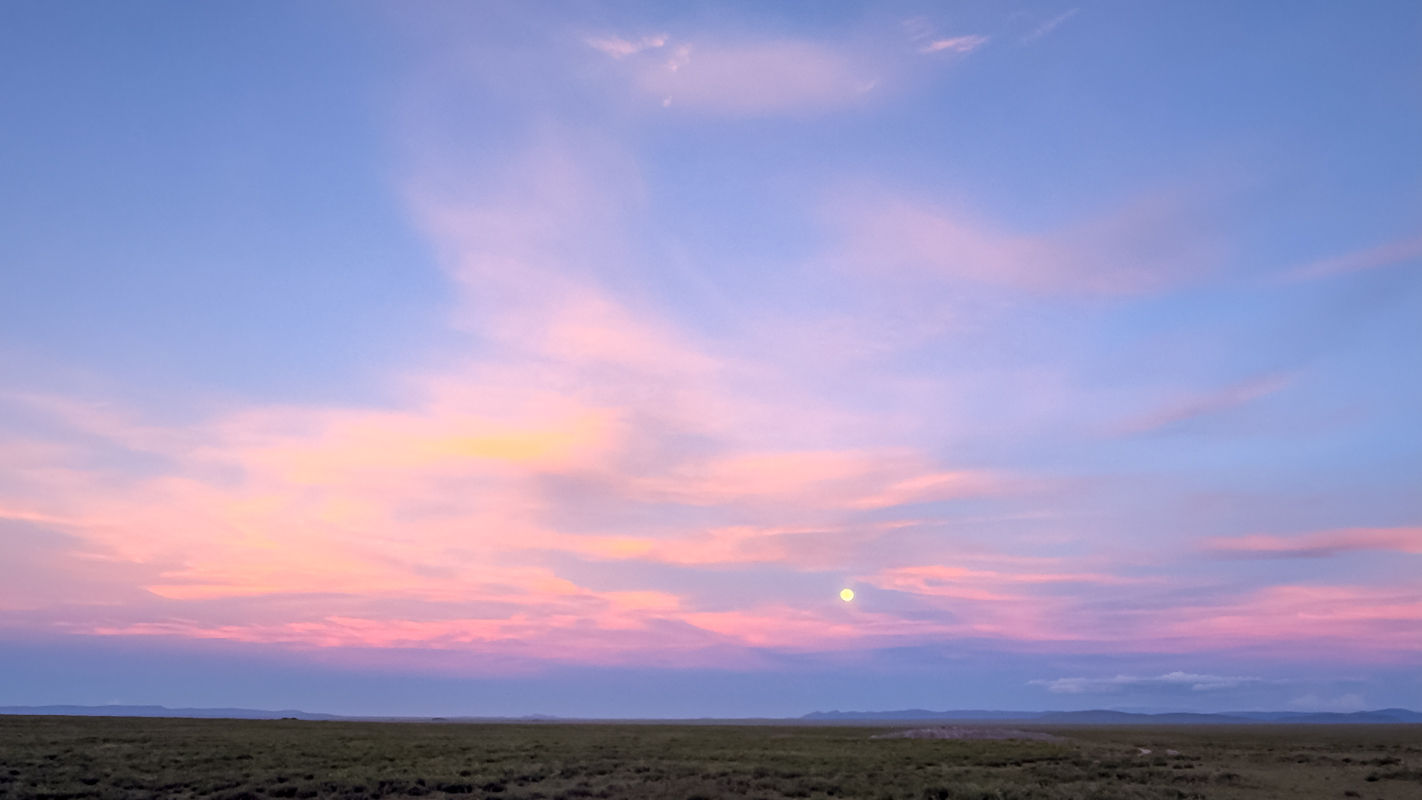
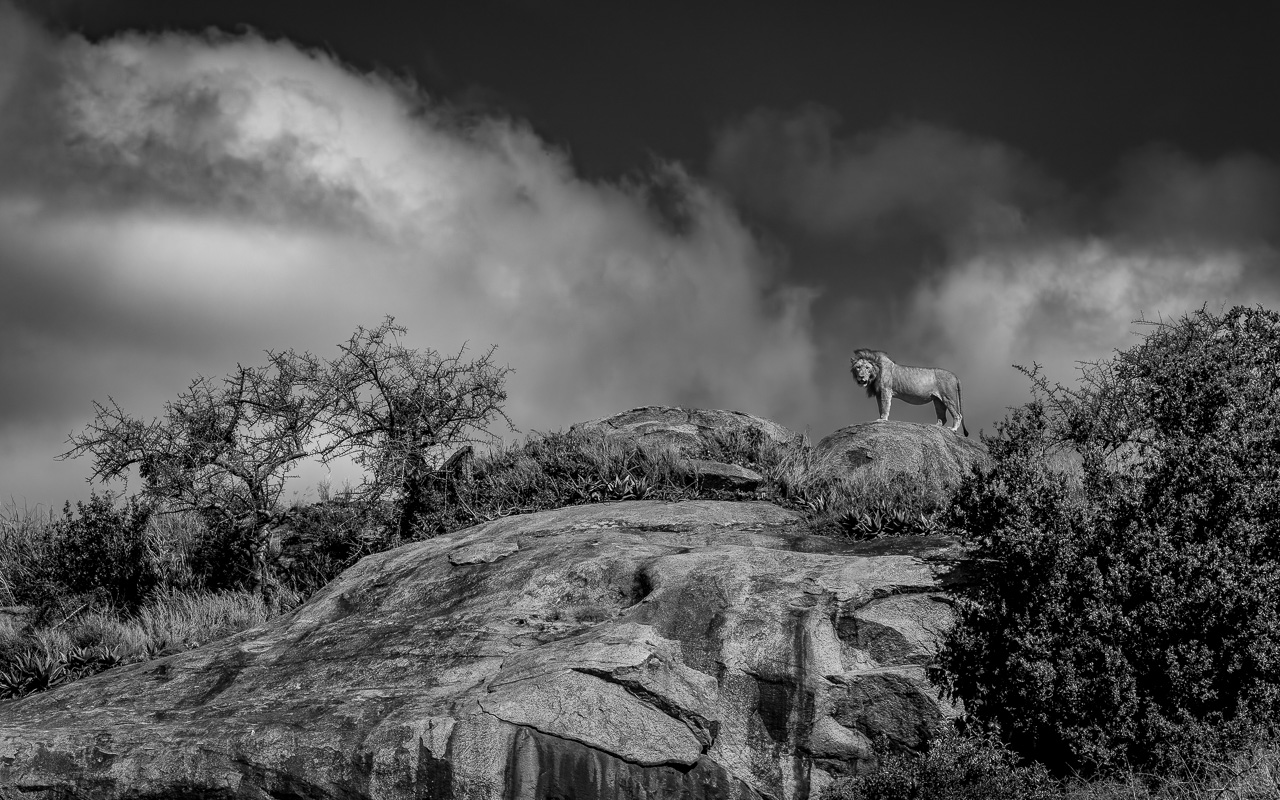
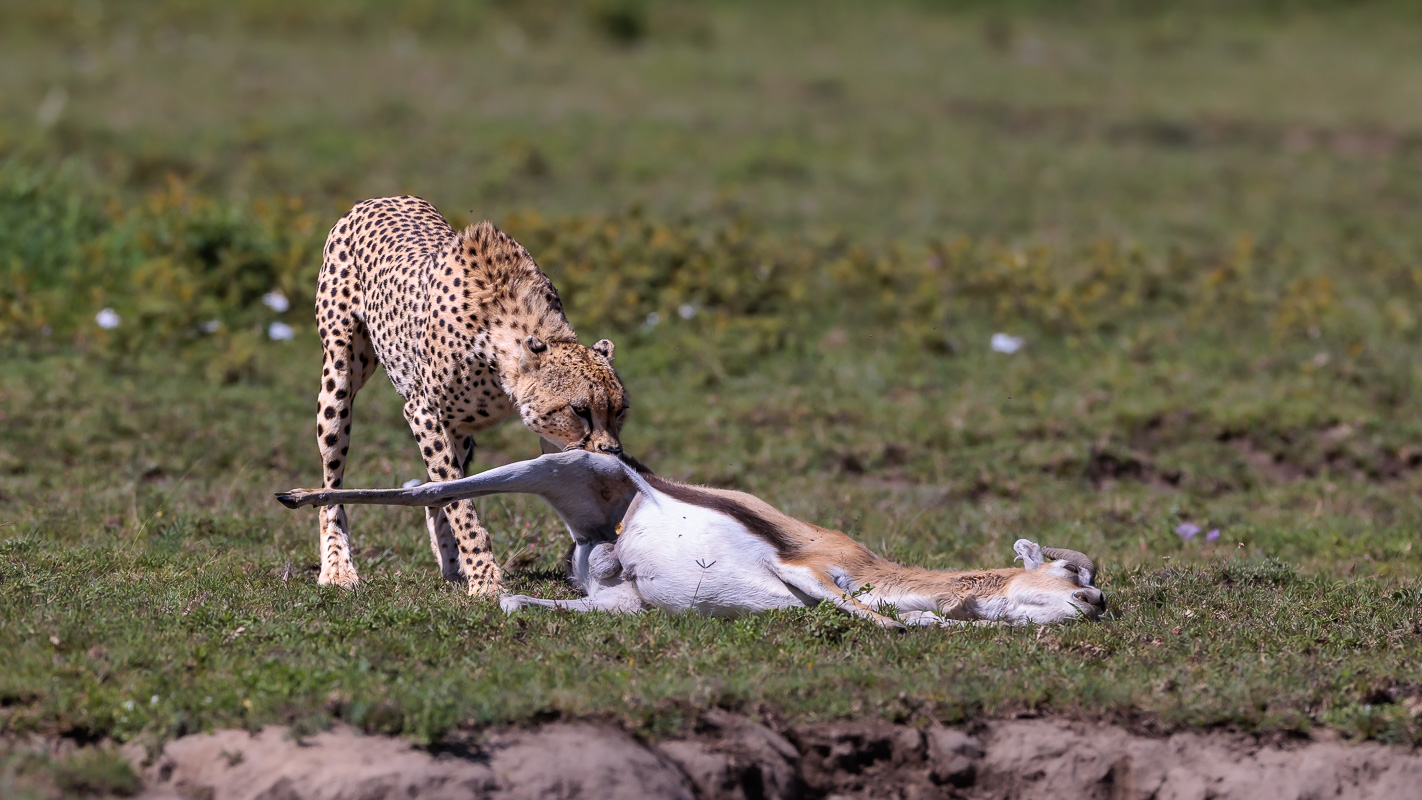
And so began a week in one of the best safari areas on earth. We spent time with cheetahs, waiting for mothers to hunt; we watched lions clamber on rocks, steadily moving higher until they reached the peaks in order to assert dominance over their territories; and we tracked small cats in the long grass, using the alarm calls of little birds to lead us to the place where these elusive predators appeared in the open. When the light was good, we played with contrast, light and shade and backlighting. When the light was flat or grey, we switched to modelling in black and white, or shooting slow shutter speeds to capture motion in the images. Due to the clear days, it became hot and hazy at lunchtime so we returned to camp, recharged and prepared to go out searching again in the afternoon.
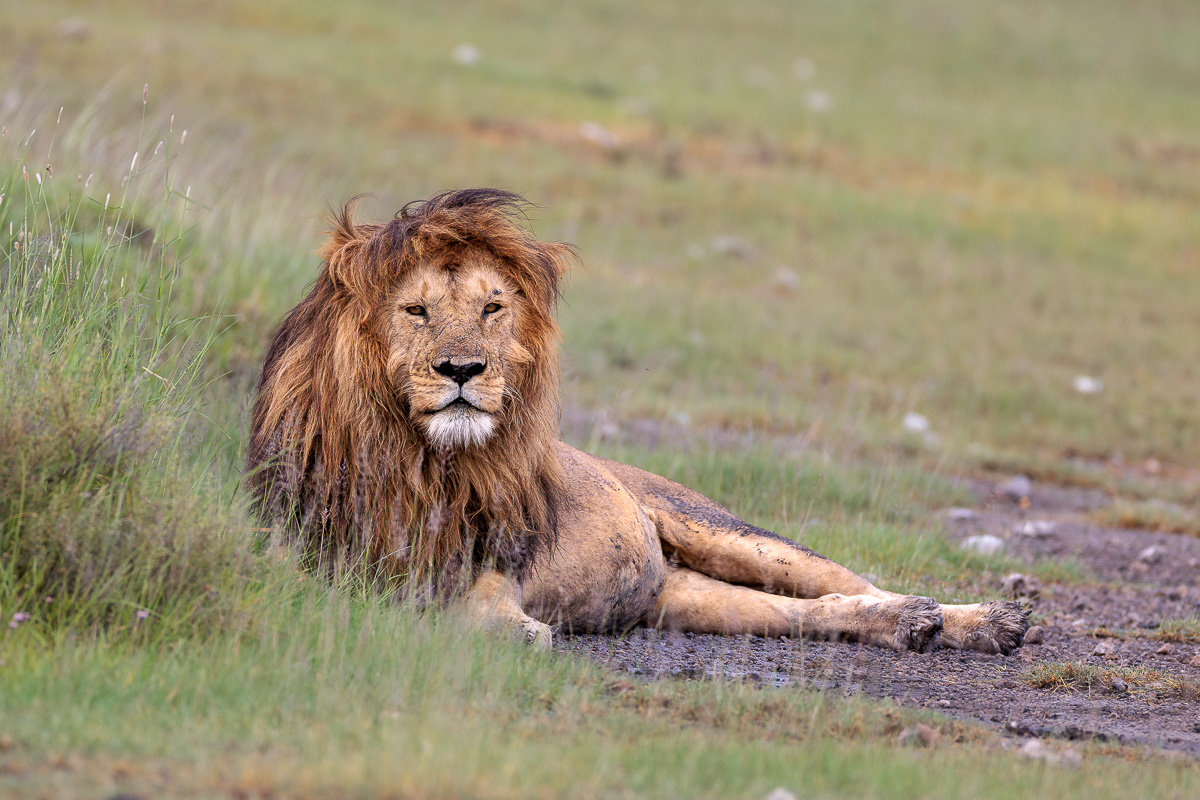
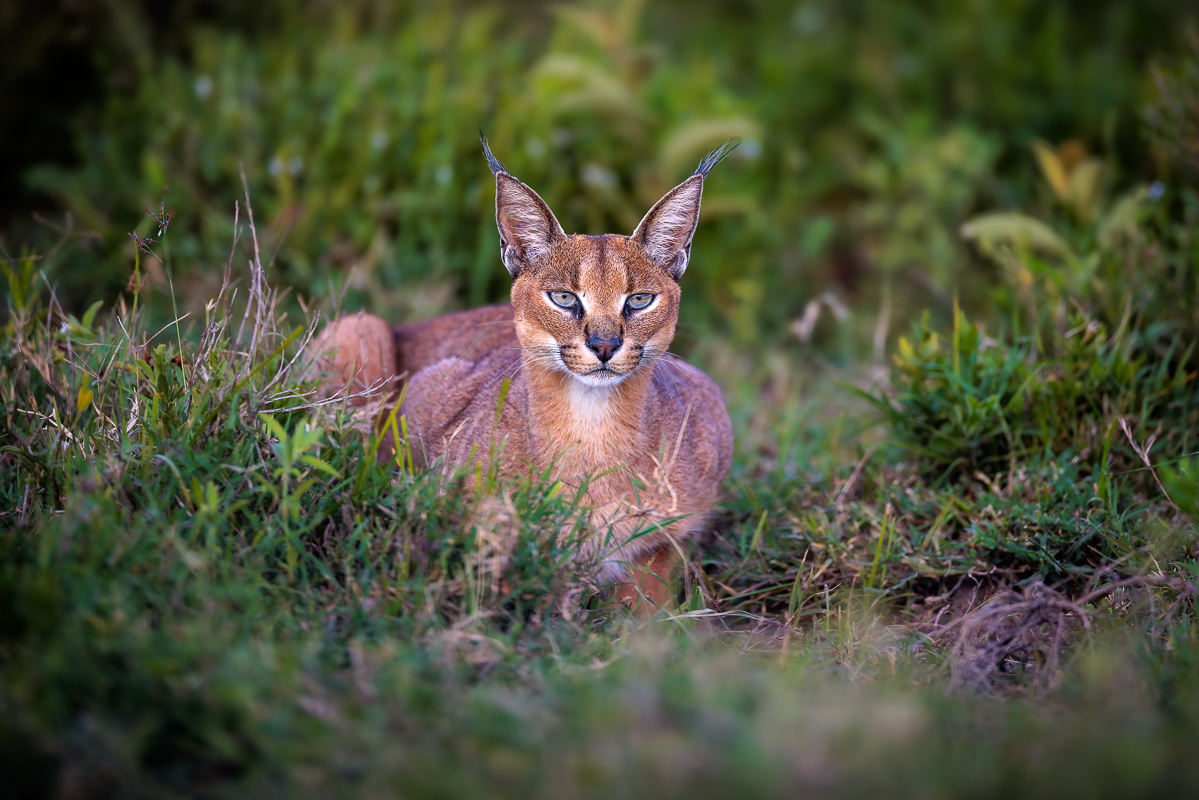
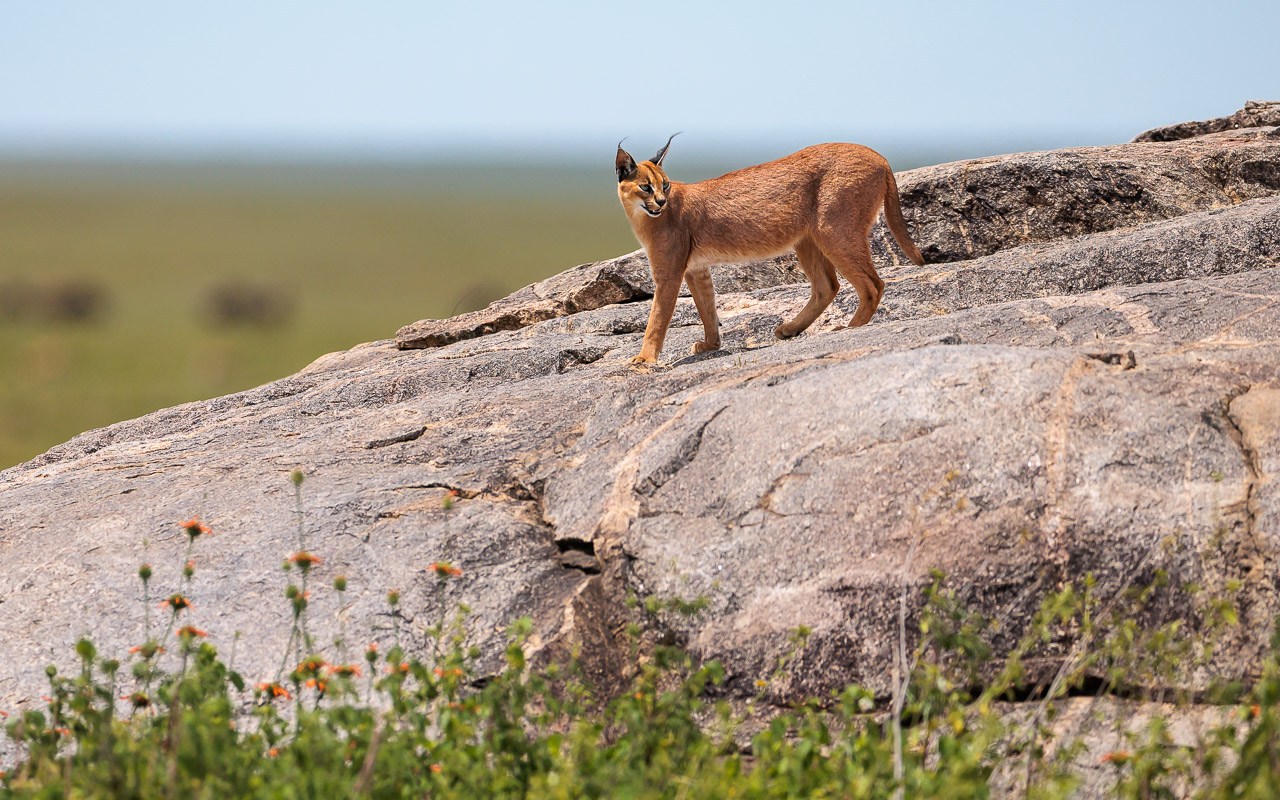
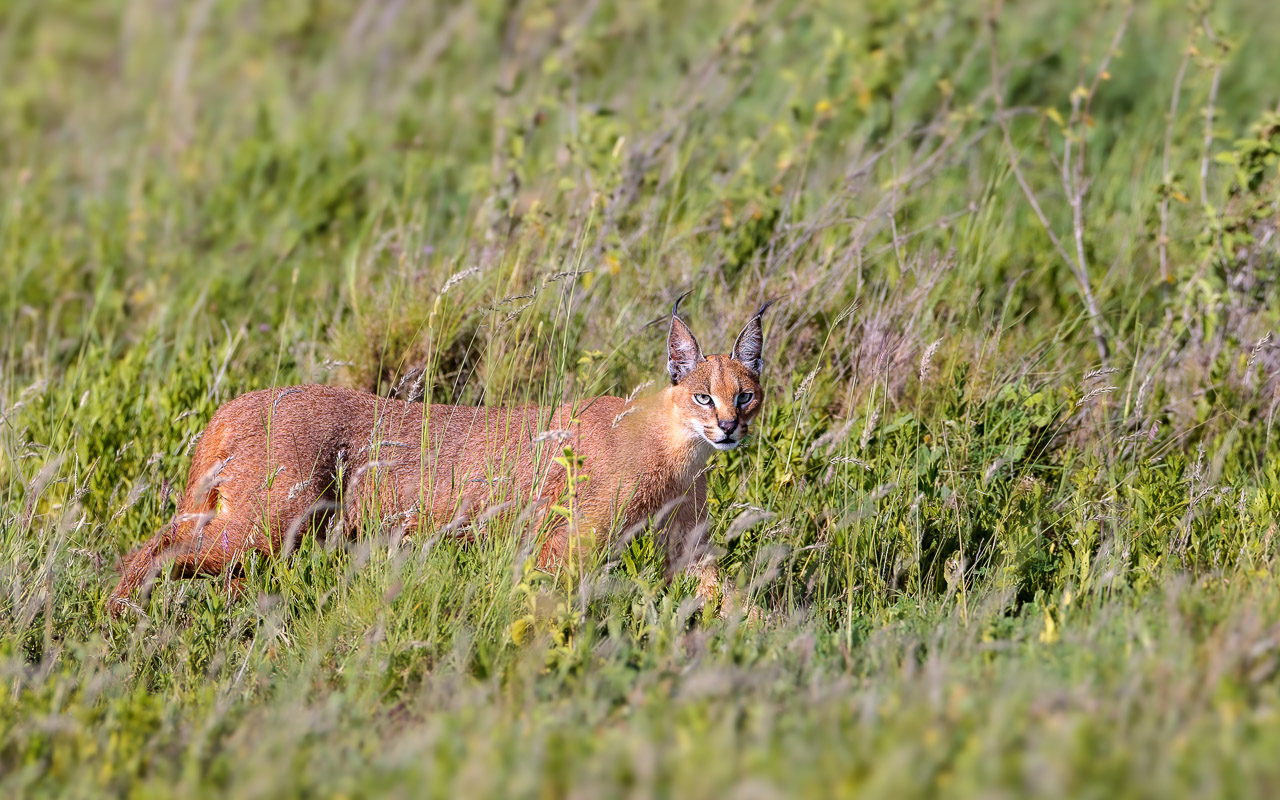
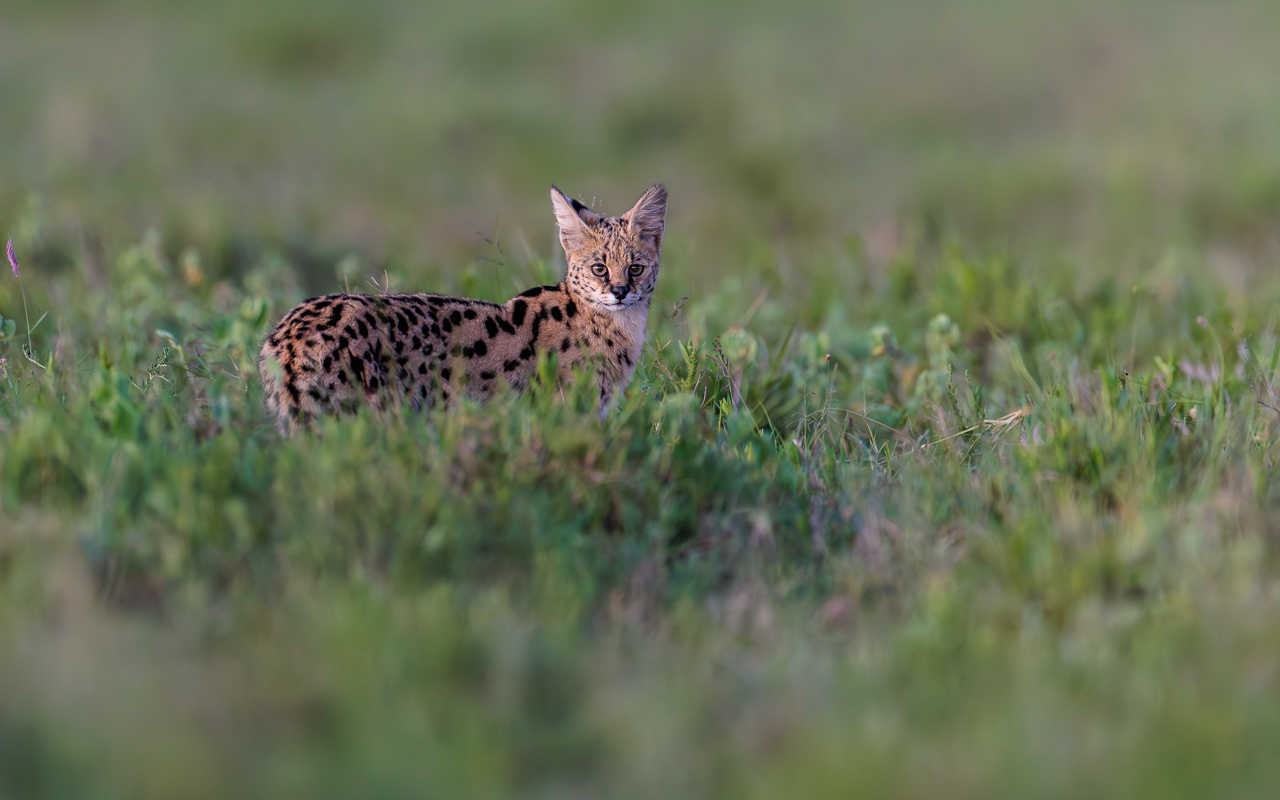
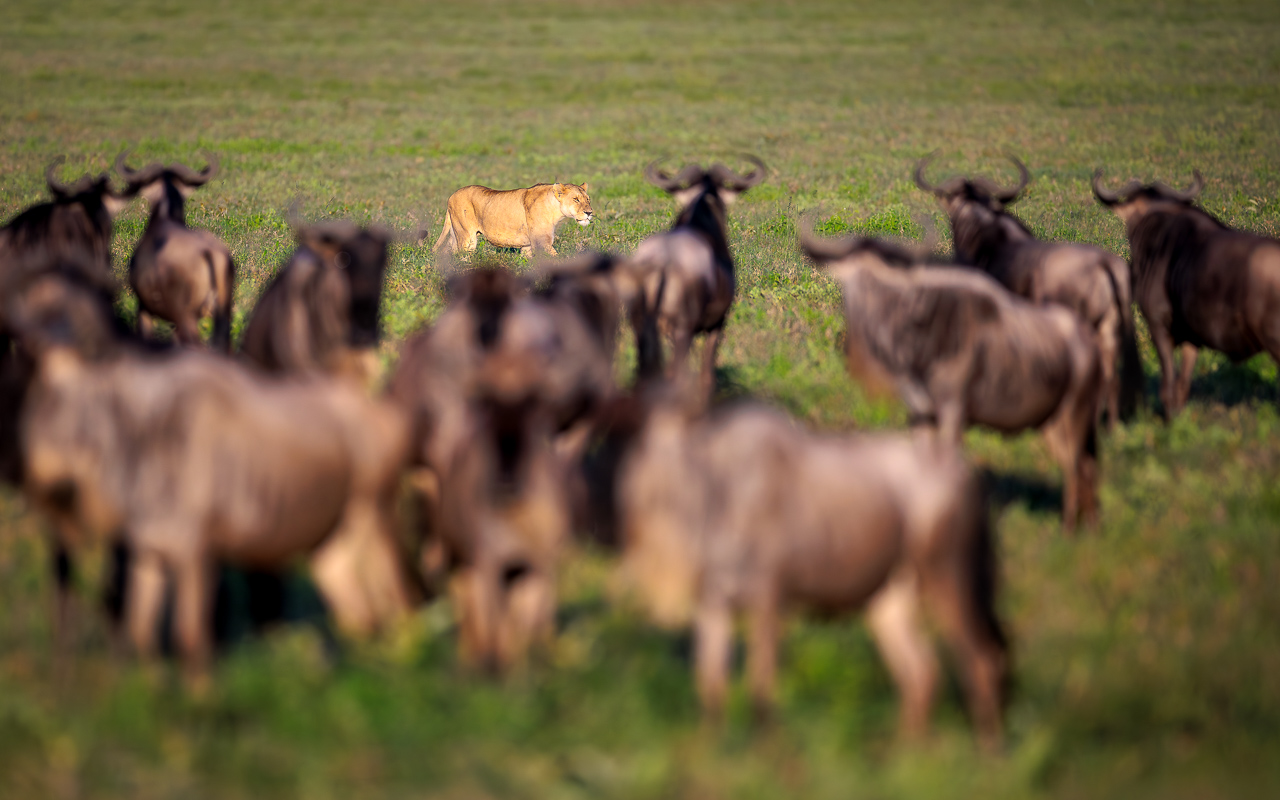
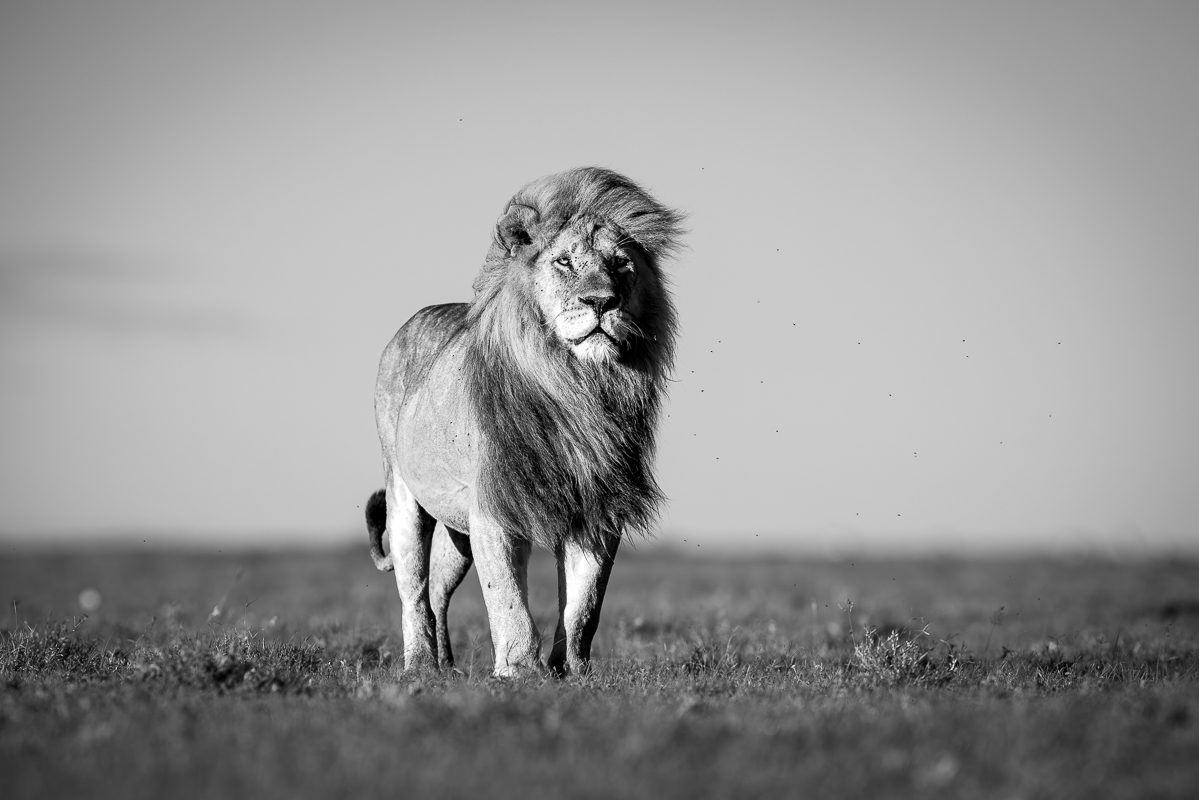
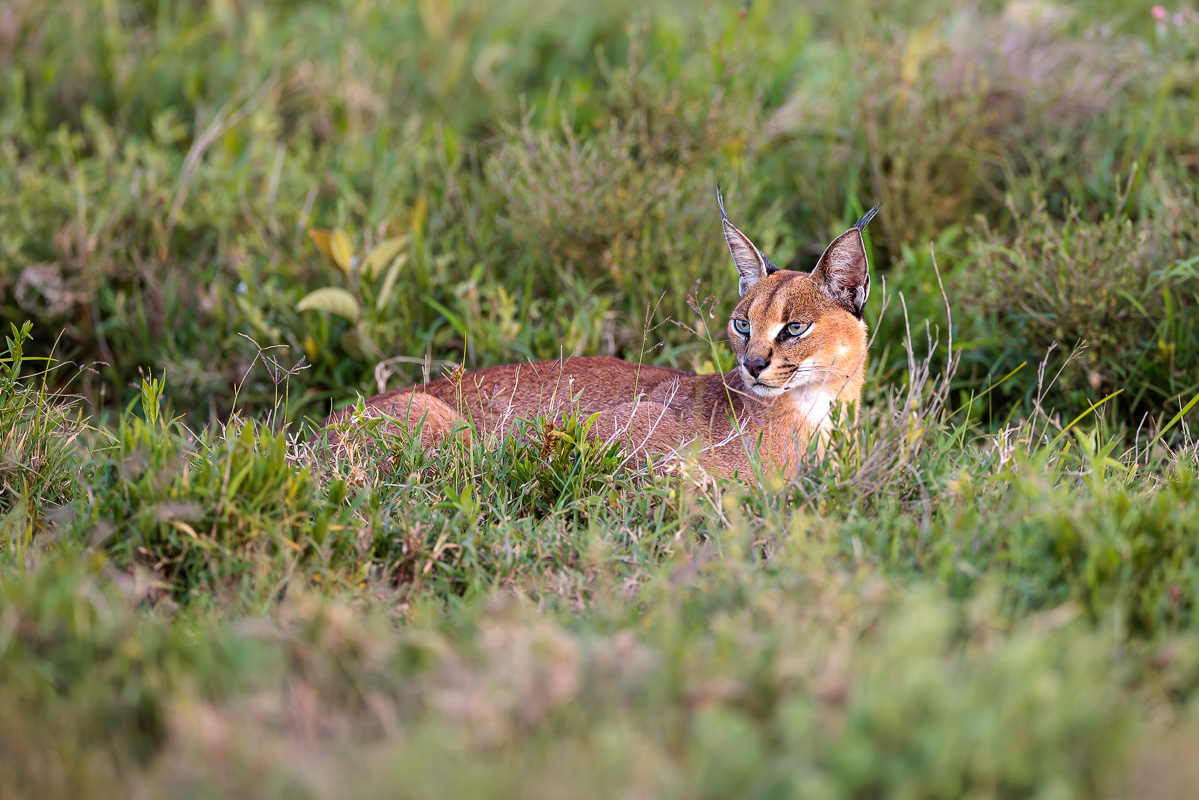
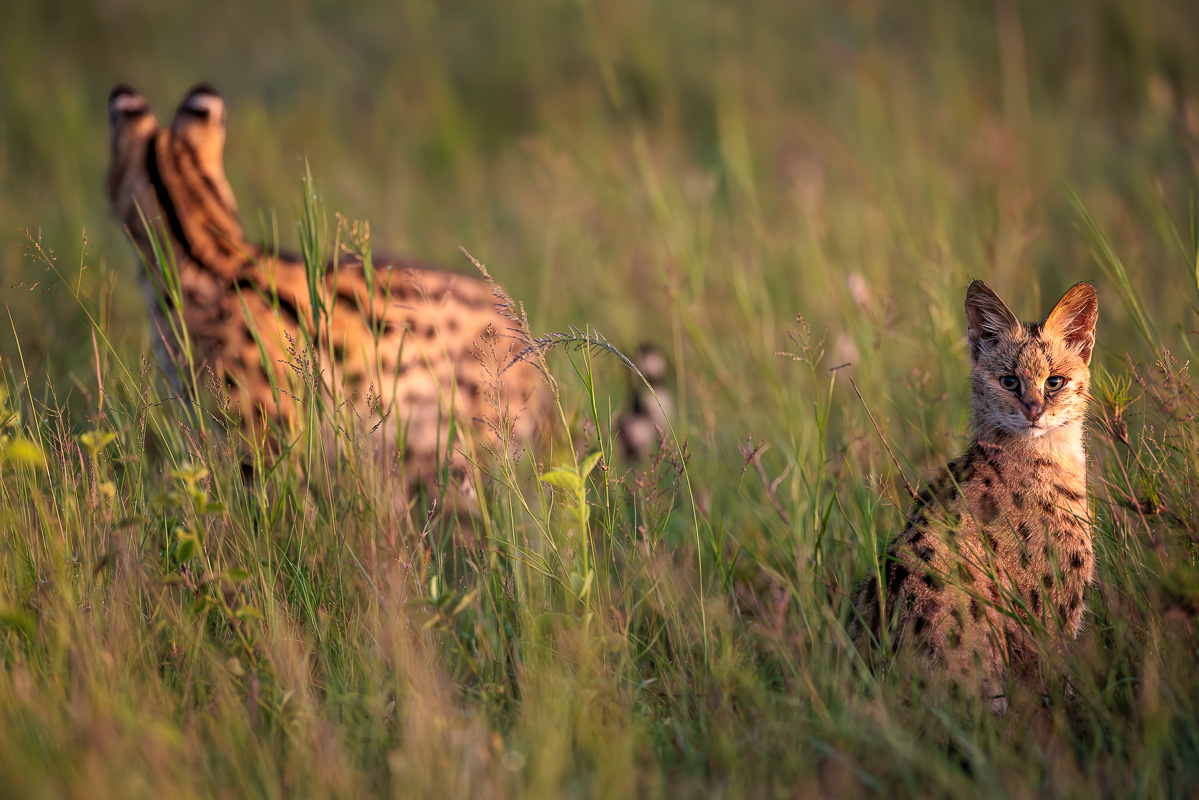
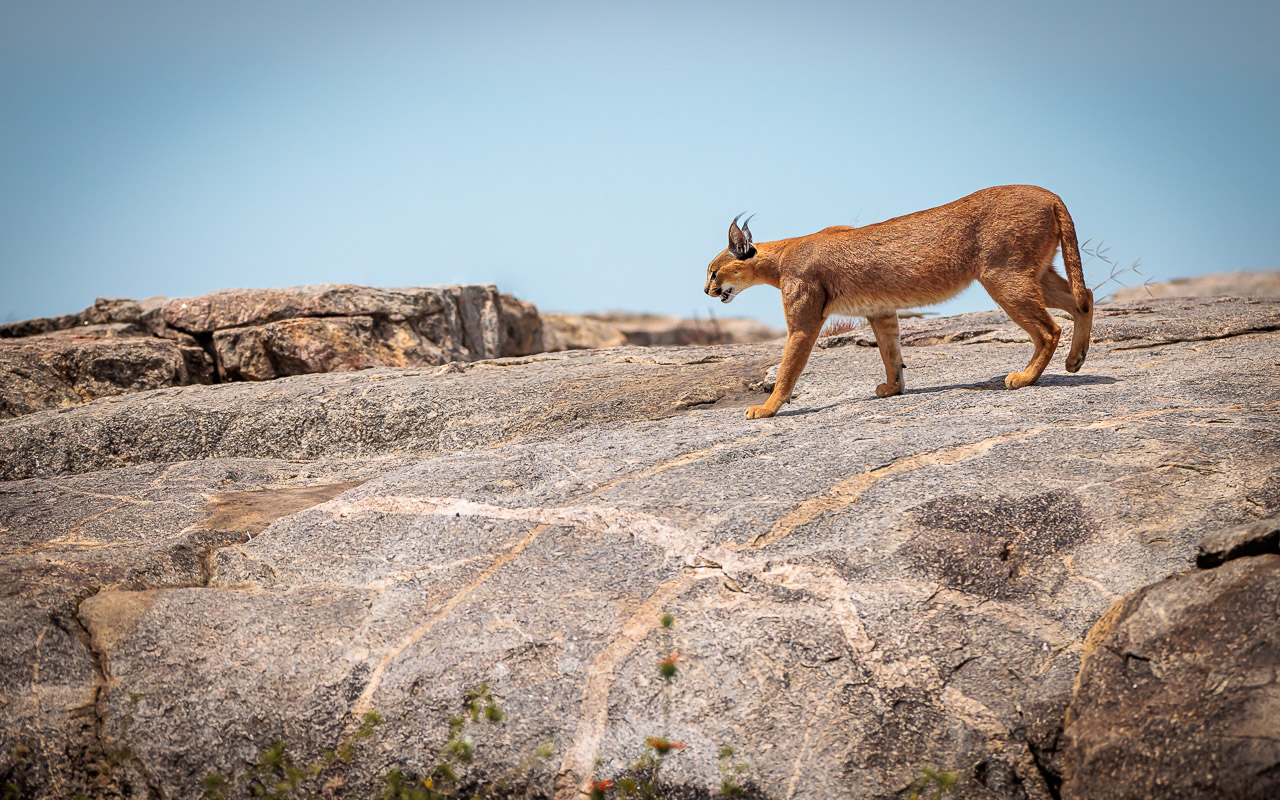
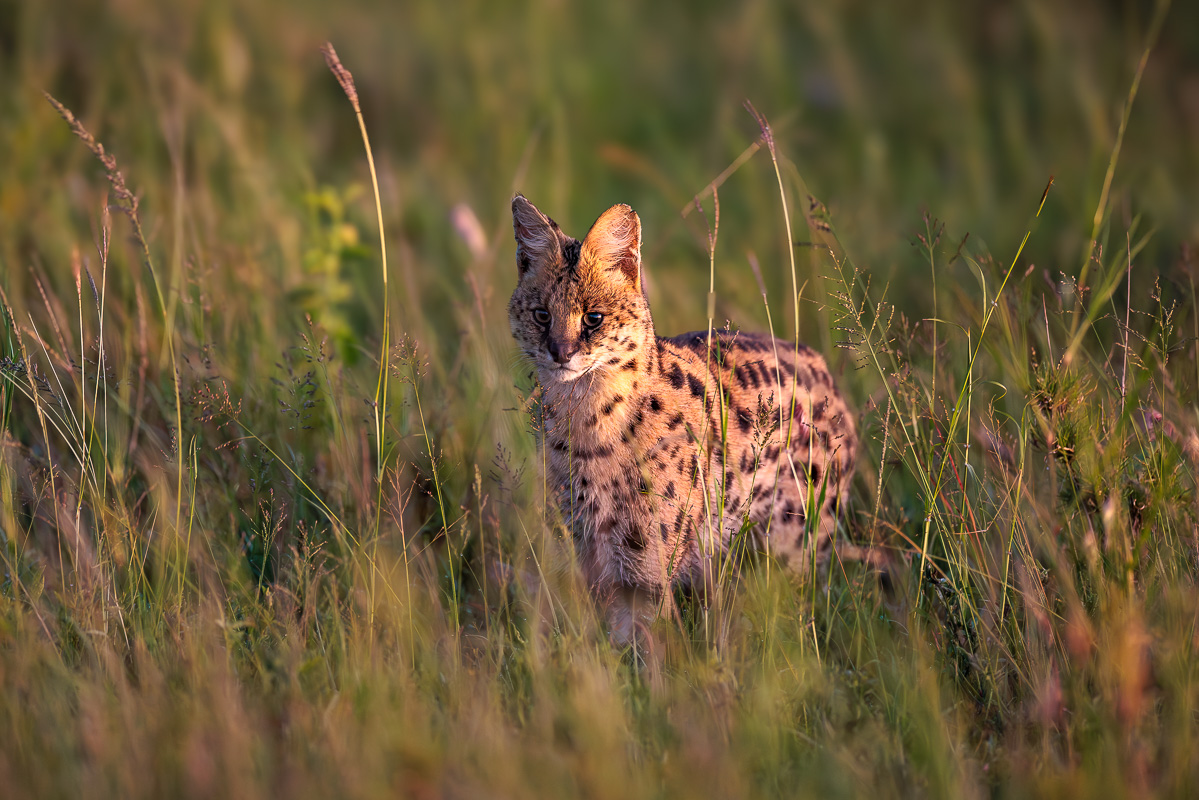
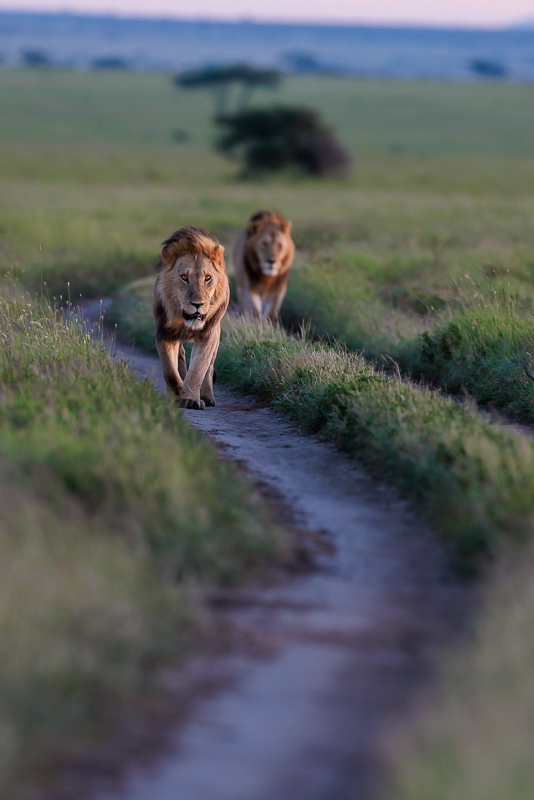
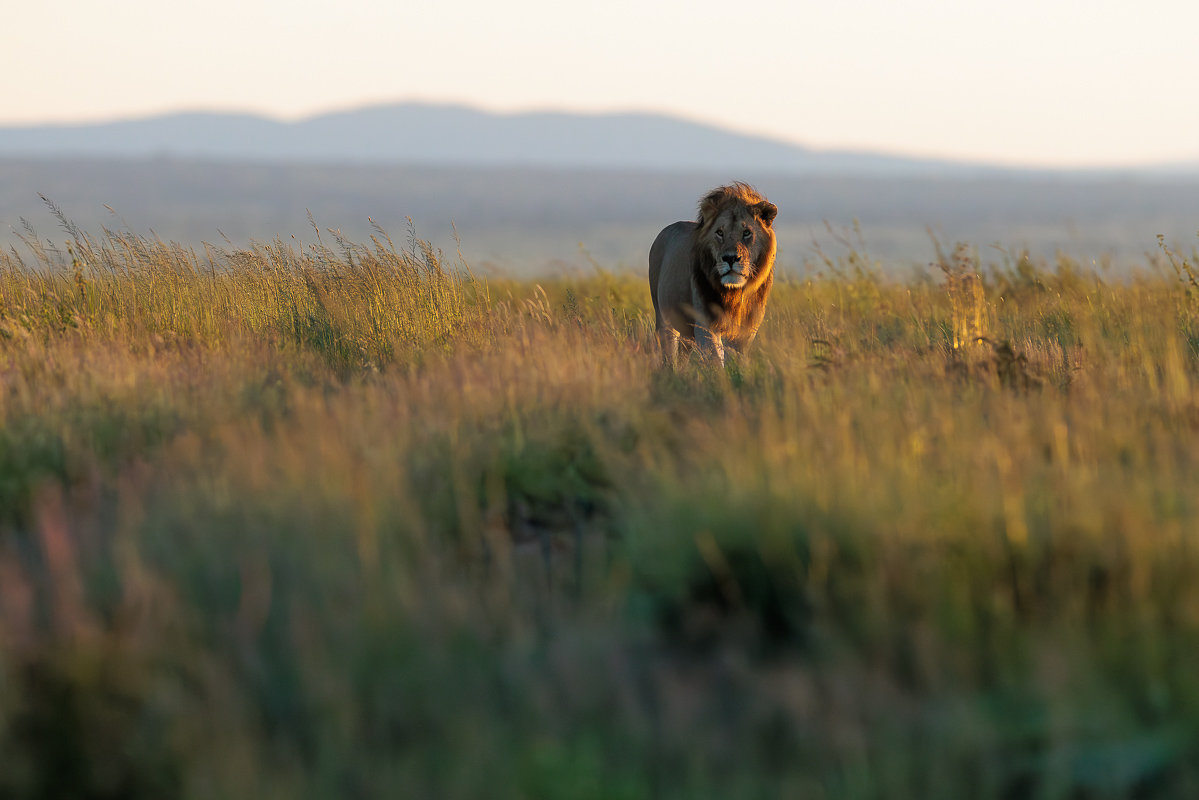
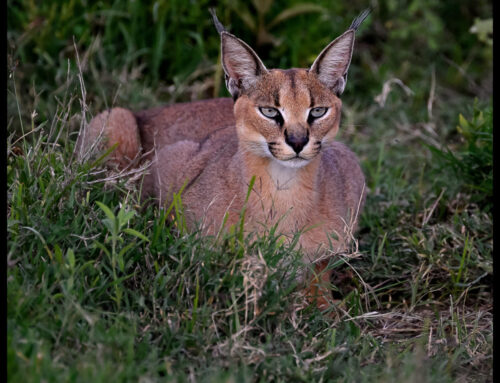
We had some of the best caracal sightings I have ever enjoyed; we watched lions playing on top of rocks; we encountered 4 massive males from the Semetu region patrolling along the road in the early morning and we spent an hour with mating servals one morning! One day, we found ourselves surrounded by 60+ spotted hyaenas at a location where two clans were interacting and 2 male lions were trying to defend a large carcass. From that point, we could see 60 hyaenas, 14 lions, 5000 wildebeest and 3 cheetahs on the hill in the distance. It was everything that the Serengeti should be…without the crowds.
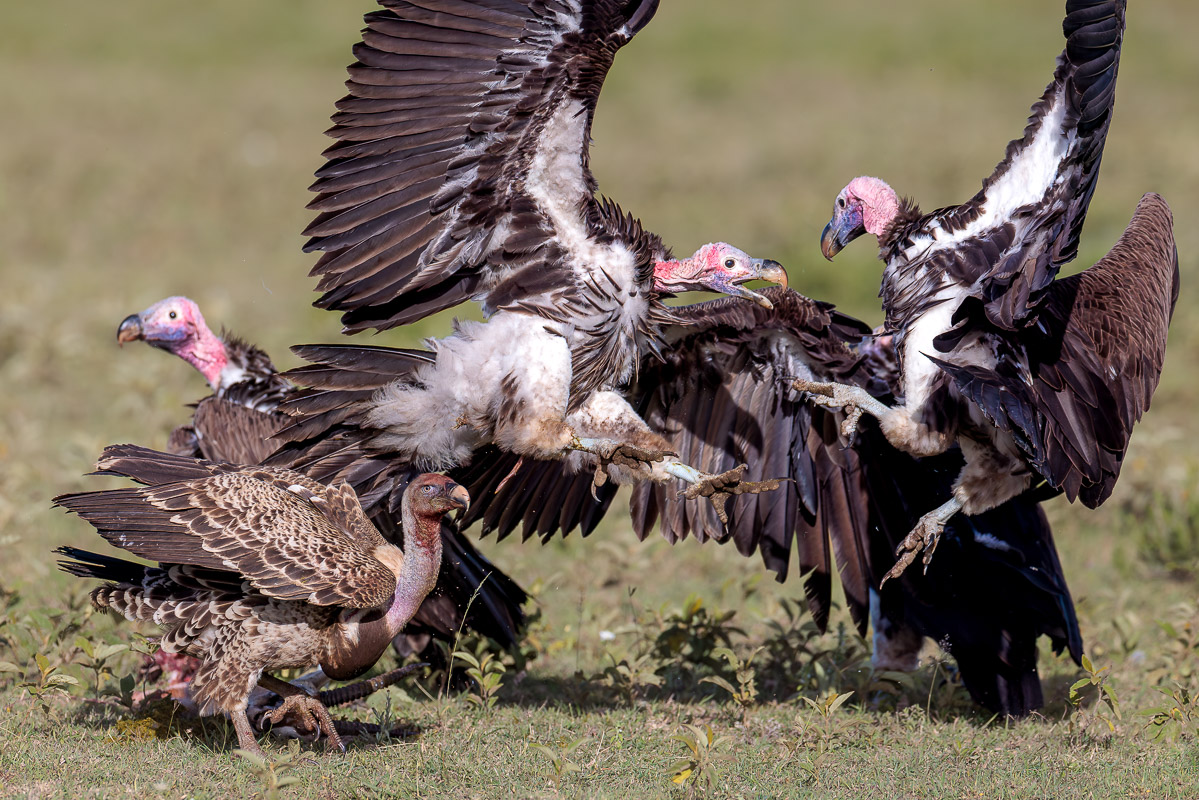
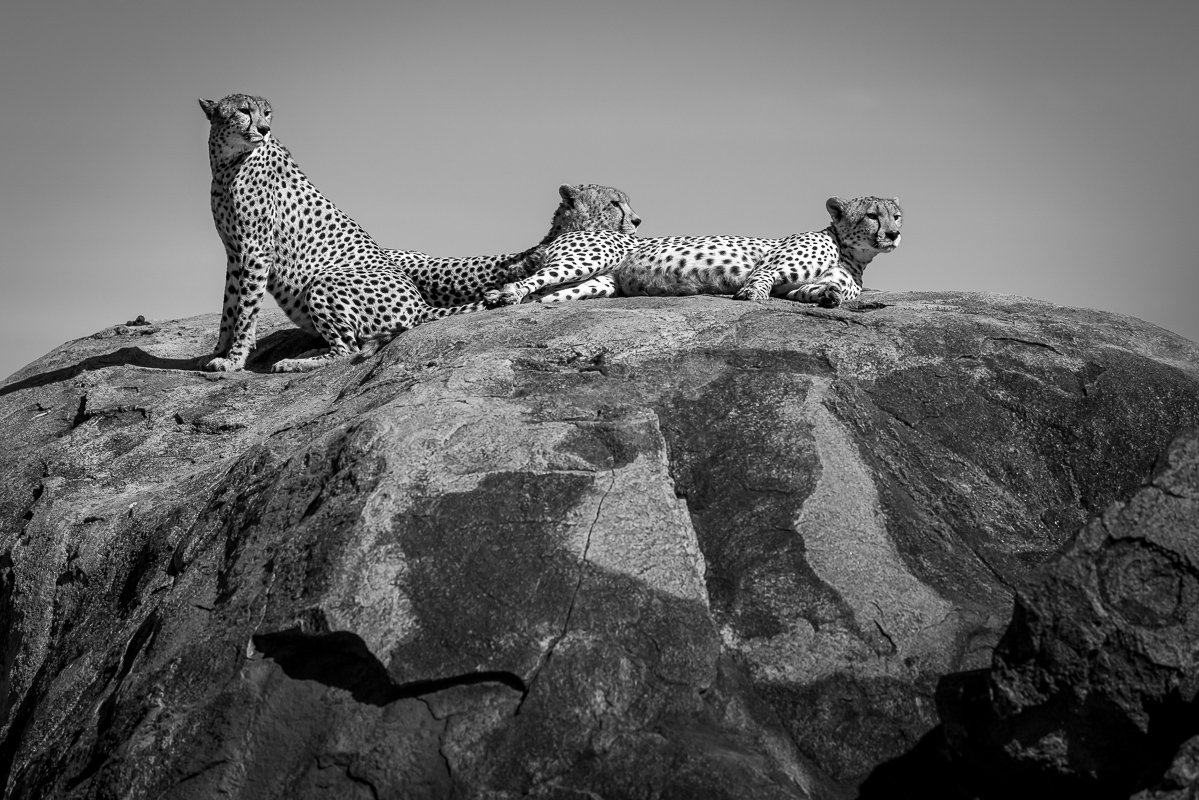
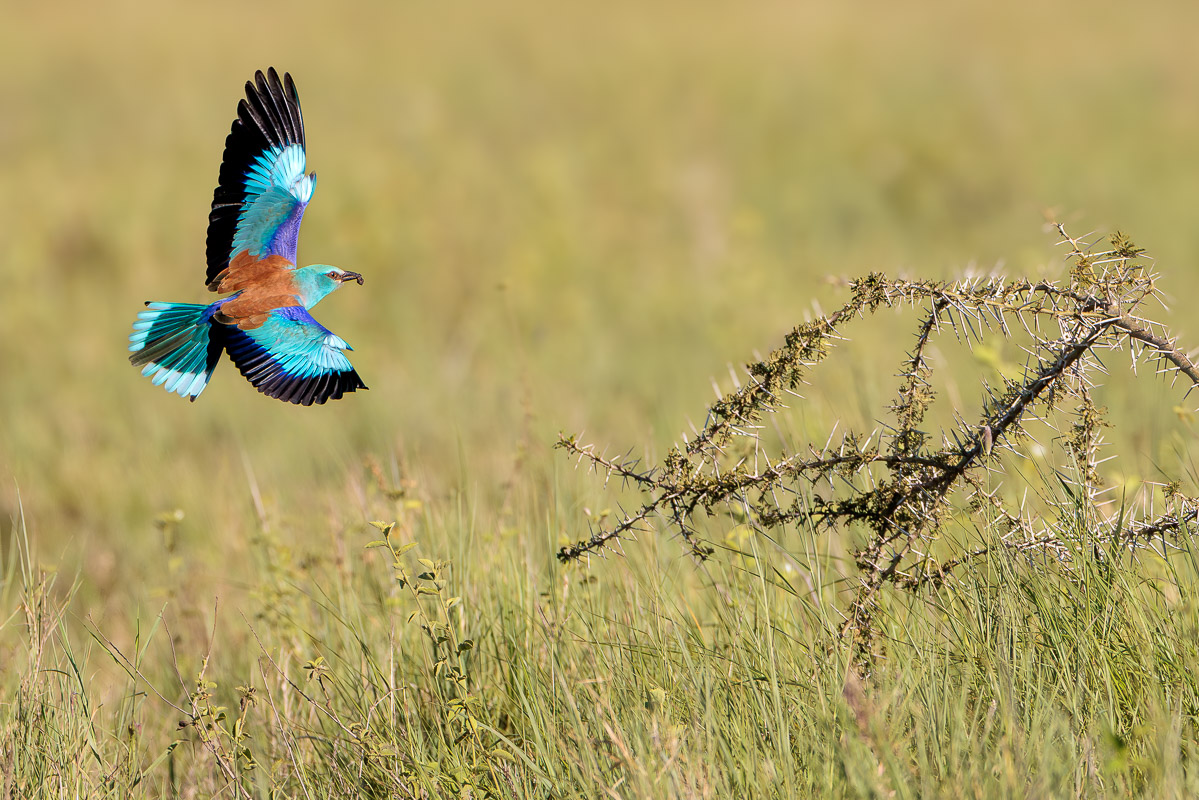
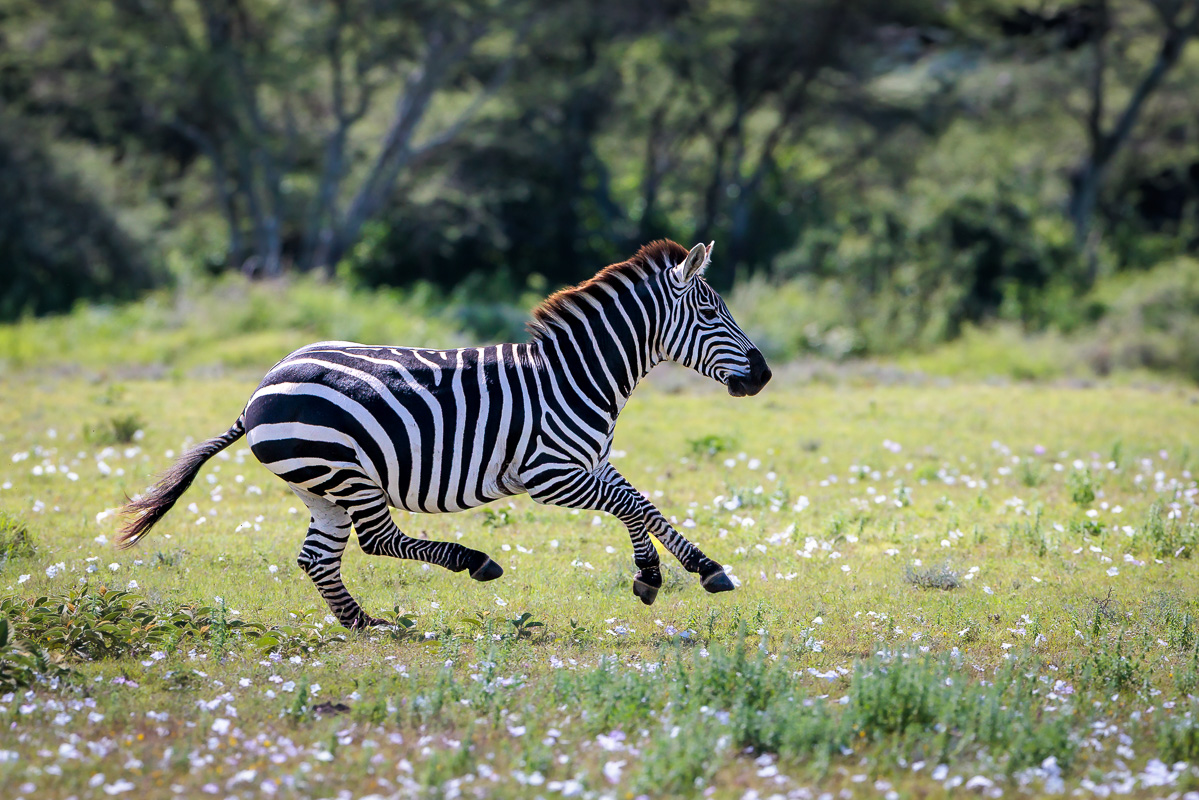
Once again, Asilia took great care of us, especially when one of the group was sick, and our guide maintained a cool, impressive professionalism despite the long days and the requests of photographers who are balancing lots of factors! I would return here in a heartbeat – and I will! I have 2 trips confirmed in 2027 (Mar & Nov) and I am working on trips for Mar & Apr 2028. Since I’m impatient, I am considering a trip in Nov 2026 too — contact me if you are interested.
Final thanks to my group who engaged in the whole trip with energy and enthusiasm and who supported each other when there was illness. It was a pleasure to guide you in Tanzania and I am excited that you would like to return again in future.
Thank you for reading to the end. Please contact me if any of my trips interest you — many are built bespoke around guests’ requests so I am very keen to hear from you.
Leave A Comment