

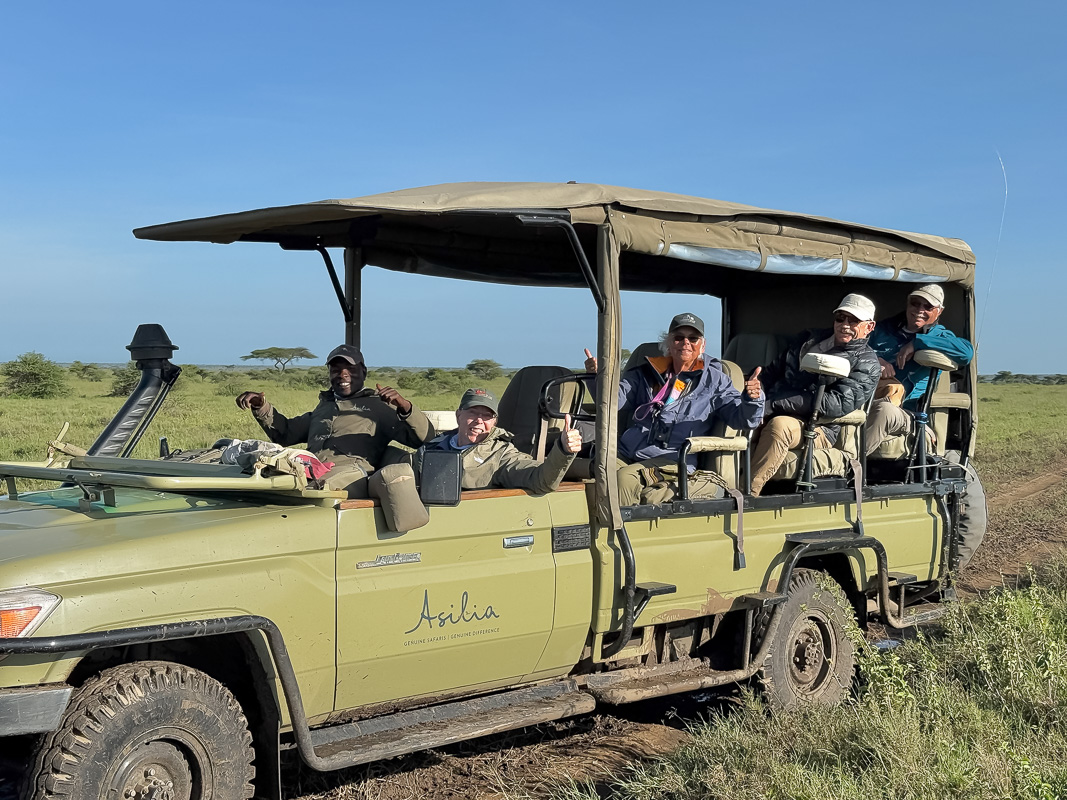
There’s not too many destinations where my guests decide to revisit before we have even completed the previous trip. But the thrill of the Serengeti ecosystem (when experienced in the right way) is very strong and it lures us back. So I was excited to spend 3 weeks across 3 camps in the Serengeti ecosystem, with the guidance of Asilia’s excellent team.
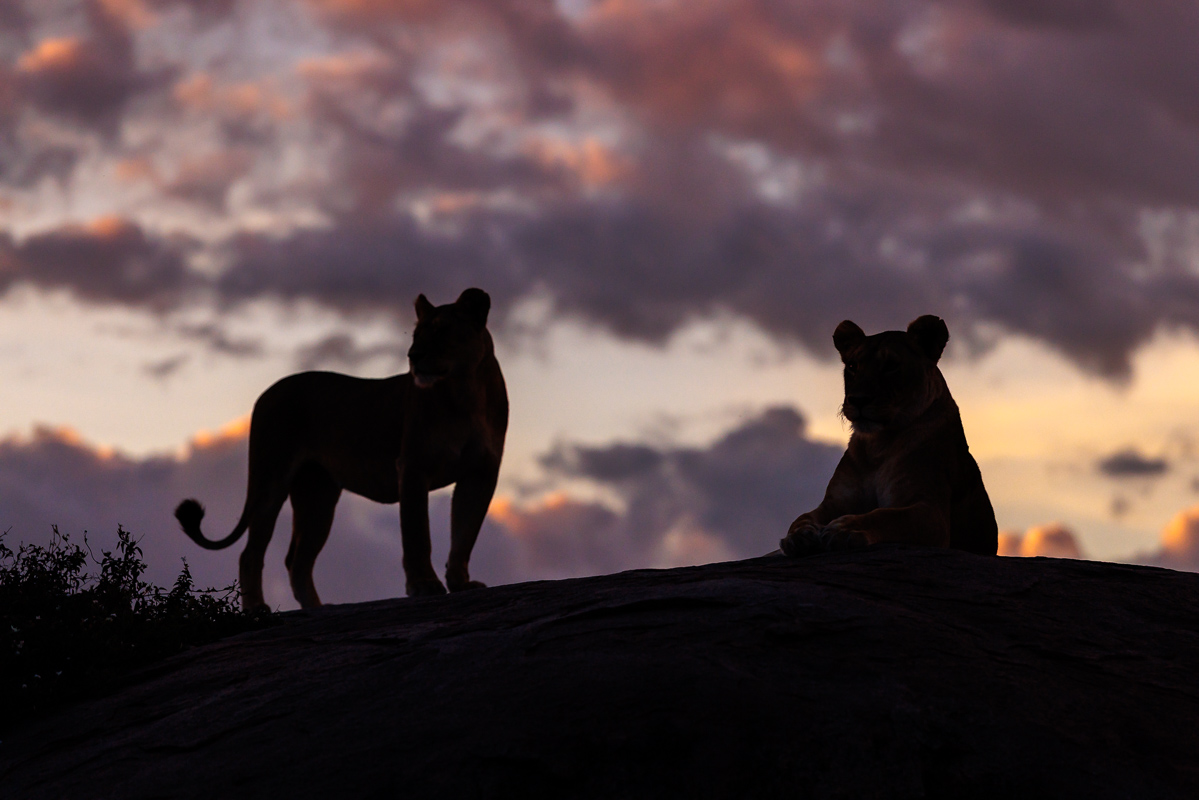
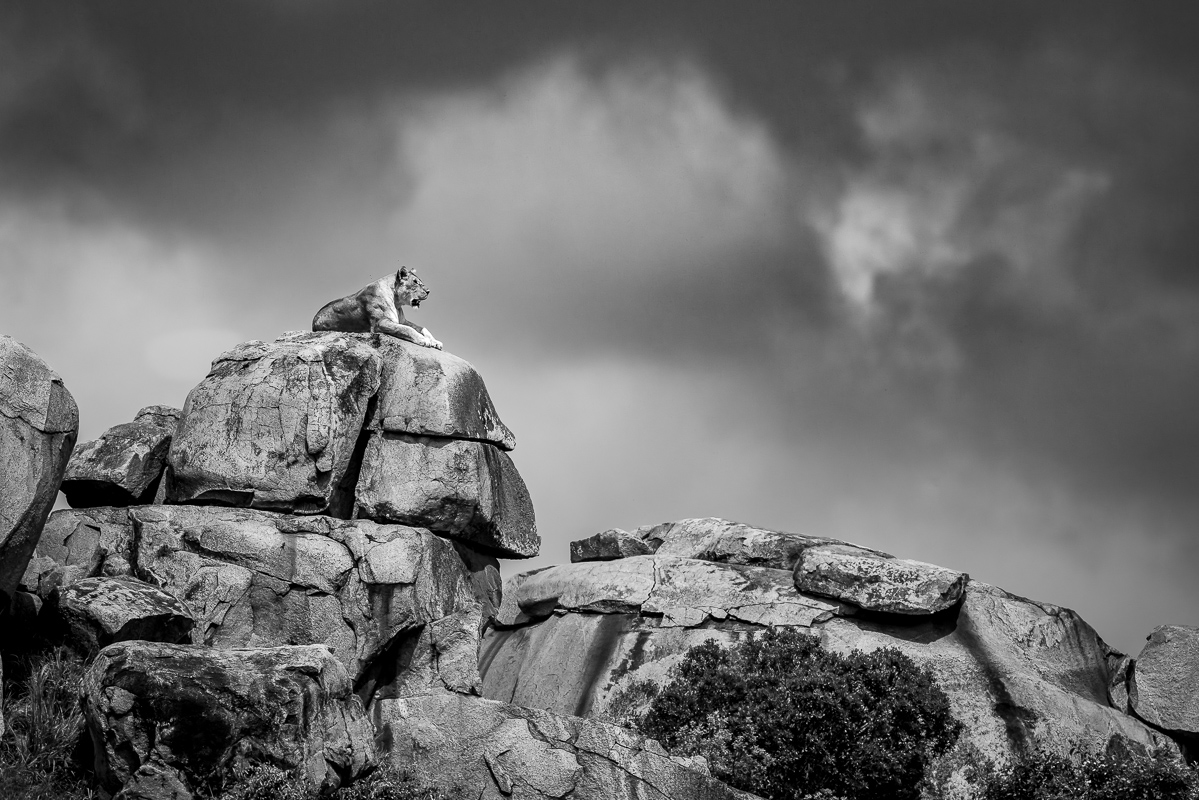
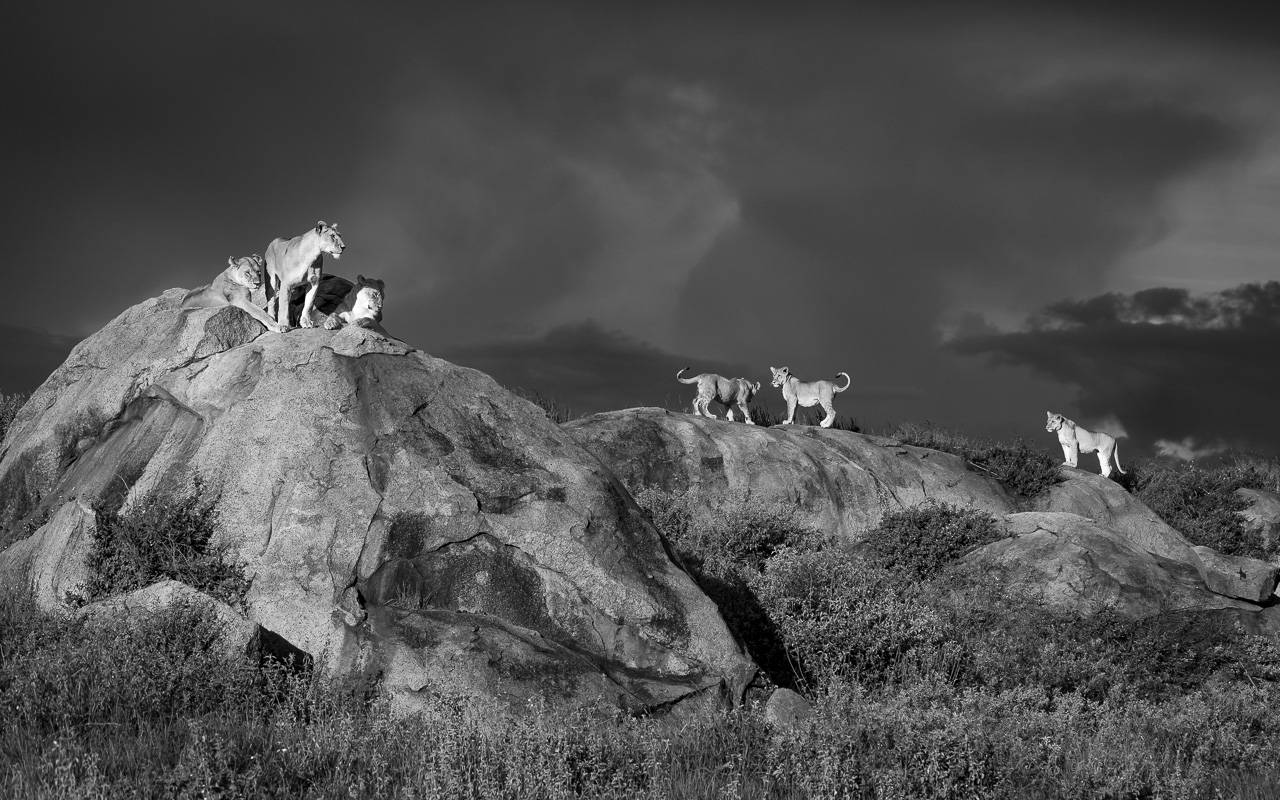
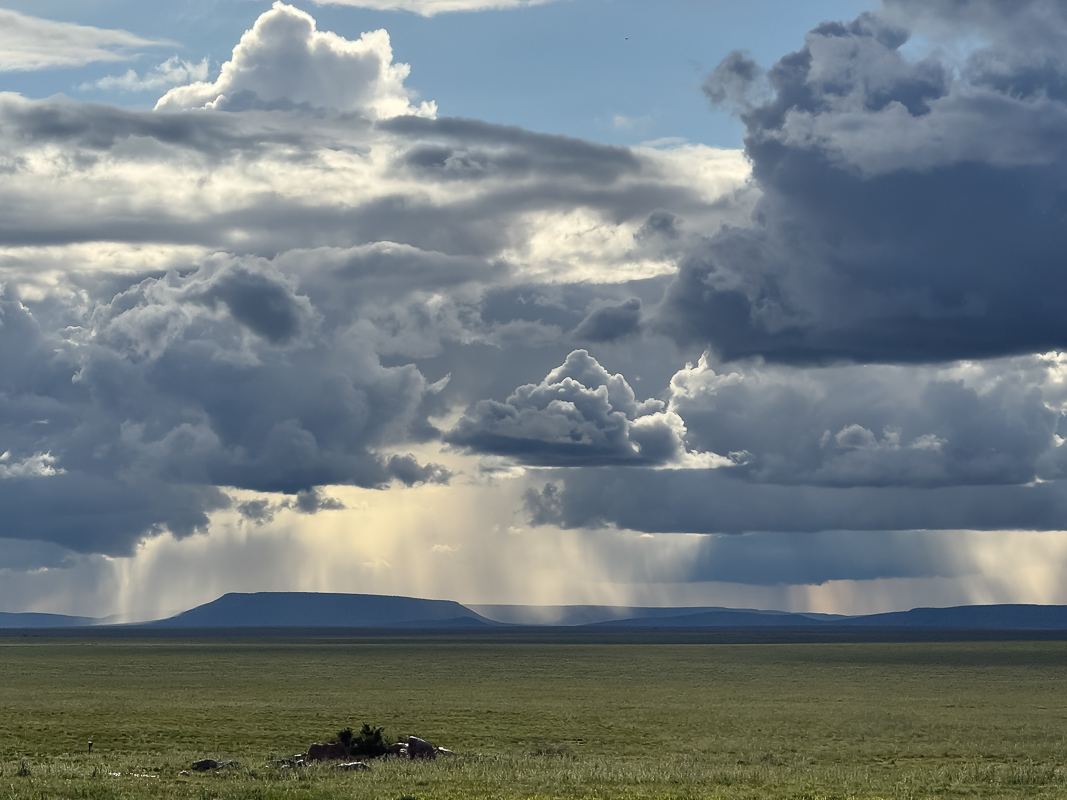
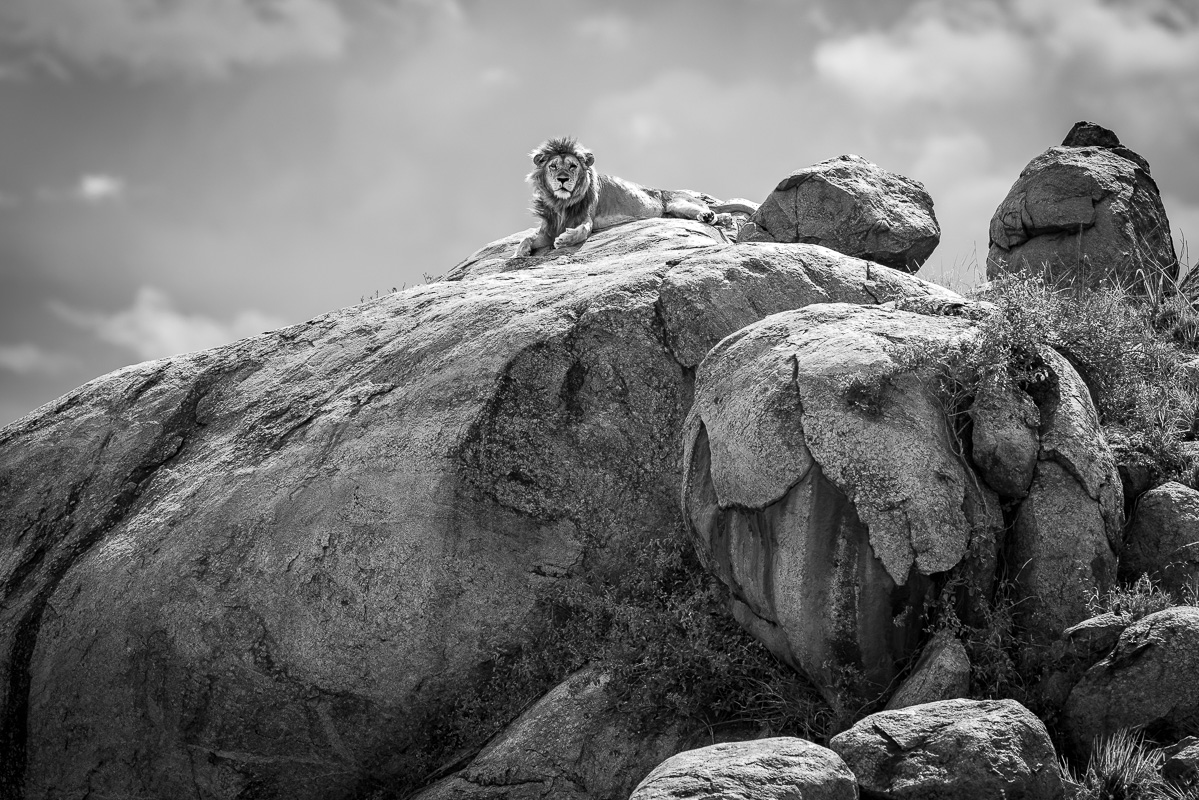
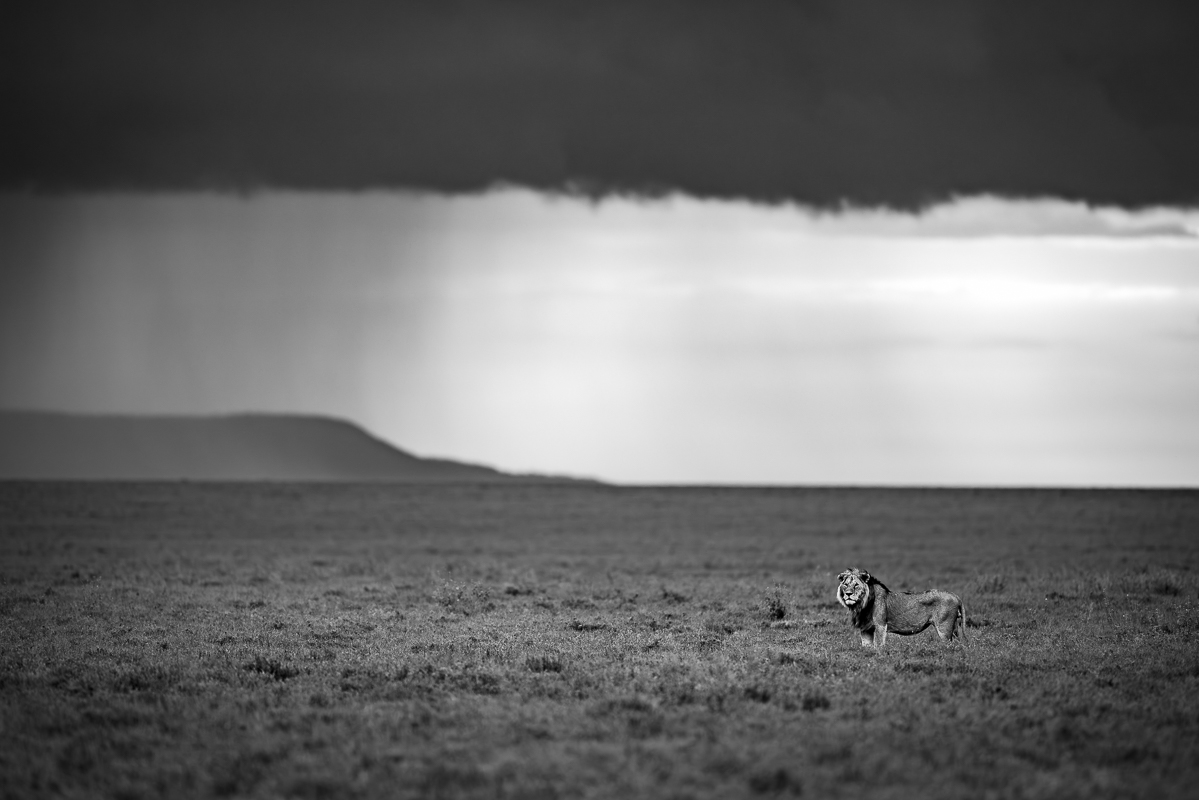
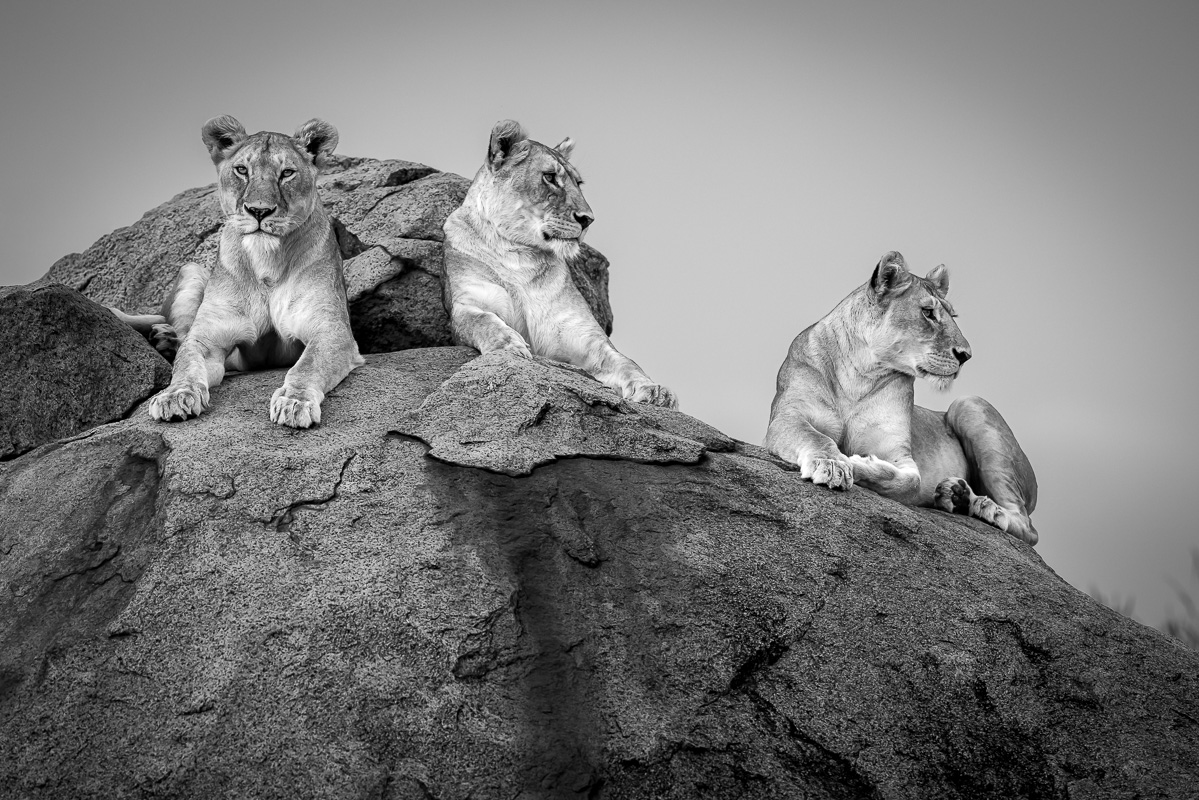
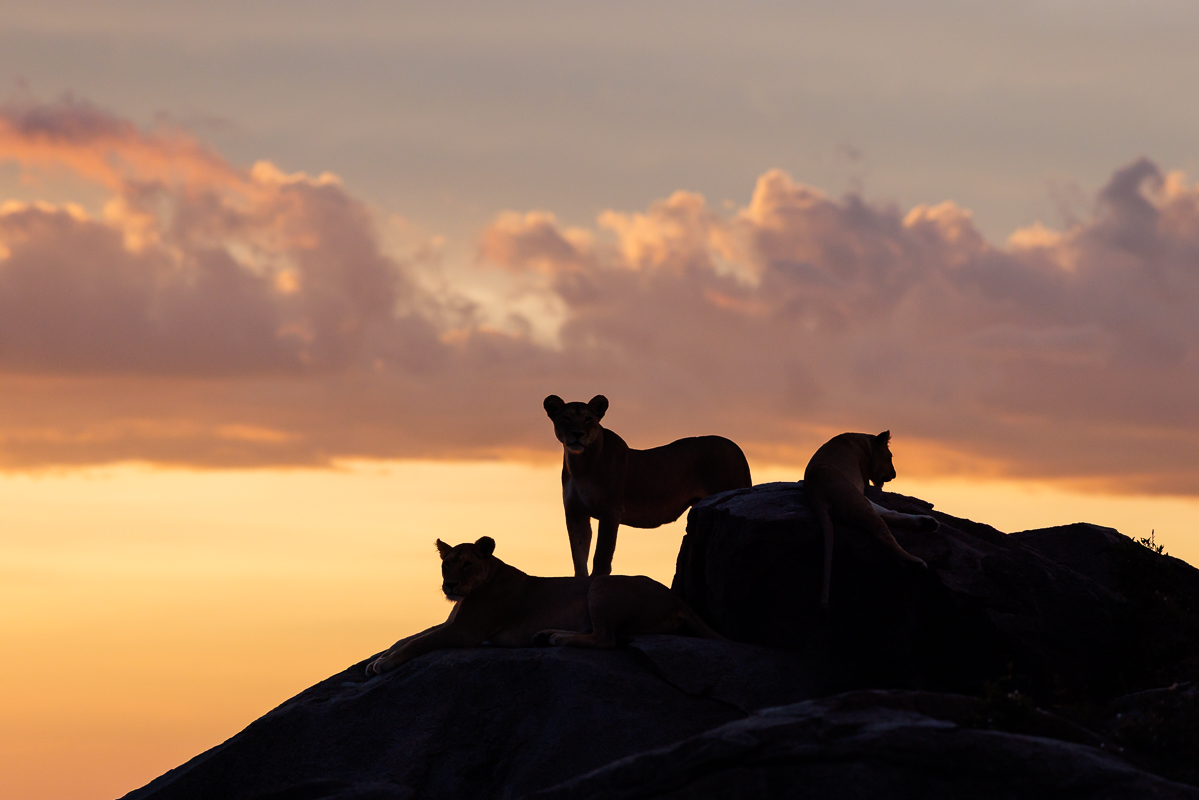
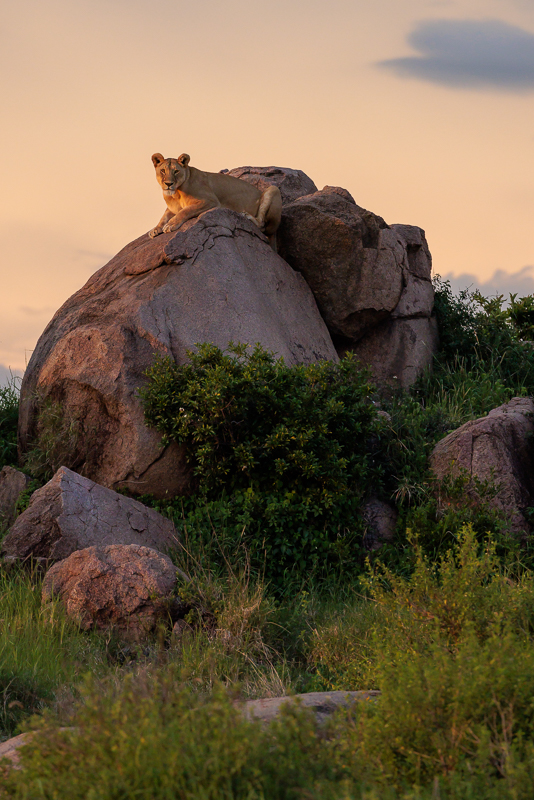
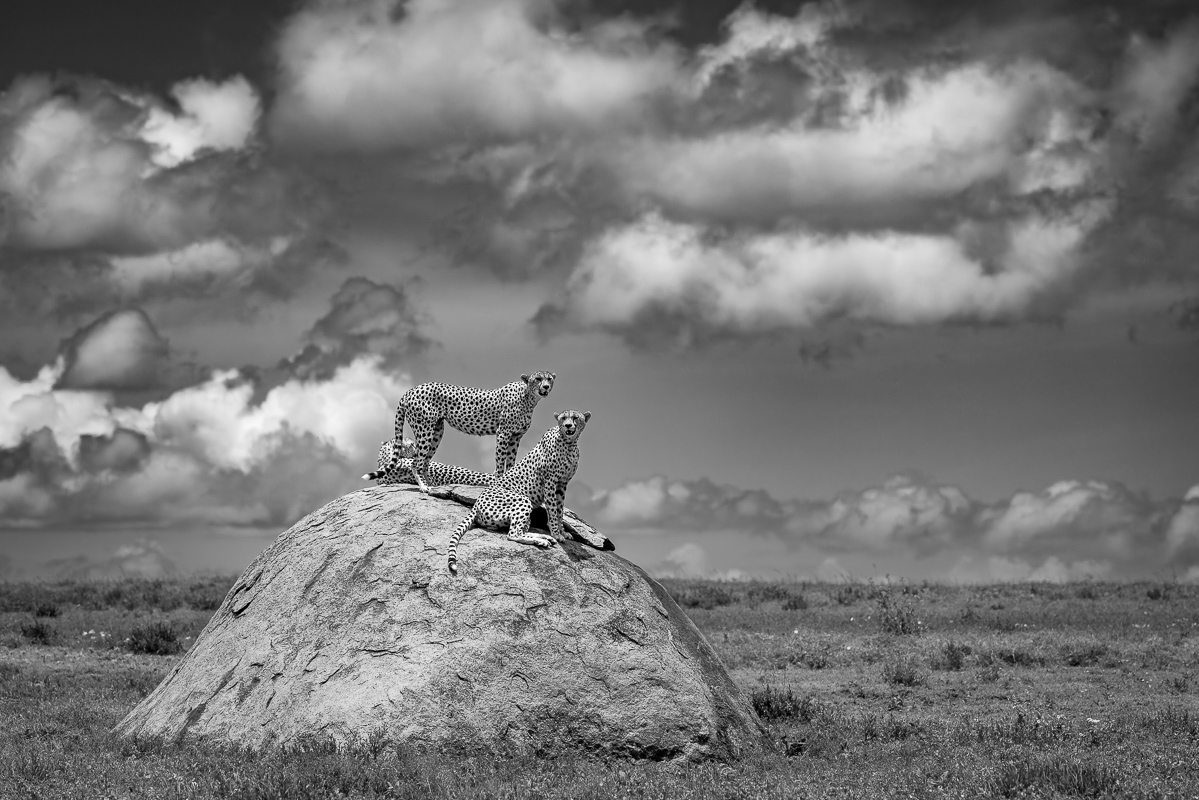
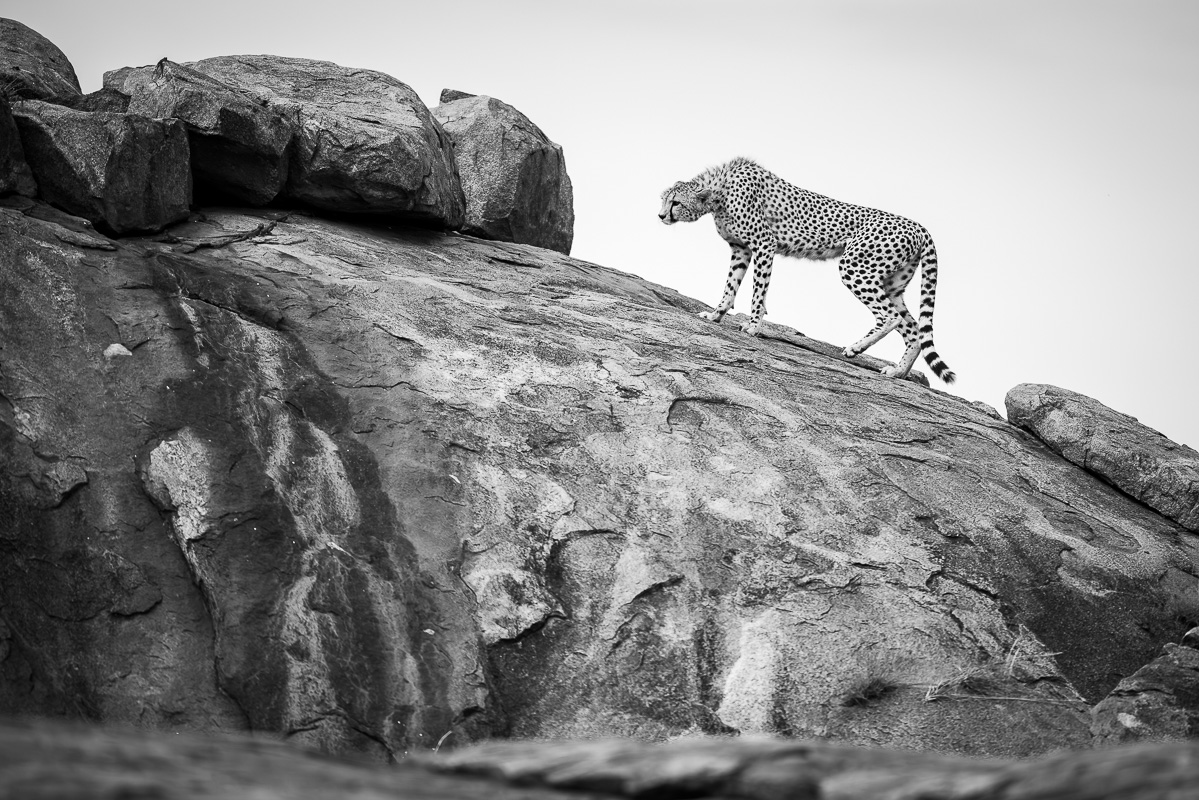
We targeted the trip to overlap the arrival of the long rains; this is a time when tourist numbers drop, camps empty out and, crucially, the skies start to develop clouds, storms and occasional rains. This makes for more interesting animalscape images and creates intense backgrounds for photos of predators on the massive granite kopjes that pock-mark the Serengeti plains.
We couldn’t have known when we made the booking, but the long rains began in mid-February 2026, and dumped an unprecedented amount of rain on the whole of East Africa! There was massive flooding across the whole region, claiming more than 20 lives in Nairobi and disrupted the whole region. This, of course, also created significant logistical challenges for all the operators in the Serengeti ecosytem. Flooded roads, overwhelmed bridges & isolated camps cut off supply lines and made getting guests to bush airstrips very challenging.
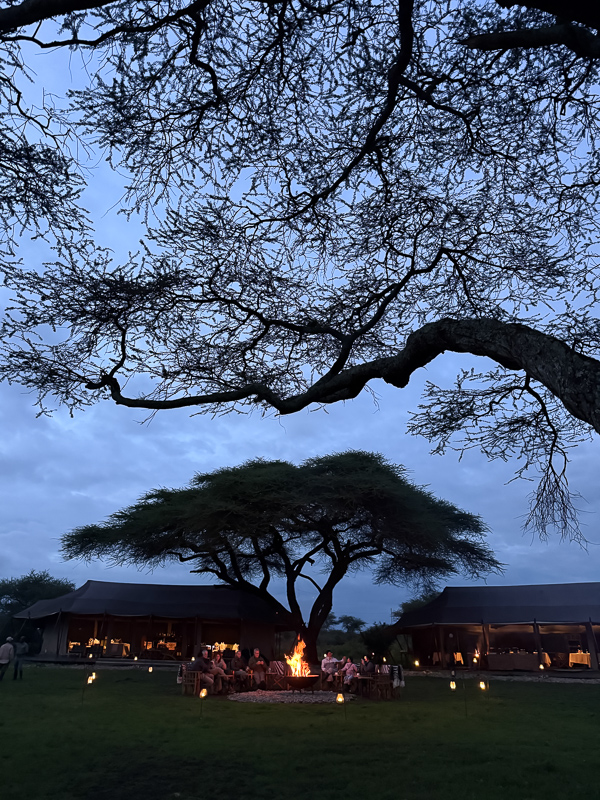
This trip itinerary was 3 nights at Olakira Migration Camp in Ndutu, 4 nights at Ubuntu Migration Camp in Kusini and then 14 nights at Namiri Plains in the eastern Serengeti. The gravel road network in Ndutu meant we had plenty of areas to explore but the rain had a significant impact on our ability to move around in Kusini. We stuck to the ridges, avoided the flat areas and spent lots of time with the sightings that we could safely move with. Once we reached the higher altitudes of Namiri Plains, where the land drains quickly and there is little clay soil, we we able to drive all the roads, albeit with some significant mud at times!
Here follows a camp-by-camp report of the trip with associated images. Given that the whole trip was 21 days, I mention highlights rather than a day-by-day record of all the sightings. Added to this, we see so much on a daily basis in the Serengeti that there is a wealth of sightings; in fact, I briefed my guests that the challenge in the Serengeti is not finding sightings, but deciding where to allocate time.
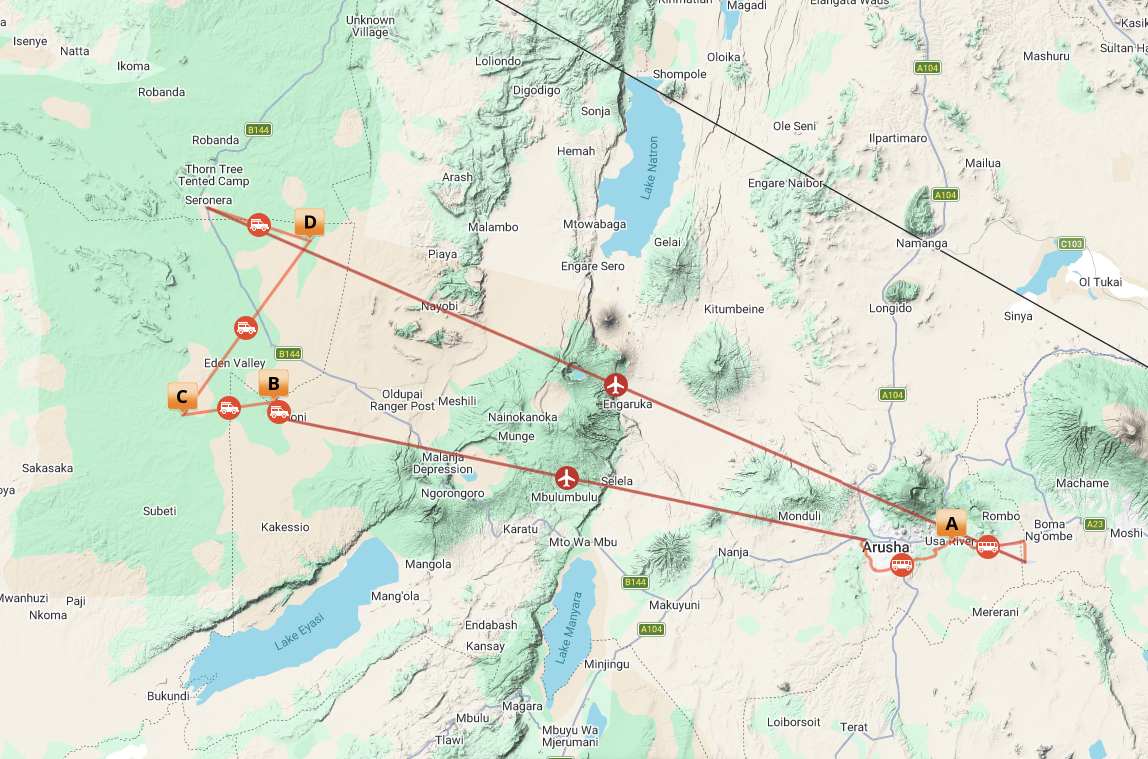
Olakira Migration Camp, Ndutu
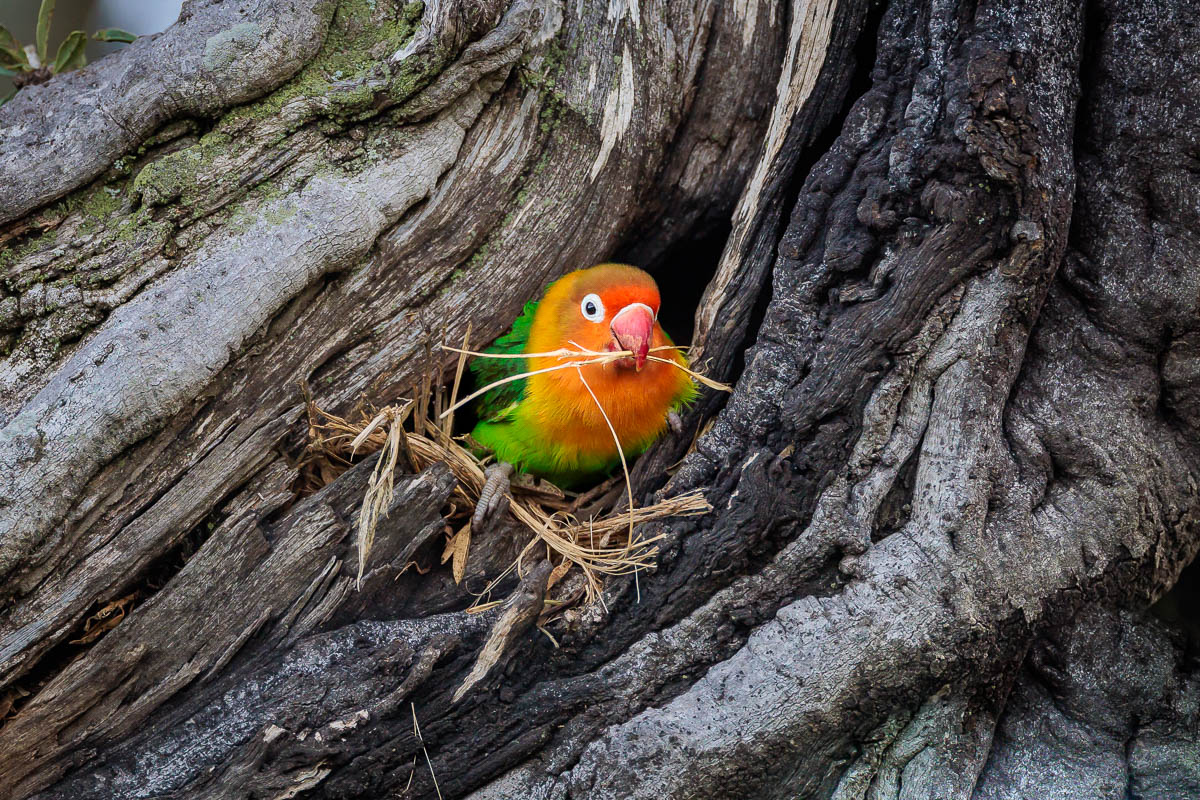
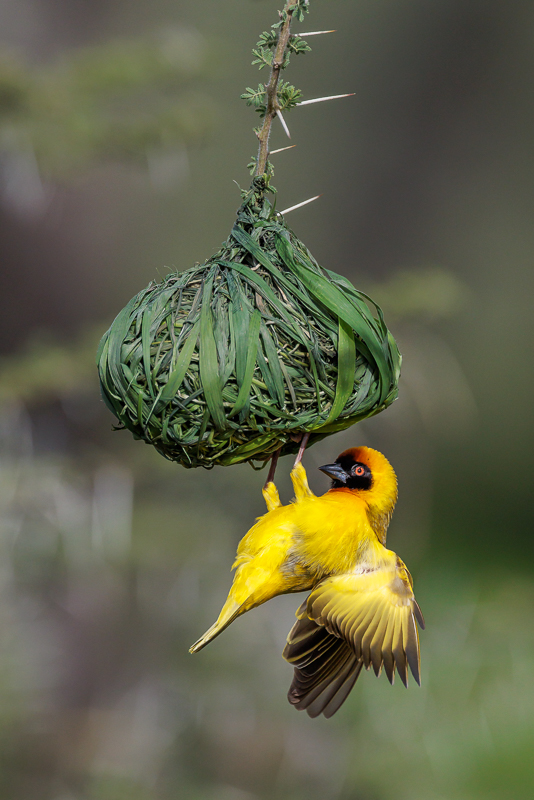
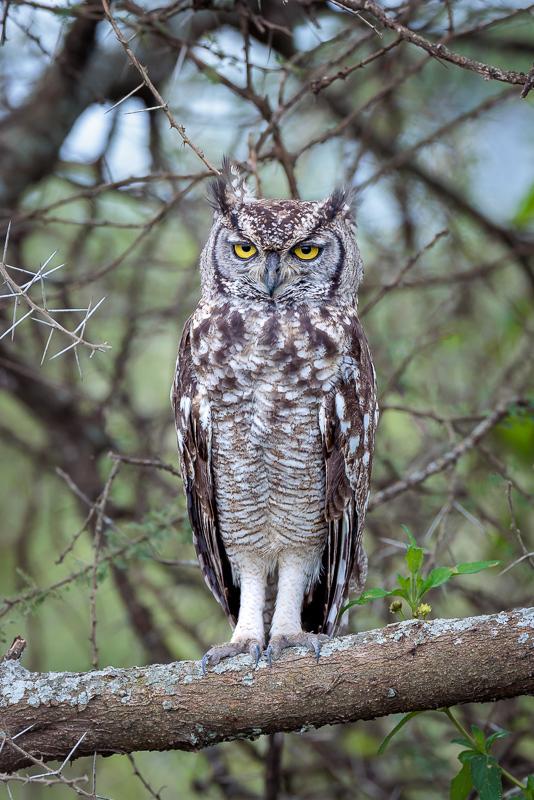
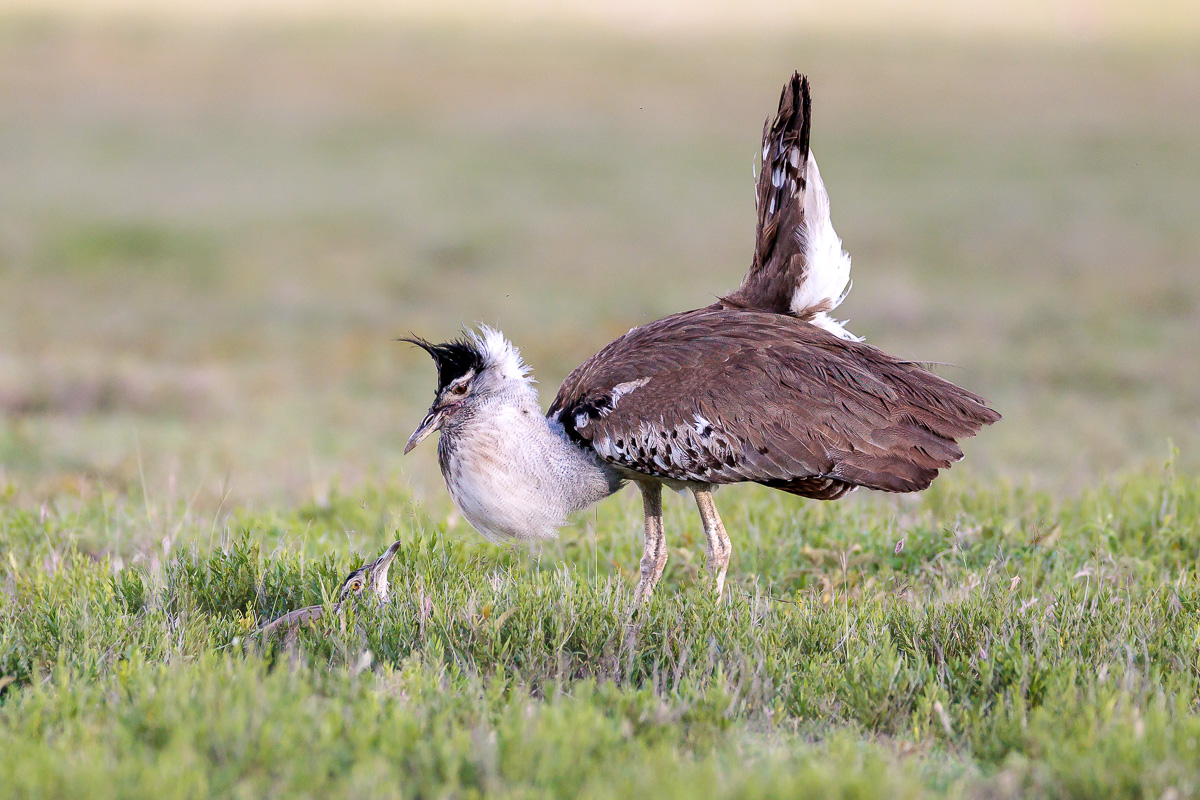
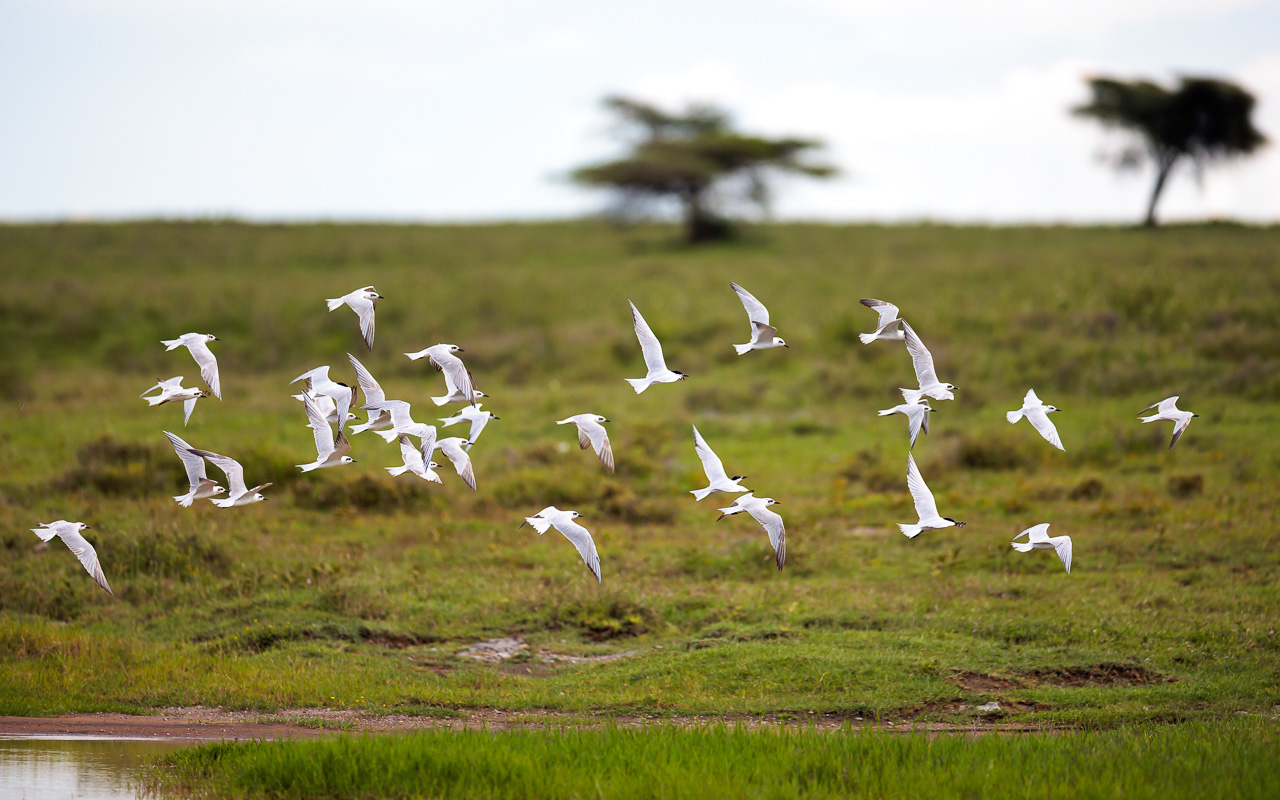
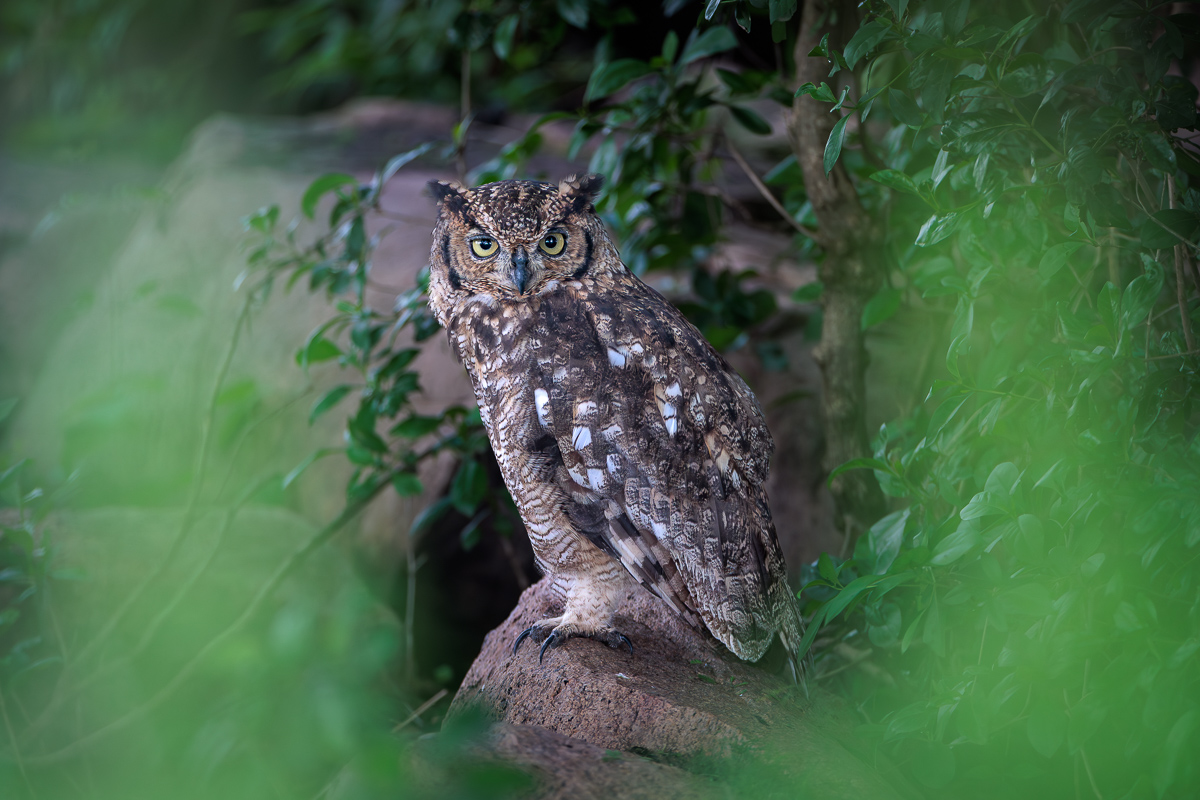
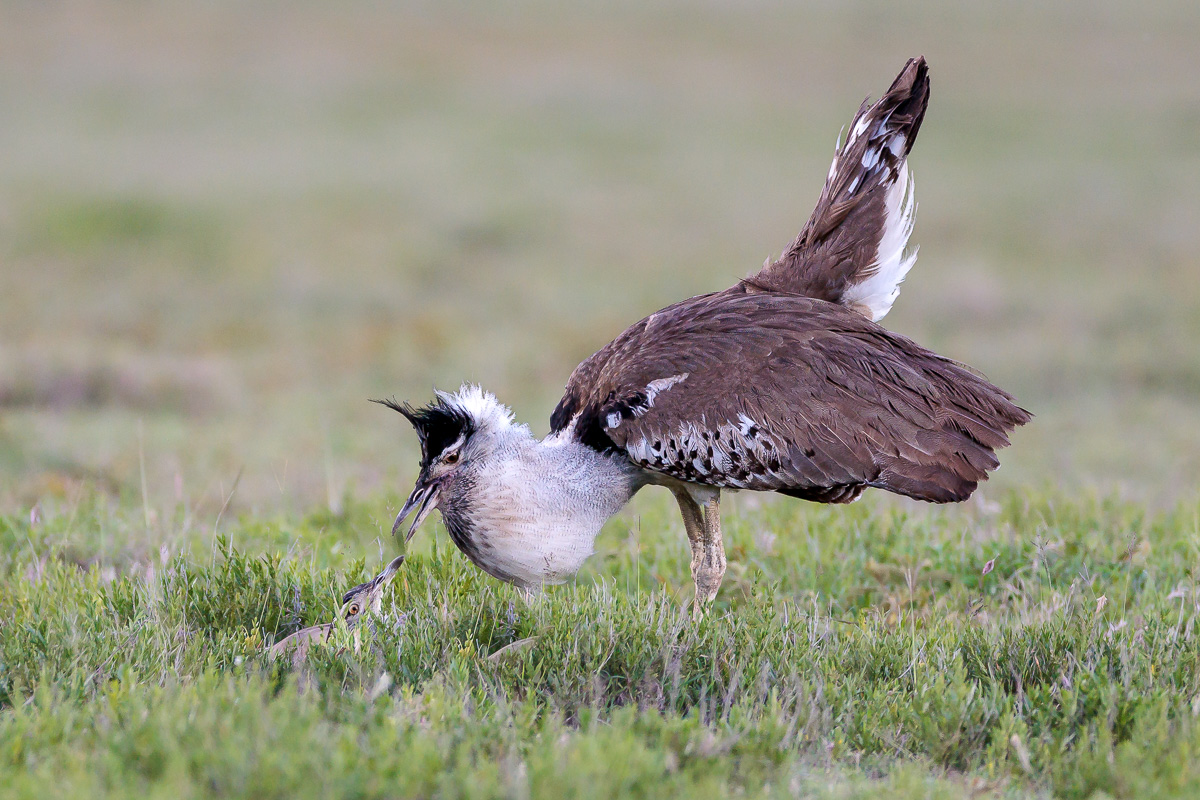
On a long trip like this, I like to develop some targets in each area to maximise the time we have; with the ‘freedom’ of so much time, it’s possible to follow predators throughout and perhaps miss some of the less-well-known highlights of a zone. In Ndutu, I wanted to search for caracal & serval, allocate time along the lake shores in search of flamingos and sightings on the beaches, and finally to enjoy the abundant and very habituated birds. The added bonus of the early rains was that many of the birds were transitioning into breeding plumage and starting to call/build nests/display for mates.
The only negative to our time in Ndutu was that the early rain had combined with a very busy time in the area (mid-Feb) and the roads were badly damaged by all the vehicles. The remaining roads were poor and this concentrated the remaining vehicle traffic into the high-use areas along the lakes. It was busier than I like a safari area to be for photo safari and, as is well known, some of the driving on display was not optimal. But we avoided the worst areas and had a superb time.
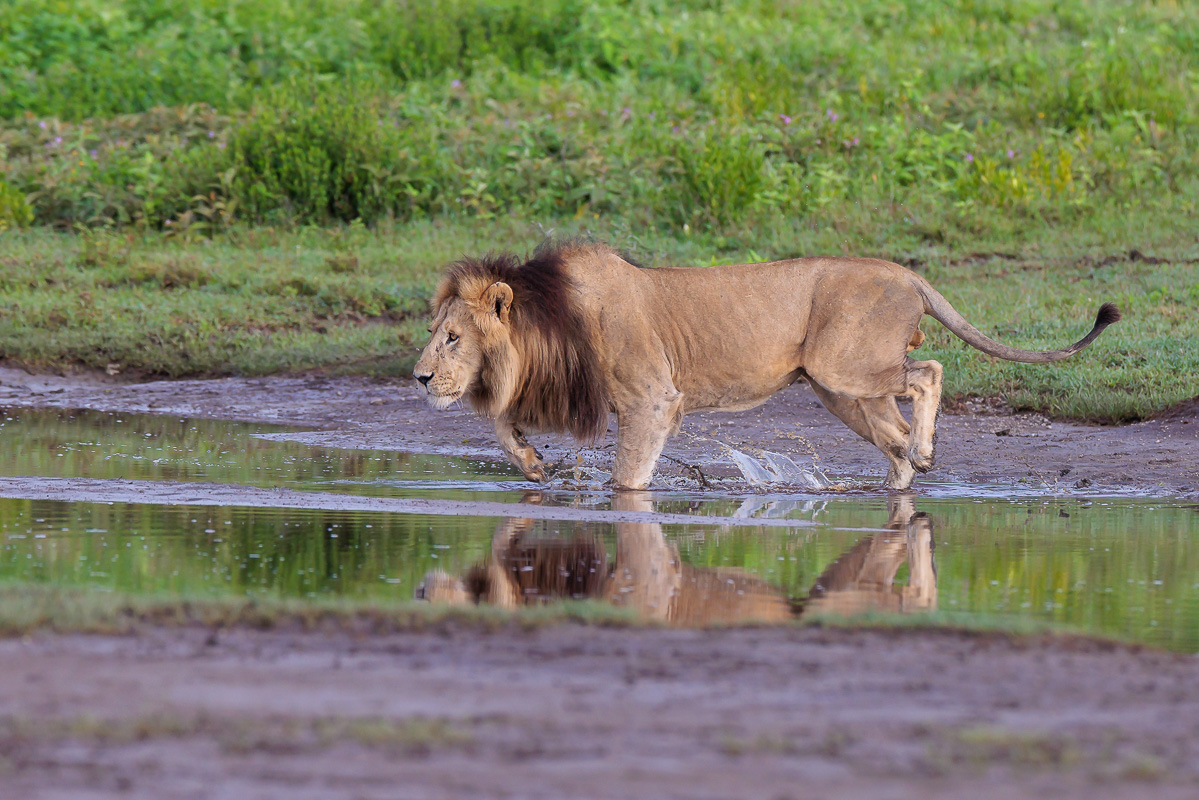
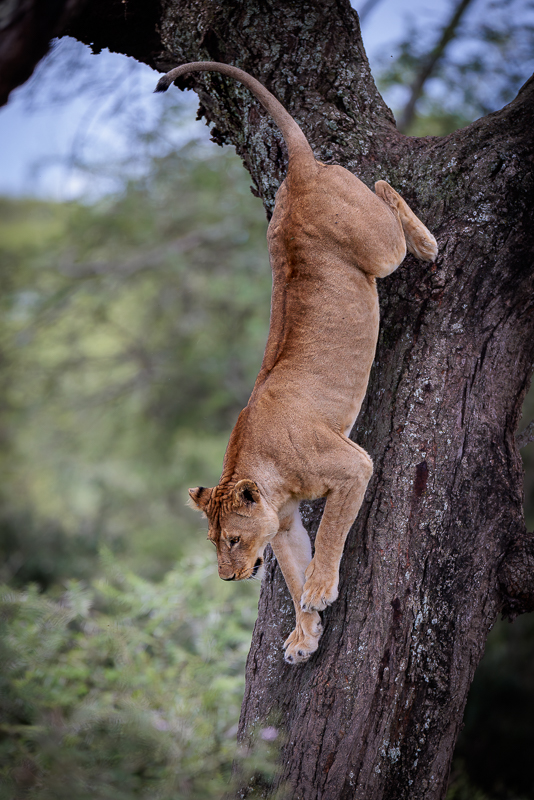
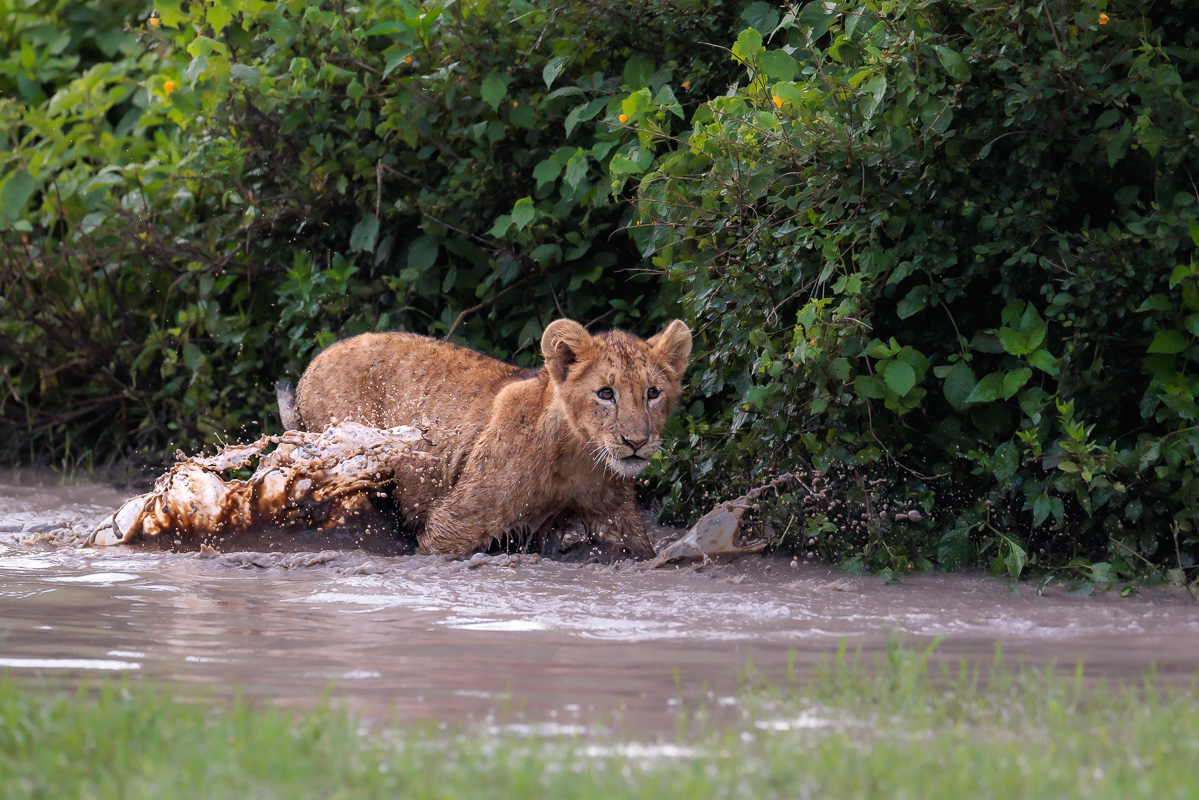
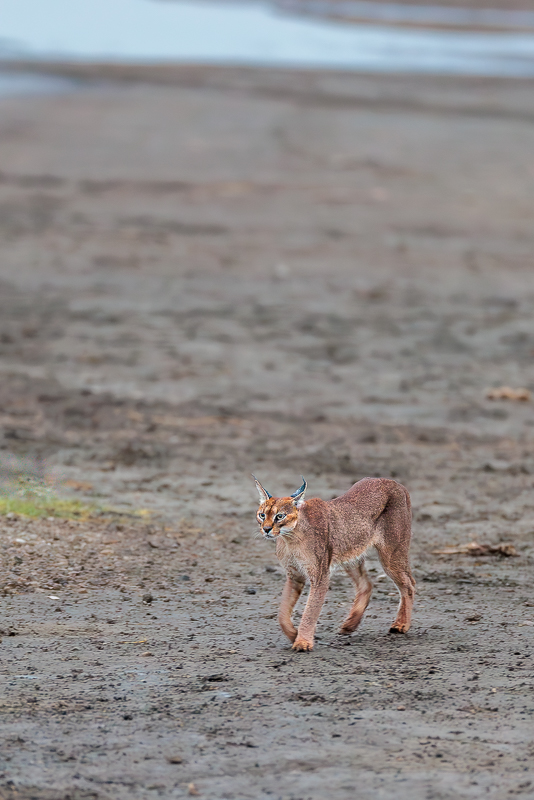
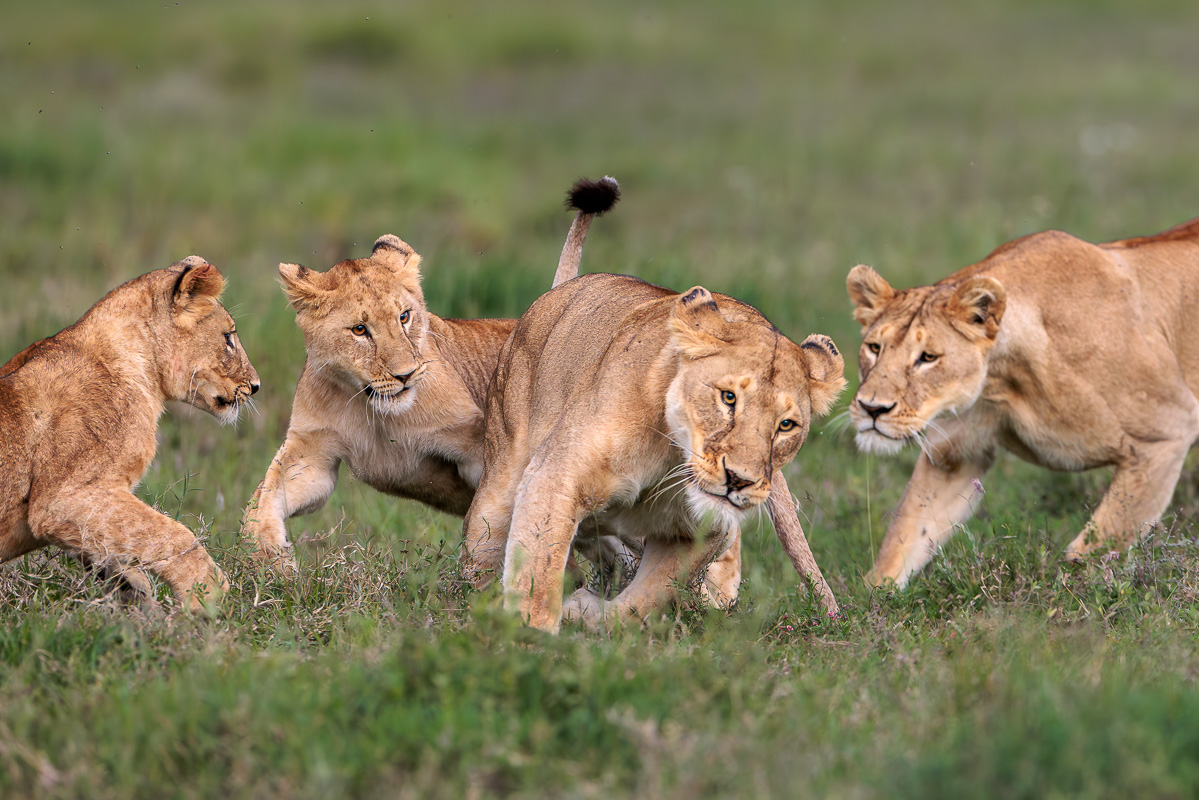
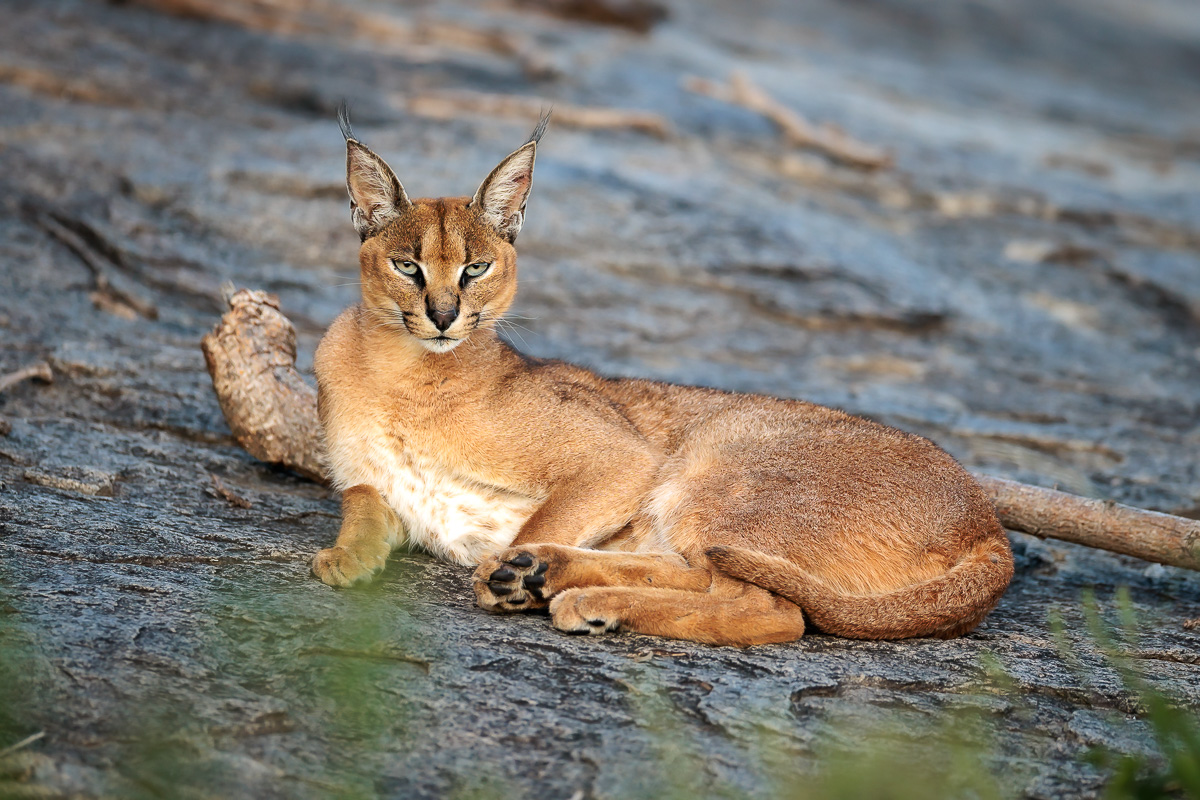
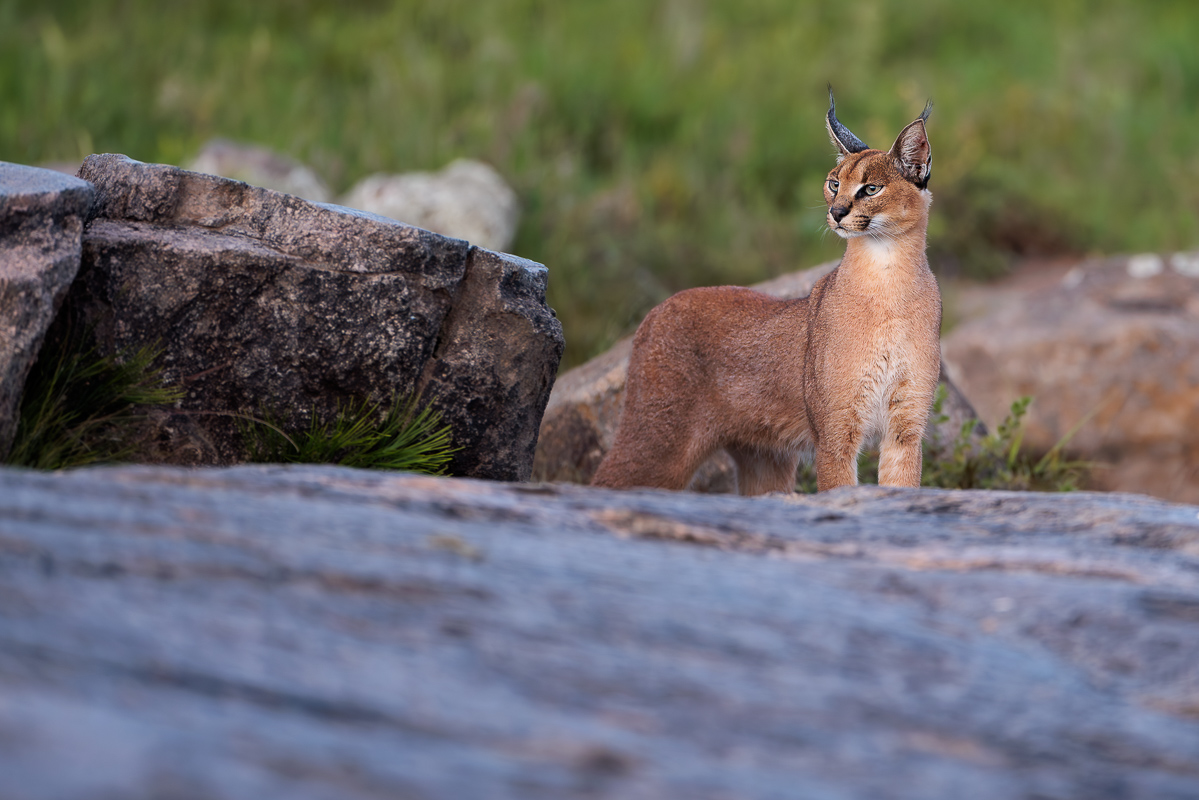
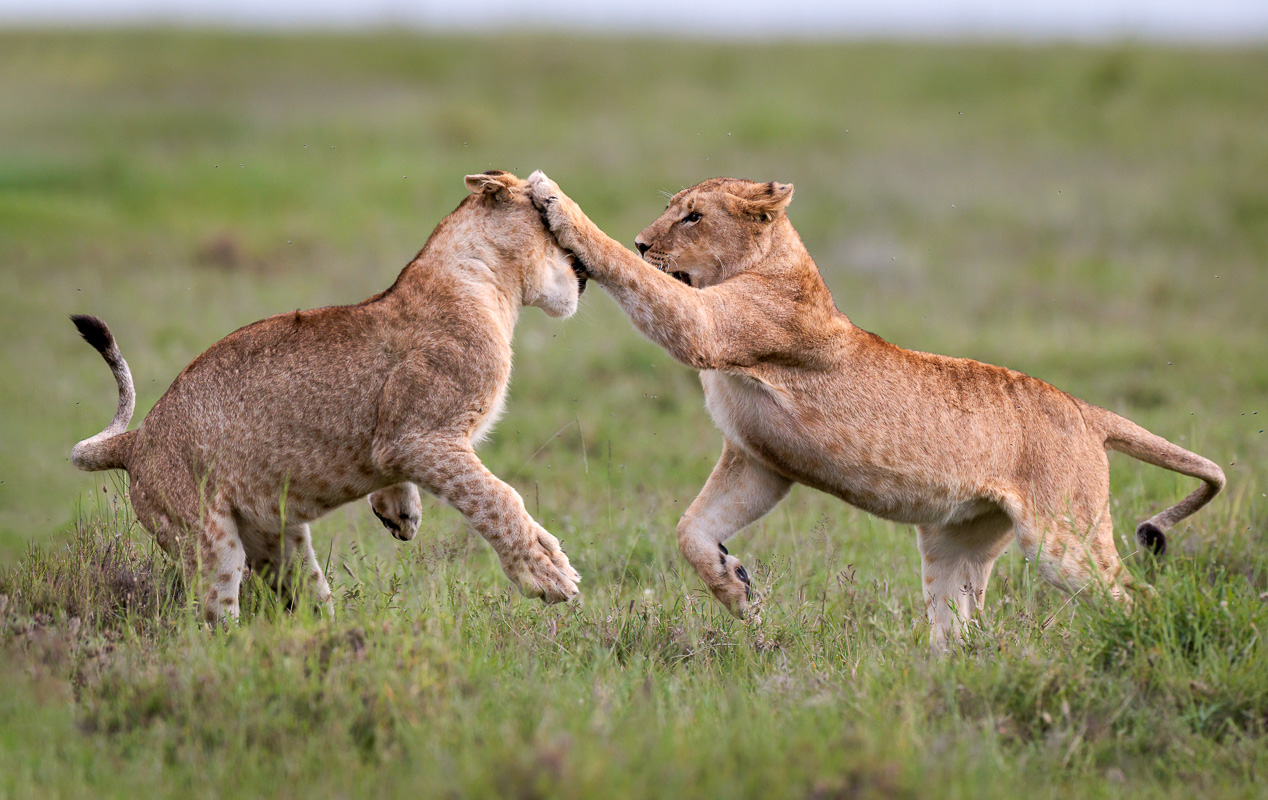
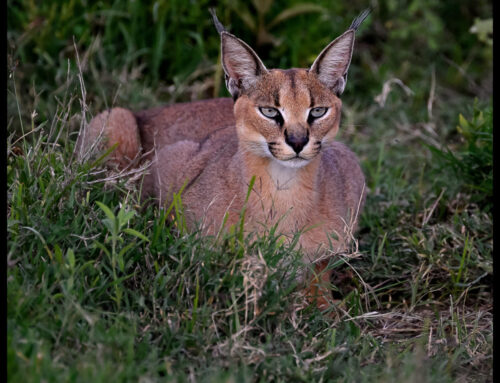
Almost our first sighting out of camp on the first morning was a caracal in the misty light — it sadly didn’t reappear but it was an early omen of what was to come. We were also very lucky with the birding that we enjoyed, as well as some great lion activity on a morning when we found the pride and had an hour with them before anyone else appeared.
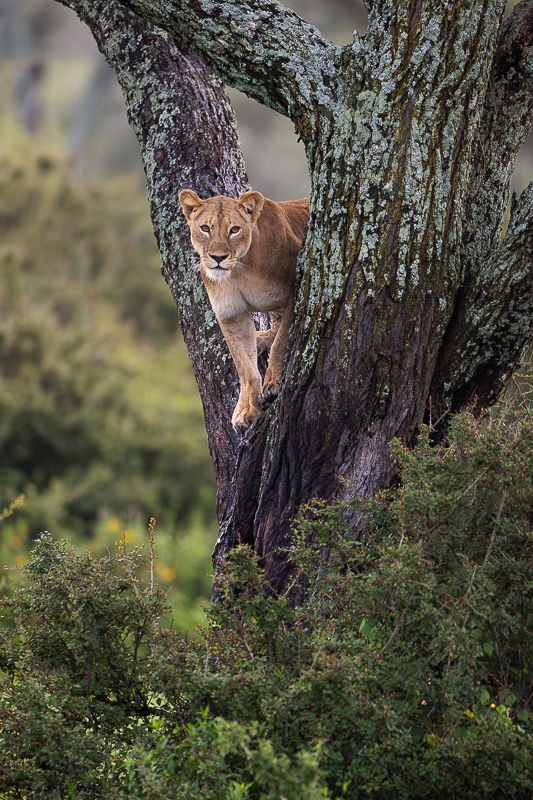
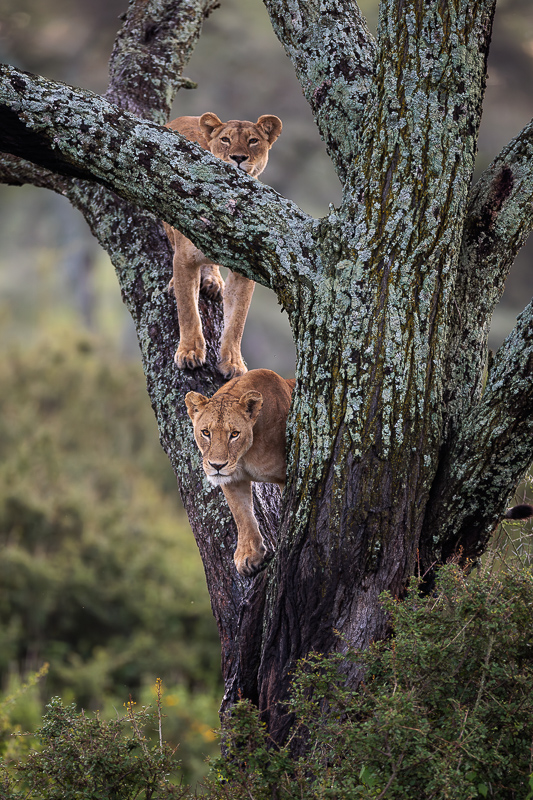
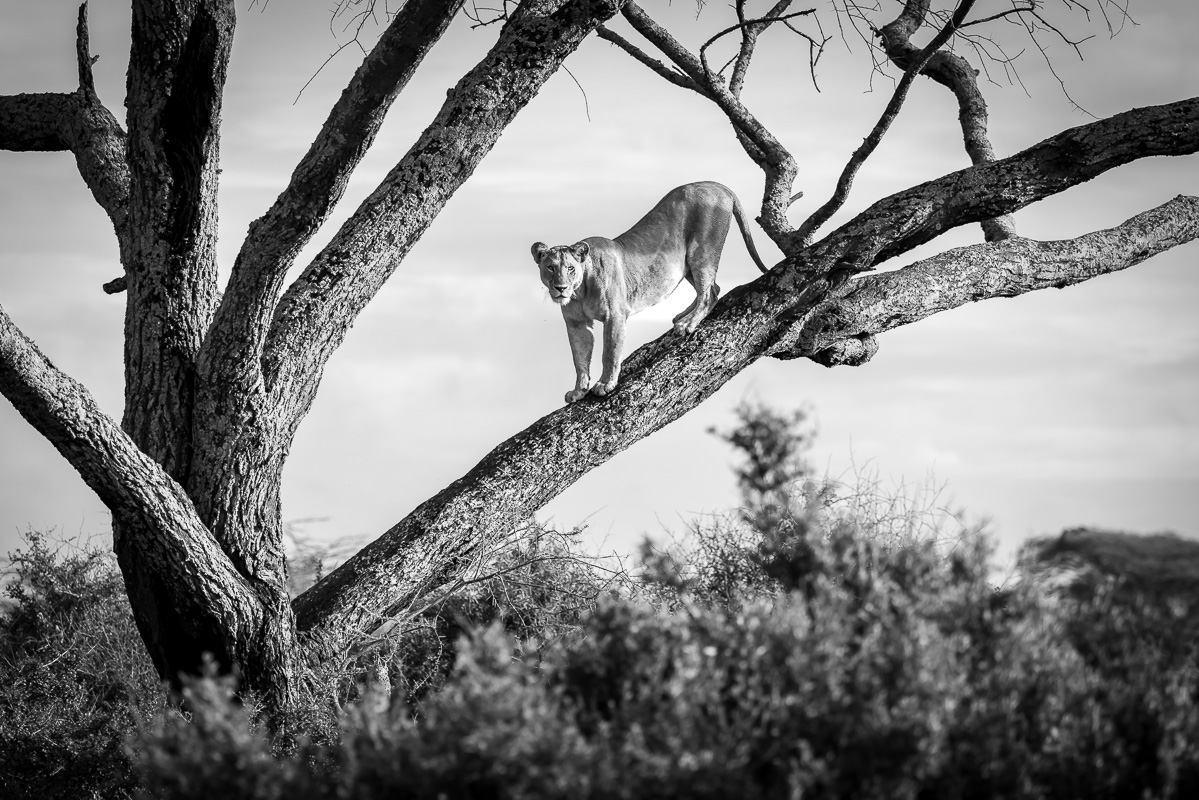
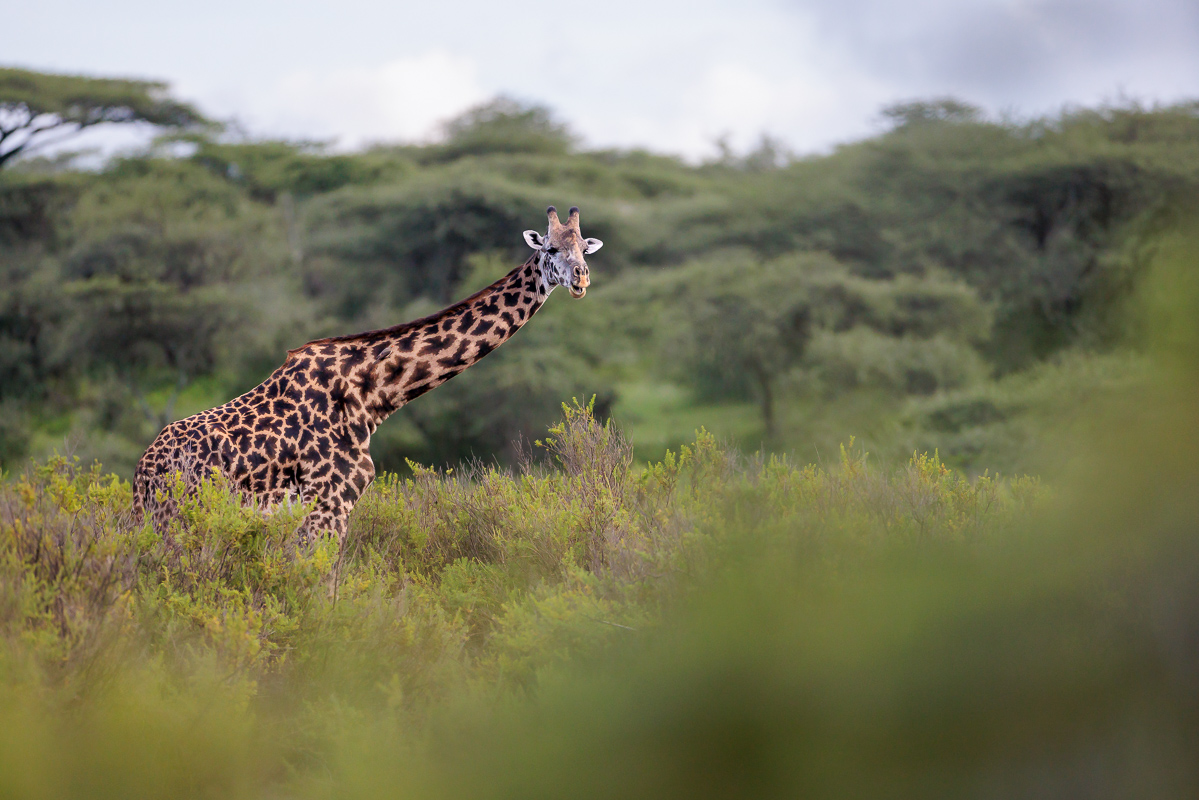
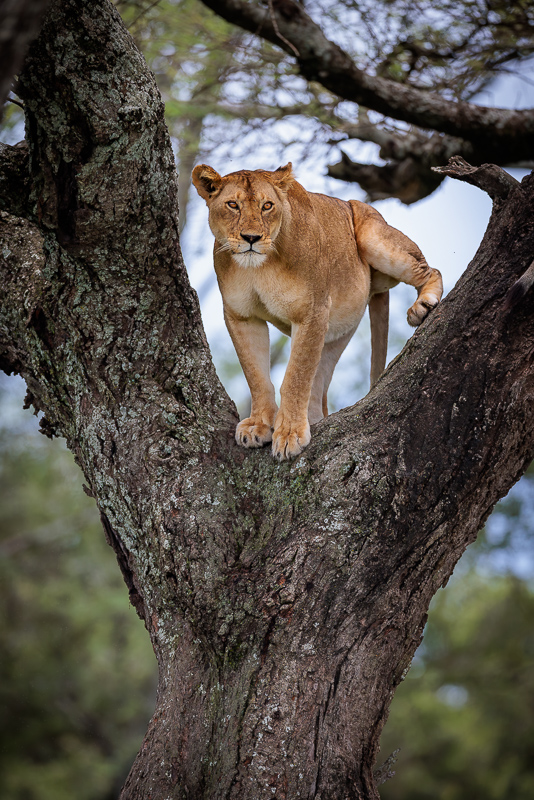
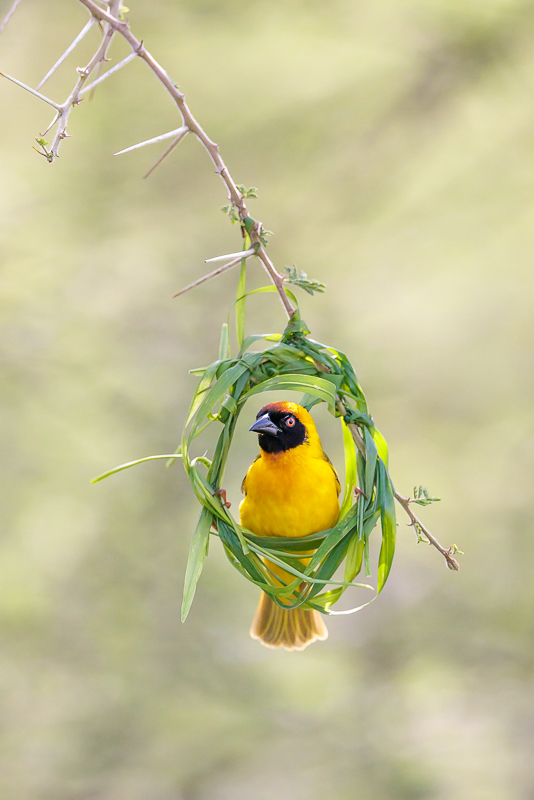
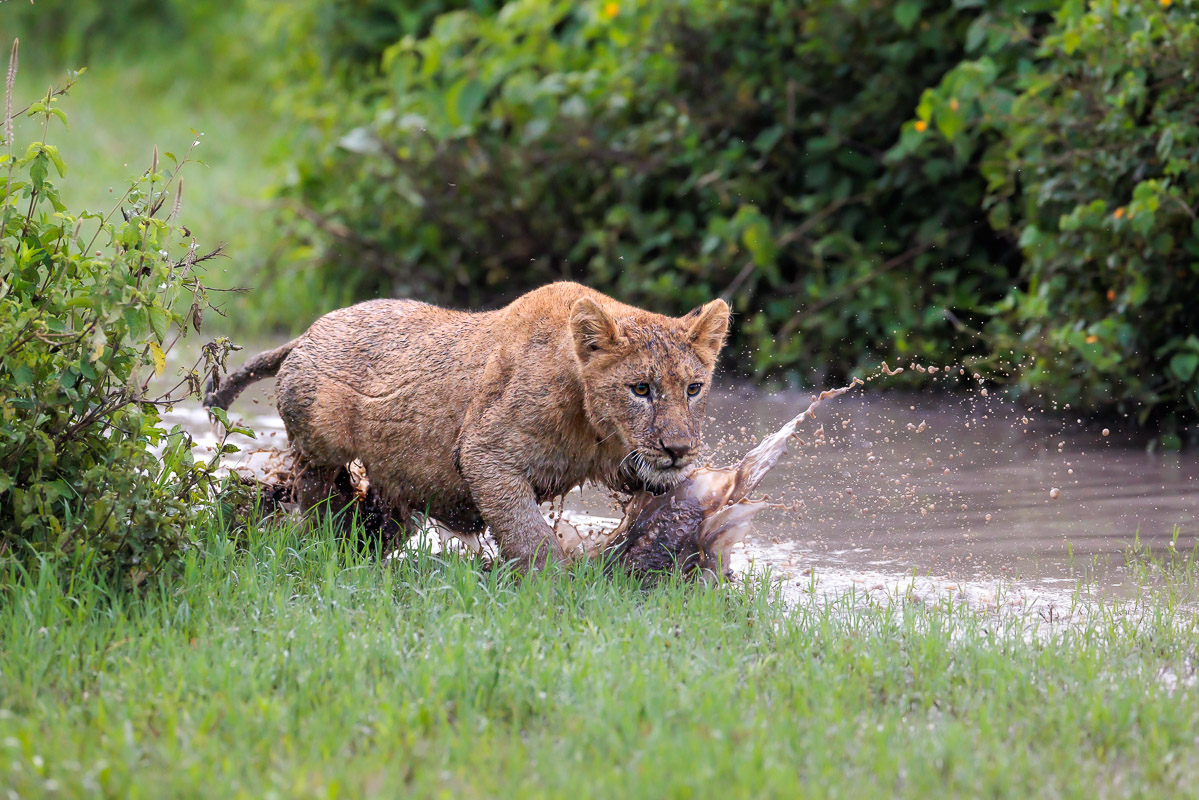
Ubuntu Migration Camp, Kusini
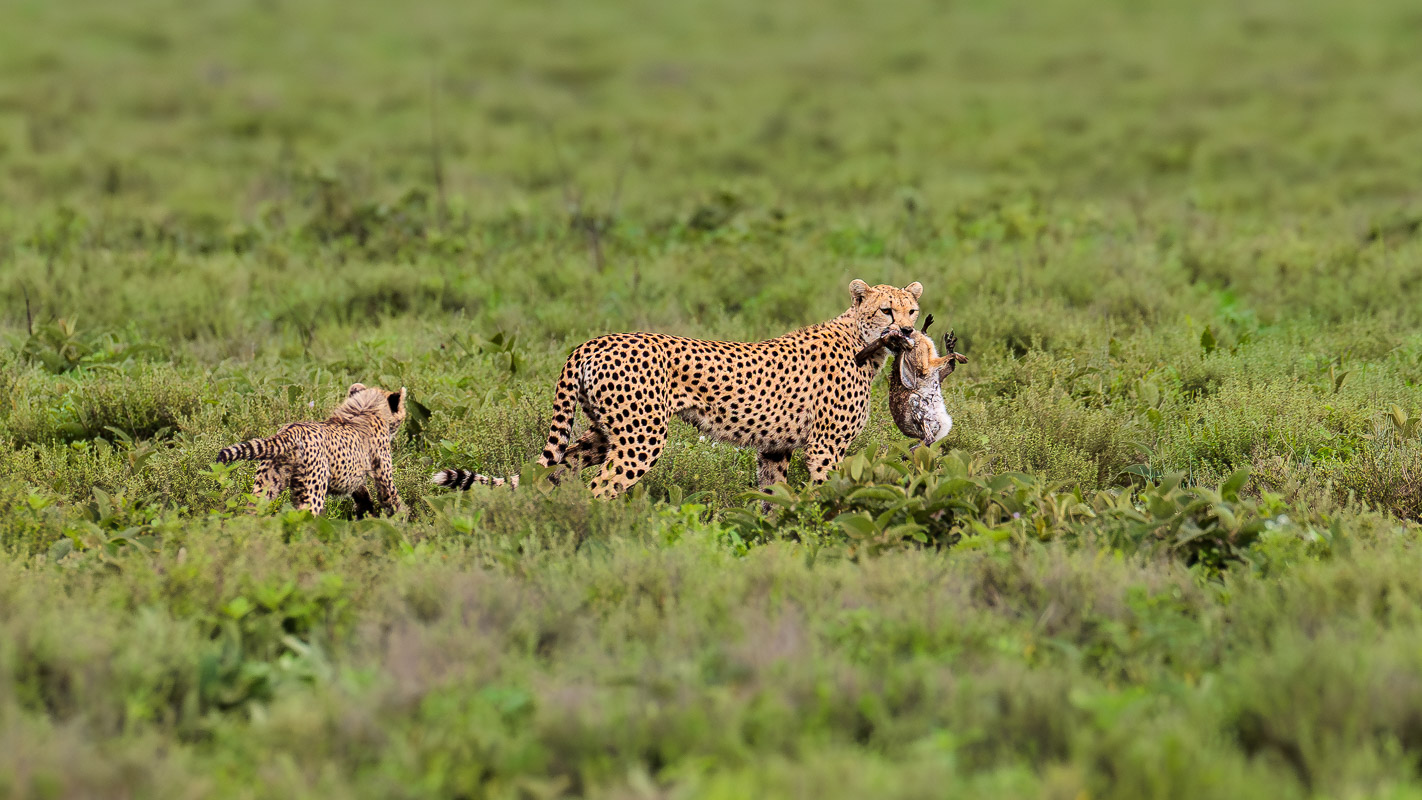
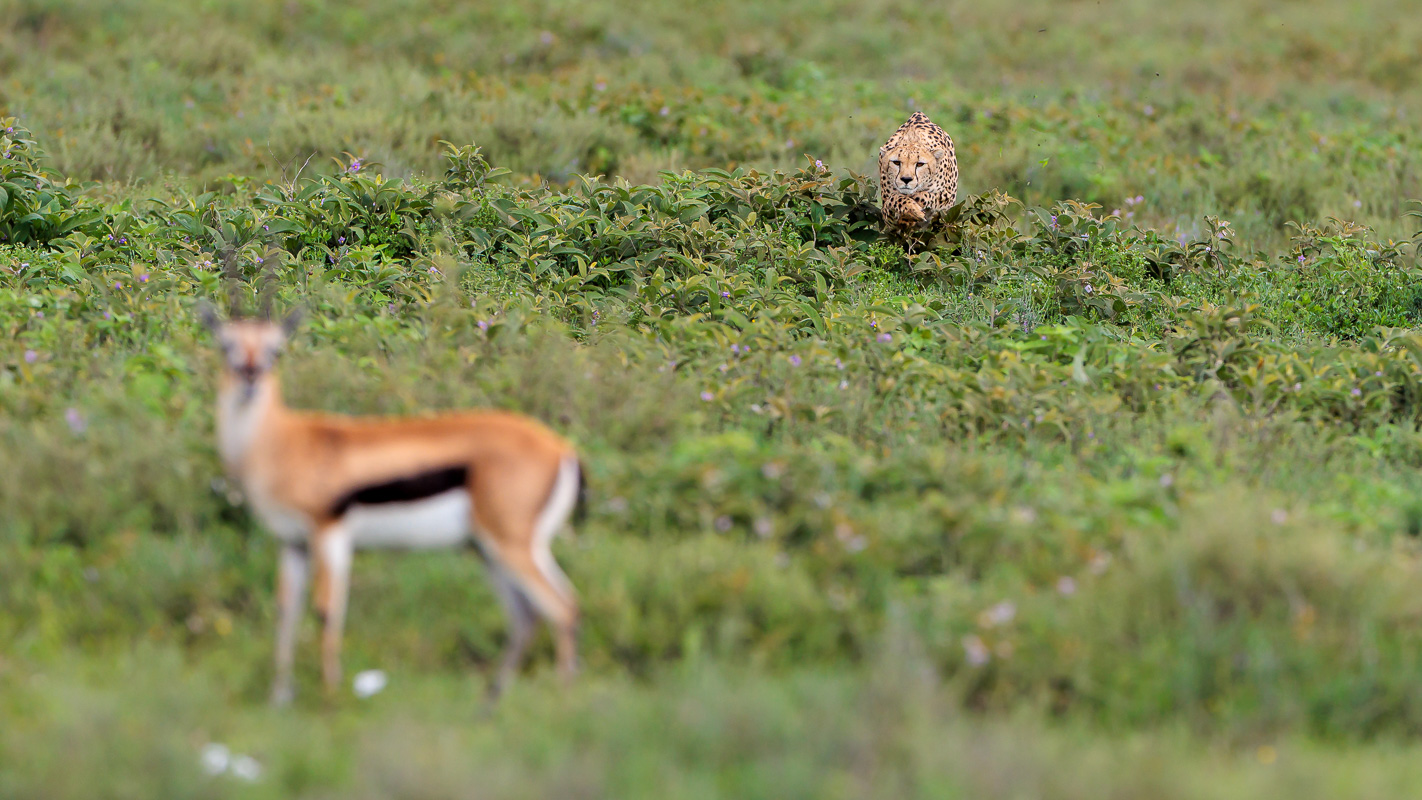
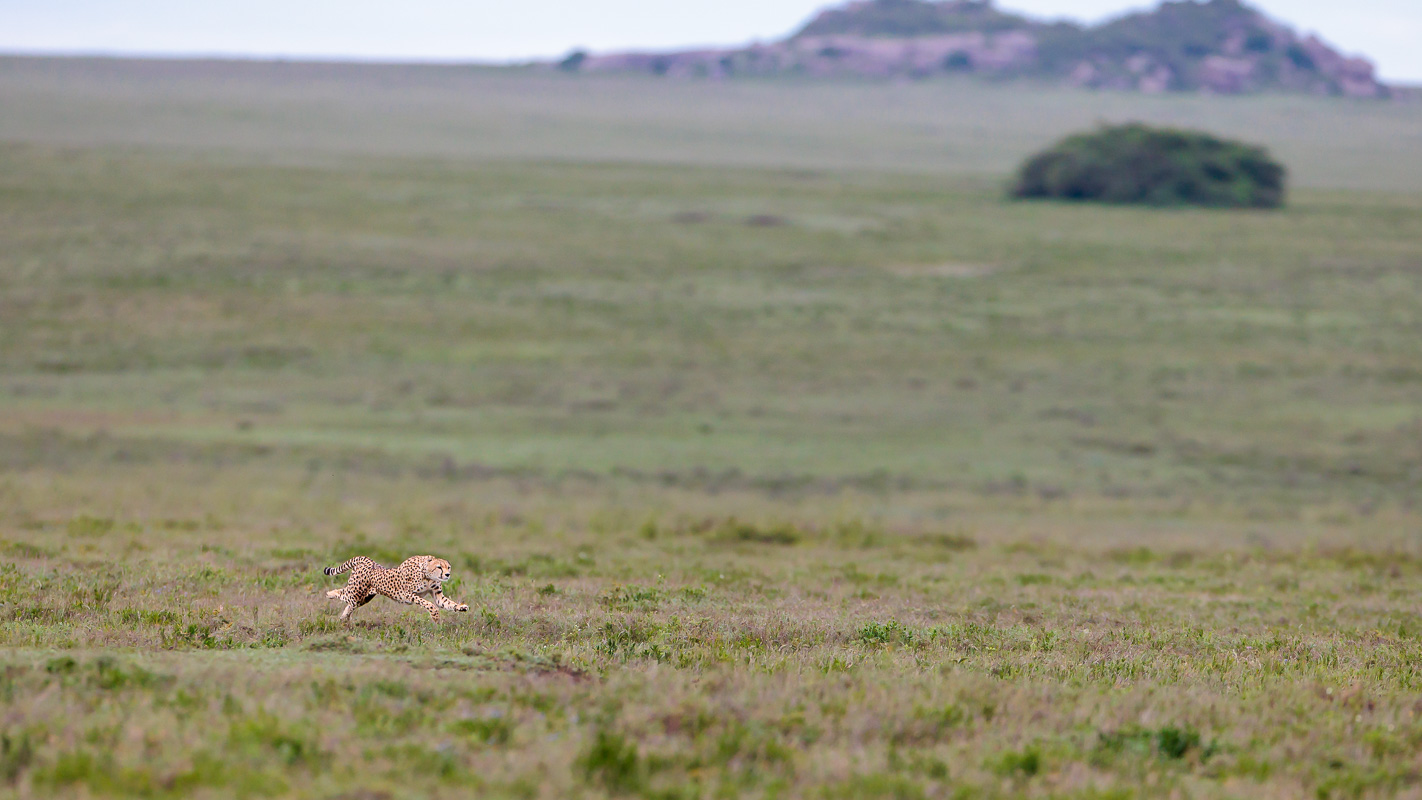
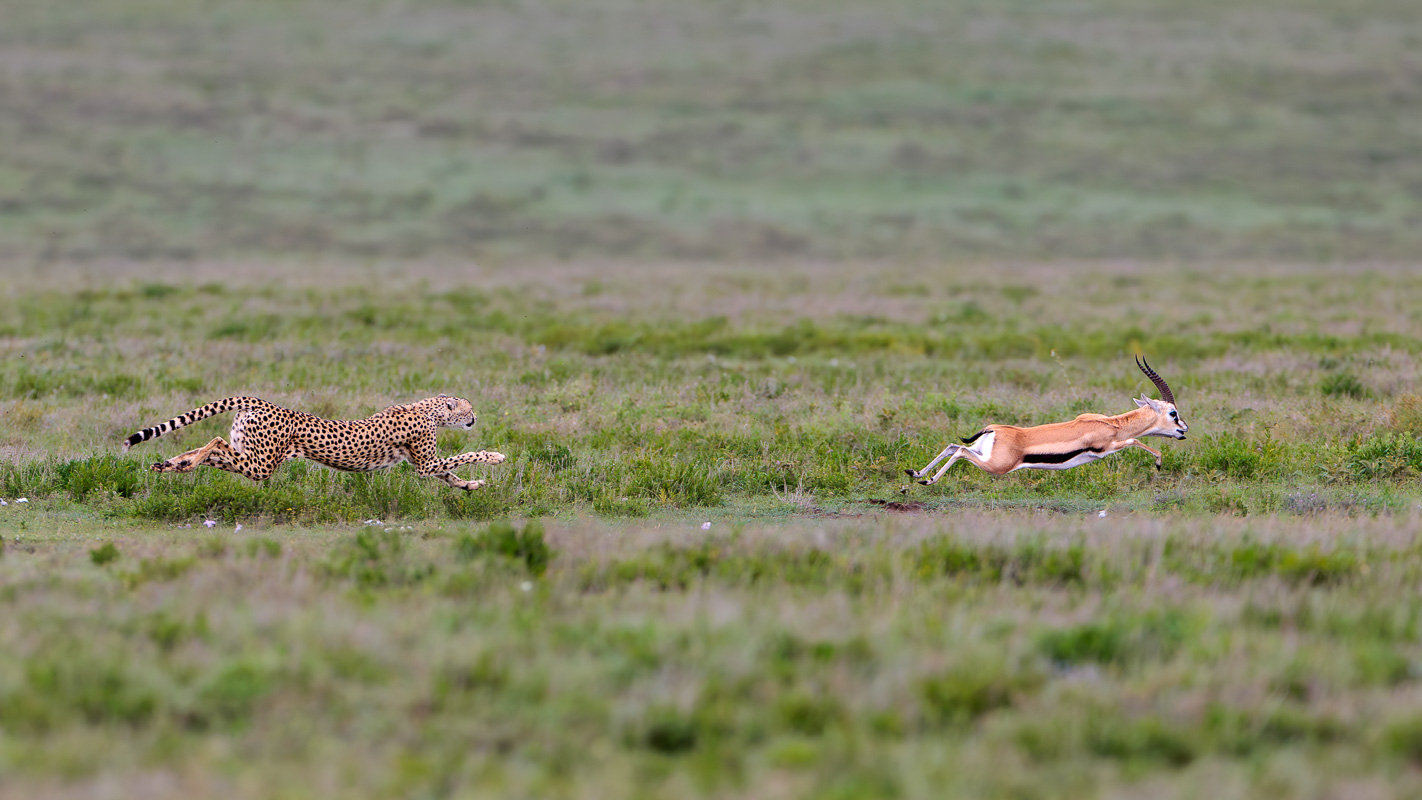
Due to the weather, we extended our stay in Ndutu by 1 night and cut short our time in Kusini by 1 night. It was a good decision as the road and access conditions in Kusini (where Asilia’s Ubuntu camp is located) were very tricky. It’s a beautiful area and I’d love to go back when it’s a bit drier, and we were lucky to see 2 cheetah hunts and plentiful other sightings, but there were times when we had to keep moving for fear of sinking into the soft earth!
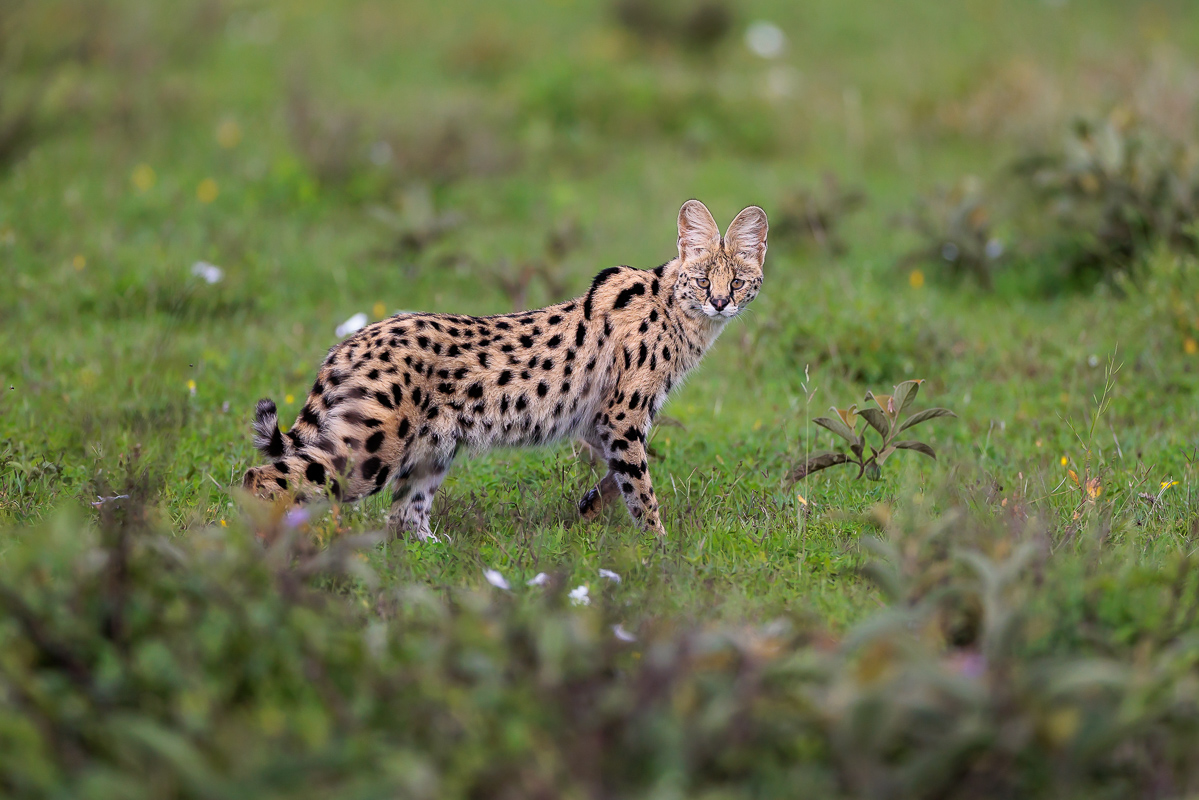
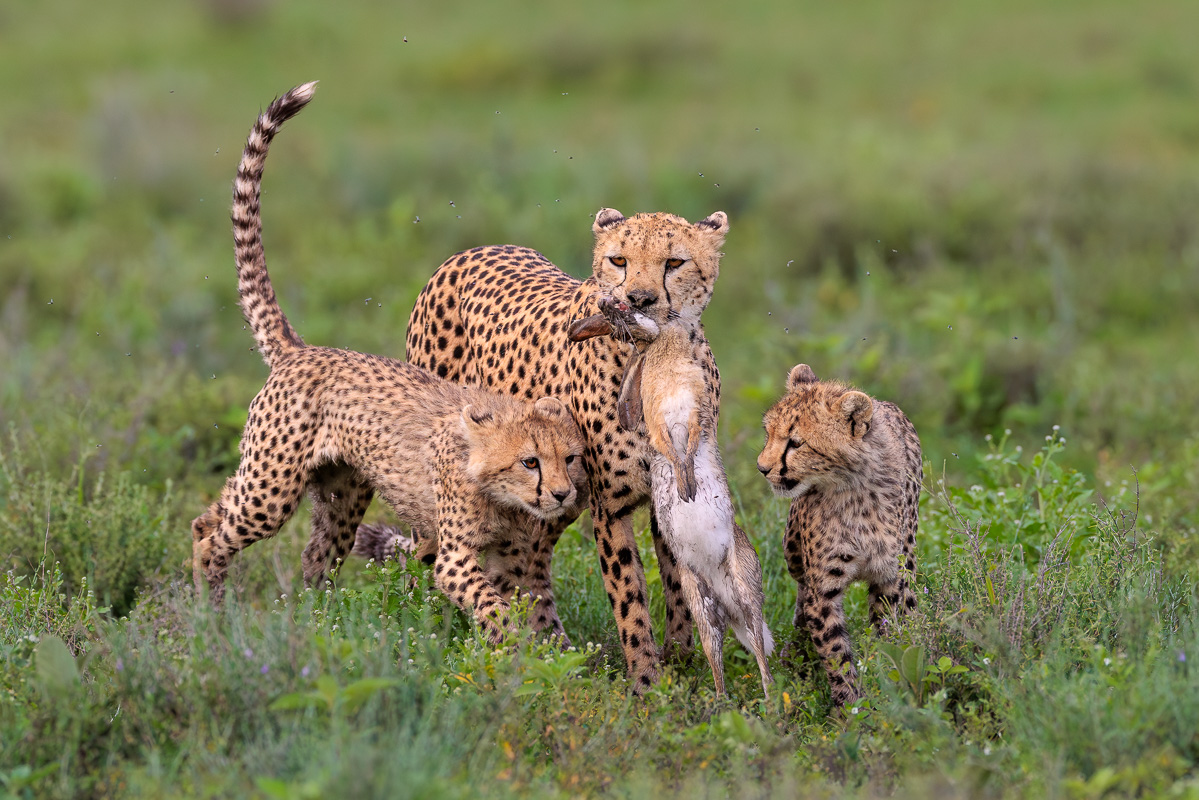
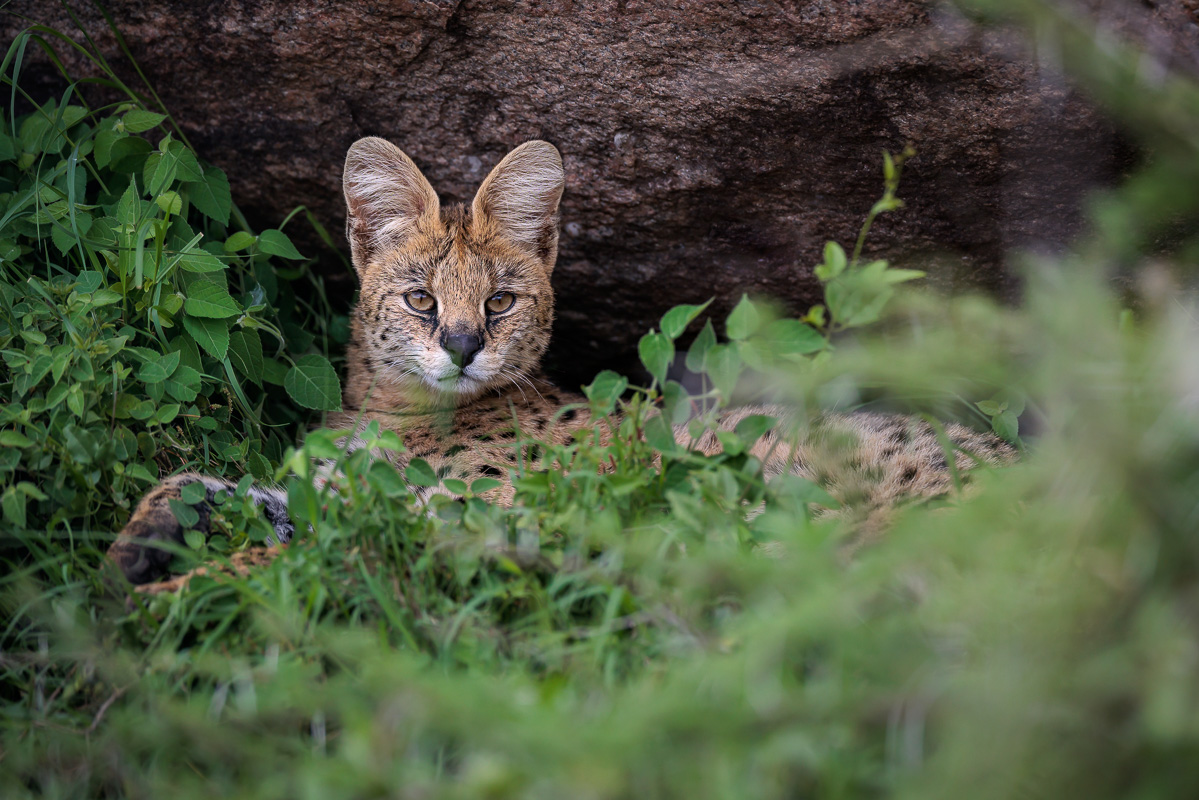
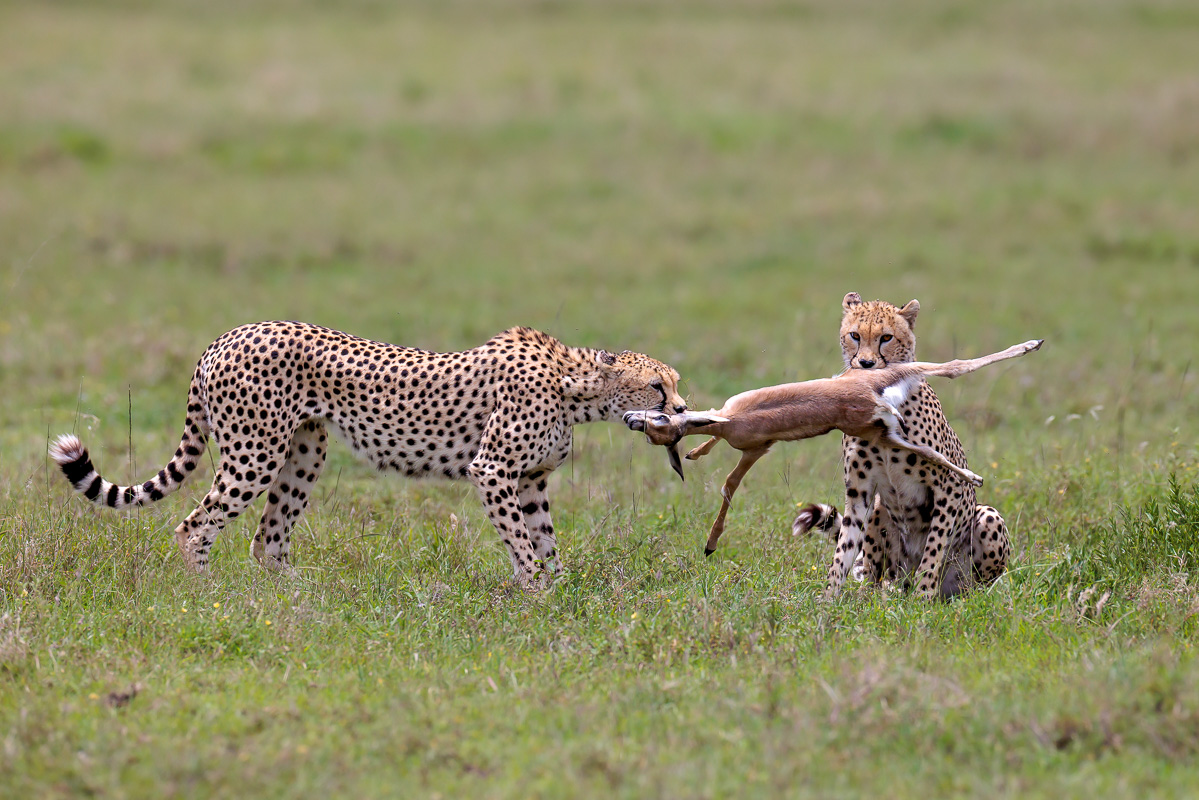
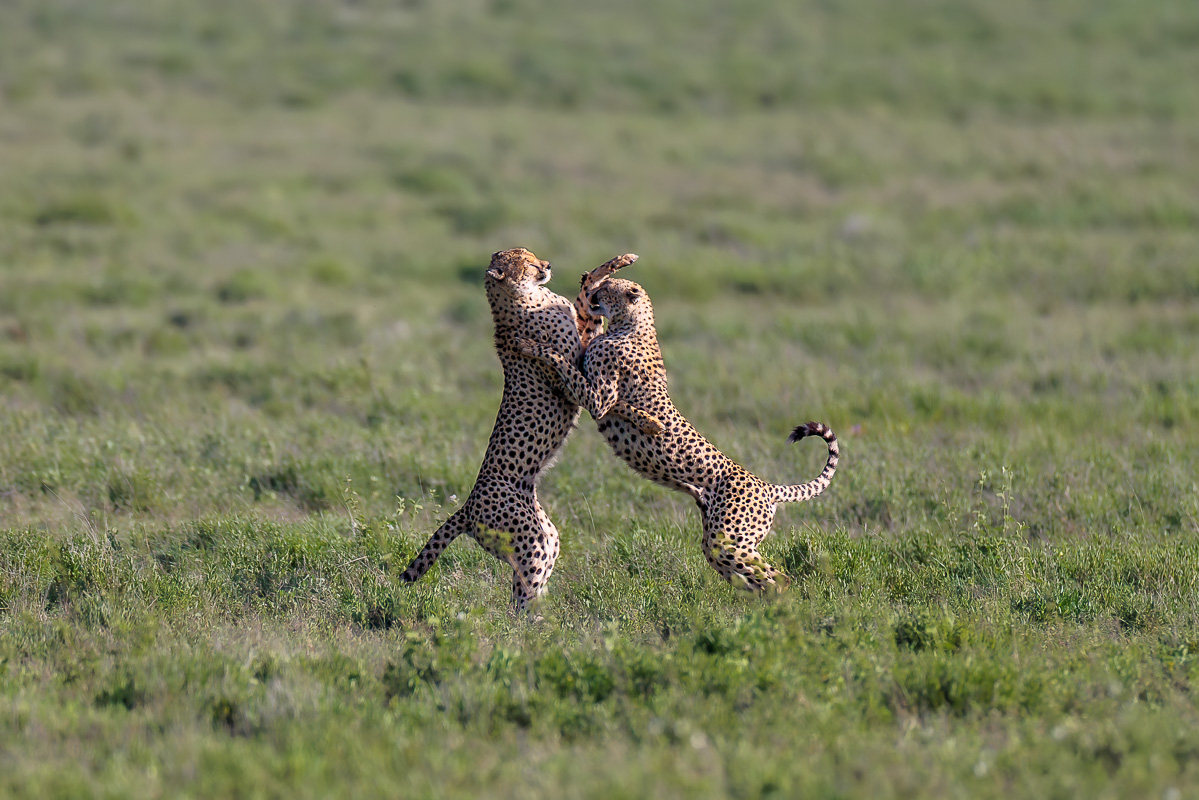
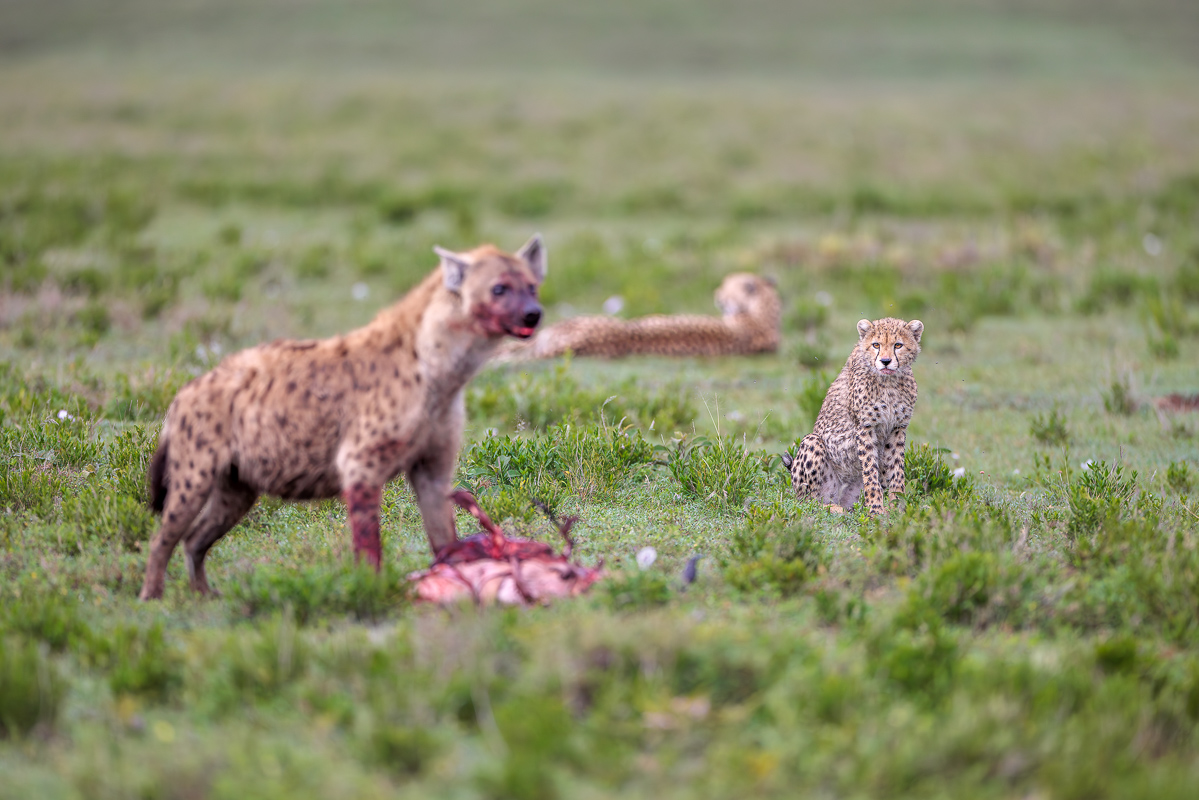
The highlight of this area was spending time with a cheetah and her two cubs. She hunted twice and we also watched her behaviour as she navigated in a world full of big lion prides; it was excellent to see how she educated her cubs on how to leopard crawl to avoid being detected. Other Kusini highlights were time with a serval and the freedom to explore widely with very few other vehicles around.
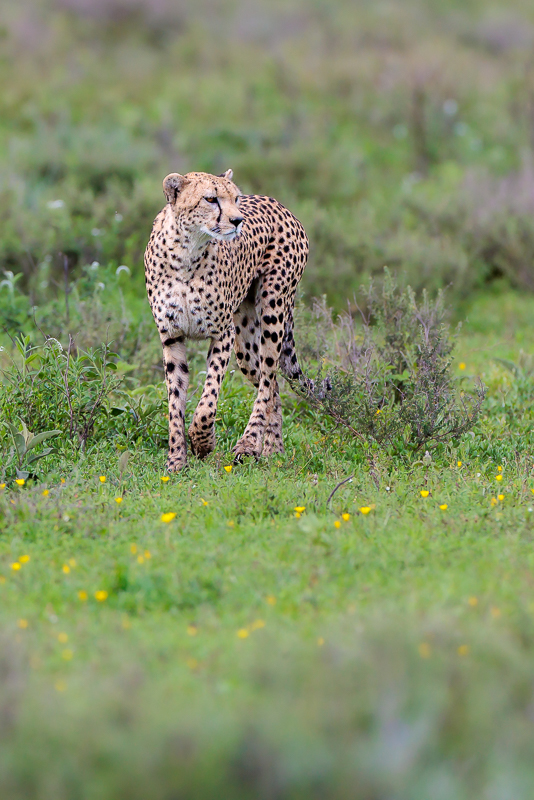
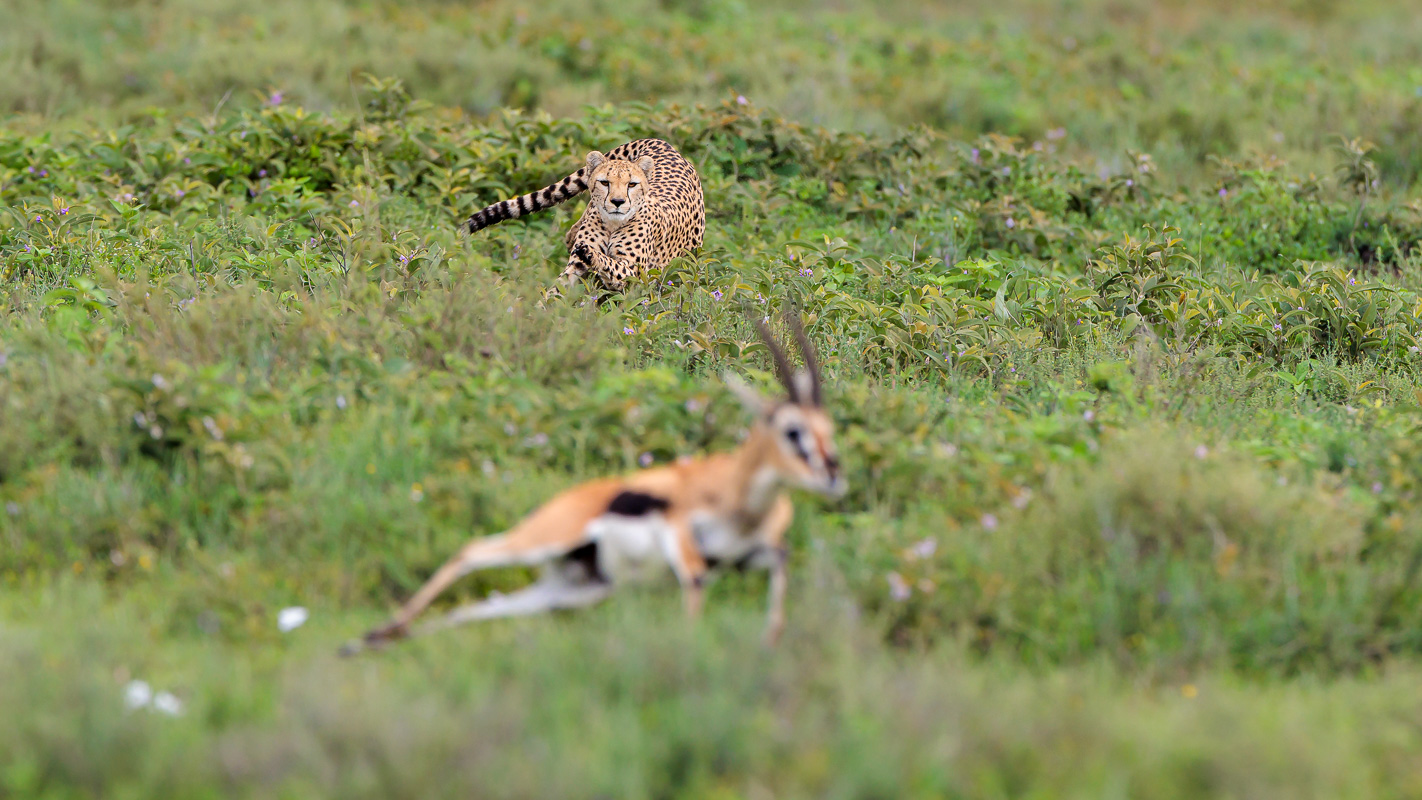
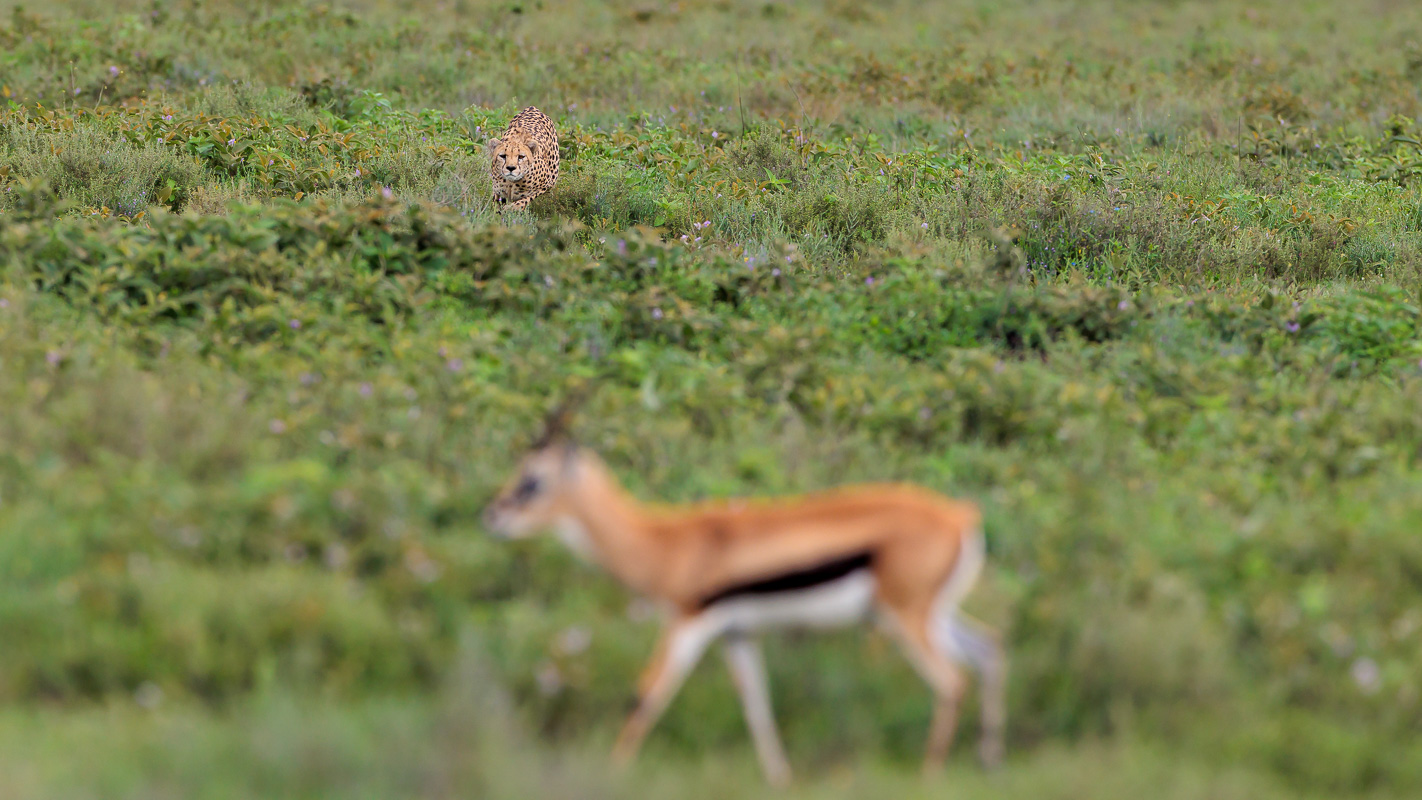
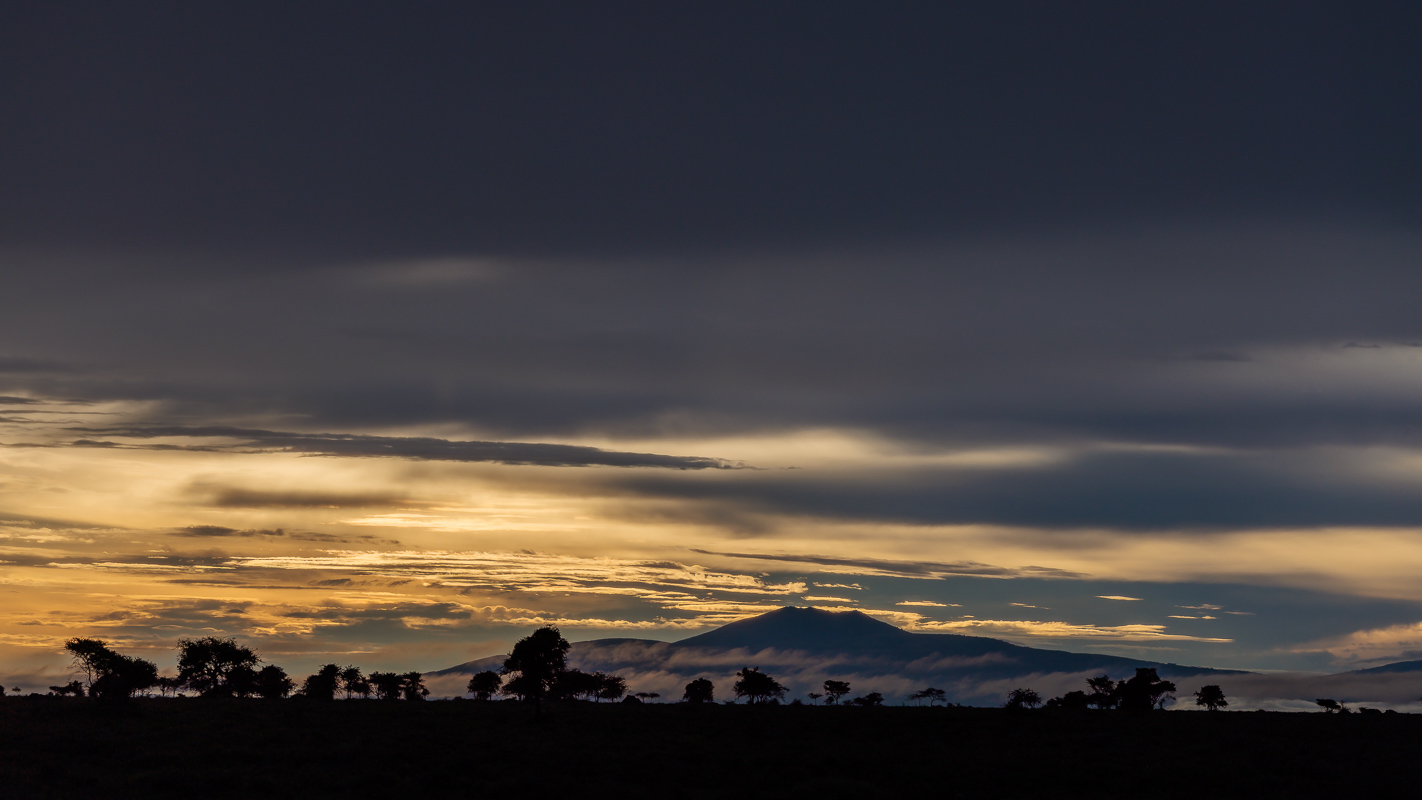
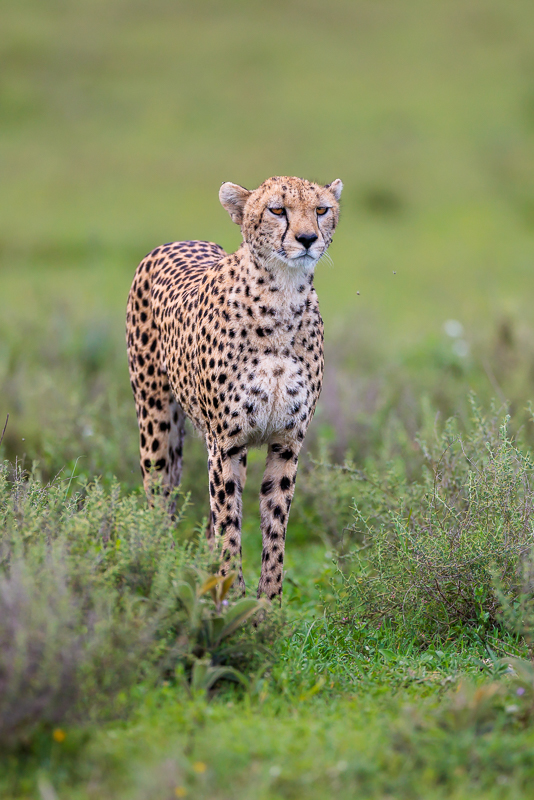
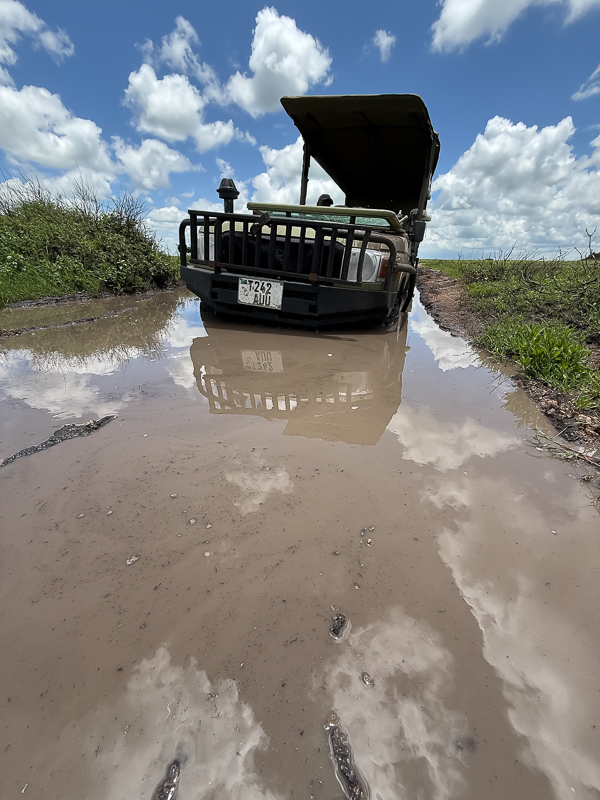
The weather was very challenging at times; we were stuck in the soft ground 2 or 3 times each day while trying to navigate through or around patches of flooded roads. I was very concerned that we would not be able to reach Namiri Plains which was the flagship camp of our trip. I discussed with our guide and arranged that a tractor from Asilia would accompany us through the worst parts of the journey, until we reached the solid ground near Ndutu. In fact, we needed to be towed behind the tractor for long periods (28kms ~ 2 hours) to make sure that we arrived. It was highly memorable, and all part of the adventure. Thank you to Photos by Phox for putting together the video below – check out their website for wonderful images of Tanzania and their previous travels. You can also visit Don’s website here to check out their records of the trip. I’m very impressed with all their work – we shot in challenging conditions, over long days, with lots of bumpy road travel and their dedication and concentration shows through.
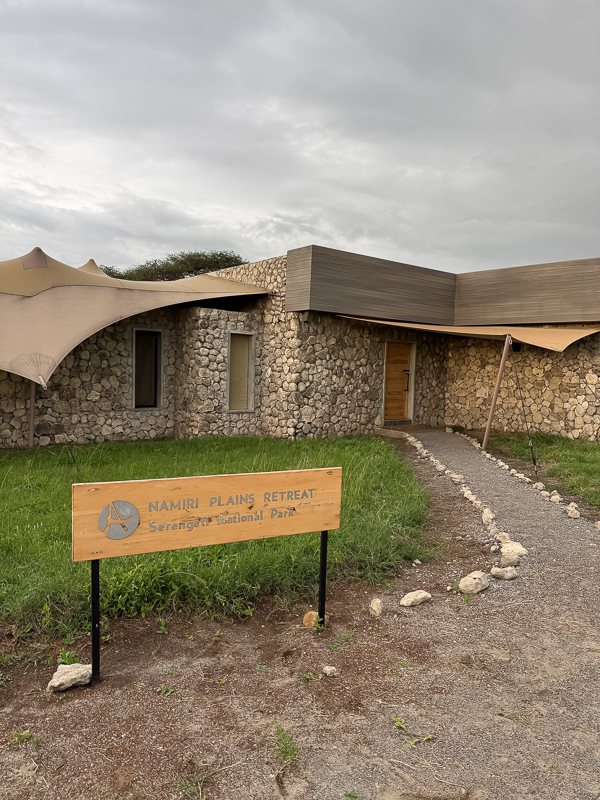
Namiri Plains Camp
Our final camp was Namiri Plains, where we would spend 2 full weeks. This is the longest I have ever spent in a camp with one group, and I considered ways to ensure that it didn’t become stale. In fact, there was no need; the hospitality of the Asilia staff, the skill of our guide and the bounty of the Serengeti kept us busy each and every day — we didn’t have a single outing from camp which yielded nothing which is truly a testament to the area.
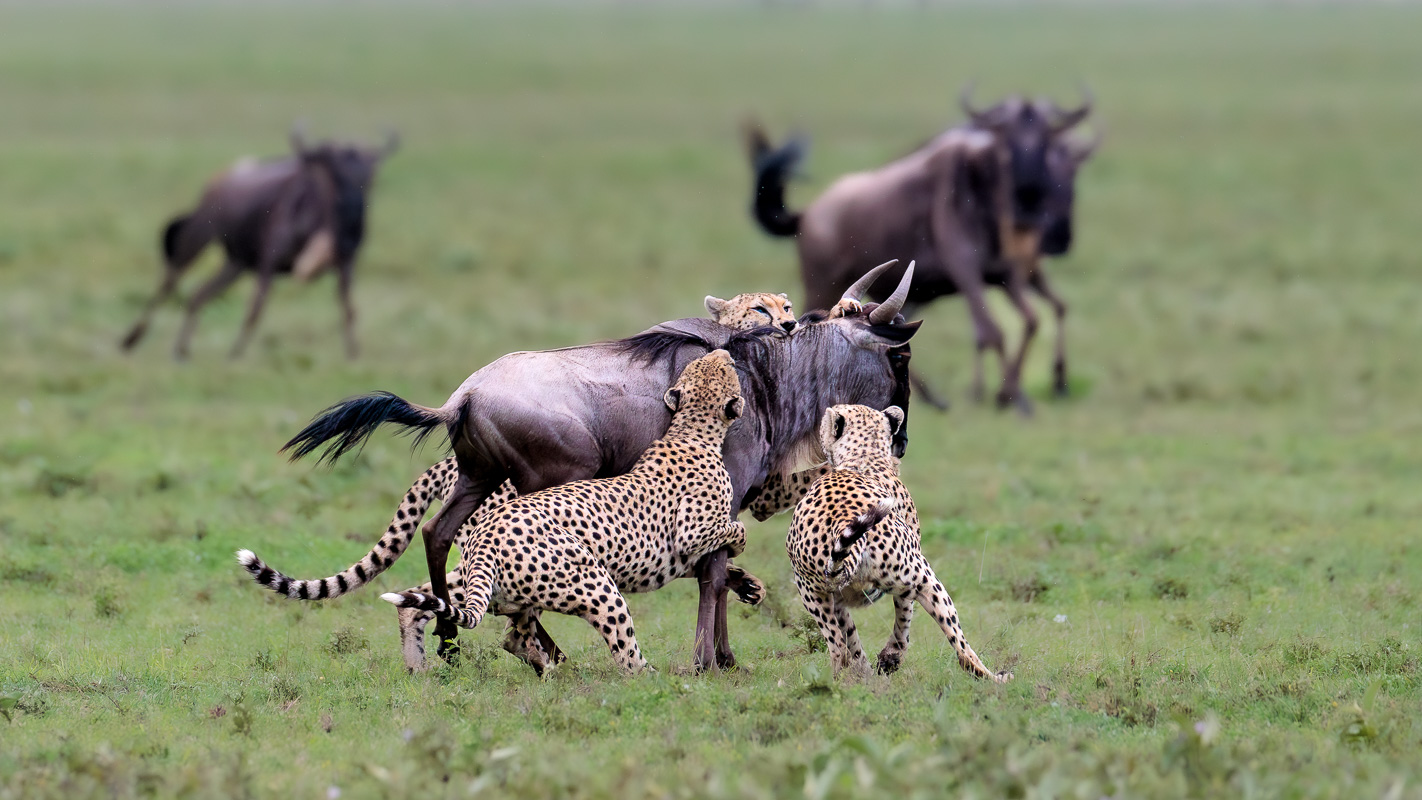
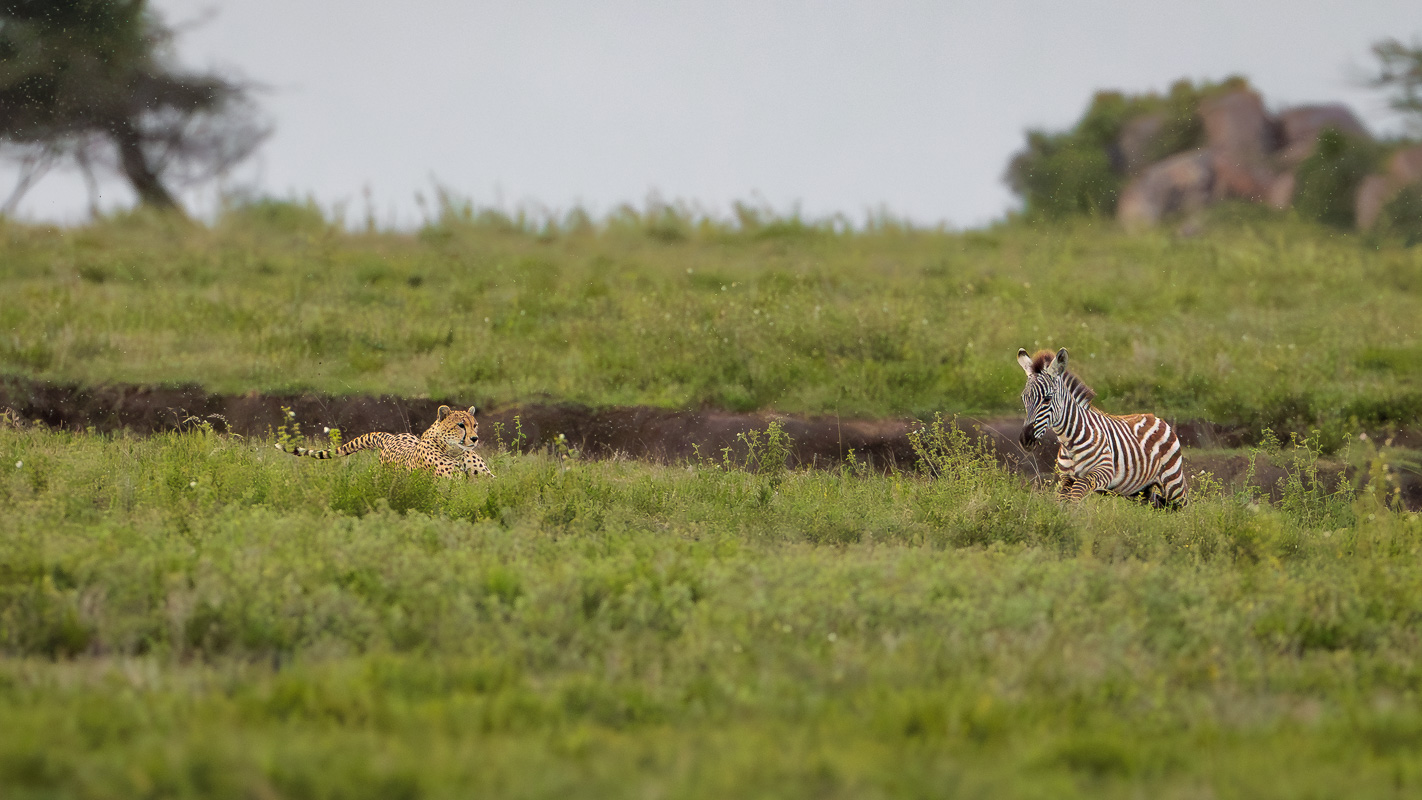
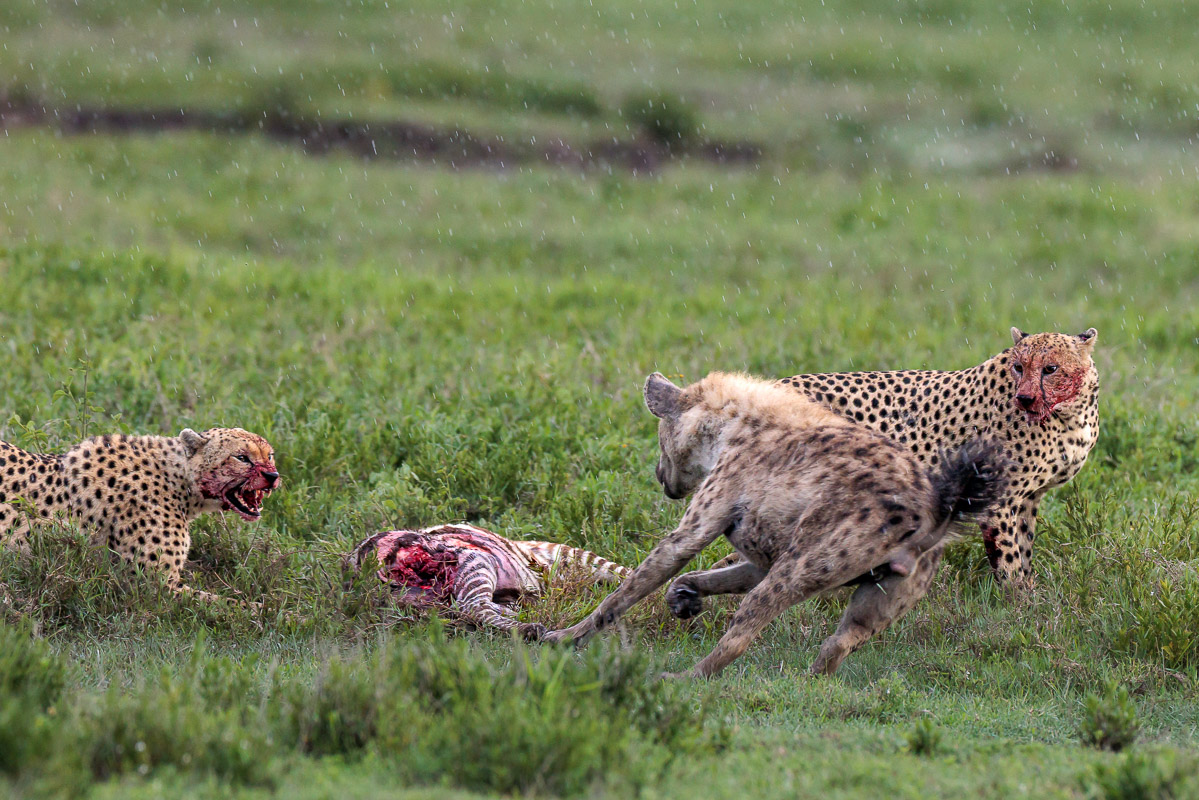
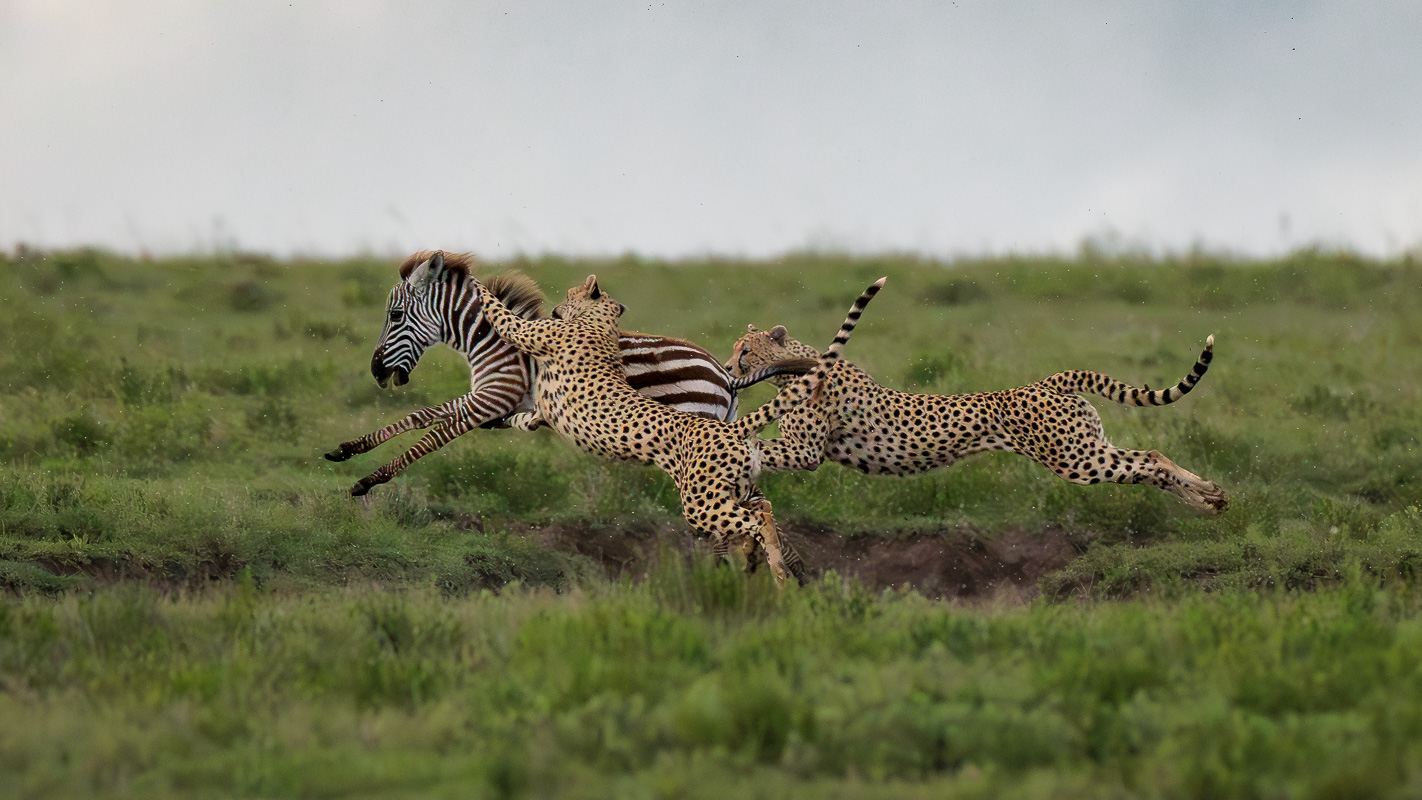
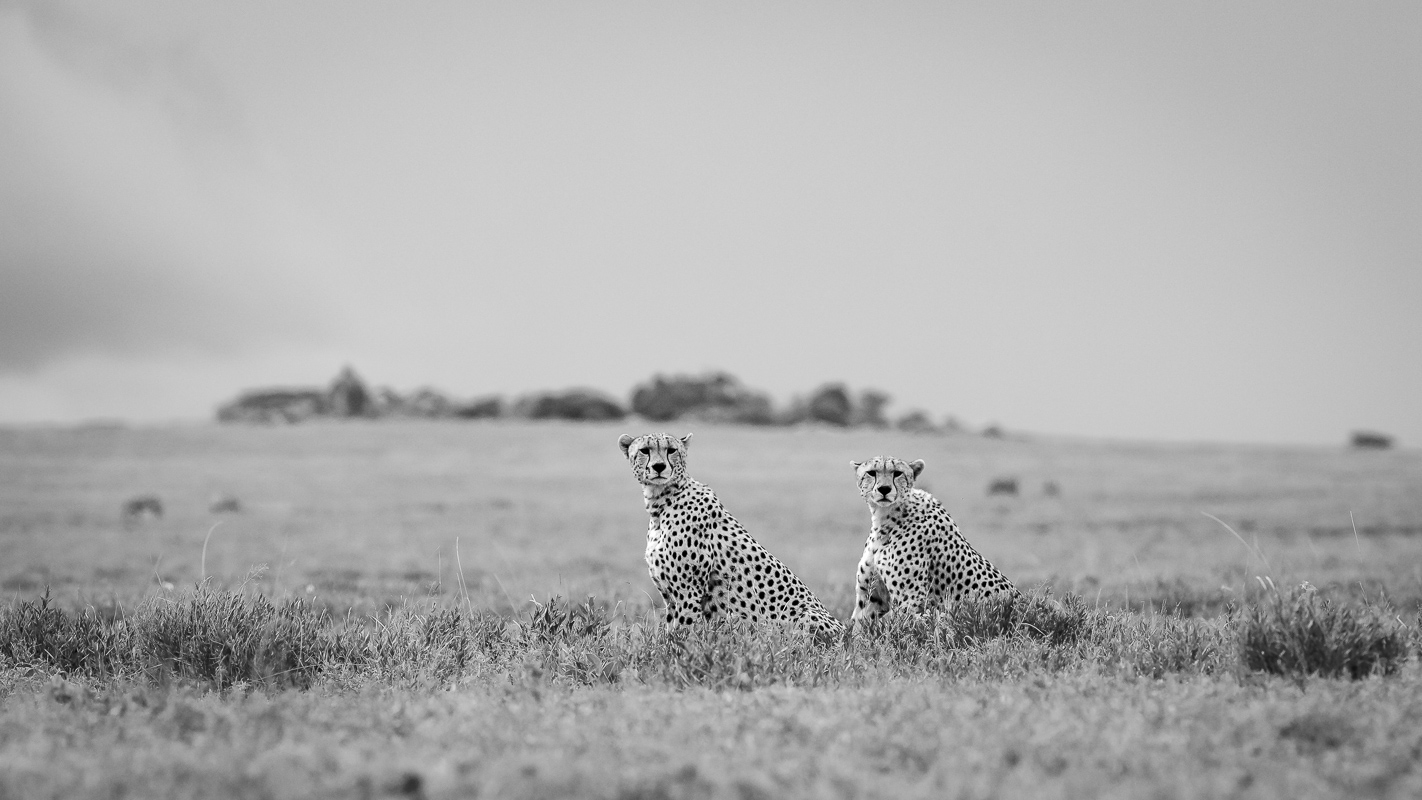
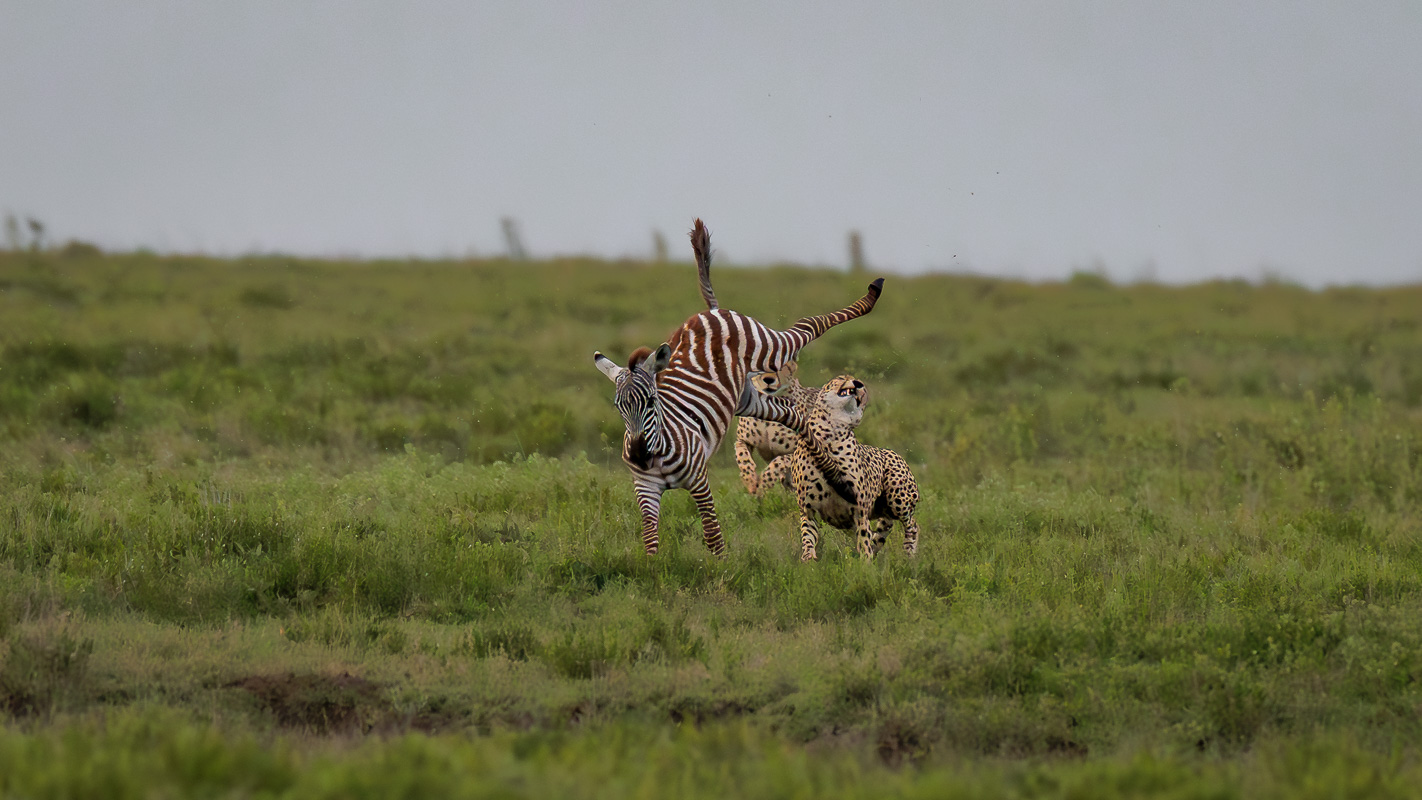
During 2 weeks, we explored all the areas within reach of the camp, except the zones where the grass had already grown tall and restricted viewing. And in fact, the lion prides from those areas where the grass was long were often found in the short-grass zones where we were working. We left camp early, we worked hard, we spent a lot of time waiting (two 6+ hour waits for cheetah males to hunt) and bounced along the bumpy roads. But the resulting images, videos and memories are well worth it, capturing a range of behaviours, action and interactions, which are the hallmark of a great photo safari. It’s easy to capture nice portrait images in a place like the Serengeti, but it’s very much harder to predict action, position carefully and then track the movement to capture the brief moment of impact at the climax of a hunt. Images which show two cheetahs dragging down a zebra, for example, encapsulate hours of waiting followed by 29 seconds of intense concentration and skill. I’m so pleased with the experiences we had.
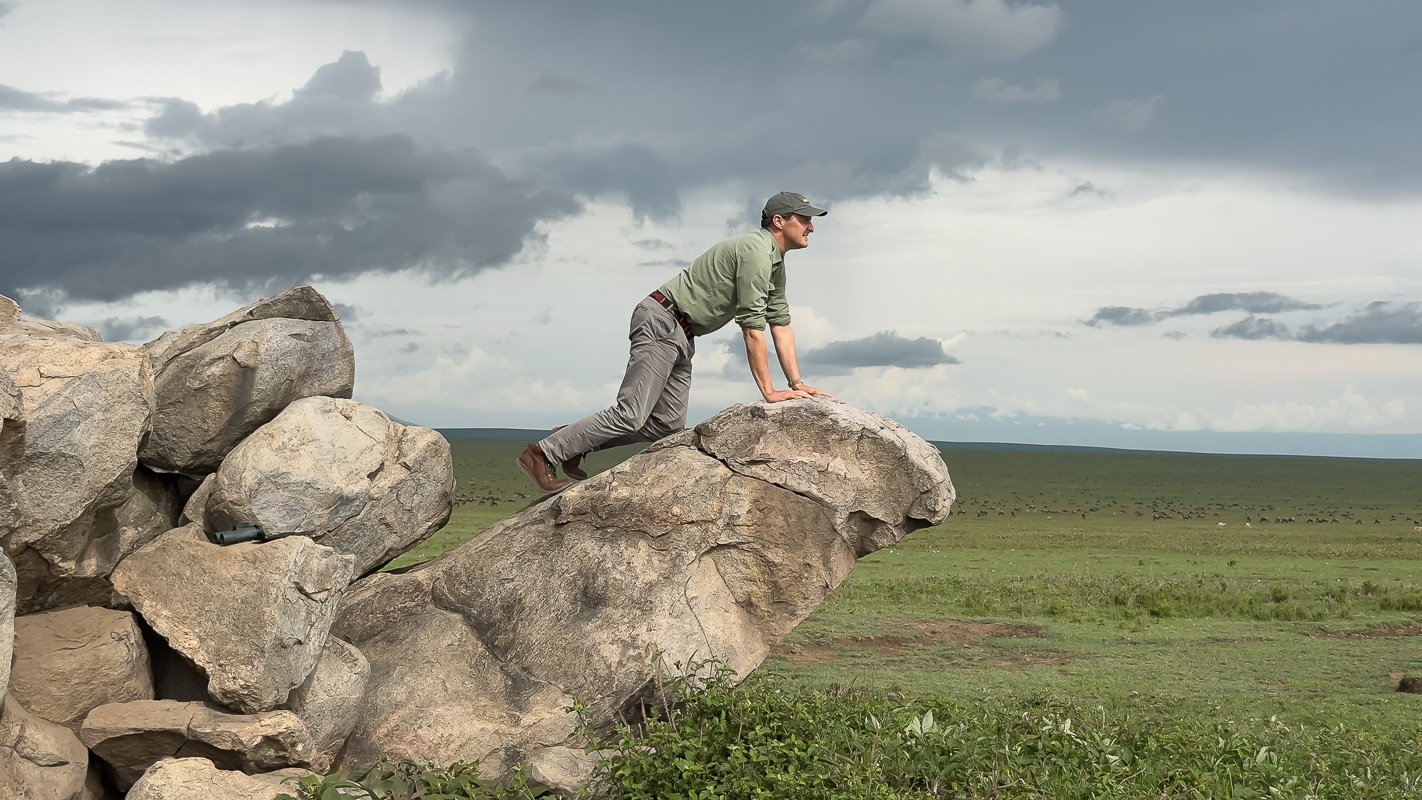
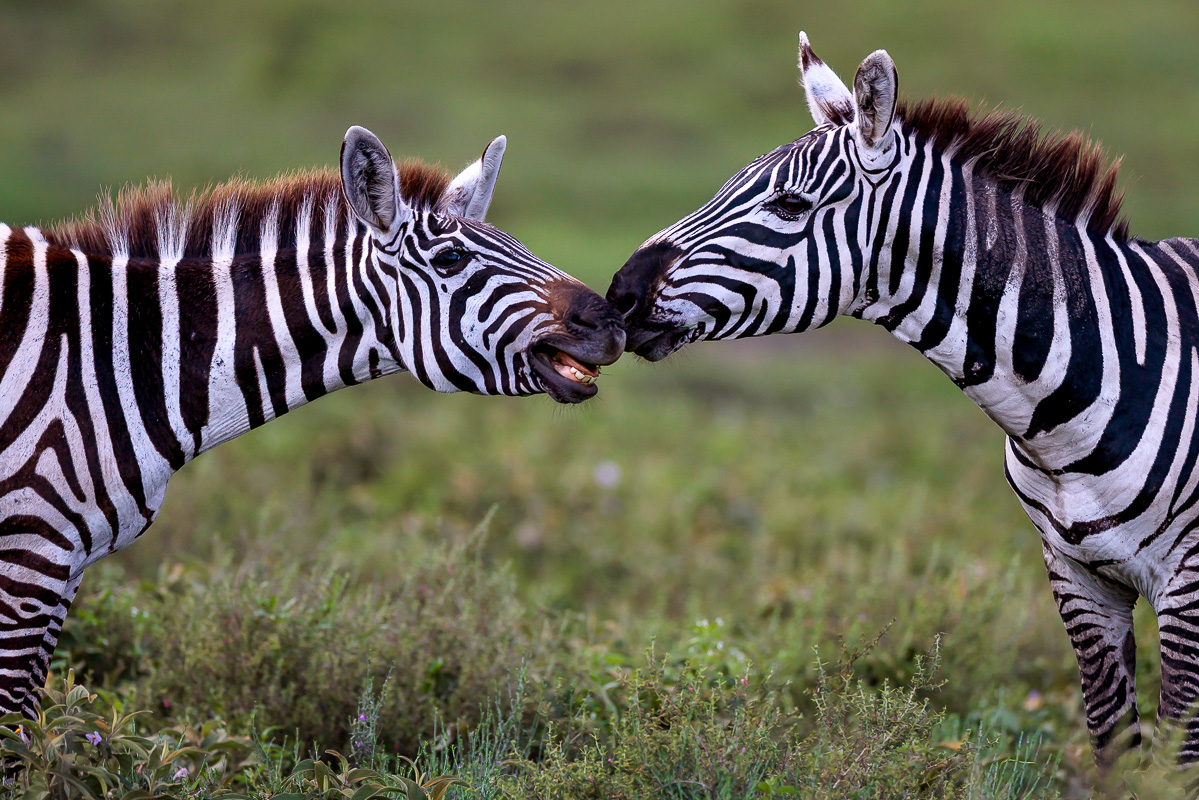
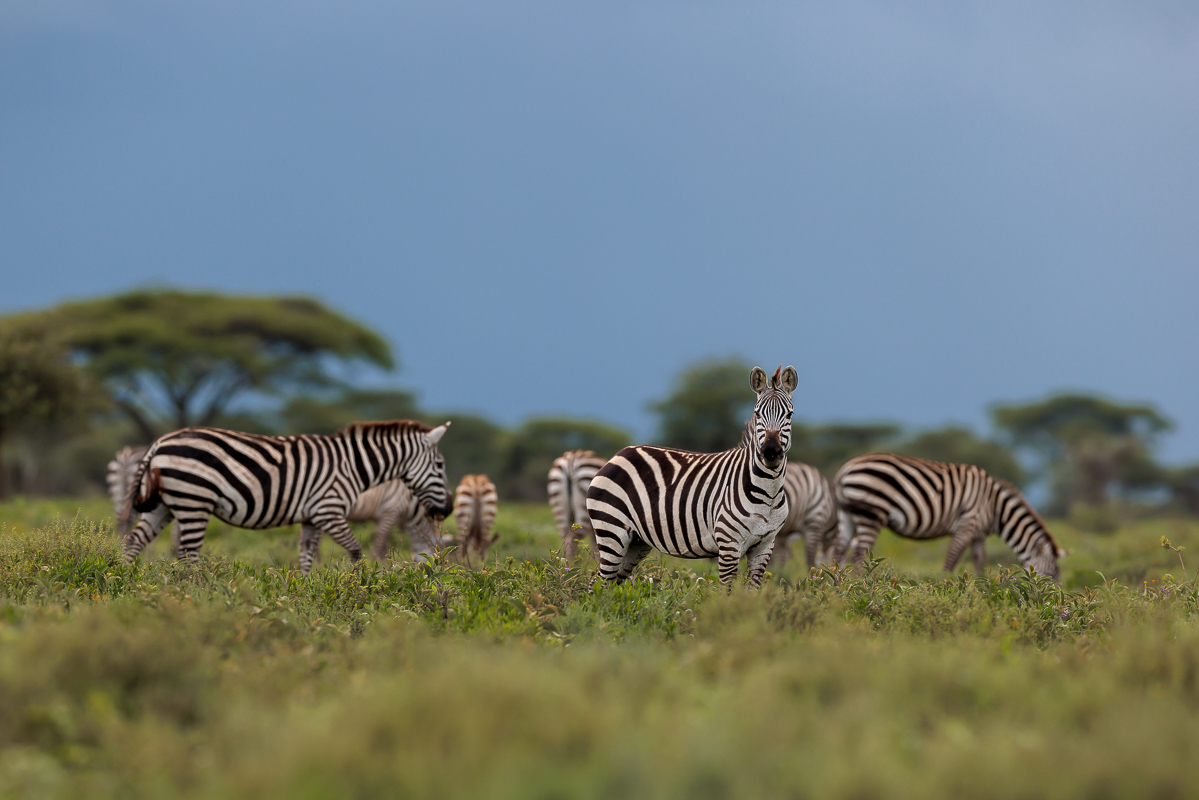
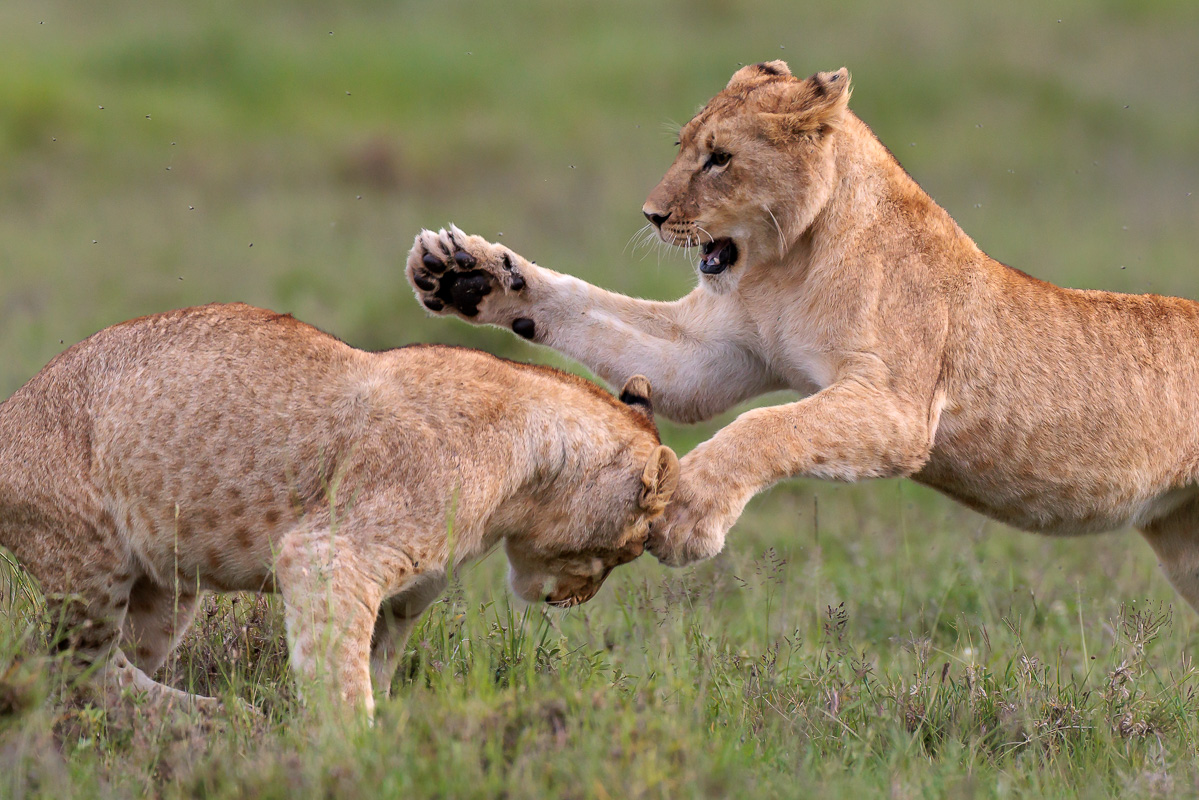
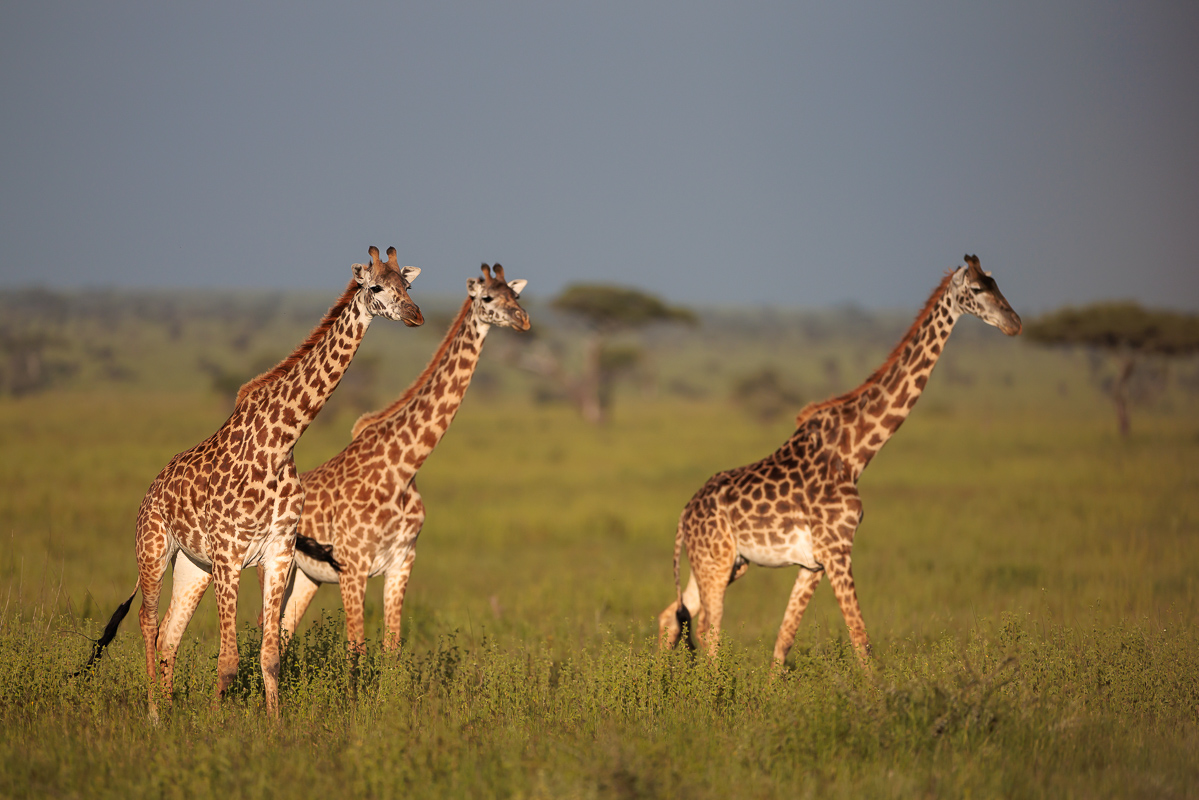
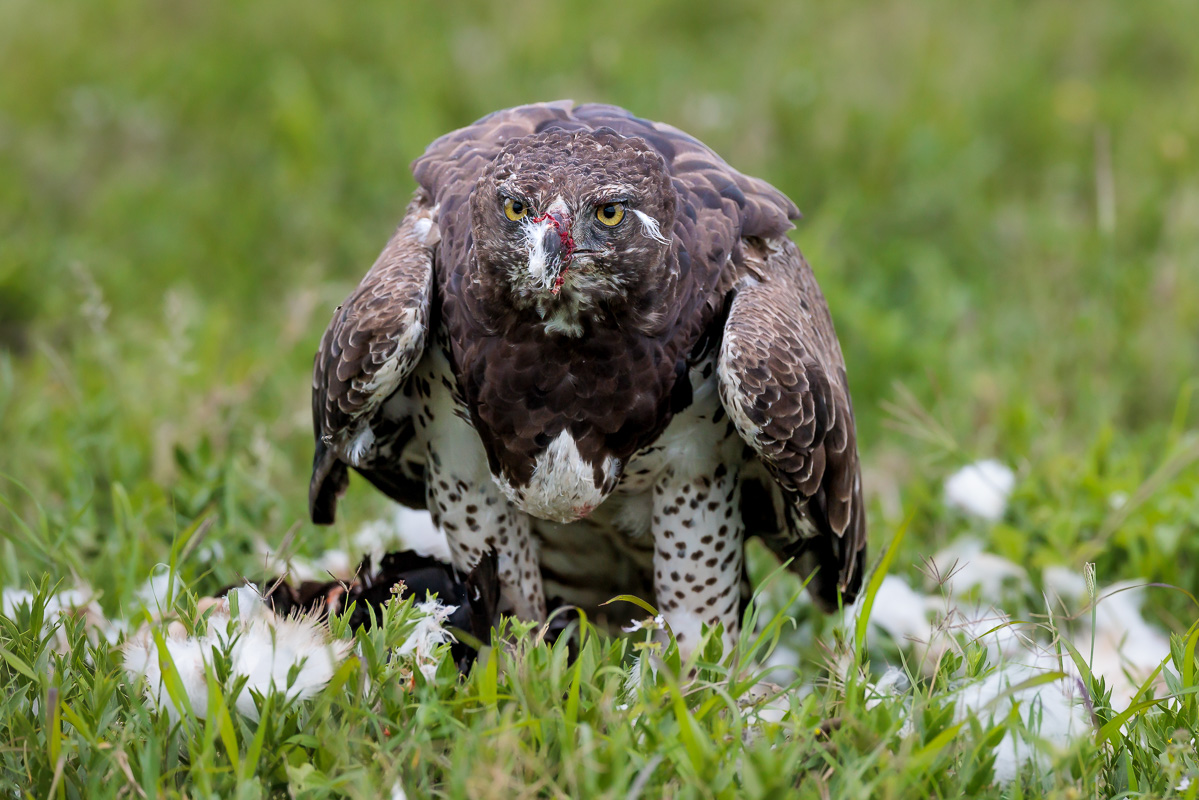
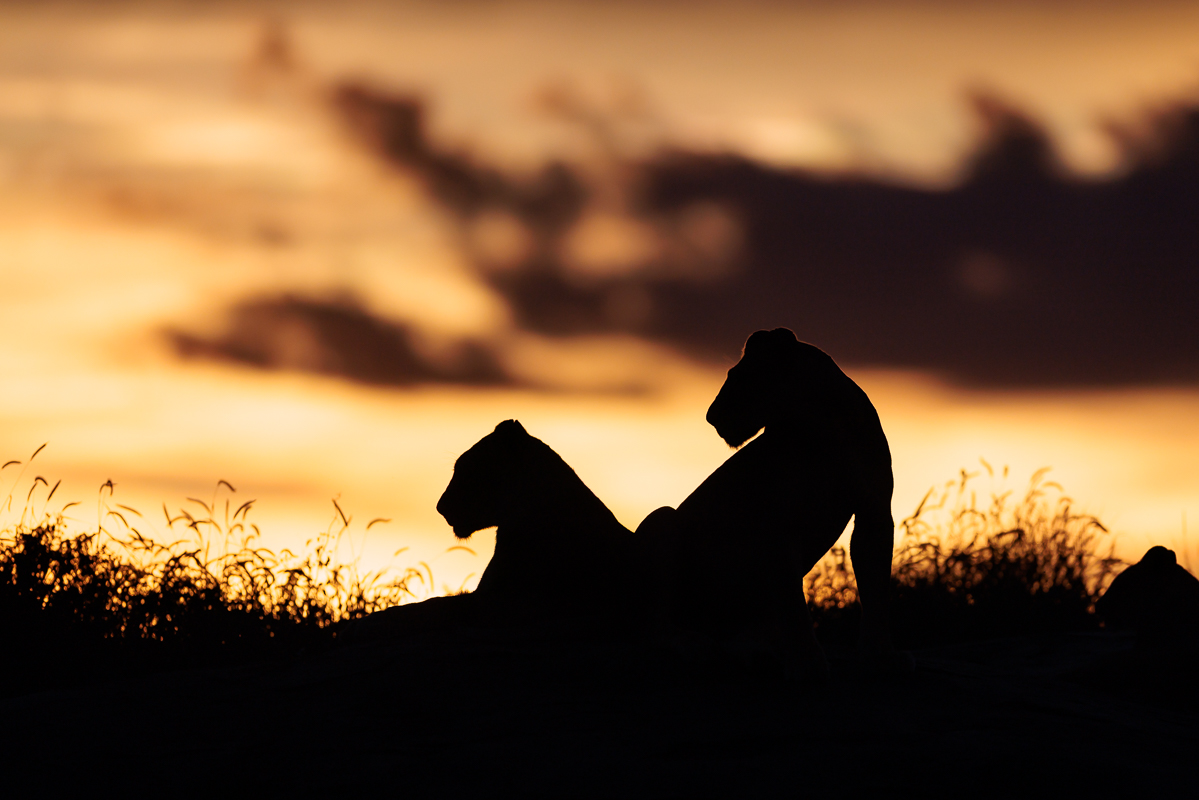
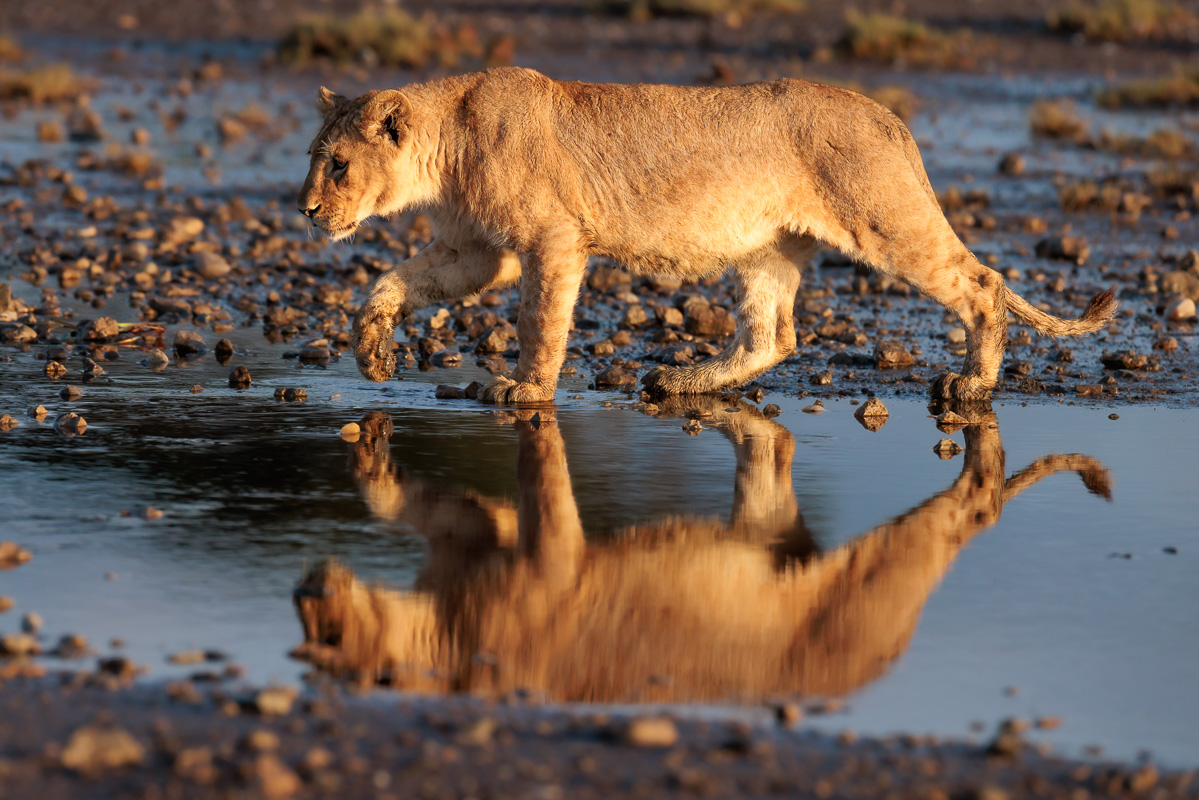
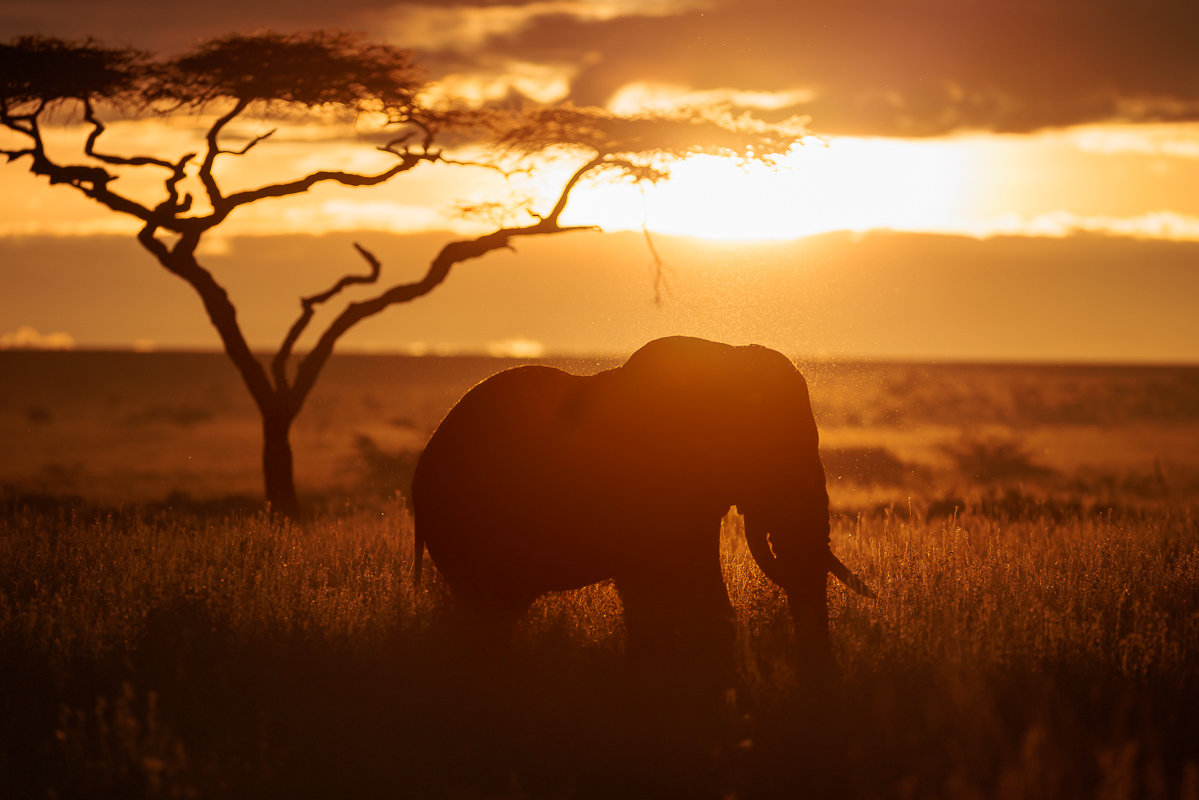
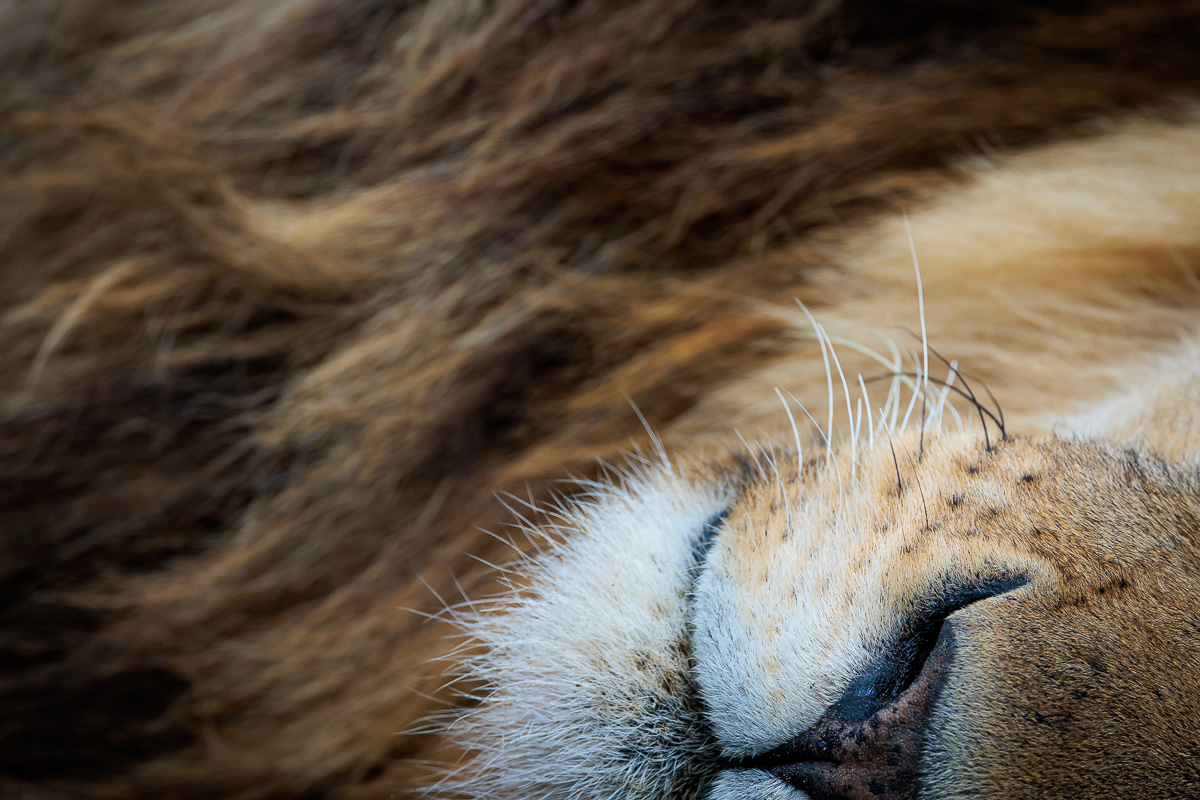
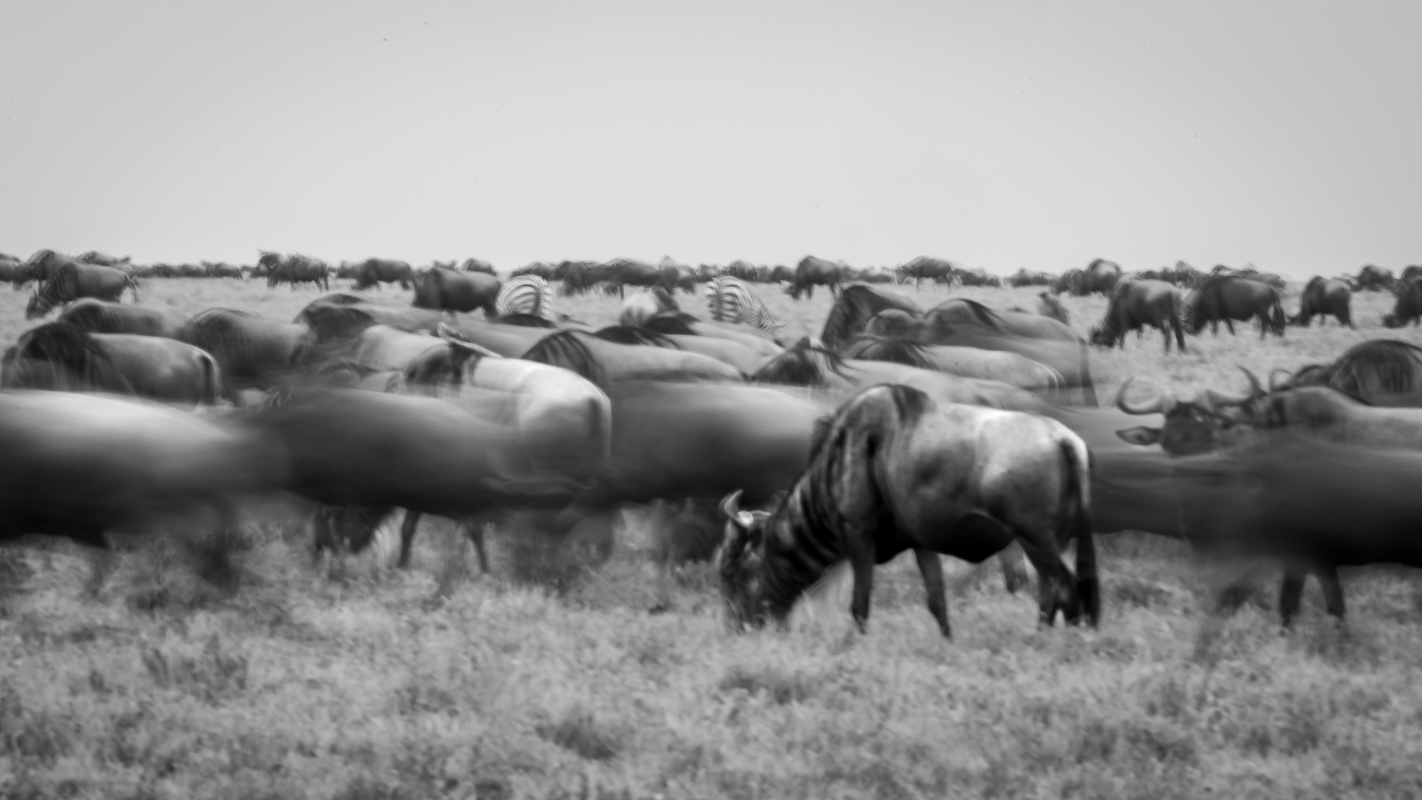
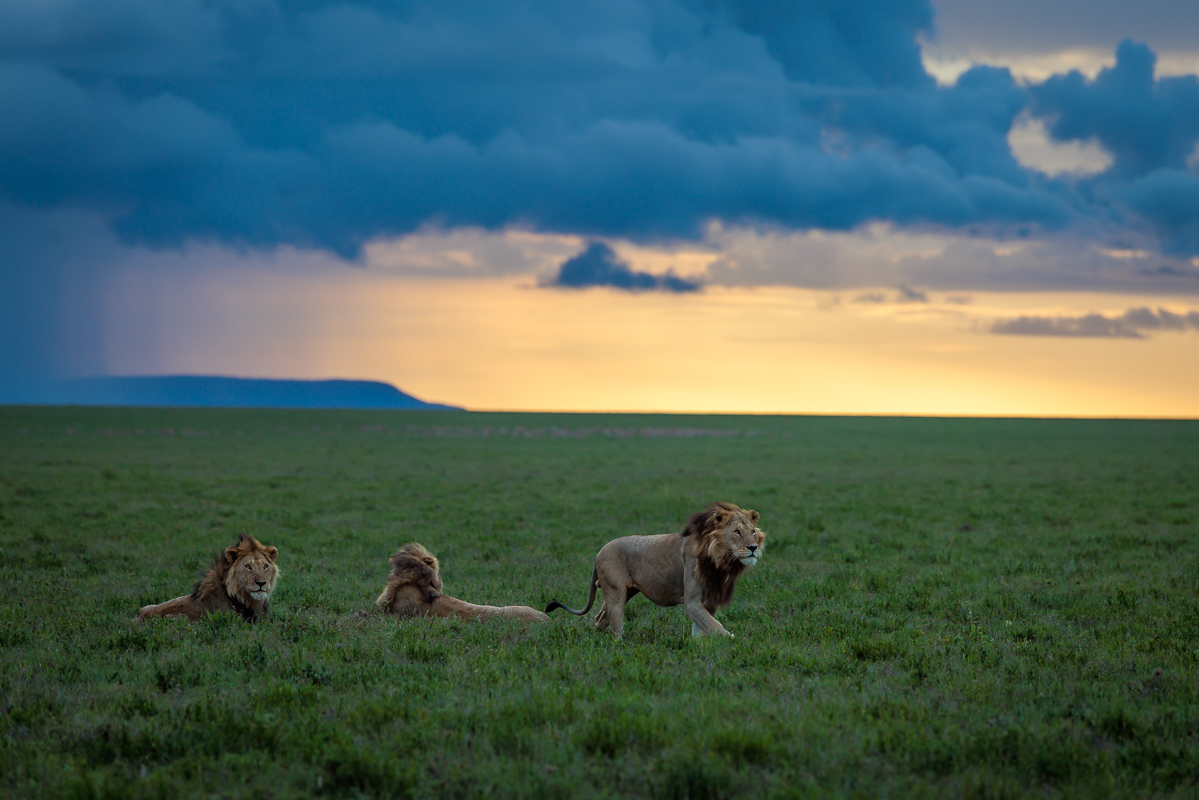
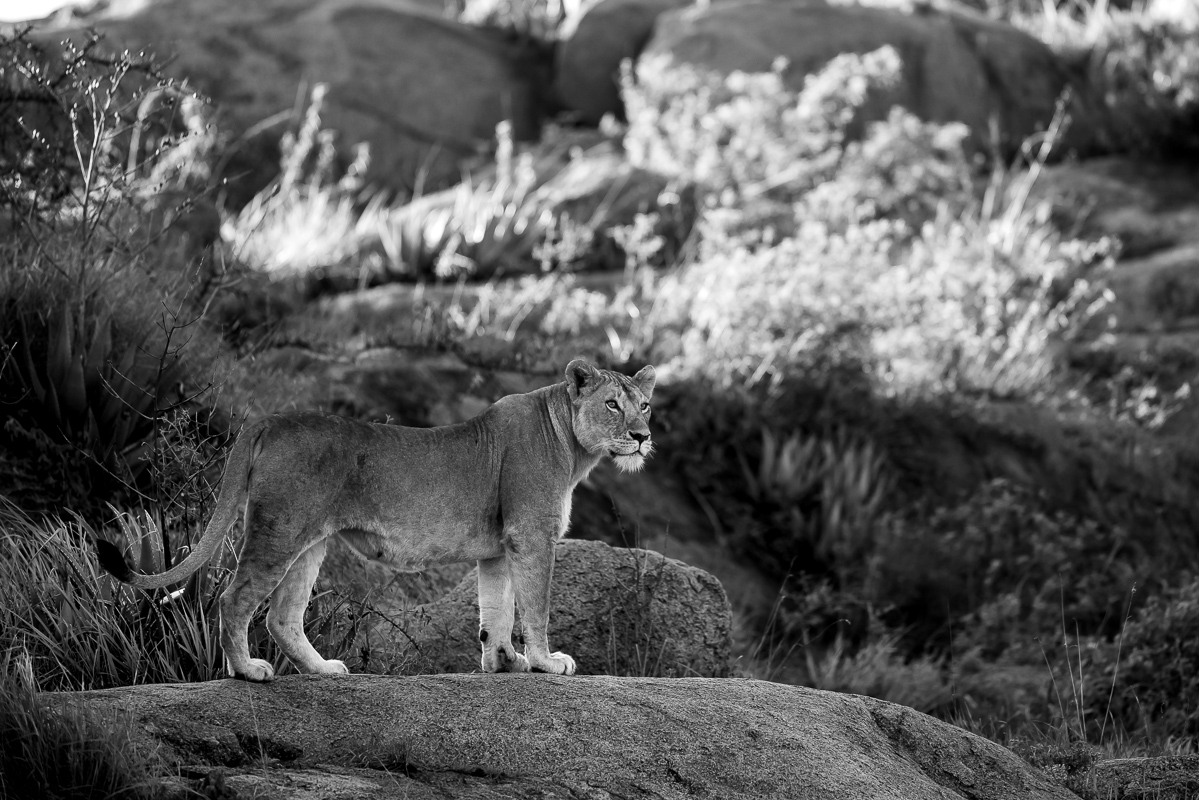
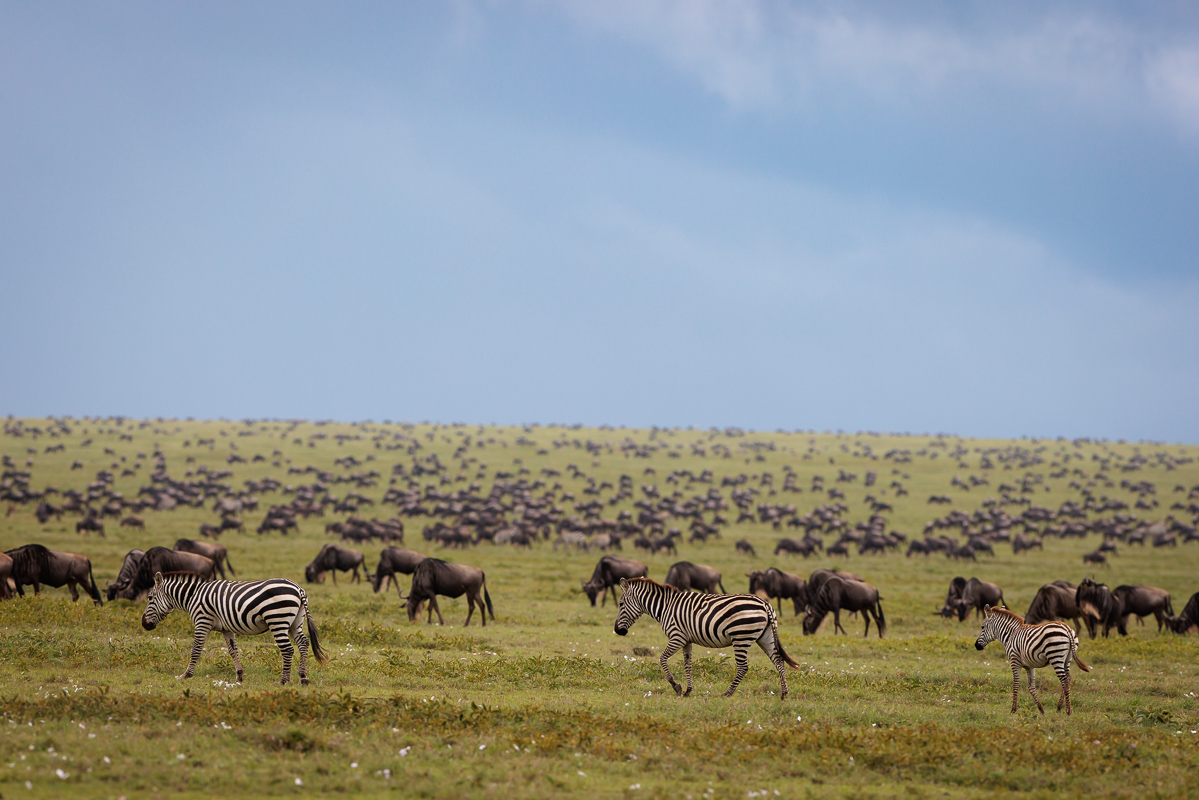
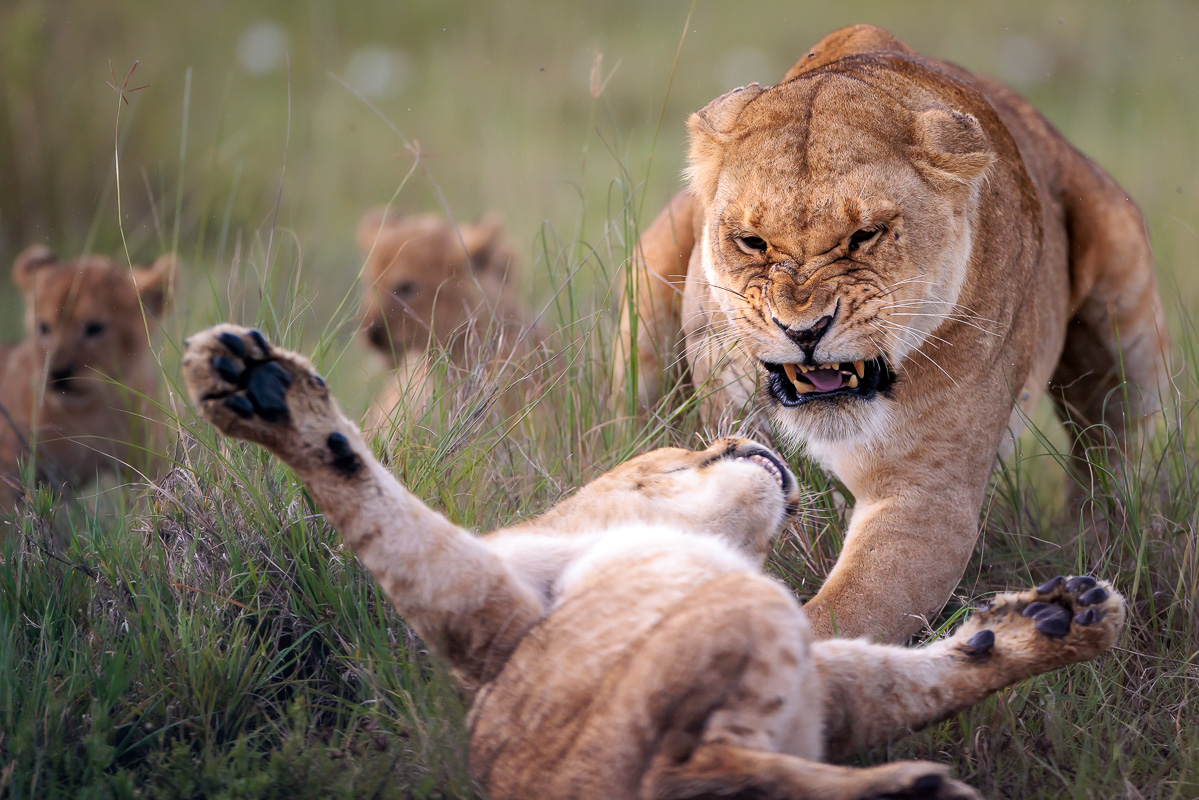
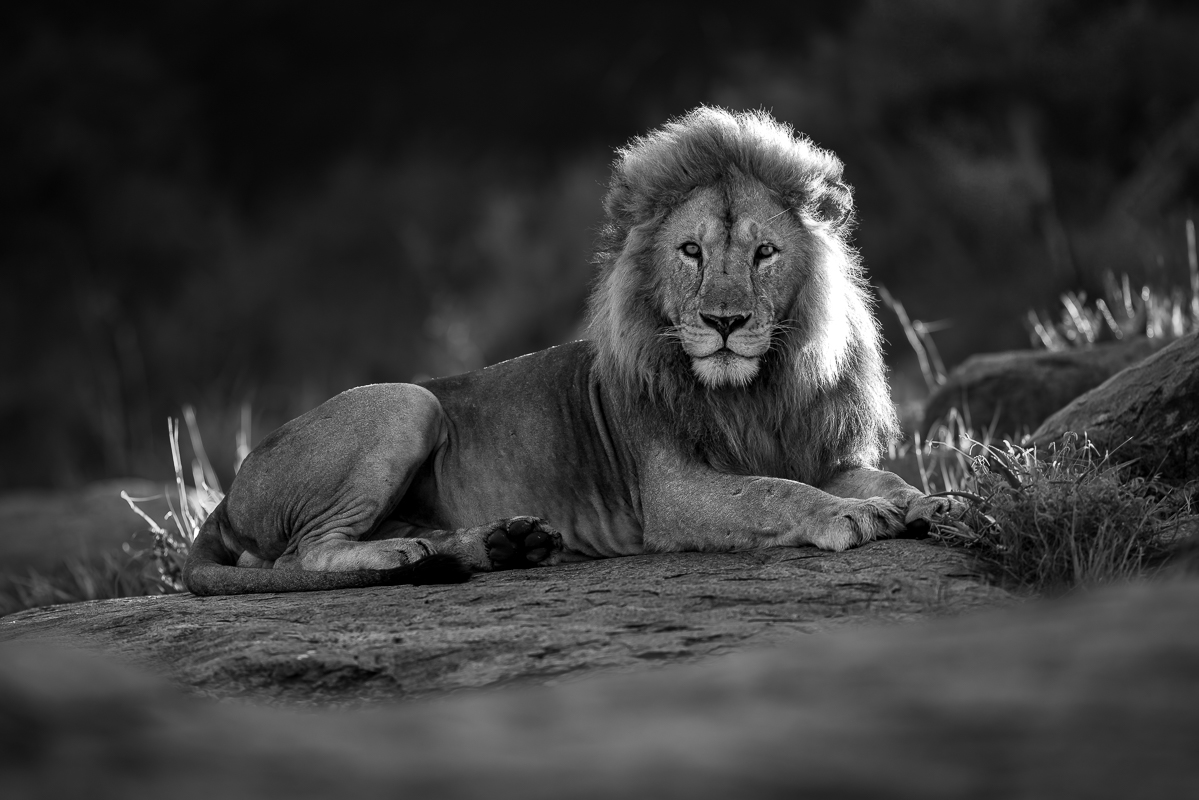
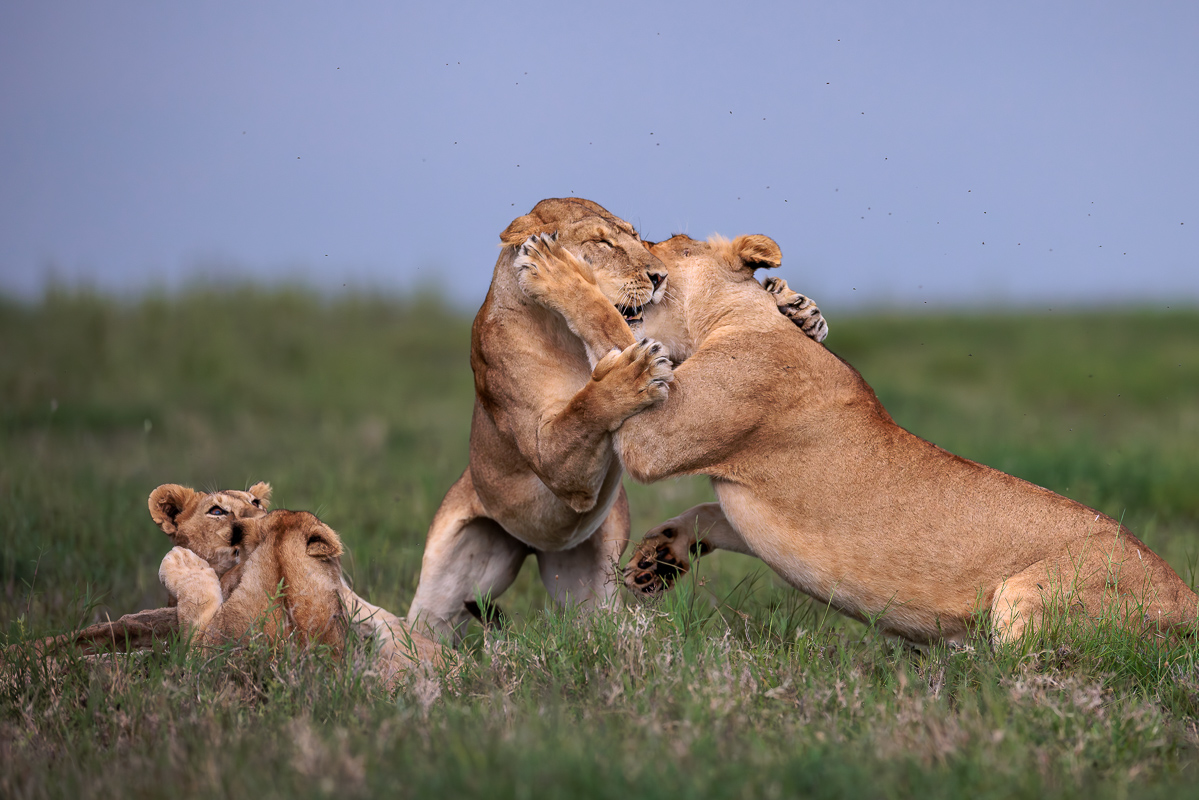
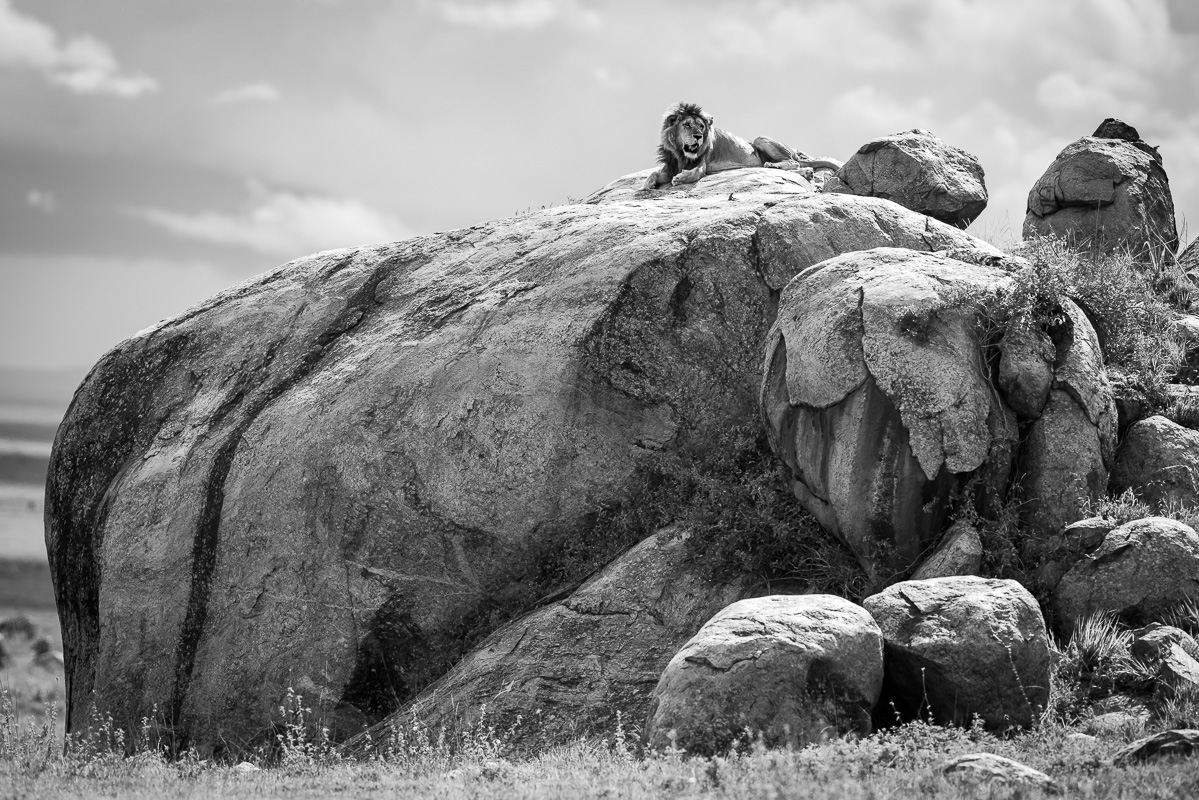
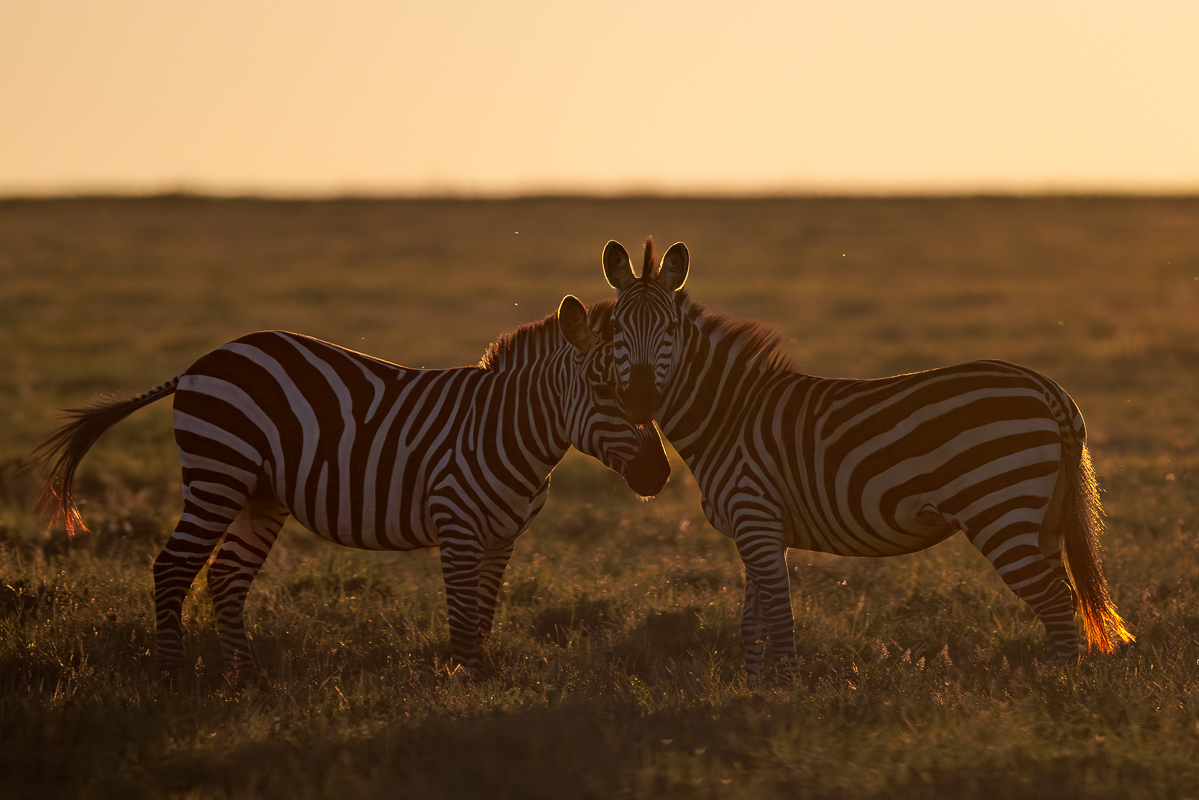
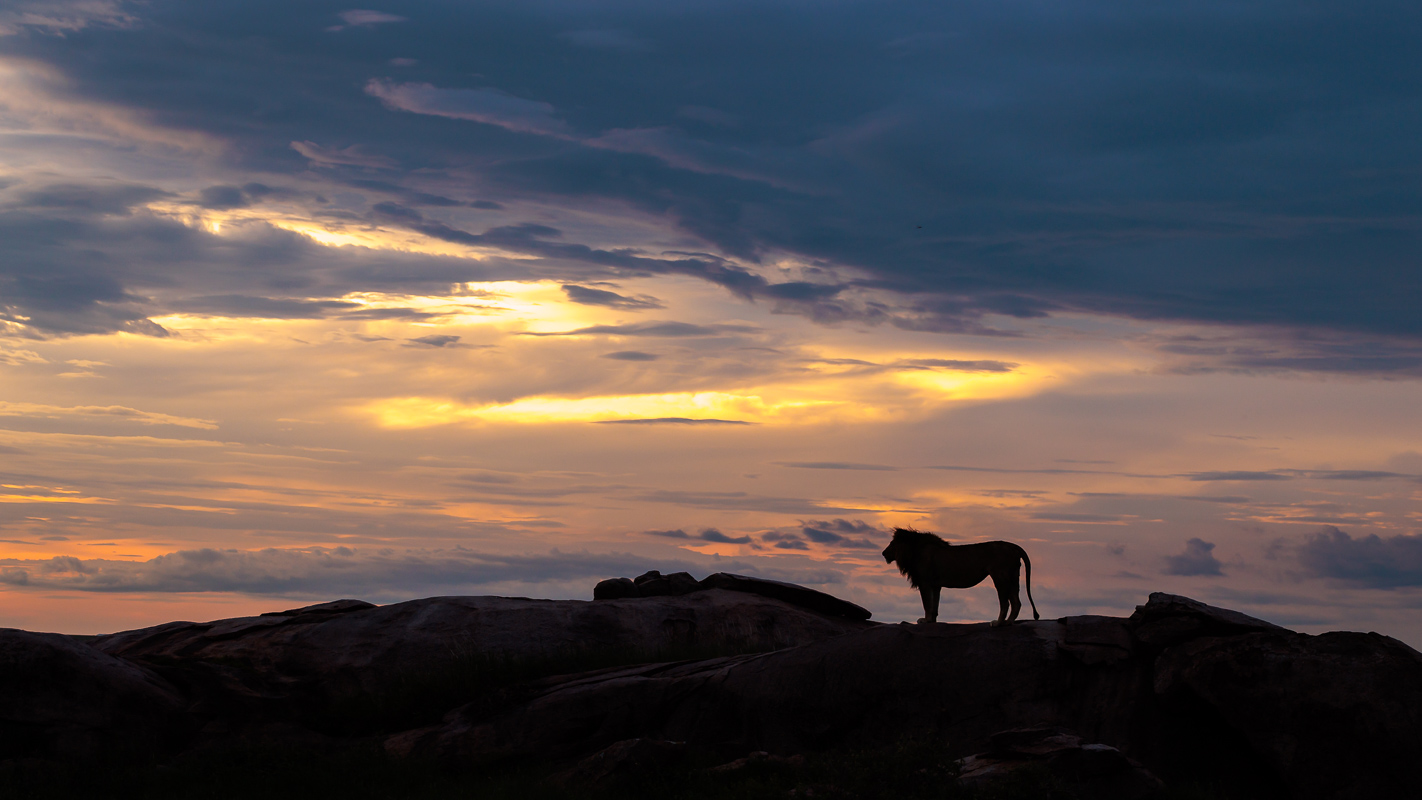
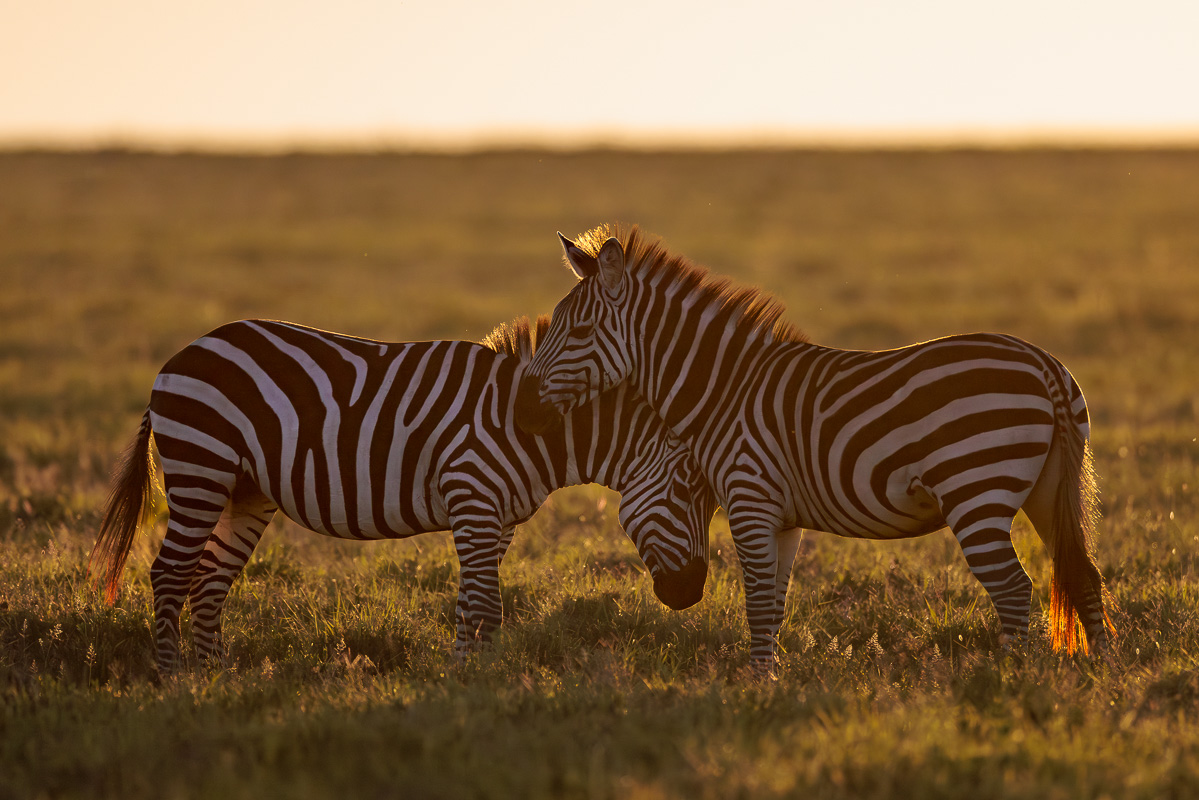
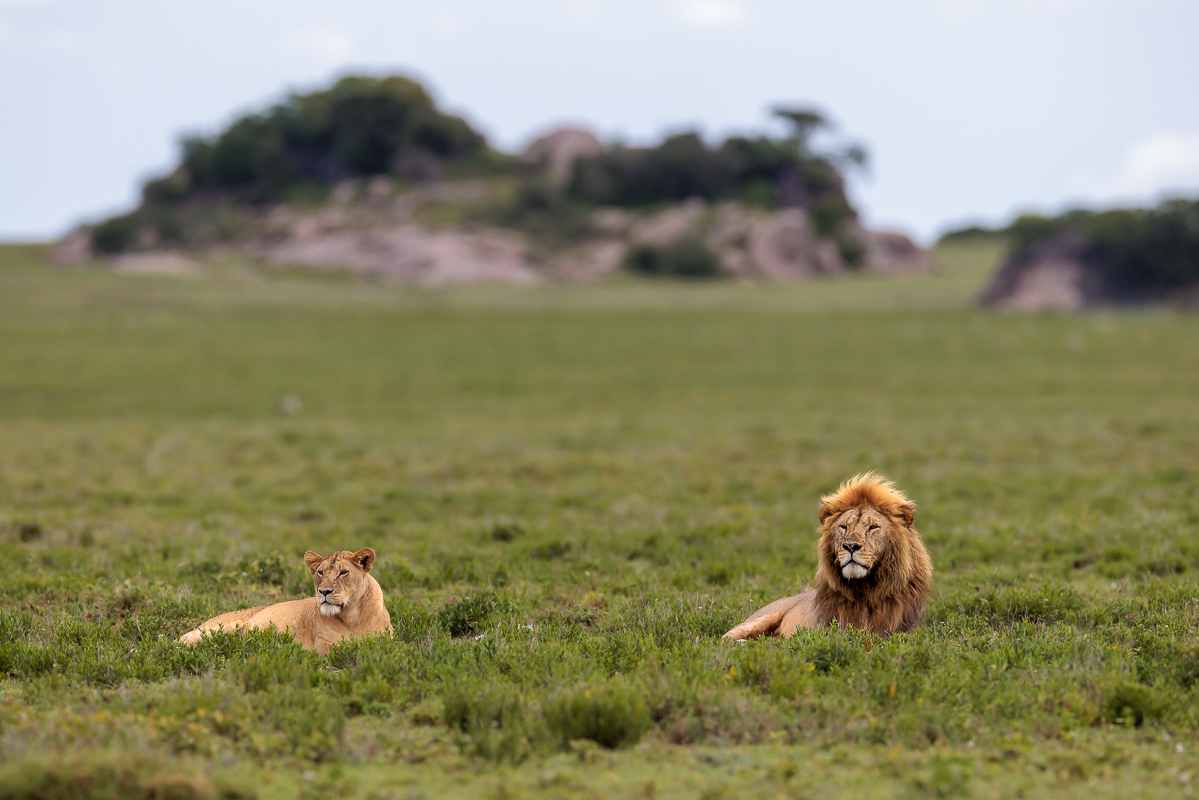
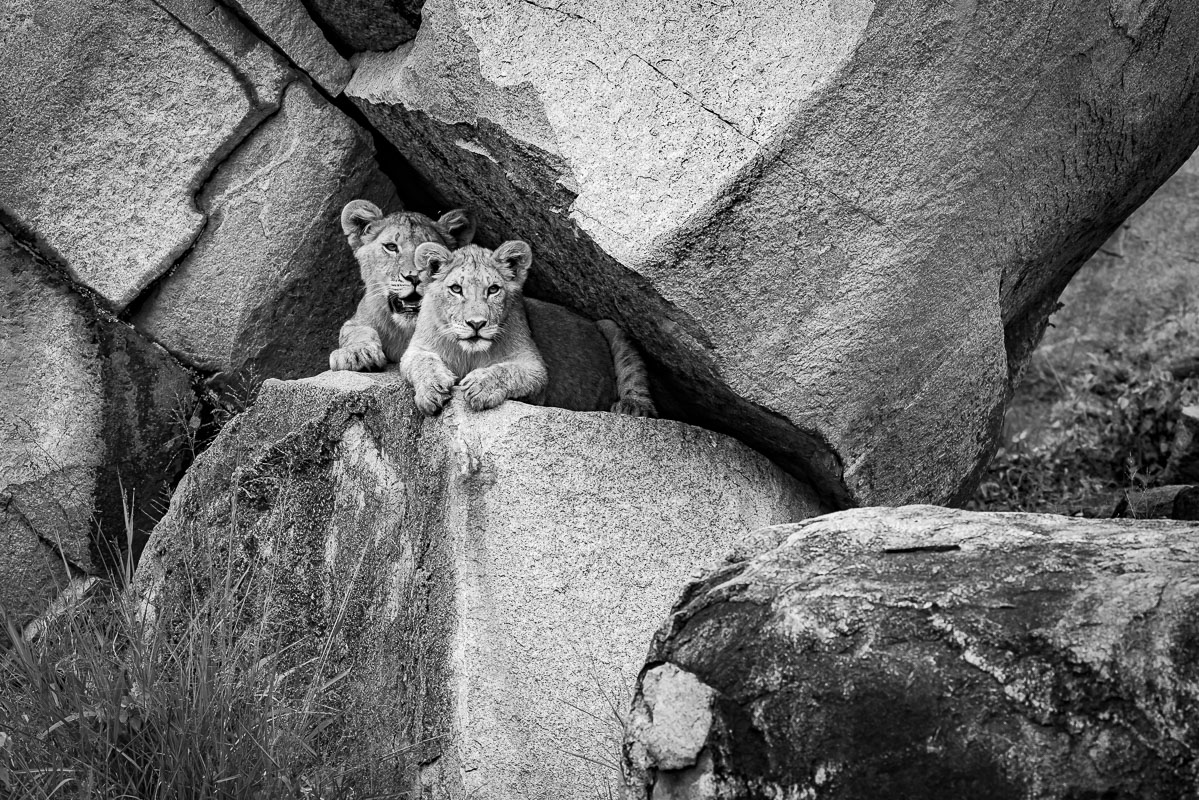
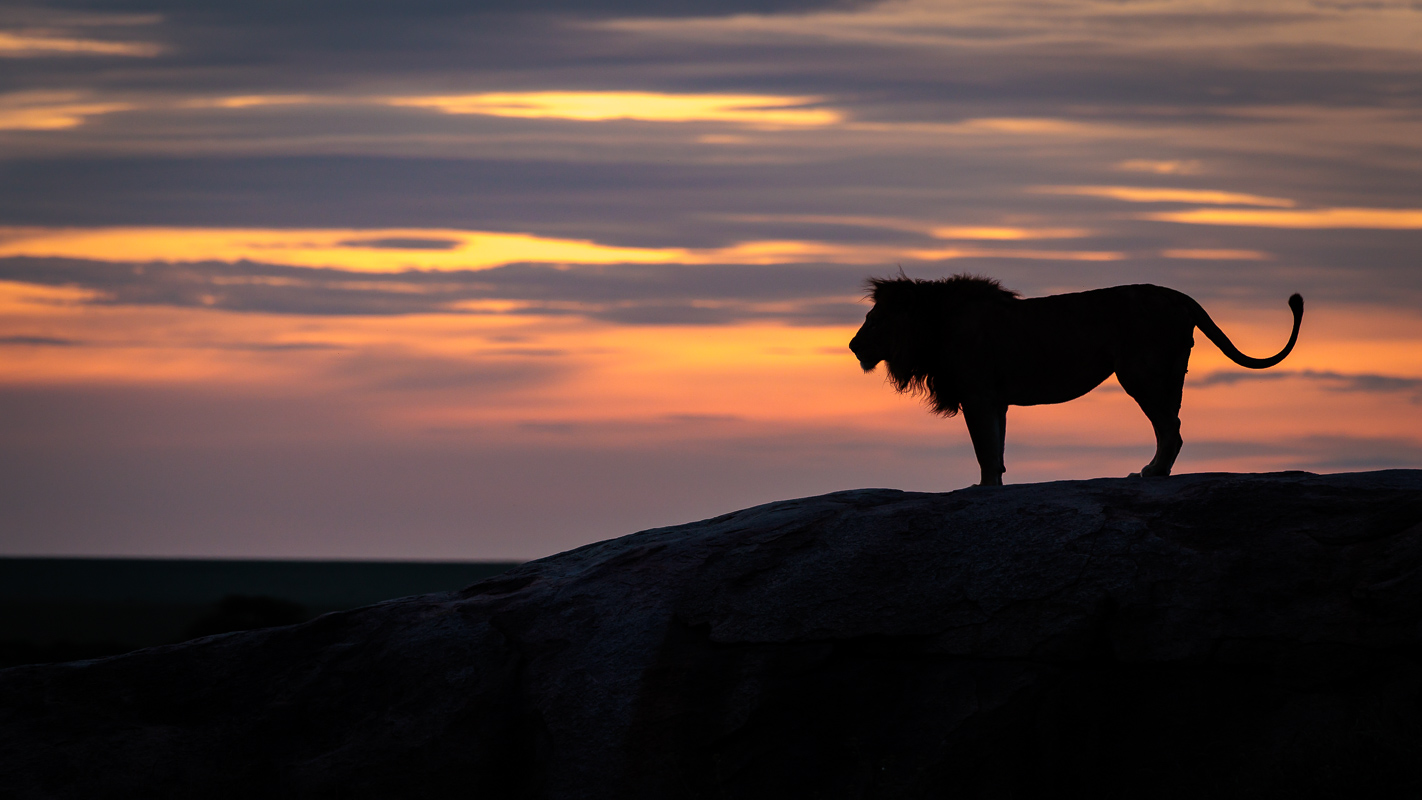
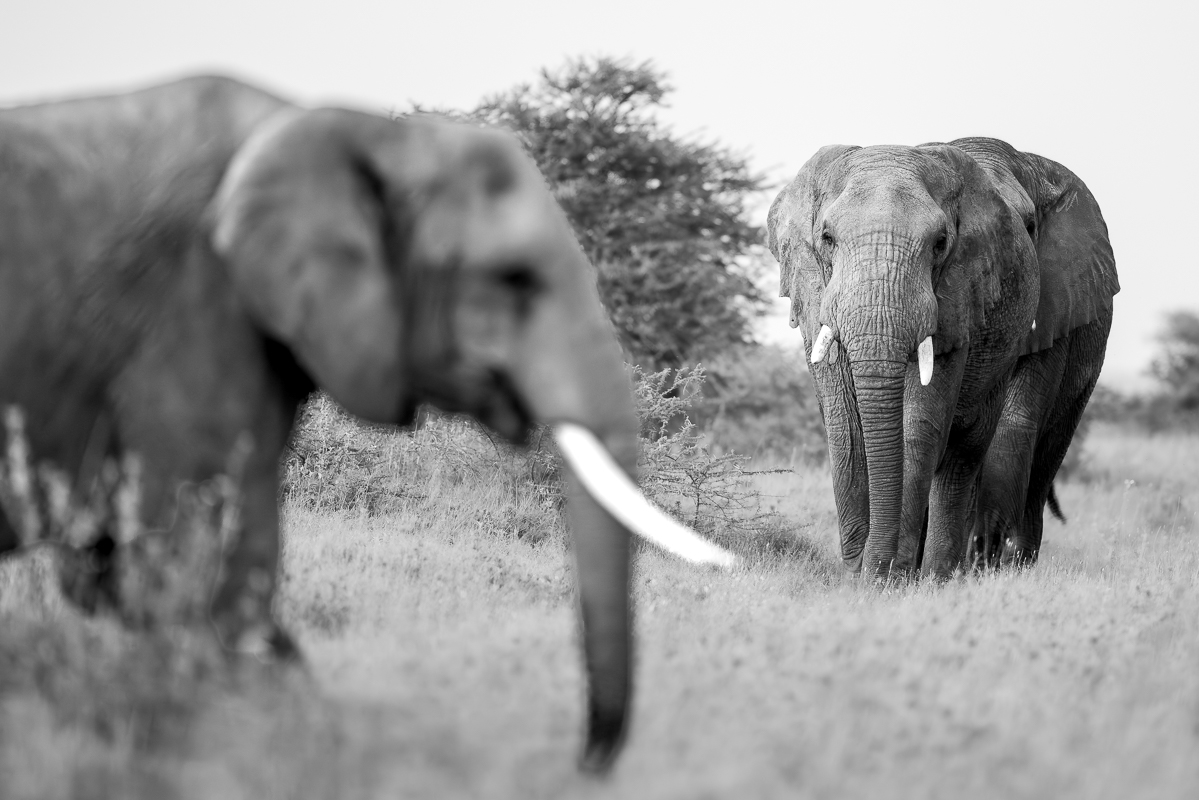
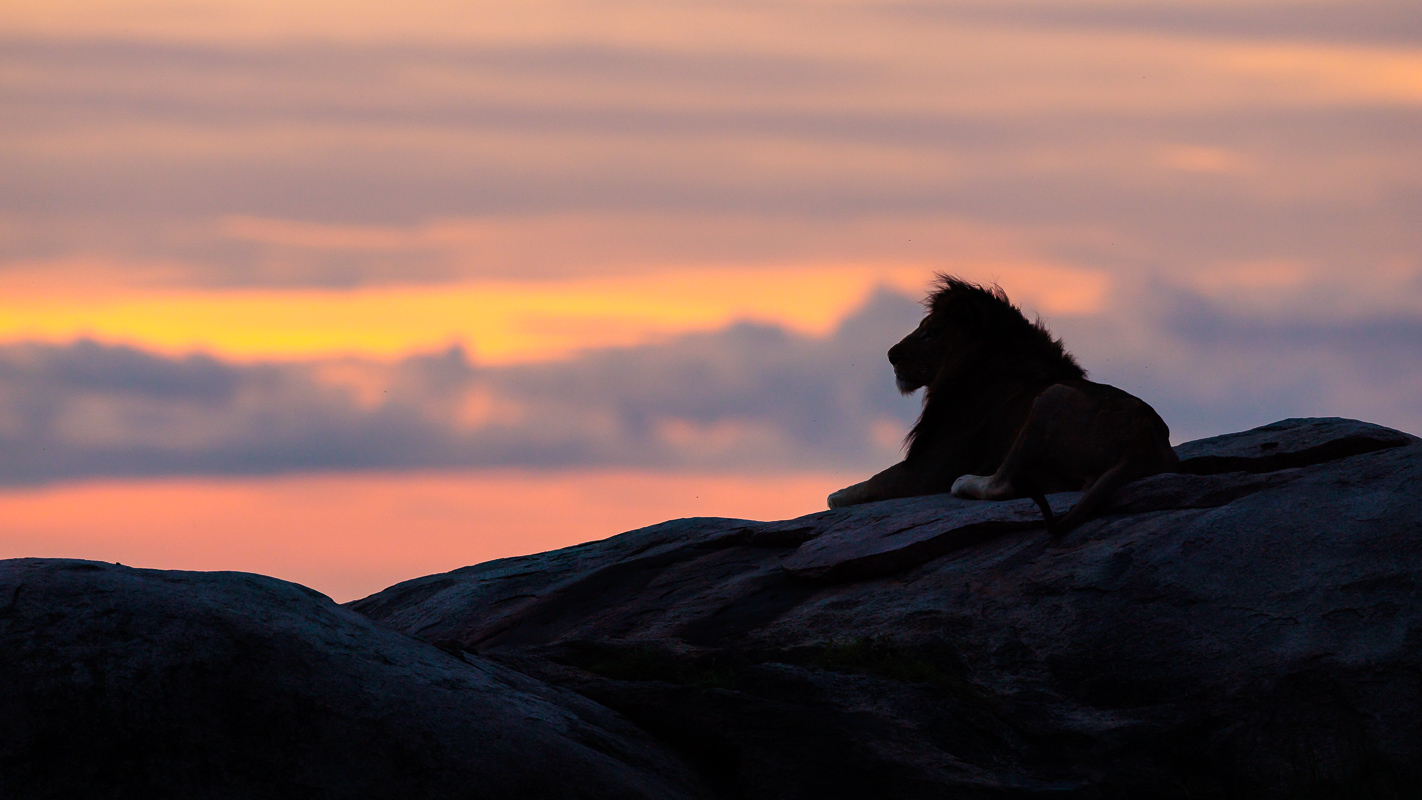
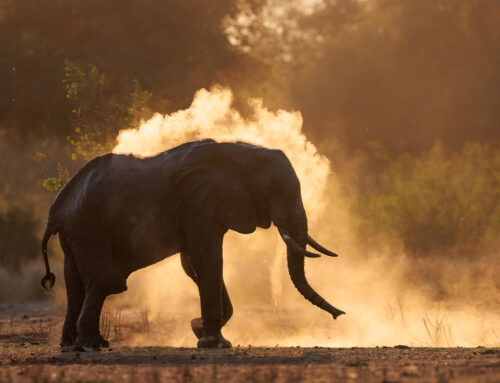
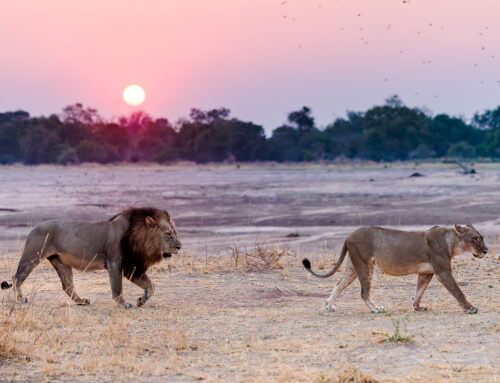
Over the two weeks, there were endless highlights; multiple caracal sightings (including a mother and well-grown cub), countless lions (including a large male who mounted a rock as the sky developed the best colours of sunset), cheetahs hunting (9 hunts, 7 of which were successful), a single African wild cat, servals, massive herds of wildebeest and zebra (we gave time to simply sitting on outlook points to absorb this spectacle) and so much action on a daily basis. It was extraordinary. I will be back in this area next year, and possibly in November this year (2026!) so please get in touch if you would like to experience the Serengeti in the way that it should be seen.
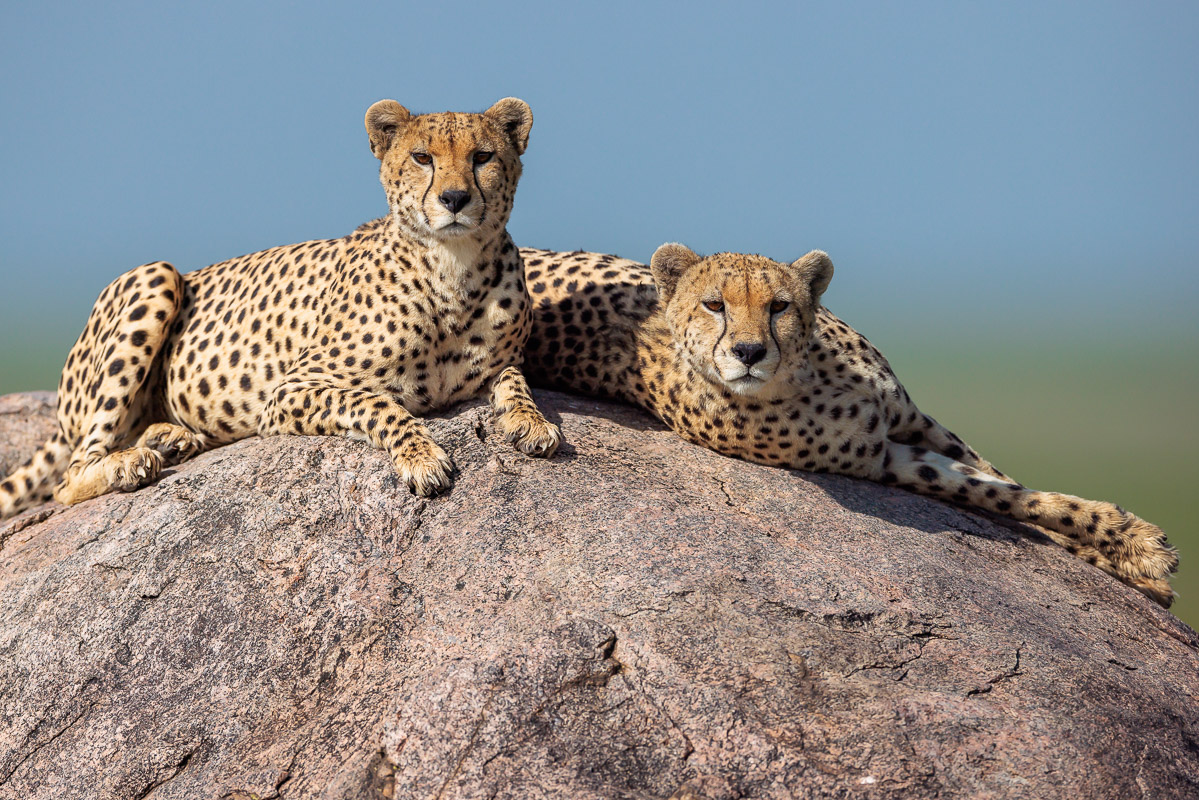
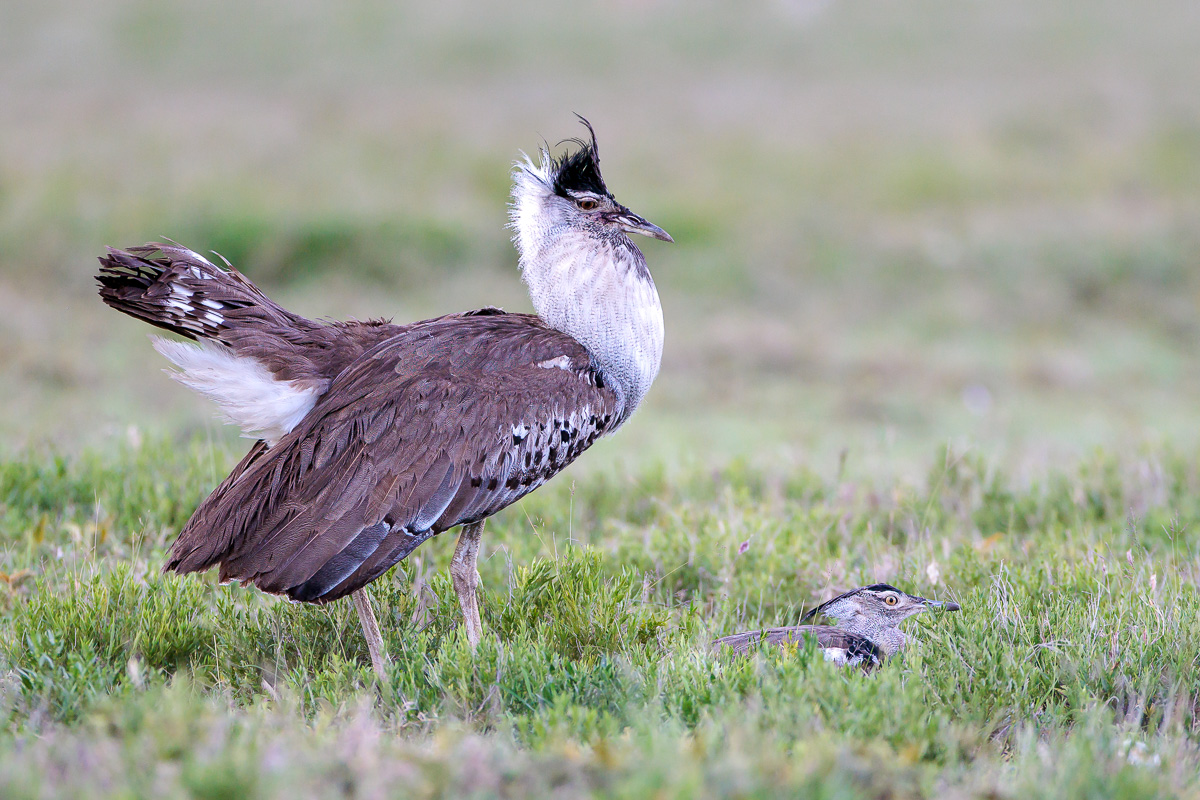
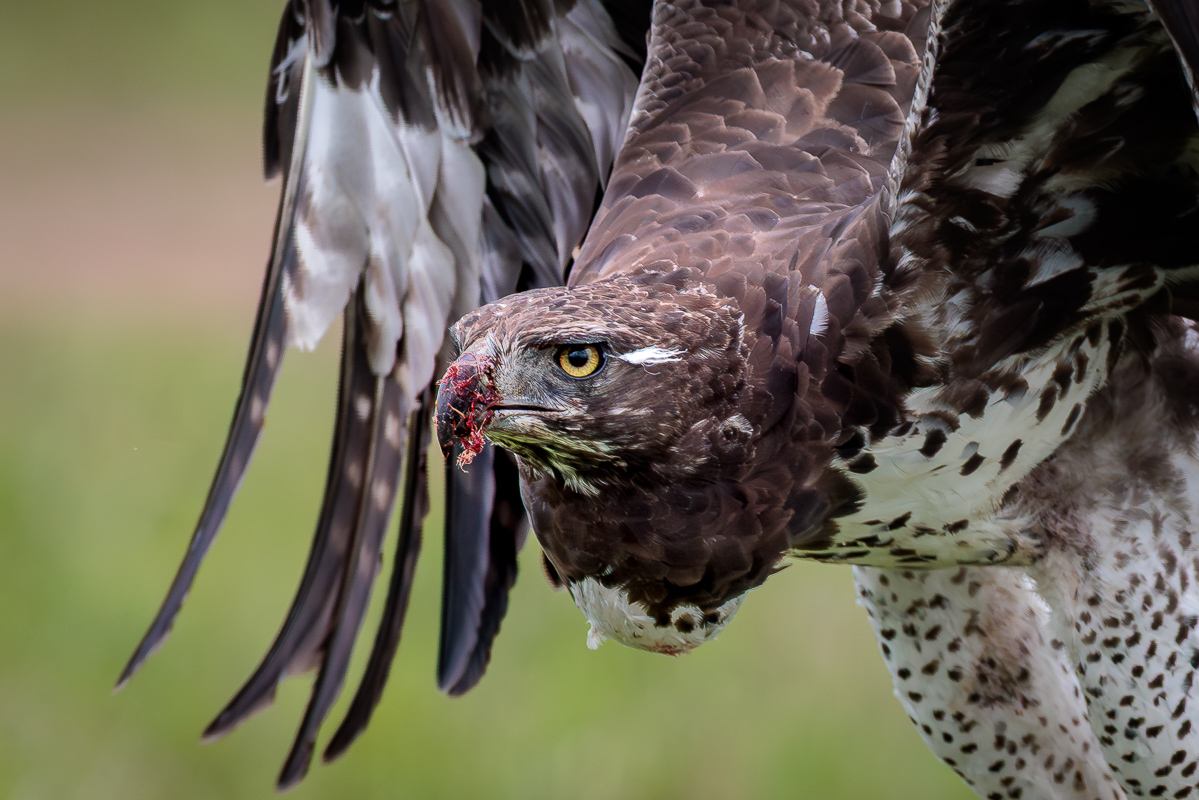
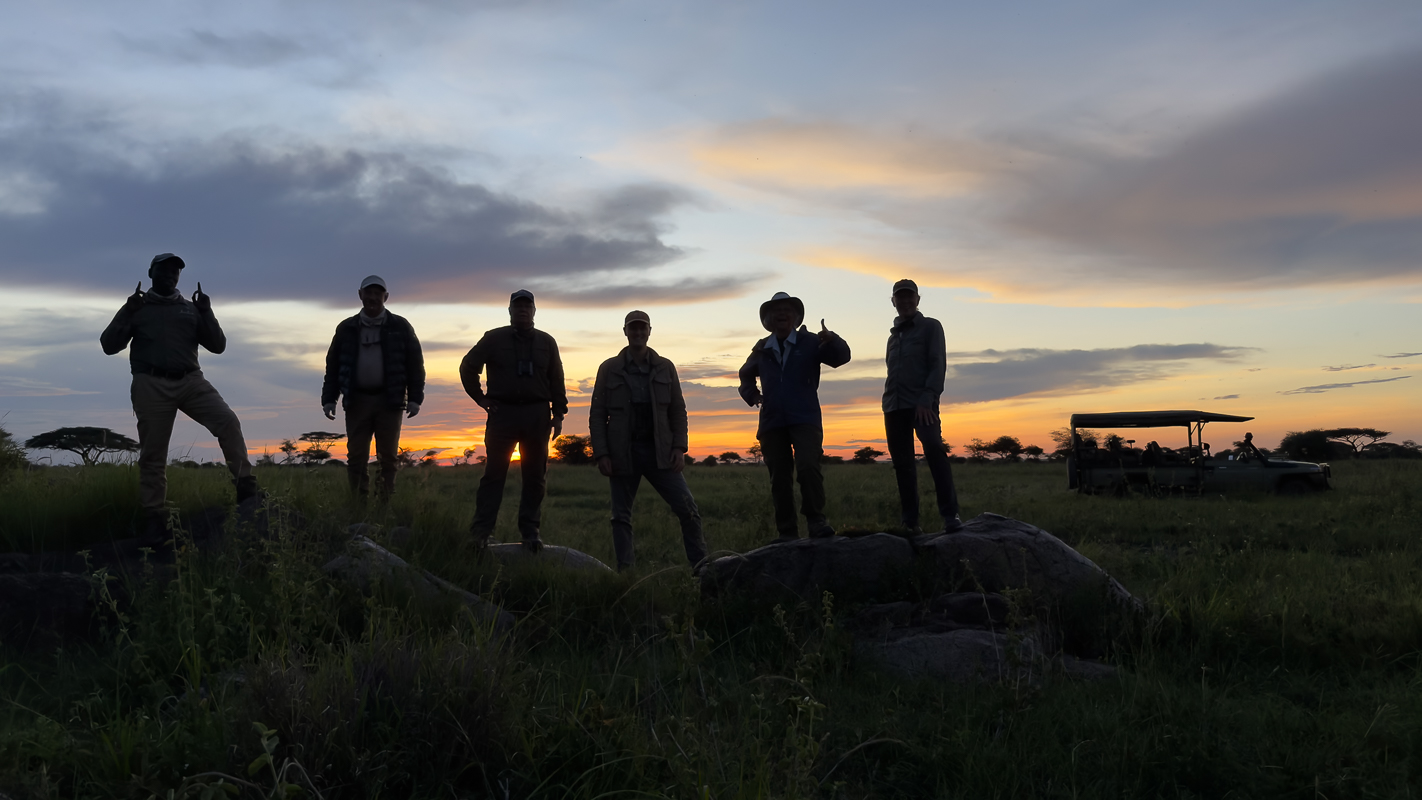
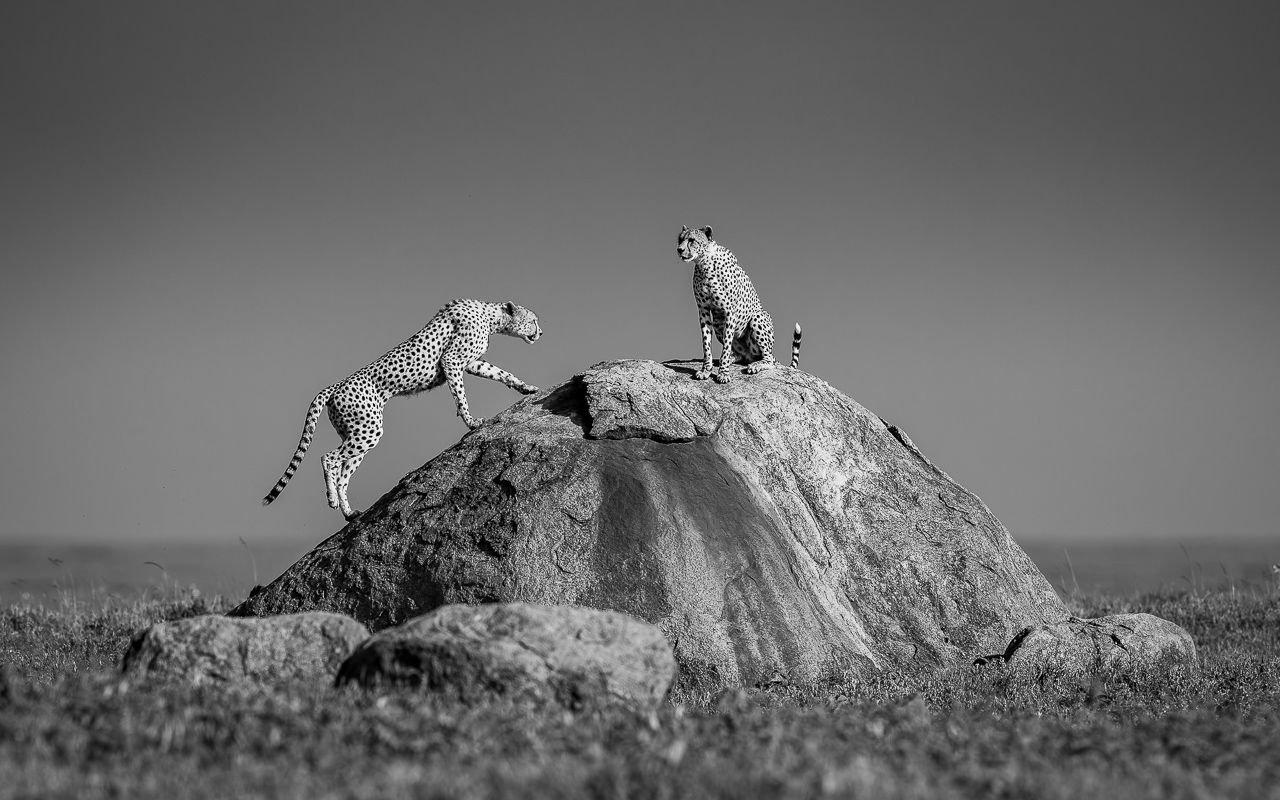
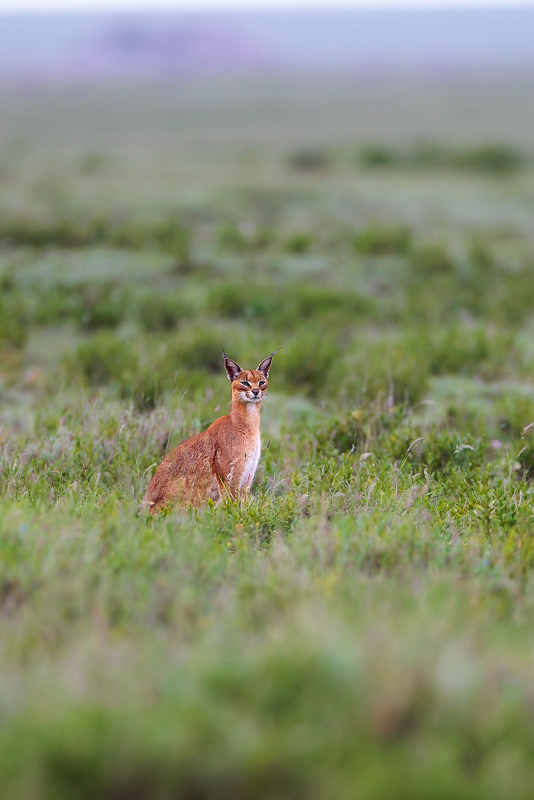
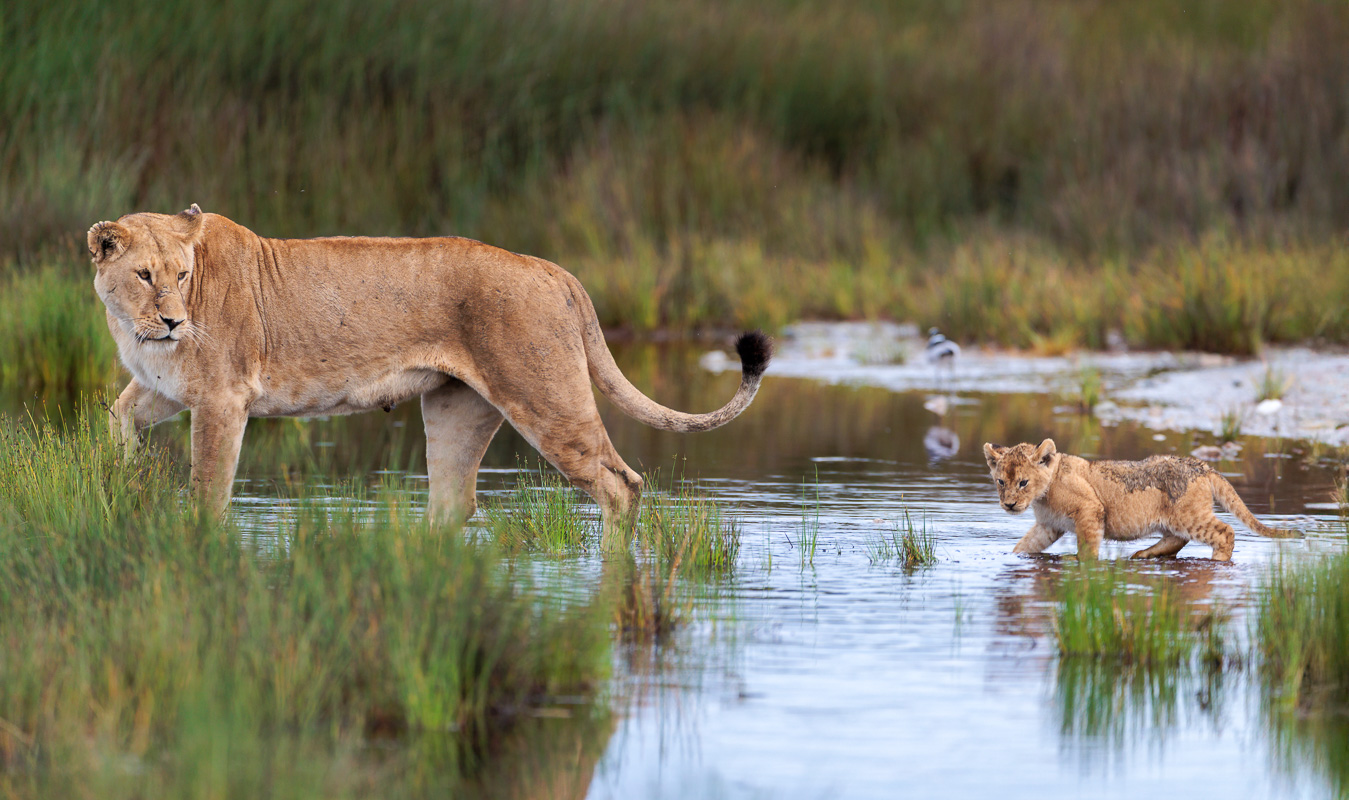
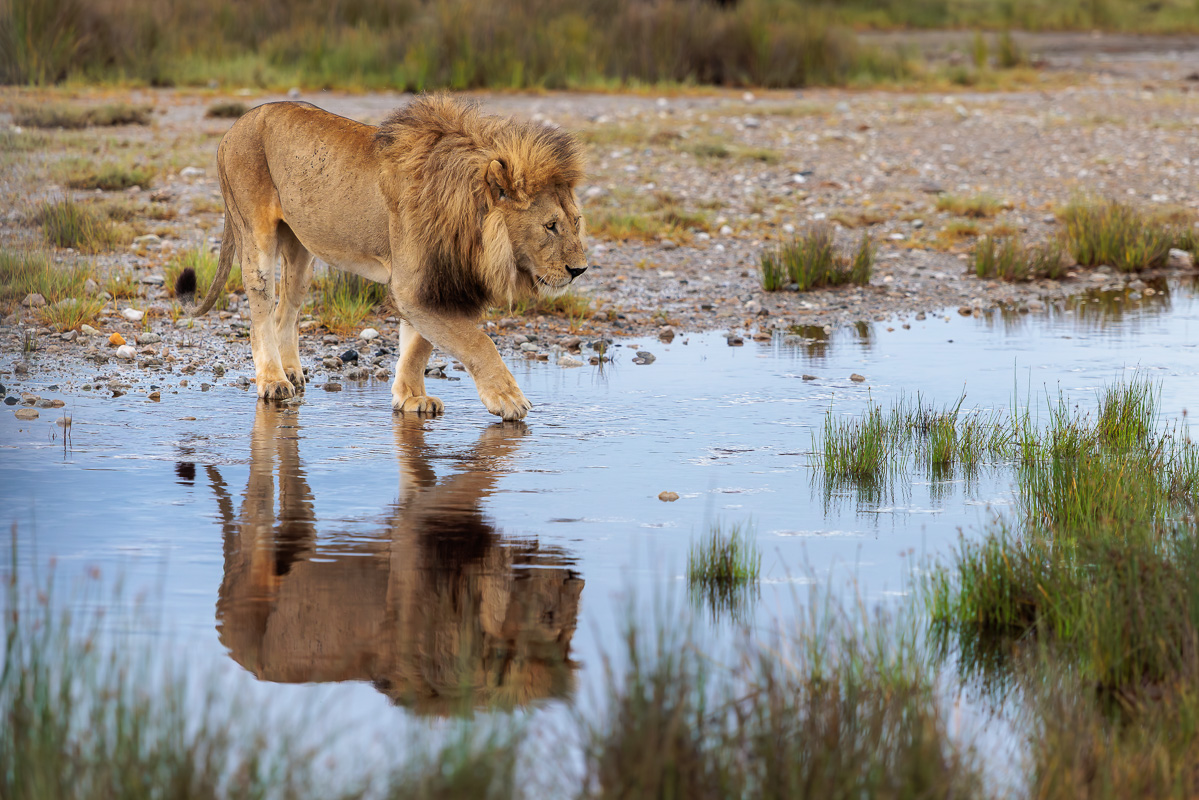
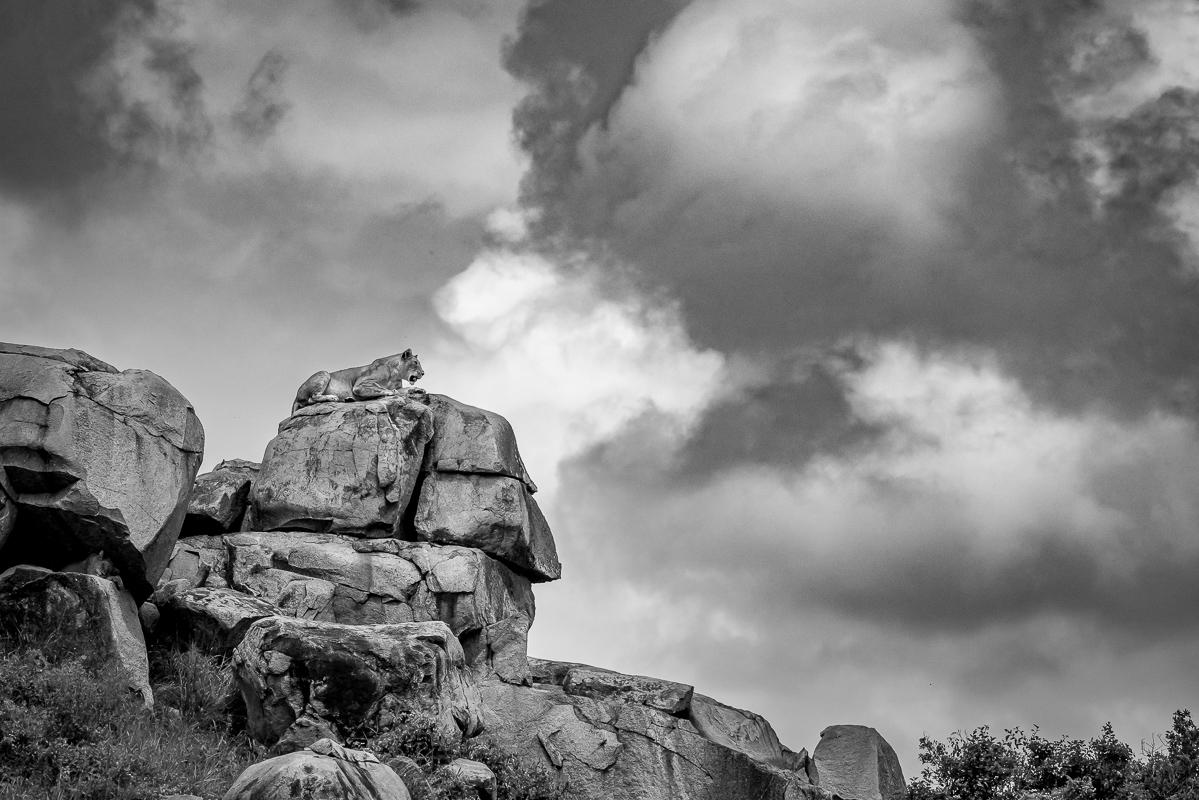
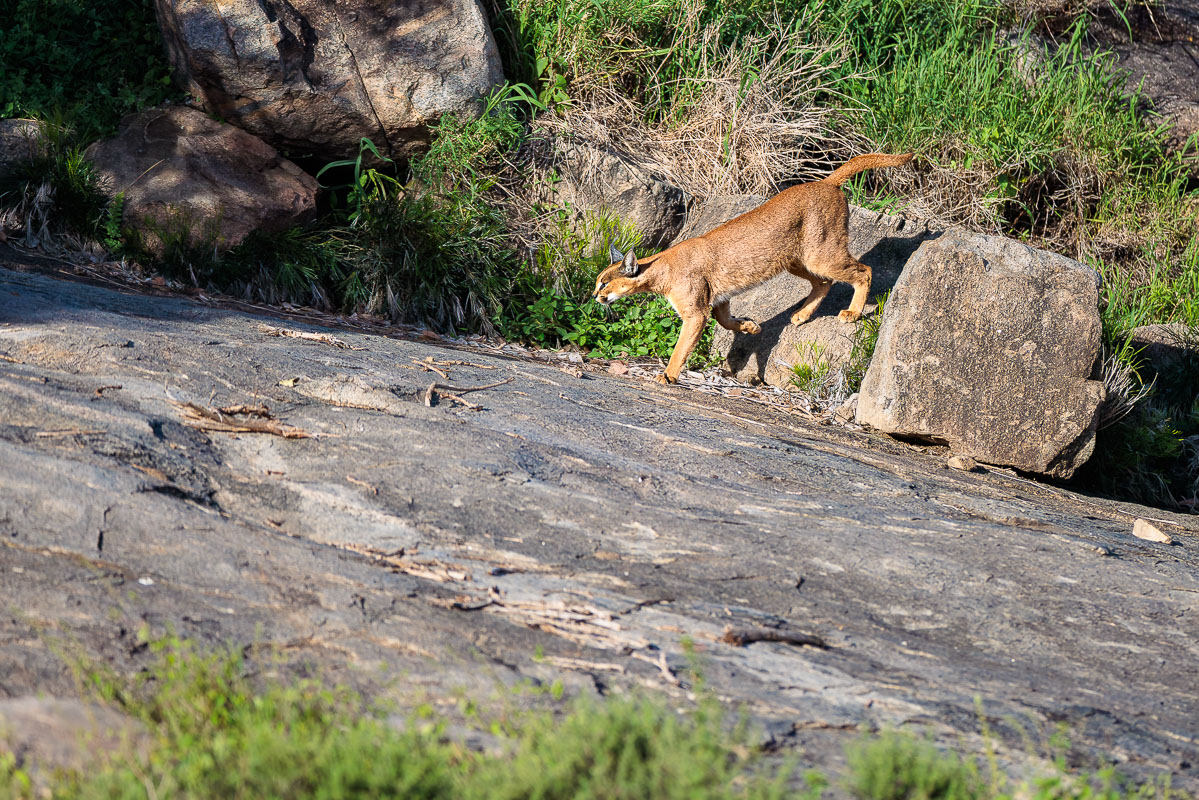
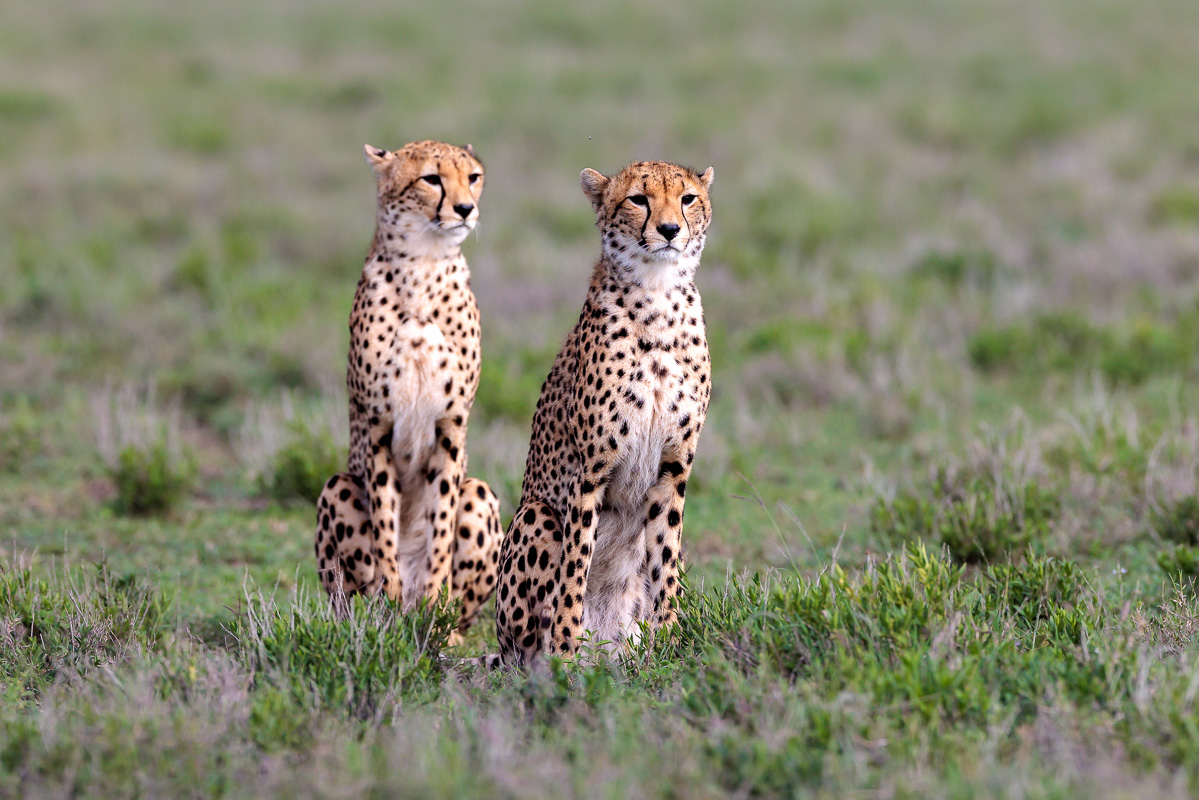
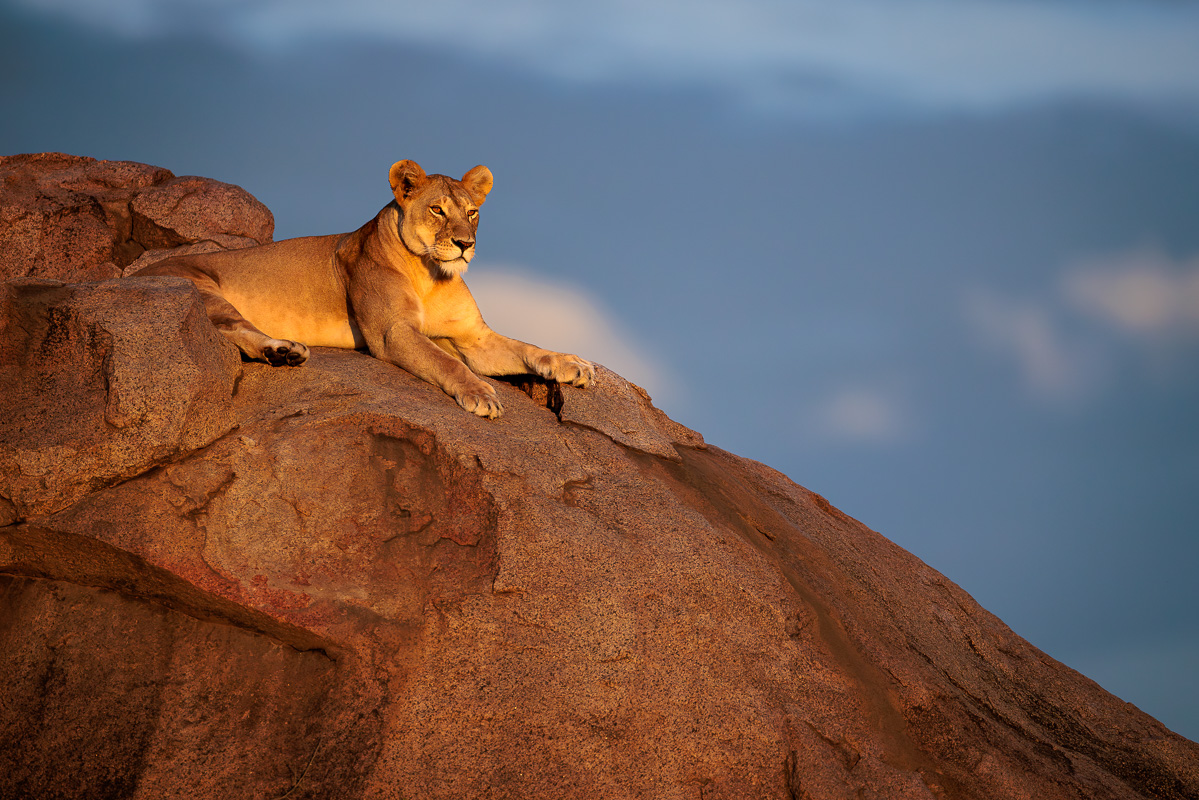
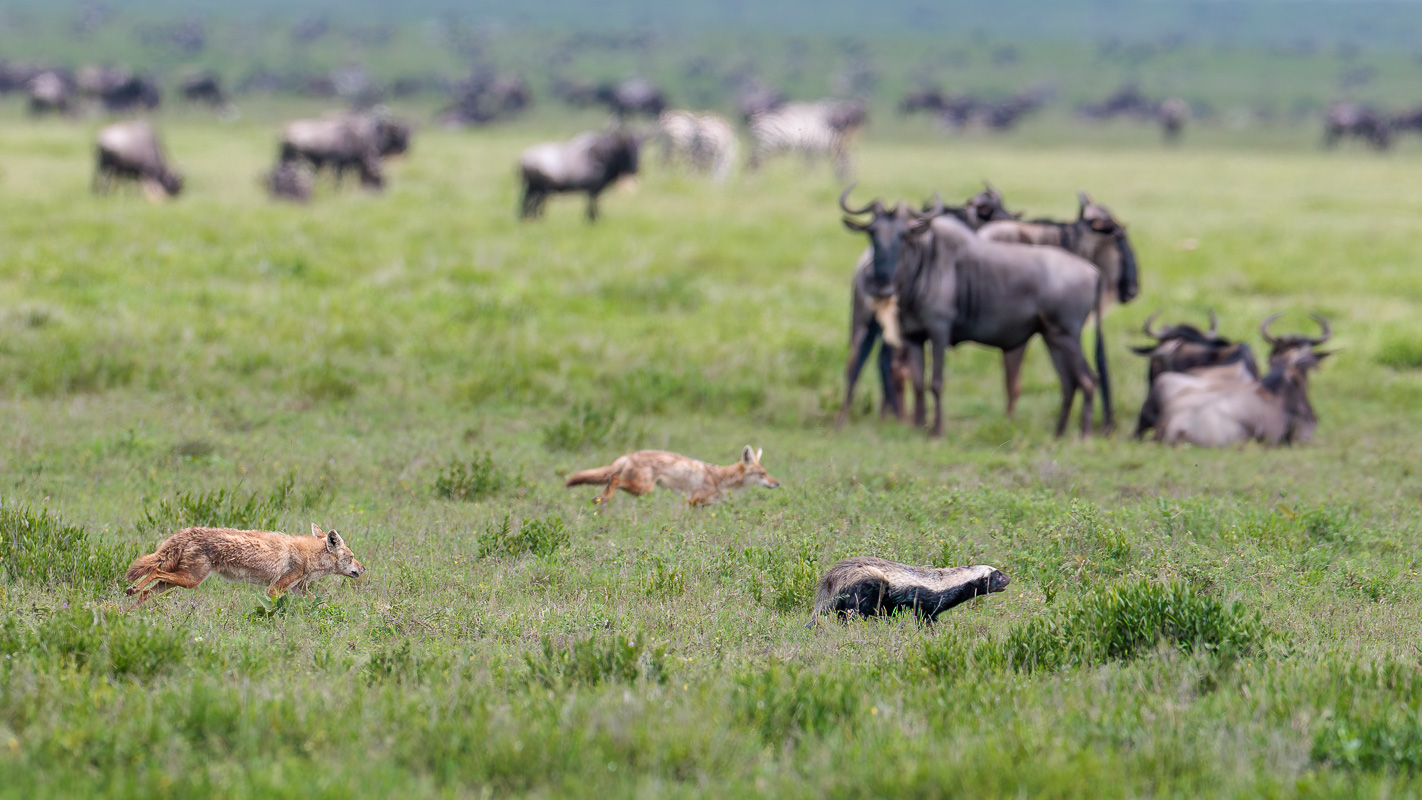
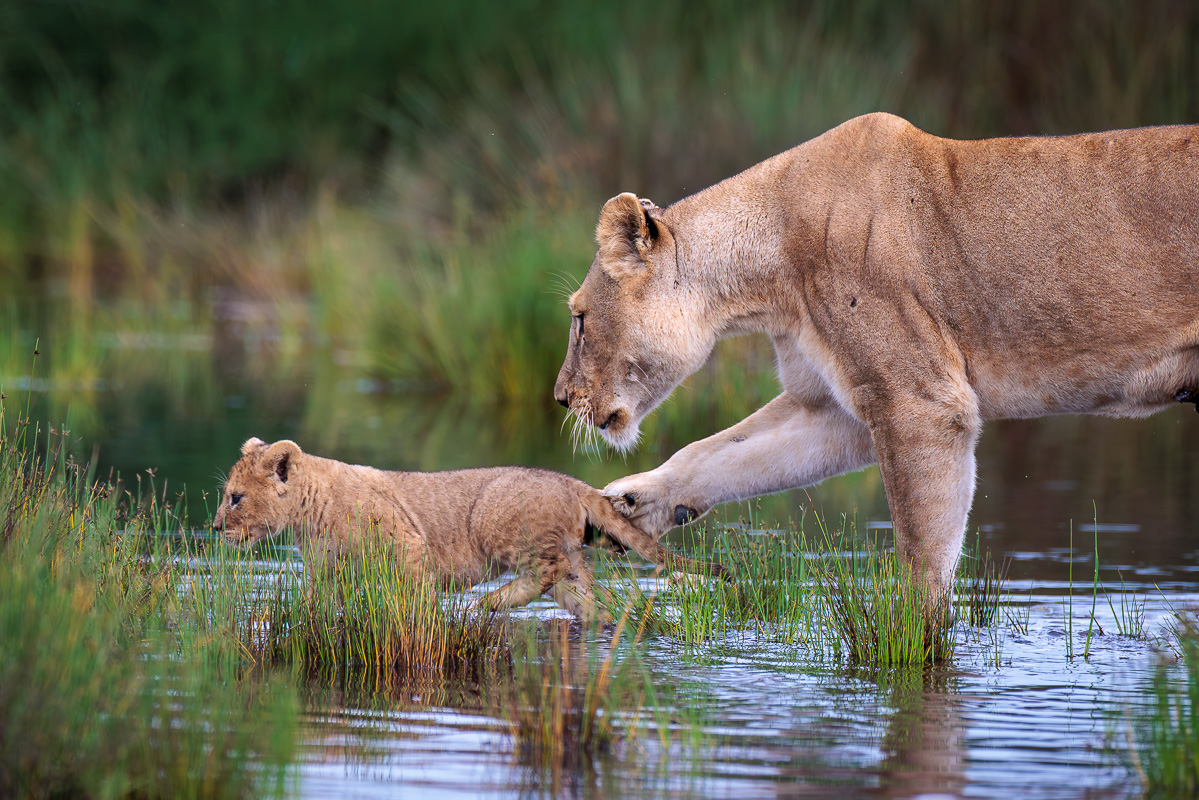
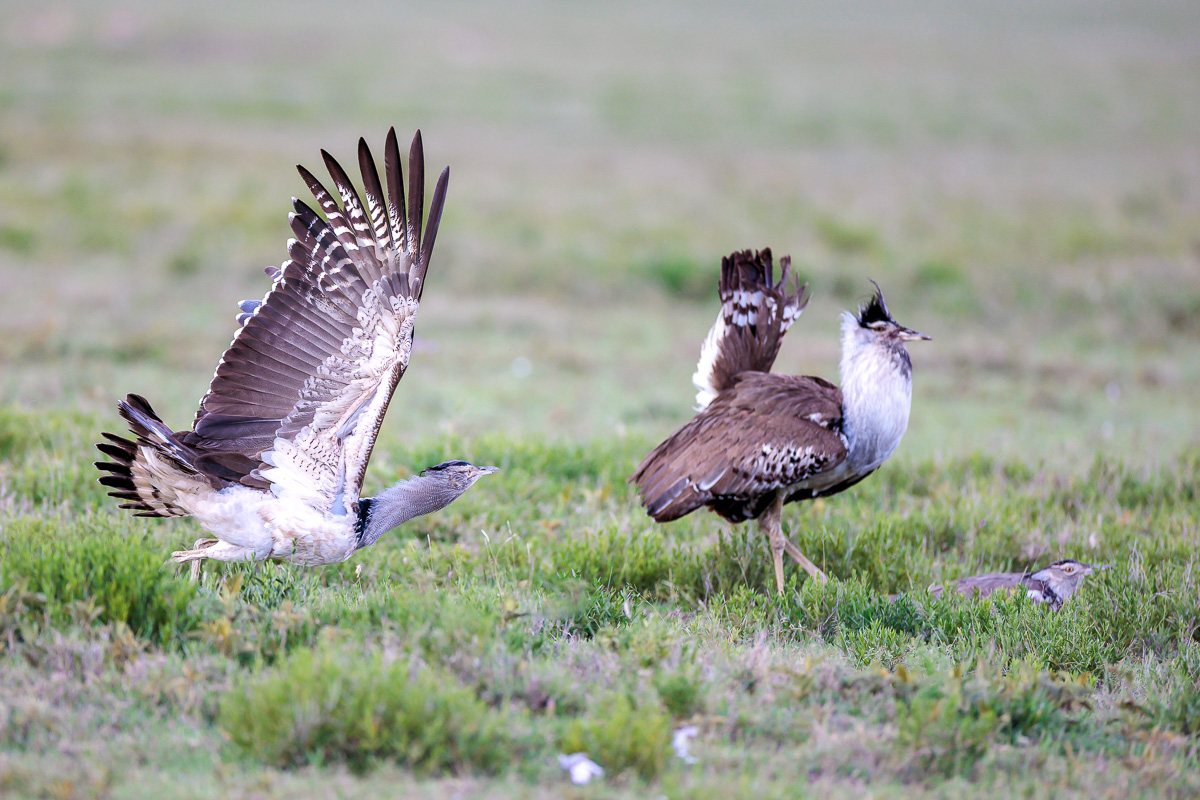
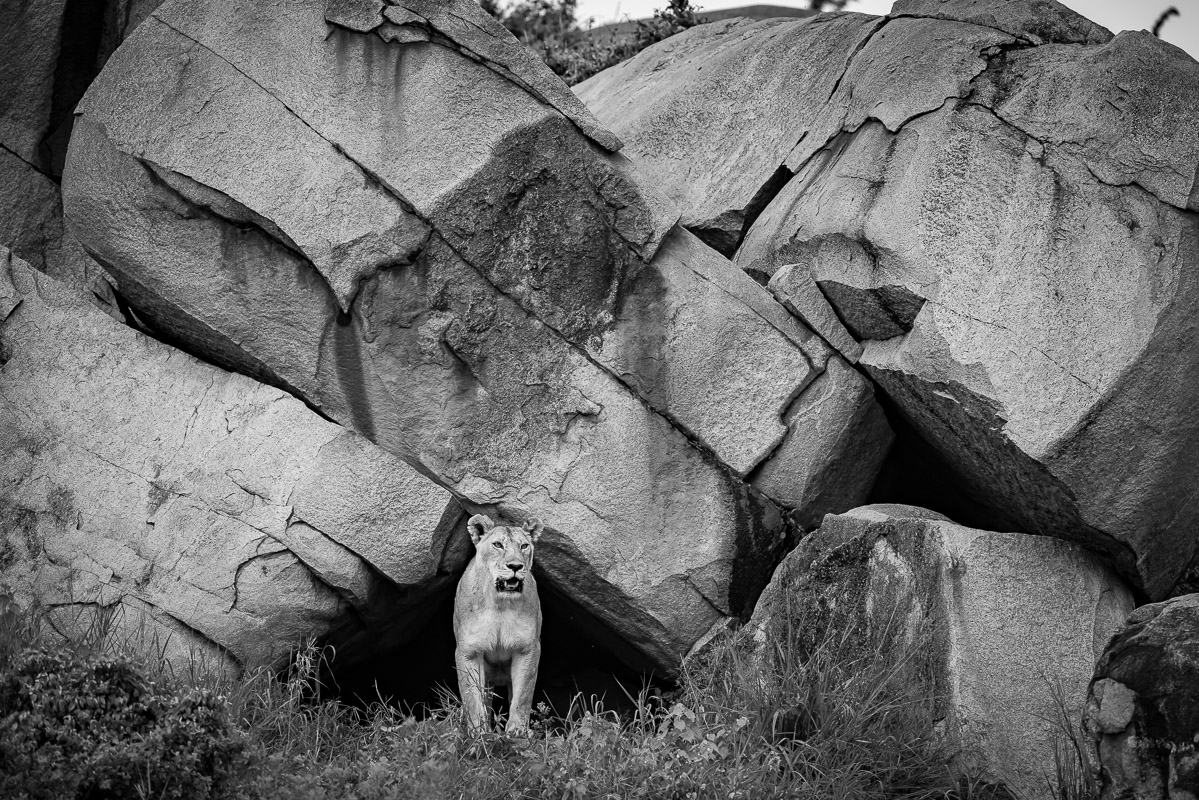
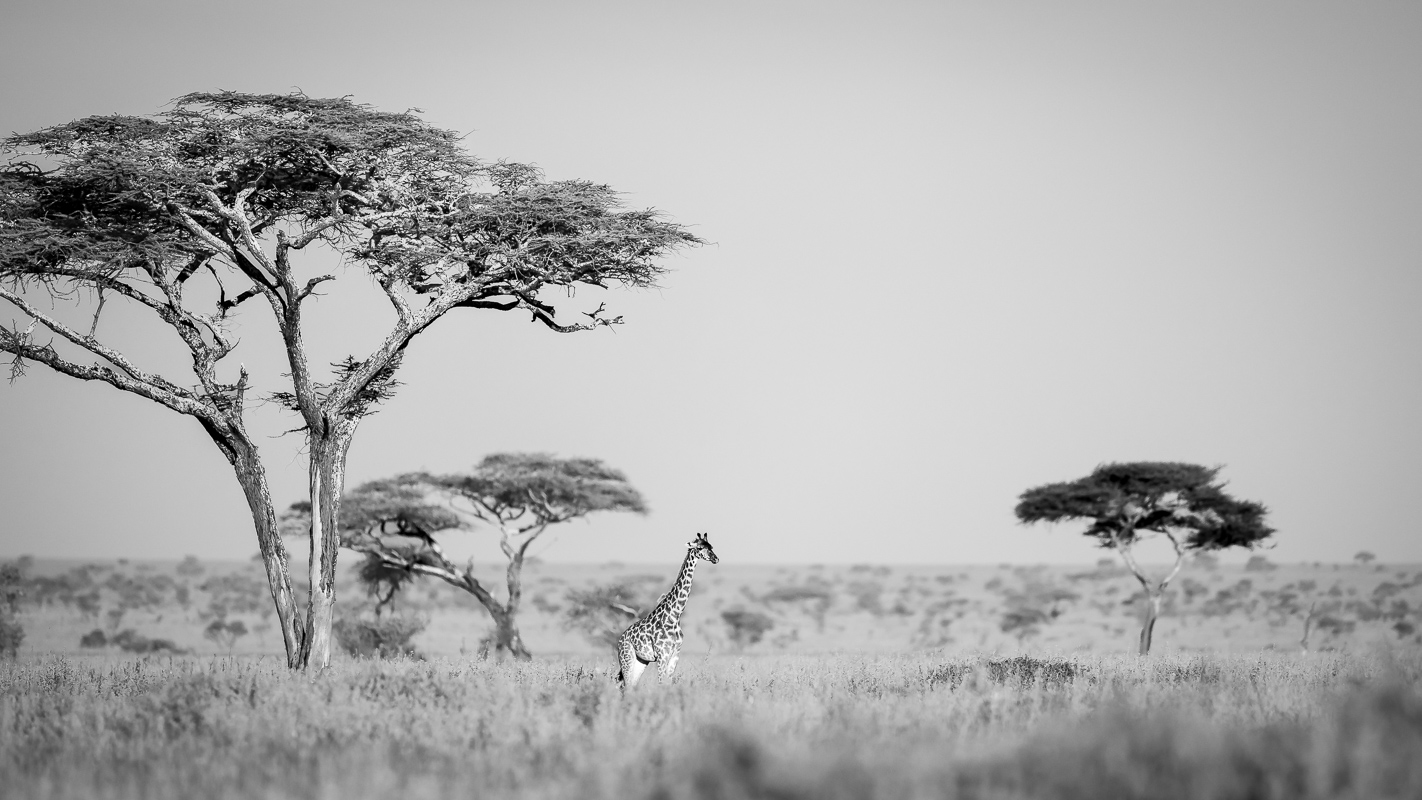
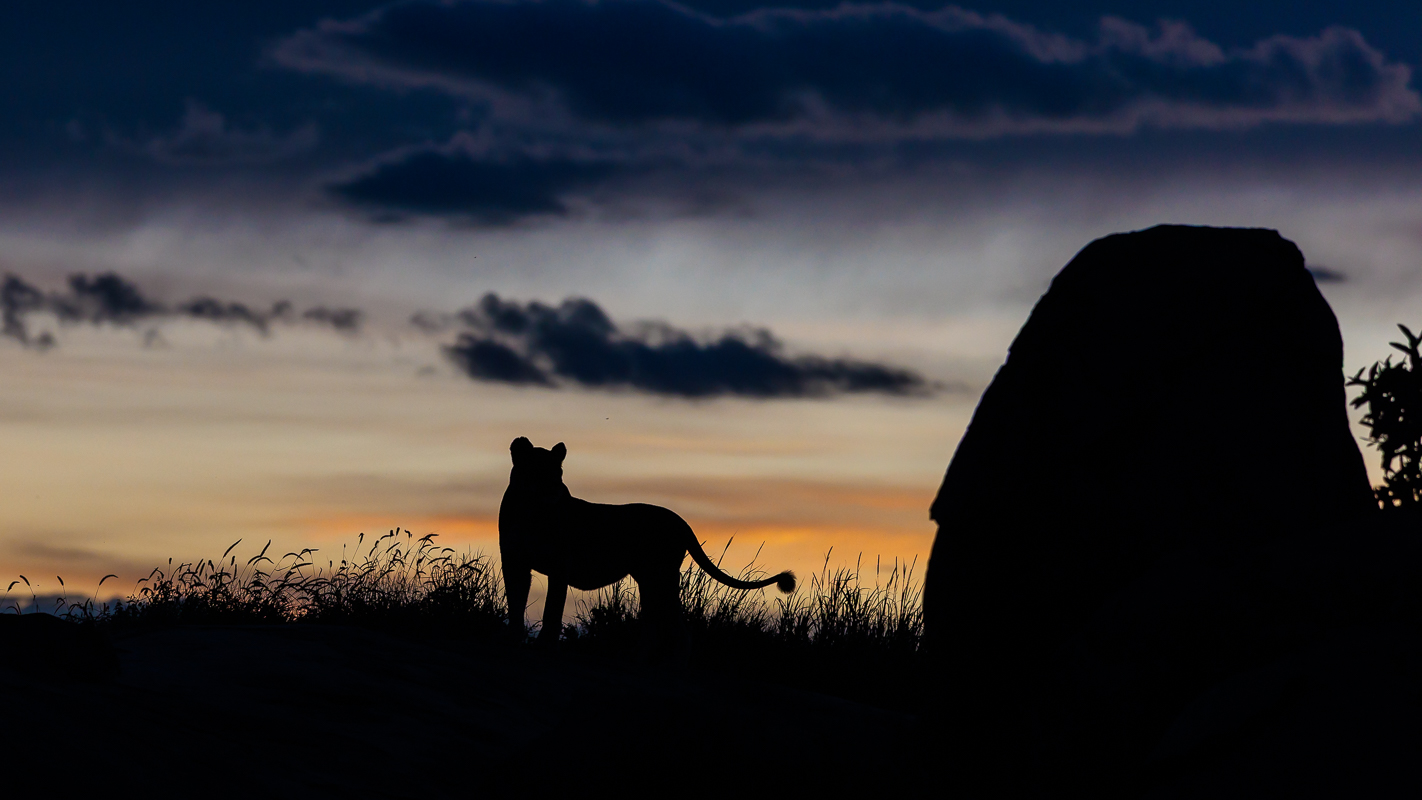
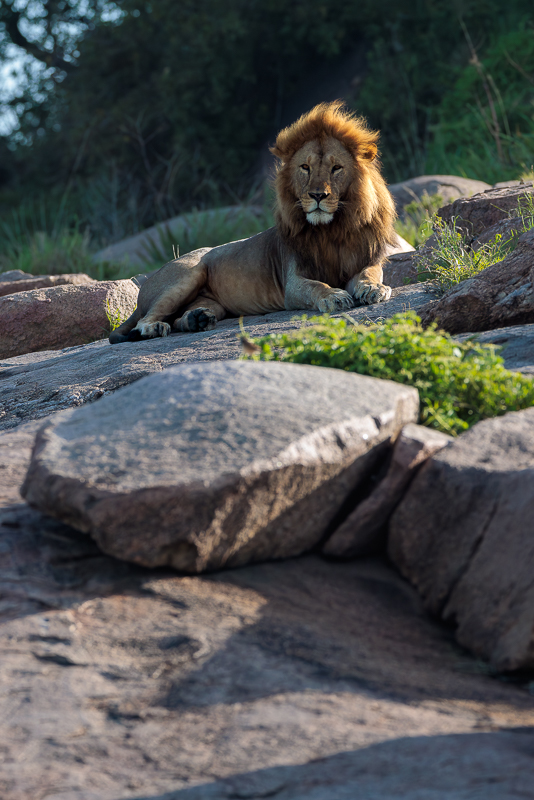
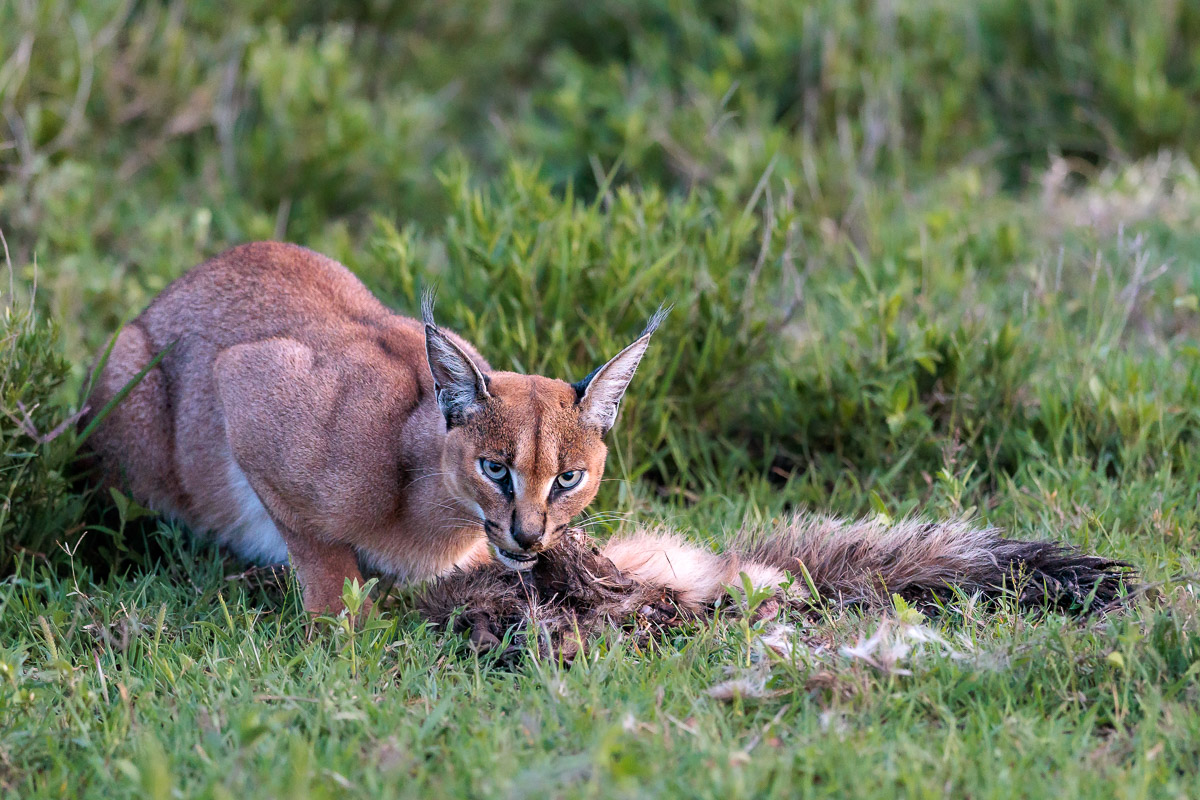
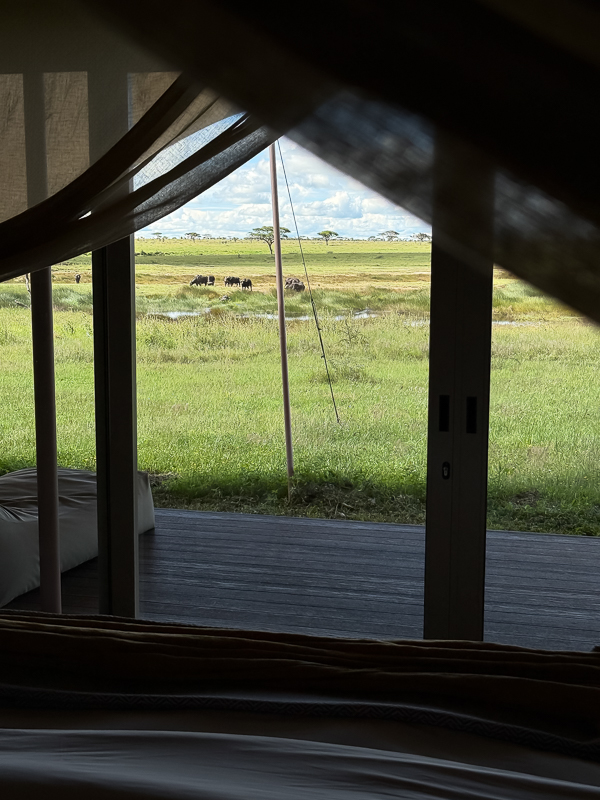
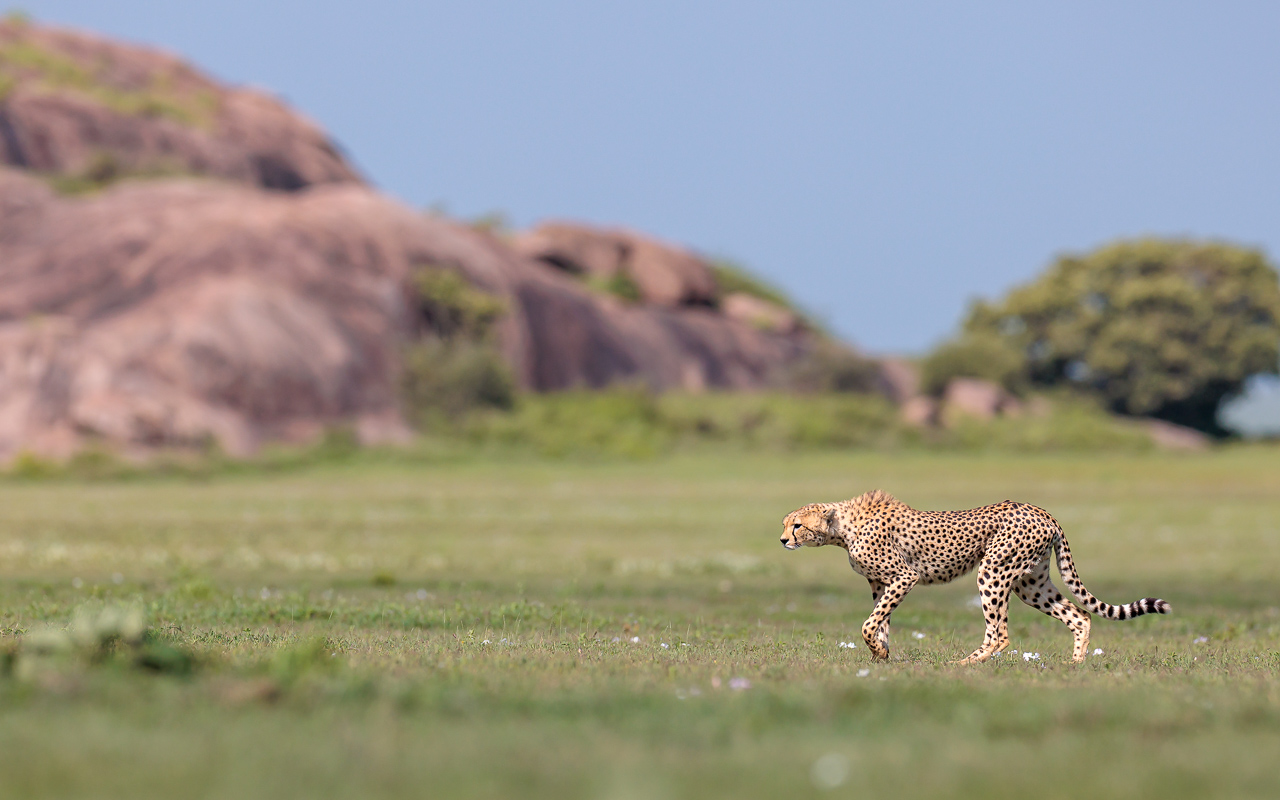
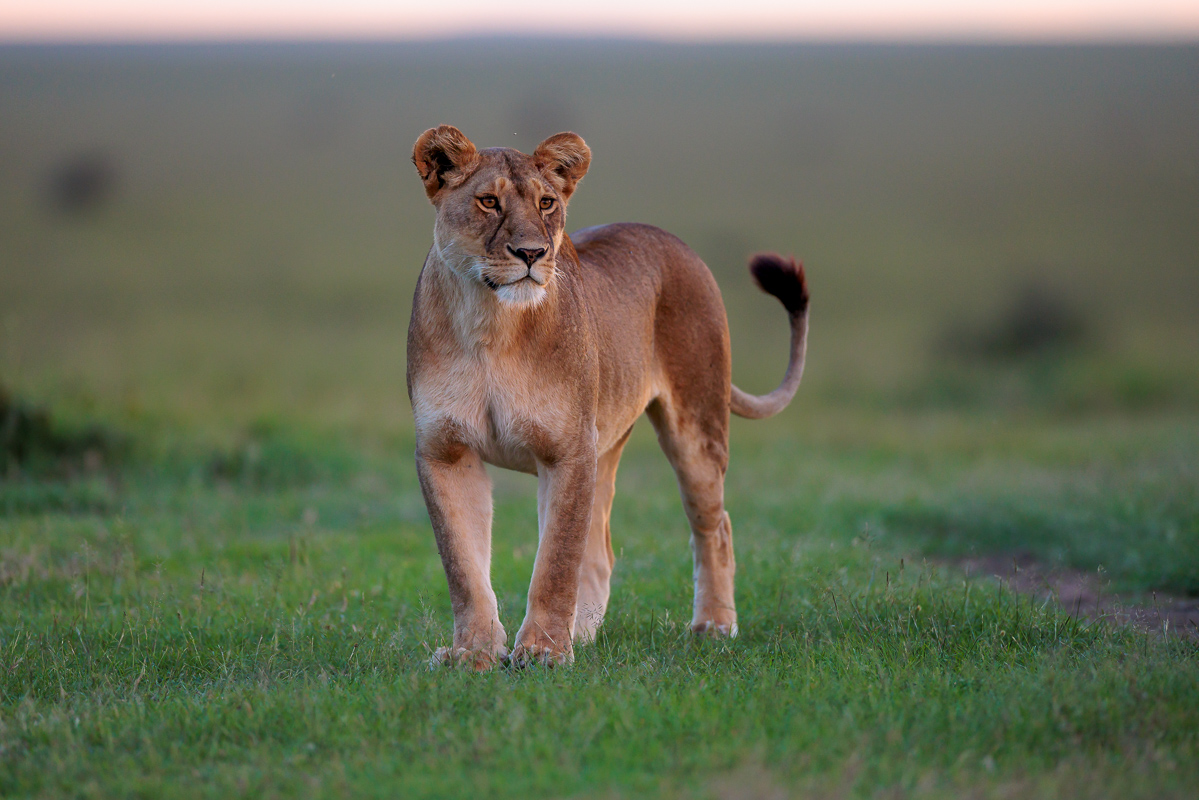
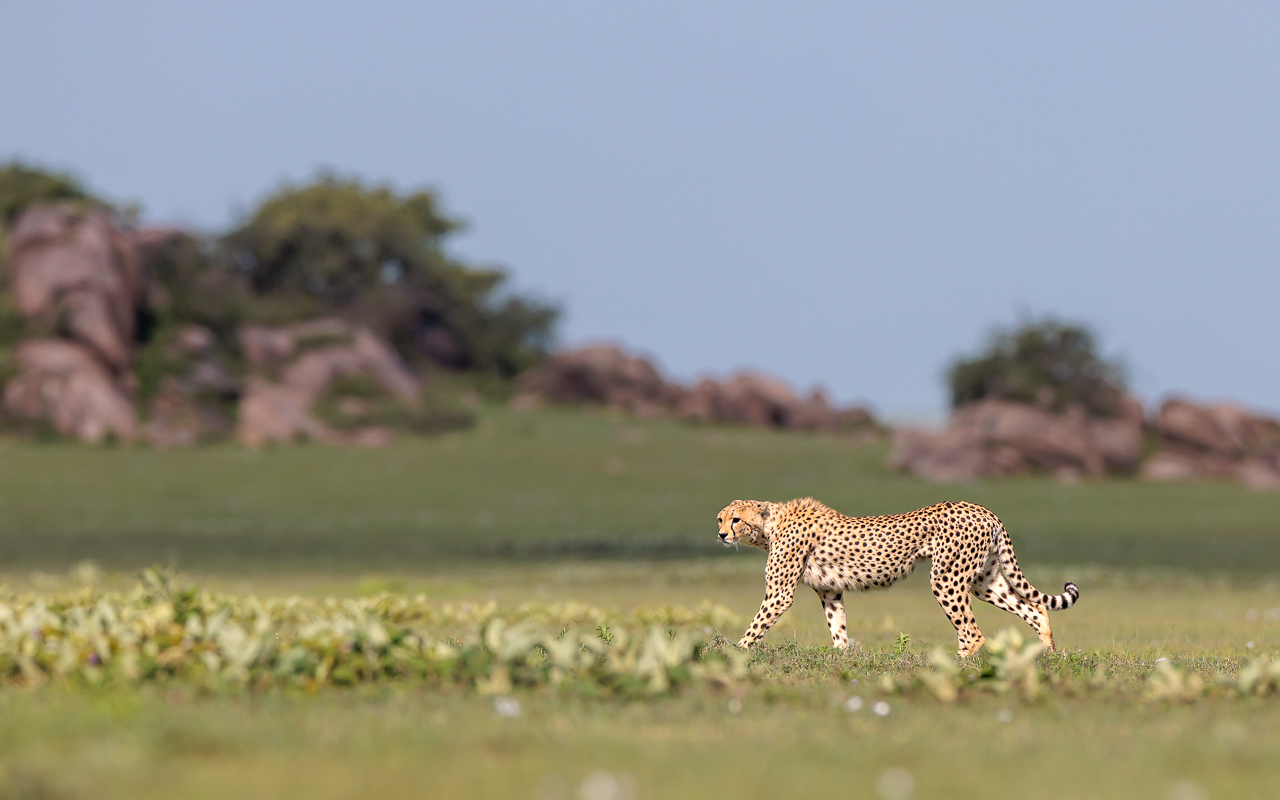
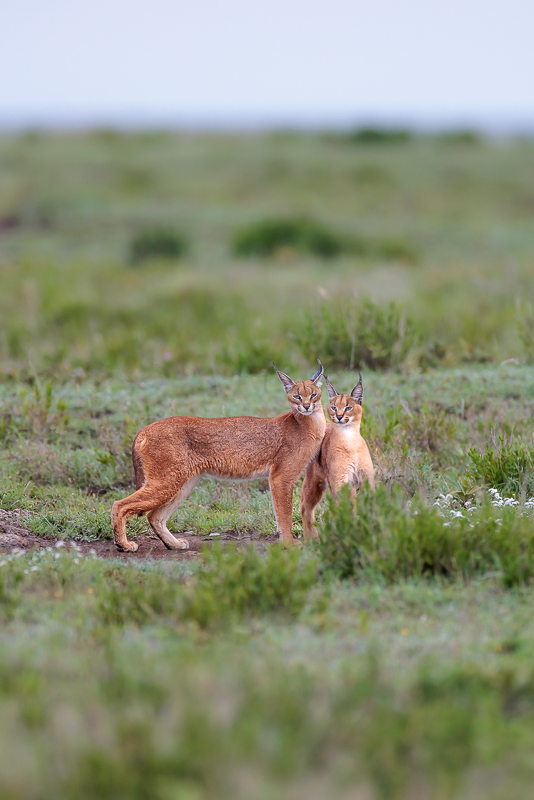
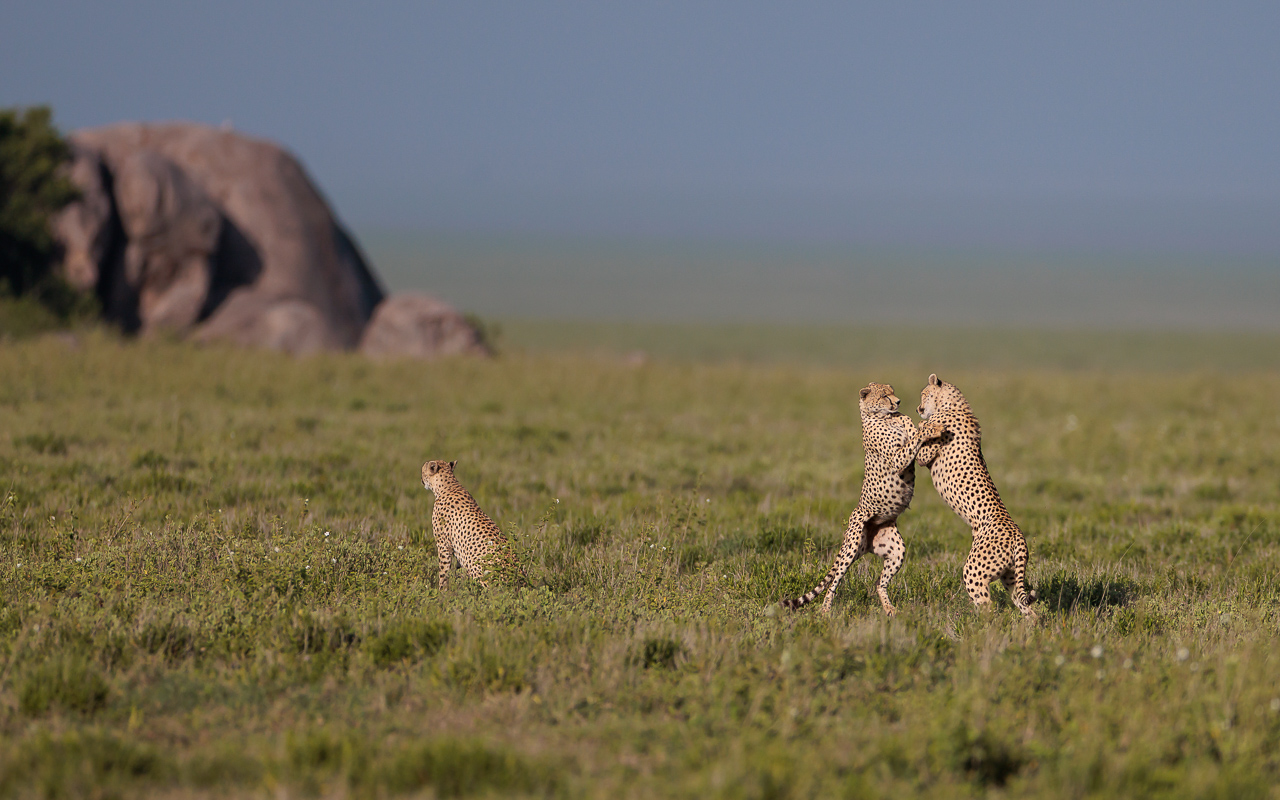
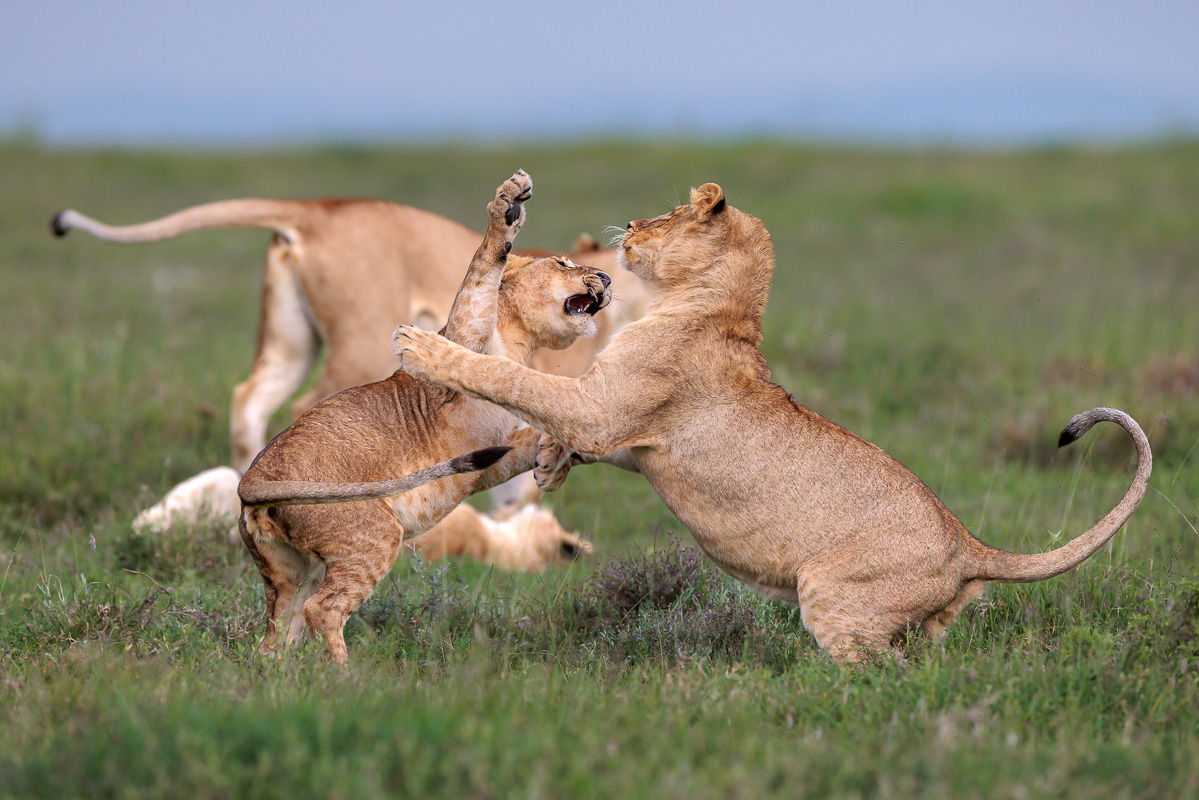
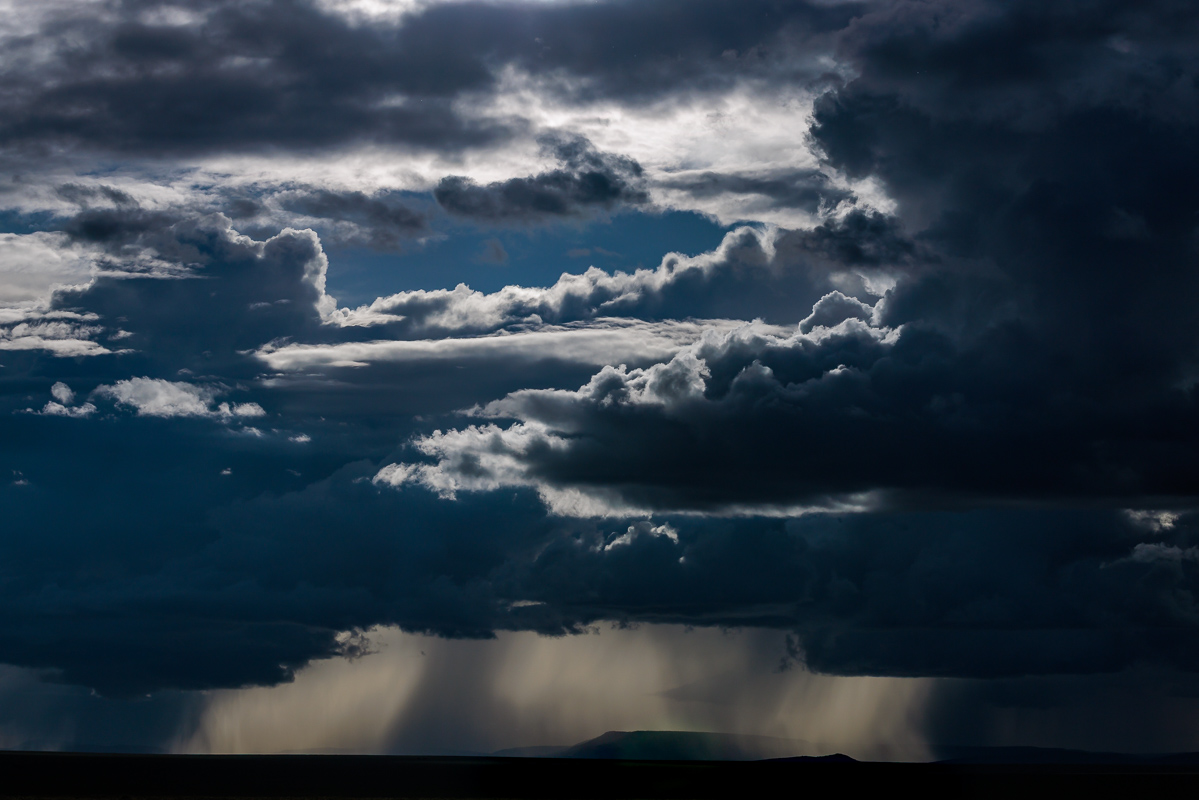
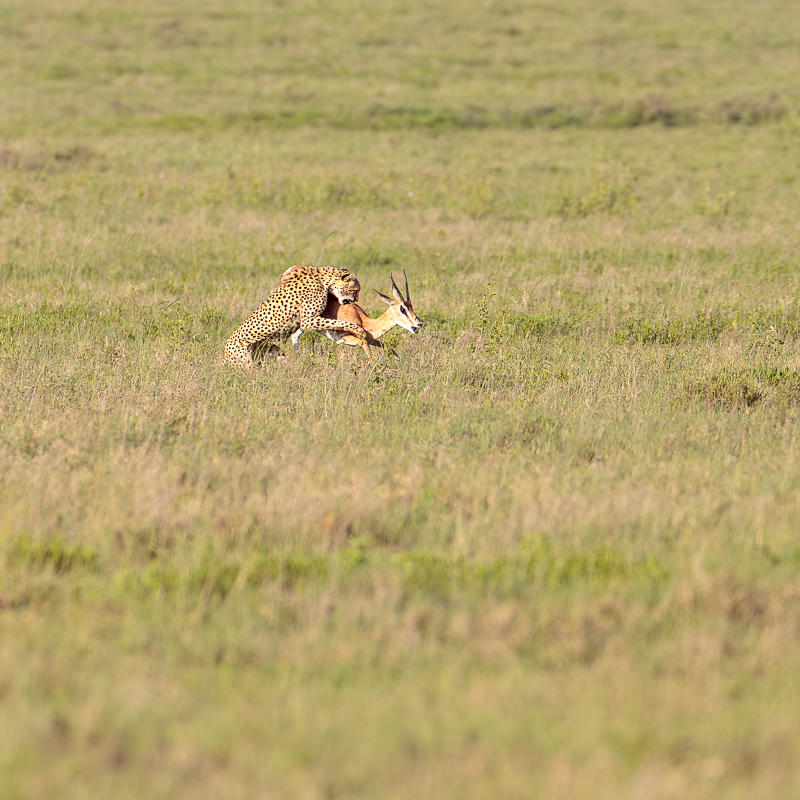
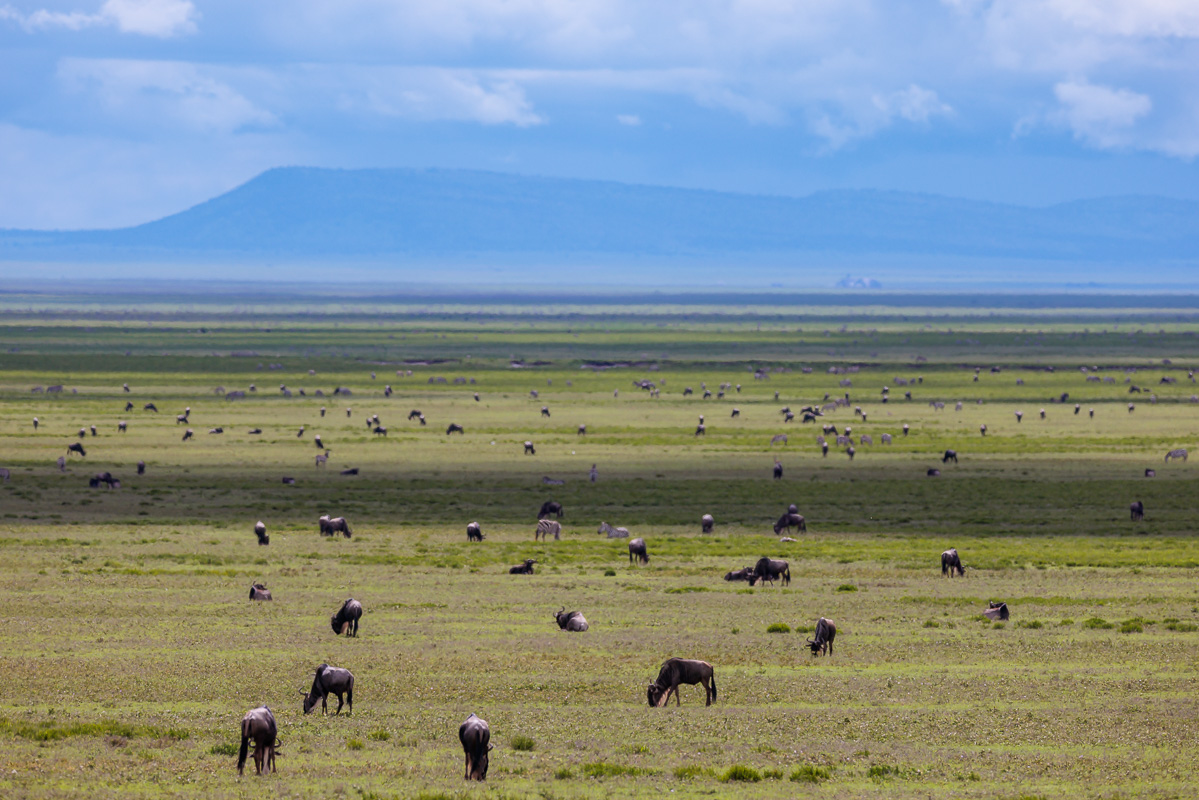
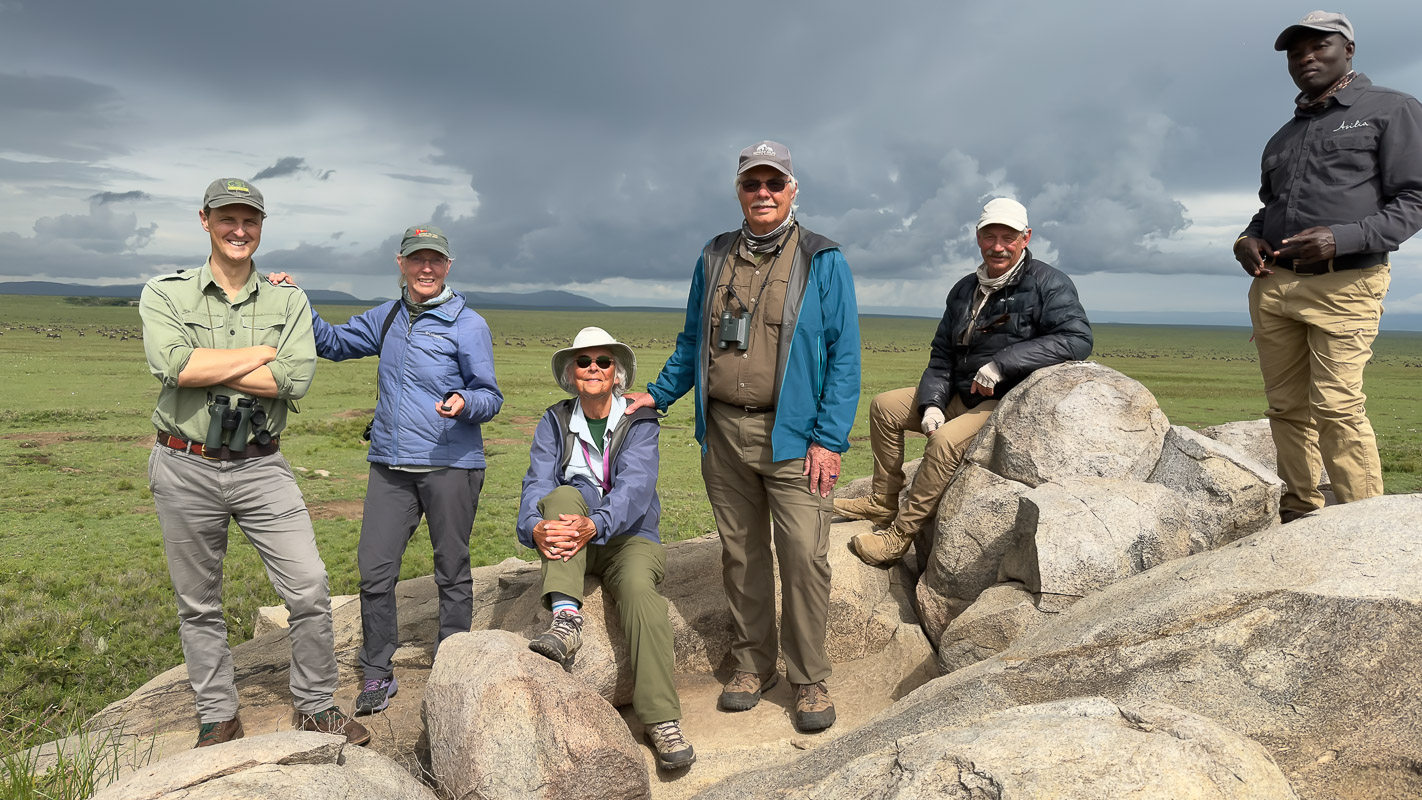
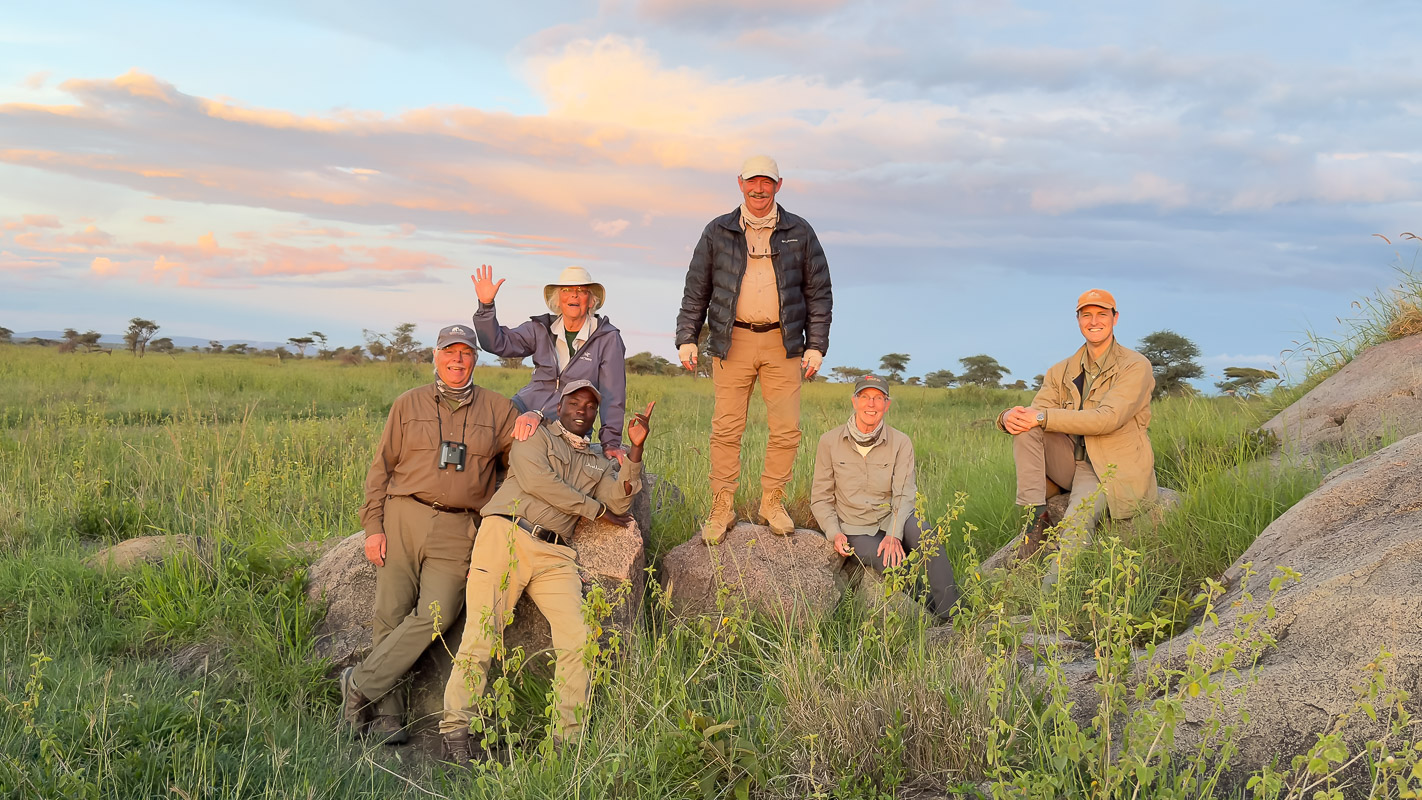
My thanks to my guests for a superbly memorable trip and to our guide Partena who was superb throughout; it’s easy to imagine that the short-grass plains of Serengeti are an easy place to find game. In fact, it’s important to know where and how to look, skills which take many years to master. Asilia took wonderful care of us in all the camps and made it possible for us to experience an uninterrupted safari at a time when their operations and logistics were stretched to breaking point by unprecedented rainfall across the region – their service and attention to detail will bring me back again and again.
Thank you for reading, and please get in touch if you would like to experience a bit of this wonderful place!
As a post-script, I wanted to share Kathy Phipps & Gordon Fox’s video outlining the logistics of this trip. In particular, these words from the video resonate so strongly with me:
“We experienced remarkable events; cheetahs on the hunt, lions standing proudly on rocky outcrops, a caracal mother with her nearly-grown kitten and even servals. But moments like these take time. Our days began before sunrise; we’d head out early, have breakfast right in the field, return to camp for lunch, then head out again in the afternoon, staying until sunset. Our guides were always watching, always scanning. And when we found something, we stayed. On two occasions, we waited 5 hours for cheetahs to begin their hunt. 5 hours of watching, waiting, wondering….and making coffee. And when it finally happened, it was extraordinary. A photo safari is a slower pace of travel. One that asks you to be patient and be present. And in those quiet moments of waiting, you begin to understand “ this is where the real magic lies”.”
Enjoy the video below:
Wonderful blog you have here but I was wanting to know if you knew of any message boards that cover the same topics talked about here? I’d really like to be a part of community where I can get advice from other knowledgeable individuals that share the same interest. If you have any recommendations, please let me know. Kudos!
Epic, wondrous and sensational imagery and sightings! WOW!!!
Great adventure Edward!
Thank you Darren – very kind as always!
What a trip Ed! You certainly did your clients proud…..
Thank you Kanny – it was a one of the most memorable ever…especially the rain!