The first episode of BBC’s KINGDOM series, filmed over 5 years in the South Luangwa, aired in the USA on 24th January. In the UK, we were able to enjoy this series back in October as it released earlier this side of the pond. It is a superb spectacle, illustrating the beauty, drama and incredible wildlife of the Luangwa Valley. That it would be visually stunning was not in any doubt; when the BBC’s Natural History Unit set their minds on something, there are few others who compete. But this series made history by breaking new ground in several areas: no other series of this length and depth had been filmed animal characters over such a long period in one small area; and no other series devoted a whole episode (out of 6) to the human environment that borders the wildlife area.
It is normal for human beings to desire wildlife documentaries which transport them out of their urban environments and into the wilds. But for too long, we have been able to believe that the wildlife areas in question are vast, untouched and secure. Increasingly, this has not been the case, as human populations grow and people turn to the remaining wildlife areas for their natural resources. Timber, animal products and minerals have all been extracted from demarcated natural heritage areas, and in some cases land has simply been turned over to farming, which has the same impact in the end. Wildlife populations are dropping in many areas, not from trophy hunting (though it doesn’t help), not from poaching (though that doesn’t help either) but mostly from the loss of habitats which support them.
When wildlife series have addressed the human impact on nature, they have often left the viewer with the feeling that the anthropogenic impacts are increasing at such a rate, that it’s hard to be optimistic at all. The rhetoric is that humans need to eat and that no government will prioritise the needs of wildlife over those of people. KINGDOM was unusual because the camera and production teams were based in-country for 5 years which gave them a longer-term understanding of the human-wildlife landscape, the people involved and the pressures that are placed on both humans and animals. It’s a very balanced, empathetic and considered perspective on the situation.
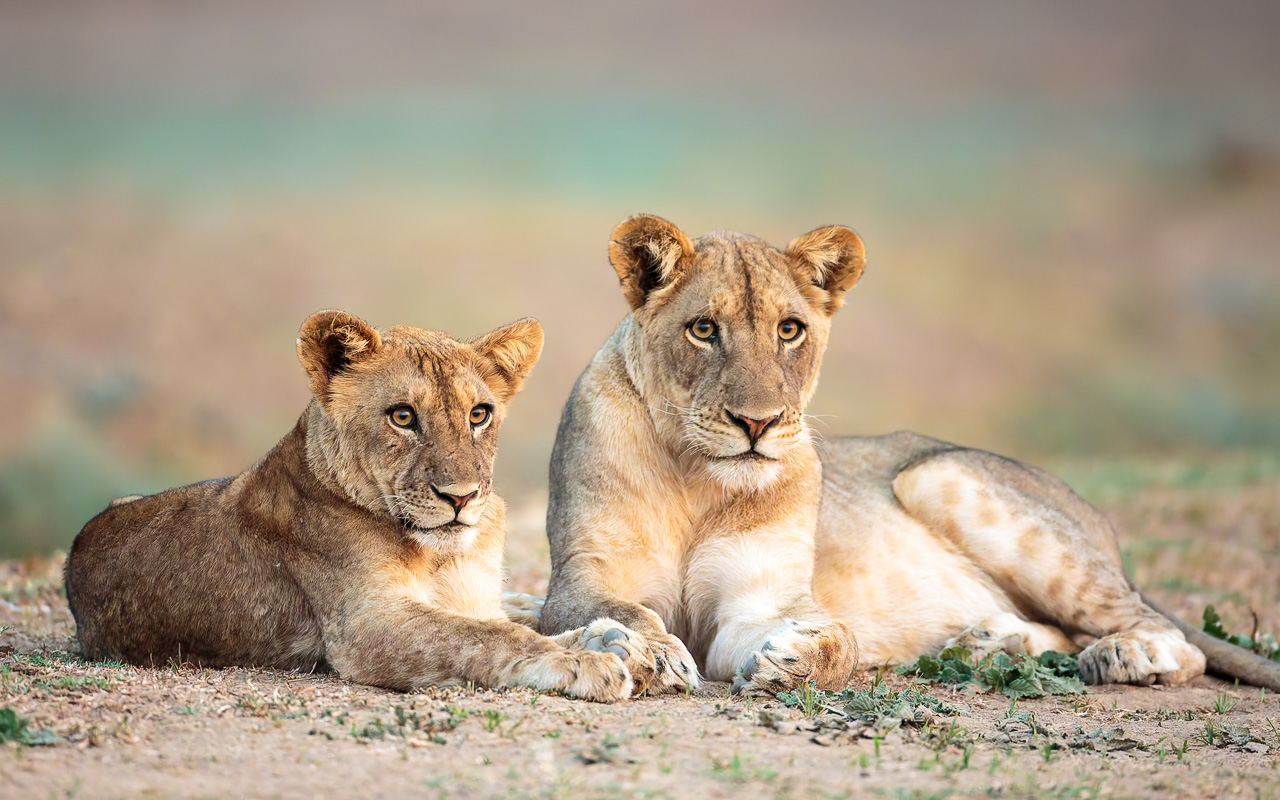
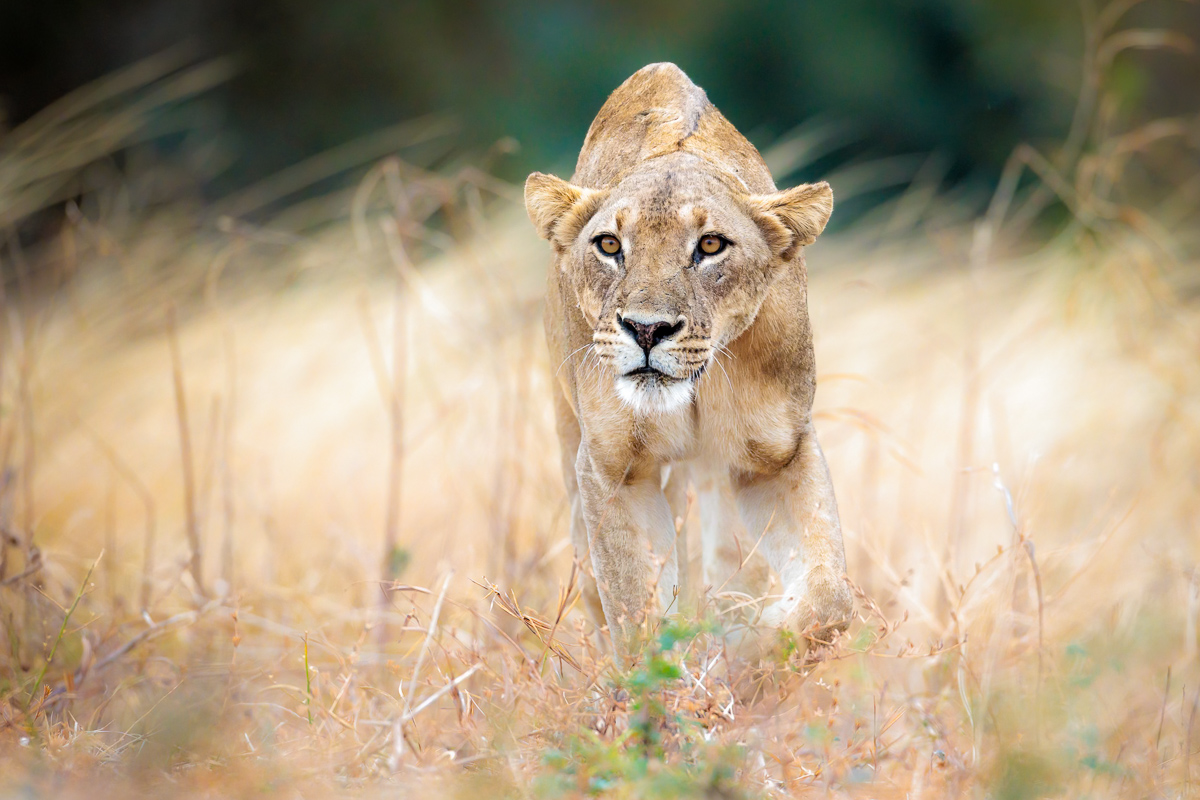
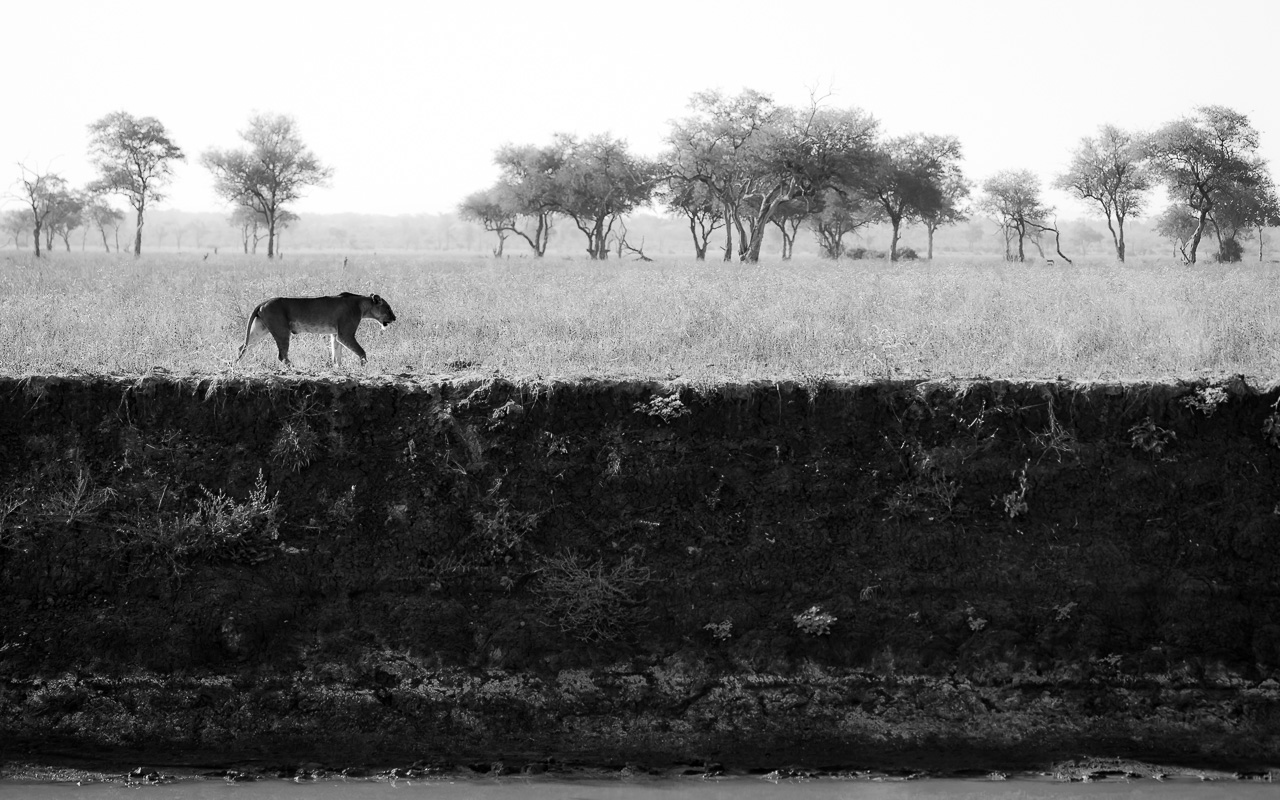
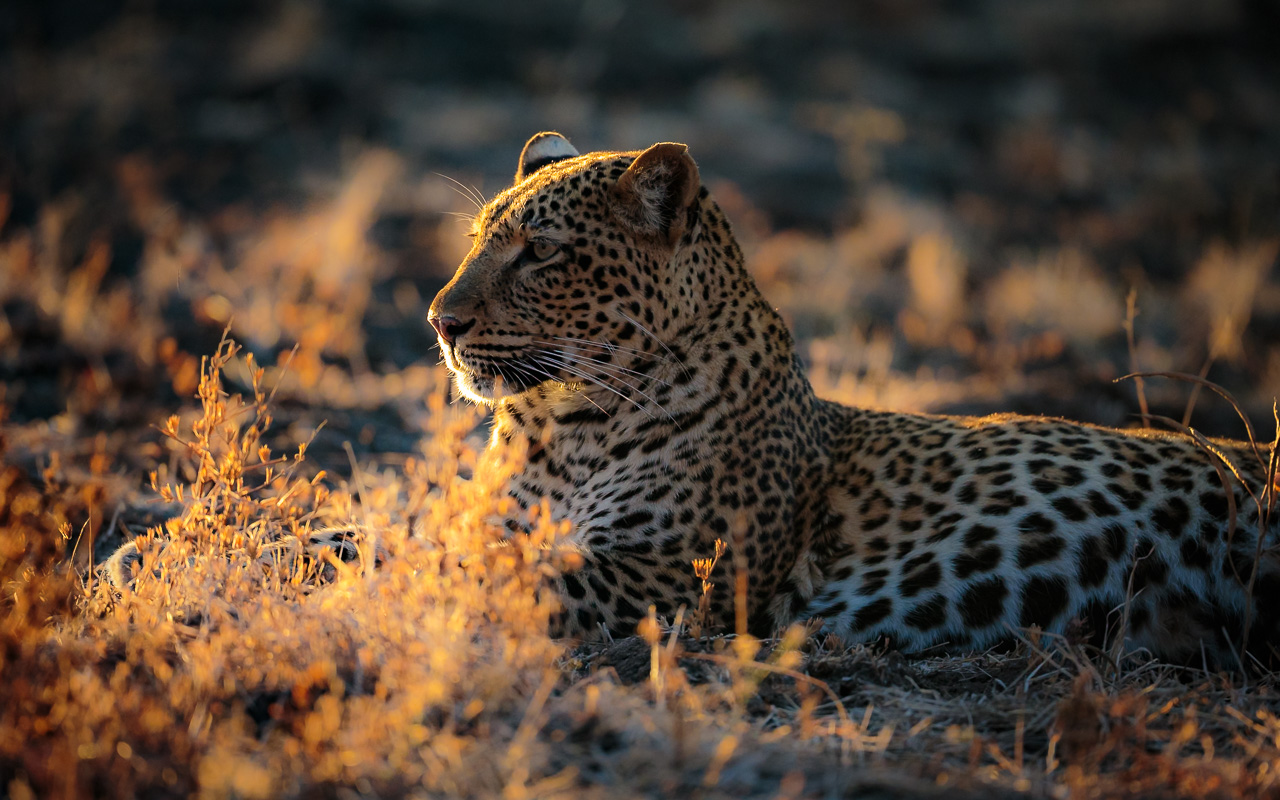
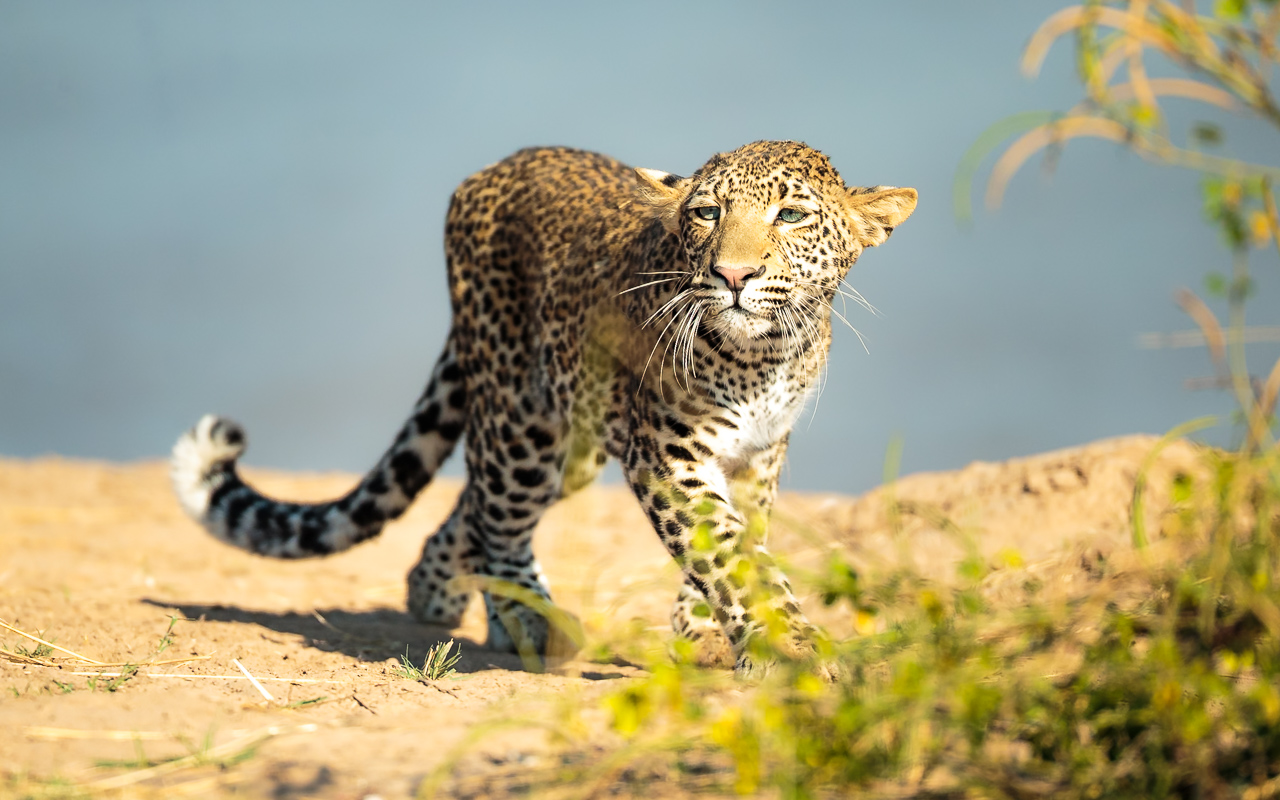
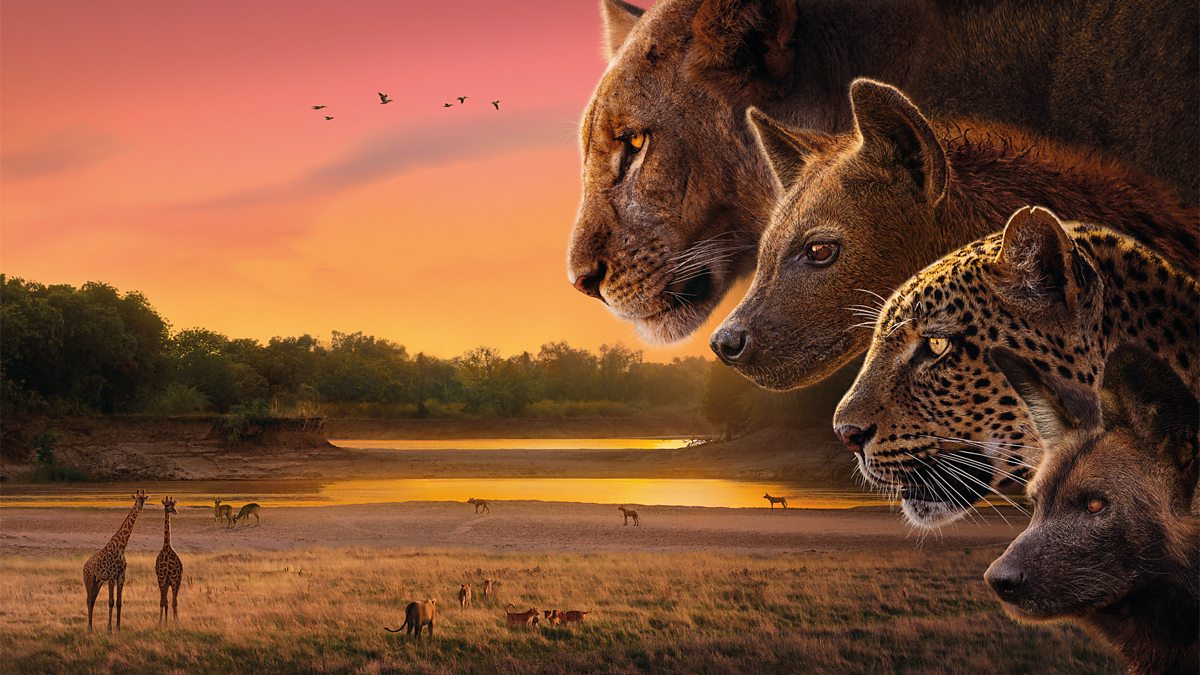
The central premise of the story surrounds the competition between 4 predator species (spotted hyaena, lion, leopard and African wild dogs) to claim the ‘Kingdom’ of Zambia’s Nsefu Sector. This small sector of the South Luangwa National Park is triangular in shape and only 250 sq km in size. For this area to support 4 large carnivore species, each in strong numbers, with all the necessary habitat and prey is remarkable in itself and is testament to the richness that the Laungwa River conveys on the surrounding landscape.
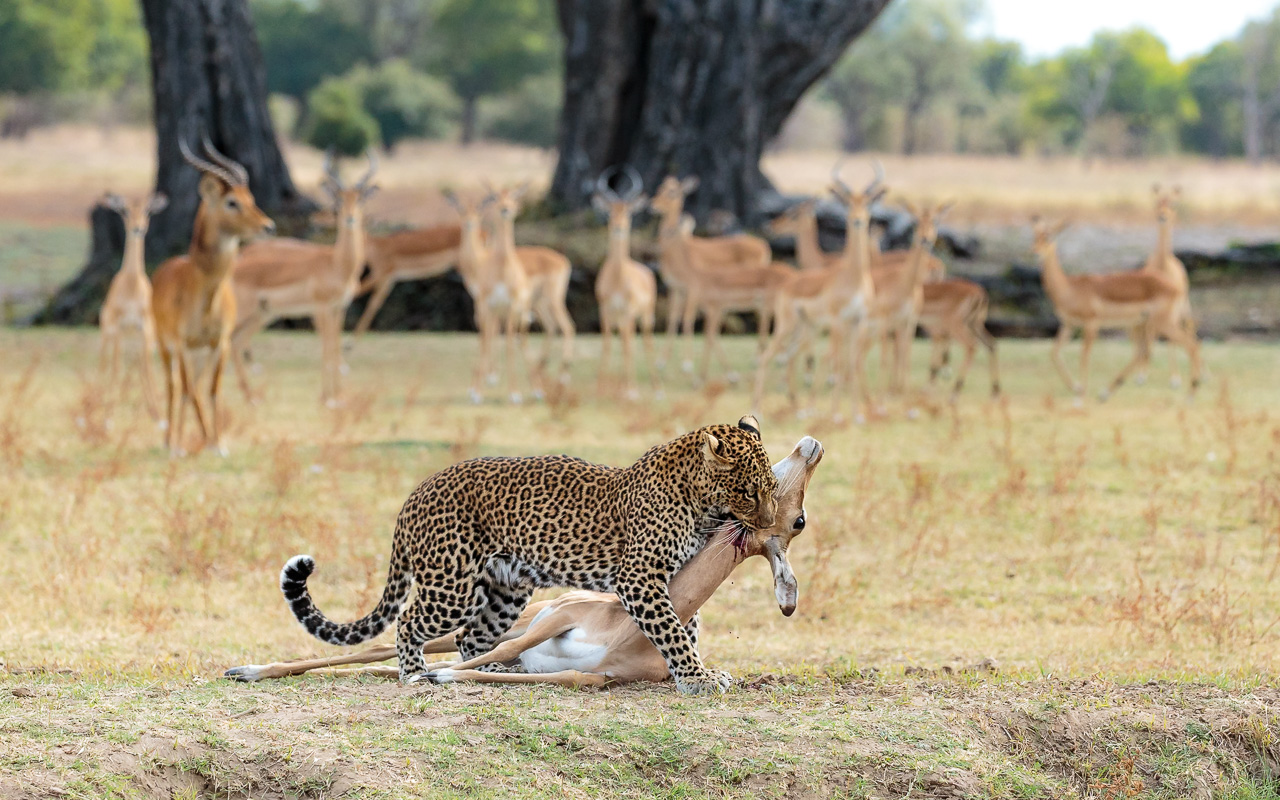
The series captures some truly outstanding moments, which are used alongside beautiful footage, to tell the stories of the 4 species as their fortunes fluctuate through the seasons and at the hand of Nature’s whims. There are hunts, sessions of juvenile play, poignant moments of loss and plenty of riveting actions – they have done a beautiful job.
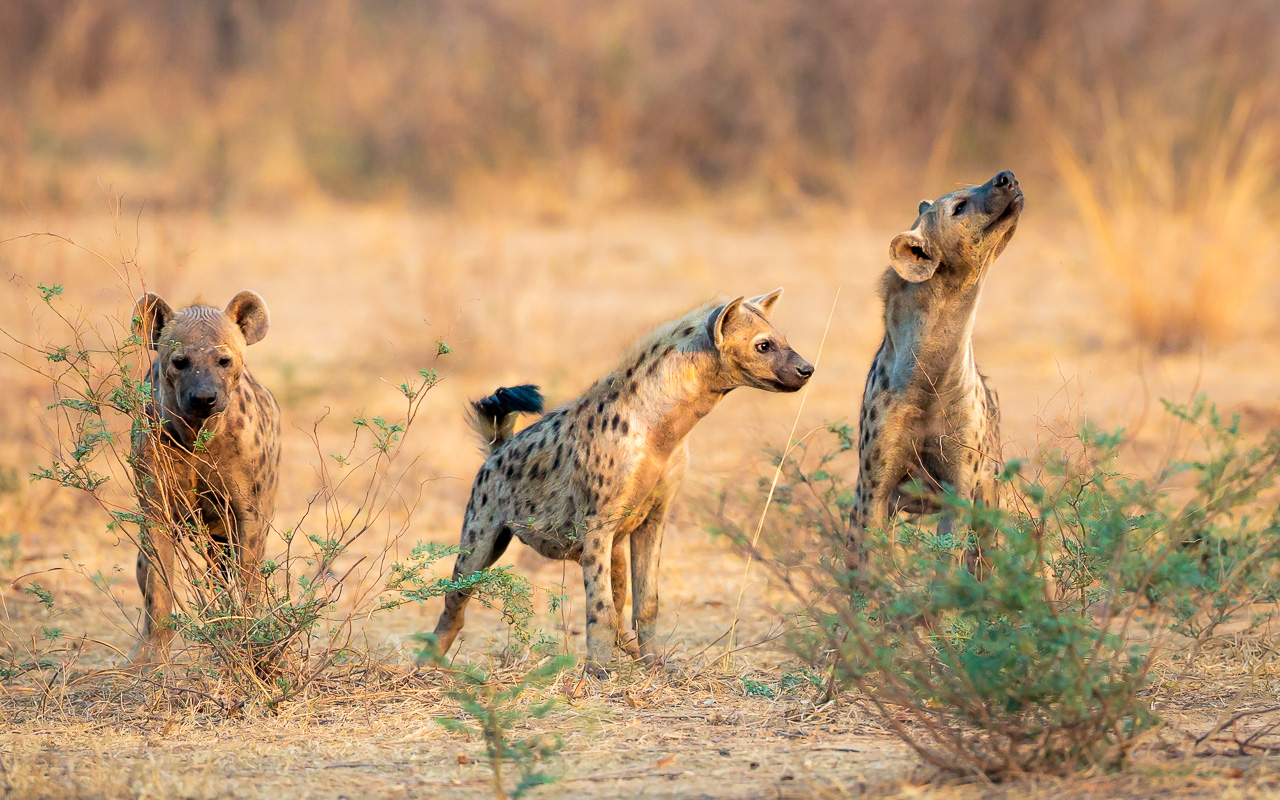
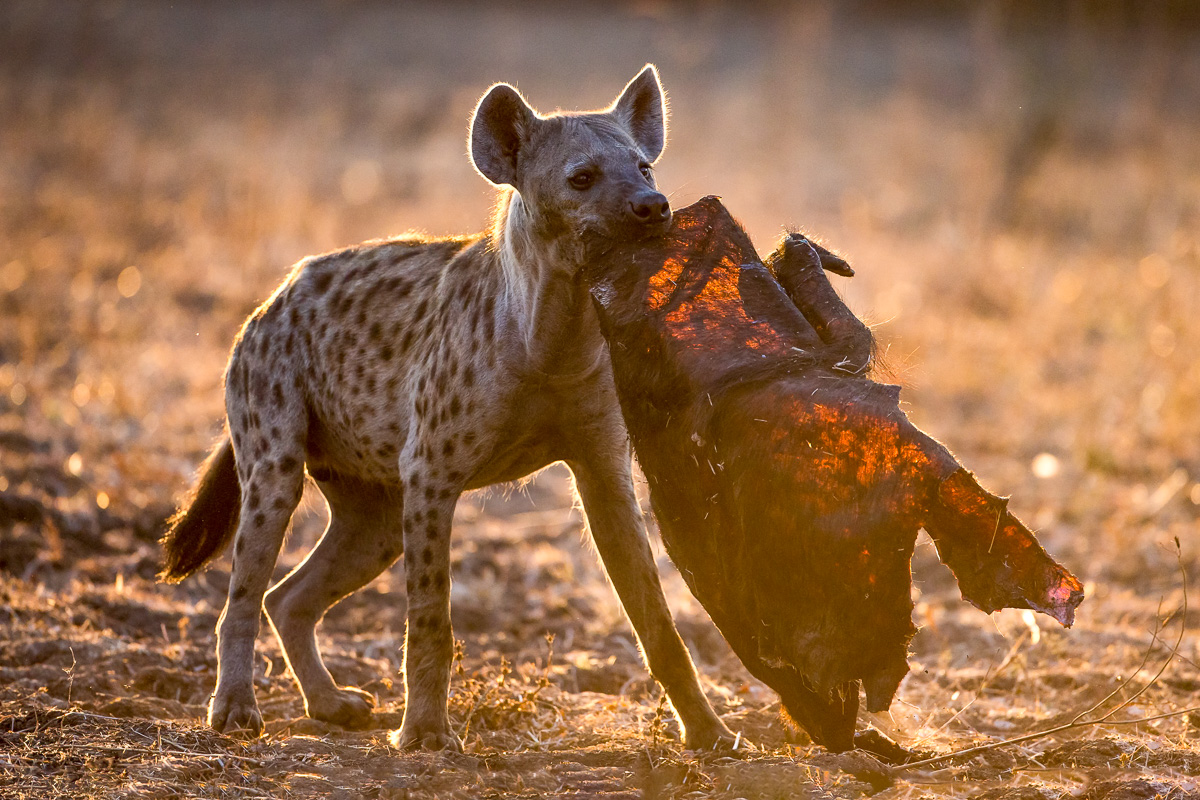
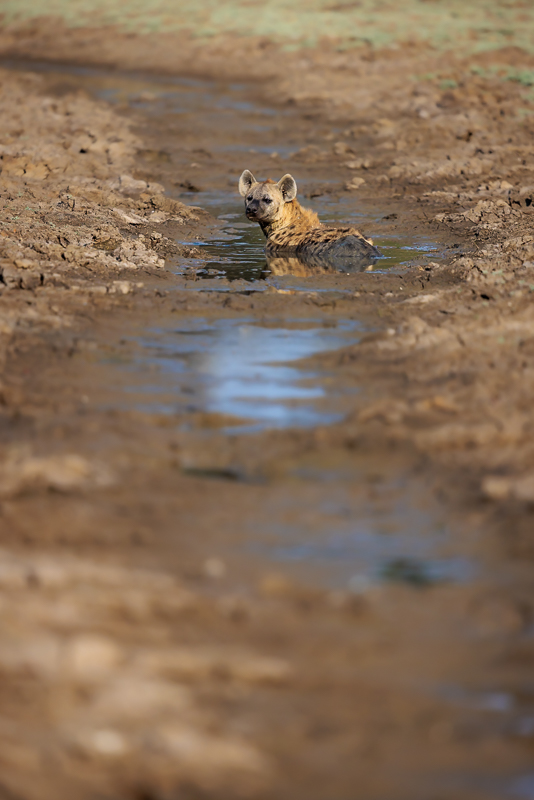
Of course, there is a conceit contained in the central premise. None of these 4 predators, or any other, should claim the prize of the Kingdom to the exclusion of the others. The 4 species, and many subordinate predators, exist in an ever-fluctuating balance and it is interesting to consider what factors impact this balance. The discussion below is not exhaustive but covers some of the short- and long-term impacts of humans, habitats, Nature, weather and climate.
Short-lived impacts on this predator balance can be found in factors as simple as the moon’s cycles; in bright-moon phases, small prey species such as antelope, move closer to lions at night. This is because they can monitor the lions using the light of the moon, rendering them less of a danger, and gain some protection from smaller predators (like leopard and wild dogs) which will be deterred by the lions’ presence.
Heavy rainfall or stormy weather works in favour of all predators, but perhaps especially hyaenas. Being the least able to use stealth and ambush tactics, they are more able to mount attacks on prey using the conditions to cover their attack. They are also able to use the uncertainty caused by wind and rain to challenge lions who can’t work out how many hyaenas are present, so may give up their kill.
Anthropogenic factors are crucial too; when humans kill a lion, either in a trophy hunt, an accident or a retribution killing, it may cause a knock-on in the dynamics of the pride. Where females felt secure in raising their cubs when the pride male was protecting the territory, they are now forced to hide the cubs or perhaps move the whole pride away from the prime-prey areas where new males will now roam. This movement of the lions lifts pressure significantly from leopard and wild dogs, allowing them to hunt more freely. The impact on hyaenas will be both positive and negative; they scavenge from lions so that food supply will have reduced, but they may have more success stealing from leopards and wild dogs, and they may hunt more for themselves.
Humans also impact the predator landscape when we hunt small prey for ourselves. This lowers the prey availability for all predators but it has the largest effect on large predators, reducing their numbers. This in turn alleviates pressure on small predators, a process known as meso-predator release. However, this impact can be mitigated or even negated if the method of human hunting also has an impact on predators — this is especially the case when snare wires are used as these capture both prey and predators.
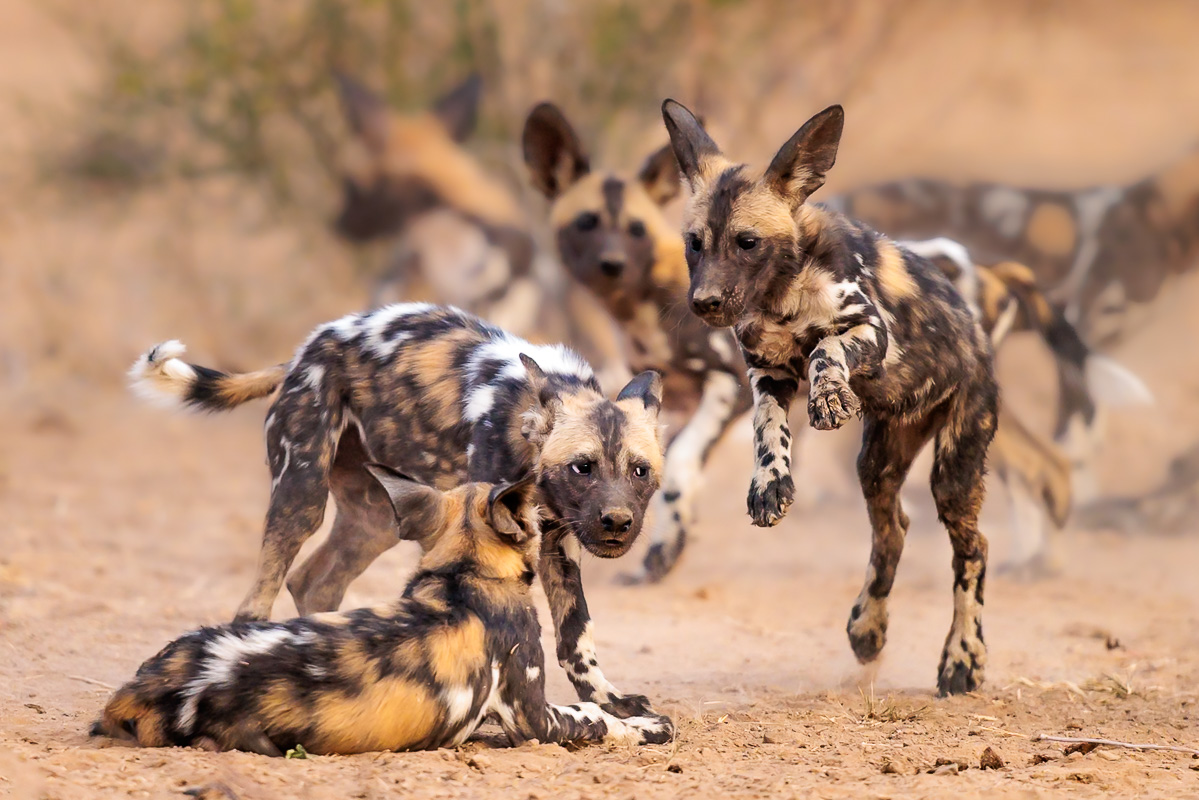
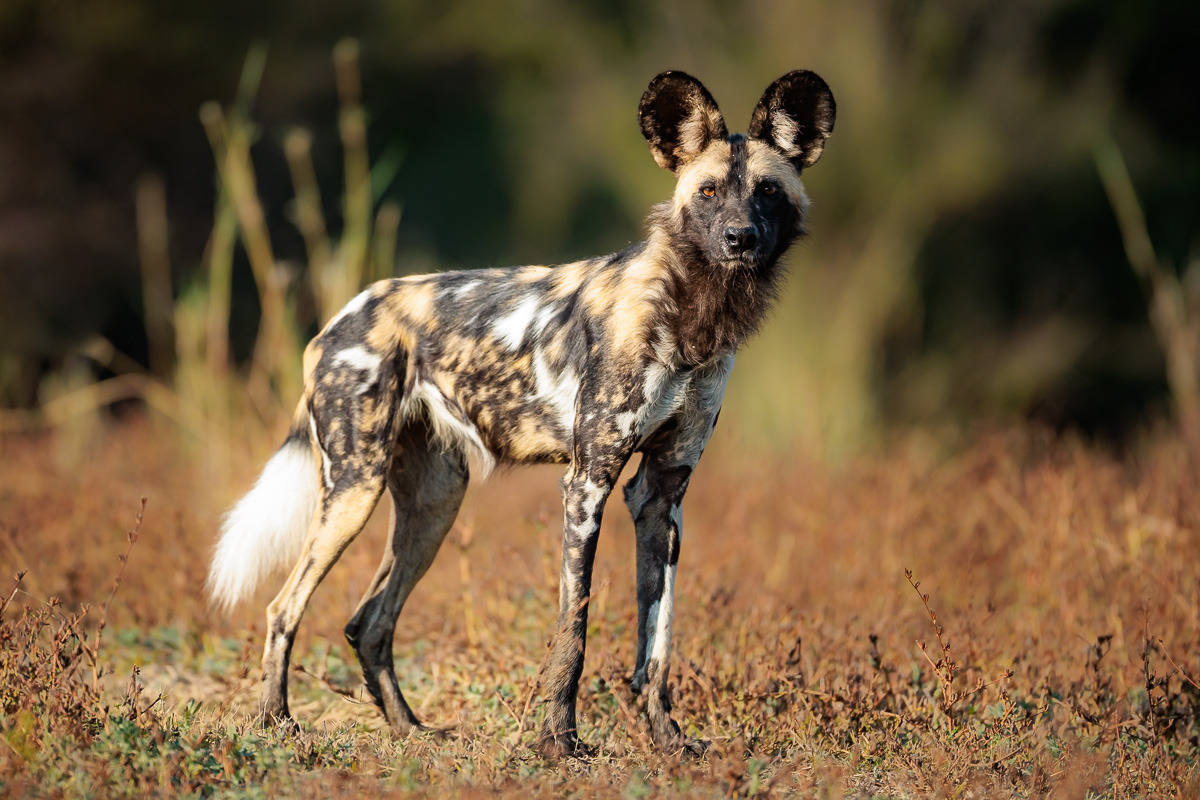
Whatever the impact of the dynamics between the 4 large predators of the Luangwa Valley, BBC’s latest mega-series KINGDOM is a superb piece of work, showing extraordinary behaviour, dynamics and interactions. It is also a visual treat, displaying the Valley at its very best.