

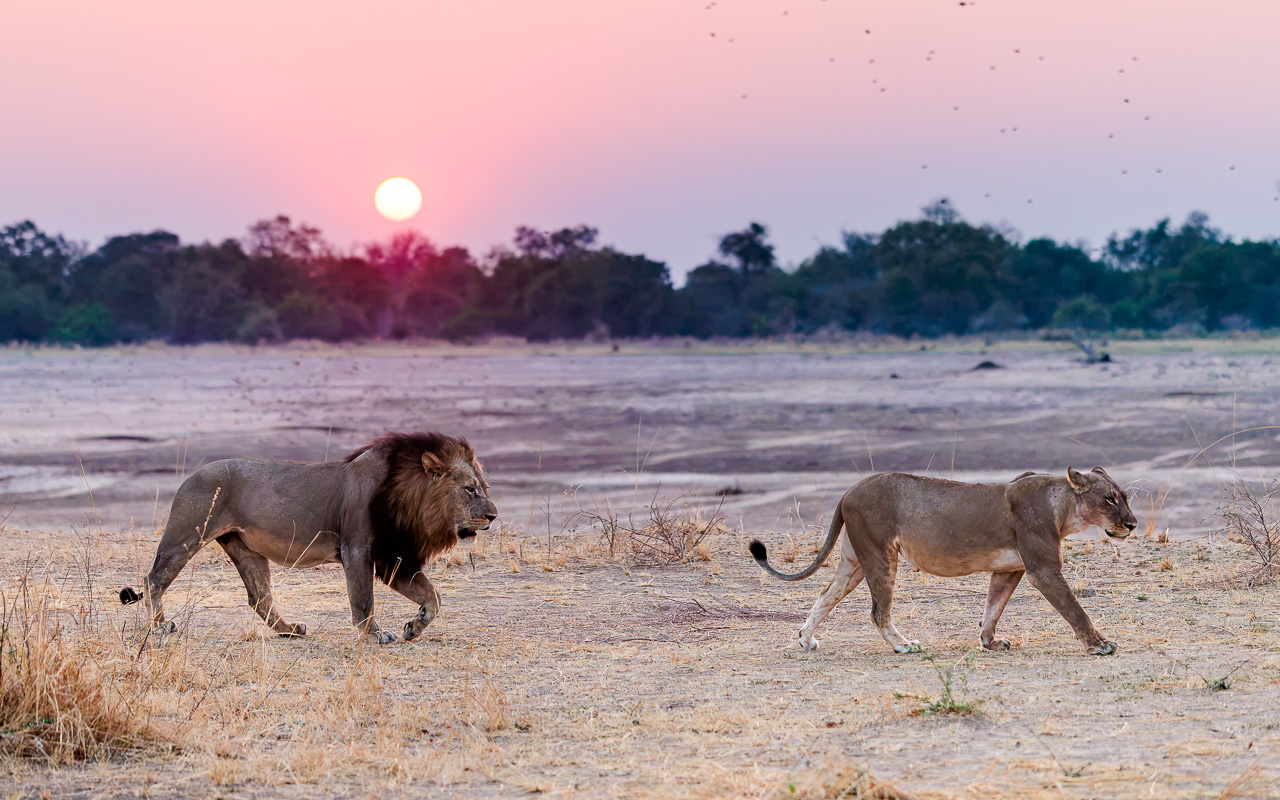
Long ago, I planned two back-to-back trips to Zambia on my Two Valleys itinerary for September 2026. I filled the first one in late 2024 and then the second soon after. I chose this time of year because it is probably the best combination of heat, sightings, light and camp availability in Zambia, and it very rarely disappoints.
While I was preparing this review, I thought a bit about the idea of expectations on safari, and especially on a photo safari, and even more especially with guests who have travelled on safari many times before! There is a potential mis-match between the the way the guests and the guide(s) look ahead to the trip; guests usually come with ‘hopes’ and the guides often come with ‘expectations’. A guide wants to ‘deliver’ a great experience. And certainly the guests want to have a great experience. But guests visit wild areas for the magic that comes with the unpredictability of Nature and the thrills that it brings. It’s important that guides remember that and ride the perceived ups and downs of a trip, because they are very much part of the experience for travellers.
I was therefore very happy and grateful when the 8 guests who joined these two trips engaged in every single outing with energy and excitement. It rewarded them with outstanding sightings that, after 17 years of safaris in Zambia, still left me in awe as well. For a day-by-day review, please visit my Instagram page highlights, else read on for an account from each of the two camps.
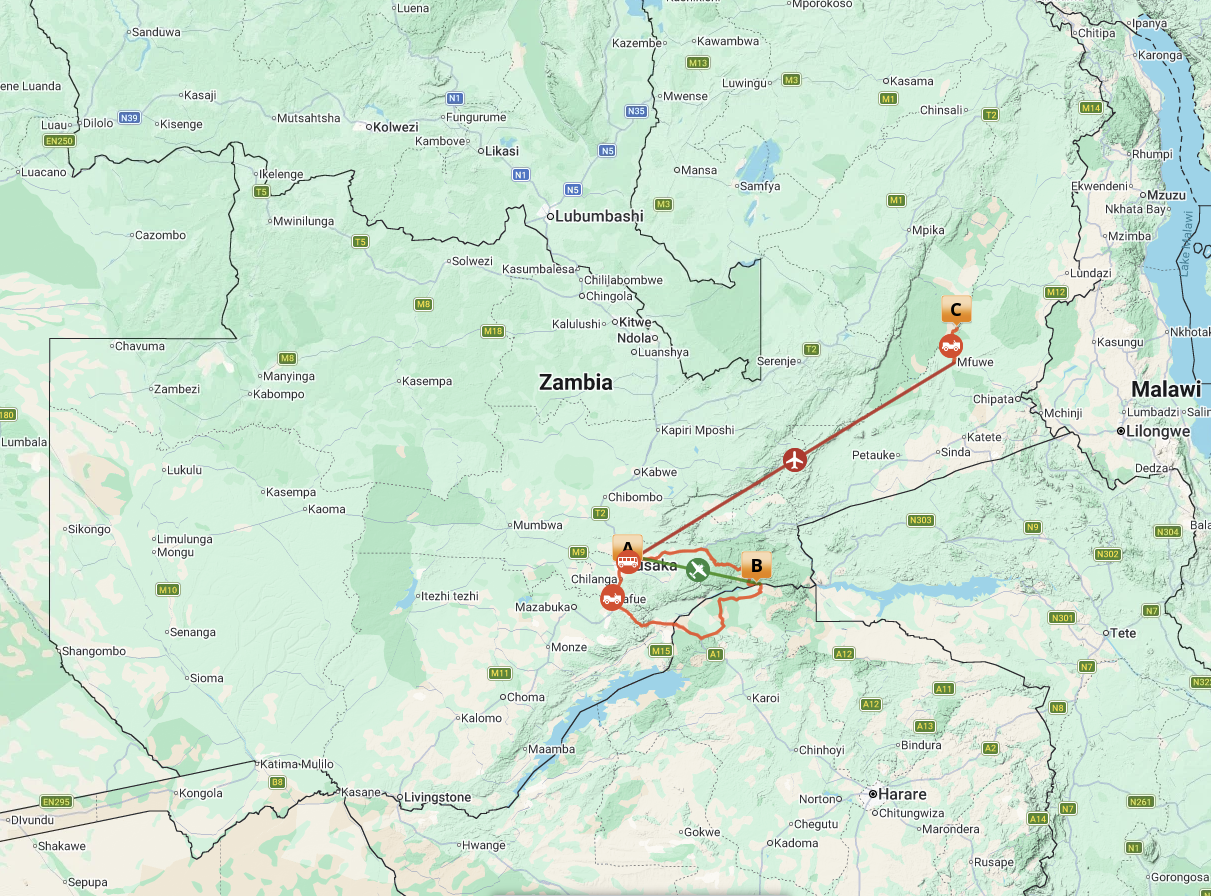
Anabezi Camp, Lower Zambezi
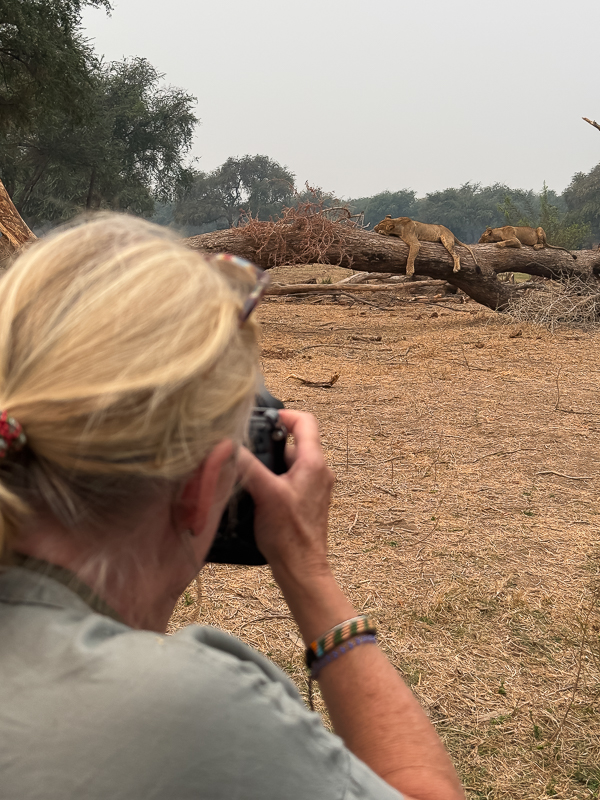
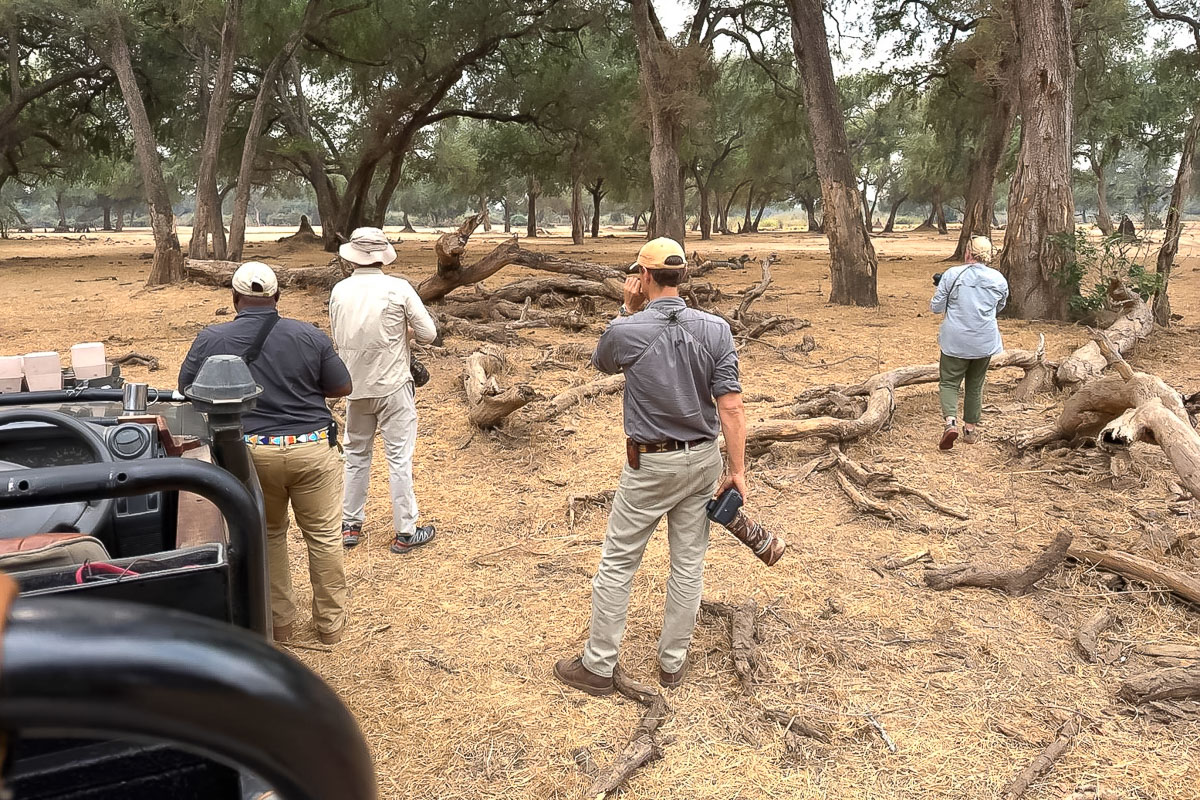
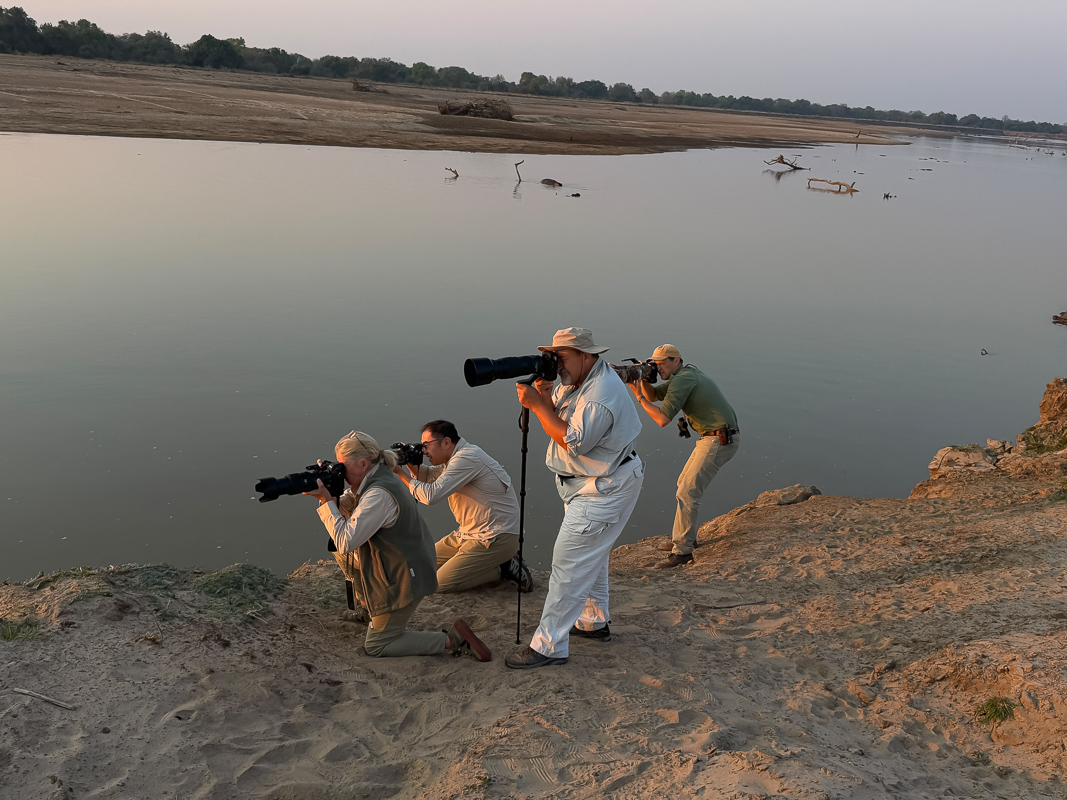
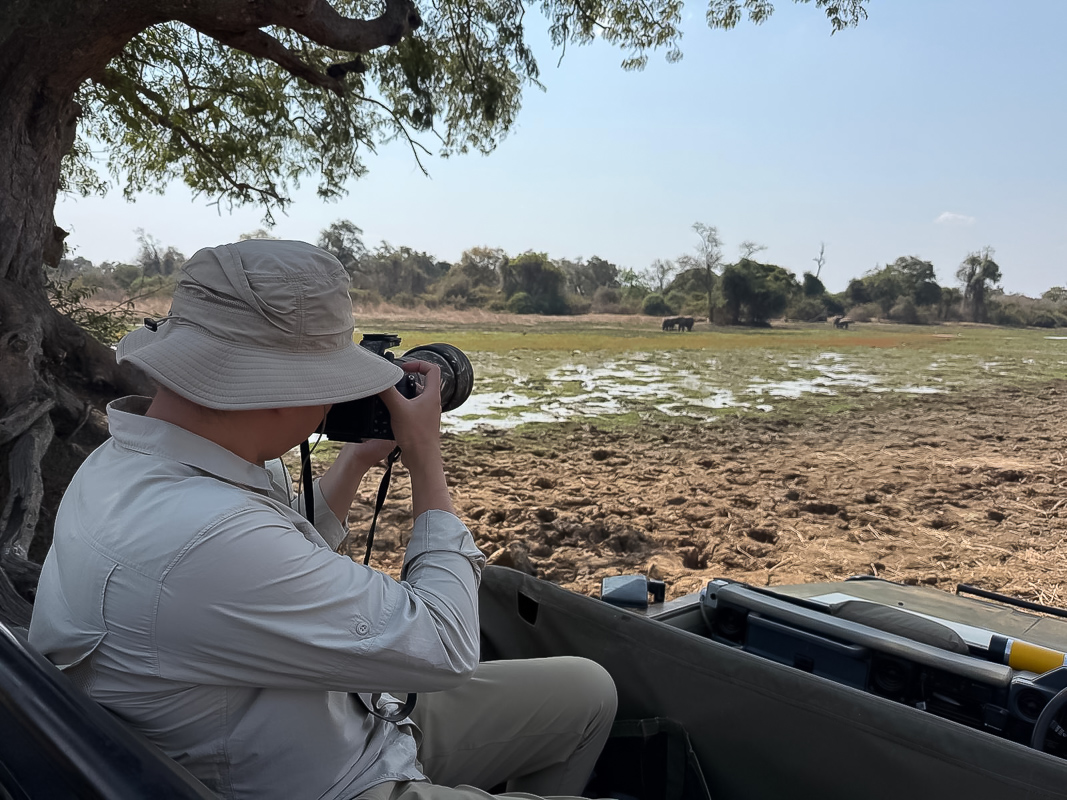
I was guiding a new group of 4, none of whom had travelled with me before. This is unusual when I have so many repeat visitors, but it was a wonderful chance to start afresh and see an area through the eyes of first-timers. It’s also rewarding to spend time with each person, talk about their cameras, make tweaks to the set up so that they can access all the functions that they need, and then watch them create wonderful images. Some of my guests come to me with lots of experience and some are keen “just to get the animal in the frame without cutting off body parts!”; whichever it is, I am able to take their skills forward, help them with new techniques and push them to broaden their photographic skill-set.
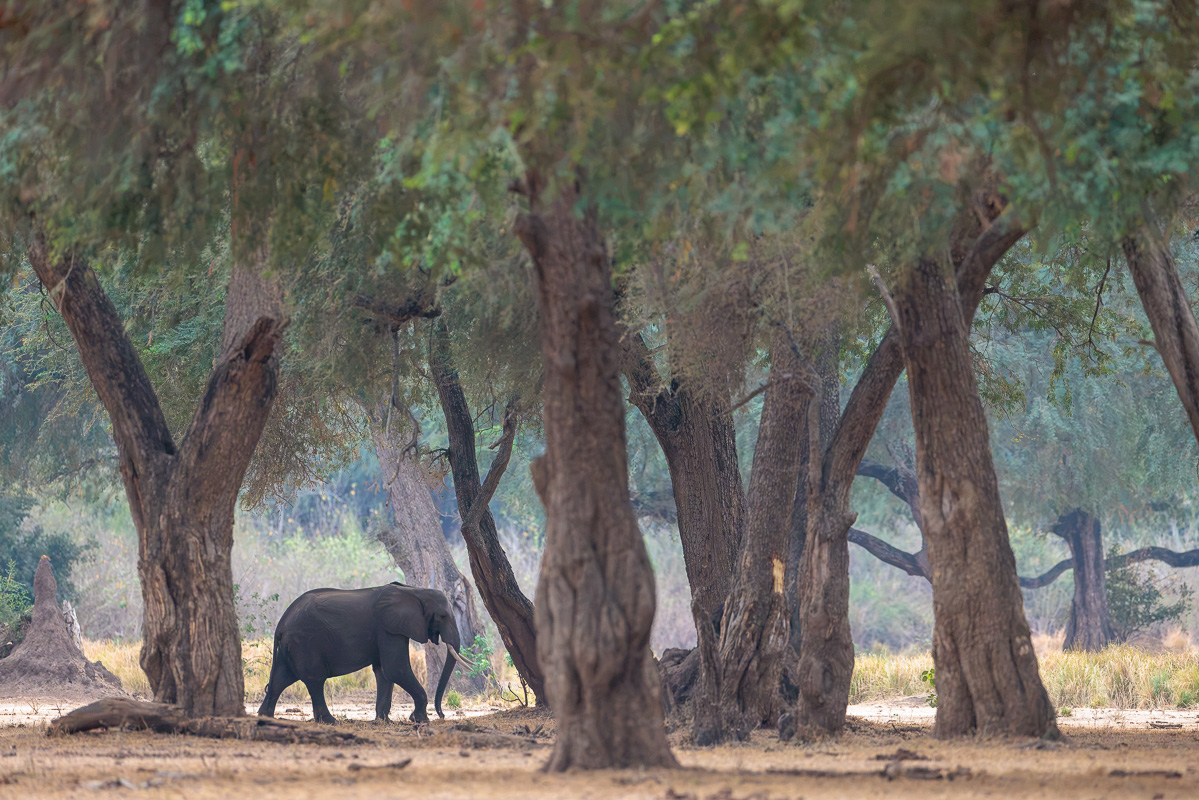
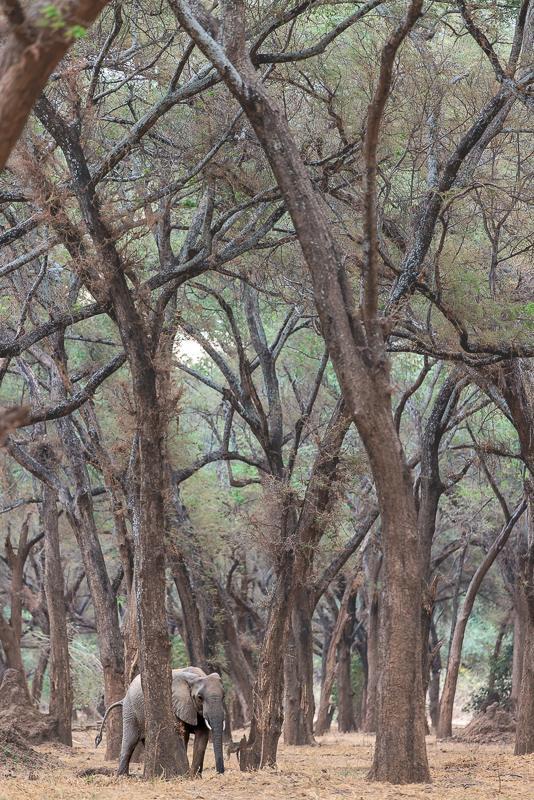
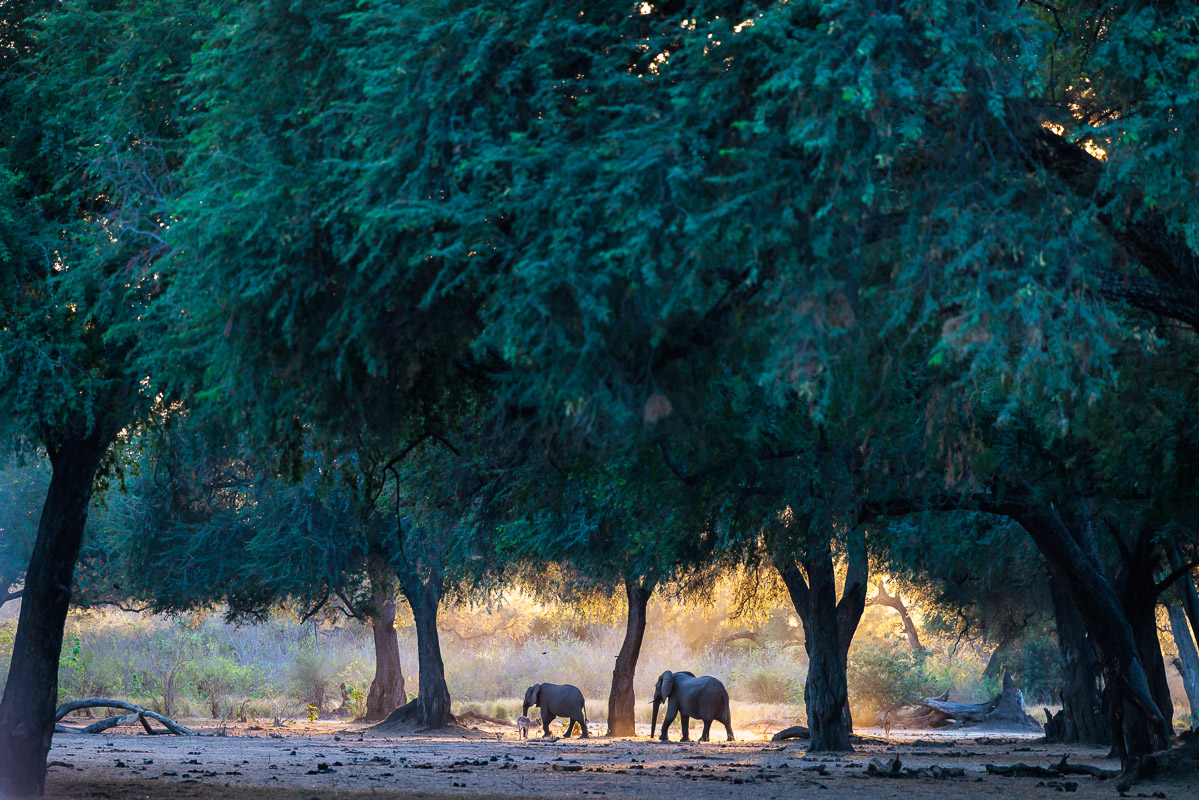
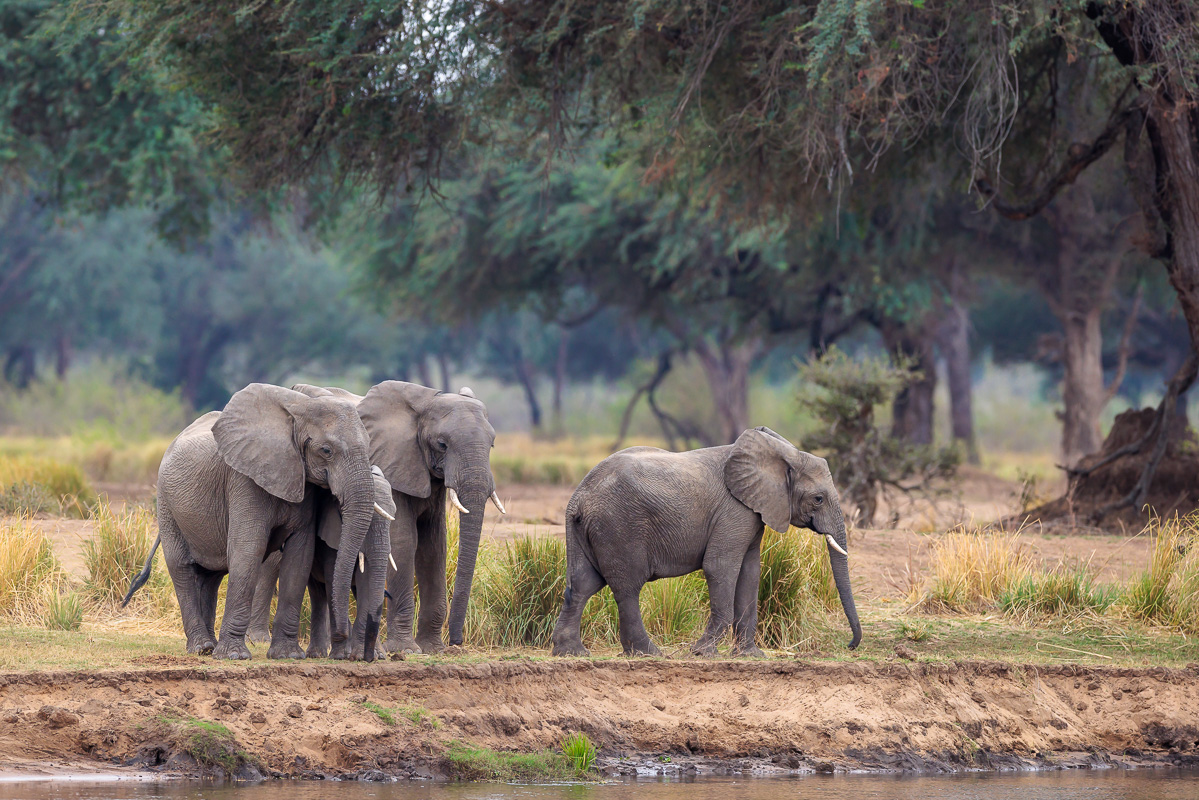
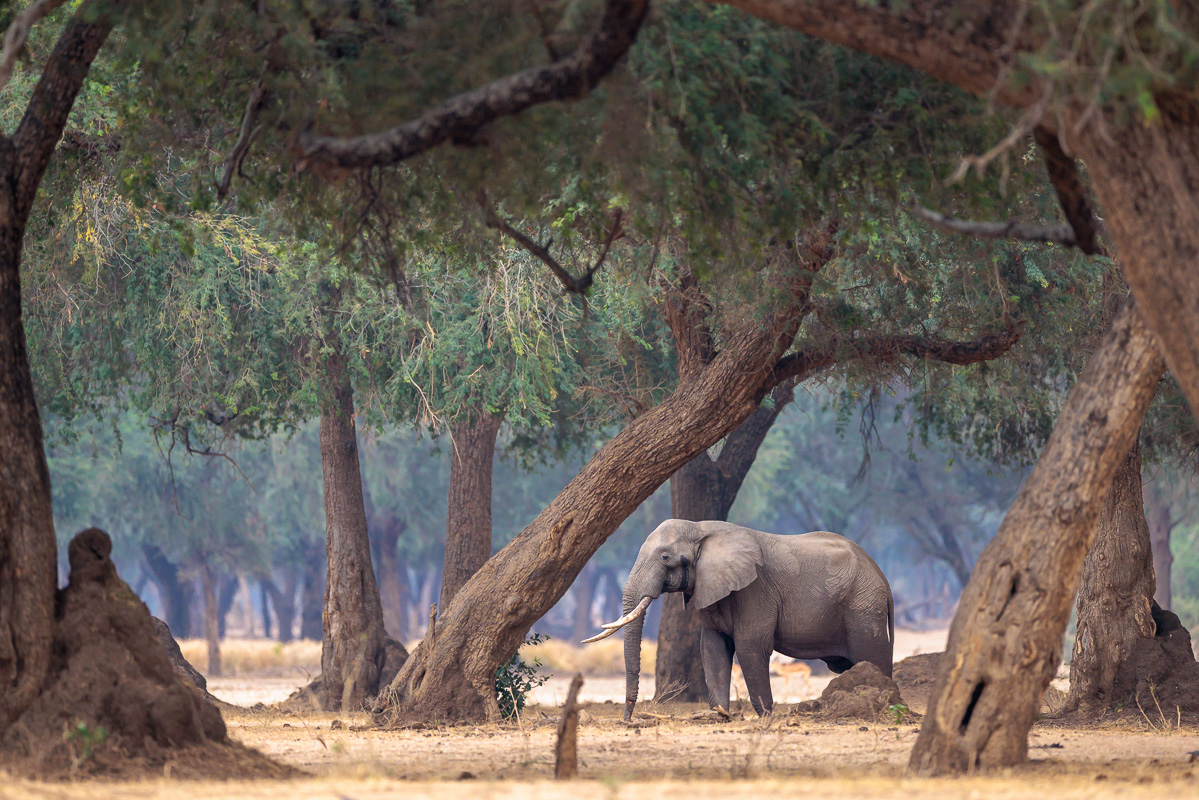
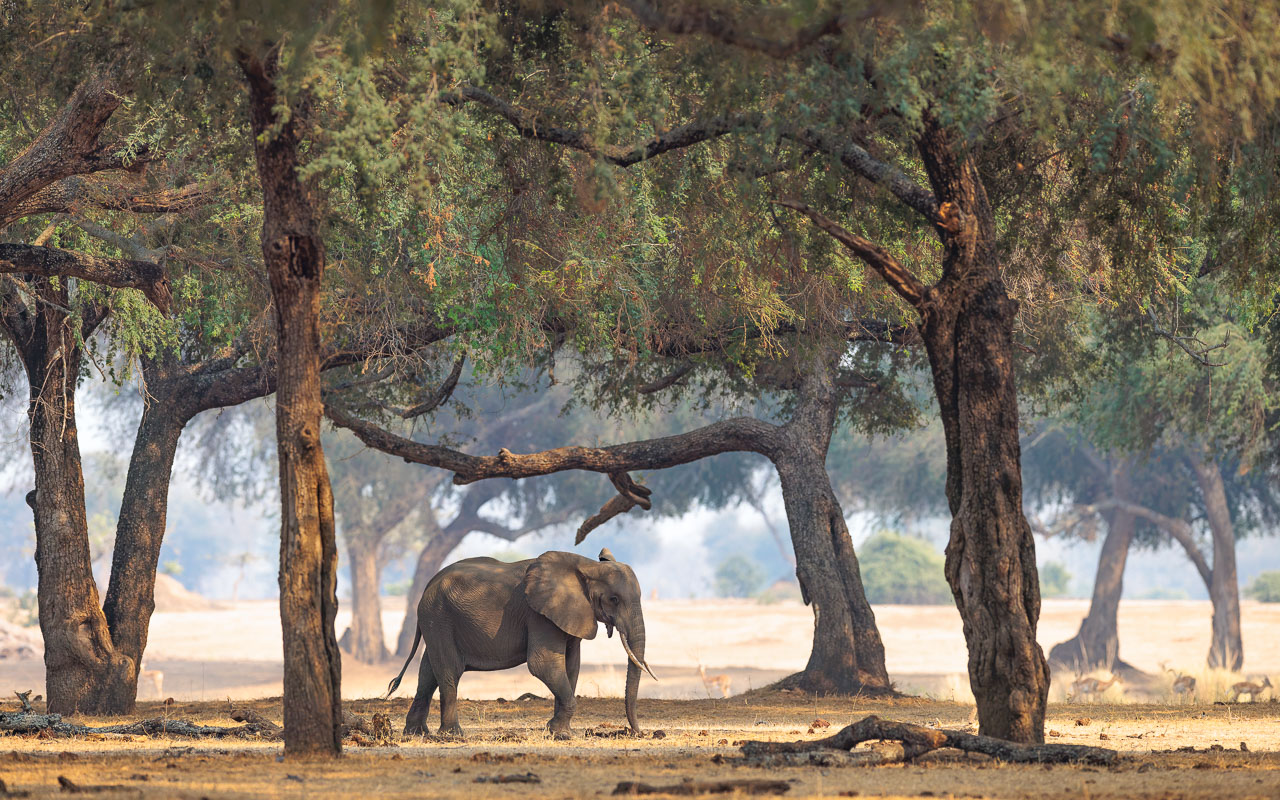
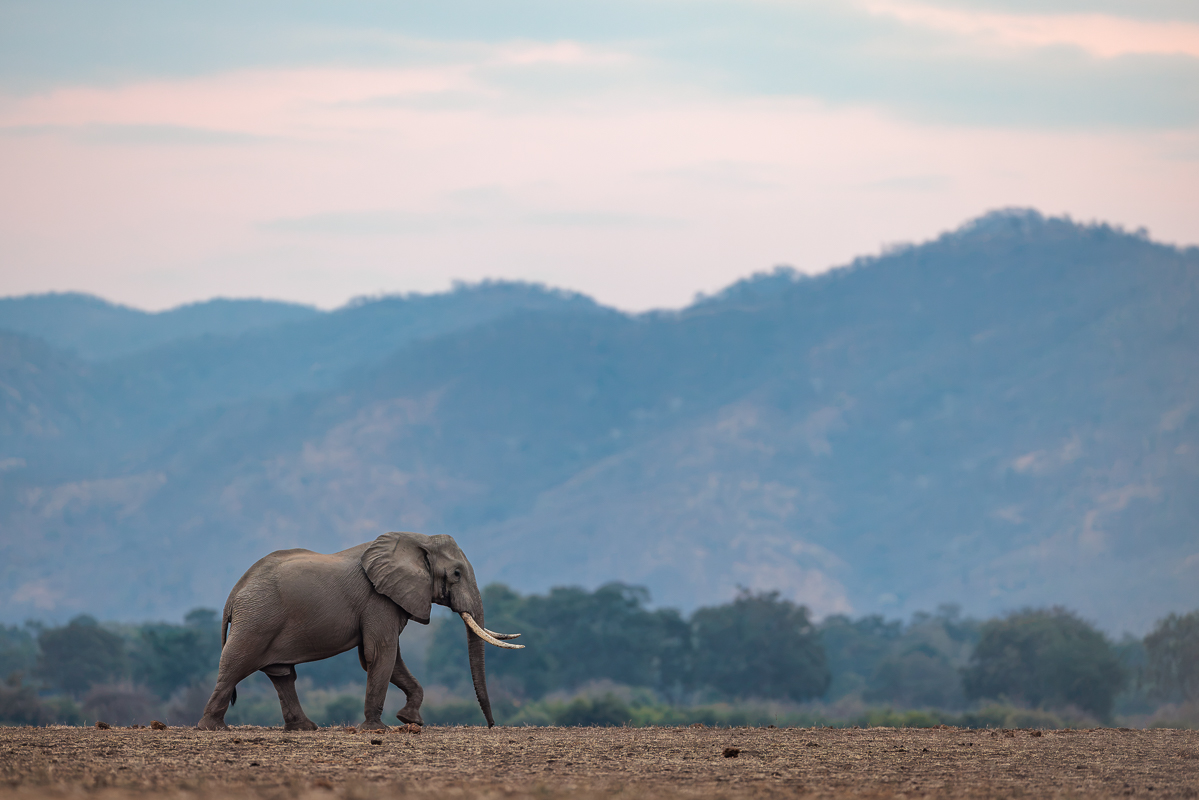
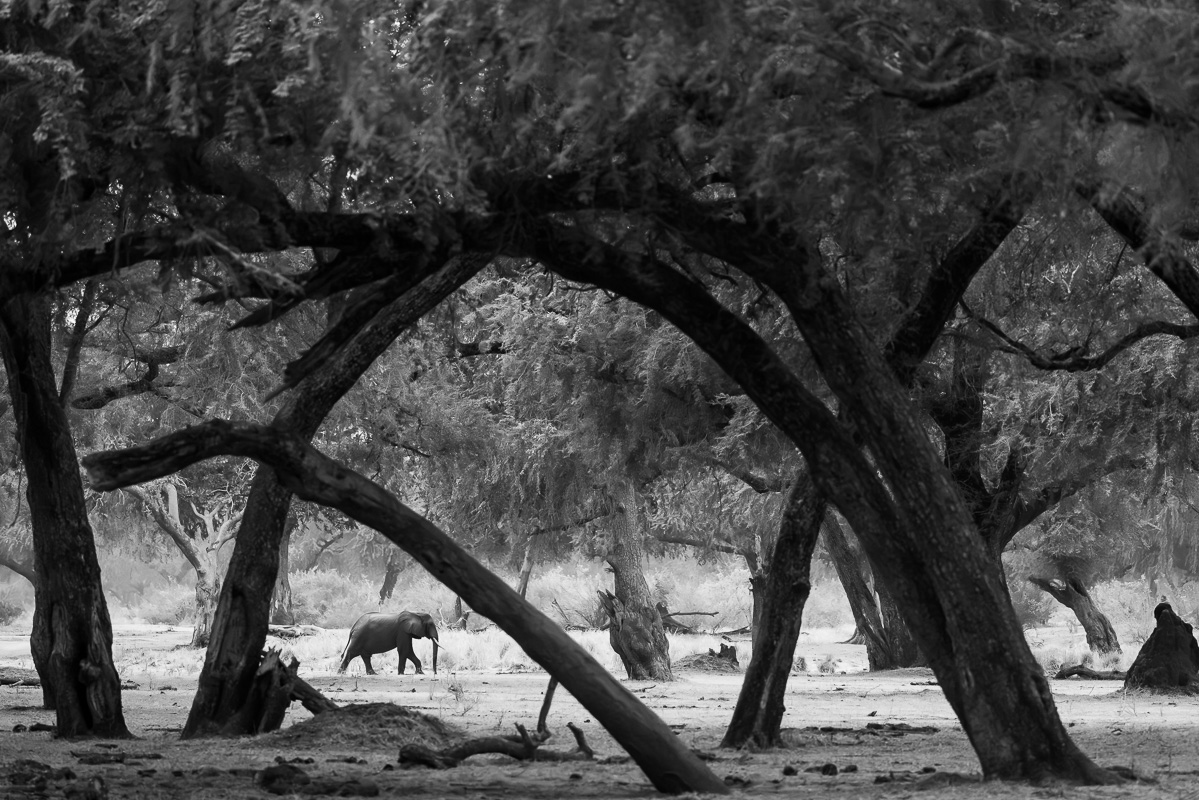
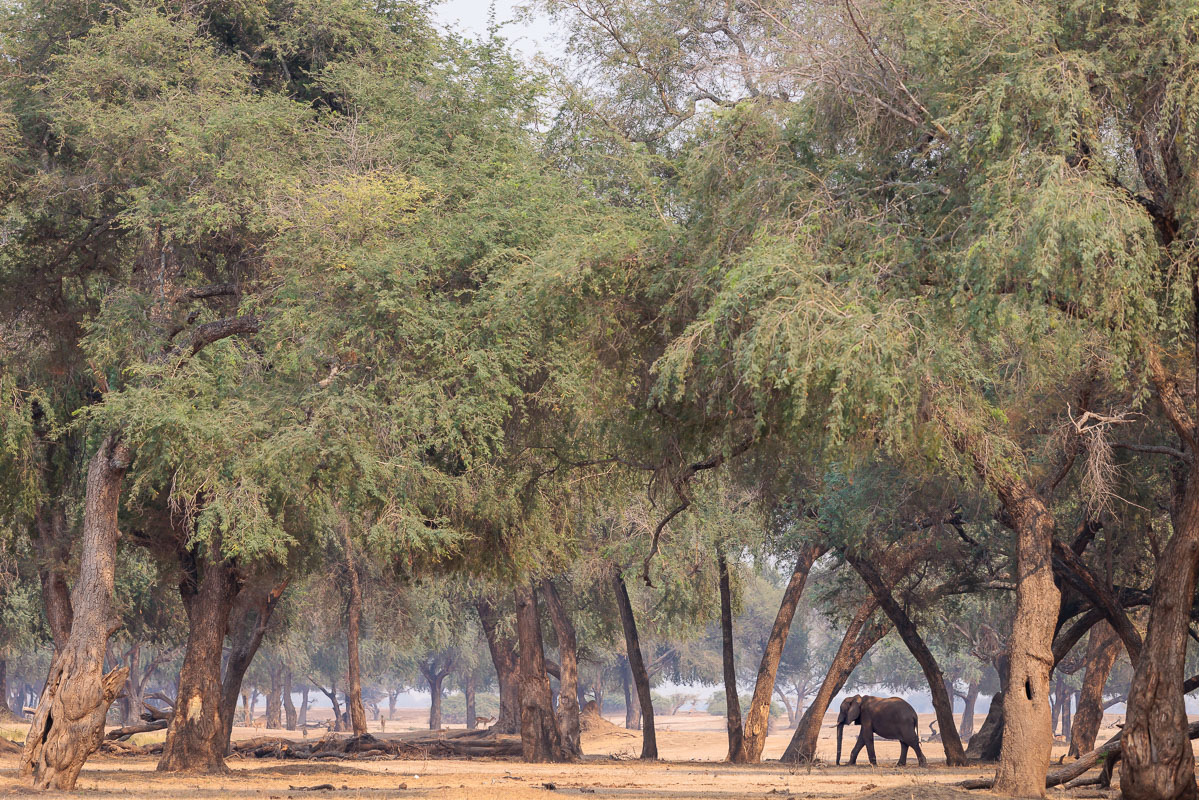
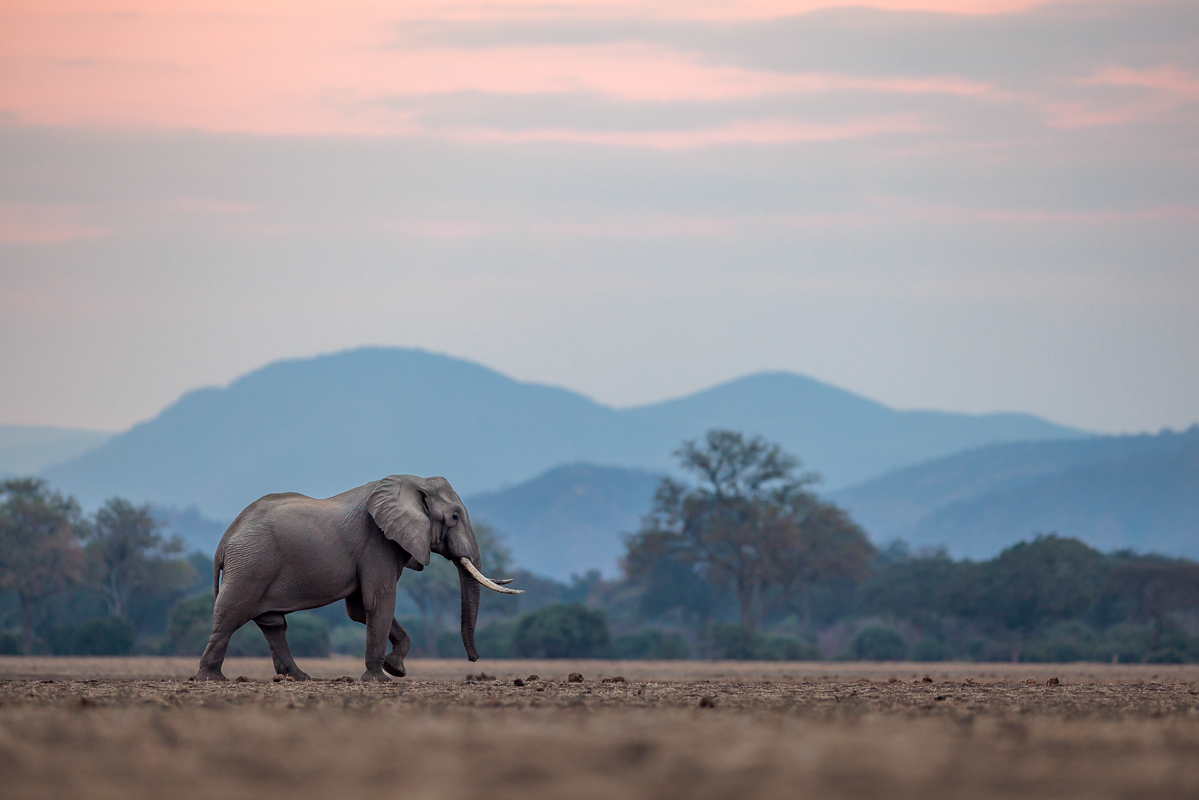
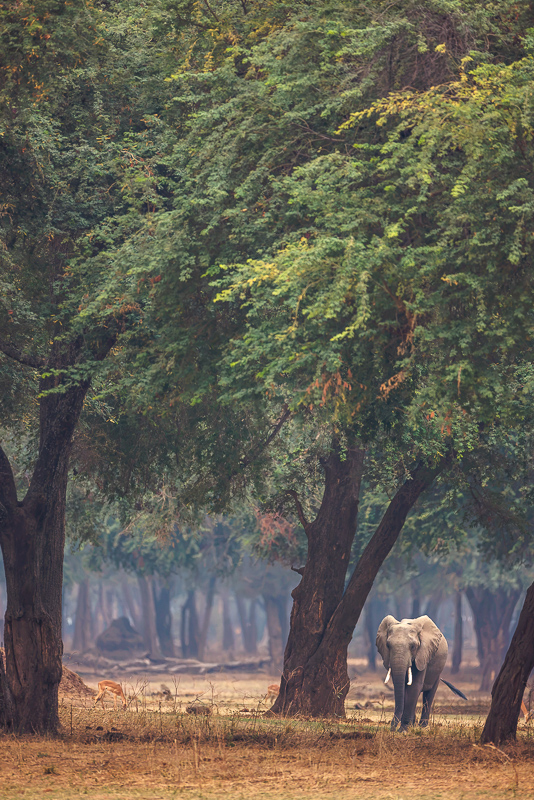
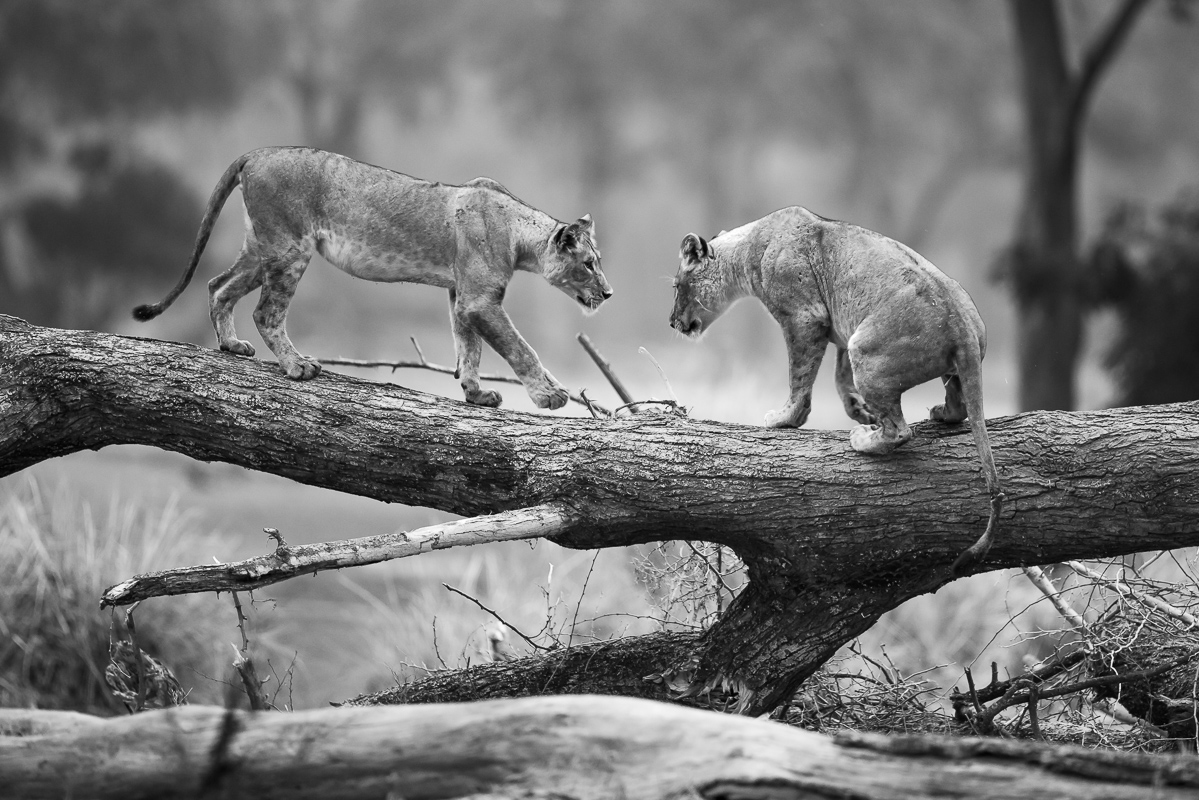
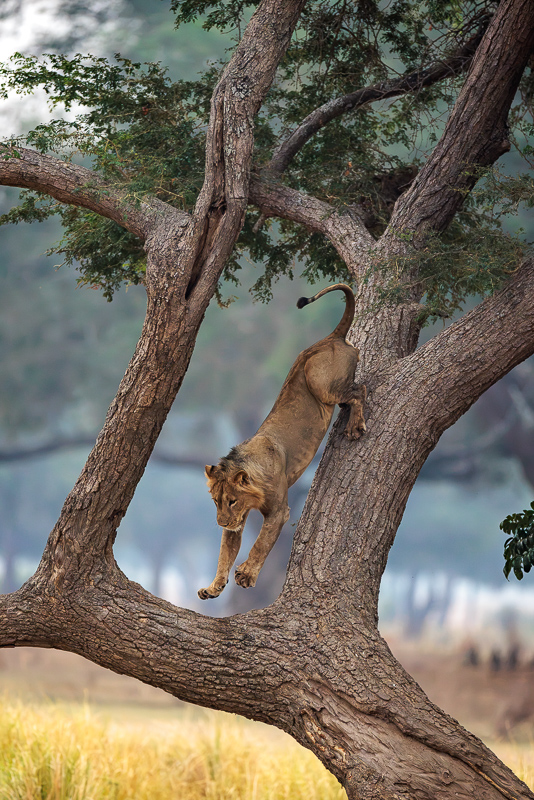
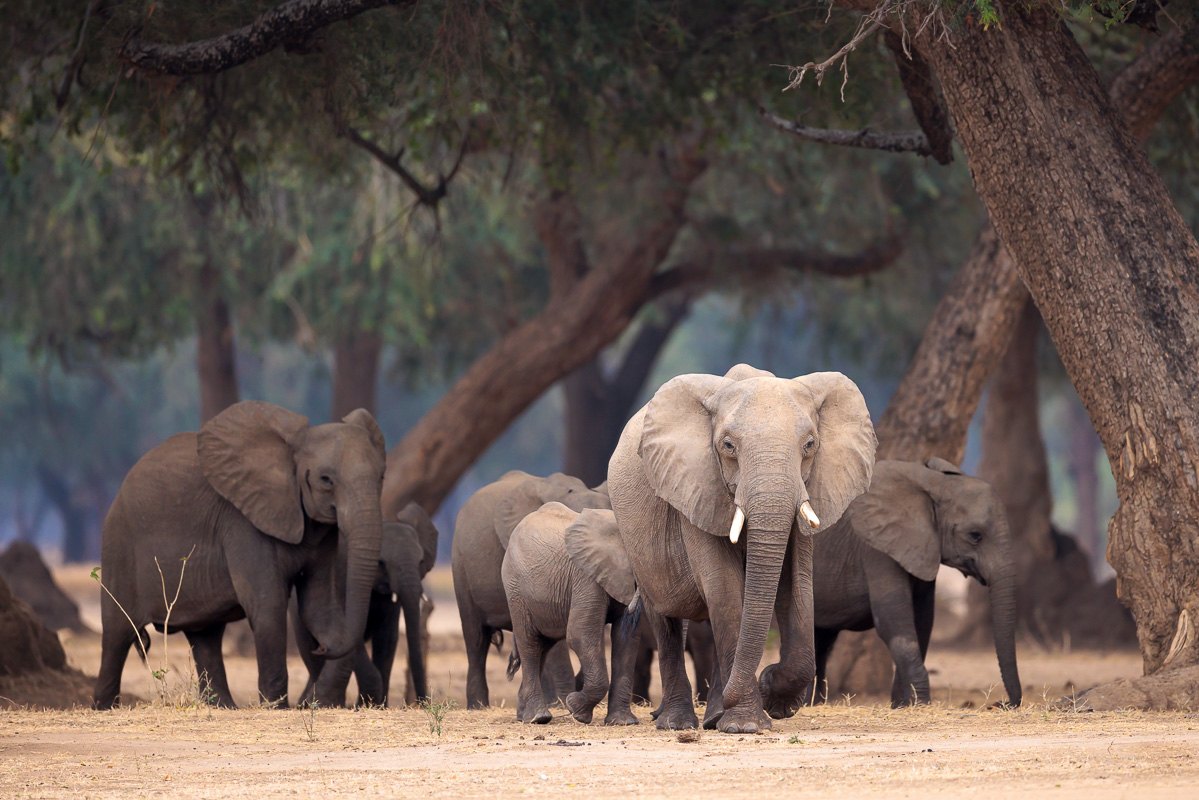
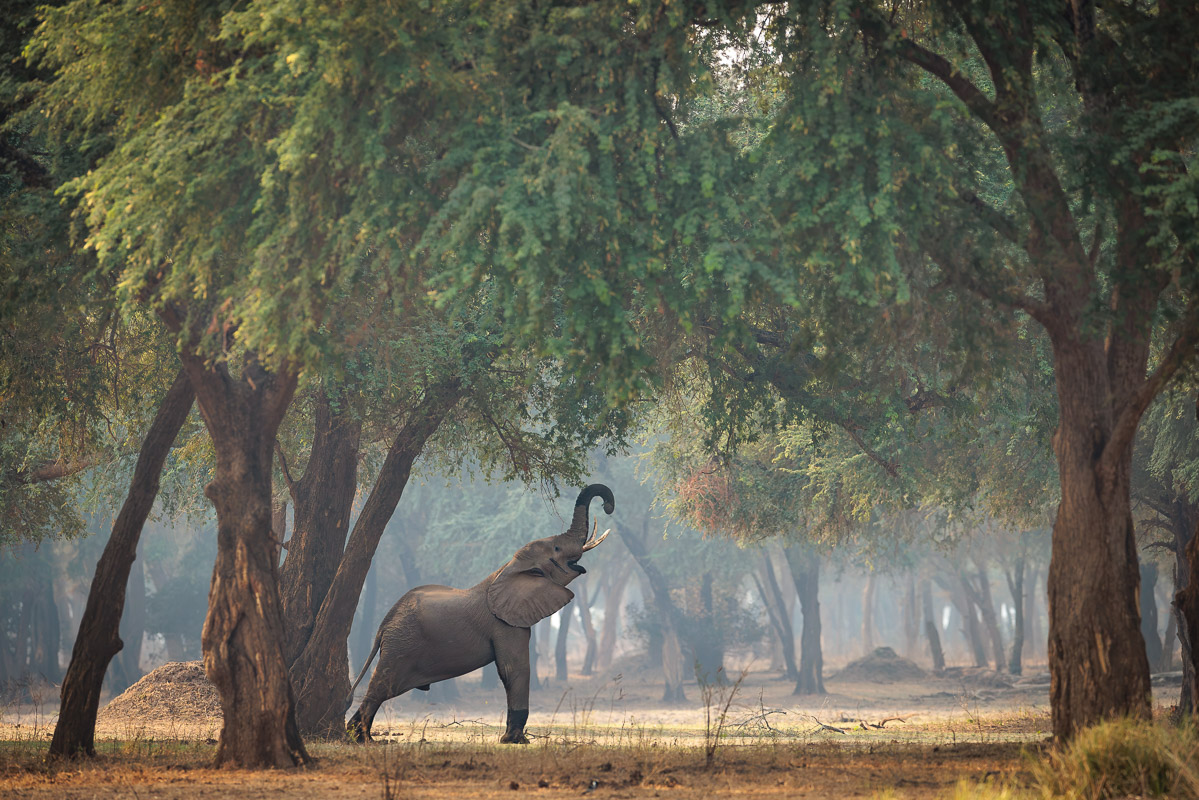
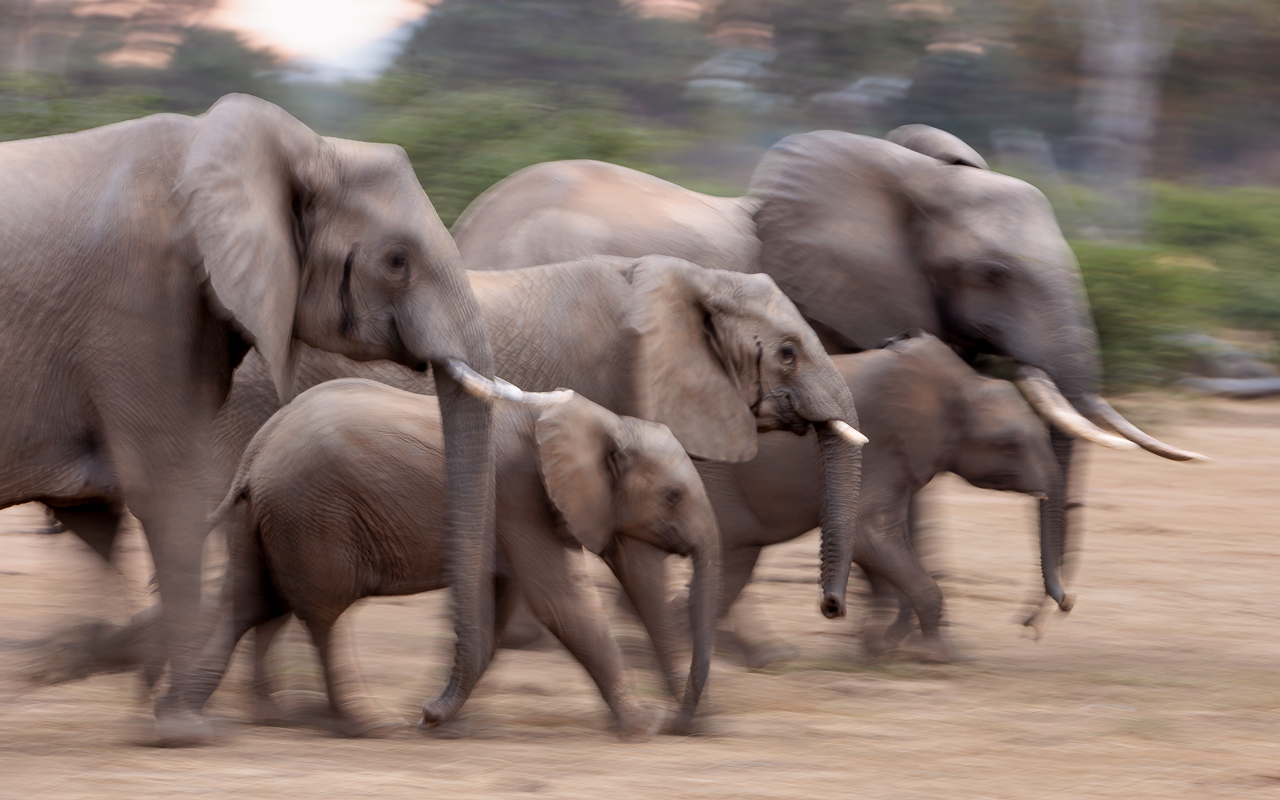
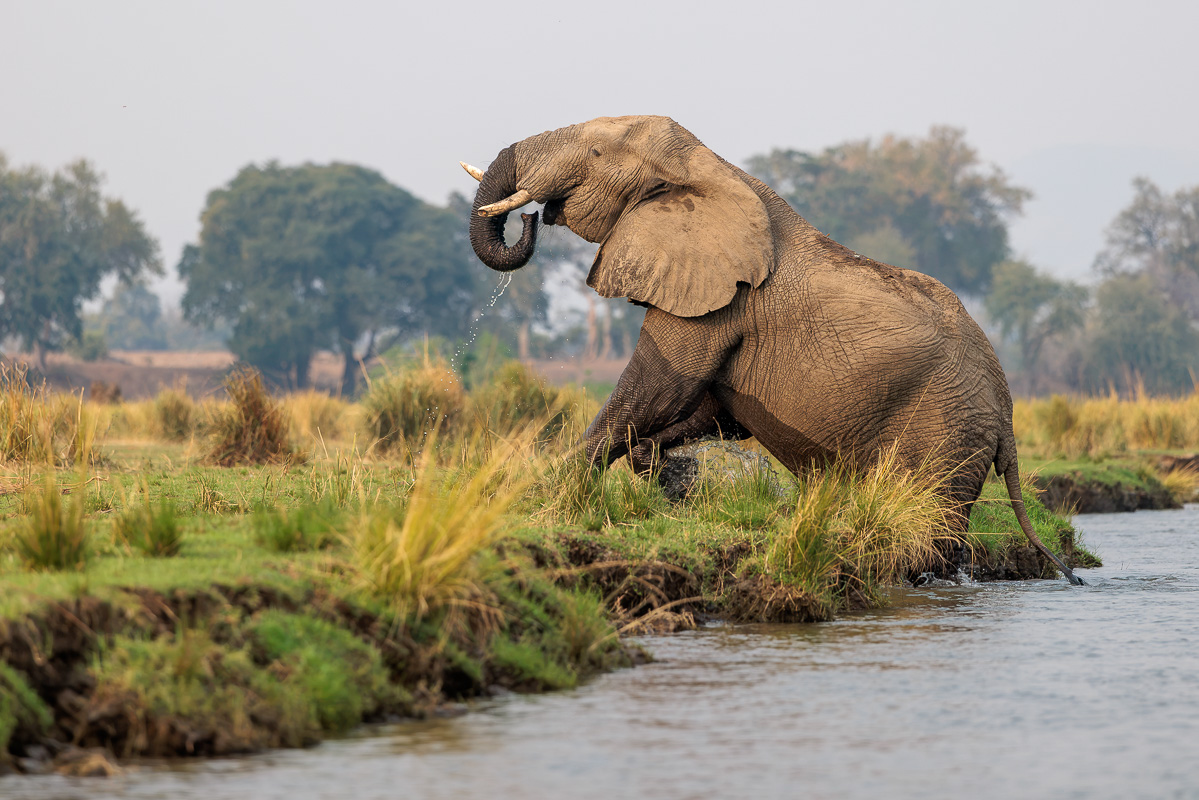
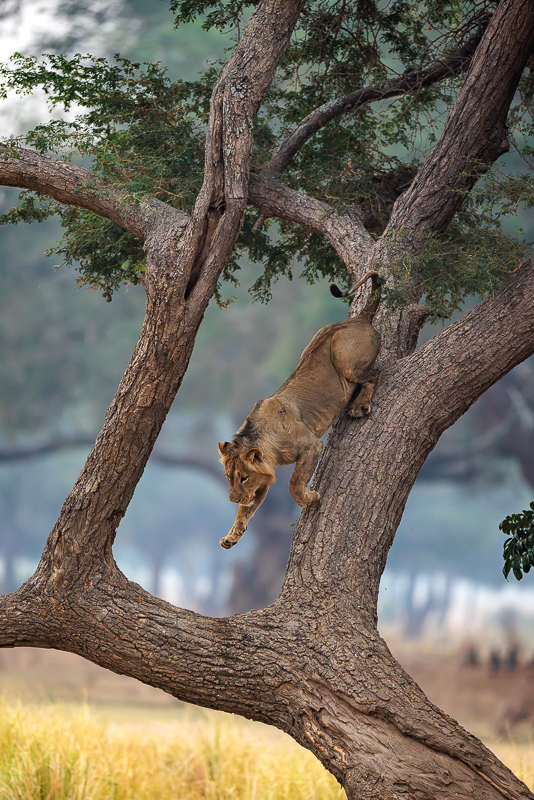
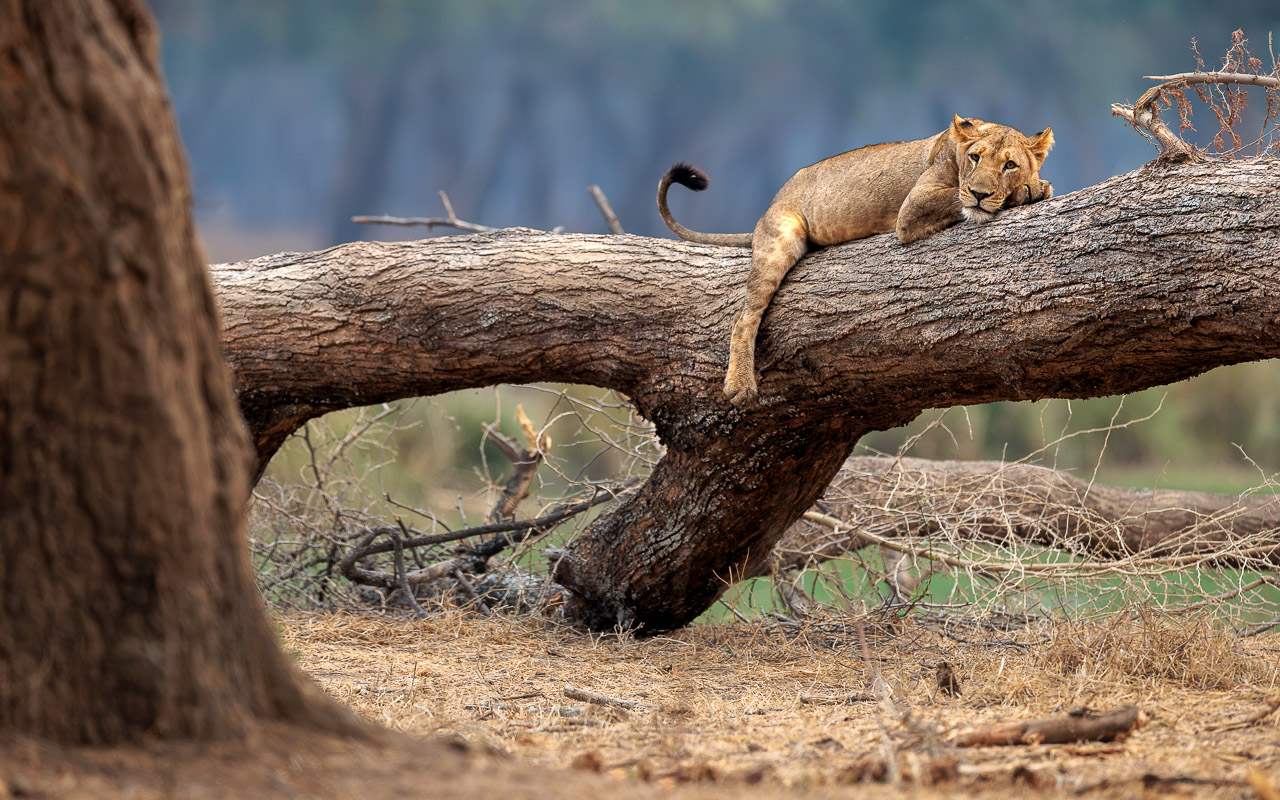
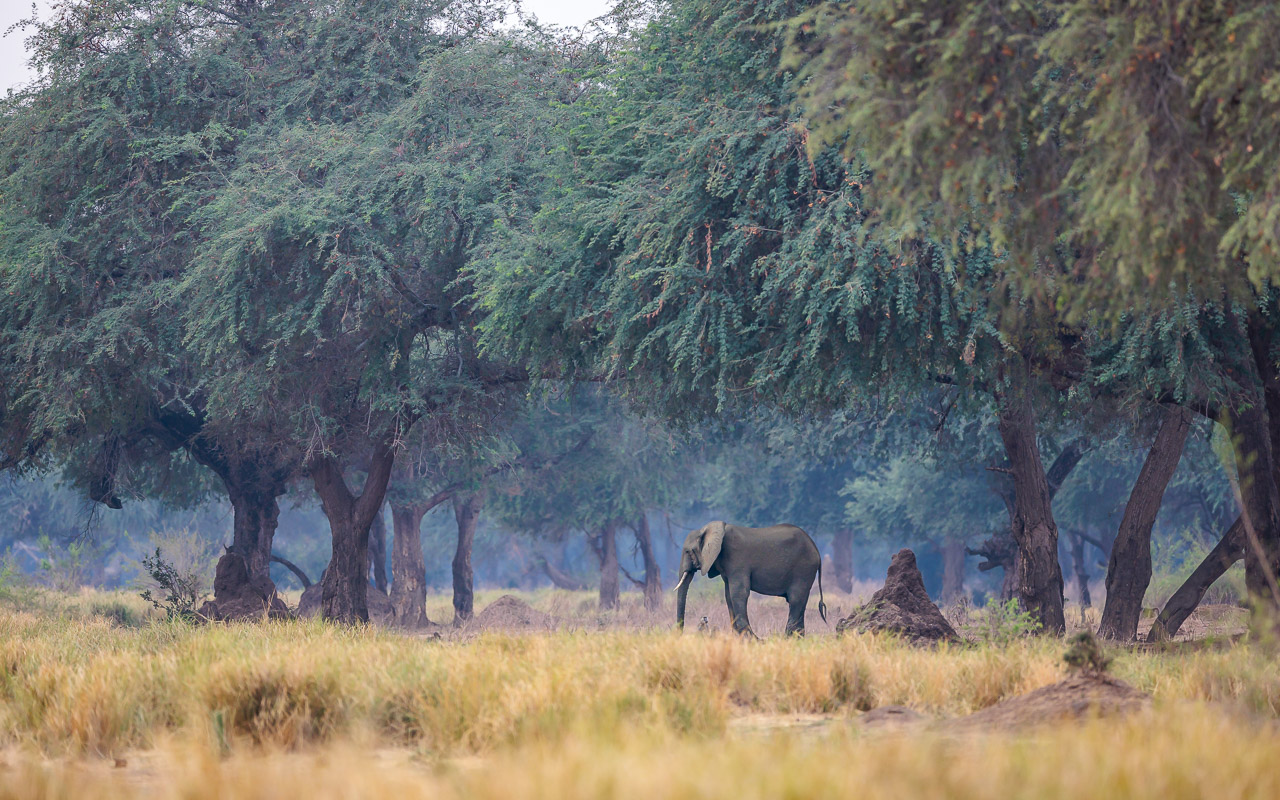
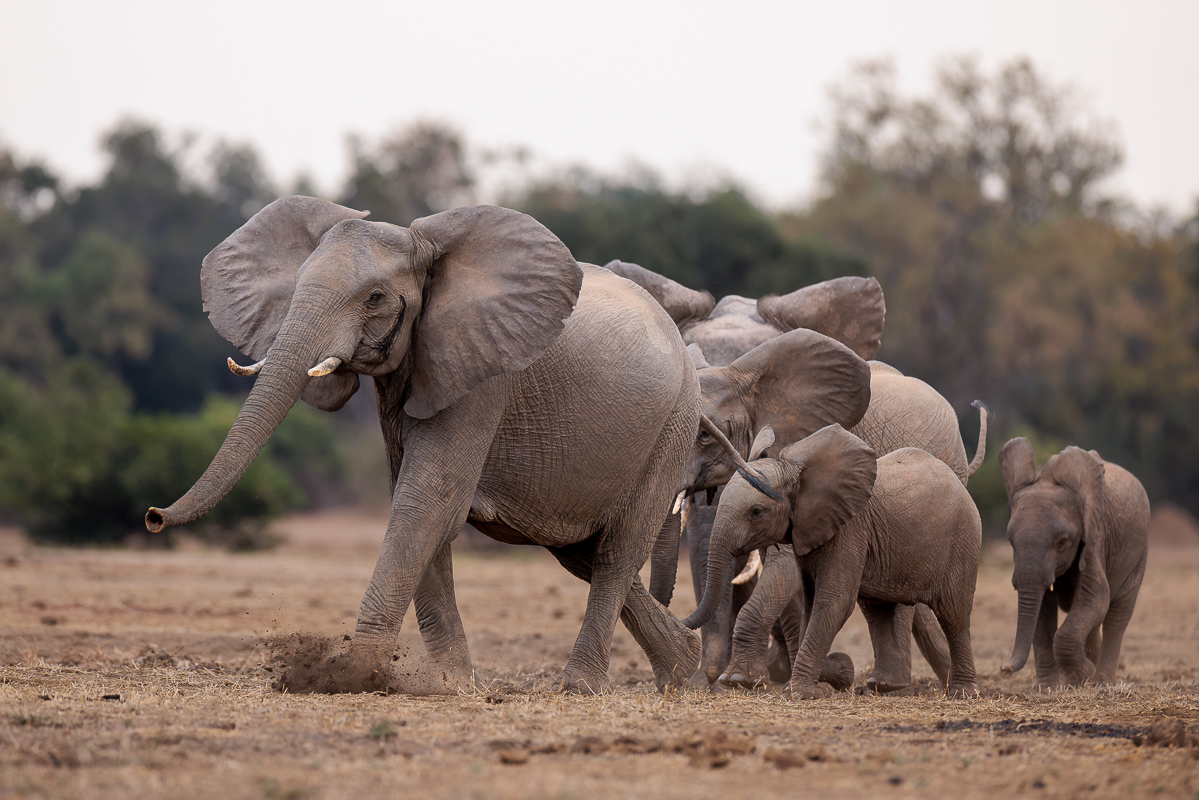
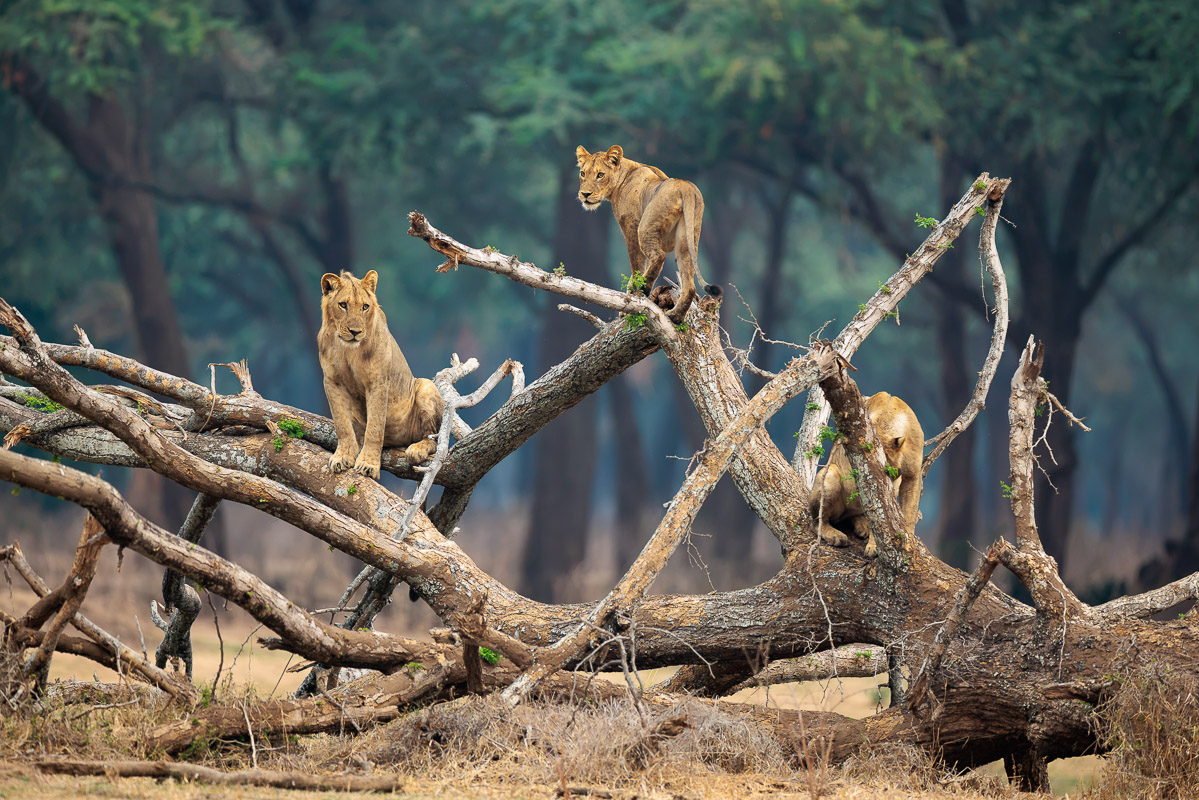
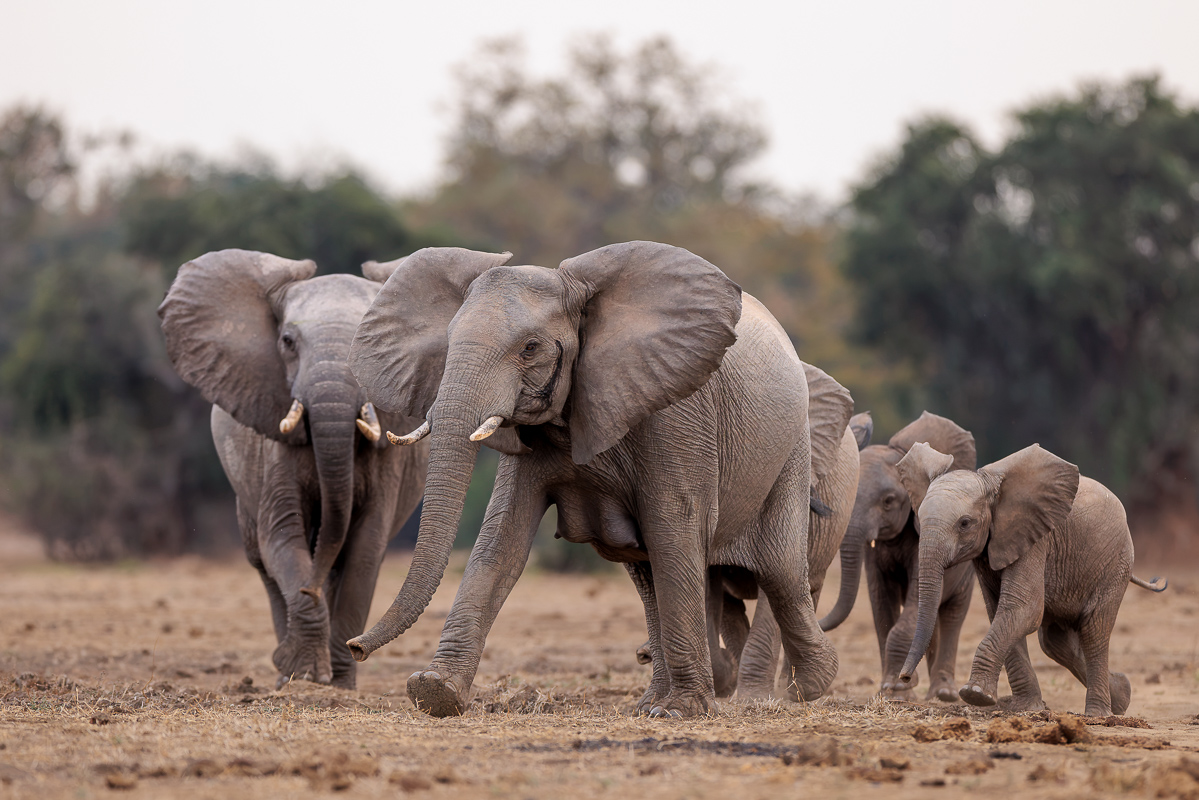
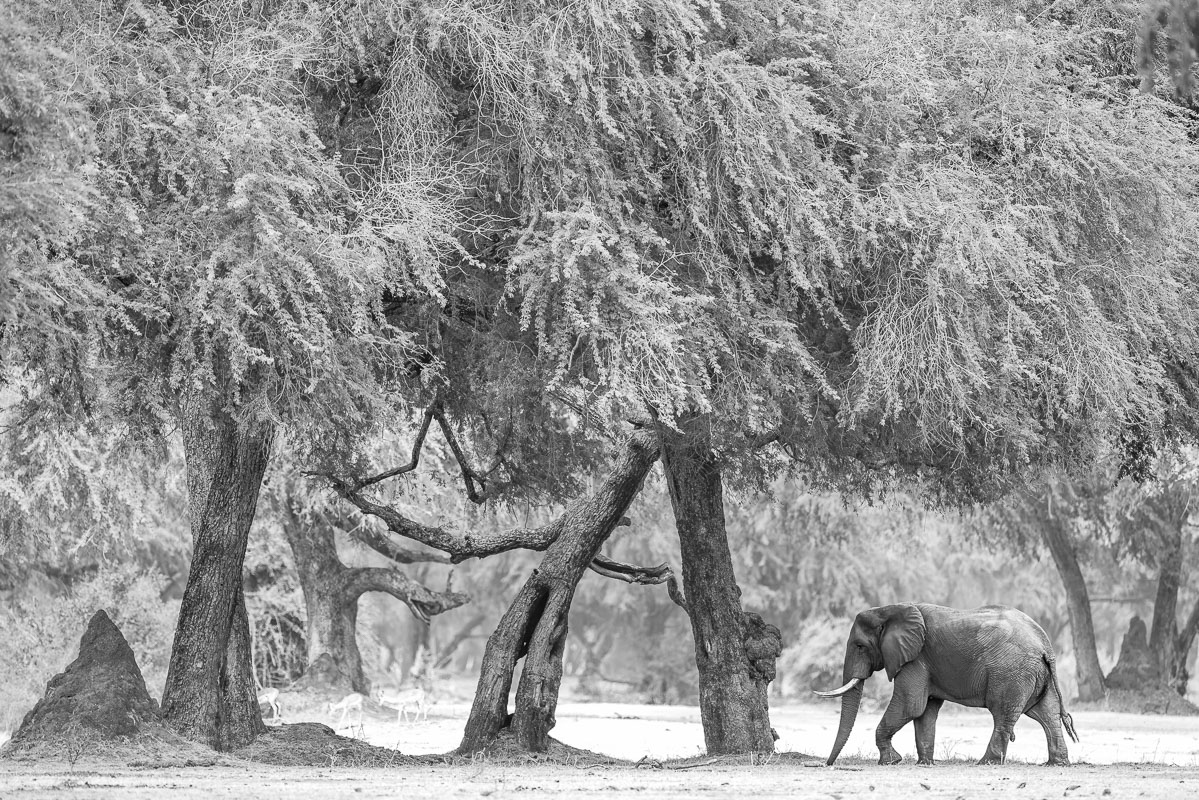
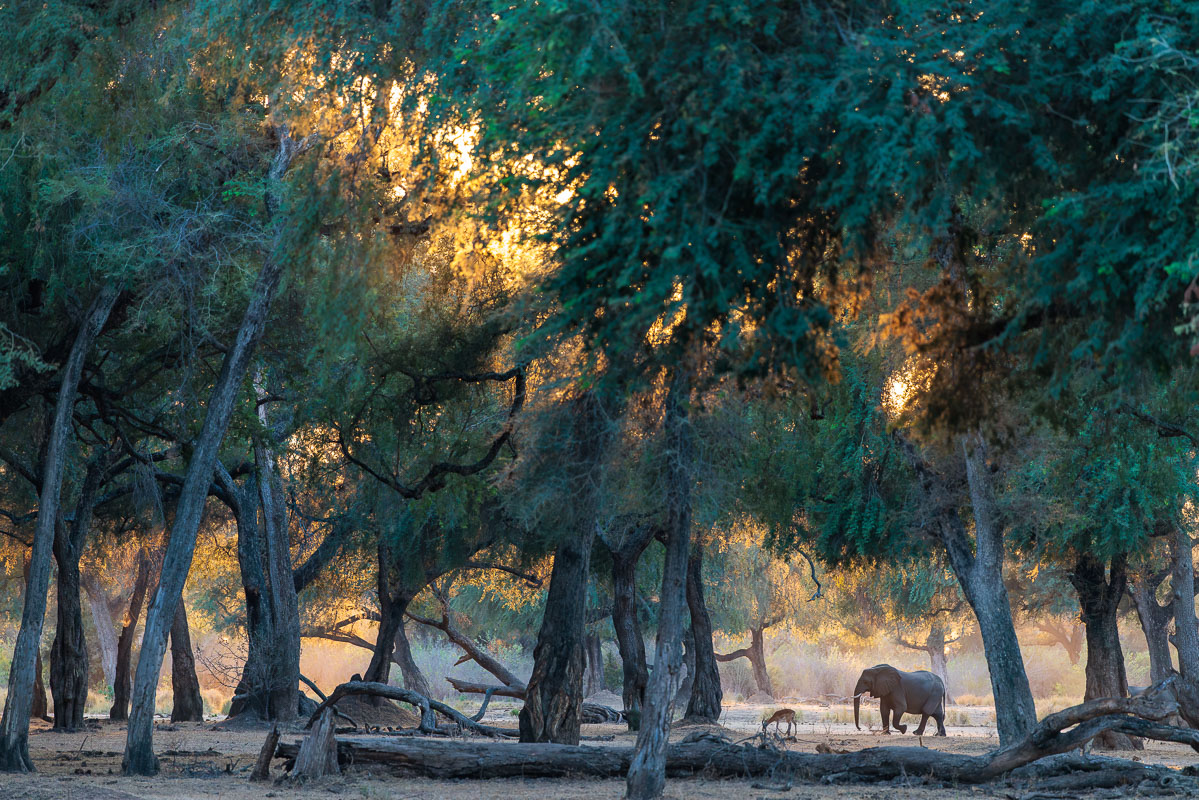
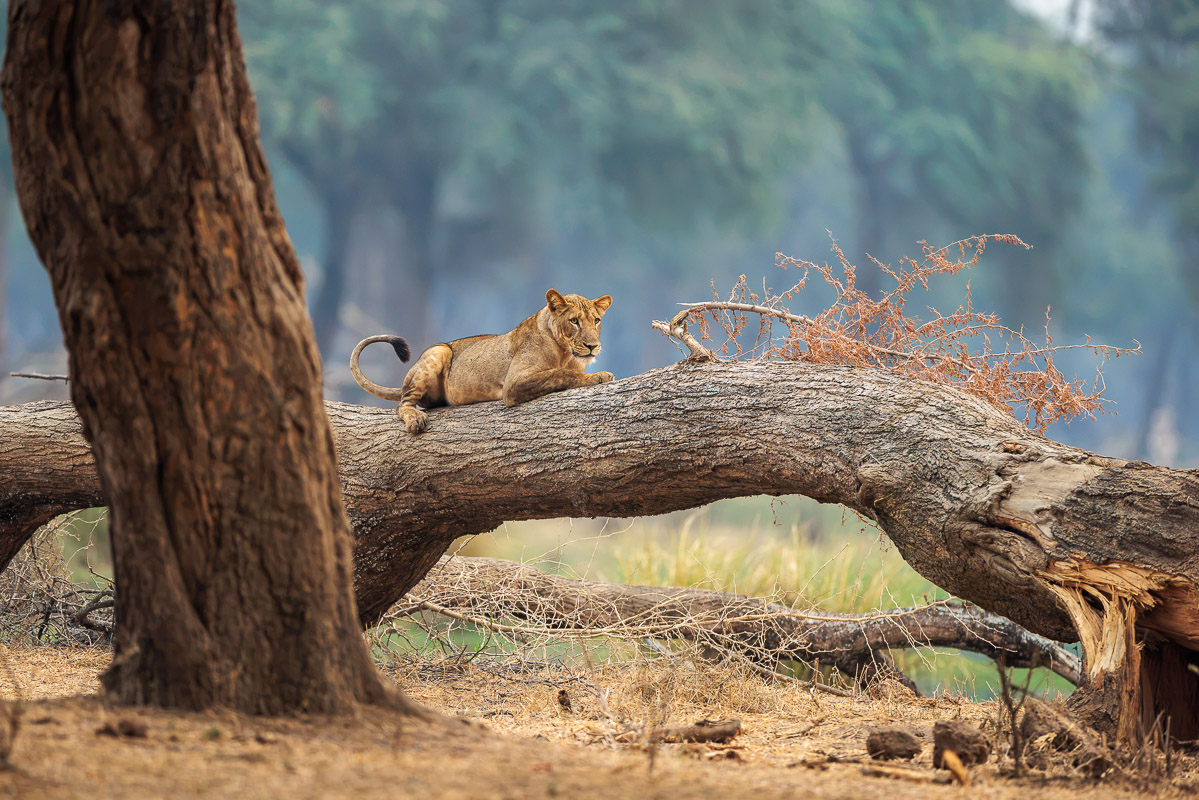
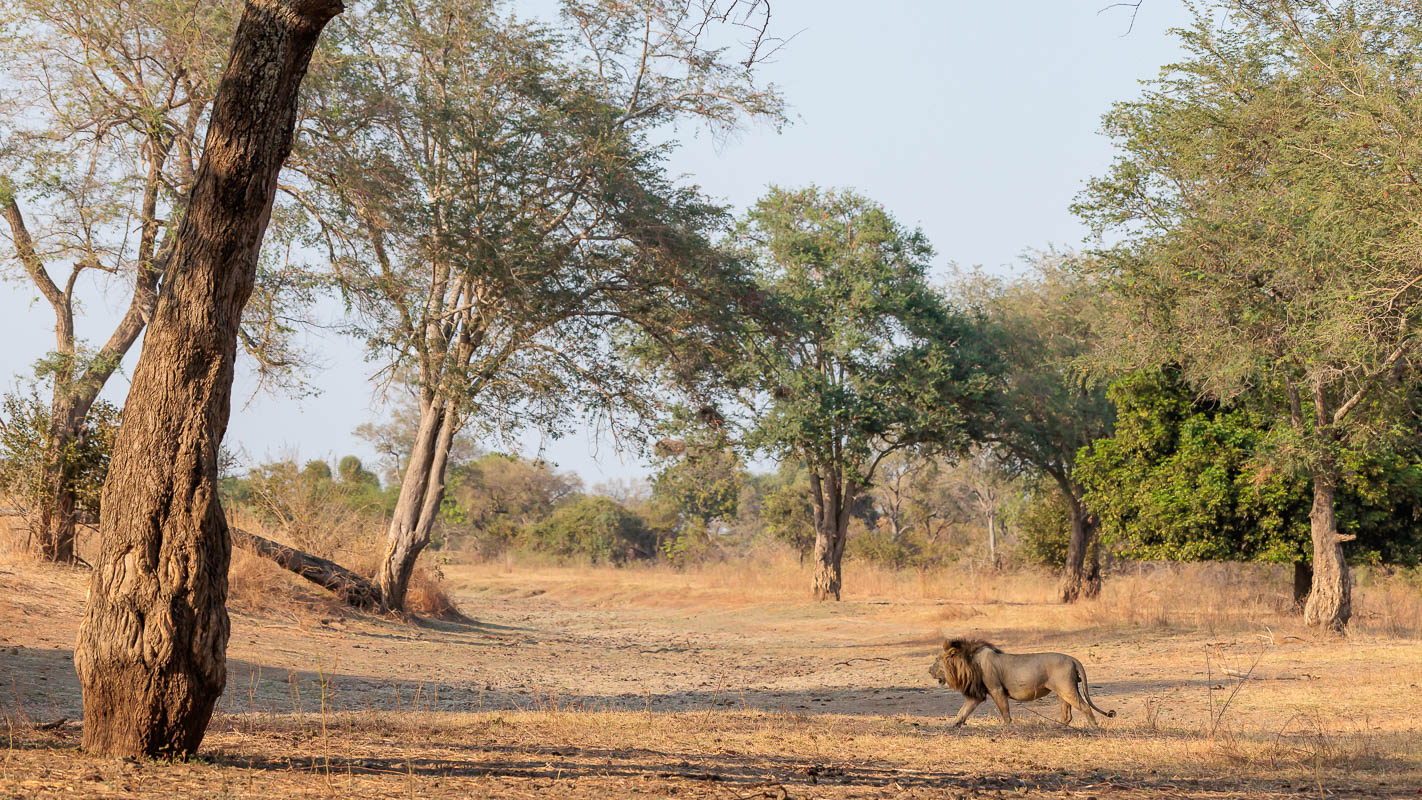
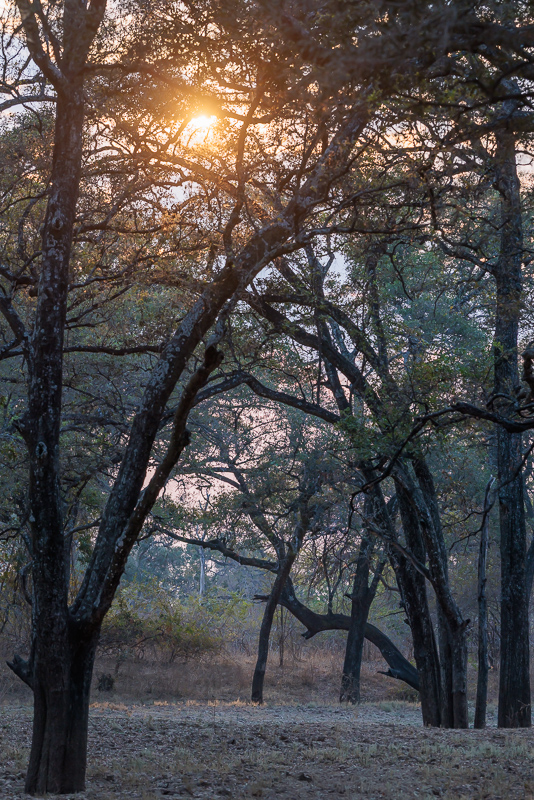
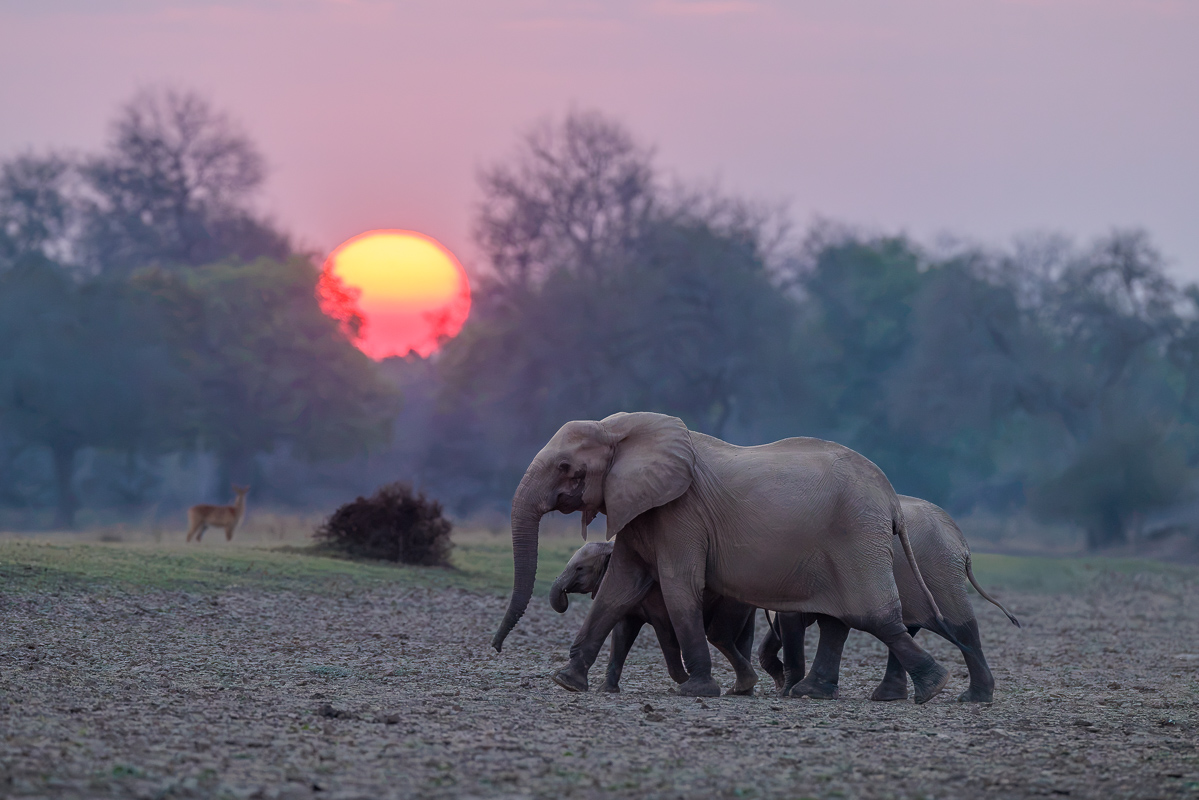
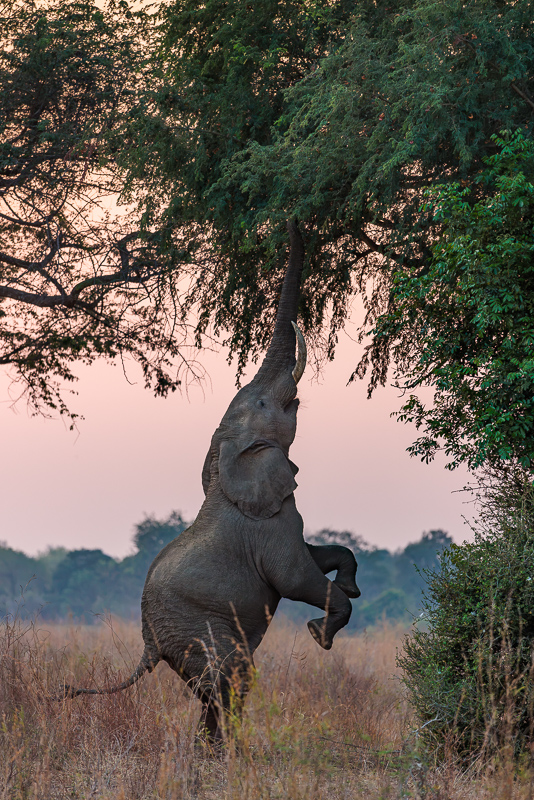
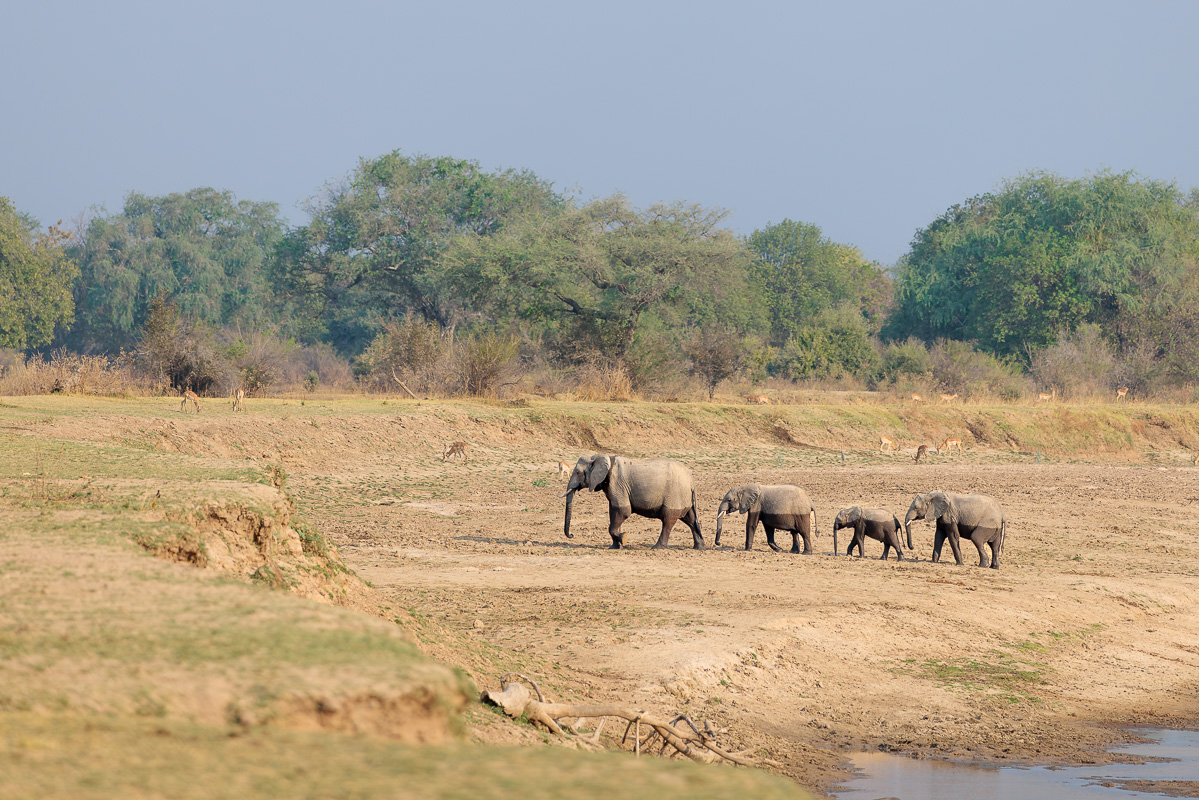
There is a huge wow-factor to arriving in the Lower Zambezi National Park. From the airstrip to the camps that I use, we can often count 100 elephants and the towering winterthorn forests generate a buzzing excitement as visitors’ eyes pick up wildlife through small windows between the tree trunks on all sides. This area lends itself to wider images, where the animal is merely part of the scenery, and there are special ways to achieve good outcomes with this technique – generally it’s very important to frame carefully (removing what you don’t want in the frame) and then isolate the subject through a combination of colour, tone and depth of field. We spent a lot of time on this skill, keeping a distance from our subjects and trying to include the landscape around them — have a look at the images of the lions on the fallen trees & the elephants in the forest for examples.
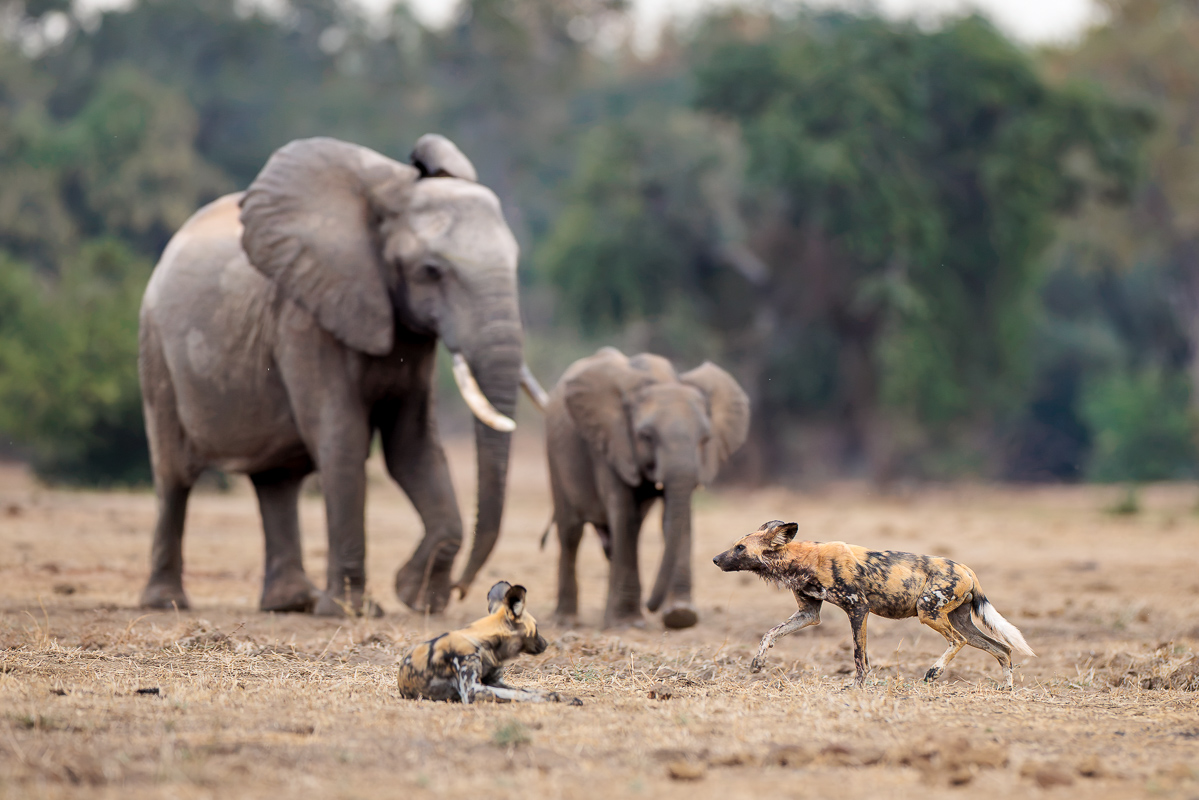
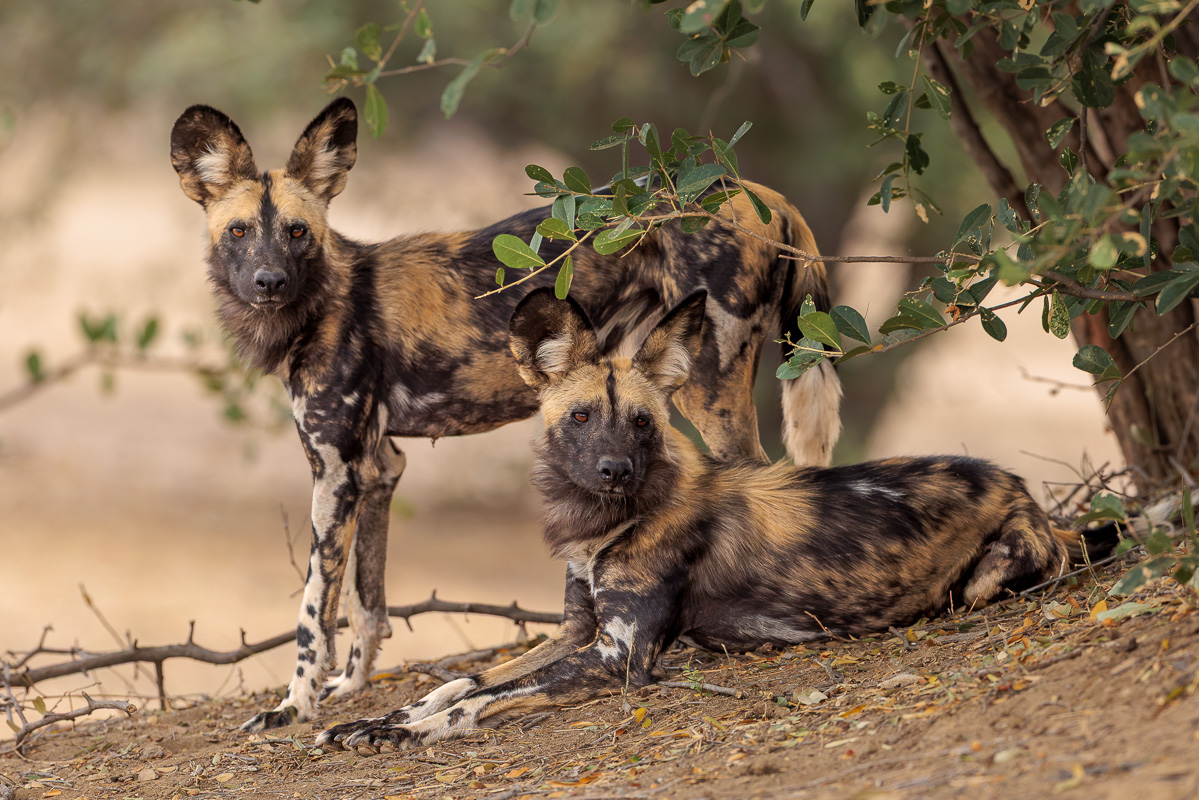
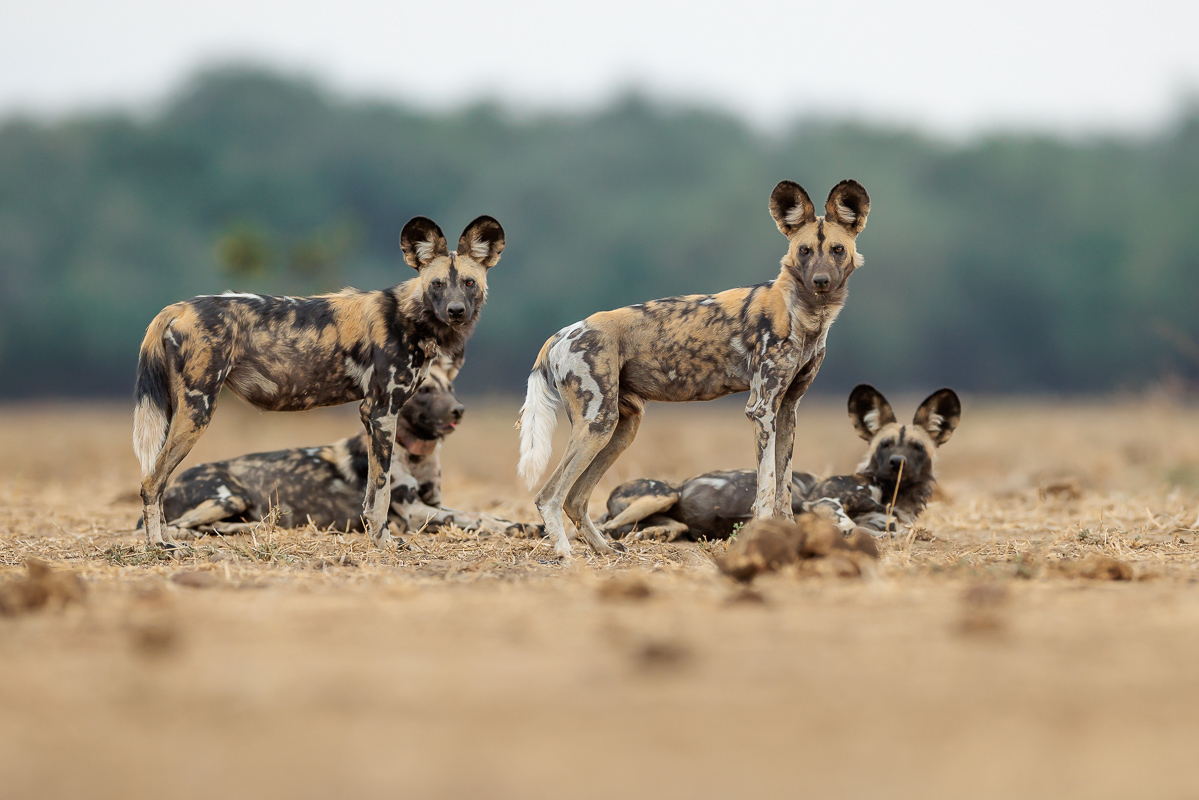
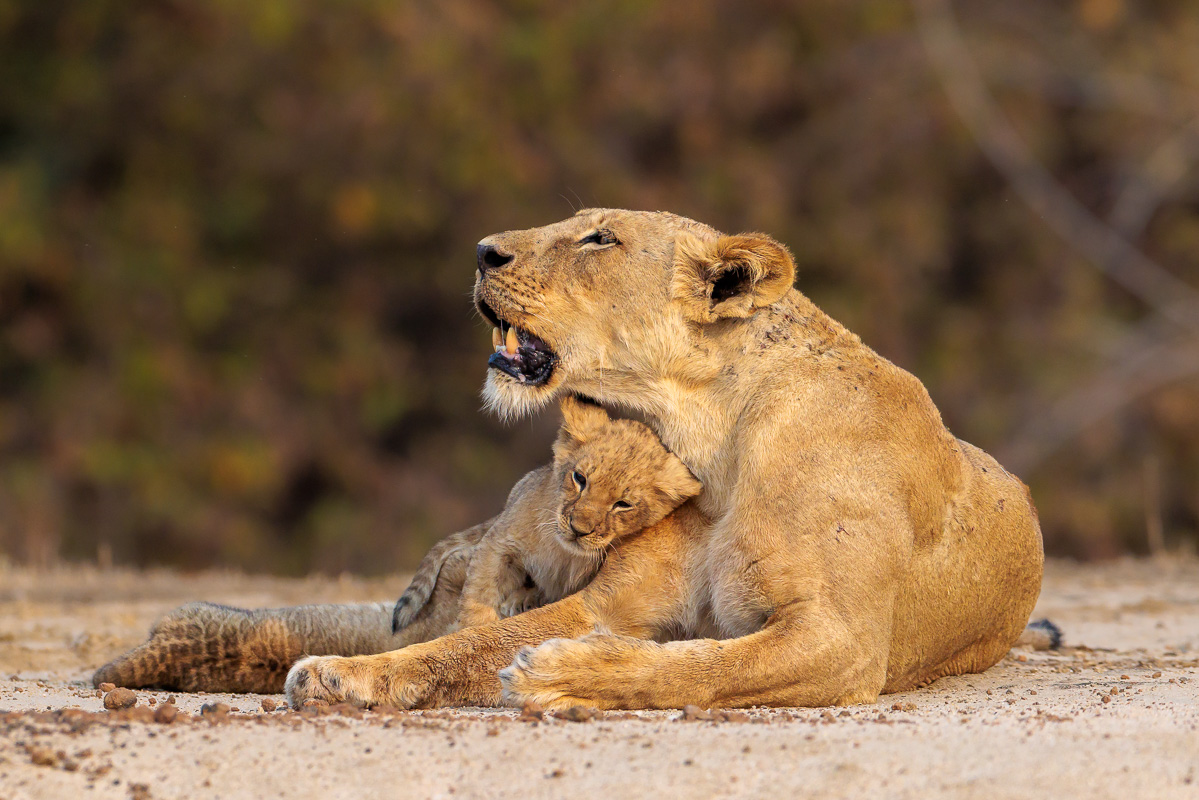
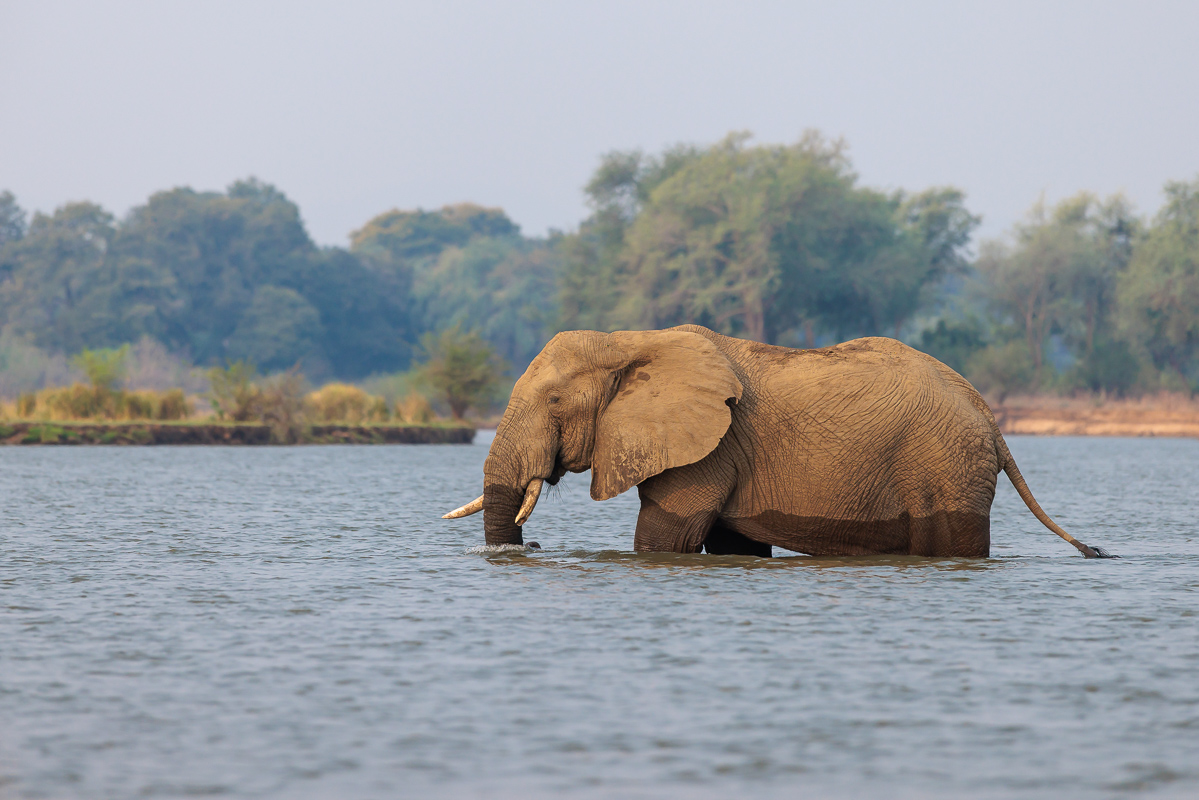
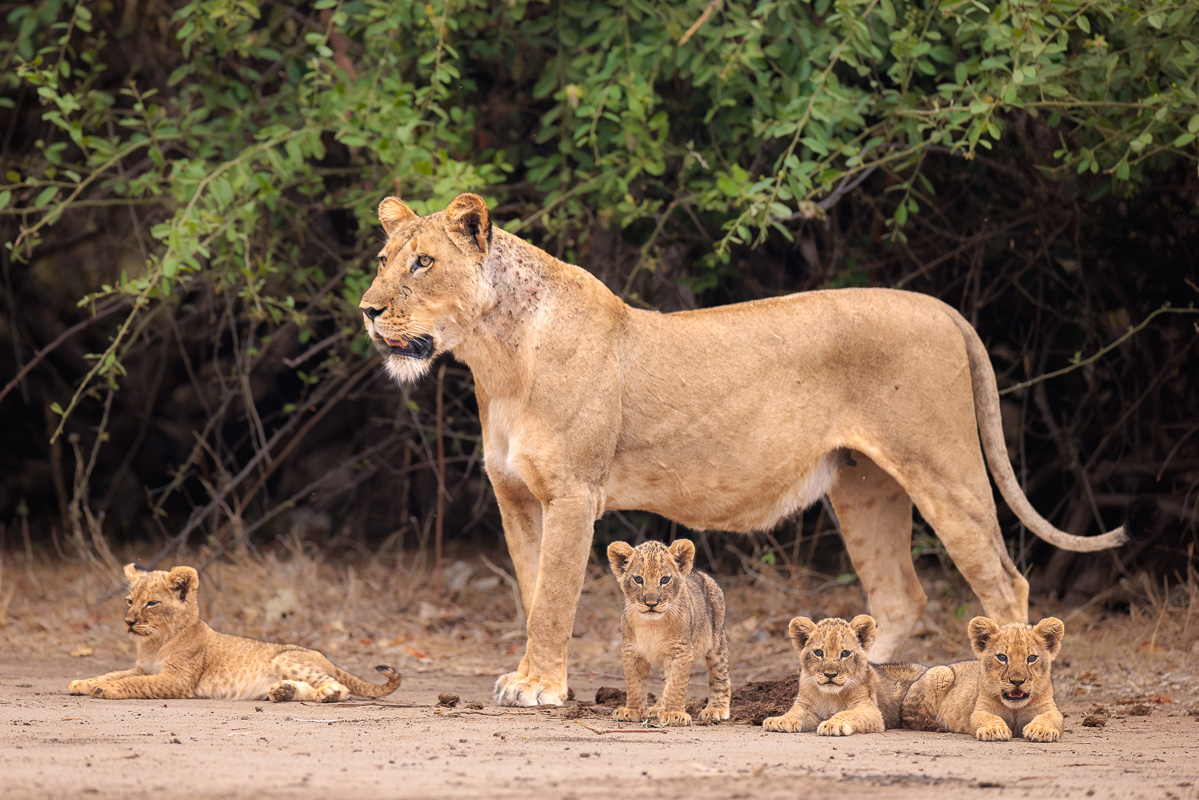
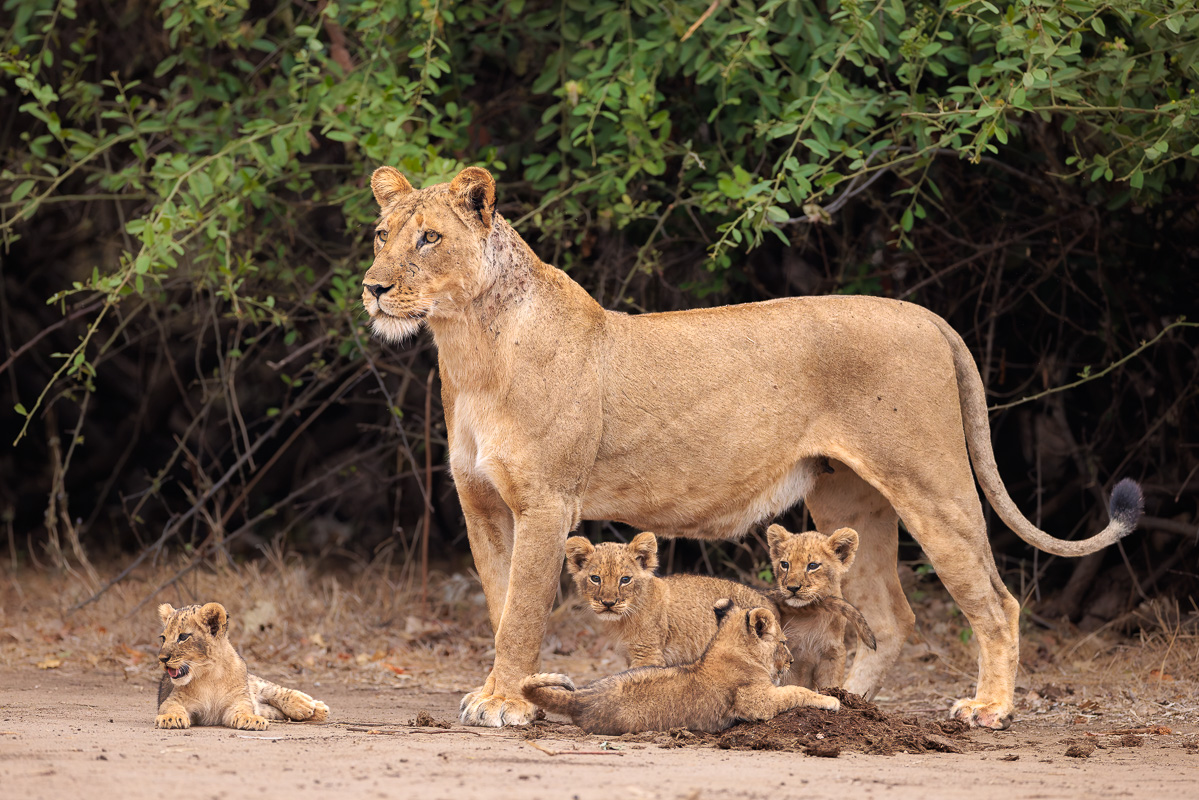
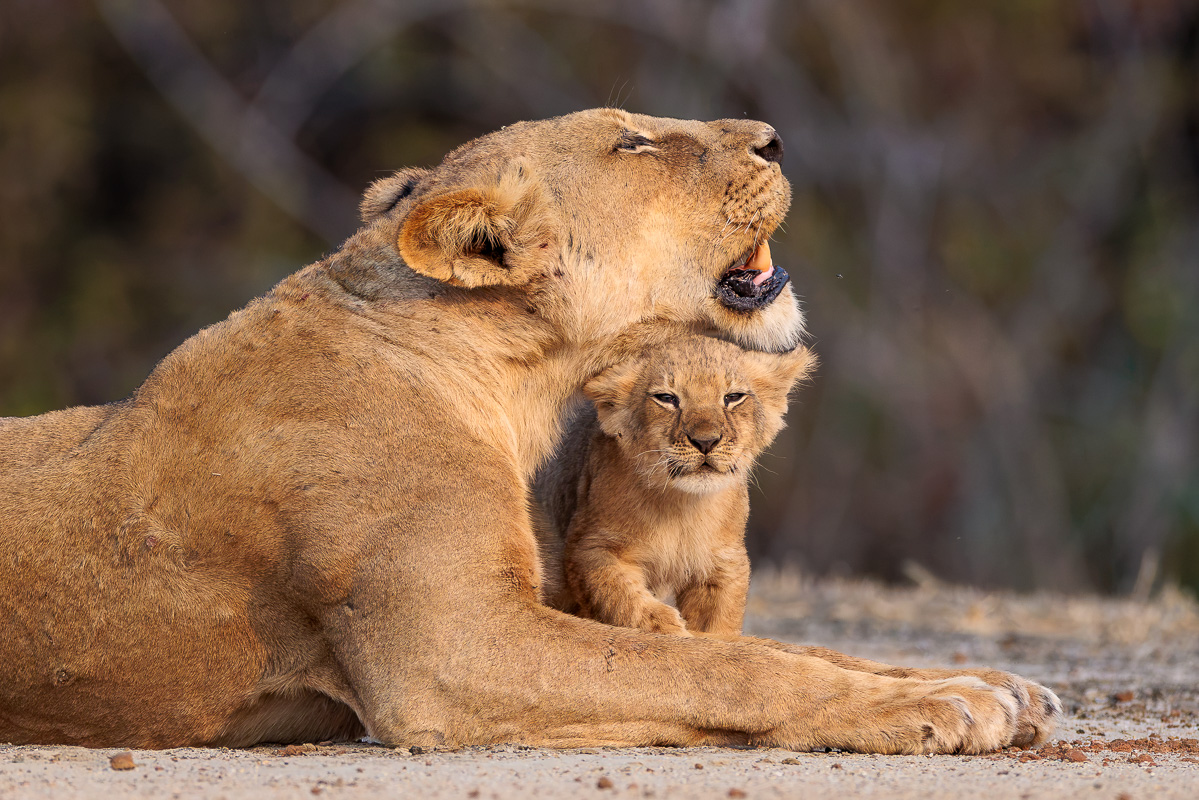
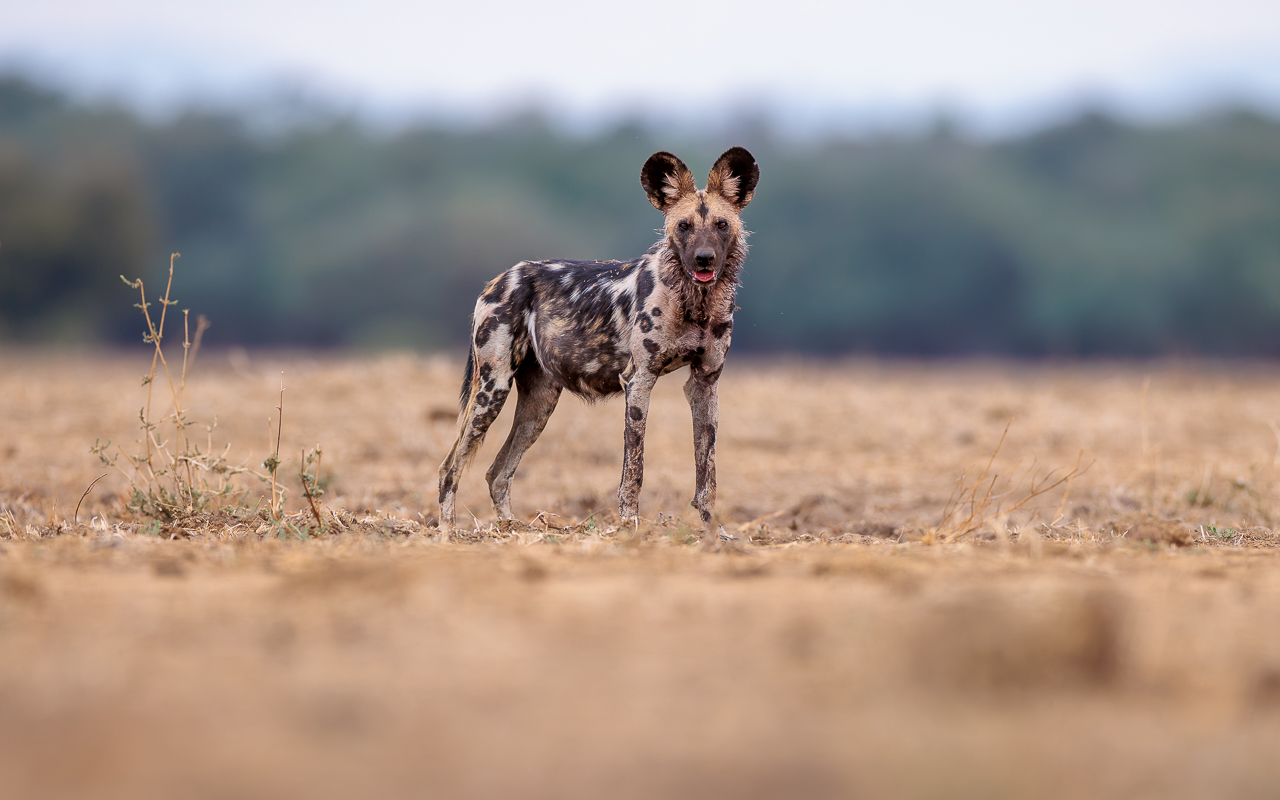
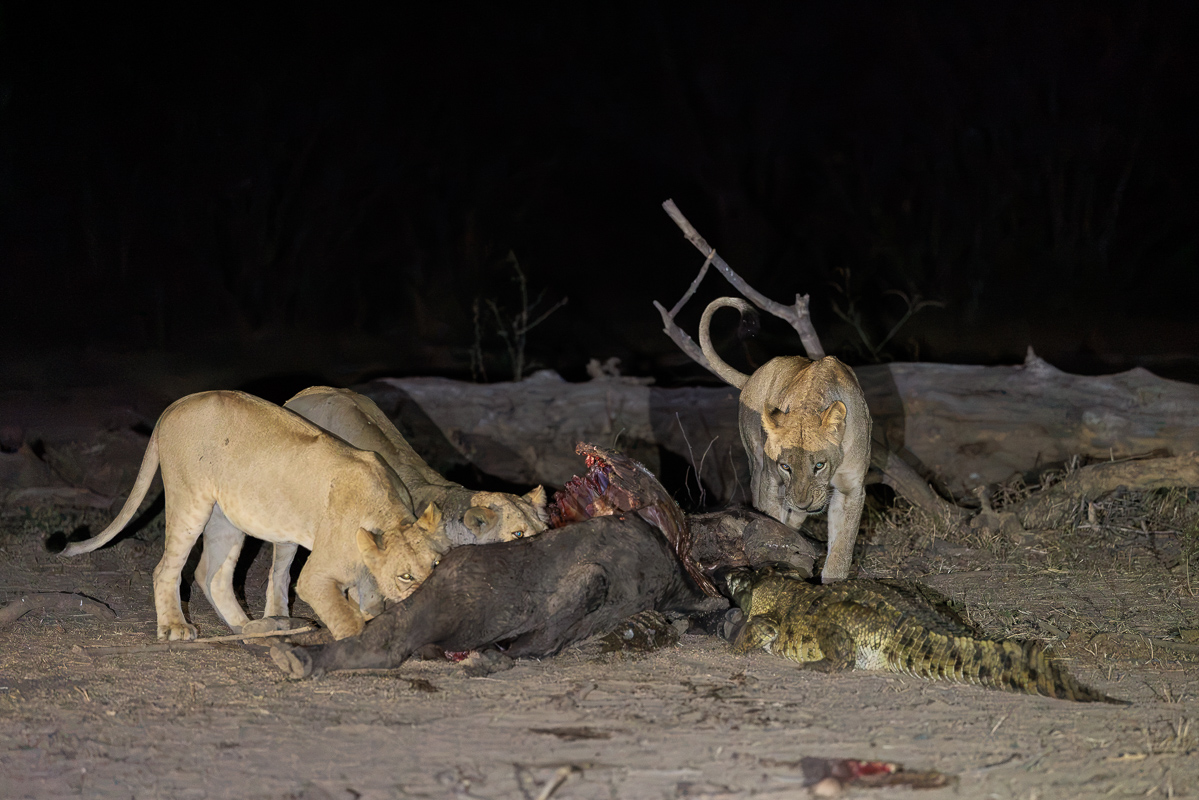
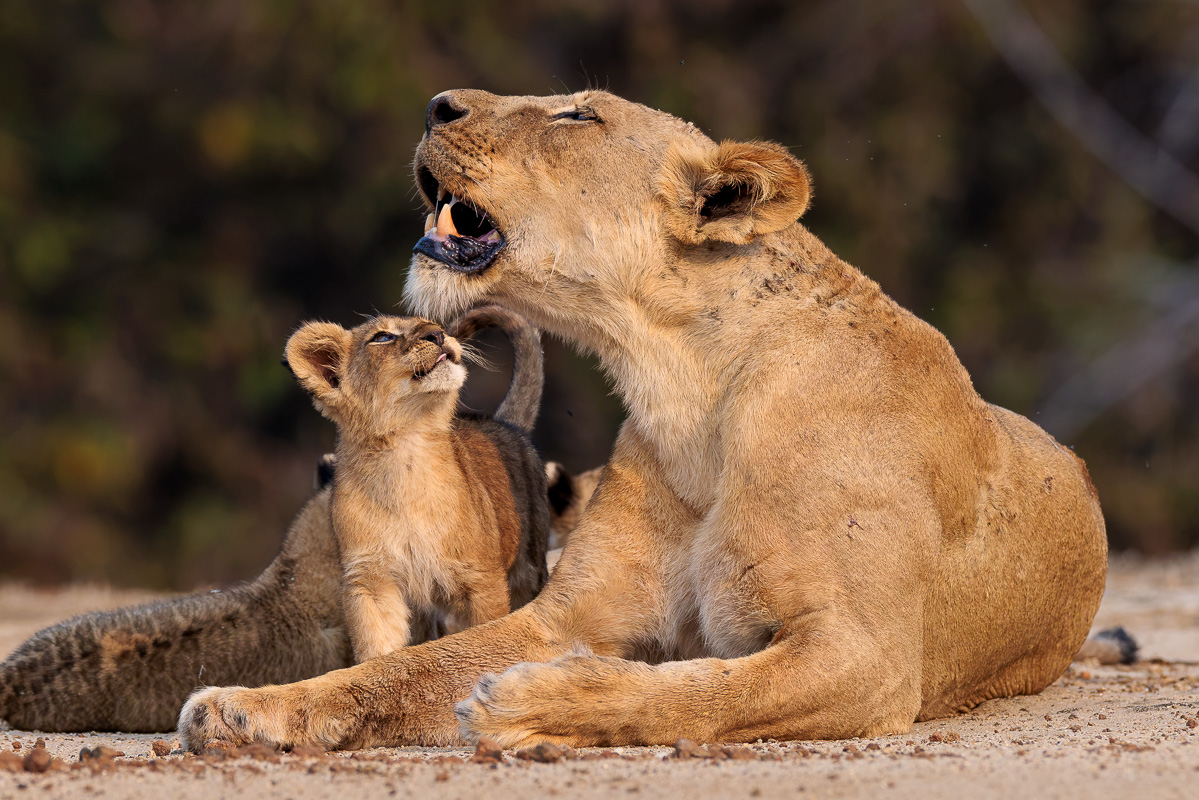
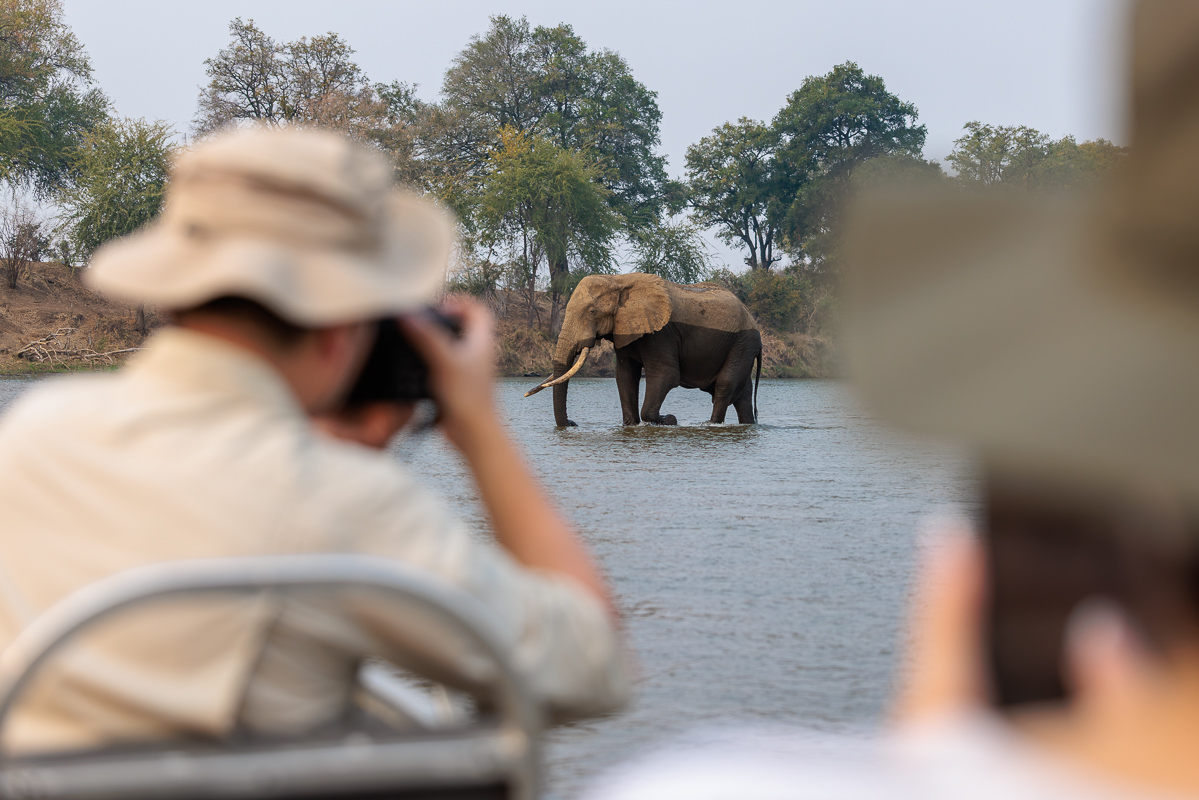
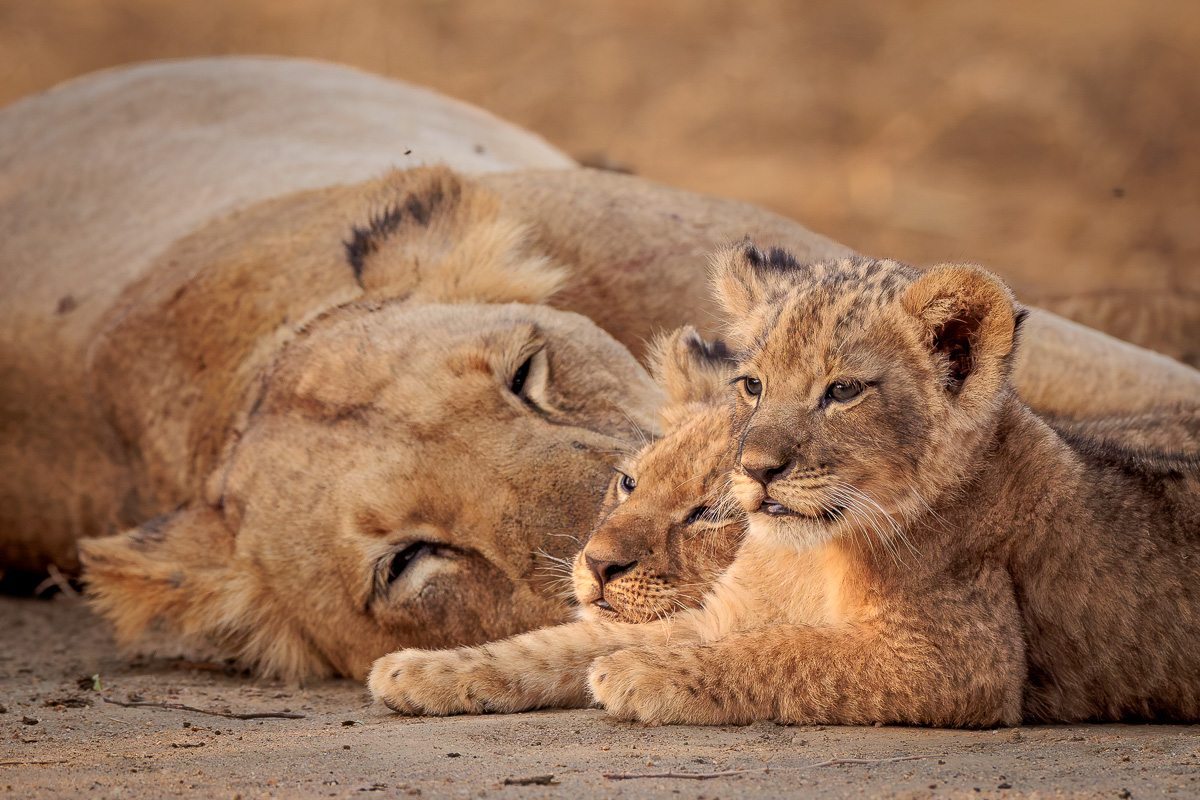
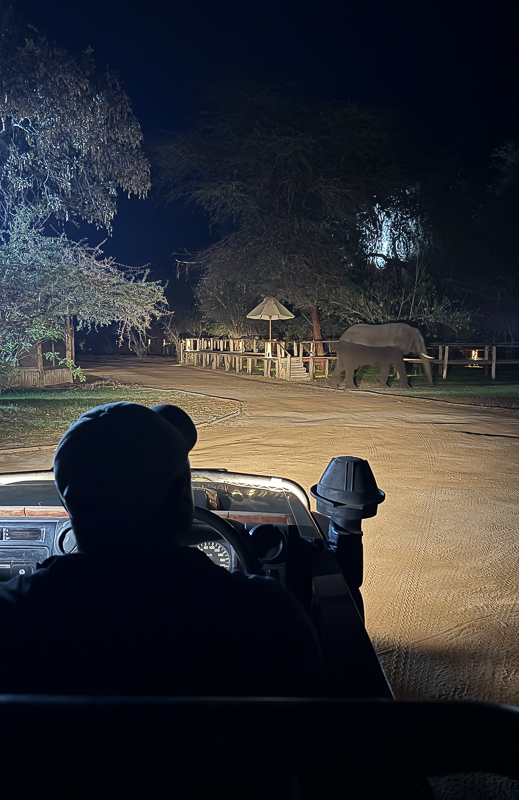
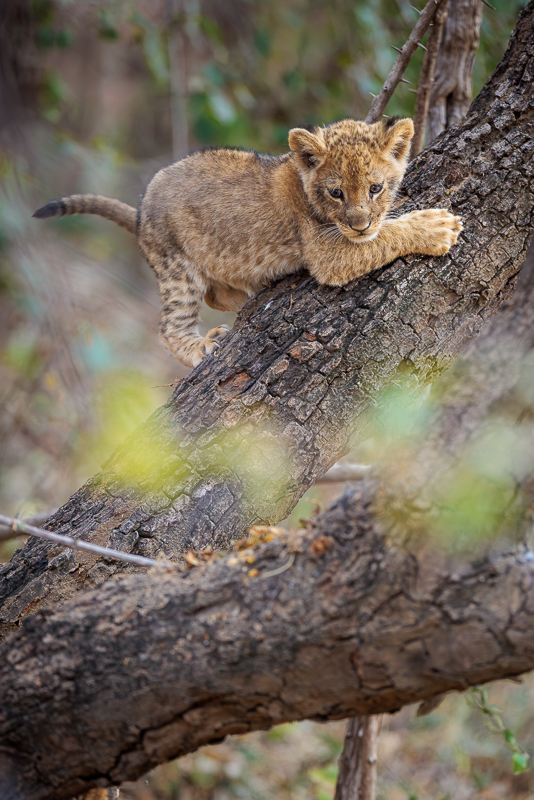
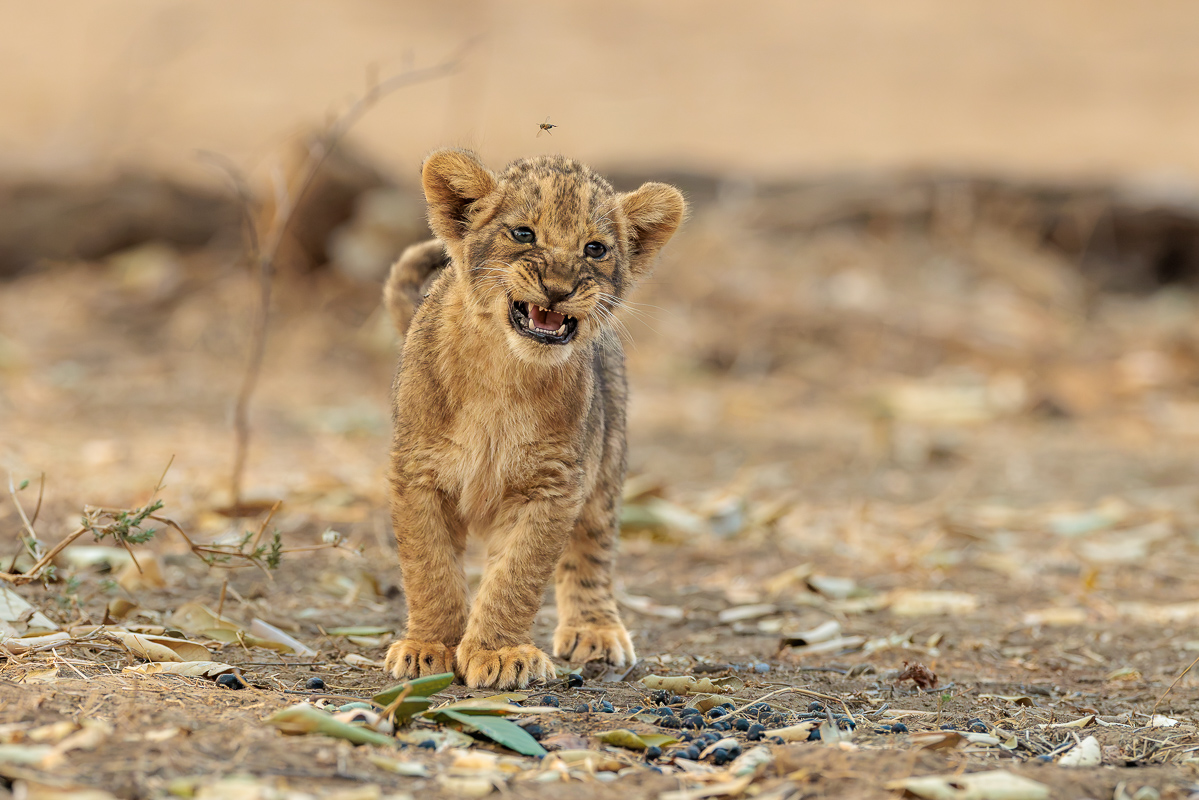
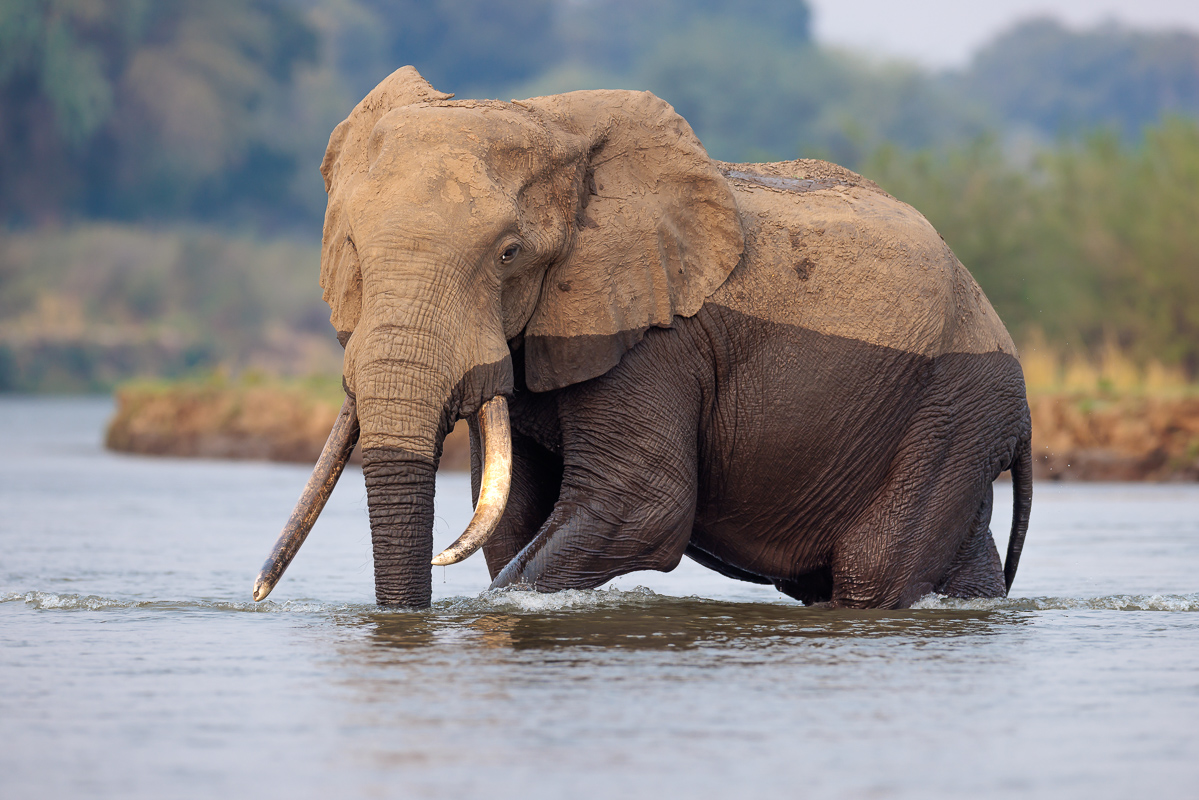
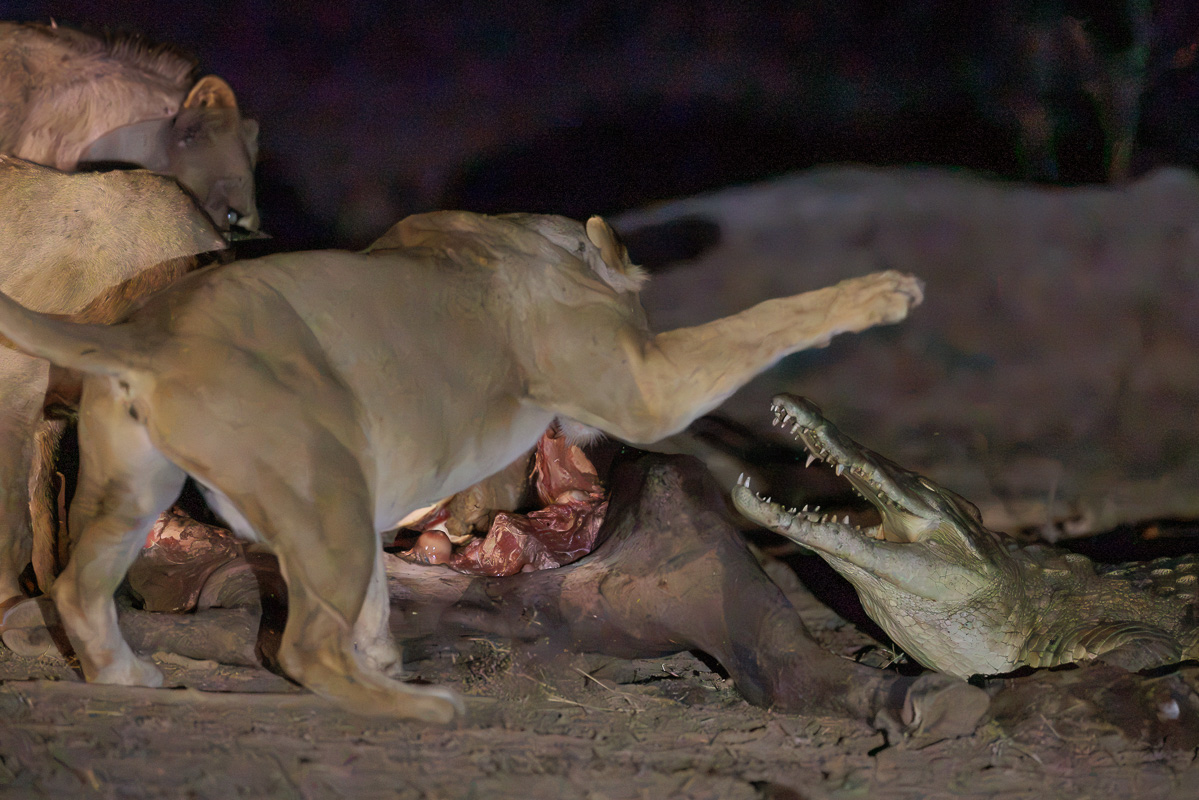
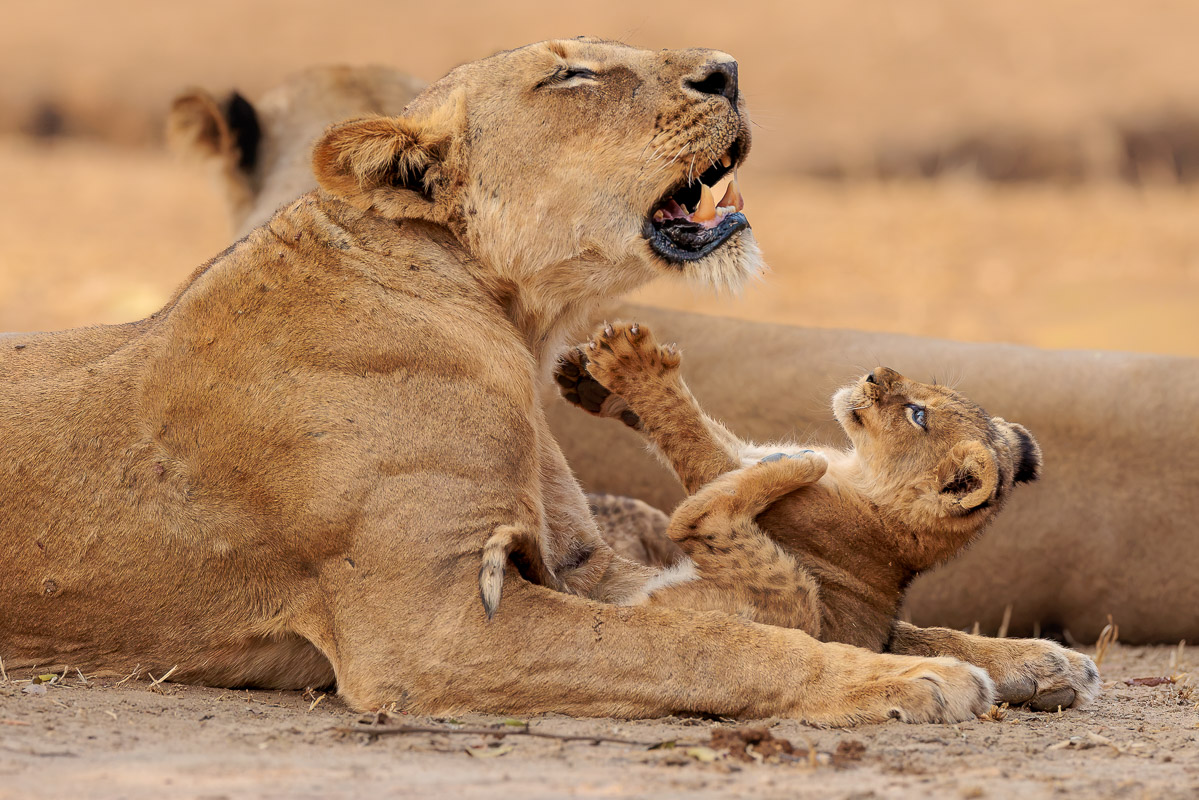
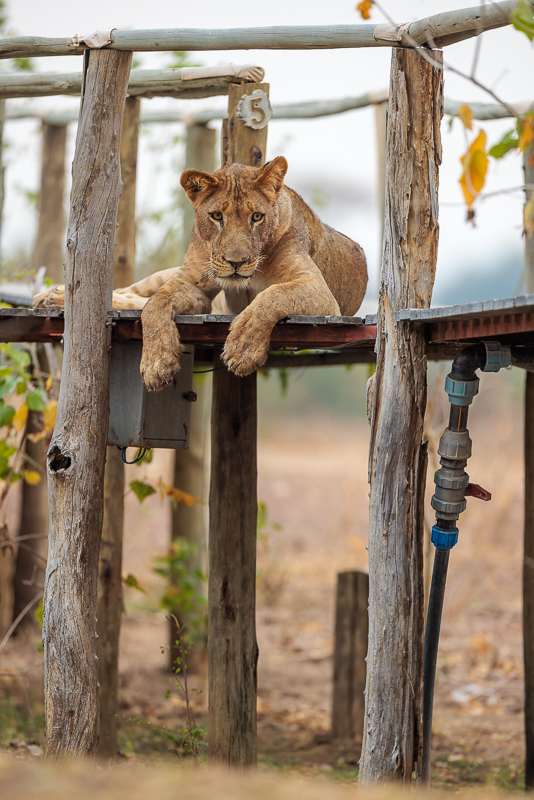
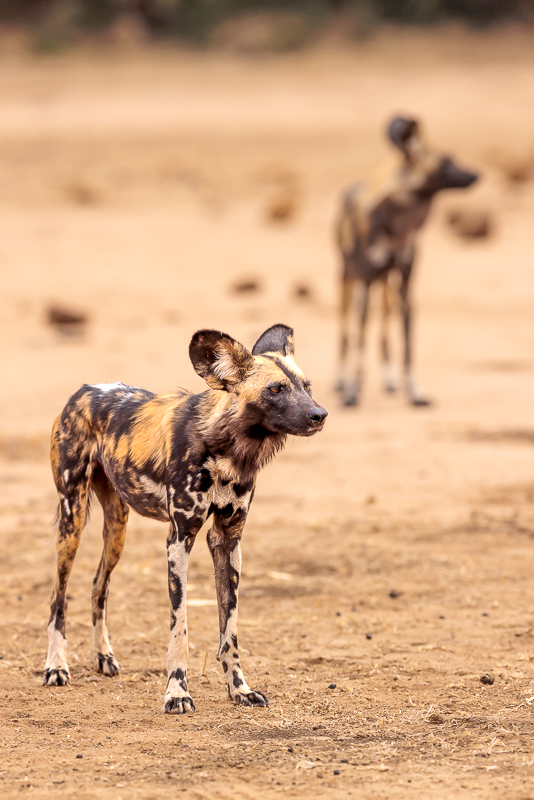
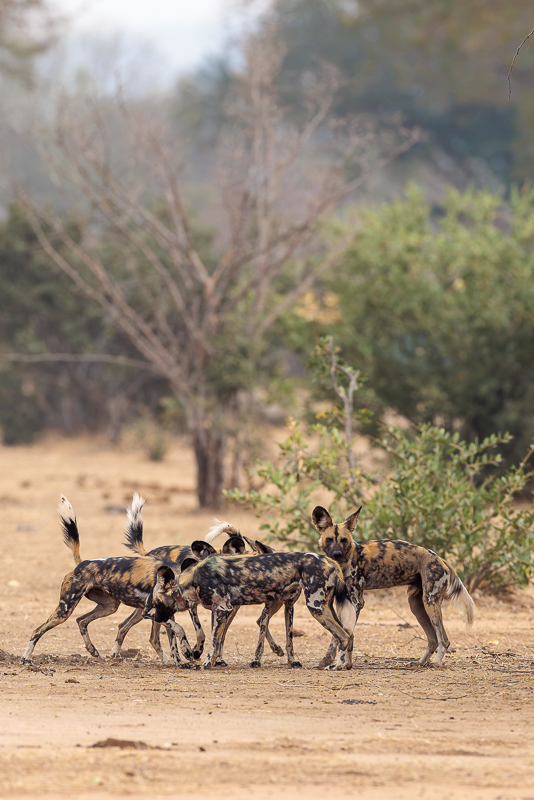
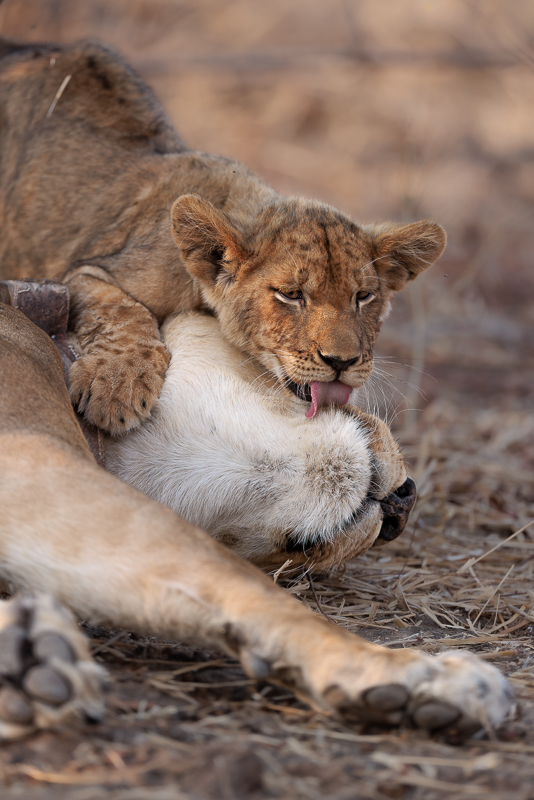
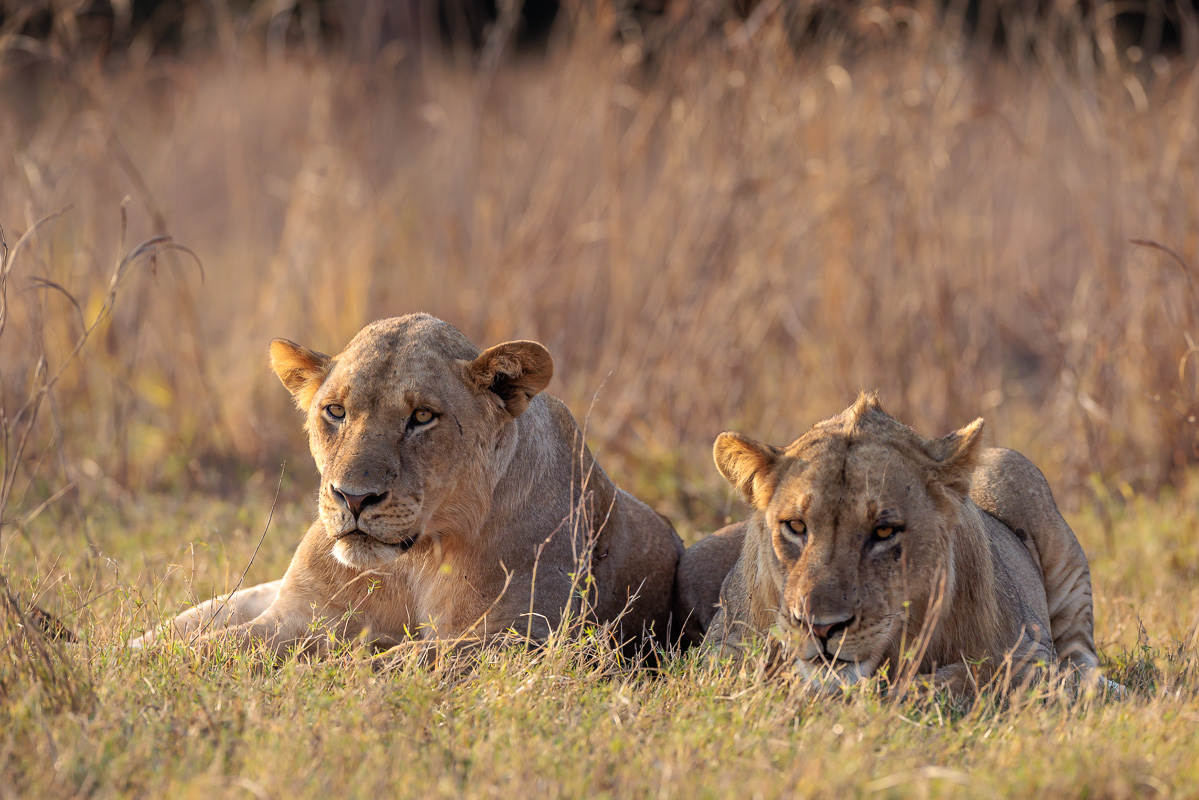
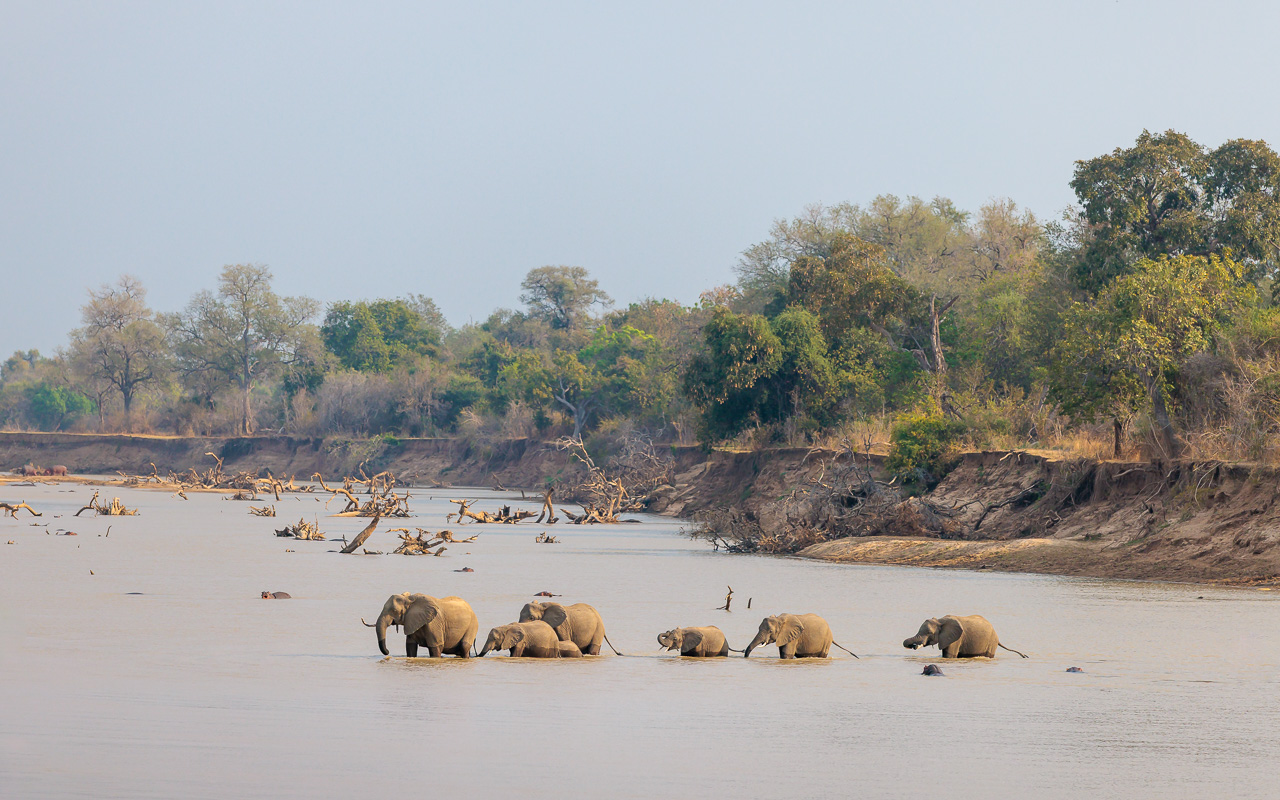
The Kulefu pride were very active while we were at the camp, killing a buffalo just behind room 5 one night, and then resting up on the decks during the heat of the day. We were also fortunate to coincide with the arrival of 5 new cubs which were located near the camp and gave us many wonderful viewings. Added to this, we had a good afternoon boat safari where we found elephants in the river, and we were also fortunate to see a small pack of wild dogs, and document their run-in with a herd of elephants.
It was going to be hard to beat the Anabezi experience at Lion Camp but I’m pretty sure that the South Luangwa would do its best!
Lion Camp, South Luangwa
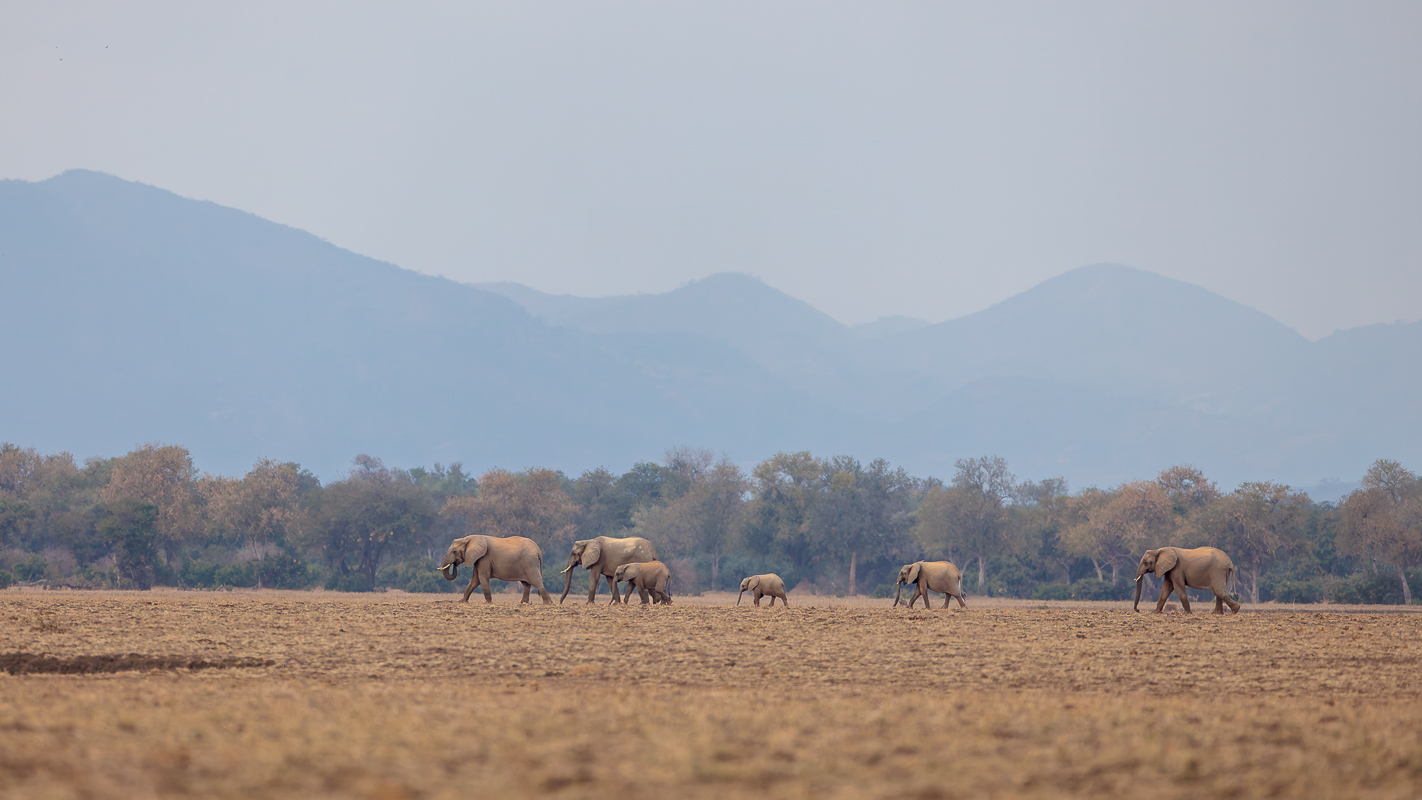
Our next five nights were spent at Lion Camp. On arrival, the surroundings of the South Luangwa are not as dramatic, or an immediately striking, as those of the Lower Zambezi. I could see that my guests were a little subdued after the long journey between the two camps. But it didn’t take long for them to realise the potential of this area and to see why it thrilled me every day for the 16+ years that I lived on its border.
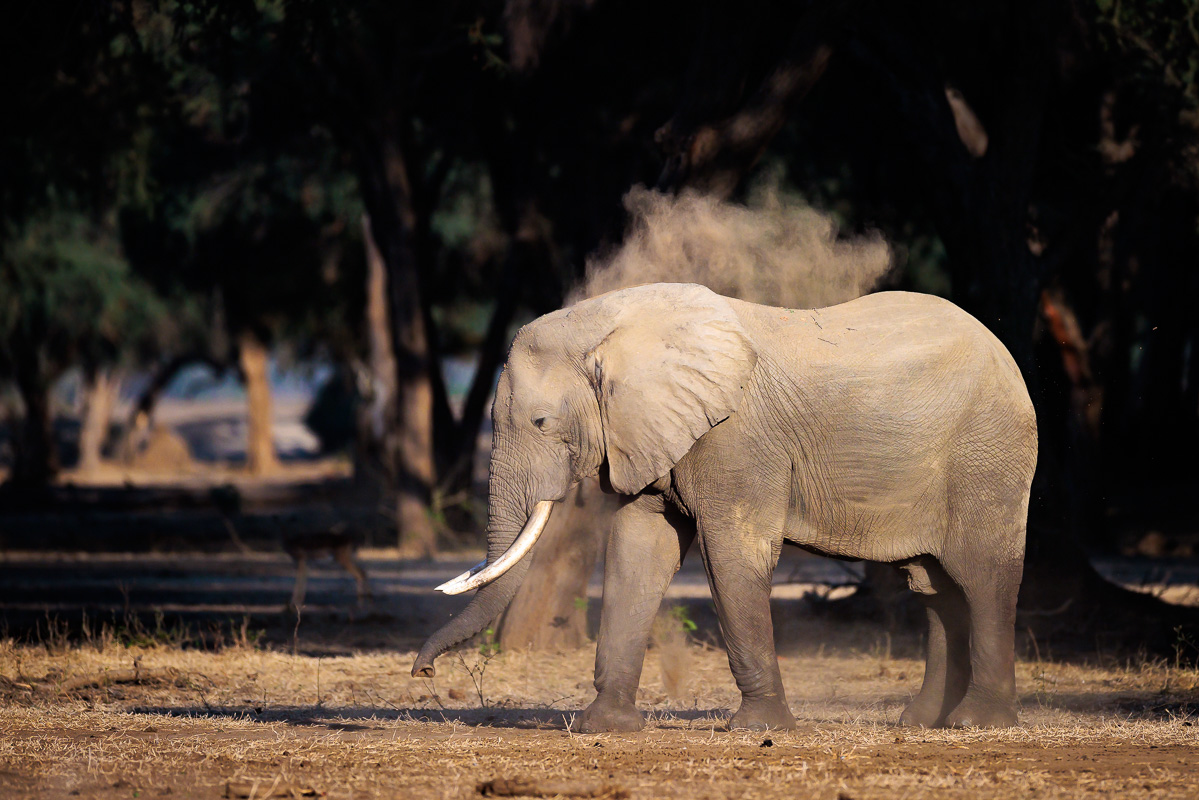
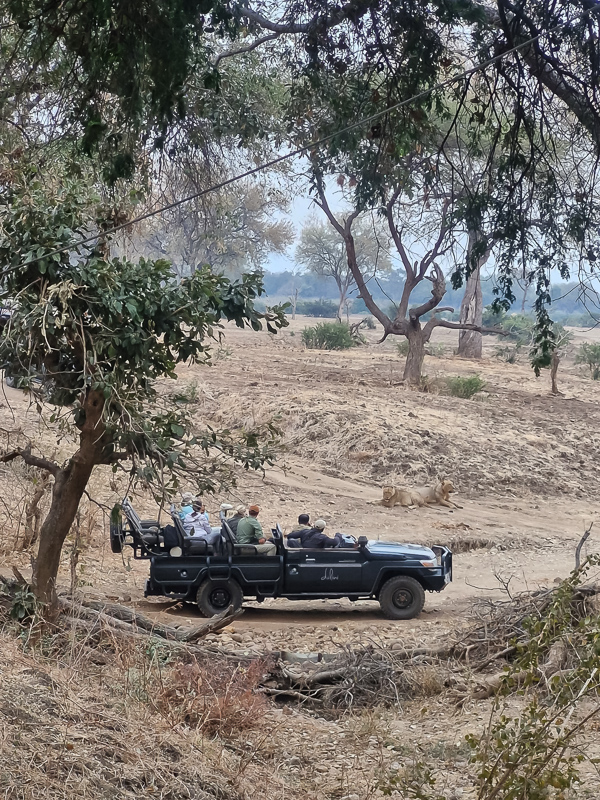
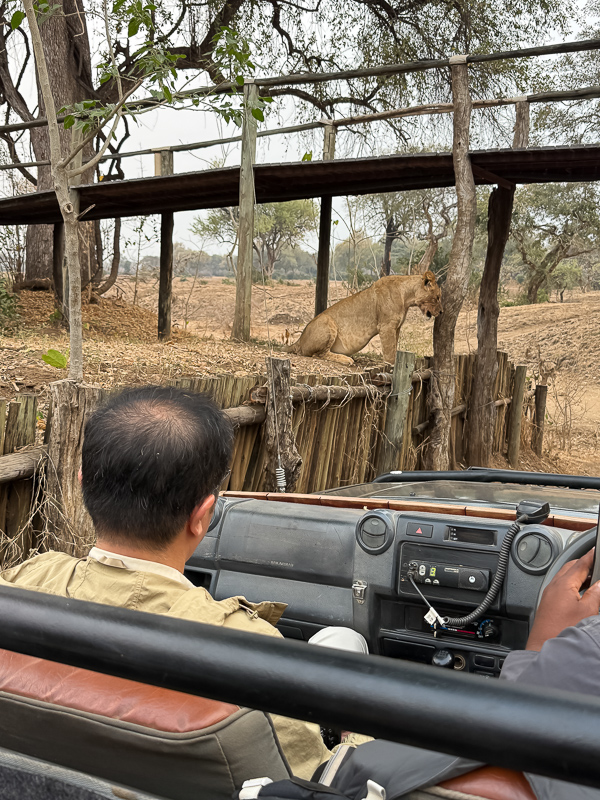
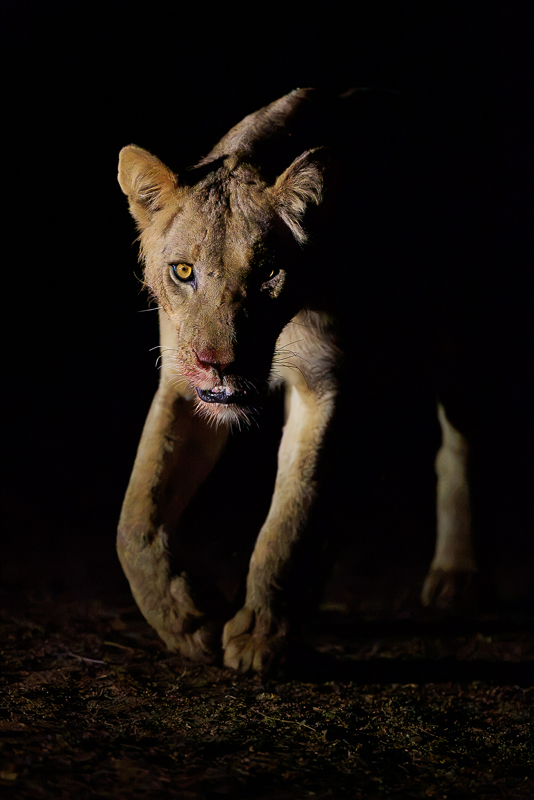
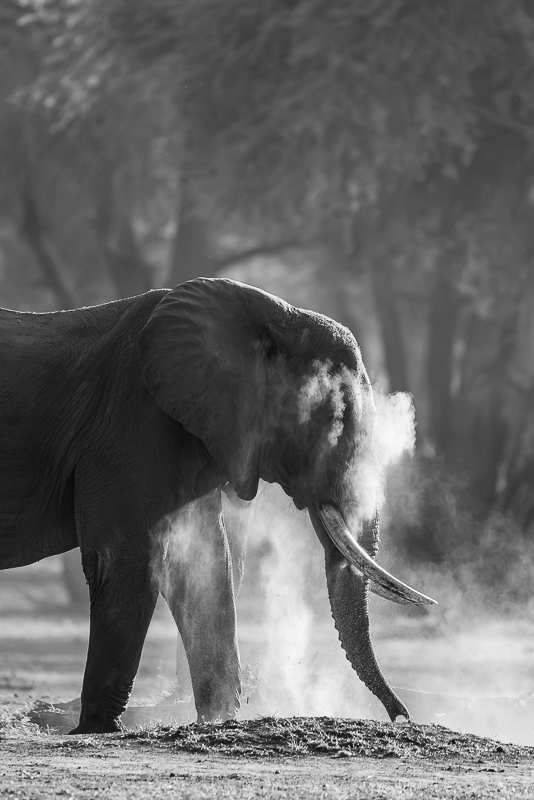
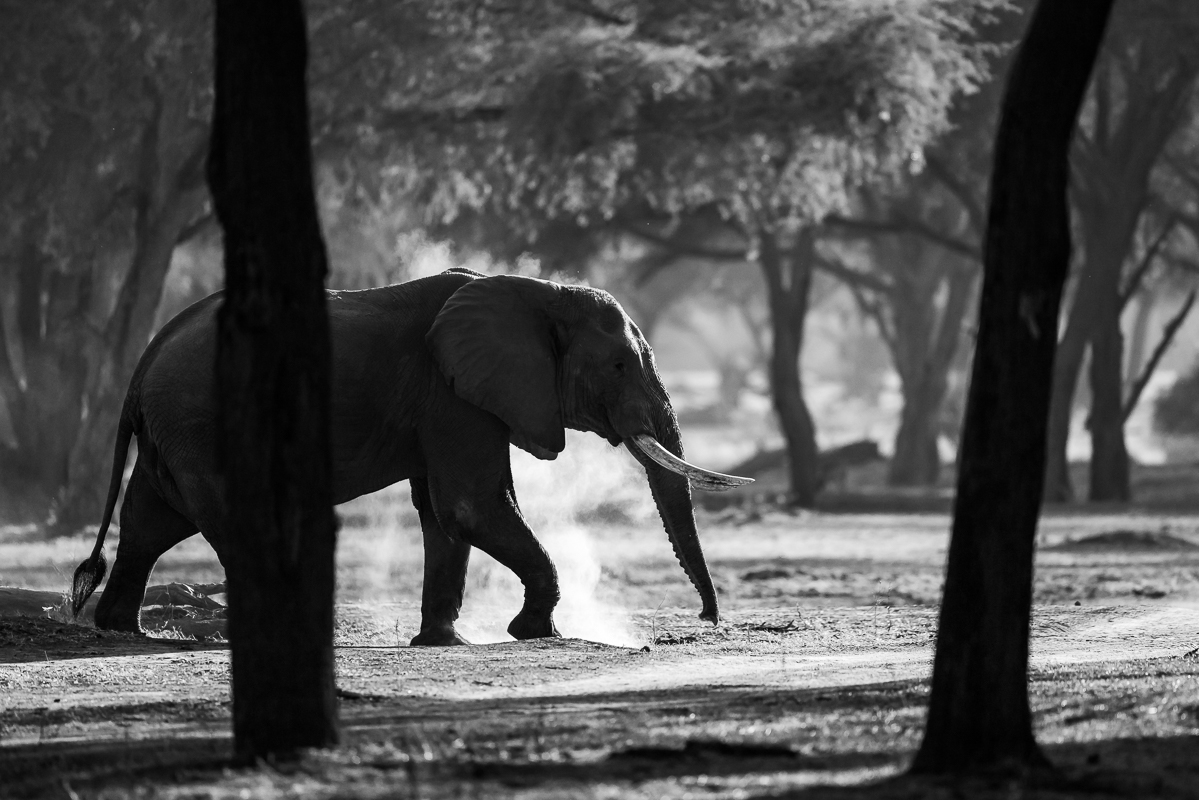
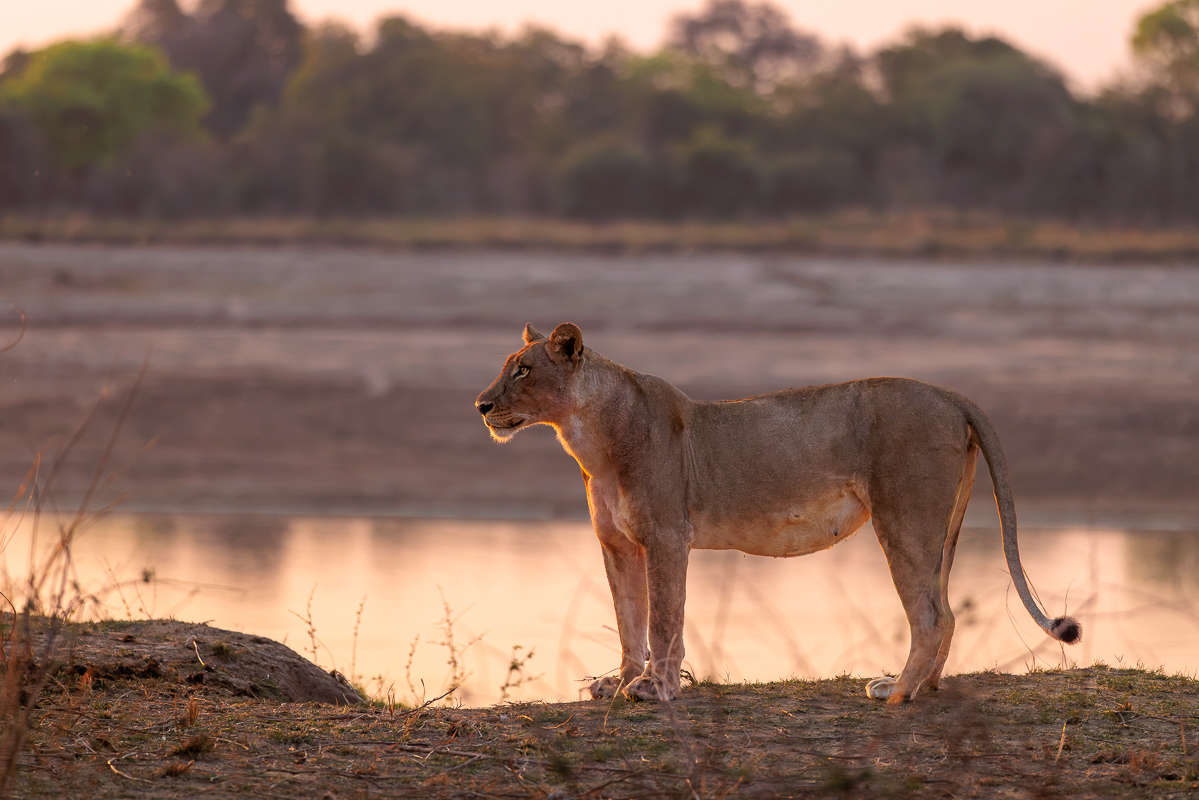
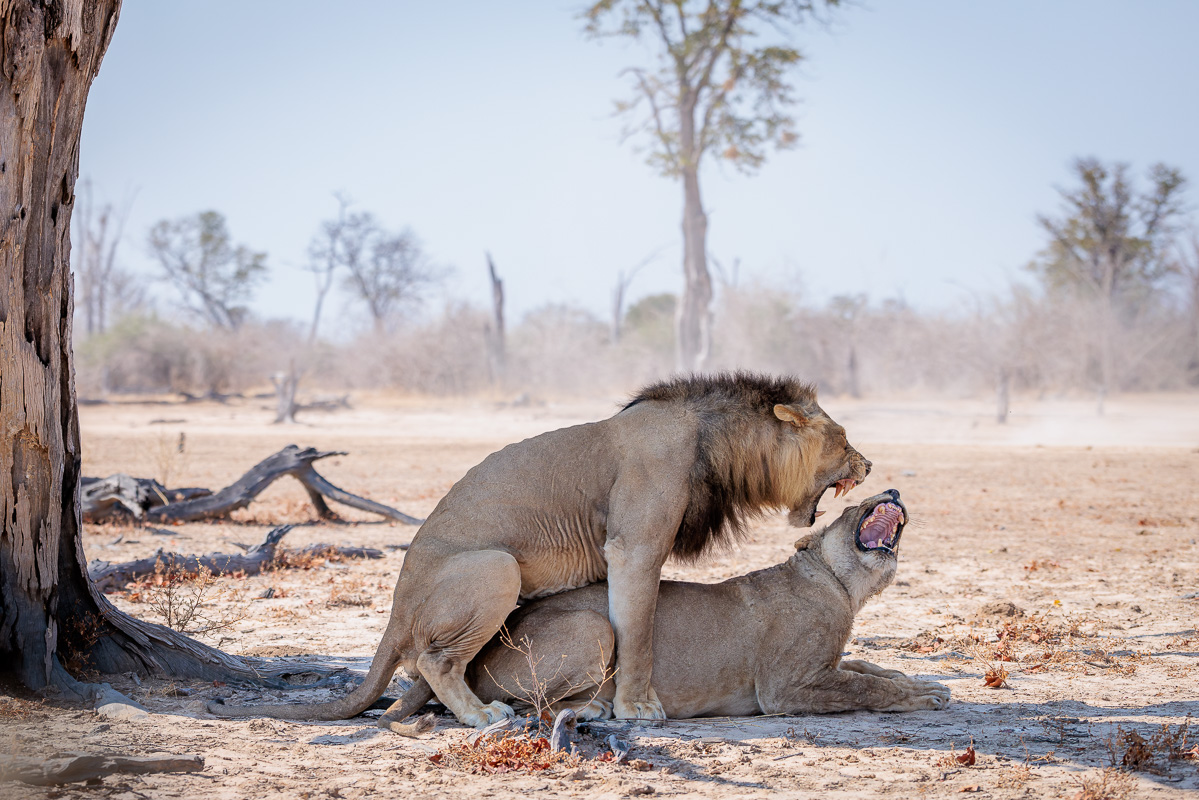
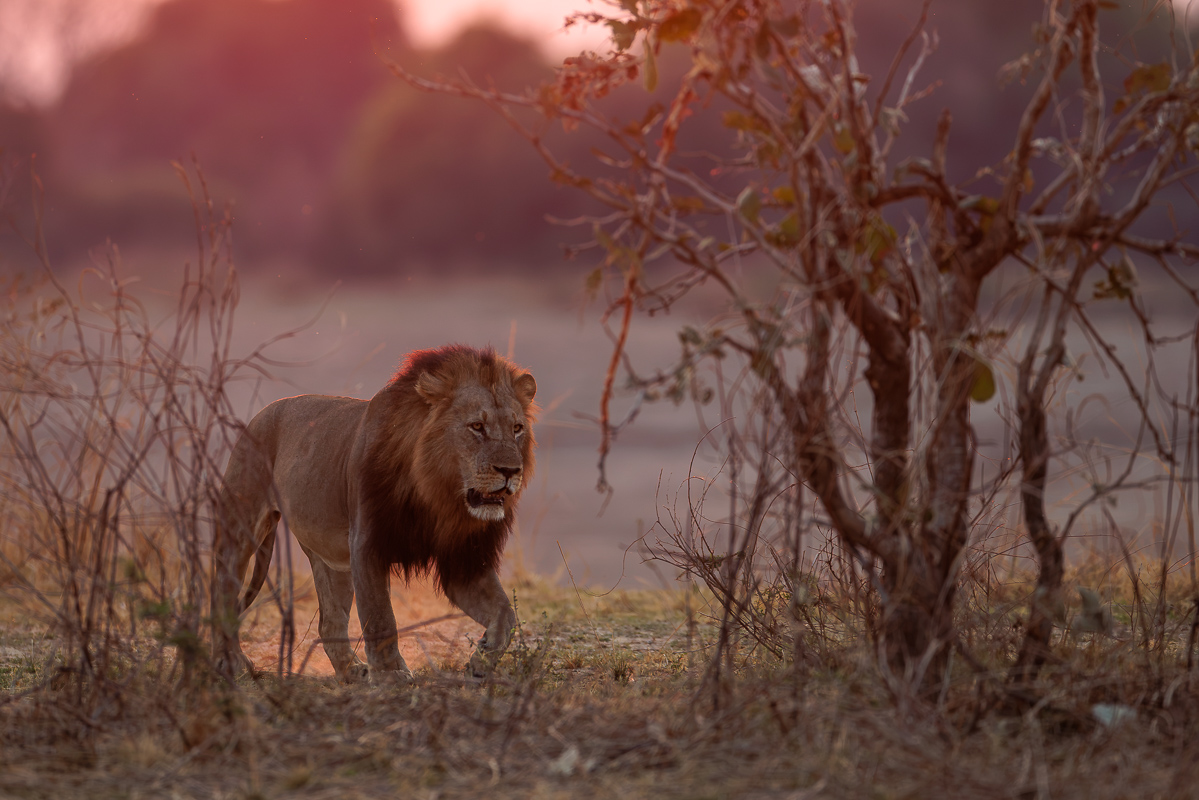
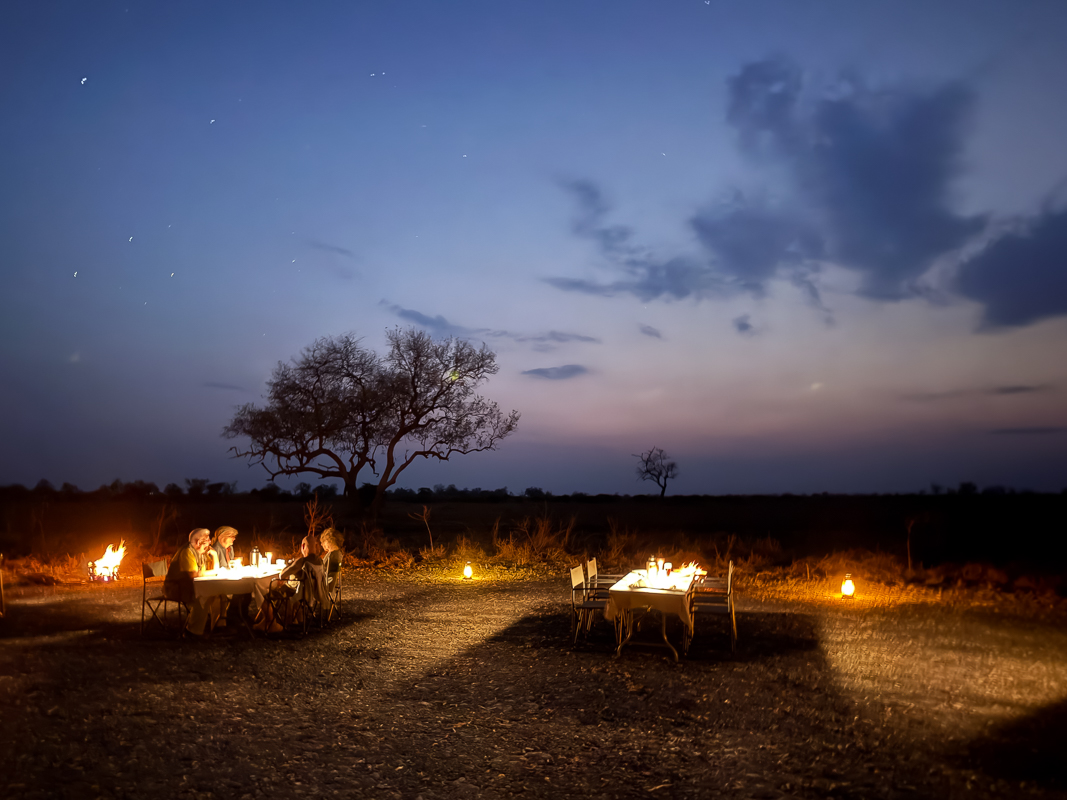
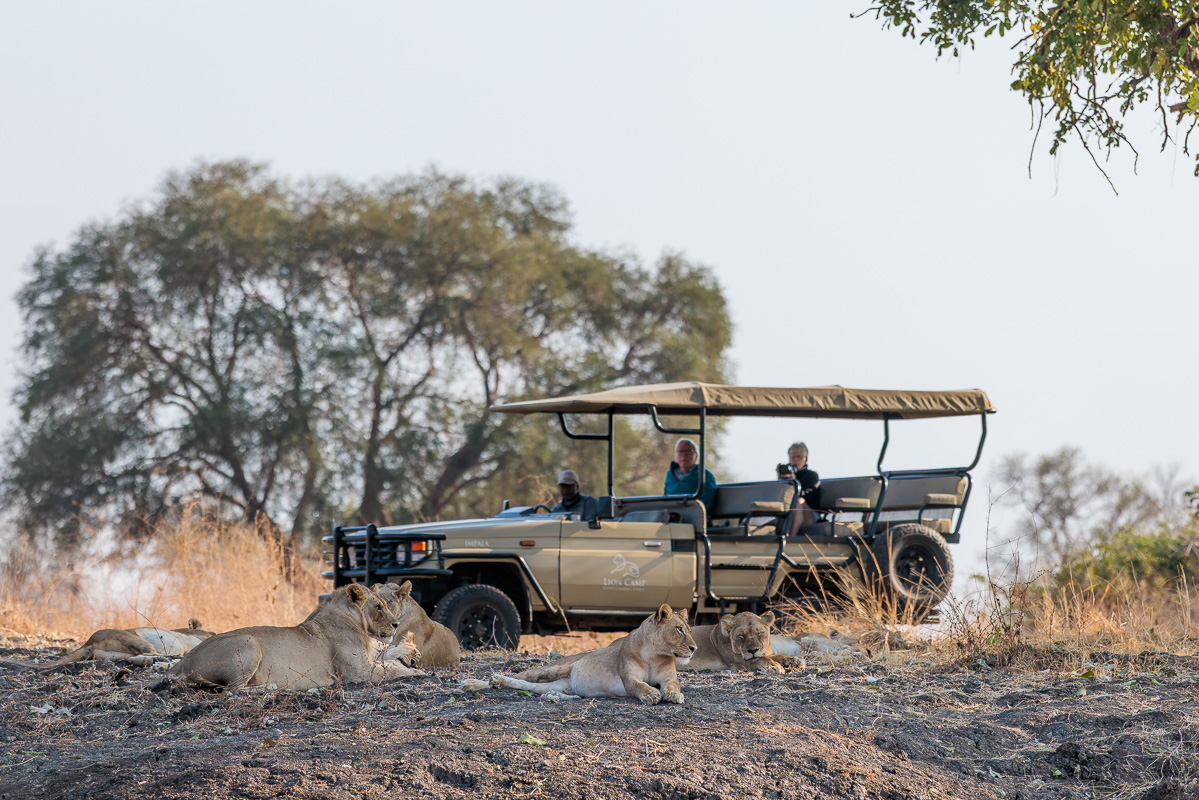
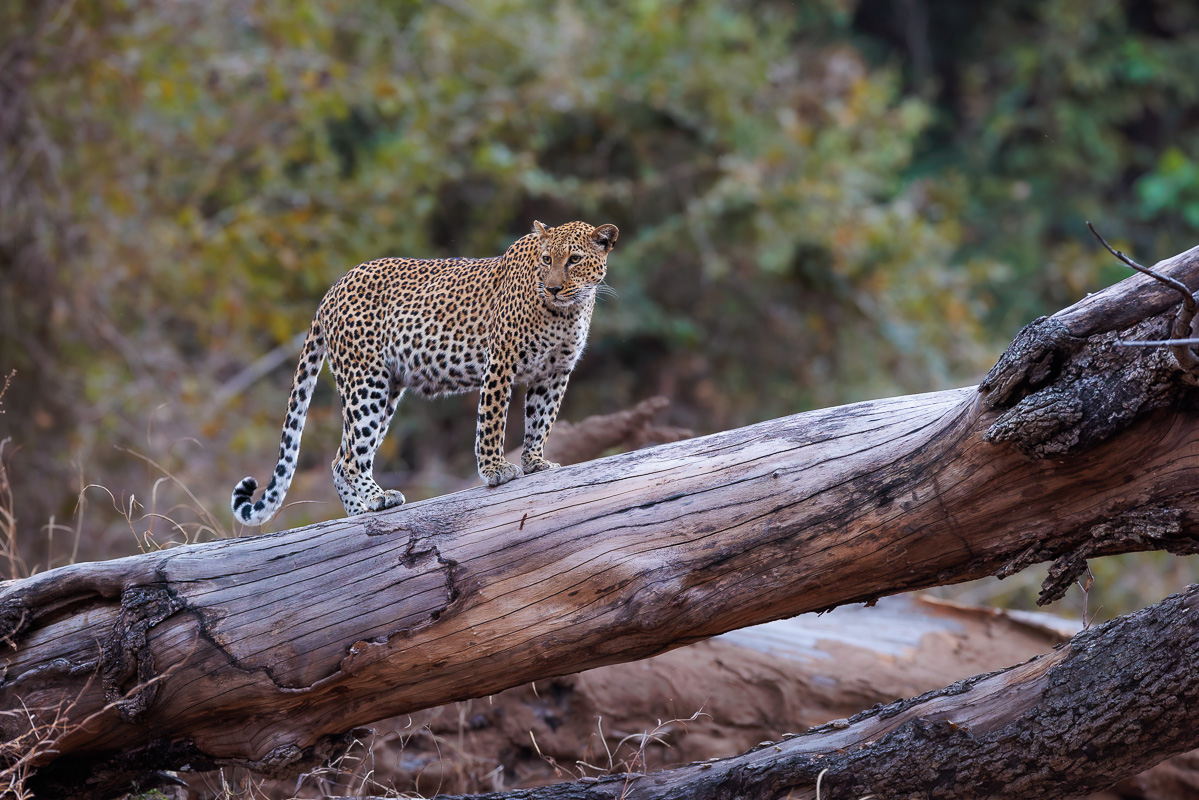
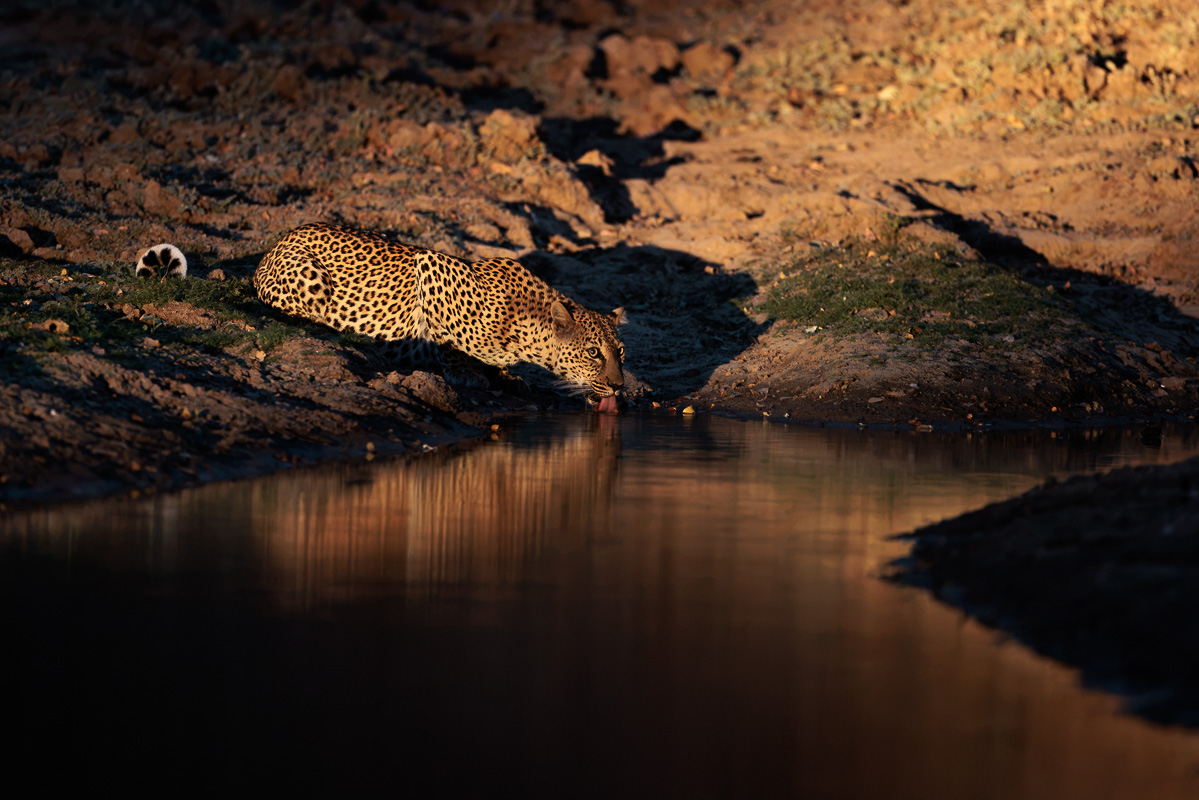
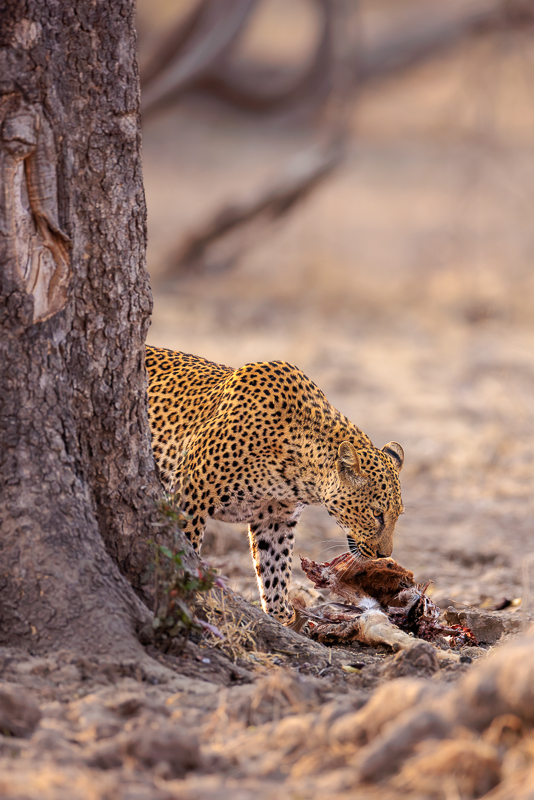
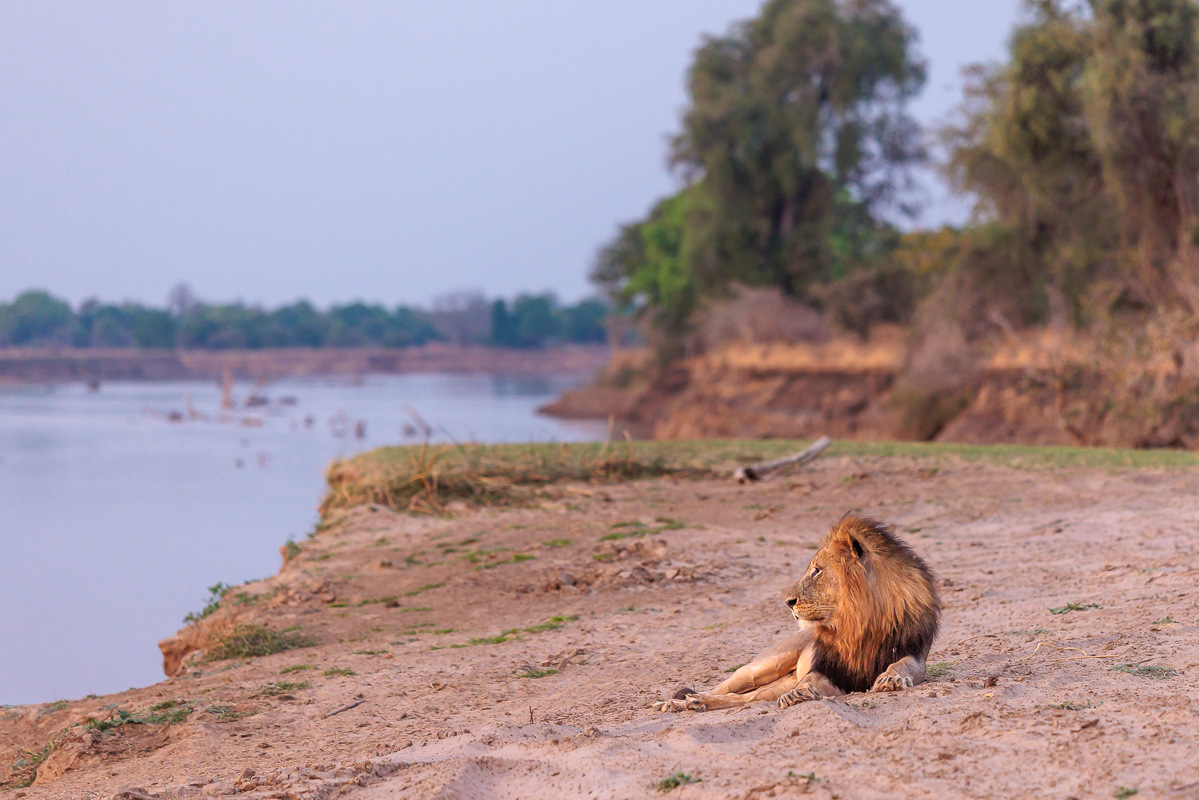
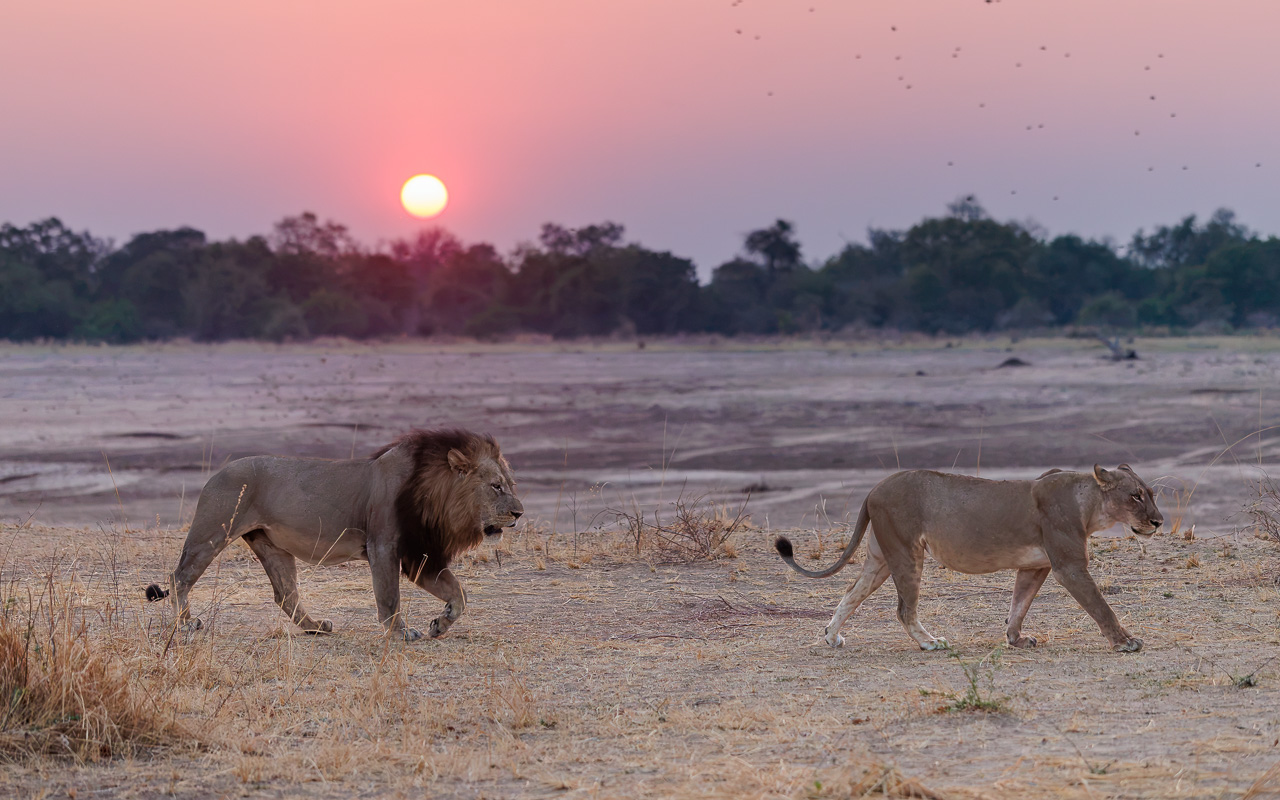
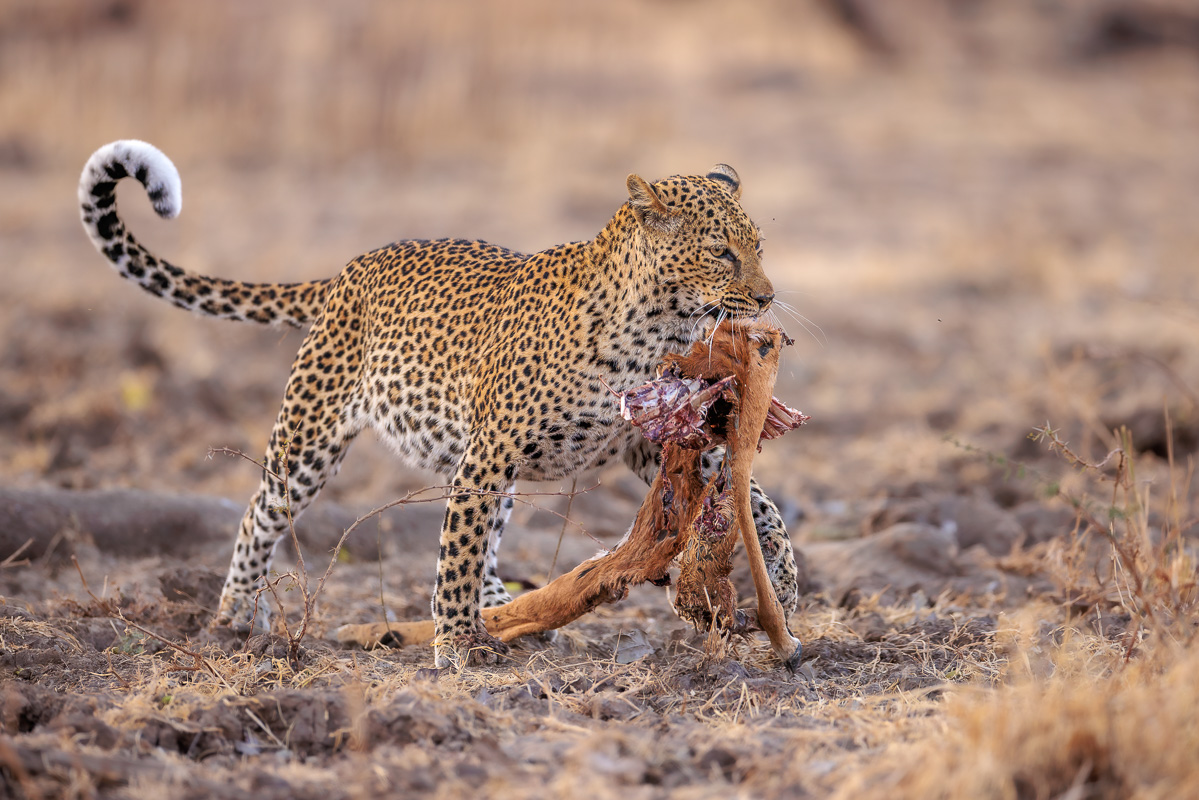
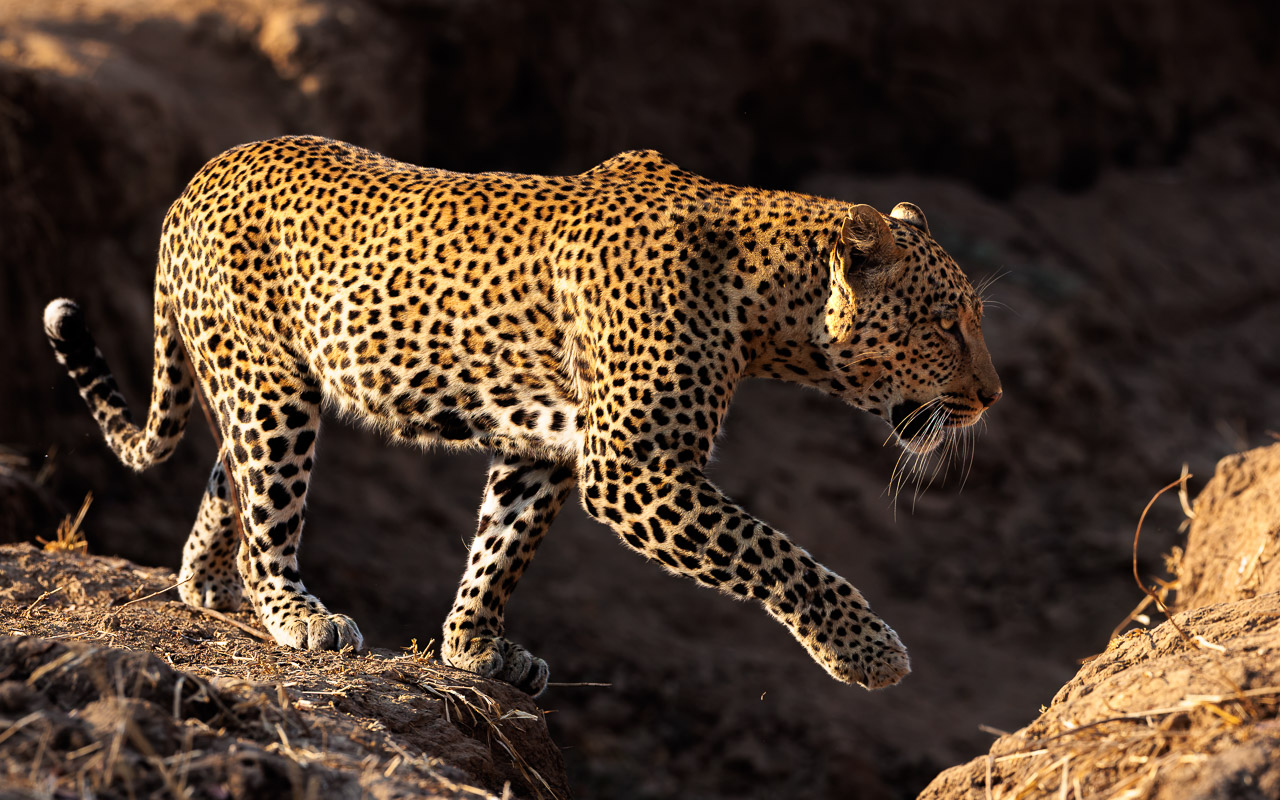
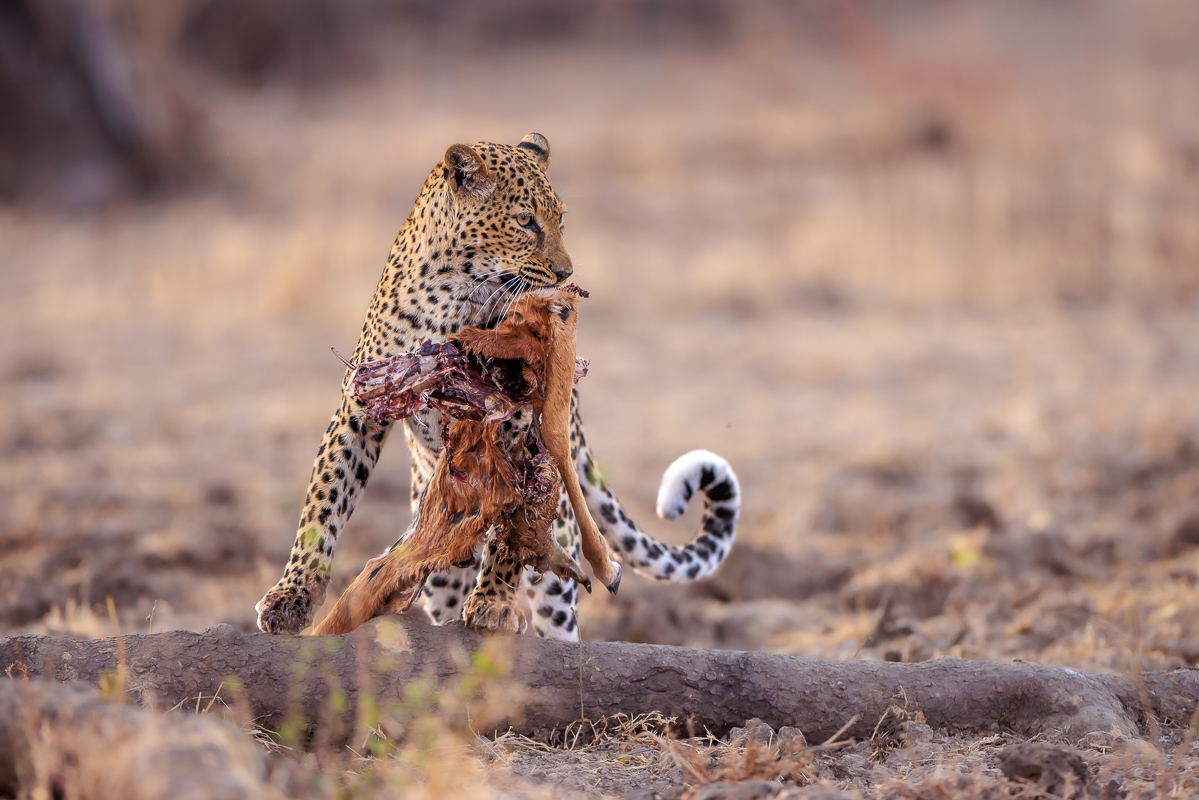
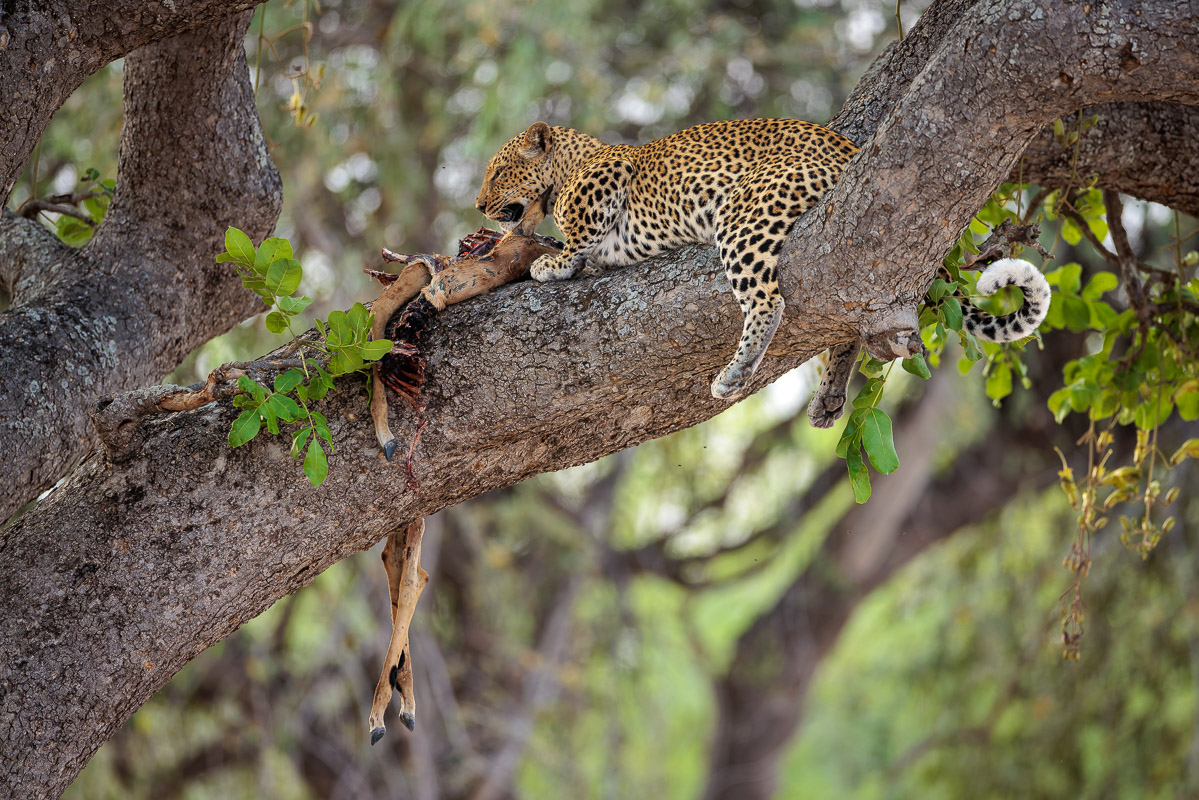
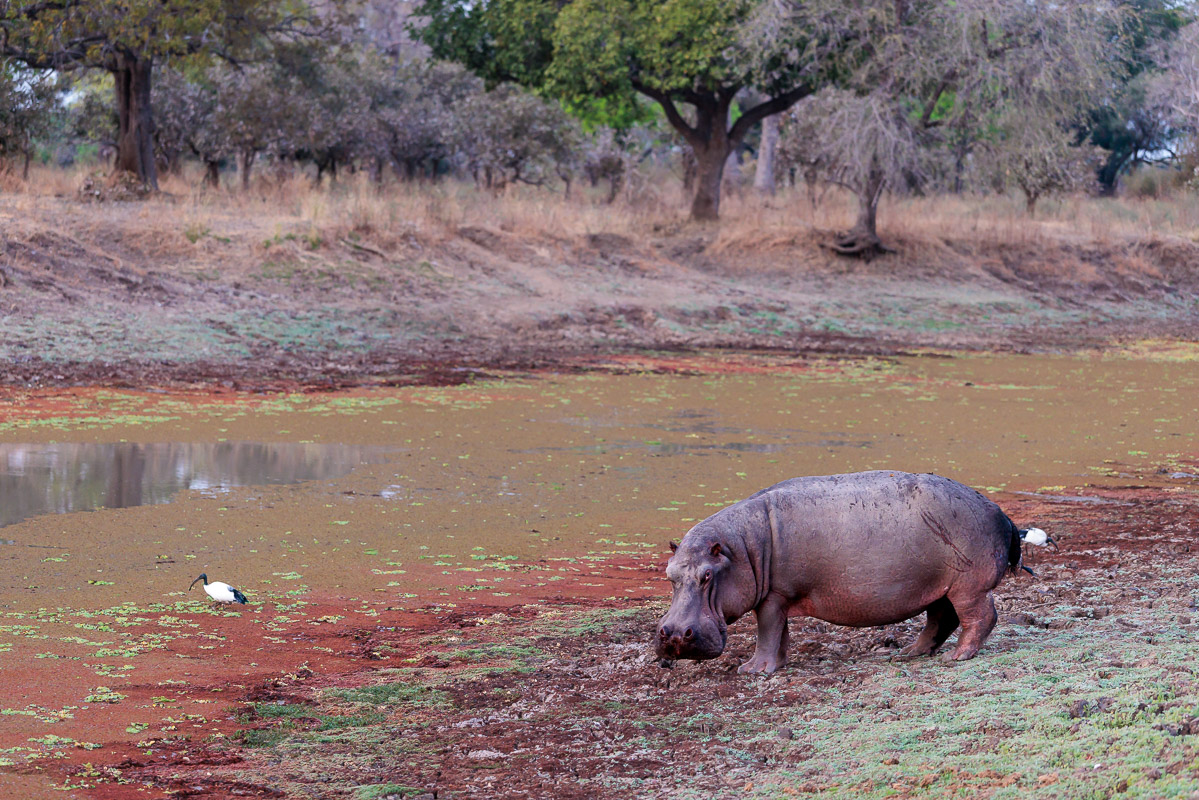
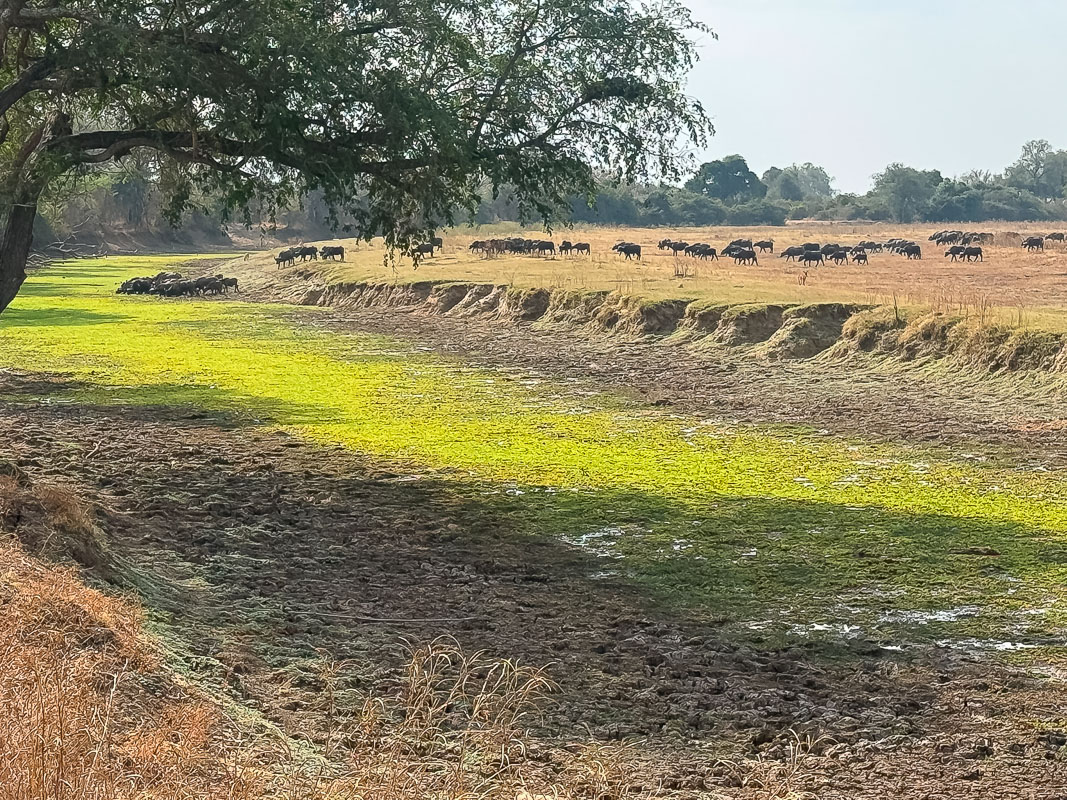
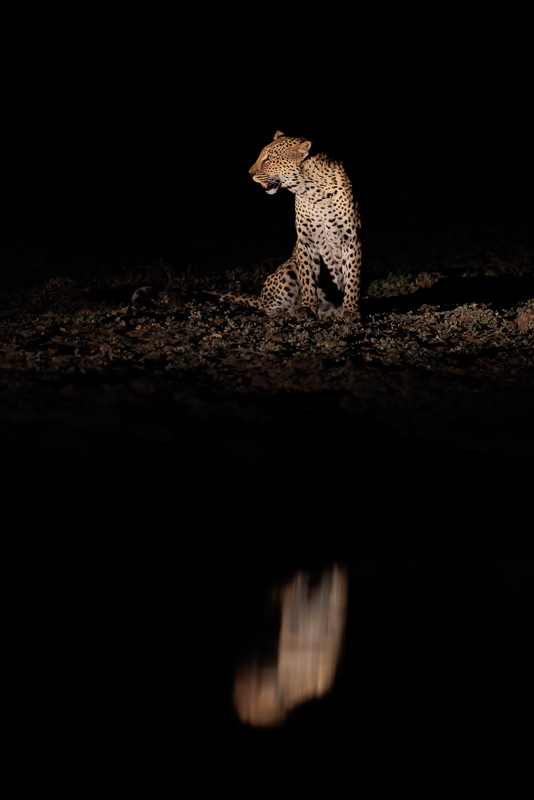
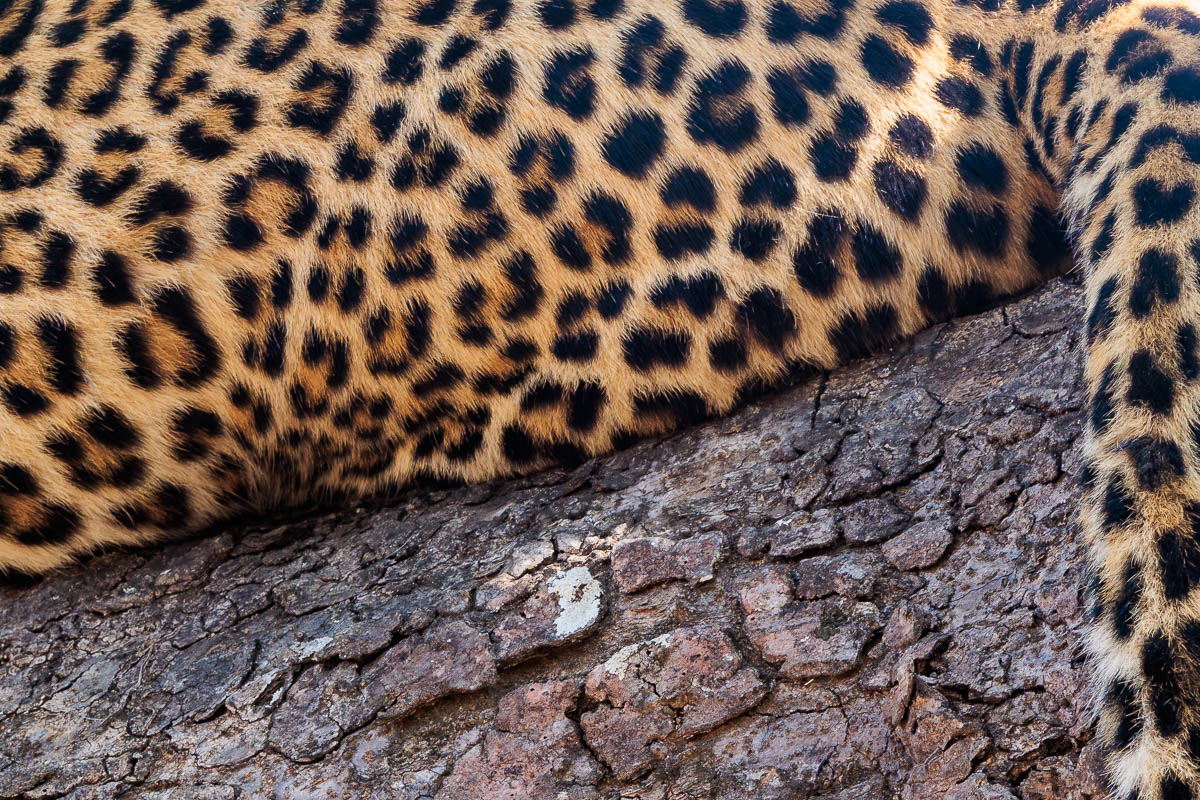
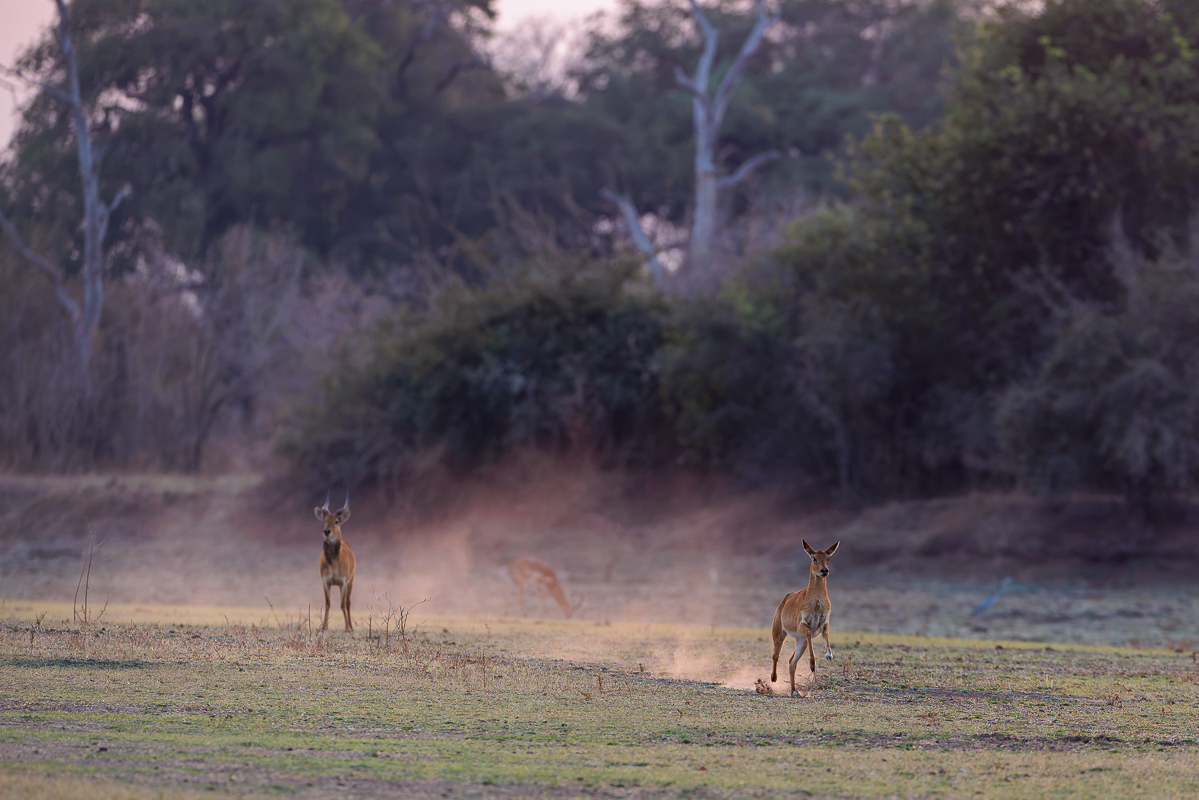
We started the trip with an evening observing a well-known leopard with her kill up in a tree. During the 5 nights, we watched lions almost every day, spent time side-lighting a leopard in the night, played with backlit dusty images in the early morning and waited for lions to mate for much longer than most would have had the patience for. We experienced some funny weather, with long cloudy days that allowed us to stay out longer and follow lions which were hunting buffalo, and also to enjoy a moonlit dinner on Lion Plain on full-moon night.
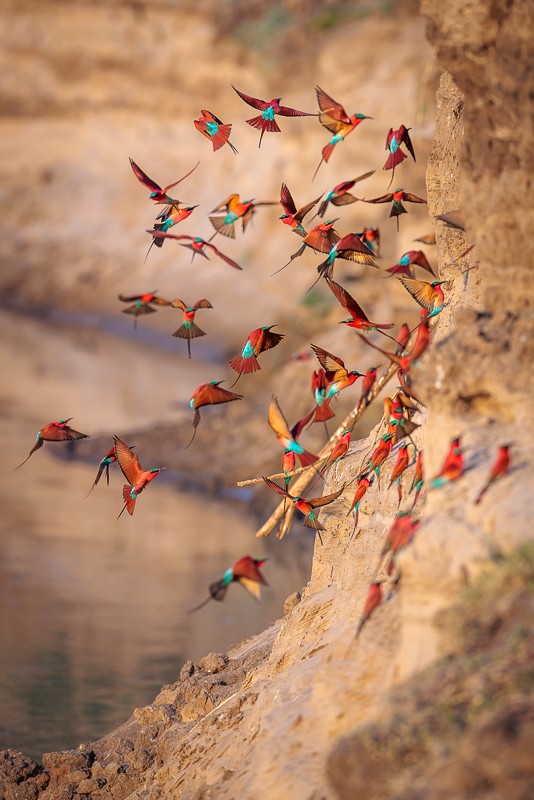
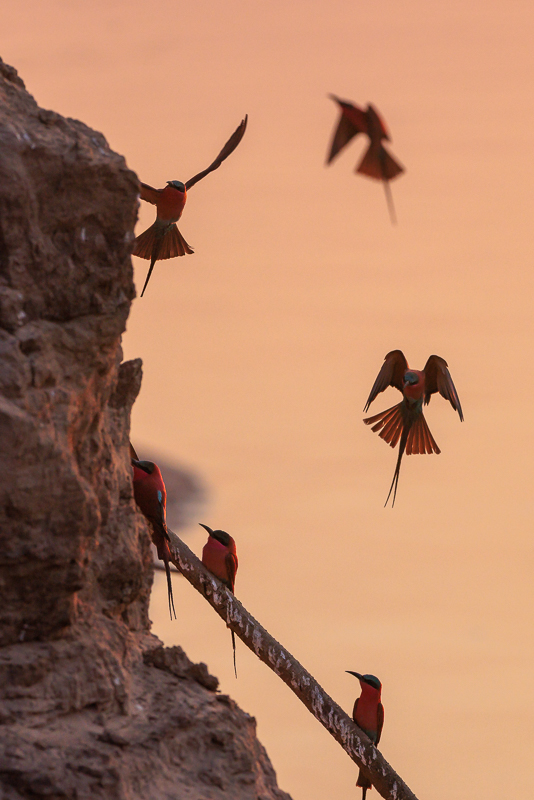
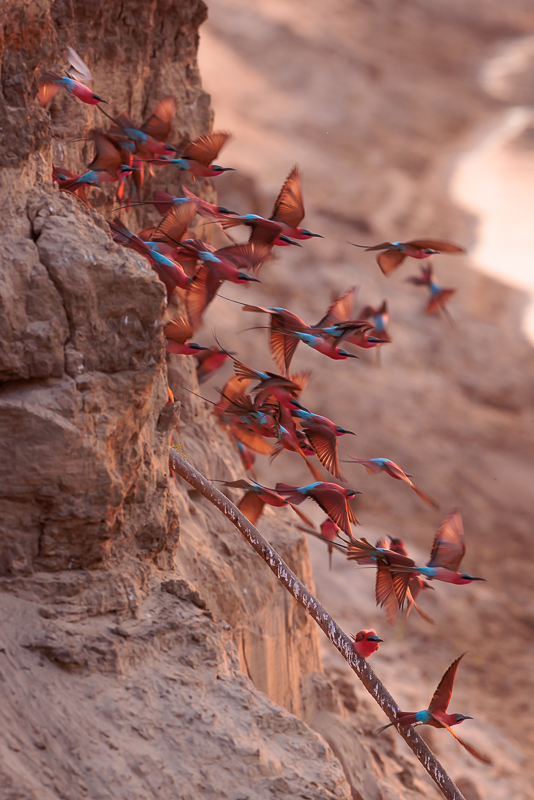
Our trip ended with time at the carmine bee-eater colony, and I coached the group to get images which I hope they are proud of. It’s not an easy challenge and I wanted to make sure that they were well prepared, so I showed them sample images, explained what techniques worked well and advised them what to avoid.
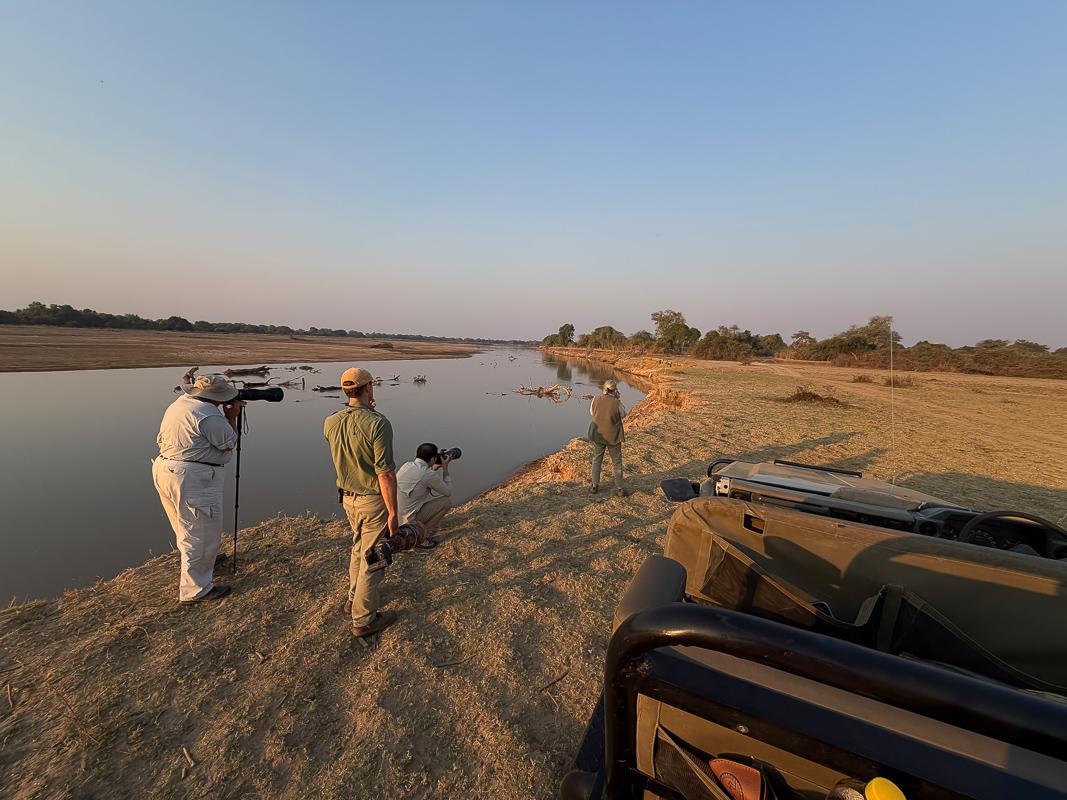
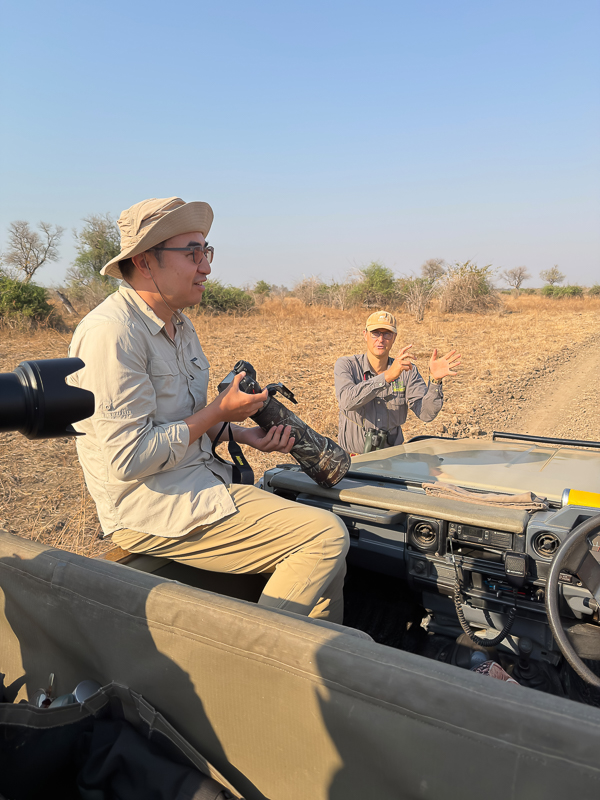
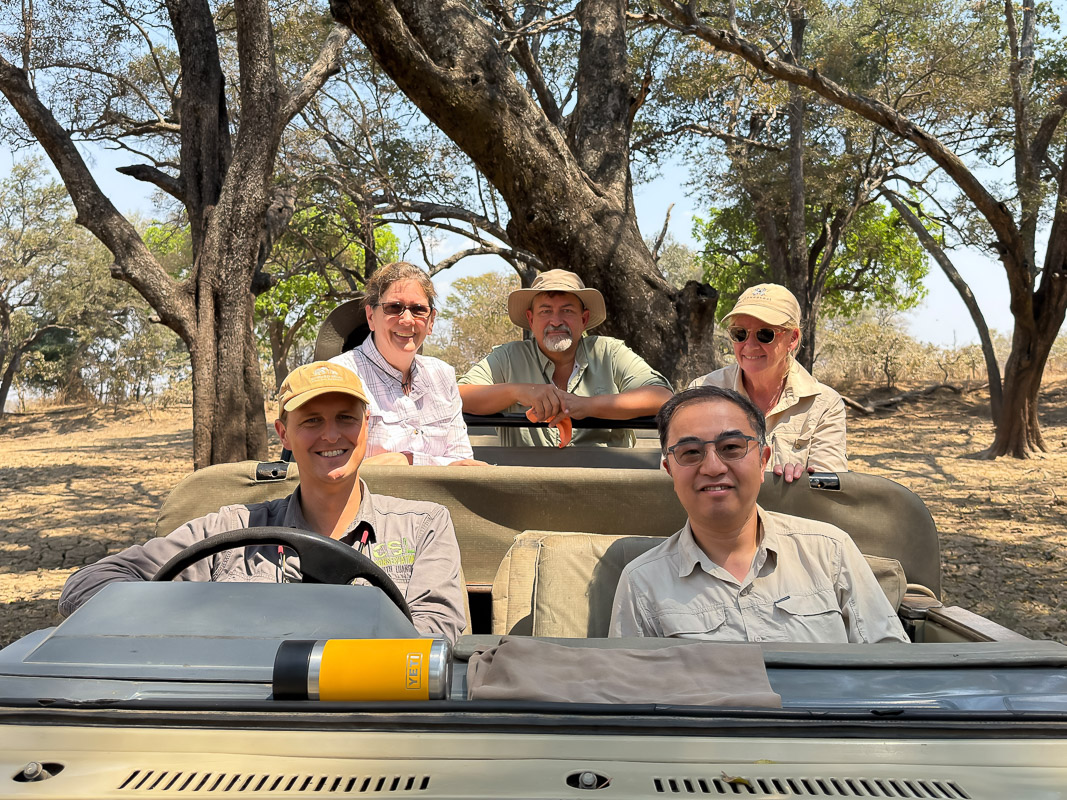
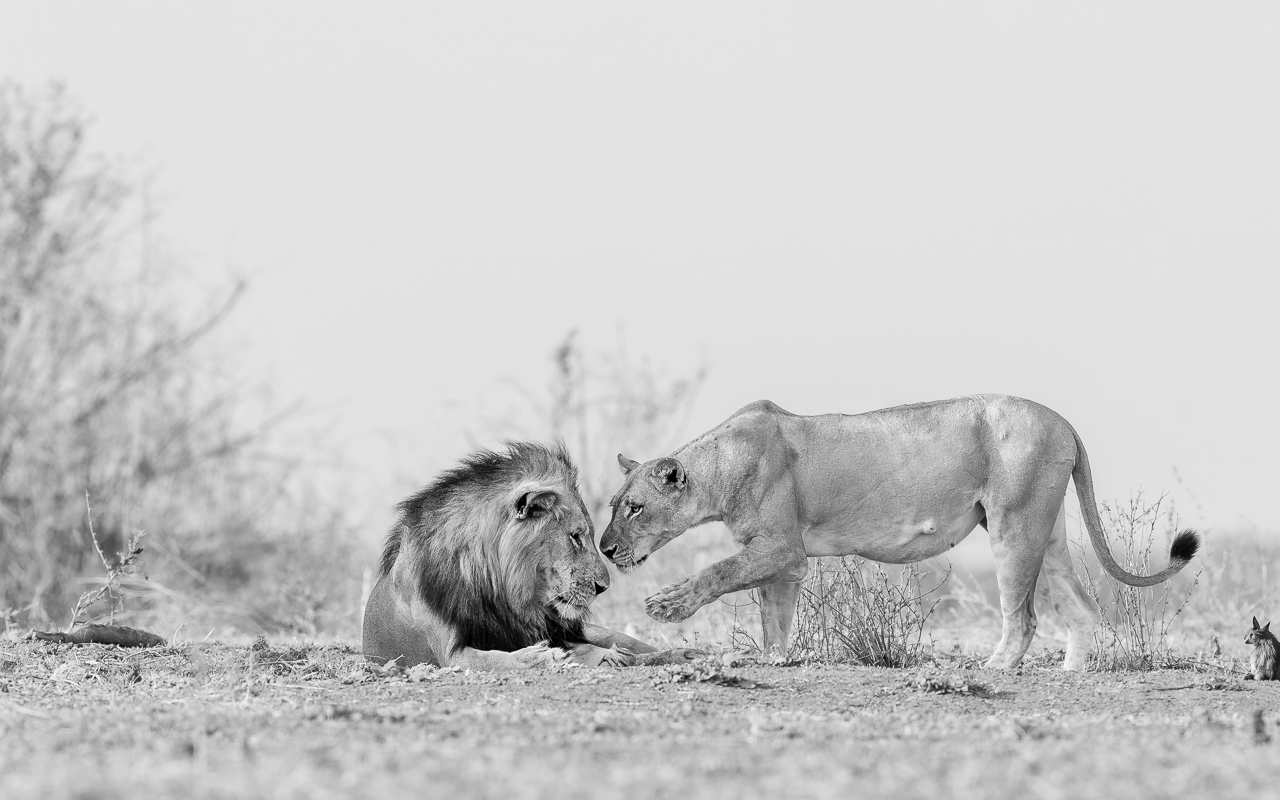
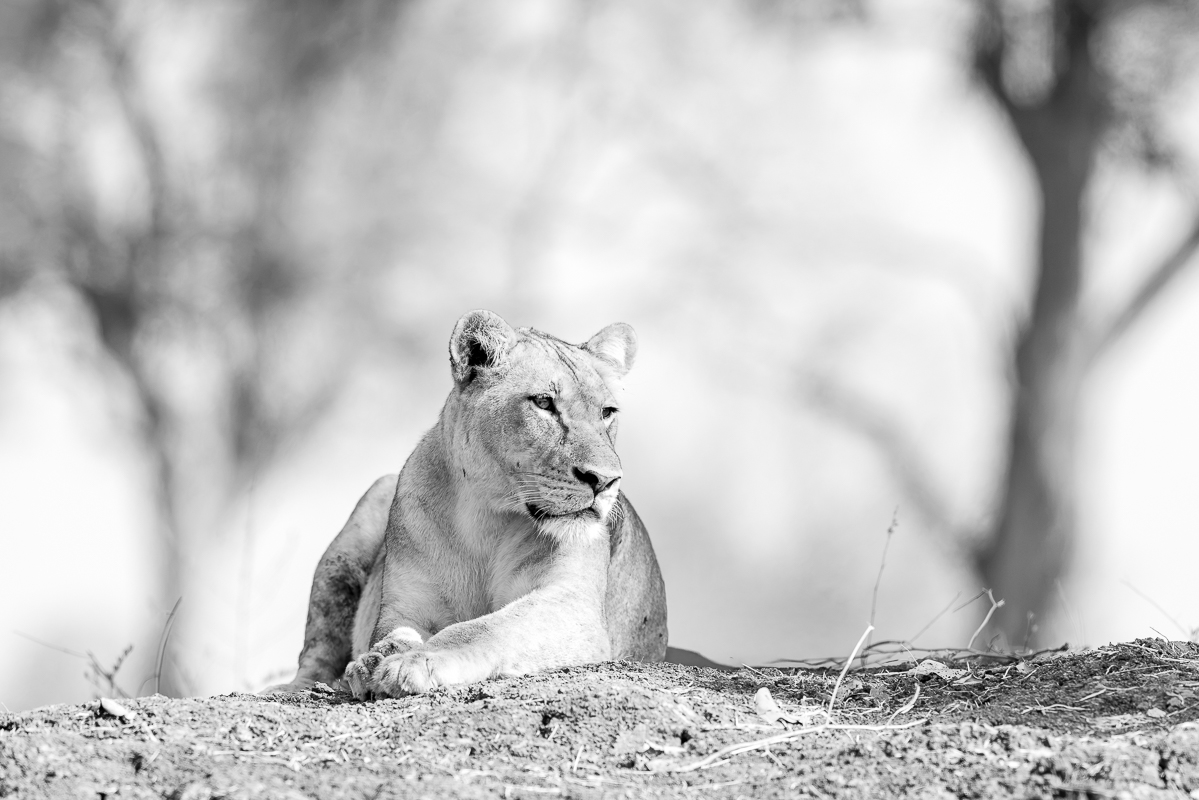
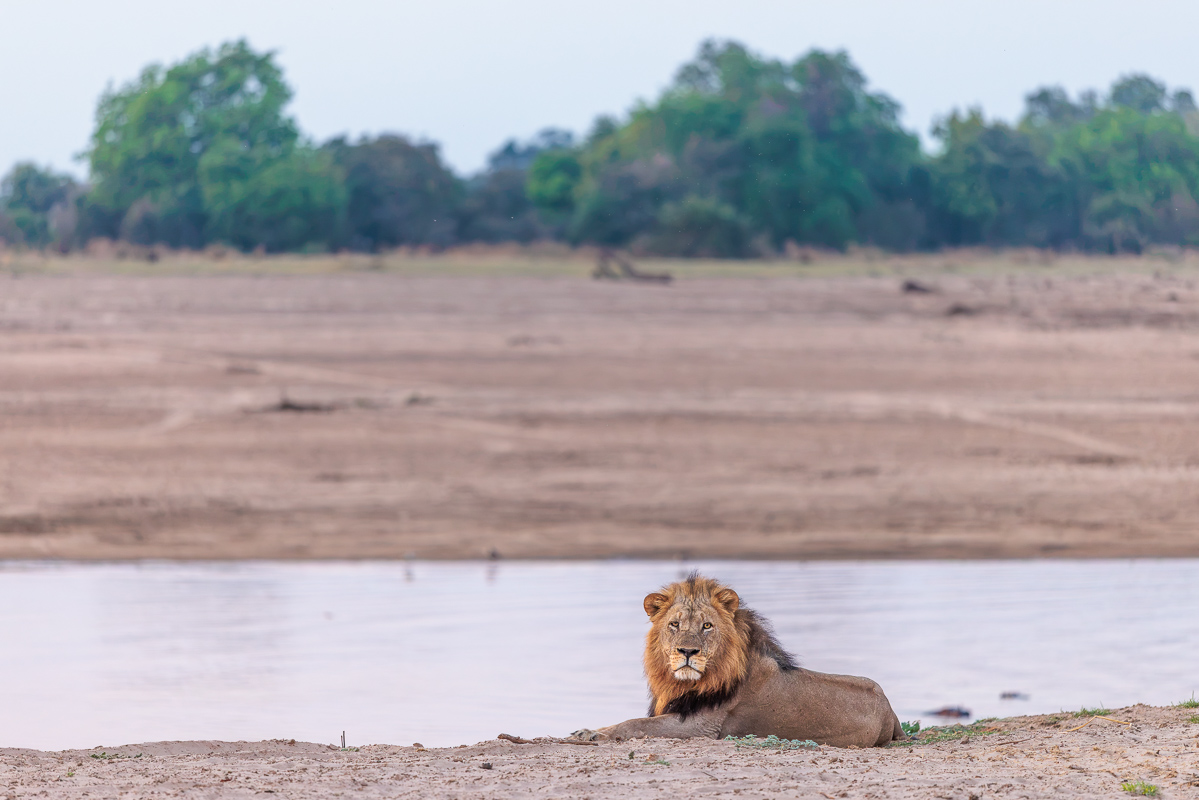
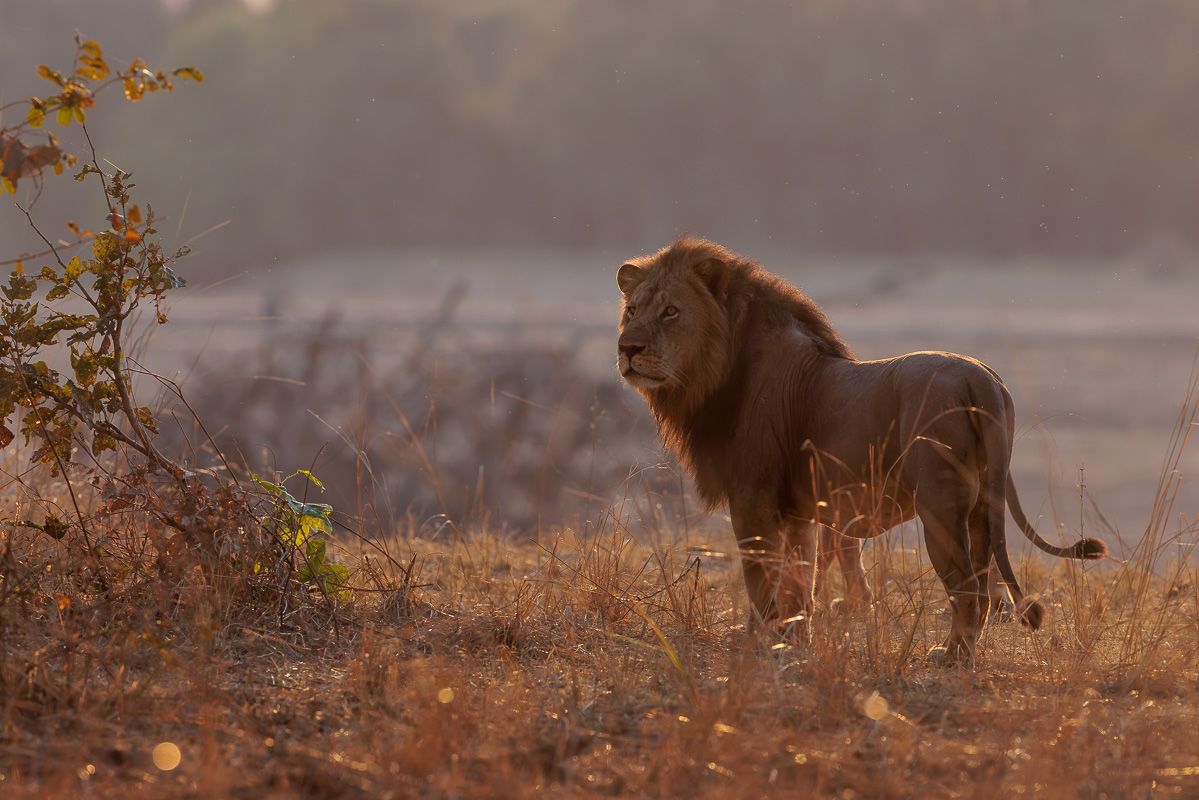
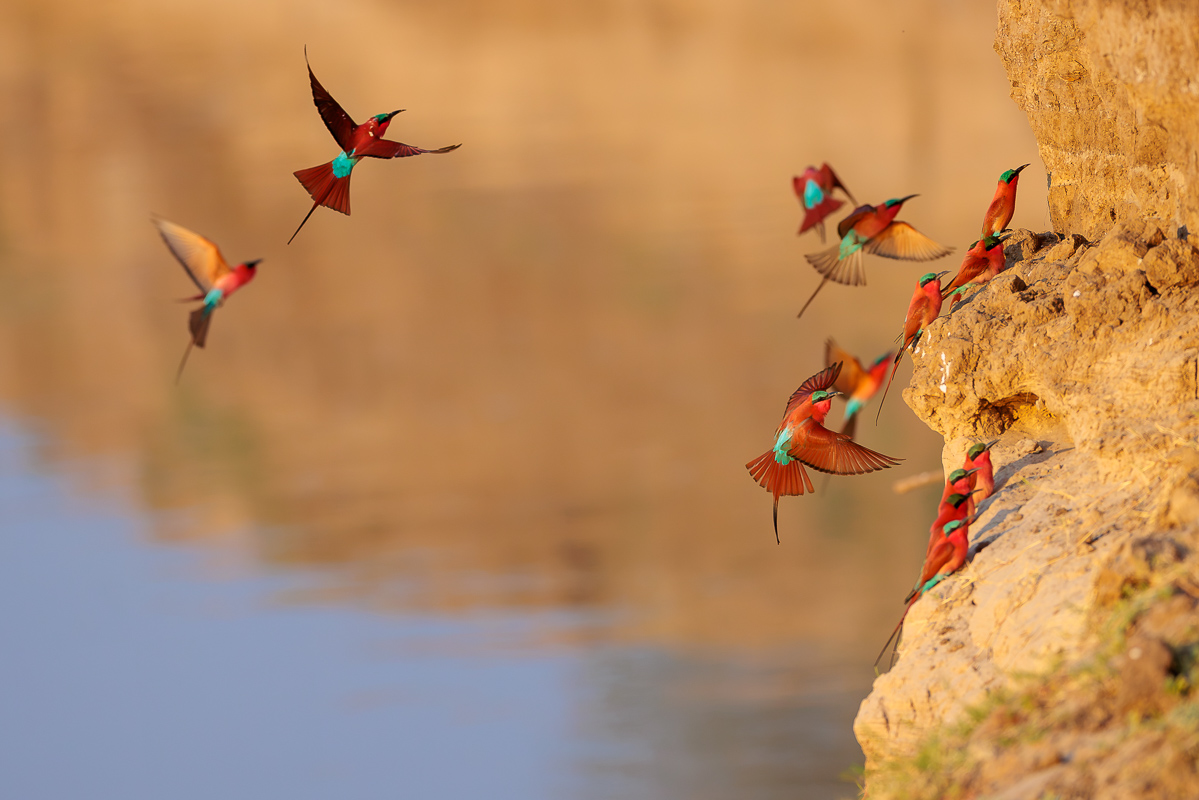
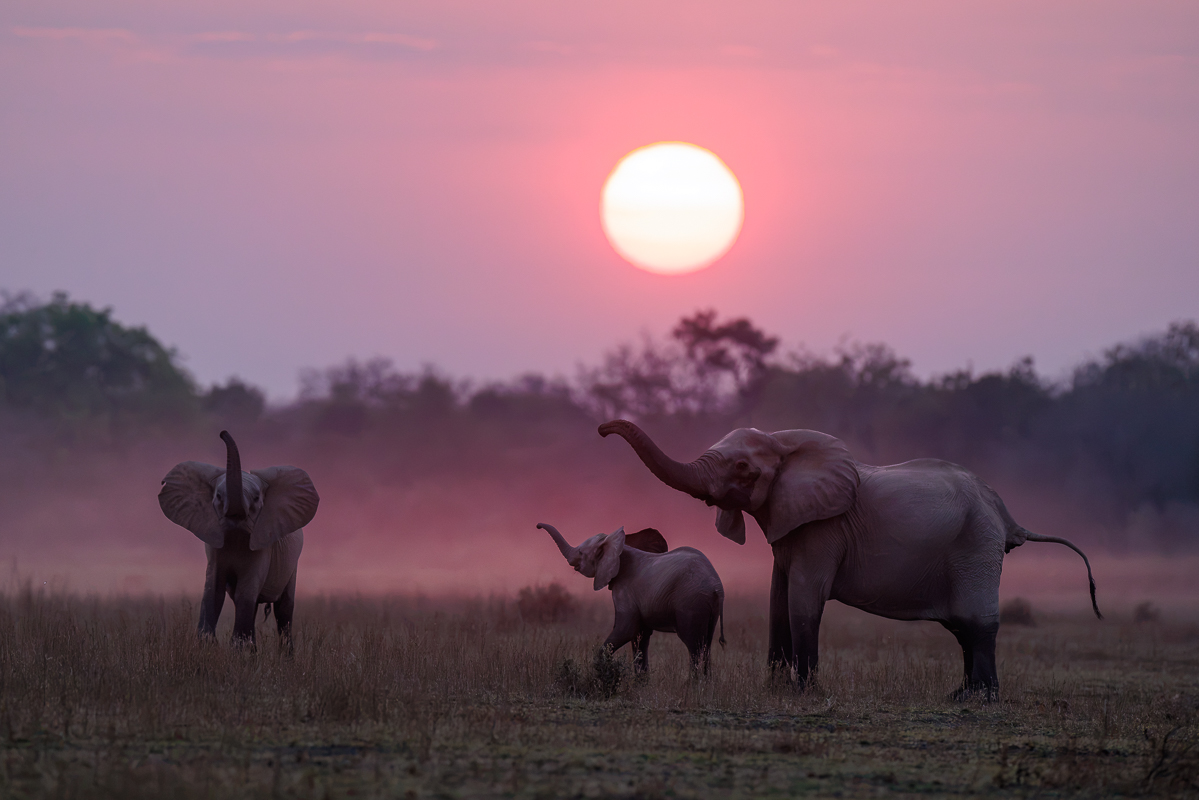
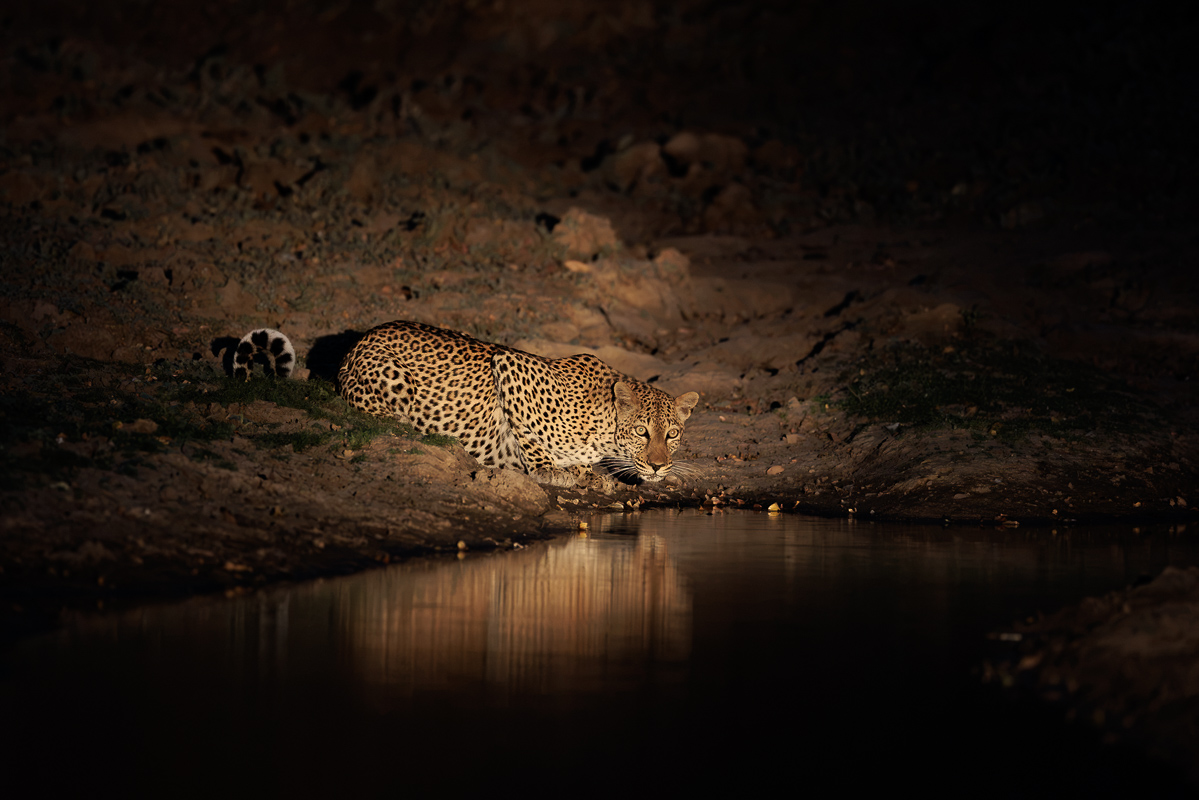
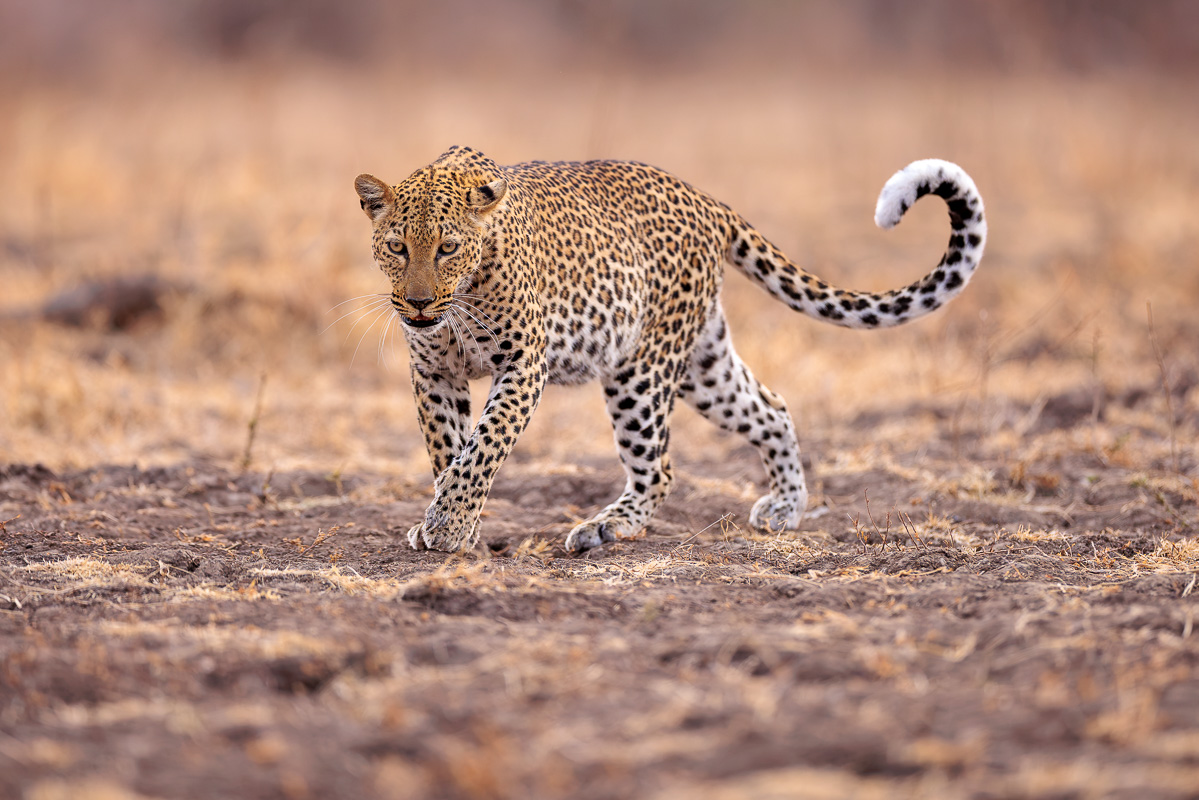
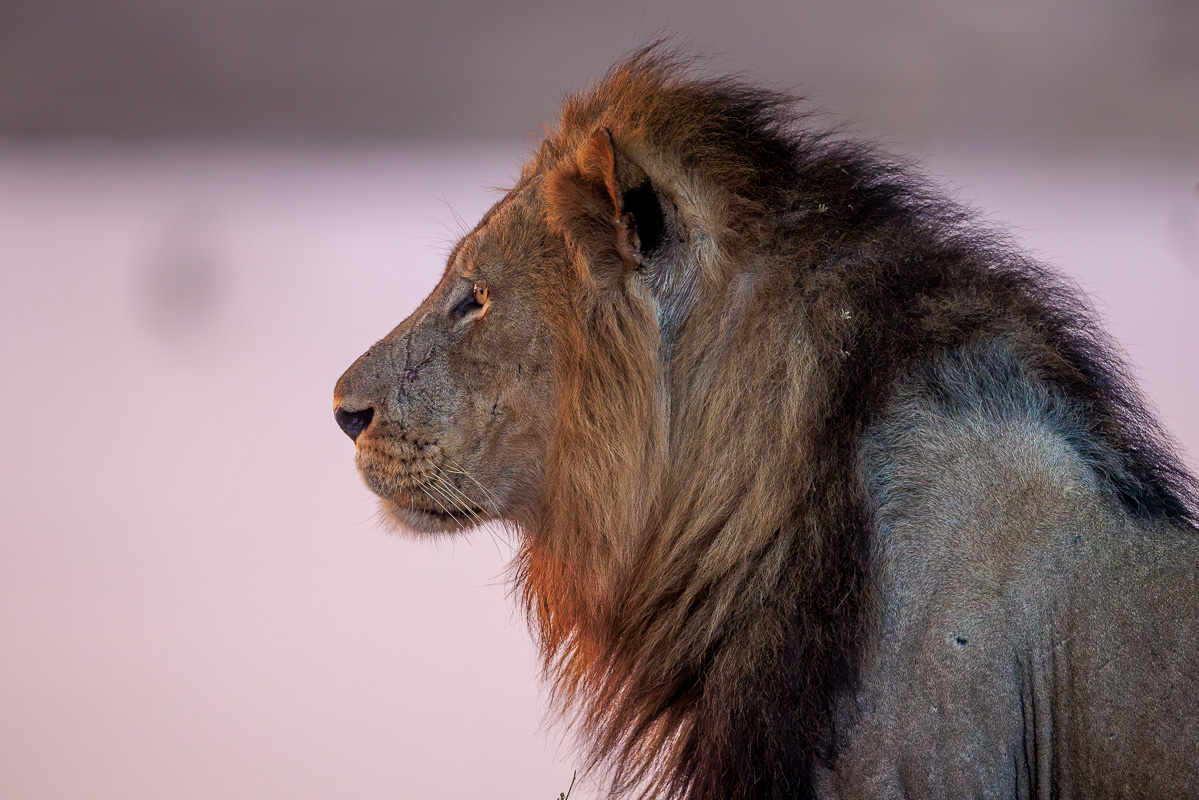
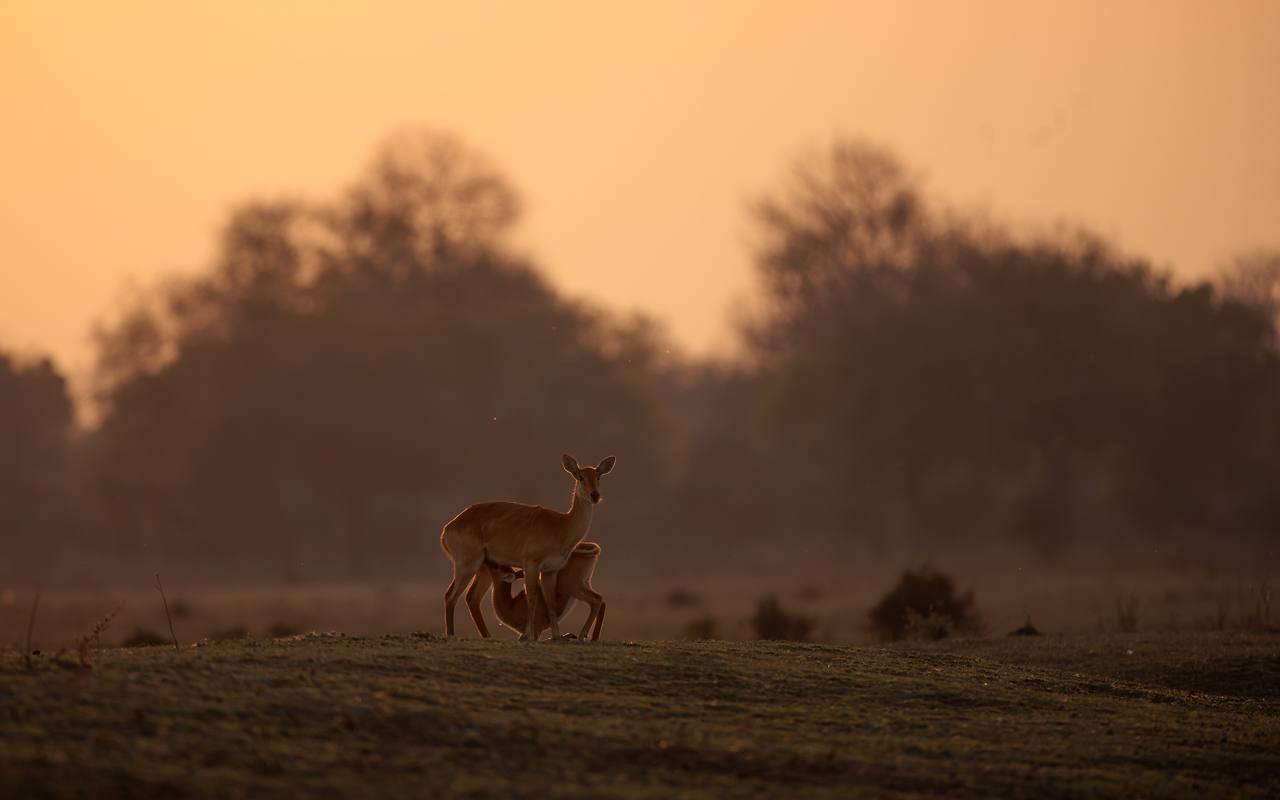
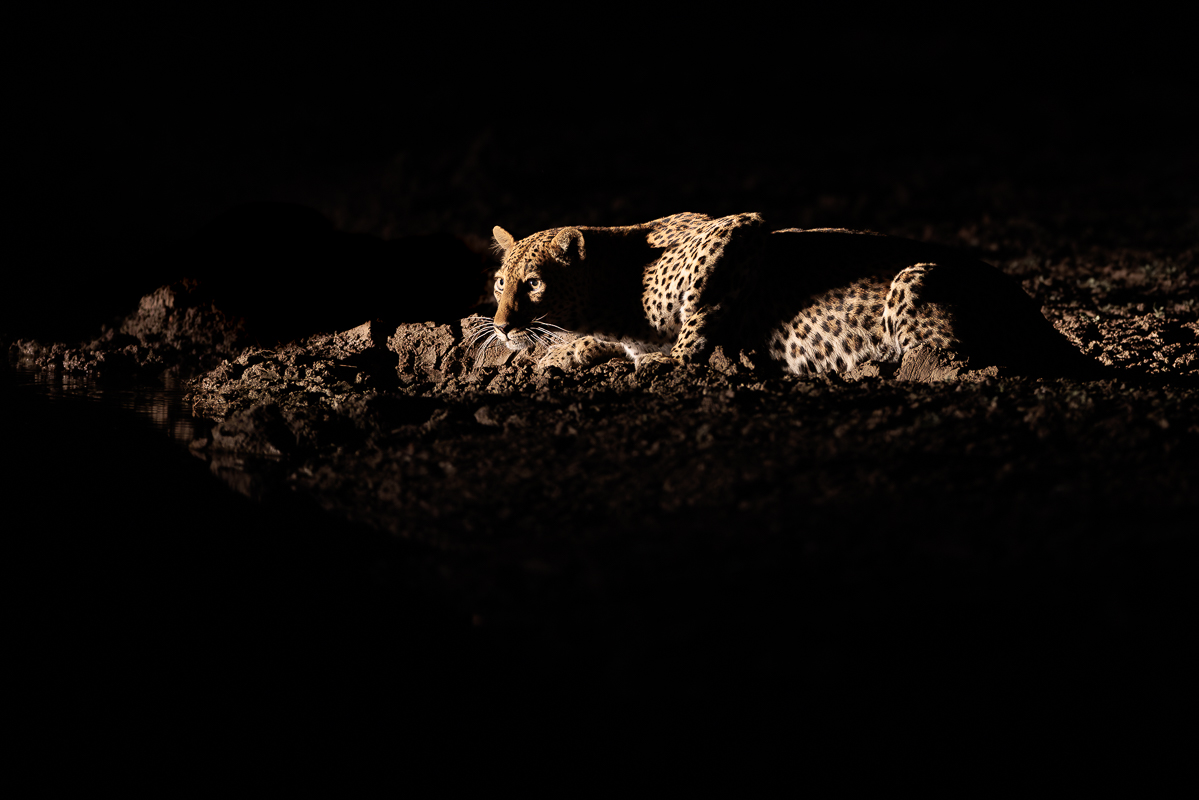
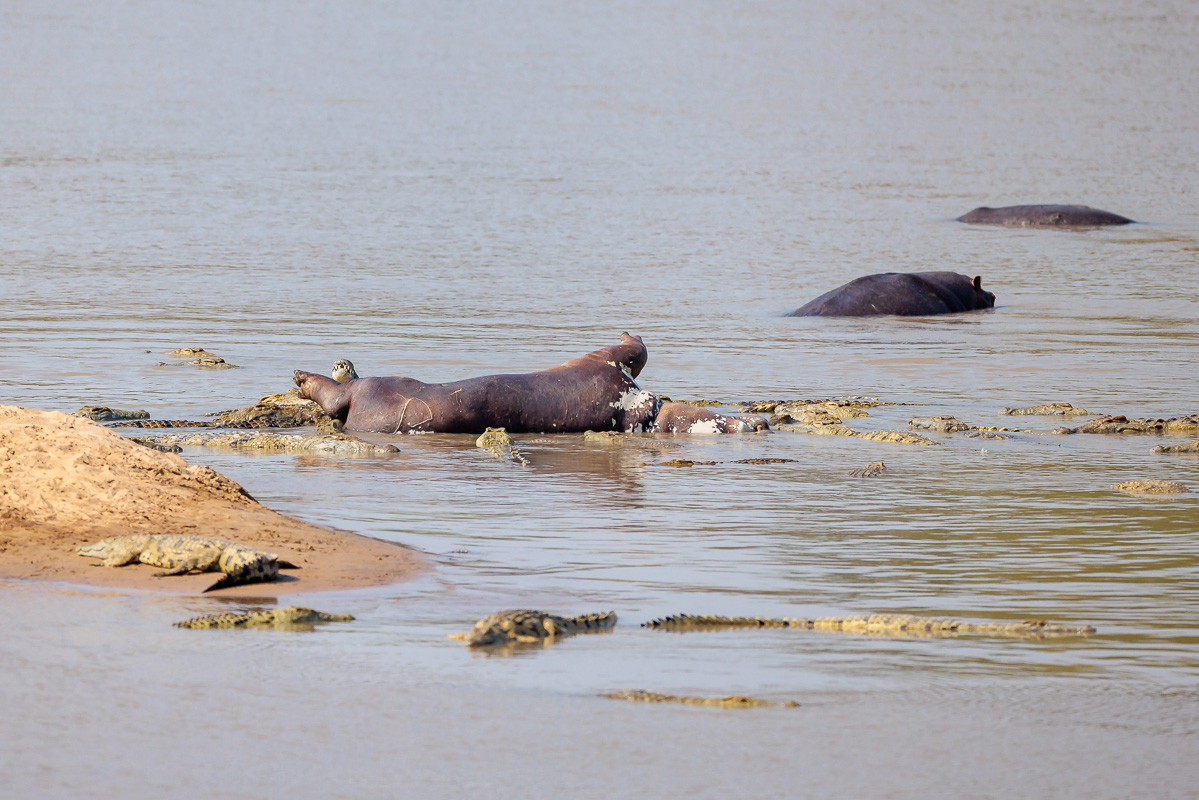
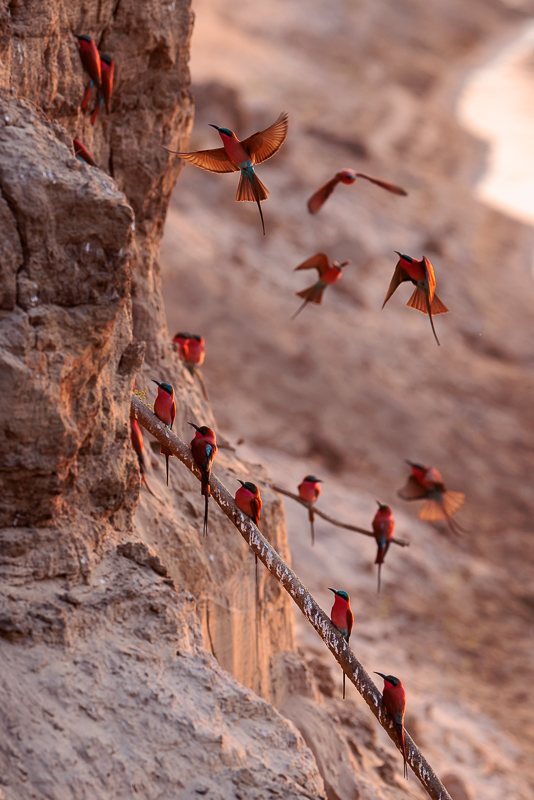
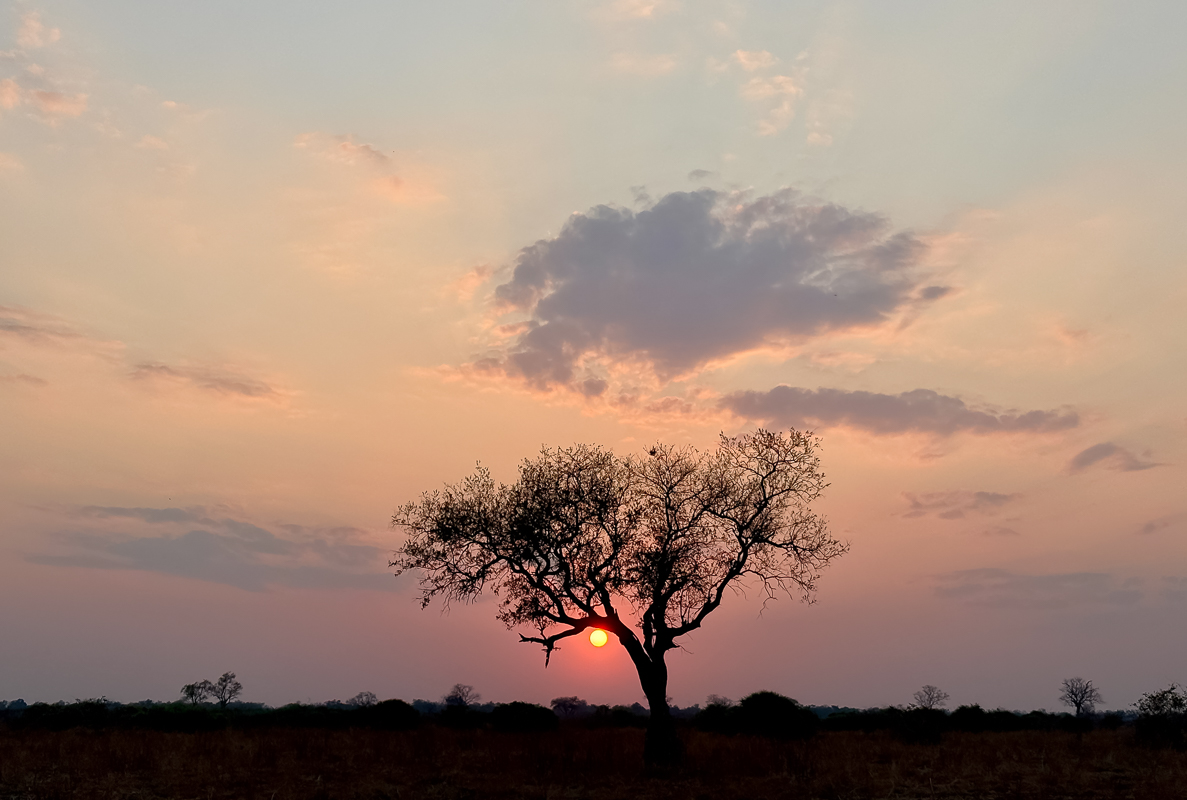
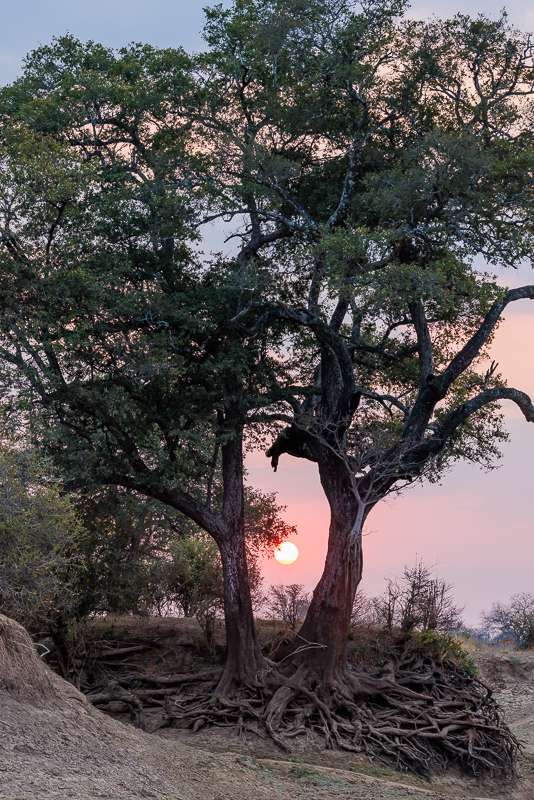
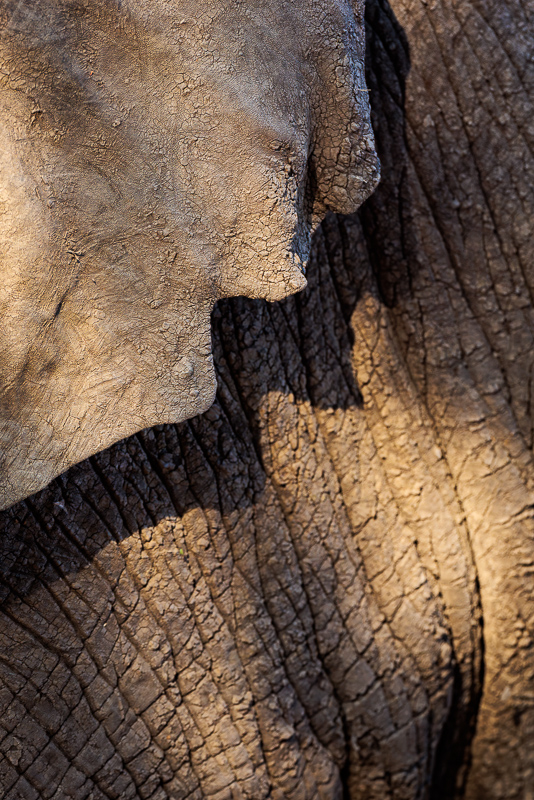
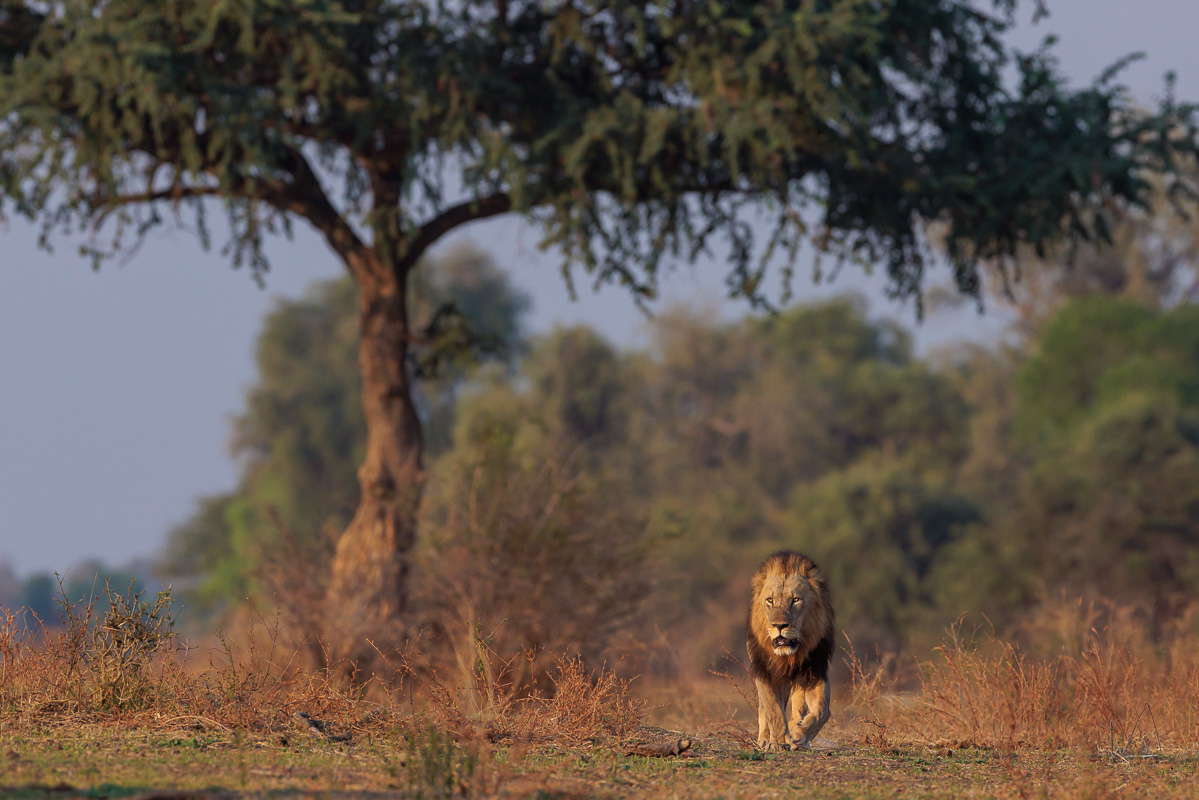
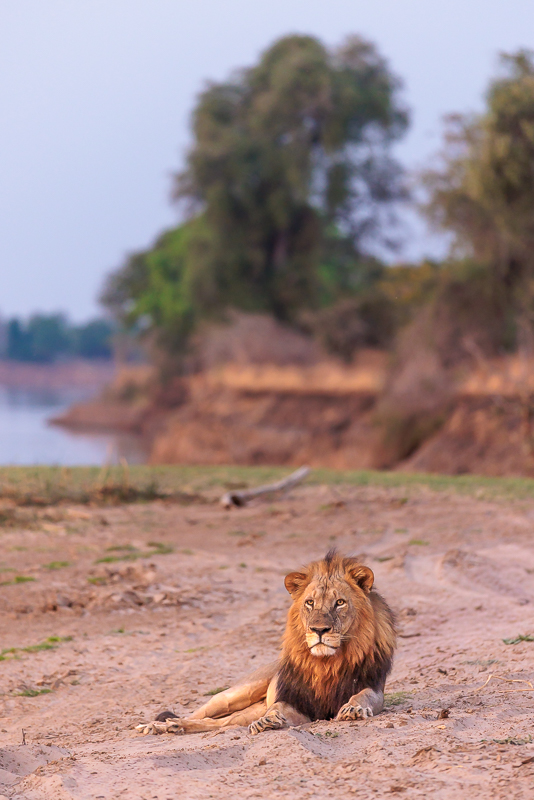
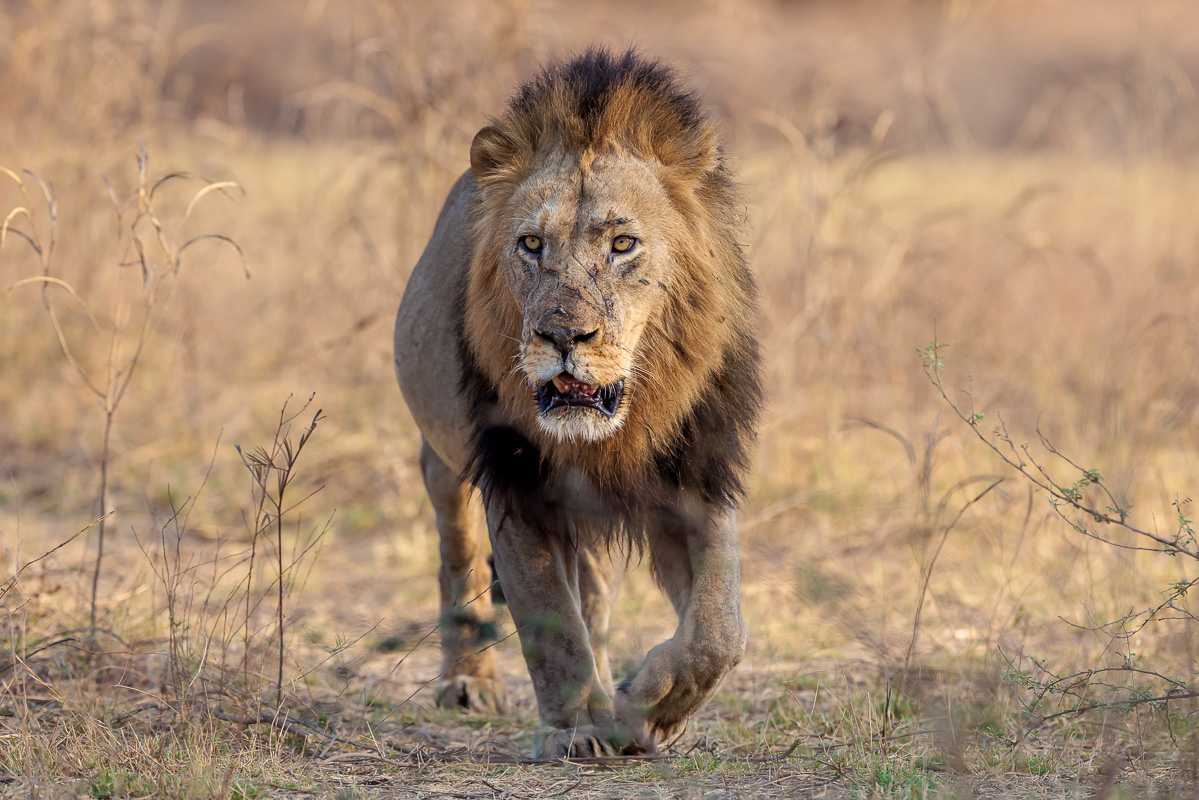
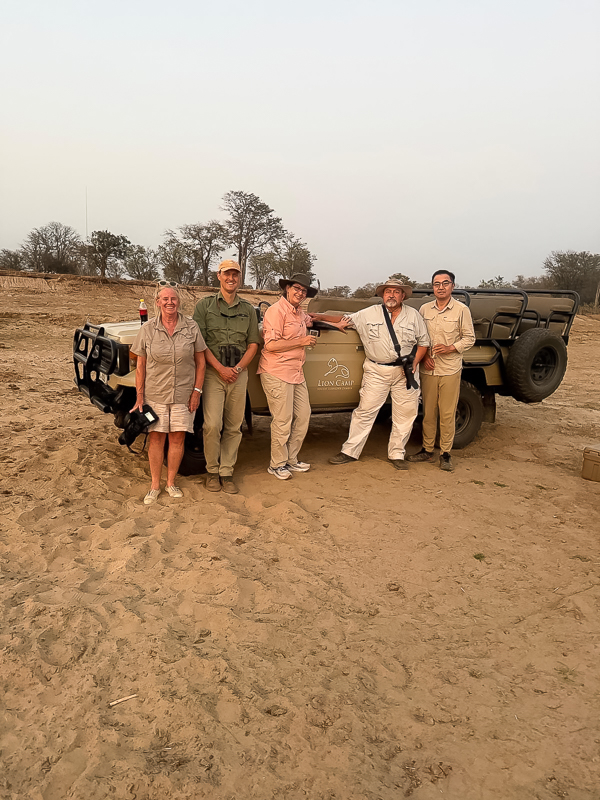
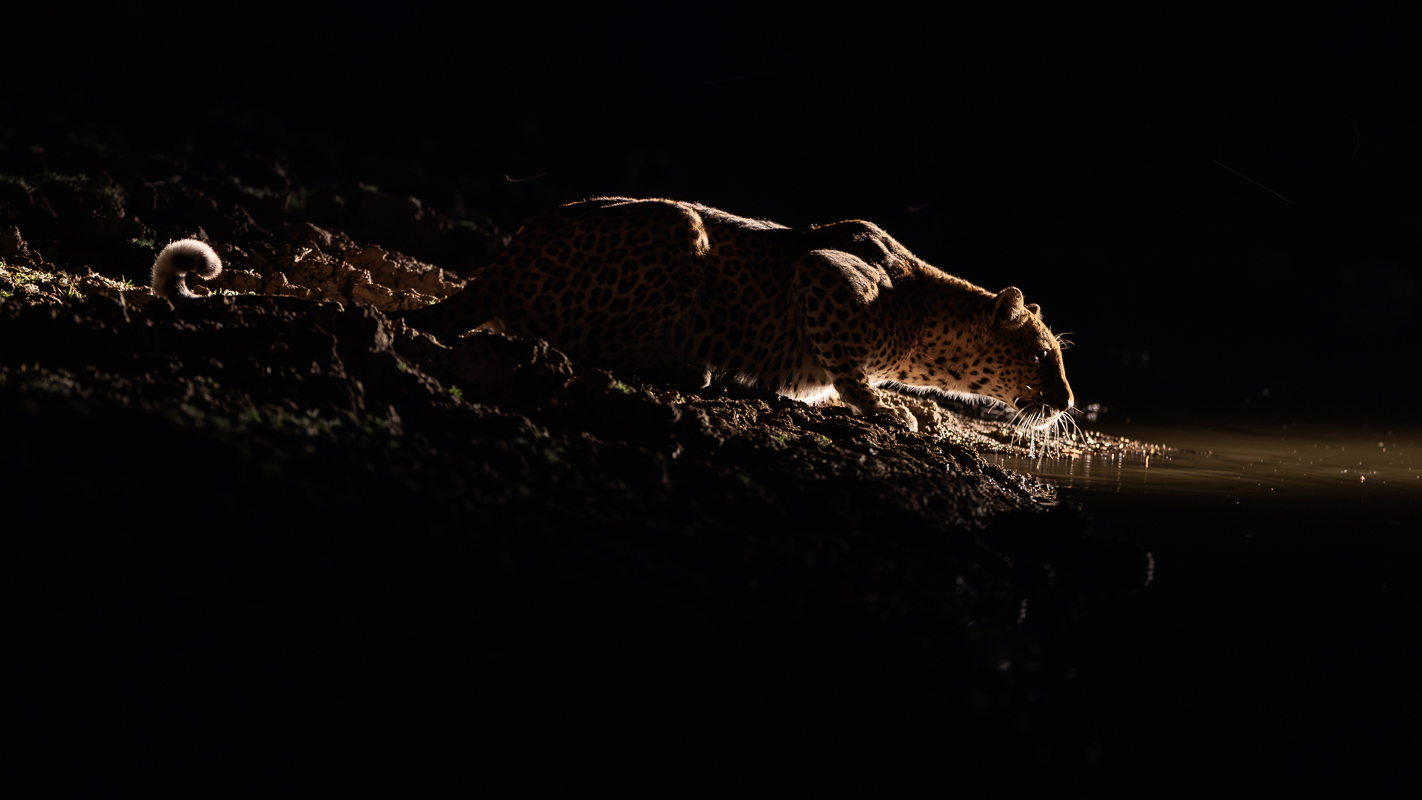
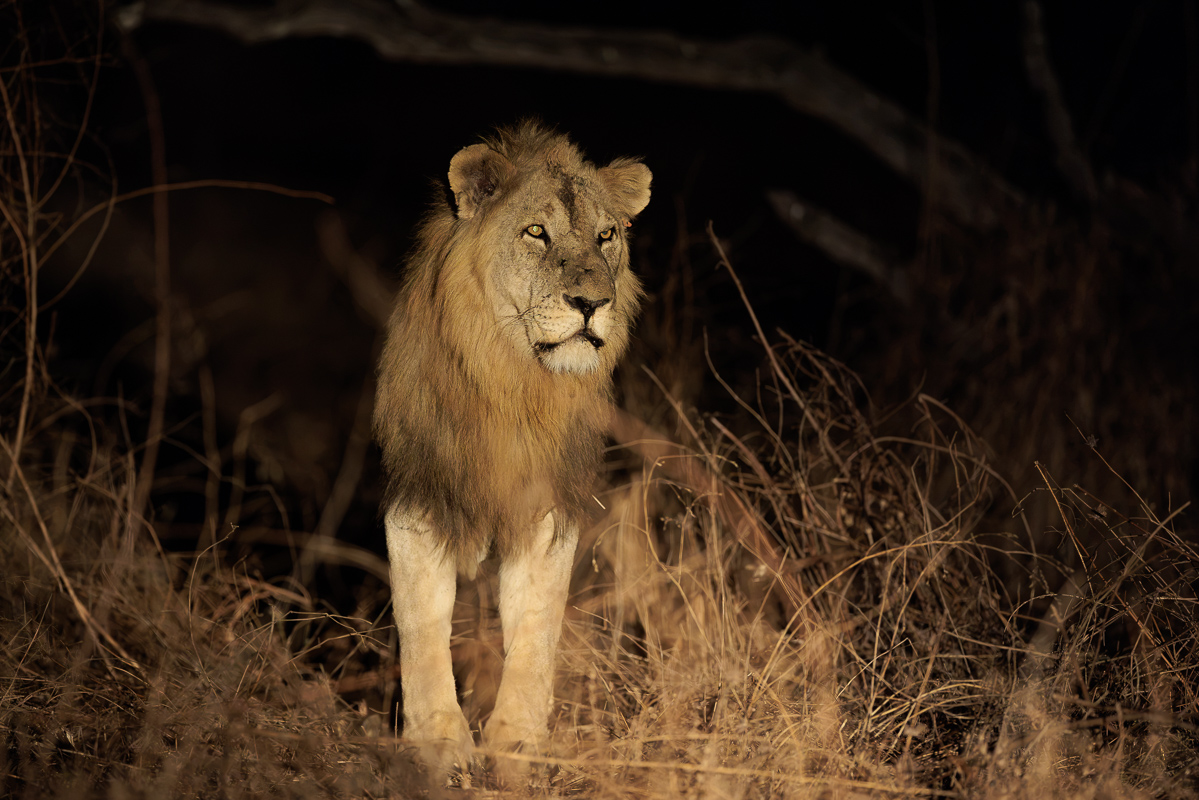
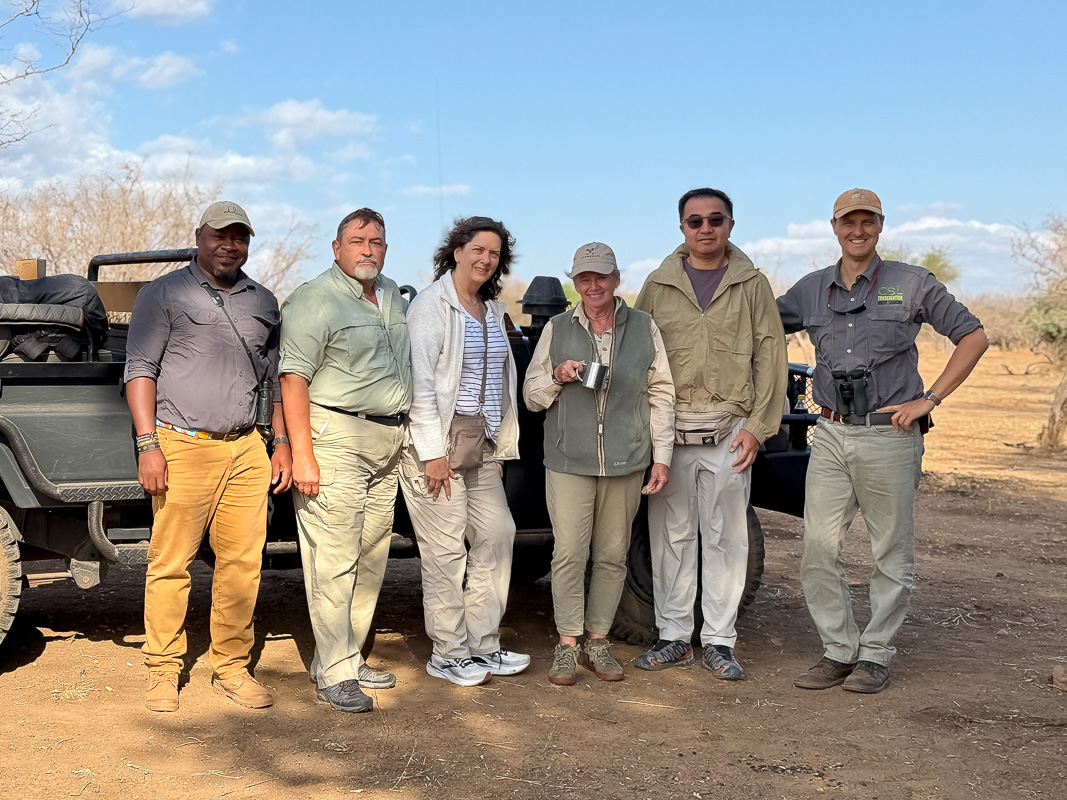
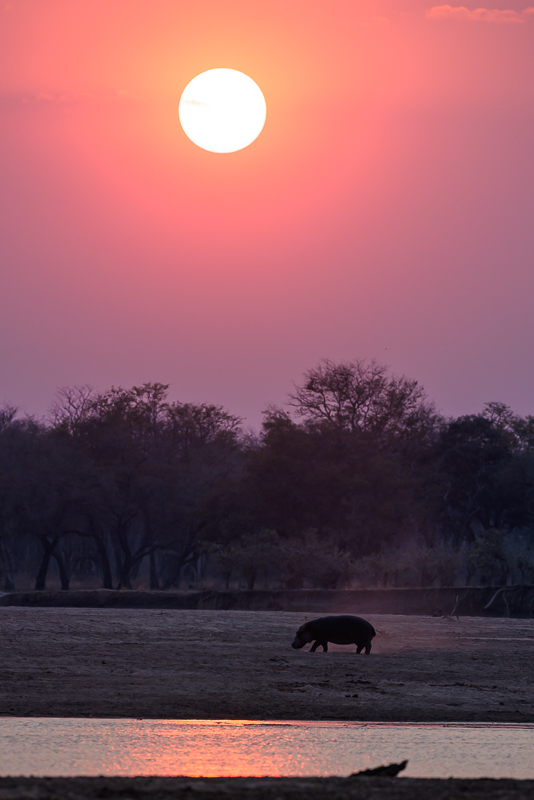
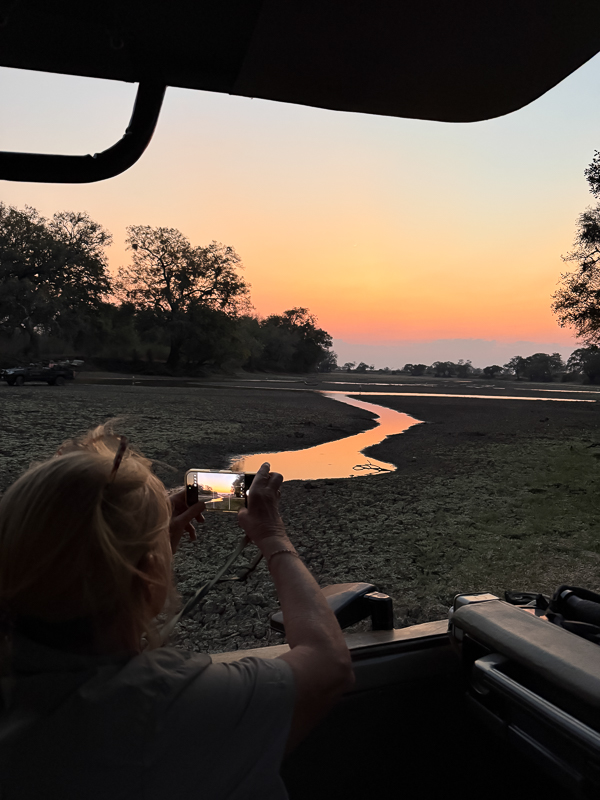
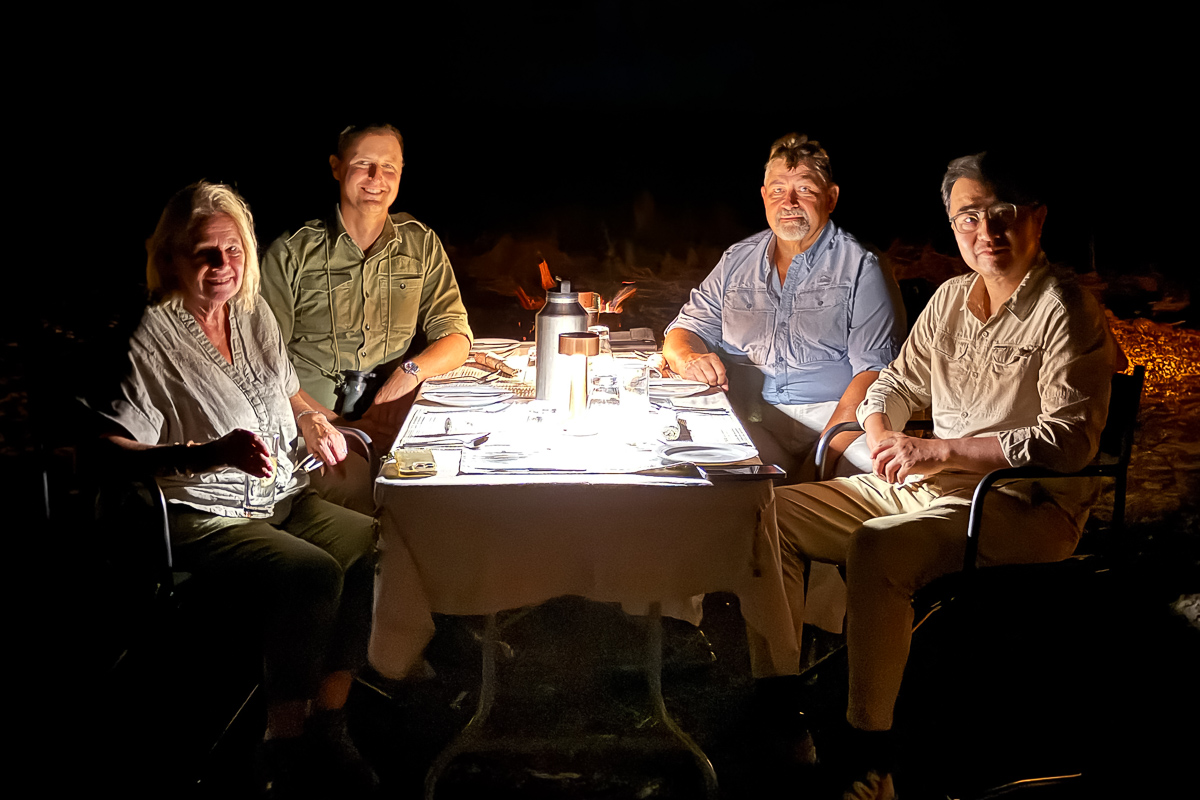
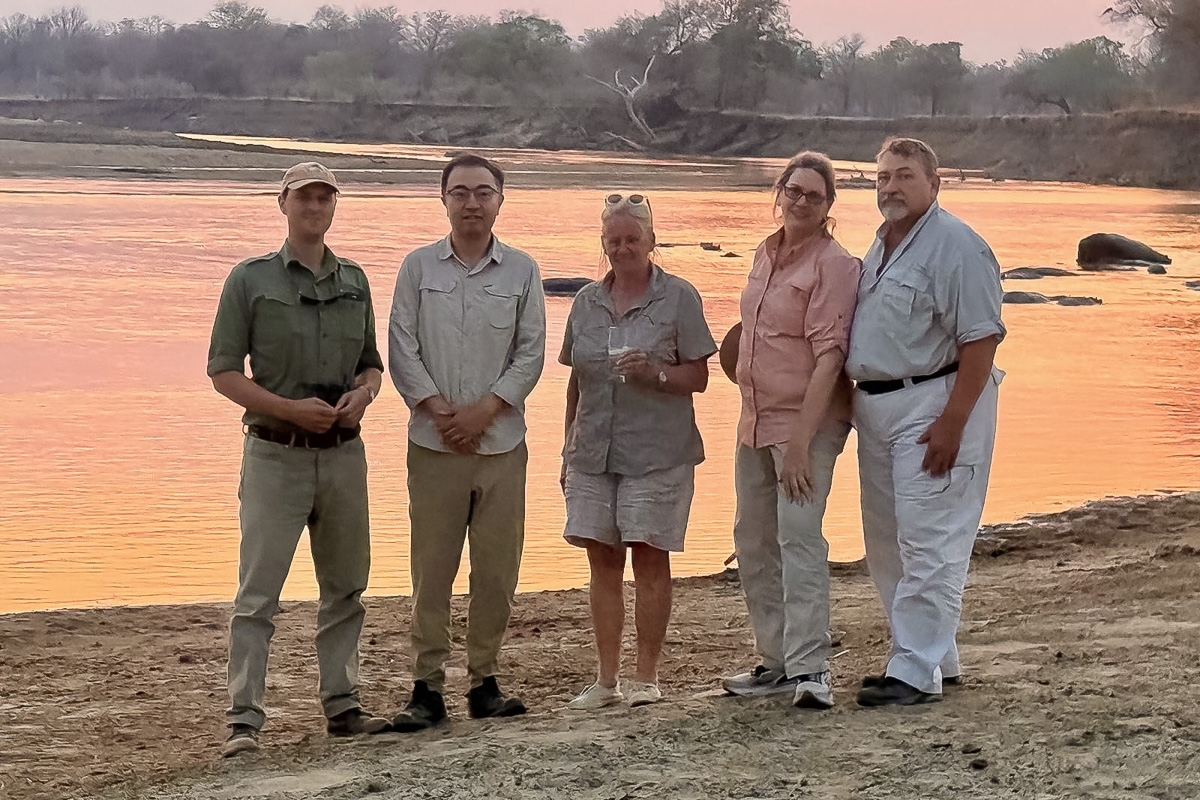
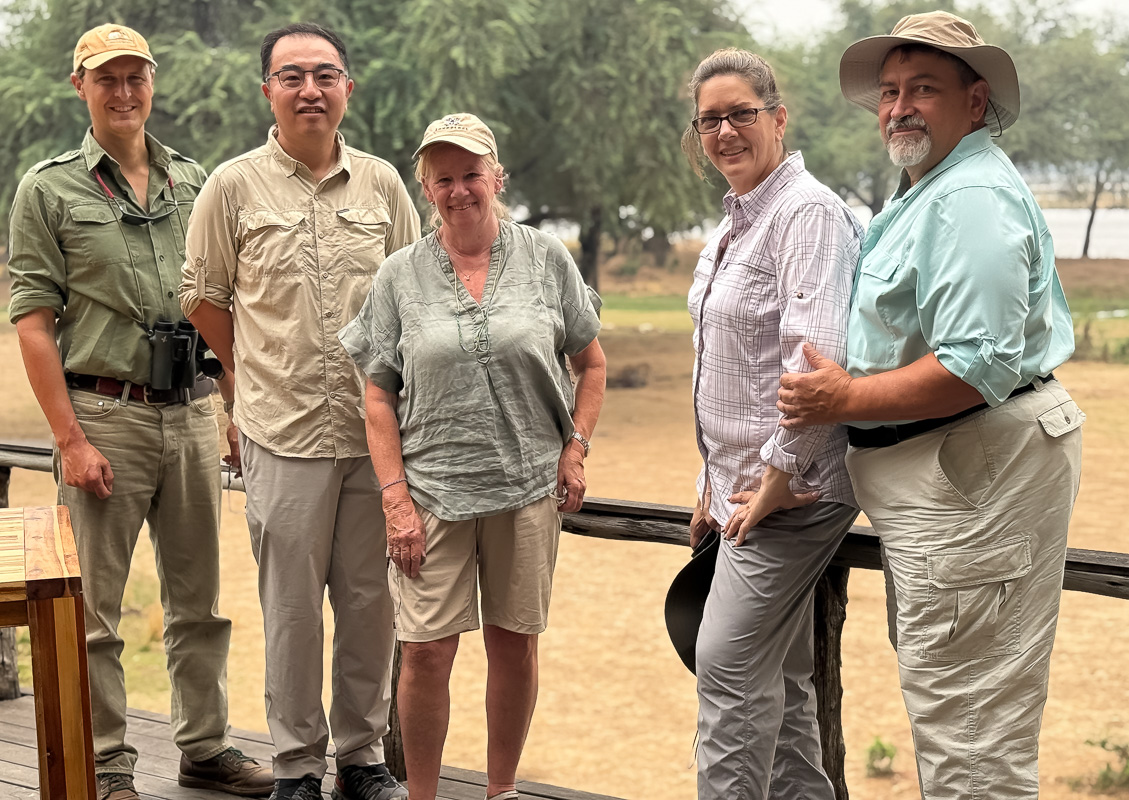
Thank you to Frank, Gillian, Chuck and Kirsten for being a great group. I enjoyed our time together very much, and I hope our paths cross again. Meanwhile, I was in Mfuwe, resting for a couple of days before I started the second of my Two Valley trips with a new group.
Leave A Comment