

This was a magical trip for several reasons: I was welcoming back a repeat guest; but also she was bringing 4 friends from her camera club circuit in Australia, and they were new to Africa – it’s always a thrill to share guests’ first experiences on safari…that first elephant sighting, the first time a predator walks towards the vehicle, the sounds at night. Finally, we were staying in the best locations, using superb camps, so I knew this would be a special 2 weeks.
We were using Tafika Camp and Lion Camp in South Luangwa (two complementary camps on opposite sides of the main river), and then moving on to Botswana with Pangolin Safaris in Chobe. It was wonderful throughout. Please read on for a camp-by-camp update.
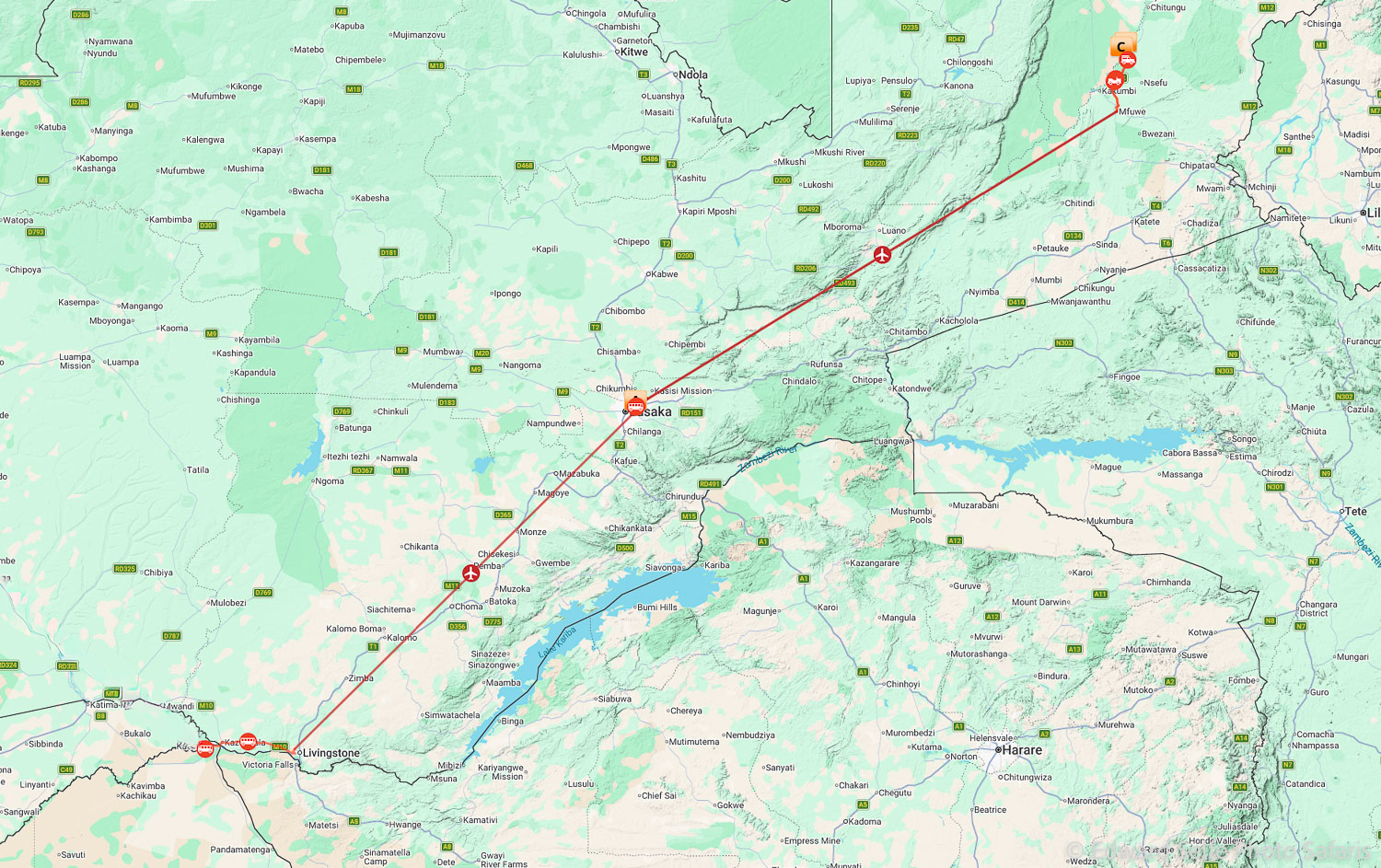
Tafika Camp, South Luangwa
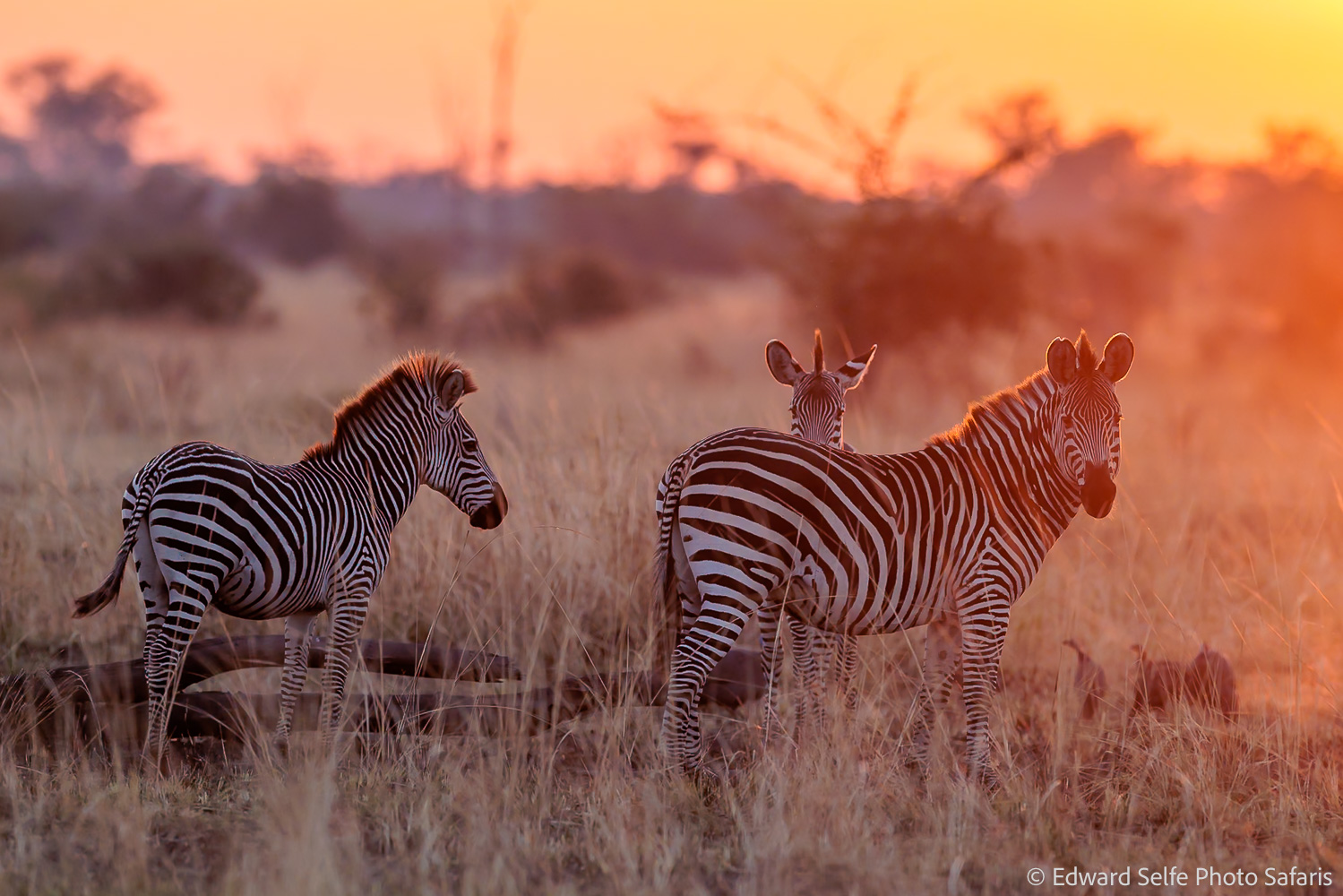
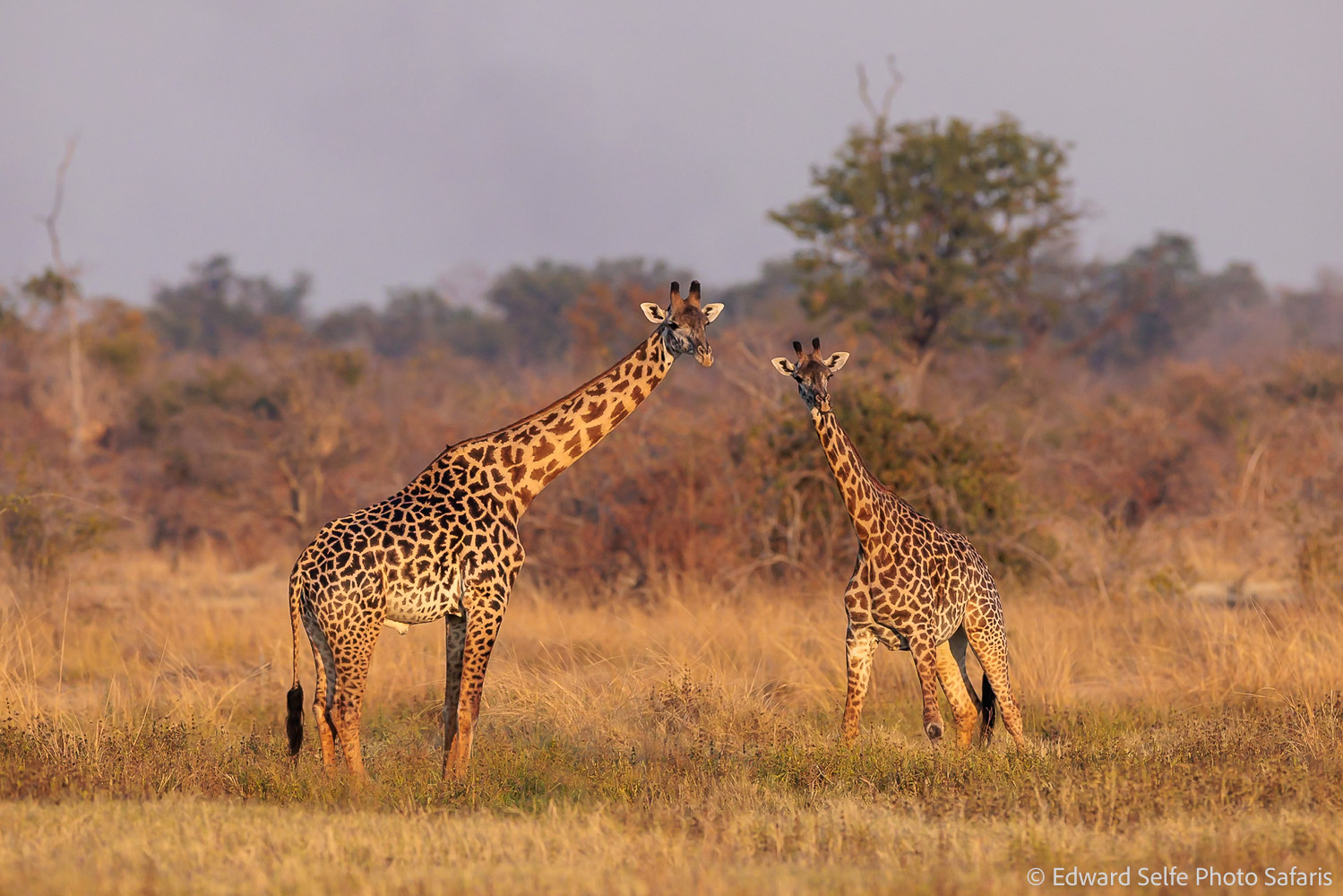
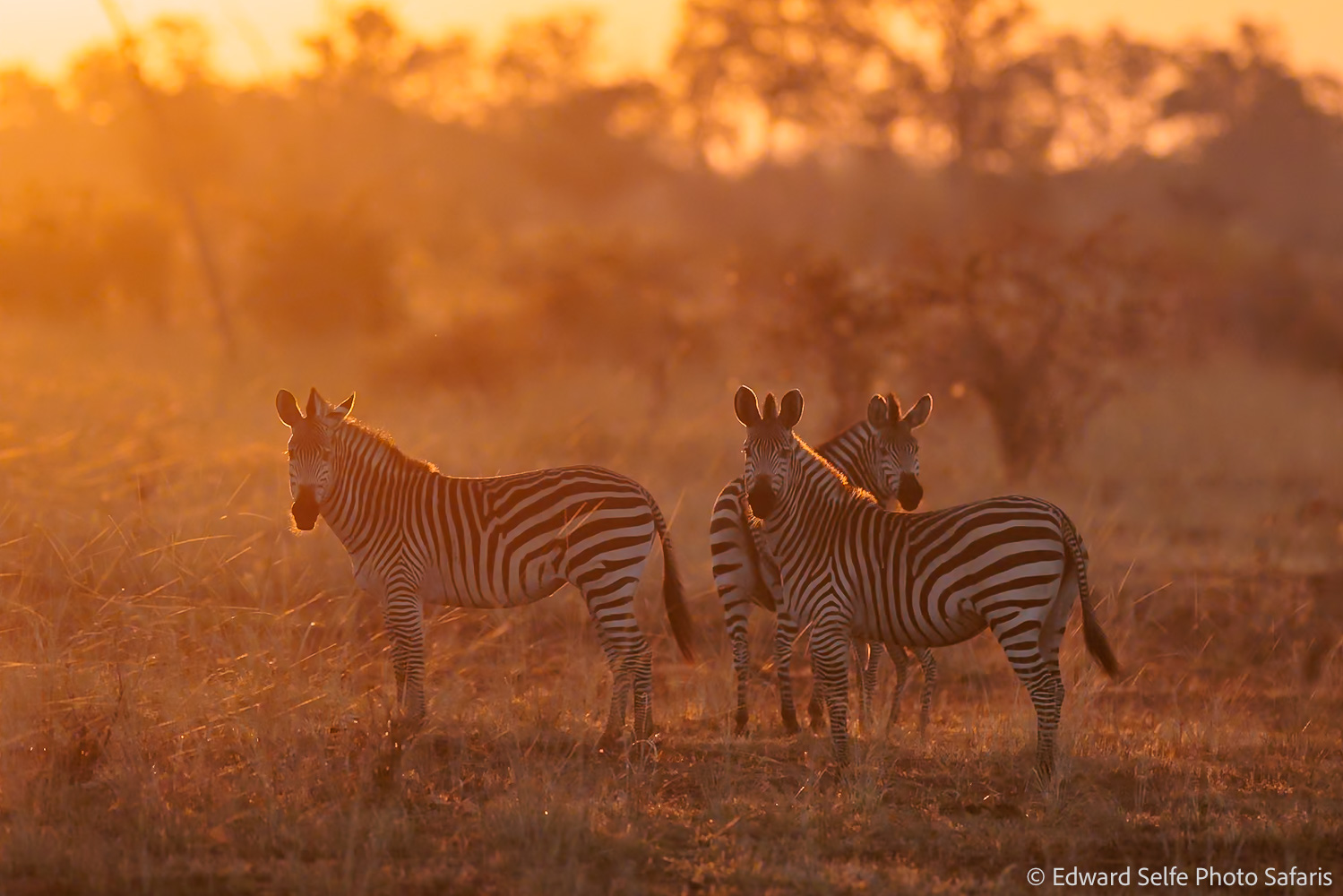
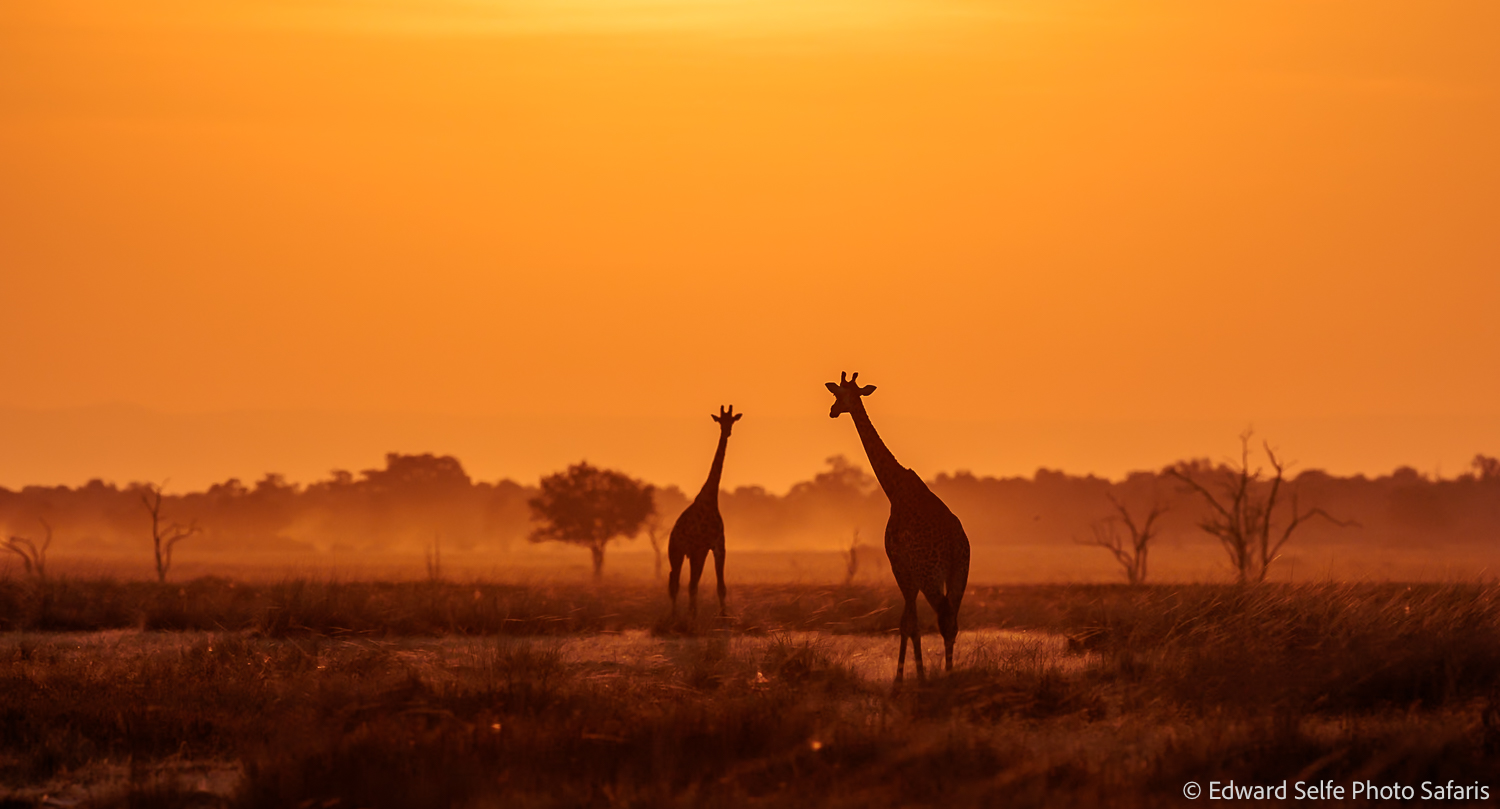
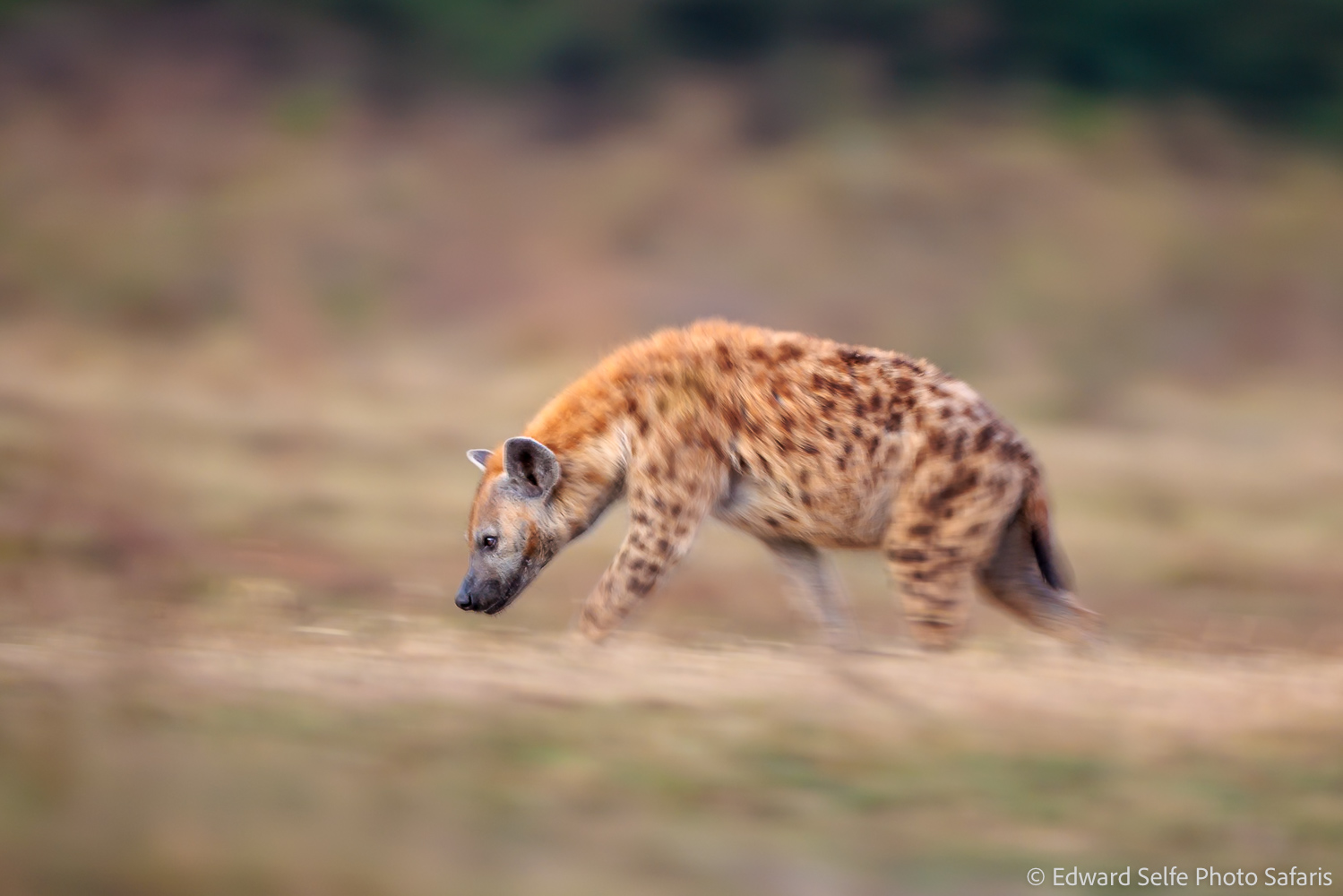
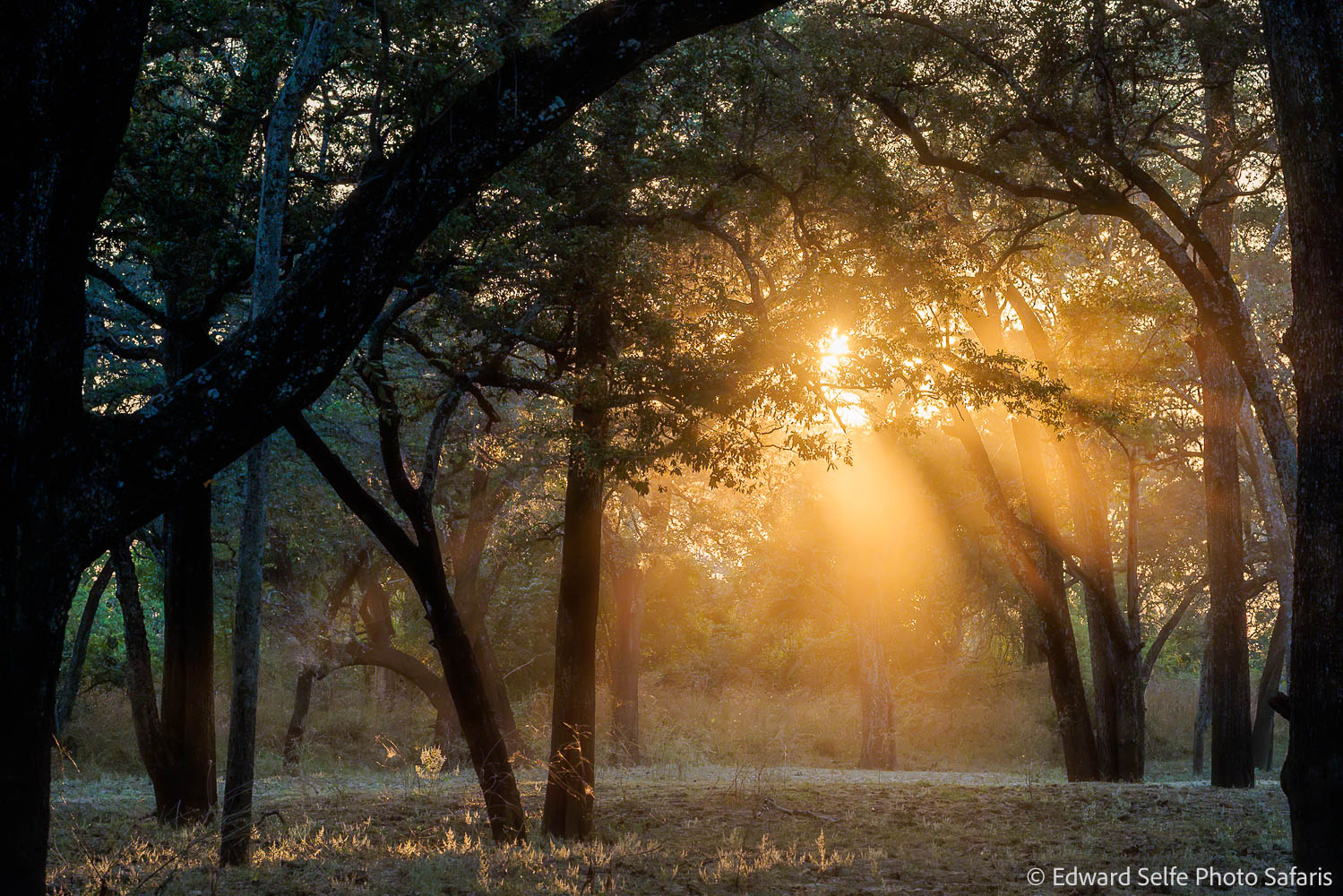
June is one of the best months for photography in the South Luangwa Valley. The bush has dried out after the rains, visibility is improving, and the low winter sun provides consistently good light at both ends of the day. Our recent photographic safari based at Tafika Camp was a good reminder that a successful safari doesn’t have to revolve around predators. In fact, the very unusual lack of lions and leopards for much of the visit allowed us to spend more time than usual with species that are often overlooked.
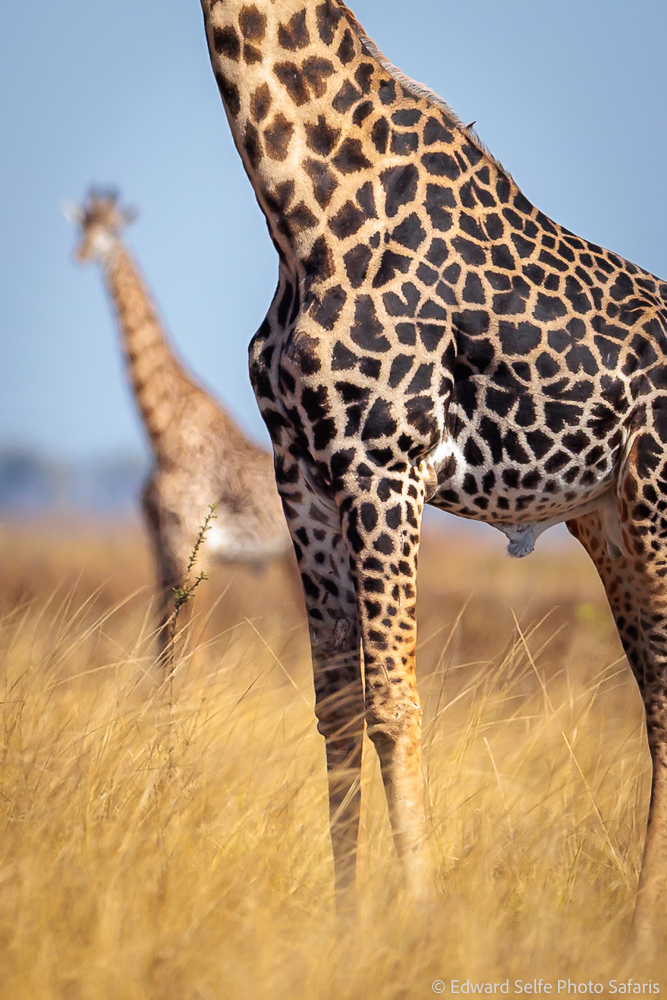
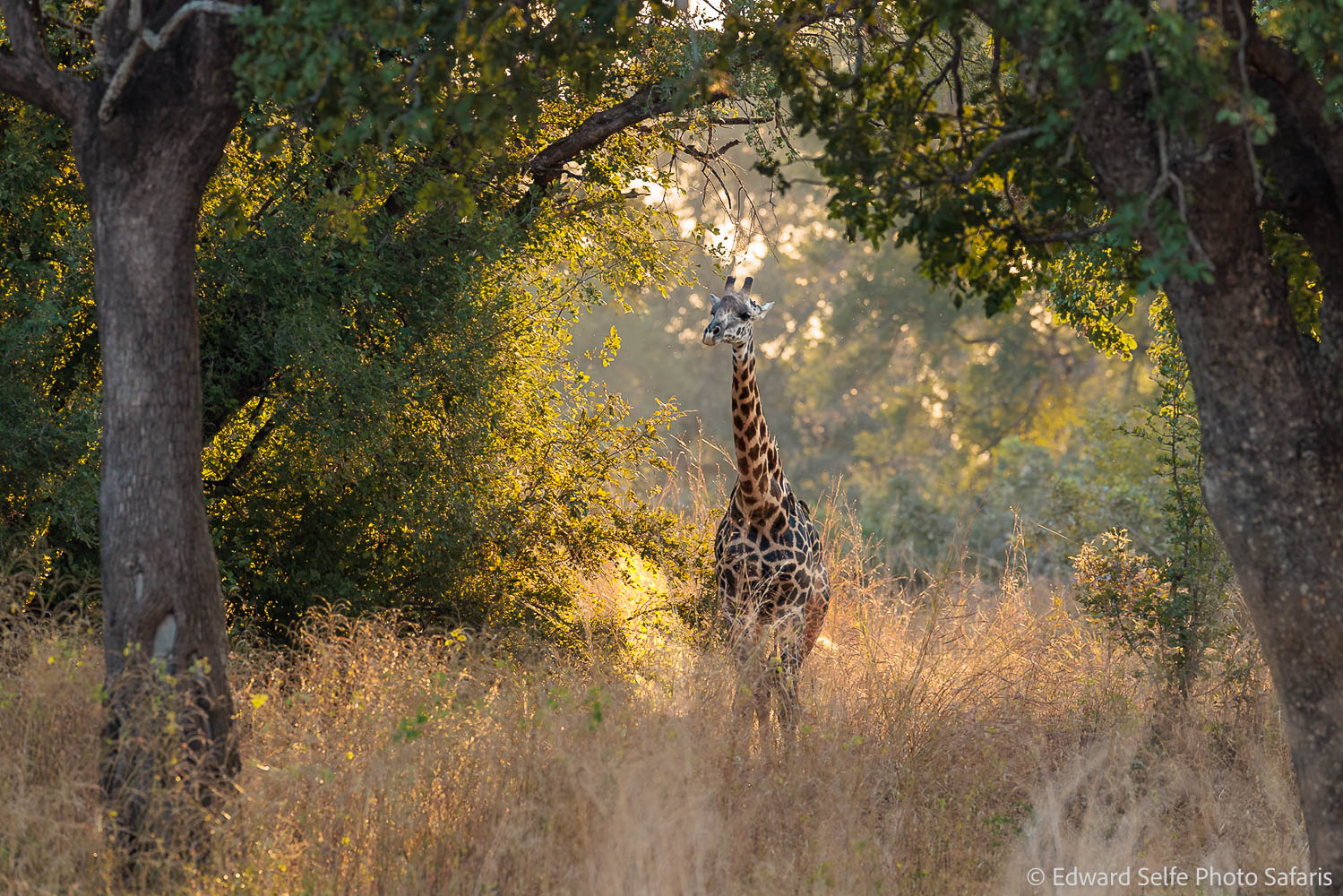
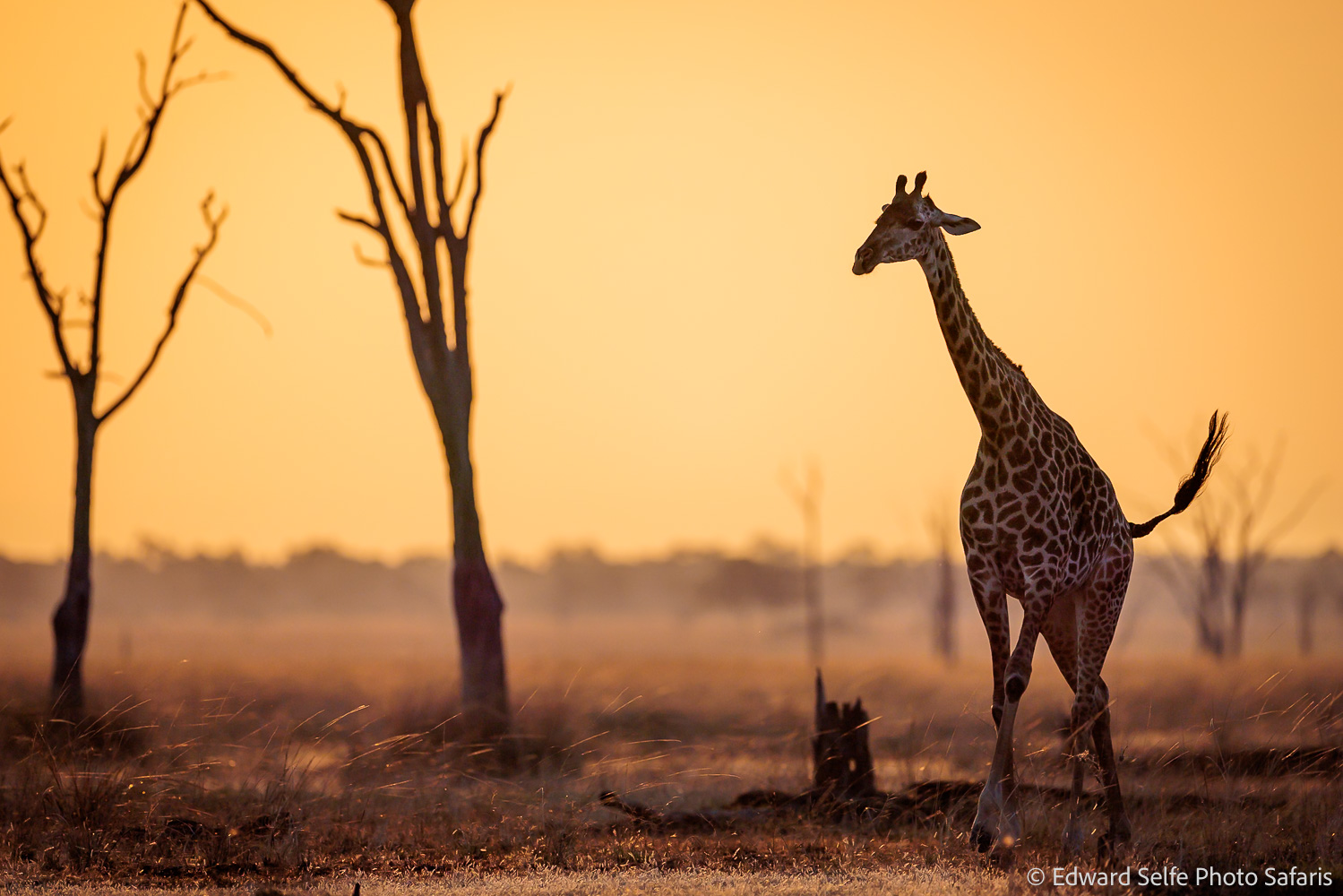
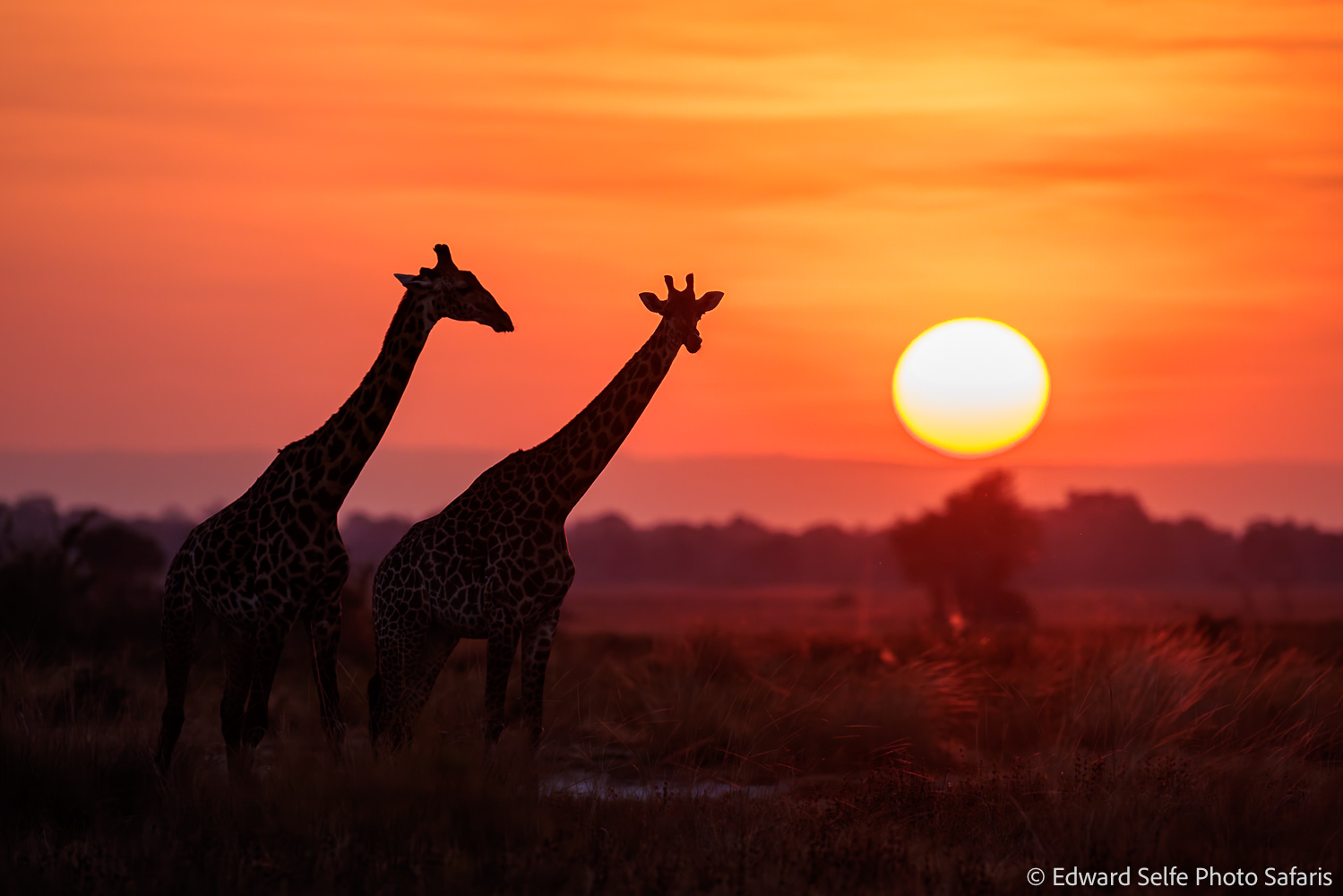
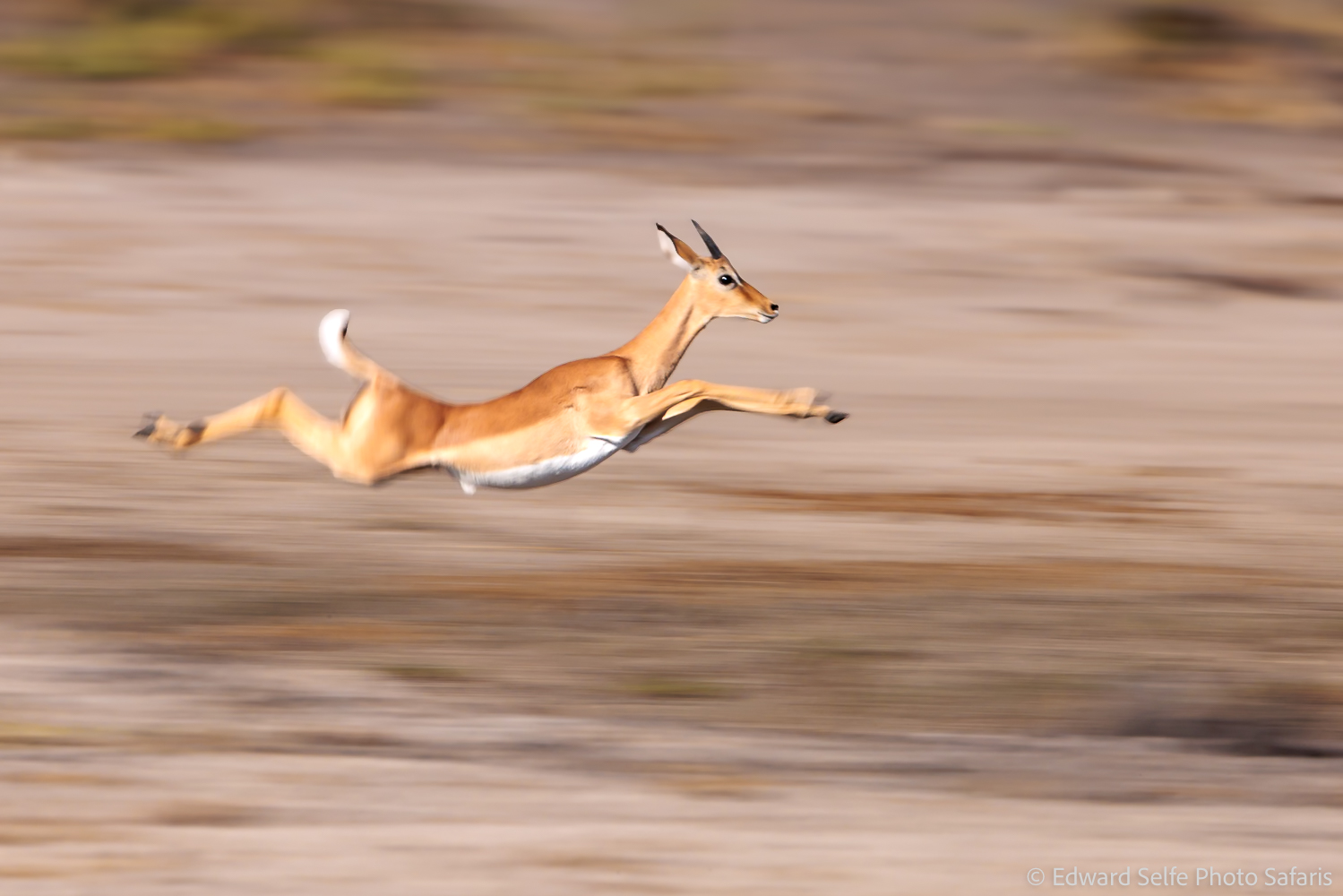
Our mornings began with excellent opportunities to photograph giraffes and other plains game. The early light brought out the rich colours in their coats and helped separate them from the backgrounds, making for clean, simple compositions. Because we weren’t rushing off in search of predators, we were able to spend time working different angles, experimenting with wider environmental images as well as tighter portraits, and waiting for interesting interactions between the animals.
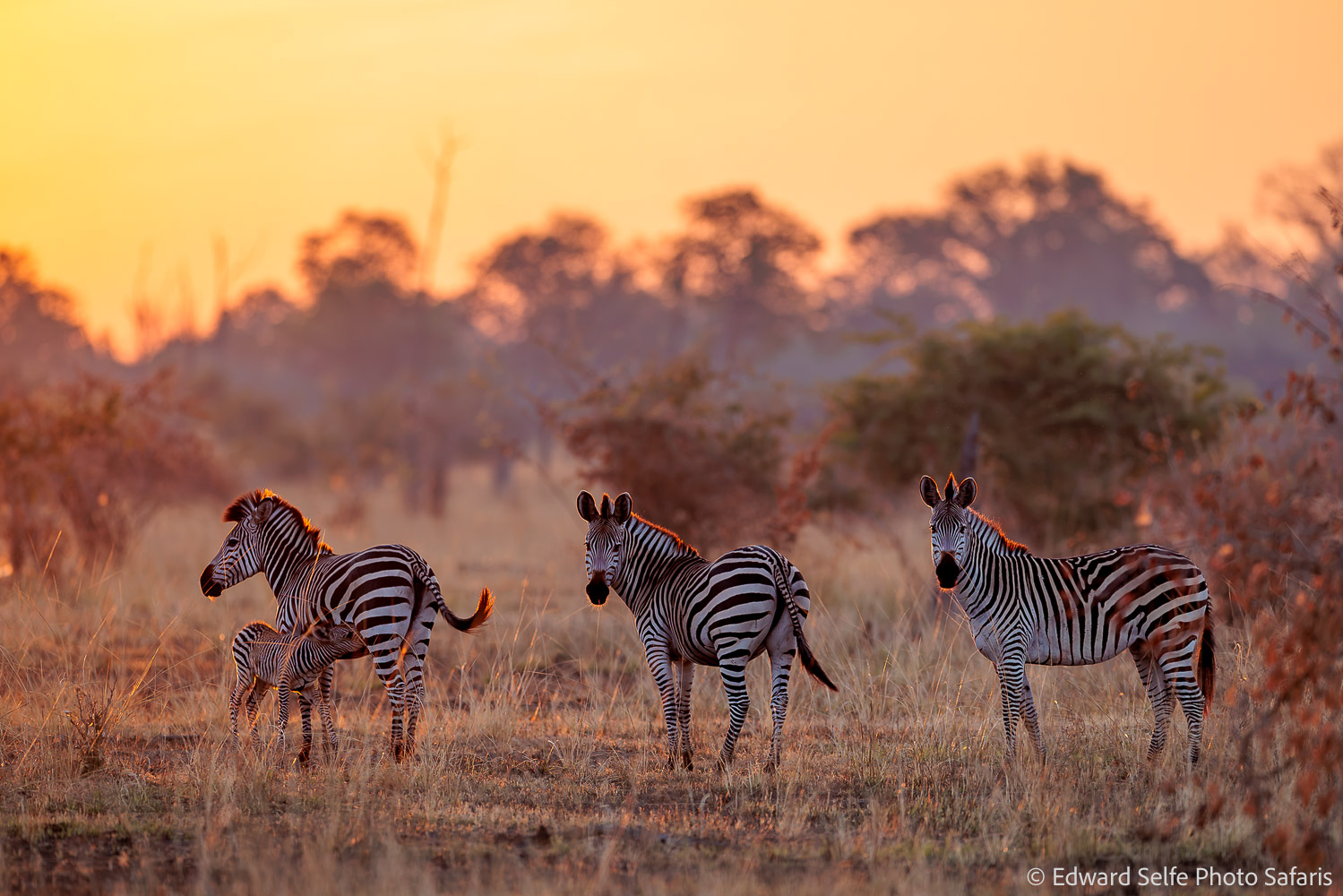
The same was true of the zebras. We found several herds during the first hour after sunrise, when the soft light and low sun made the most of their striking patterns. Rather than settling for record shots, everyone had the chance to think about composition, watch the animals’ behaviour and wait for the moments that make stronger photographs. These longer sightings often produced a more varied set of images than a quick stop ever could.
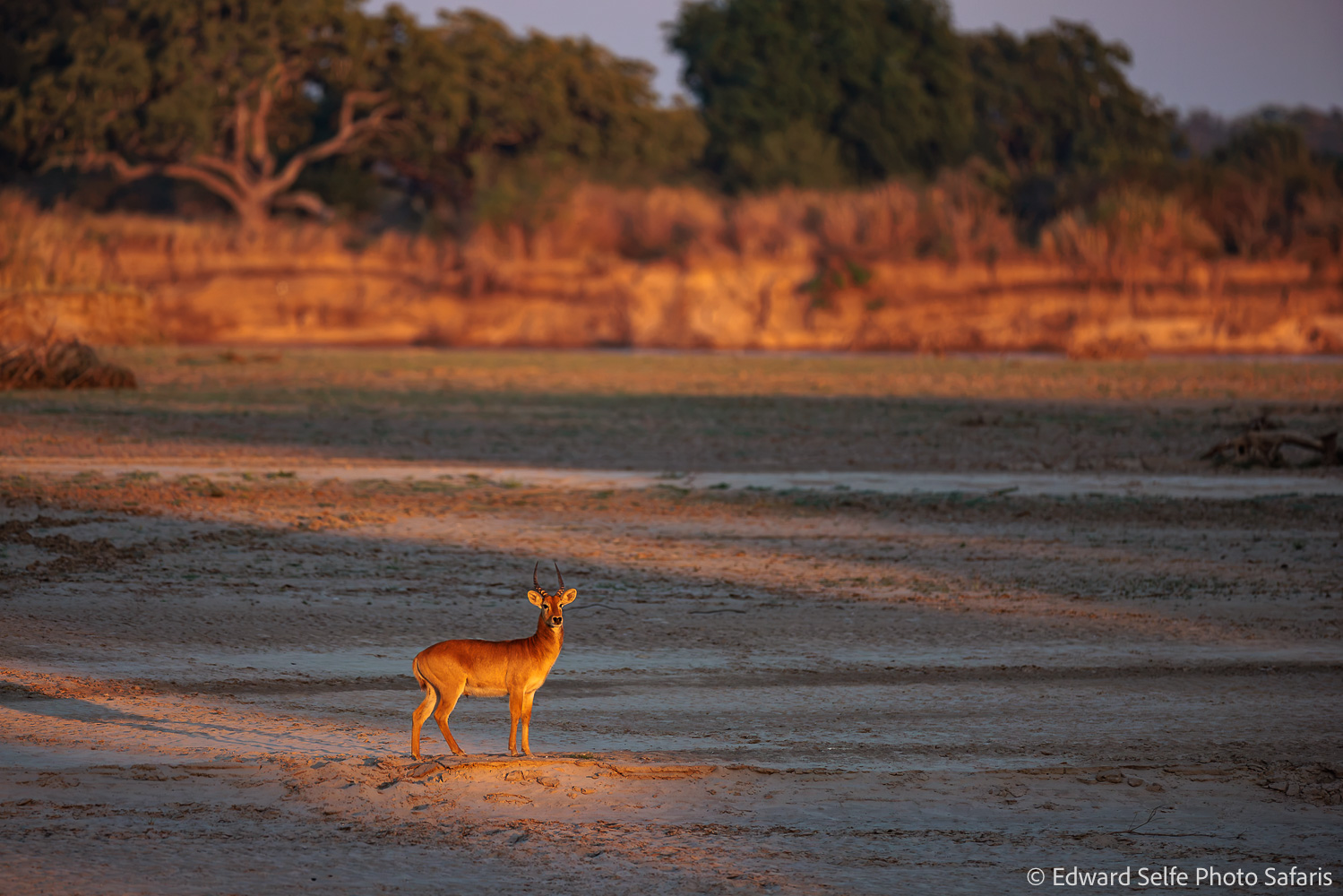
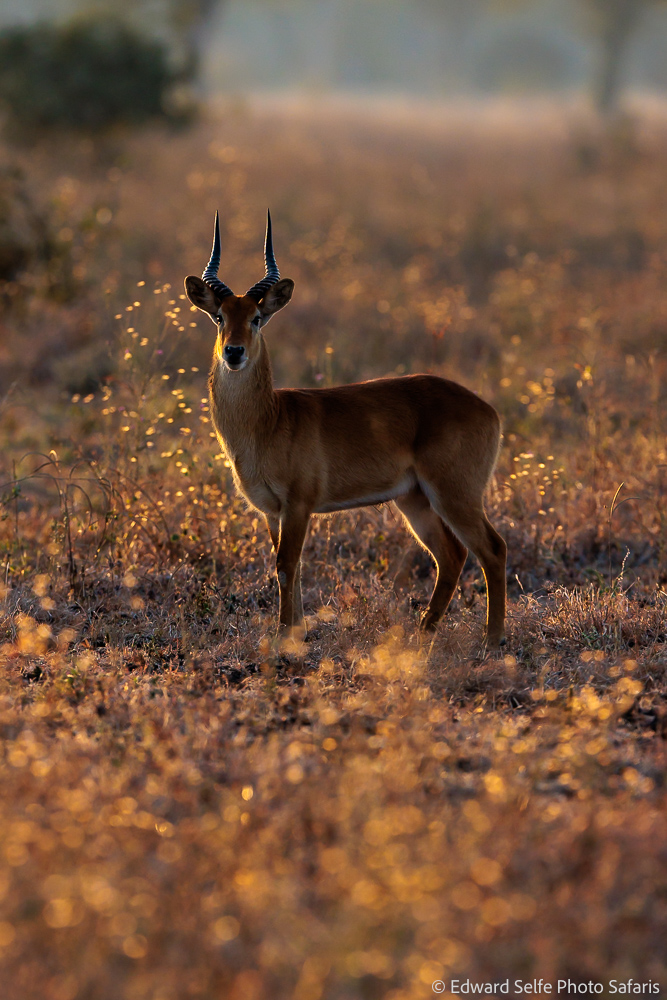
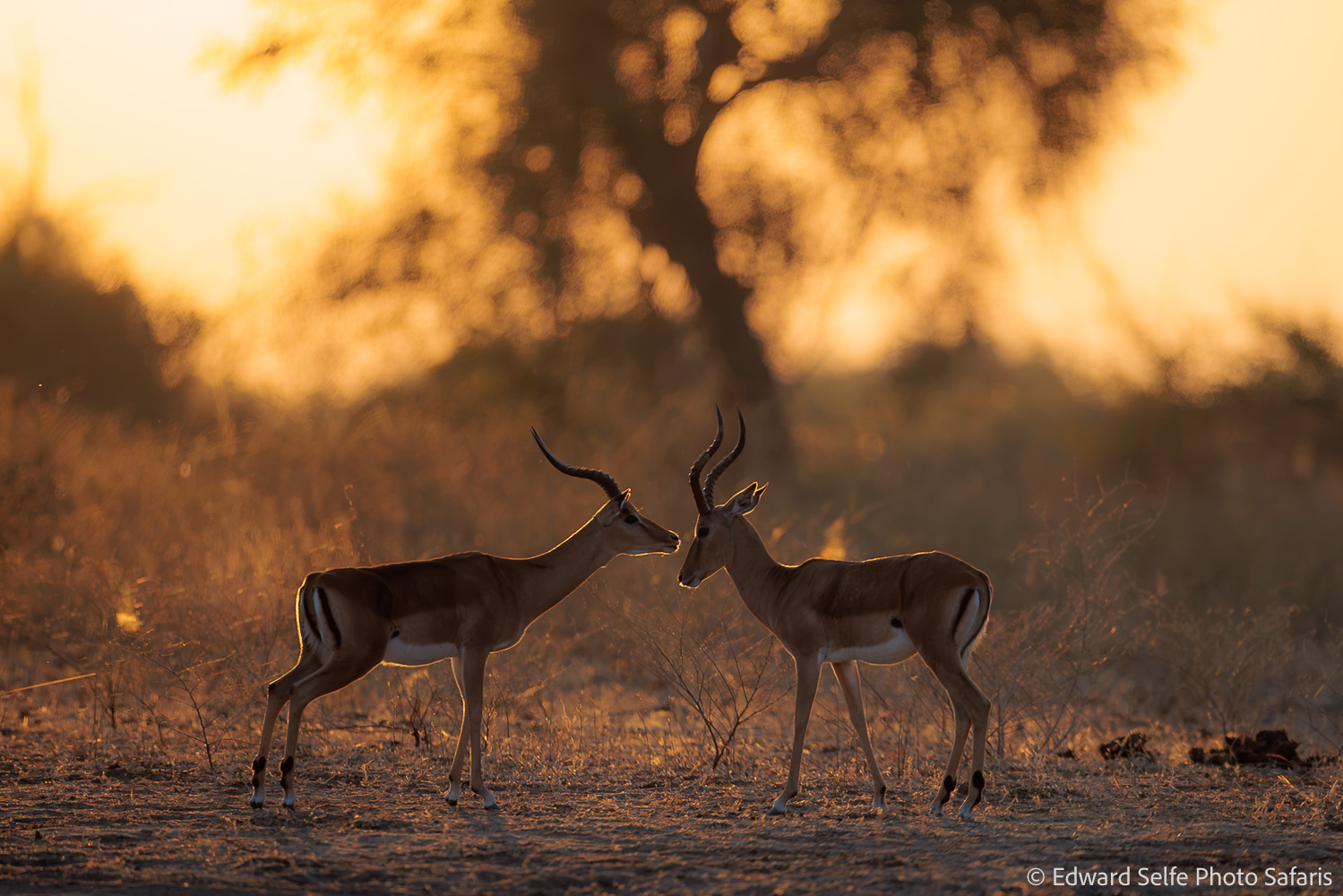
One of the themes of the week was simply making the most of what the bush offered us. It’s easy to think that predators define a safari, but they can also dominate the schedule. This trip showed that slowing down and spending more time with plains game can be every bit as rewarding. Giraffes, zebras, impalas and puku all provided excellent photographic subjects, and the extra time allowed us to build a much broader portfolio than we might otherwise have done.
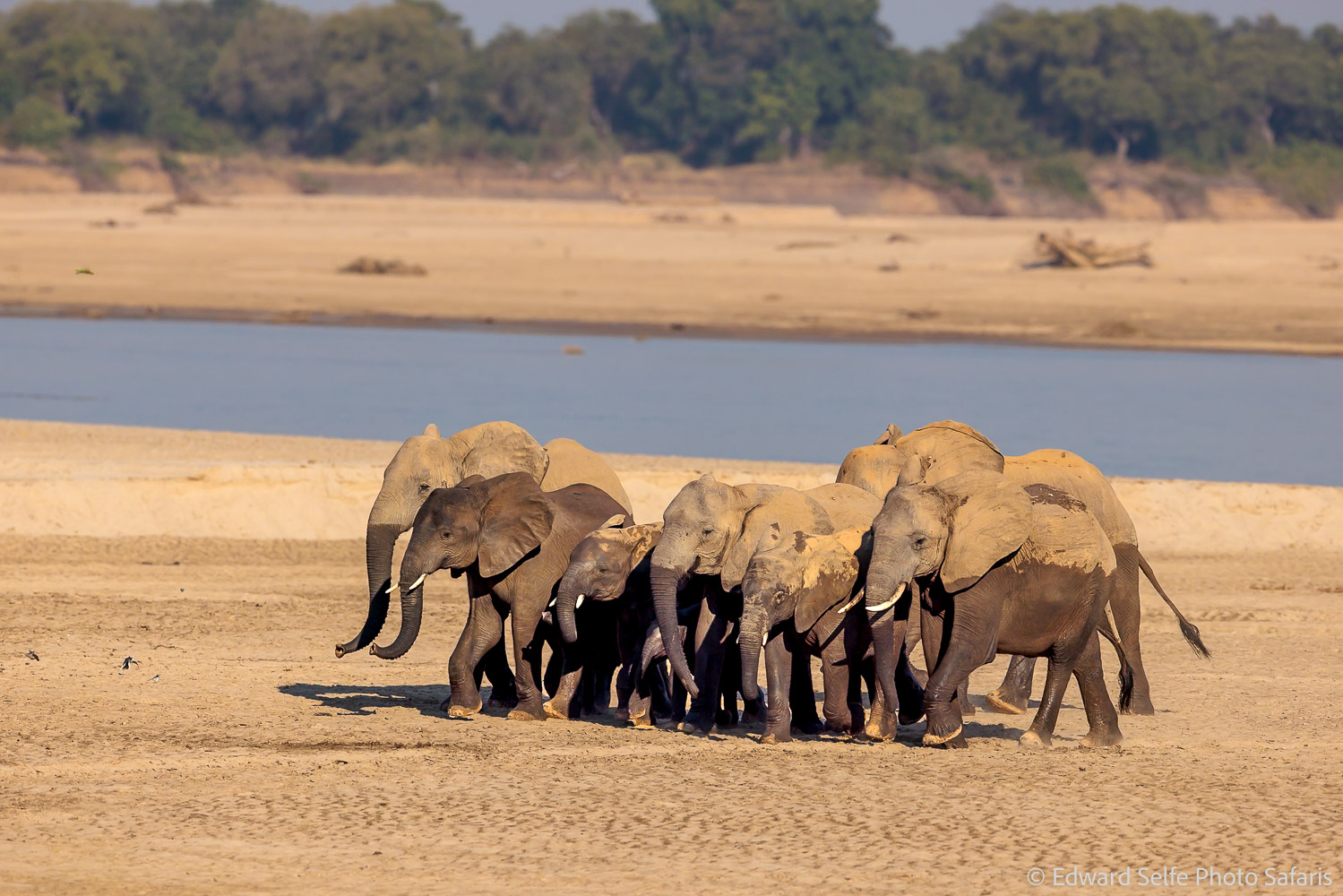
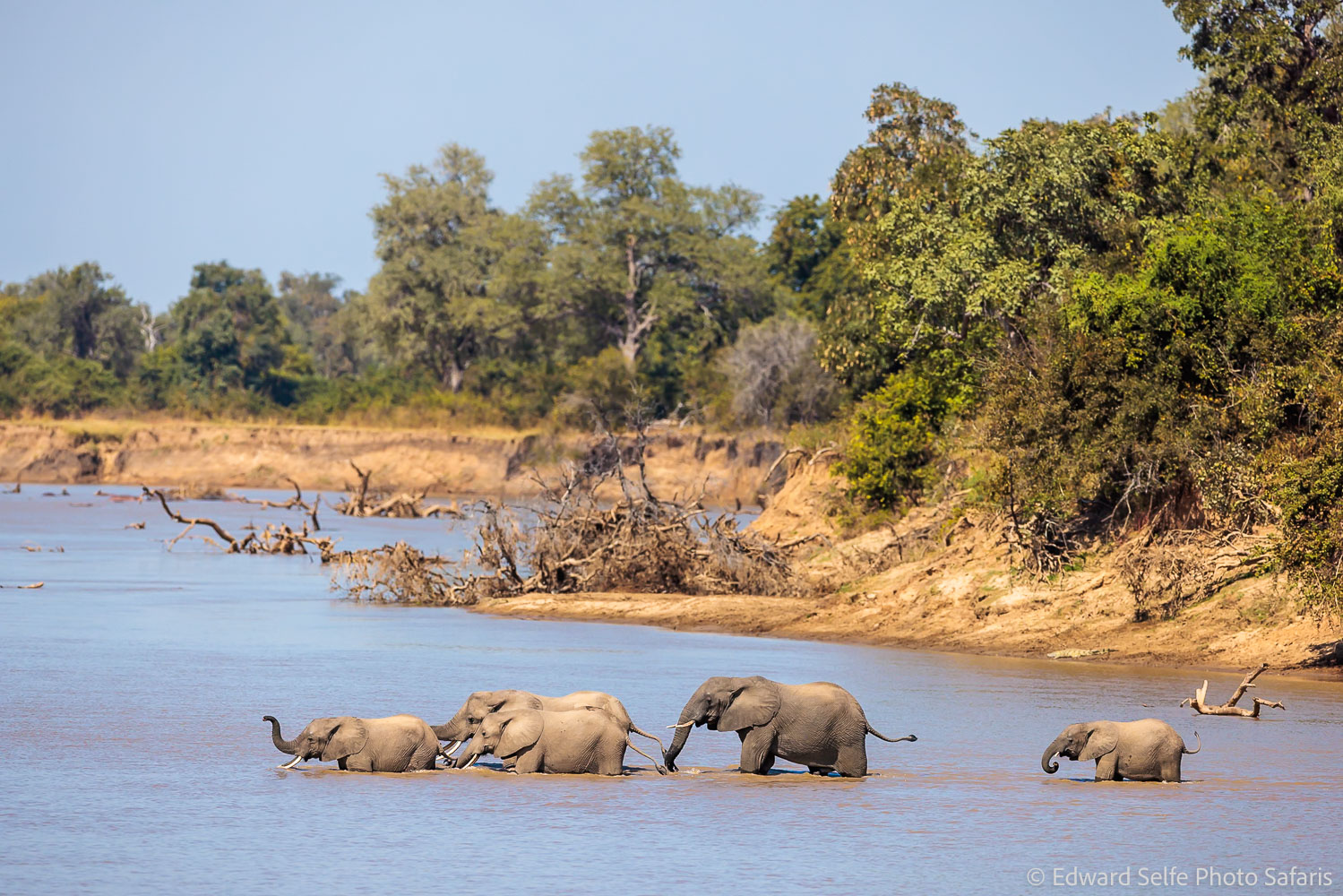
The elephants were another highlight. One afternoon we watched several family groups crossing the Luangwa River. The crossings themselves always make interesting subjects, with the different generations moving together and calves staying close to their mothers. The open riverbed also provided uncluttered backgrounds that worked well photographically.
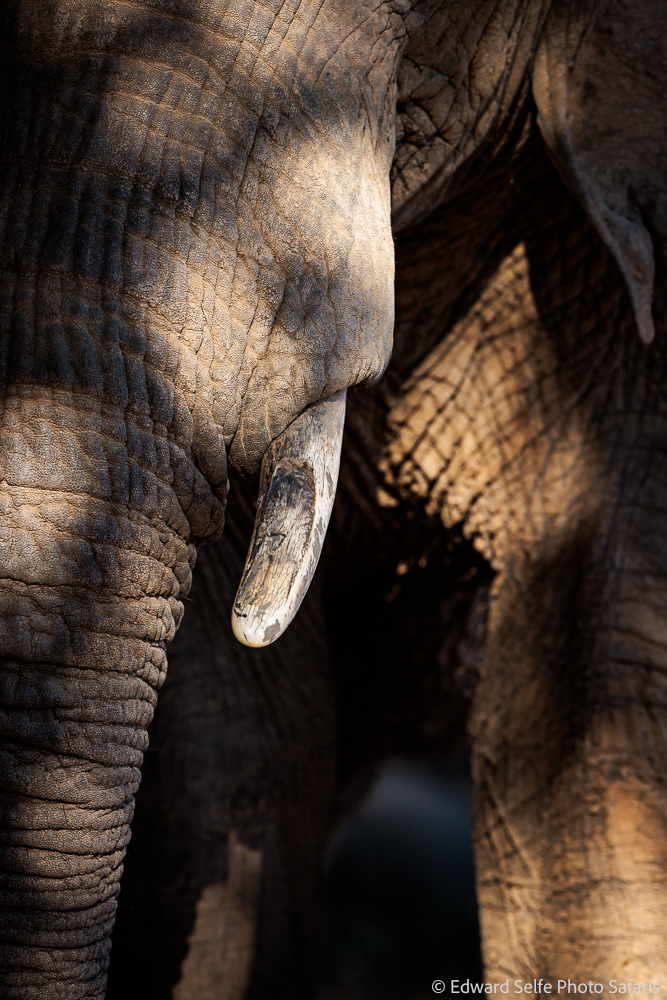
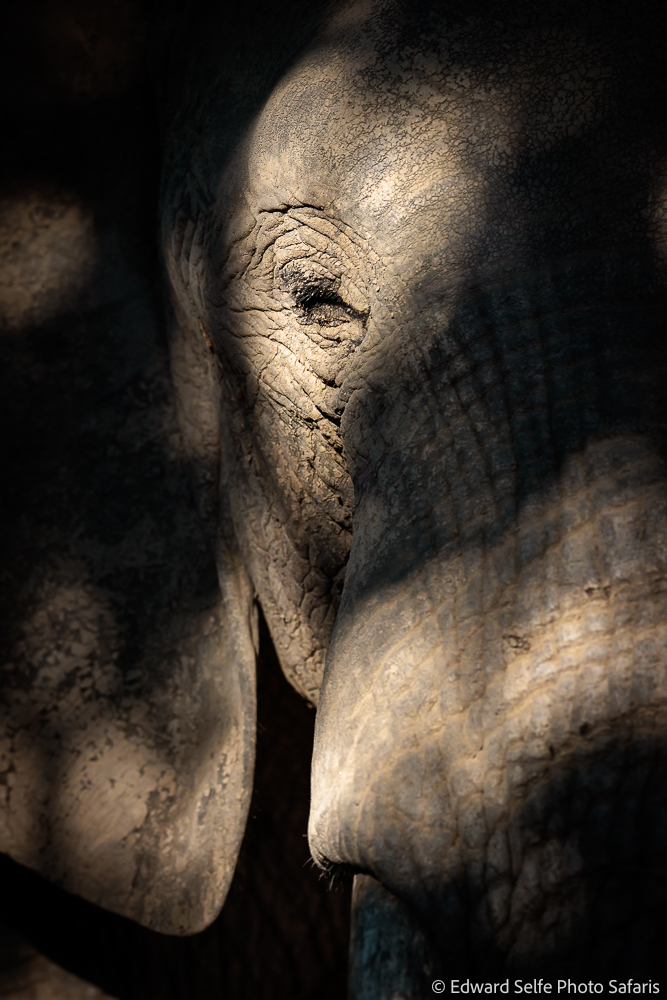
We also enjoyed several close encounters with elephants around Tafika. These moments are memorable not just because of the photographs they produce, but because they remind you what it feels like to spend time alongside truly wild animals. Standing quietly while elephants feed or walk past at close range is one of the experiences that stays with people long after the safari has finished. For photographers, these encounters also create opportunities for intimate portraits and detail shots that are difficult to achieve elsewhere.
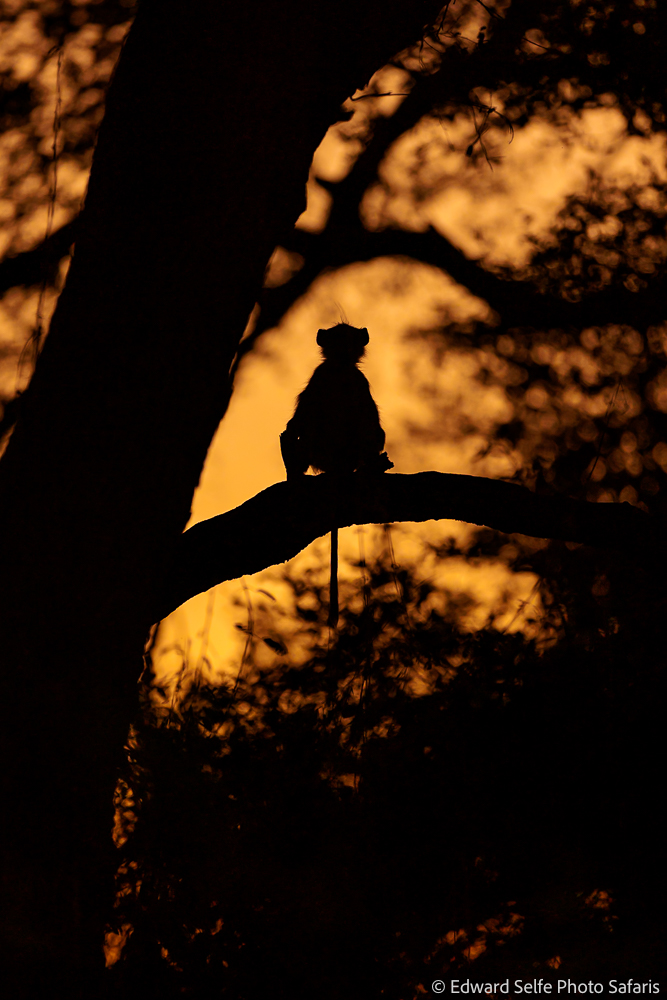
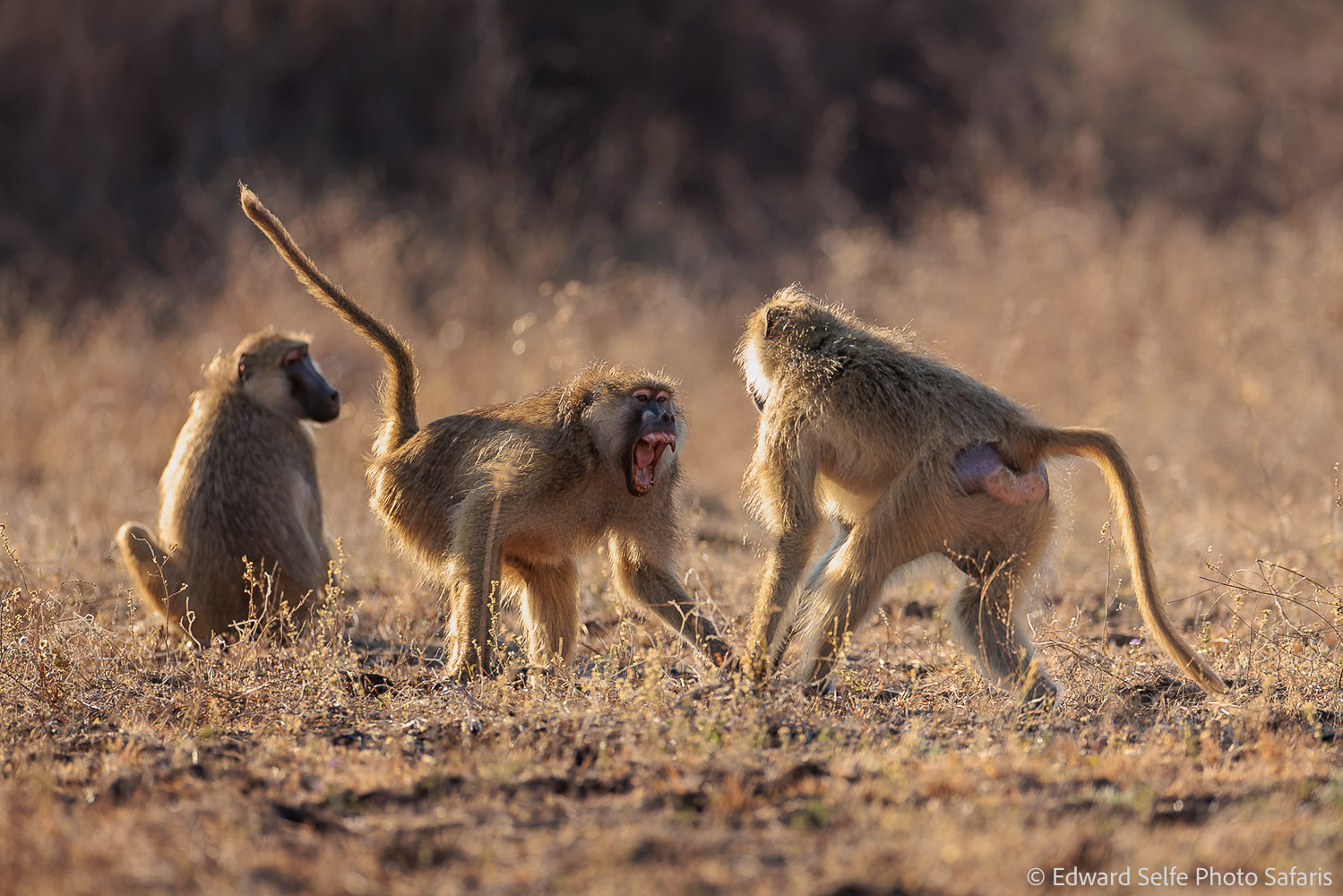
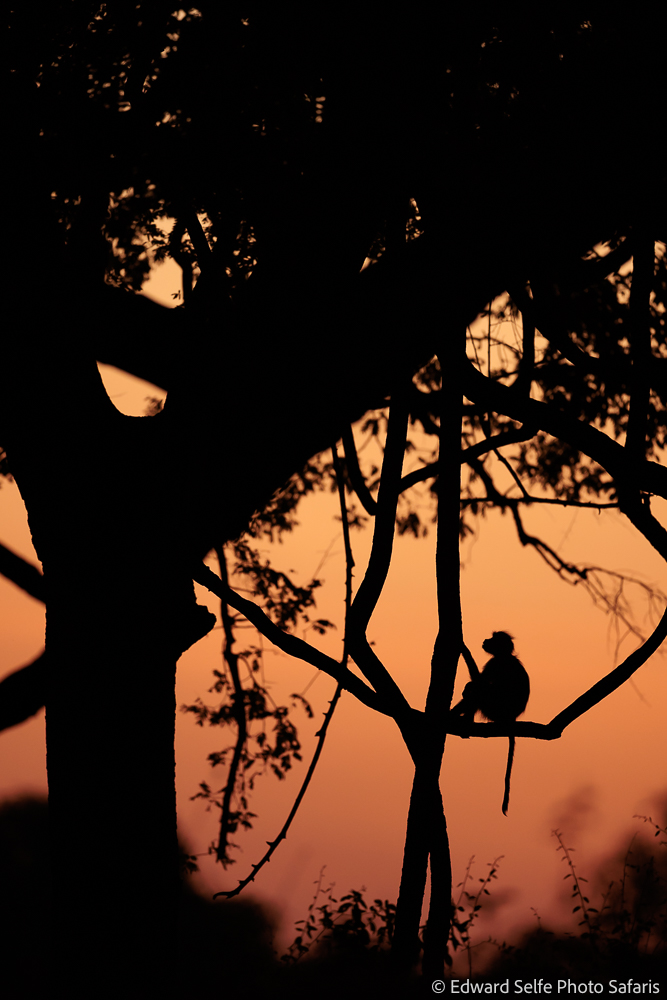
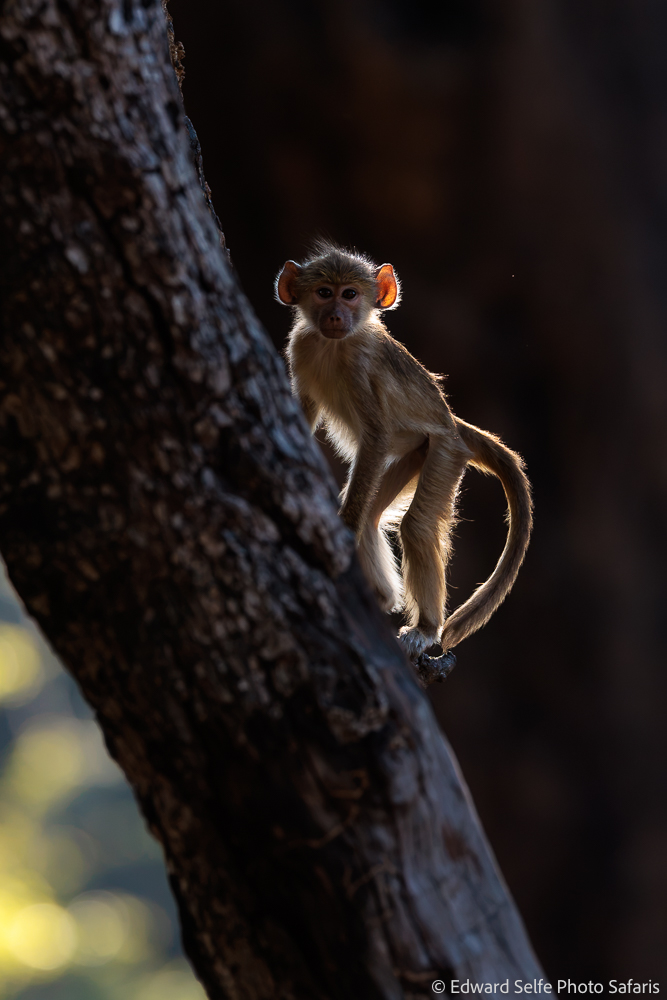
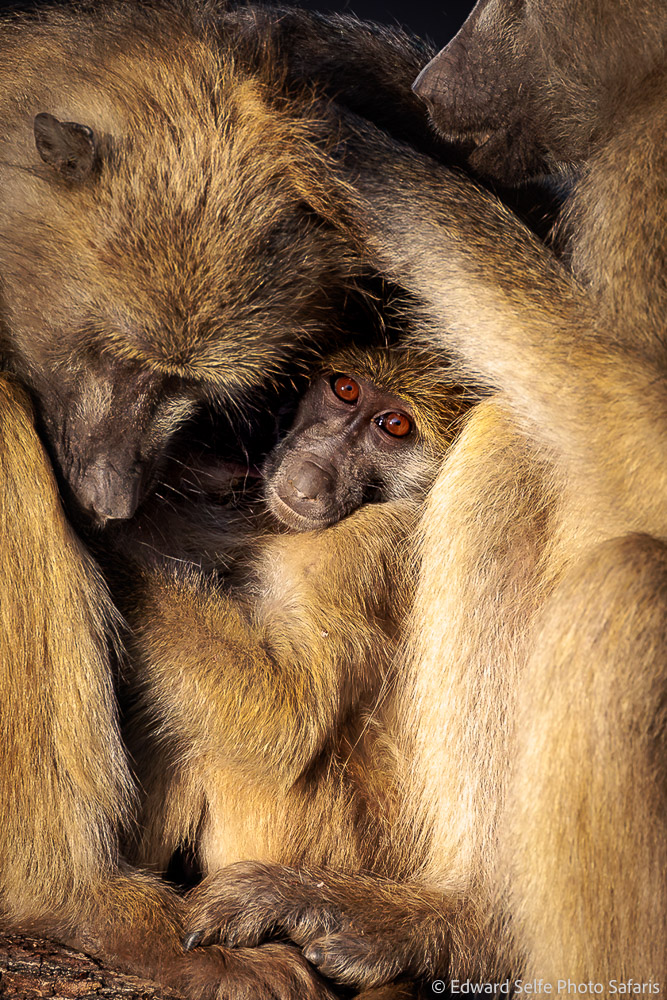
Our first evening ended with a troop of baboons silhouetted against a clear orange sunset. Rather than concentrating on close-up portraits, we worked with silhouettes and simple shapes, using the strong colours in the sky to produce clean graphic images.
As always, the week reinforced one of the key principles of photographic safaris: quality is usually more important than quantity. Having time to observe behaviour, improve compositions and respond to changing light is one of the biggest advantages of travelling with photographers who all share the same priorities – and it was reflected in the guests’ portfolios afterwards!
Lion Camp, South Luangwa
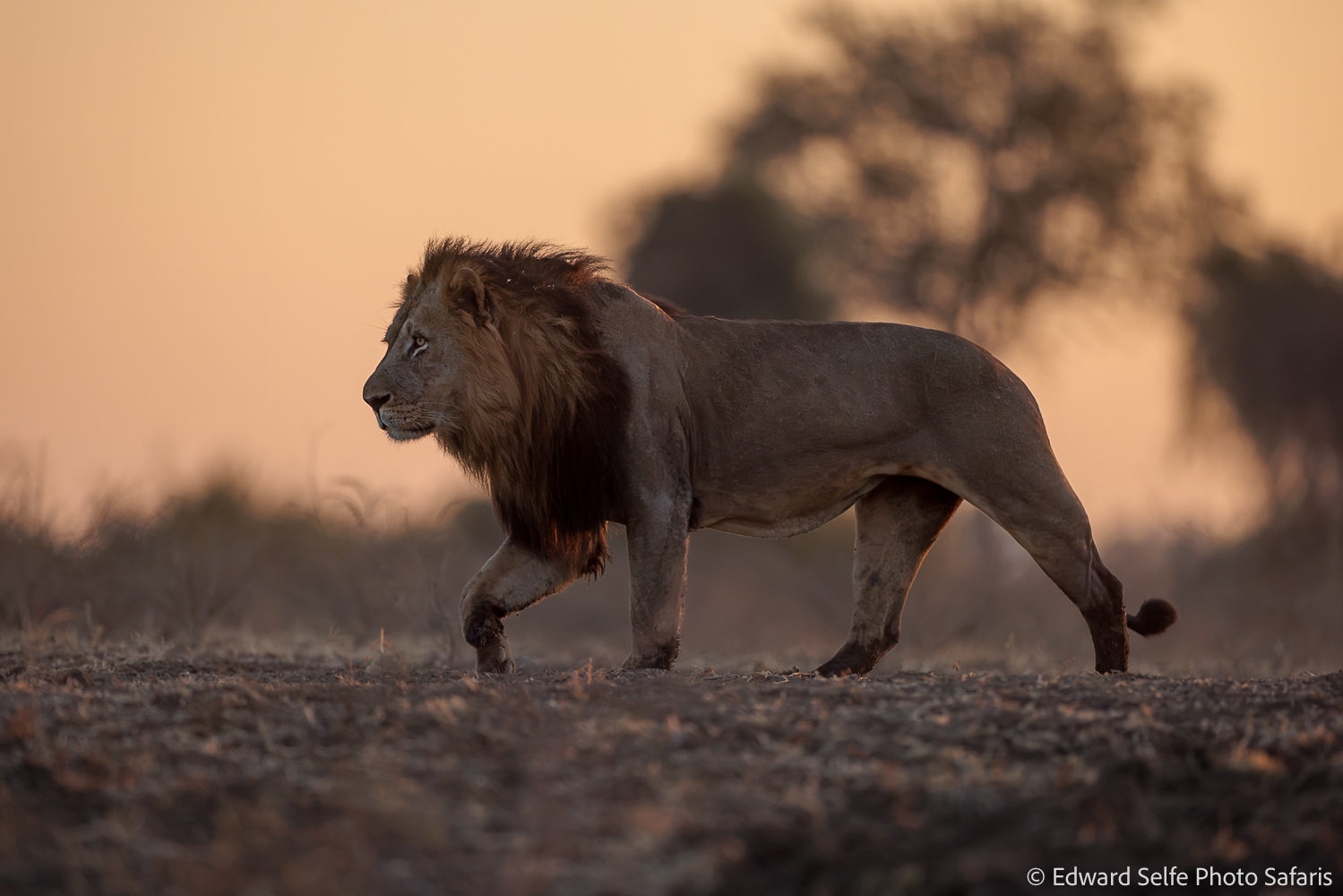
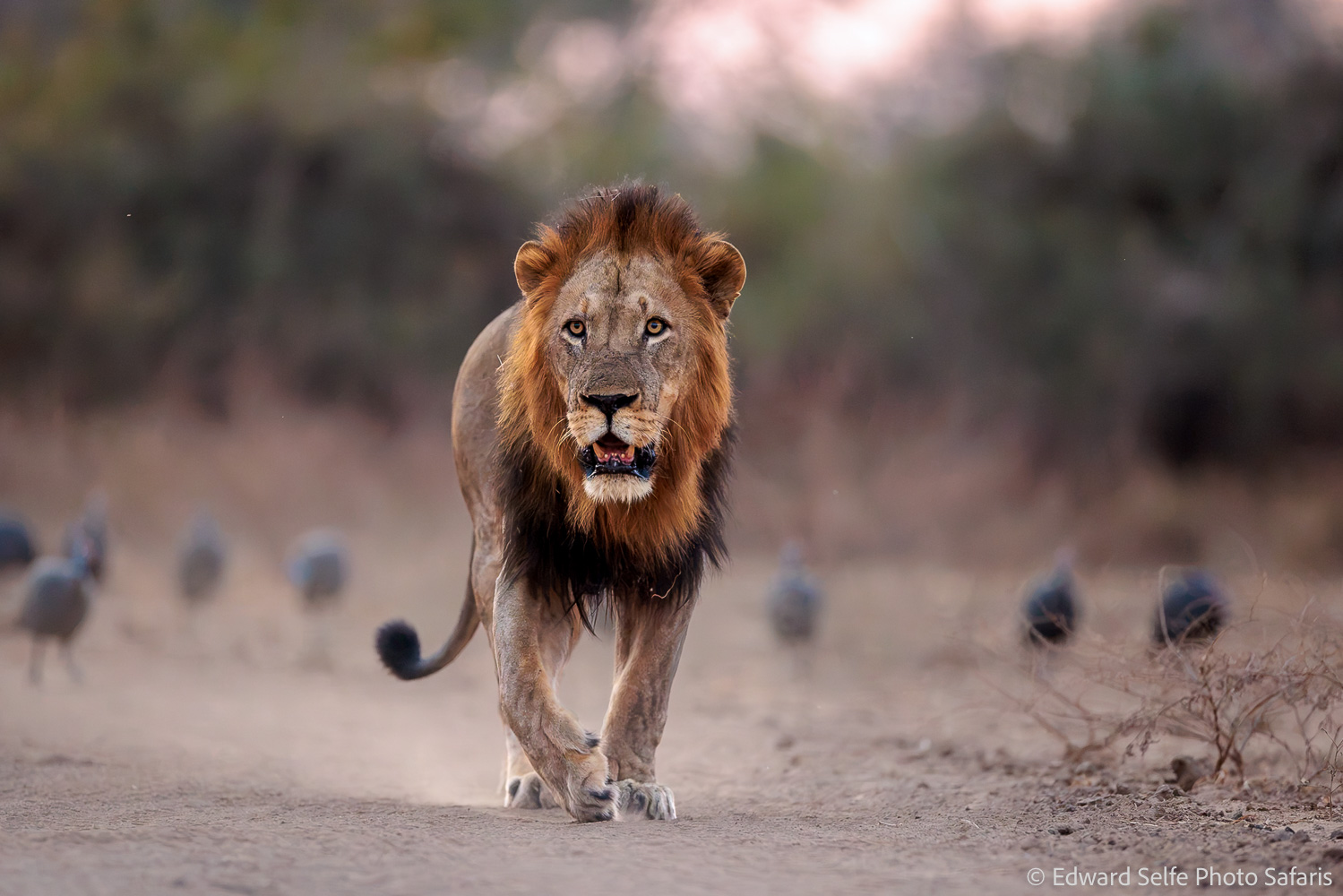
Our next five nights were spent at Lion Camp, and the pace of the safari changed completely. After a week of concentrating on the plains game around Tafika, Lion Camp produced a remarkable run of predator sightings, giving everyone plenty of opportunities to photograph behaviour rather than simply portraits.
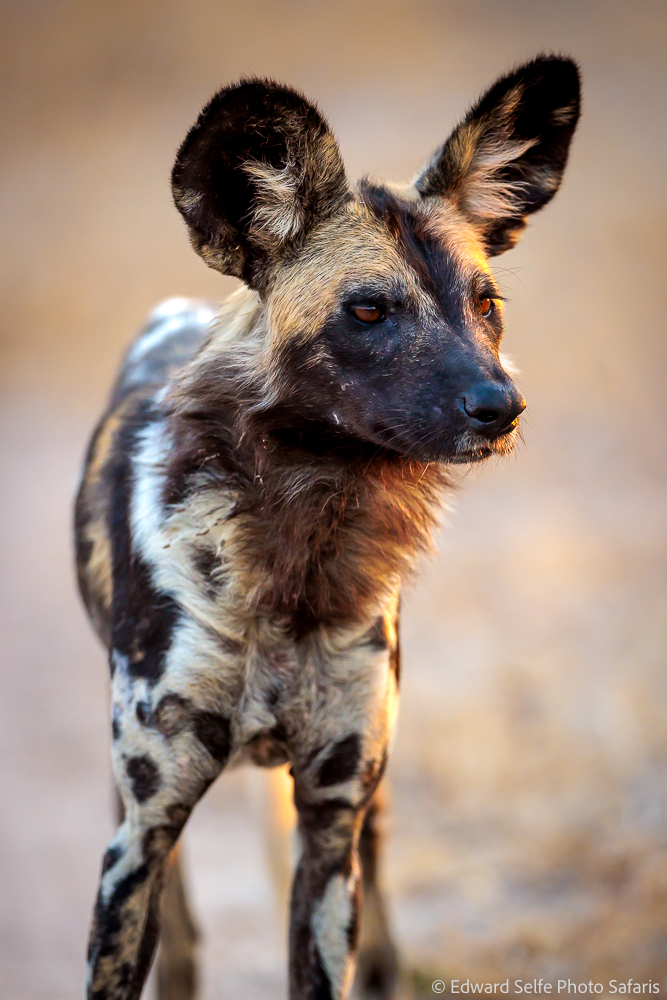
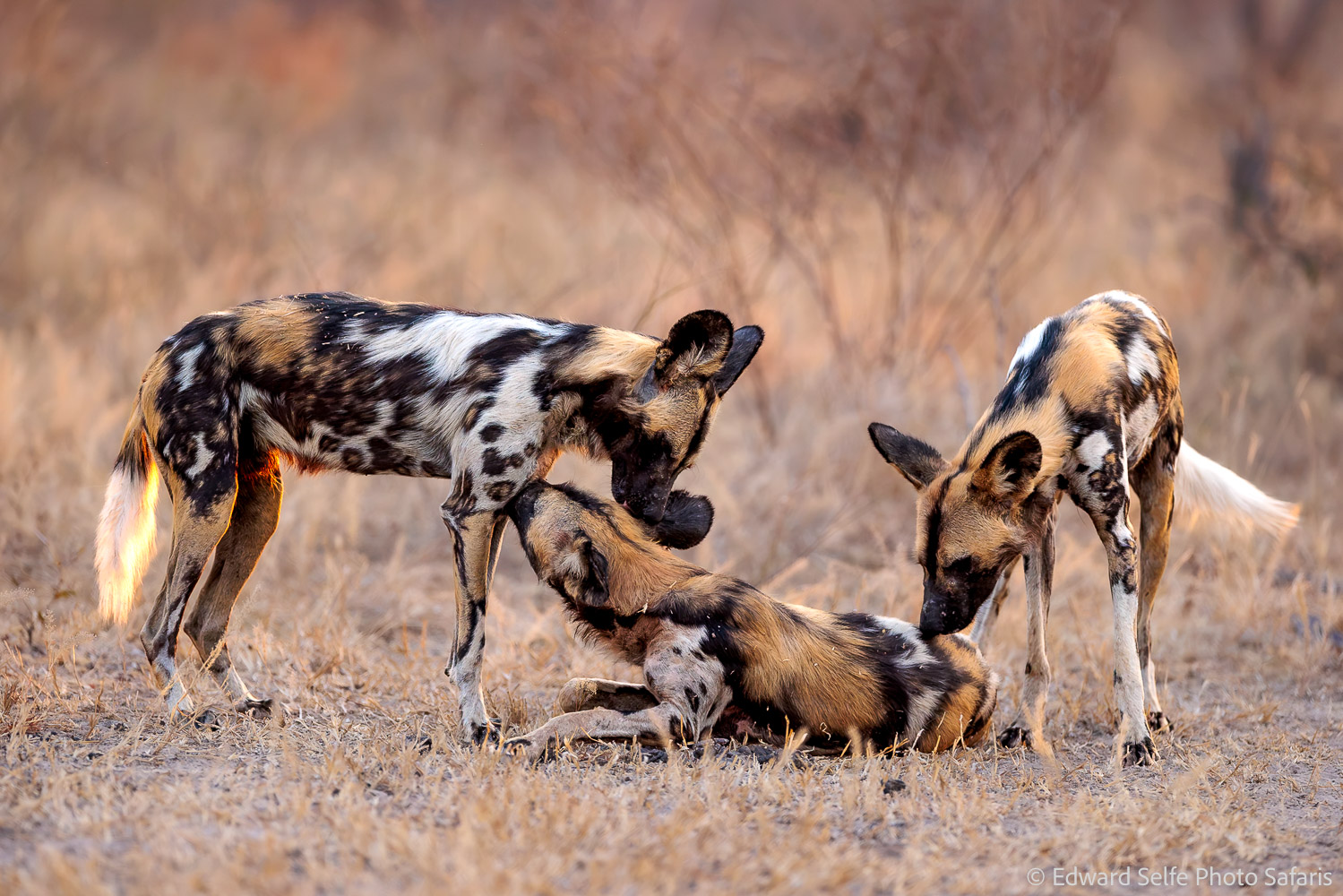
As well as lions, wild dogs featured early in the stay. Instead of finding them on the move, we arrived while they were resting, which allowed us to wait for the action to develop naturally. As the afternoon cooled, they began greeting one another, stretching, playing and preparing to hunt. These social interactions often make for some of the best wild dog photographs, and patience was well rewarded.
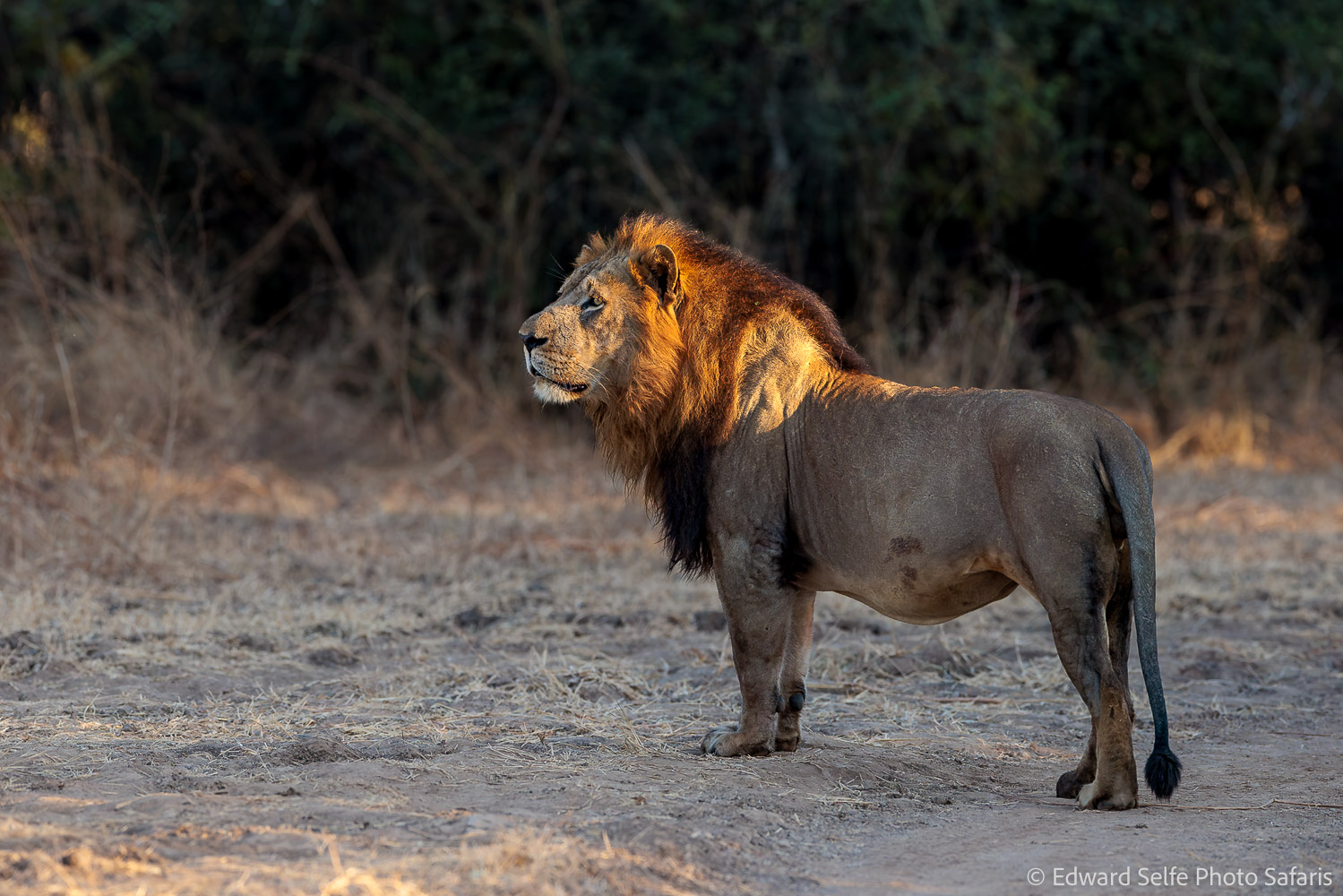
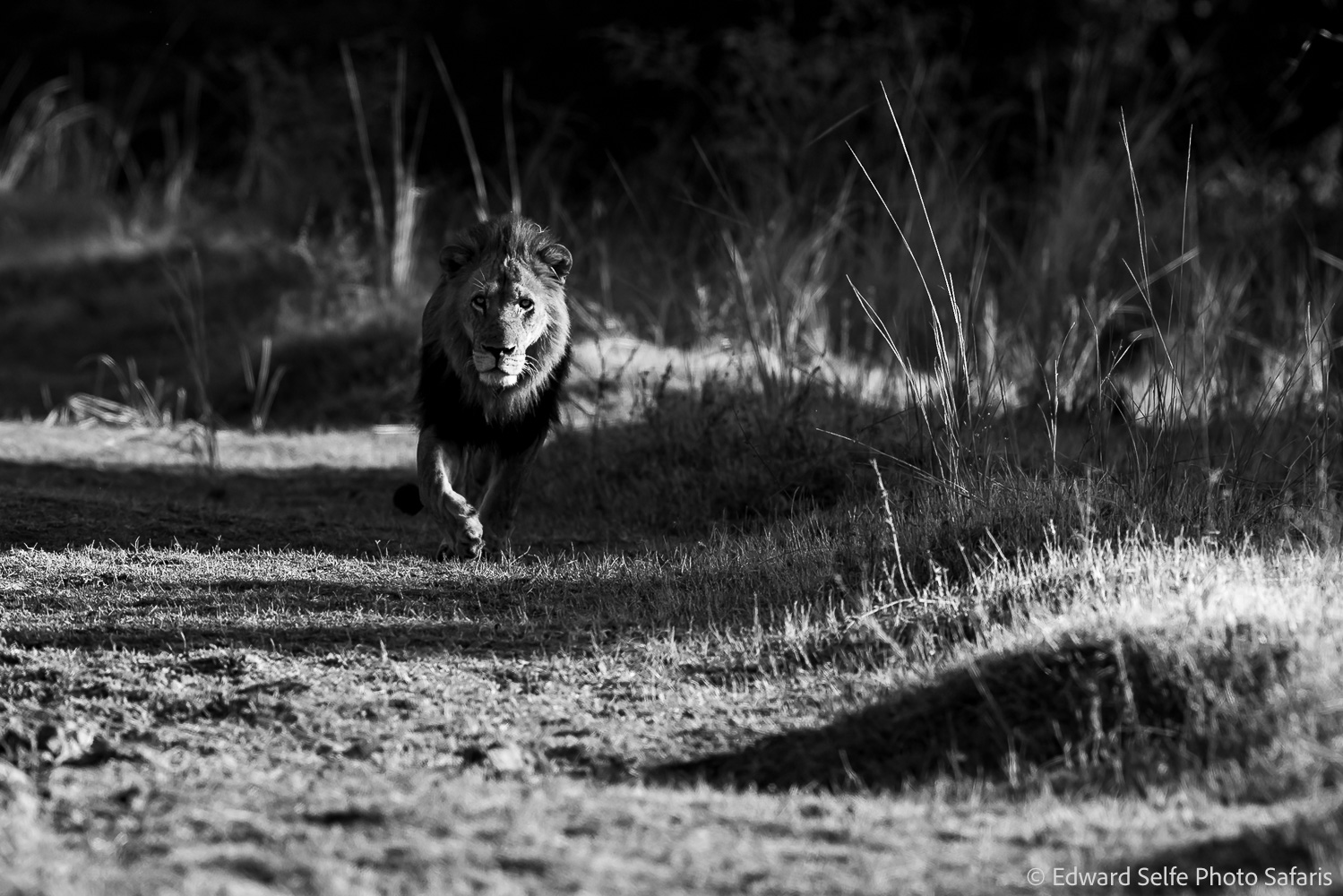
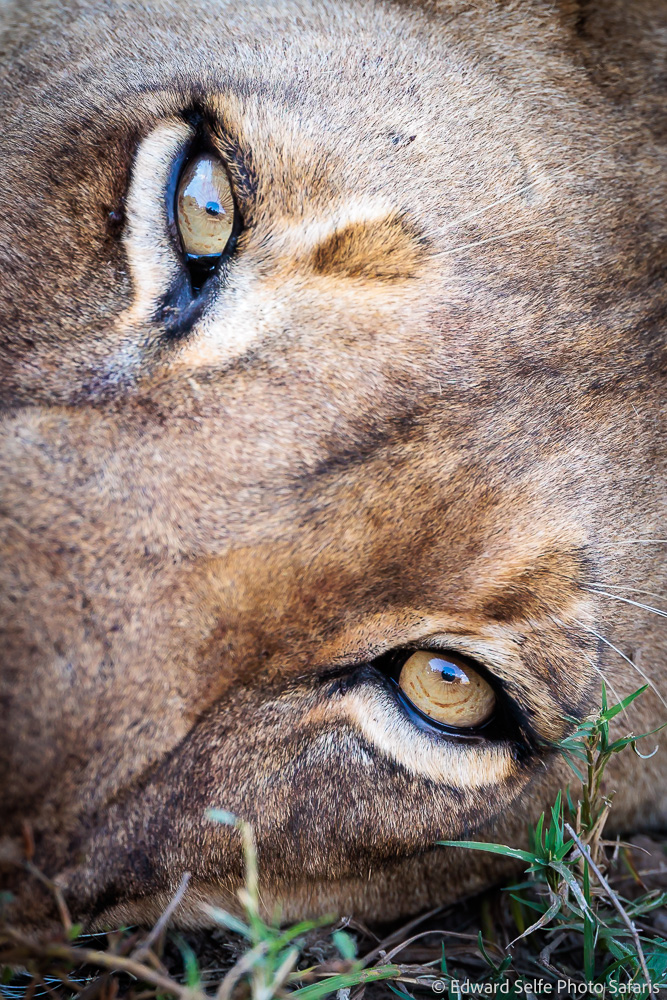
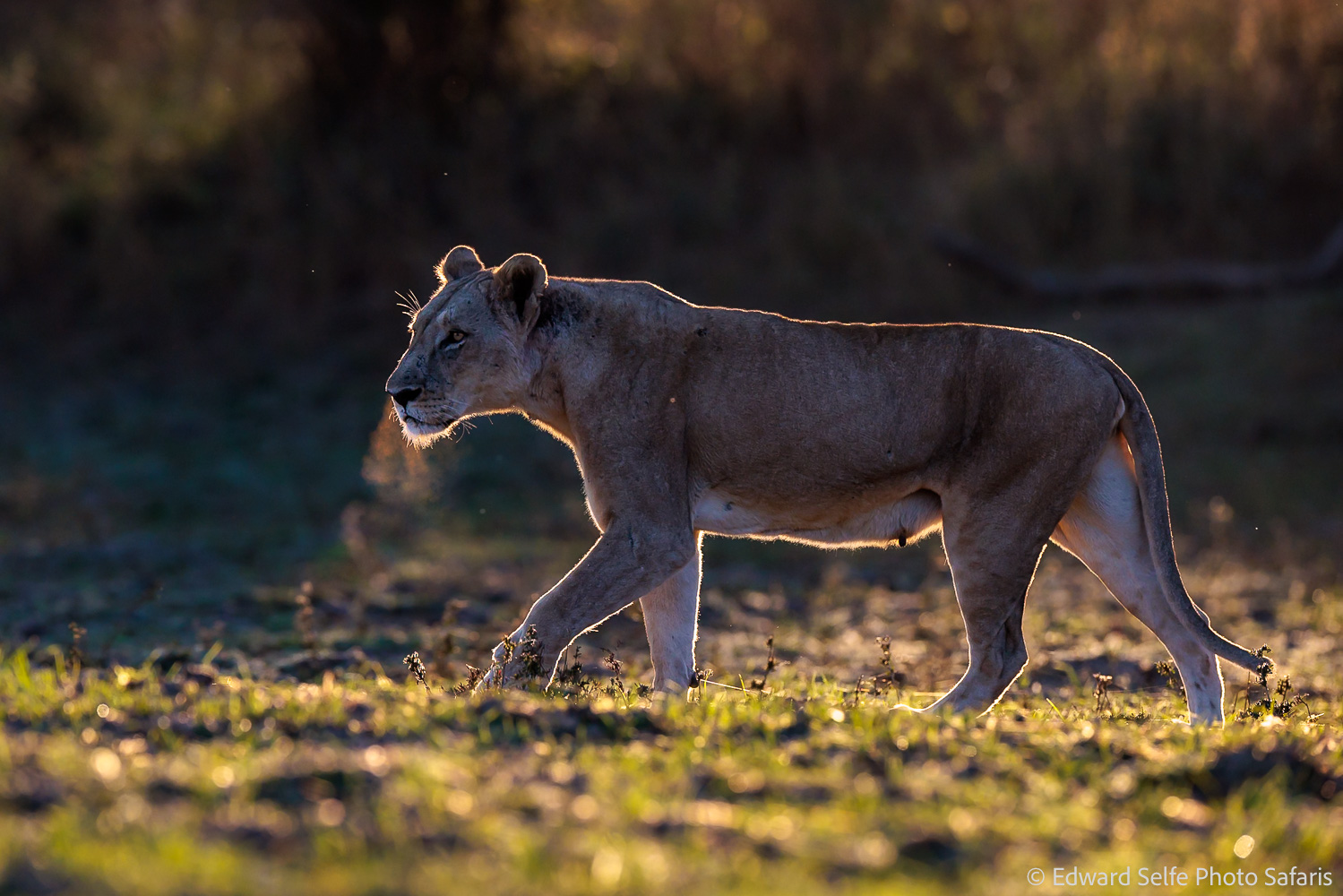
The lions kept us busy throughout the week. We watched different individuals moving along the Luangwa River and through the surrounding woodlands, greeting one another, scent-marking and hunting. Waiting for interactions, watching body language and anticipating movement produced stronger photographs than simply reacting to the obvious moments.
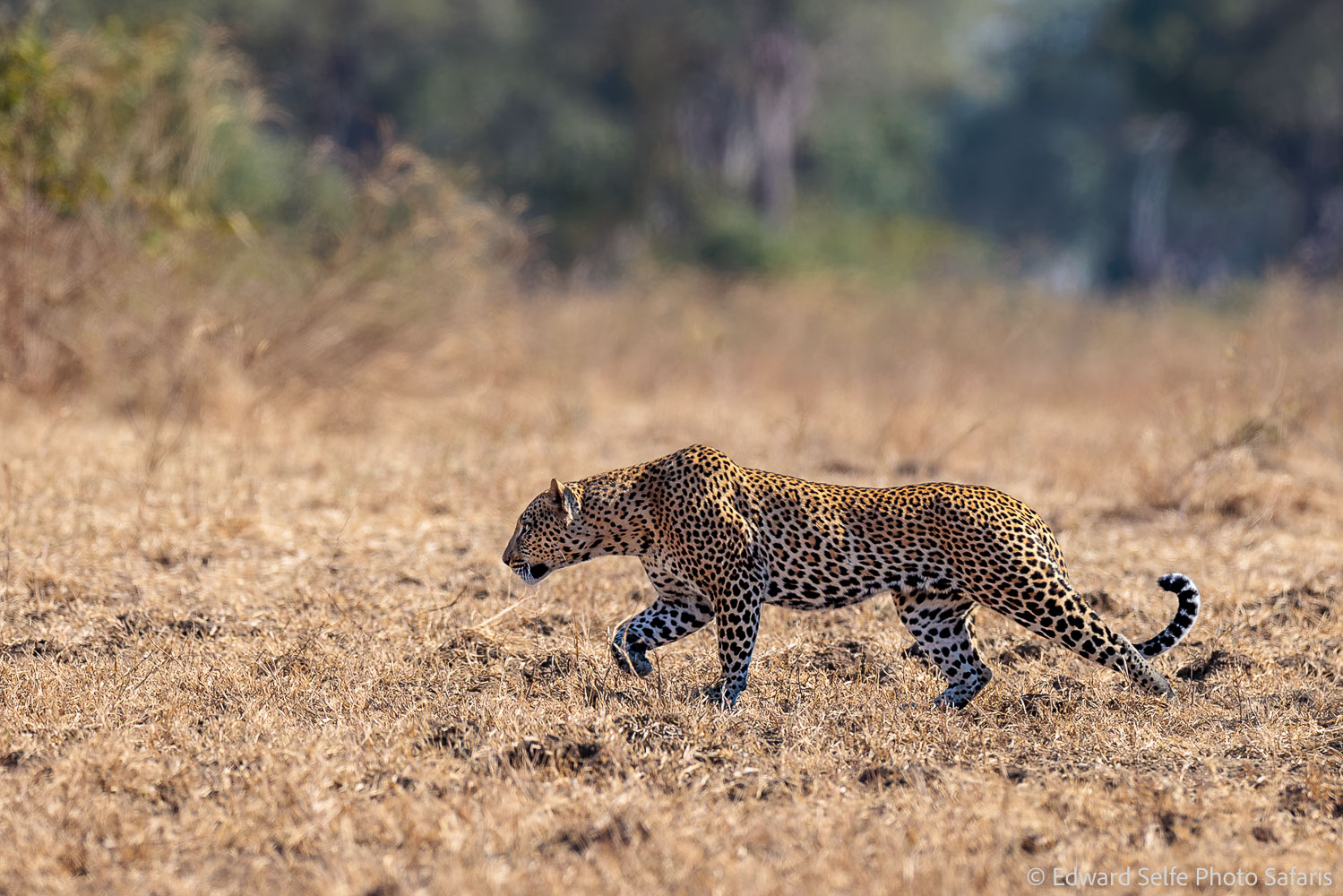
Leopards were another highlight, with an impressive seven different individuals seen during our stay. One young male, only recently moving into the area, provided a particularly memorable sighting. We were also fortunate to spend time with a leopard after dark, where careful positioning allowed us to create side-lit images that looked very different from the usual spotlight photographs.
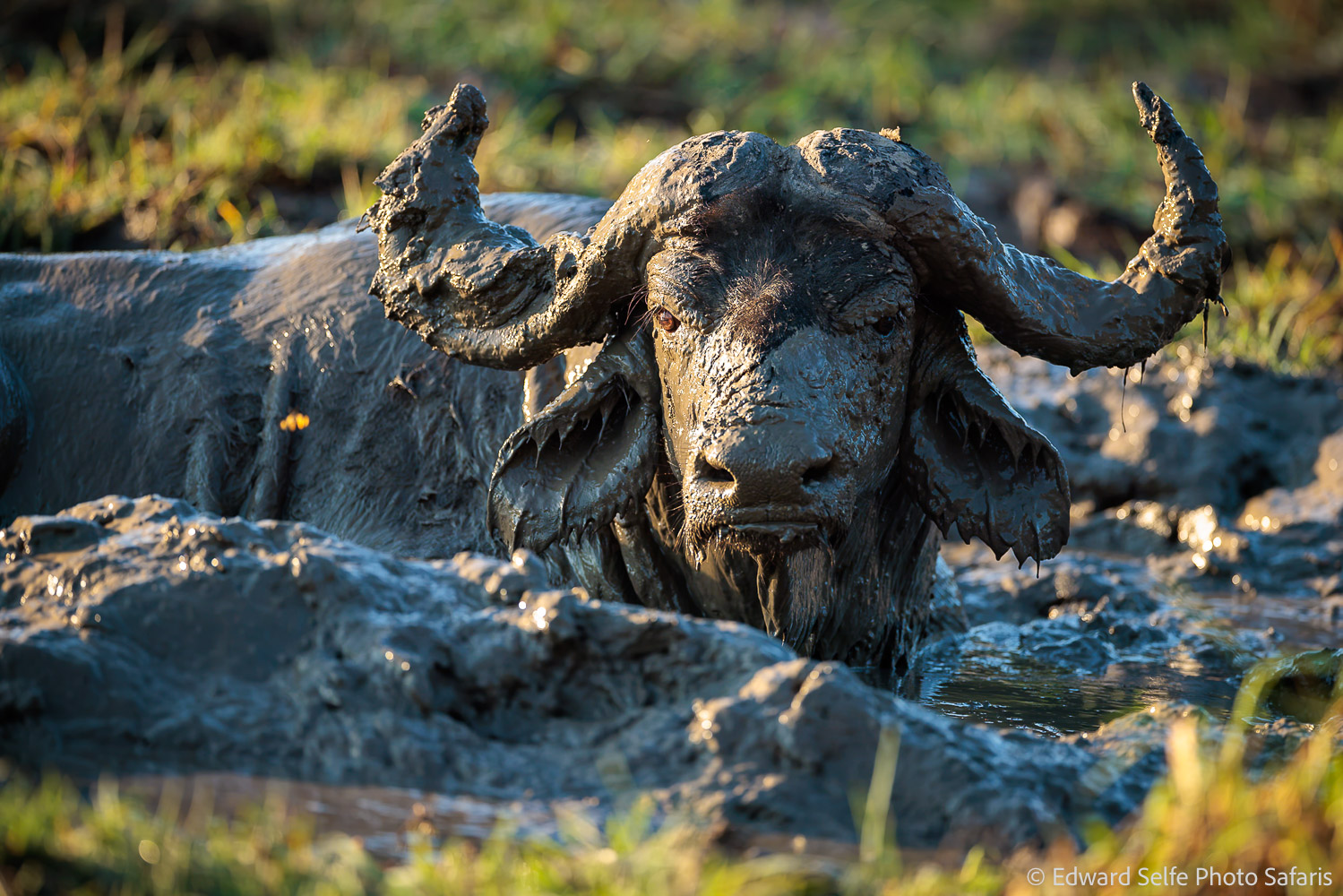
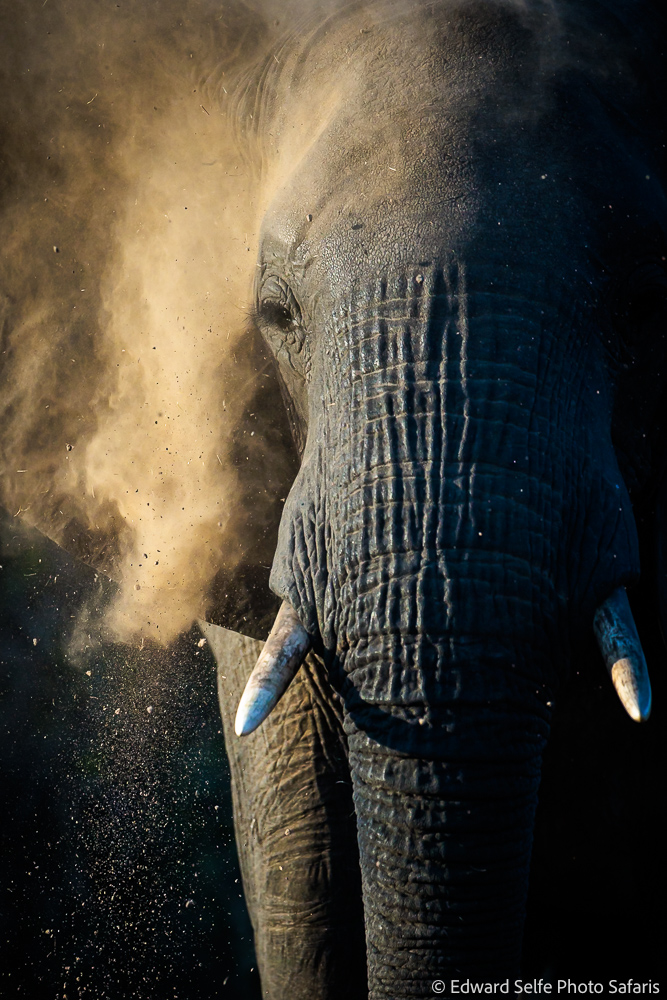
Predators dominated the week, but there was still time to appreciate other sightings. A brief sighting of a Pel’s Fishing Owl was enough to add one of South Luangwa’s most sought-after birds to the trip list, while the ebony groves provided a chance to experiment with cleaner backgrounds and more graphic compositions. Dust-bathing elephants also proved irresistible – even if it was a bit close for comfort for some – with the clouds of dust adding both atmosphere and texture to the images.
As always, the photography was about far more than the sightings themselves. Throughout the week we experimented with different techniques to encourage everyone to think beyond straightforward wildlife portraits. Low-angle perspectives, backlighting, rim lighting, panning, night photography and working with differential light all helped produce a much more varied collection of images.
Perhaps the biggest lesson, though, was patience. Time and again the best photographs came from waiting. Waiting for a leopard to emerge from cover, for lions to greet one another, for wild dogs to become active, or simply for an animal to step into better light. It’s often tempting to keep moving in search of the next sighting, but this safari reinforced the value of staying put and allowing behaviour to unfold naturally.
Lion Camp rounded off the Luangwa trip perfectly. Between the predator action, the variety of photographic opportunities and the willingness to slow down and wait for the right moments, has great images that reflected not just the wildlife we saw, but the behaviours and stories that make South Luangwa such a great spot for photographers.
Pangolin Photo Safaris, Chobe
Our final four nights were spent at Pangolin Chobe Hotel, bringing a change of scenery and a completely different style of photography. Chobe is all about the river, and Pangolin’s specialist photo boats are designed to make the most of it, with stable platforms and the flexibility to position the boat for the best light and backgrounds. The emphasis throughout was on slowing down, waiting for behaviour and making the most of the constantly changing conditions on the water.
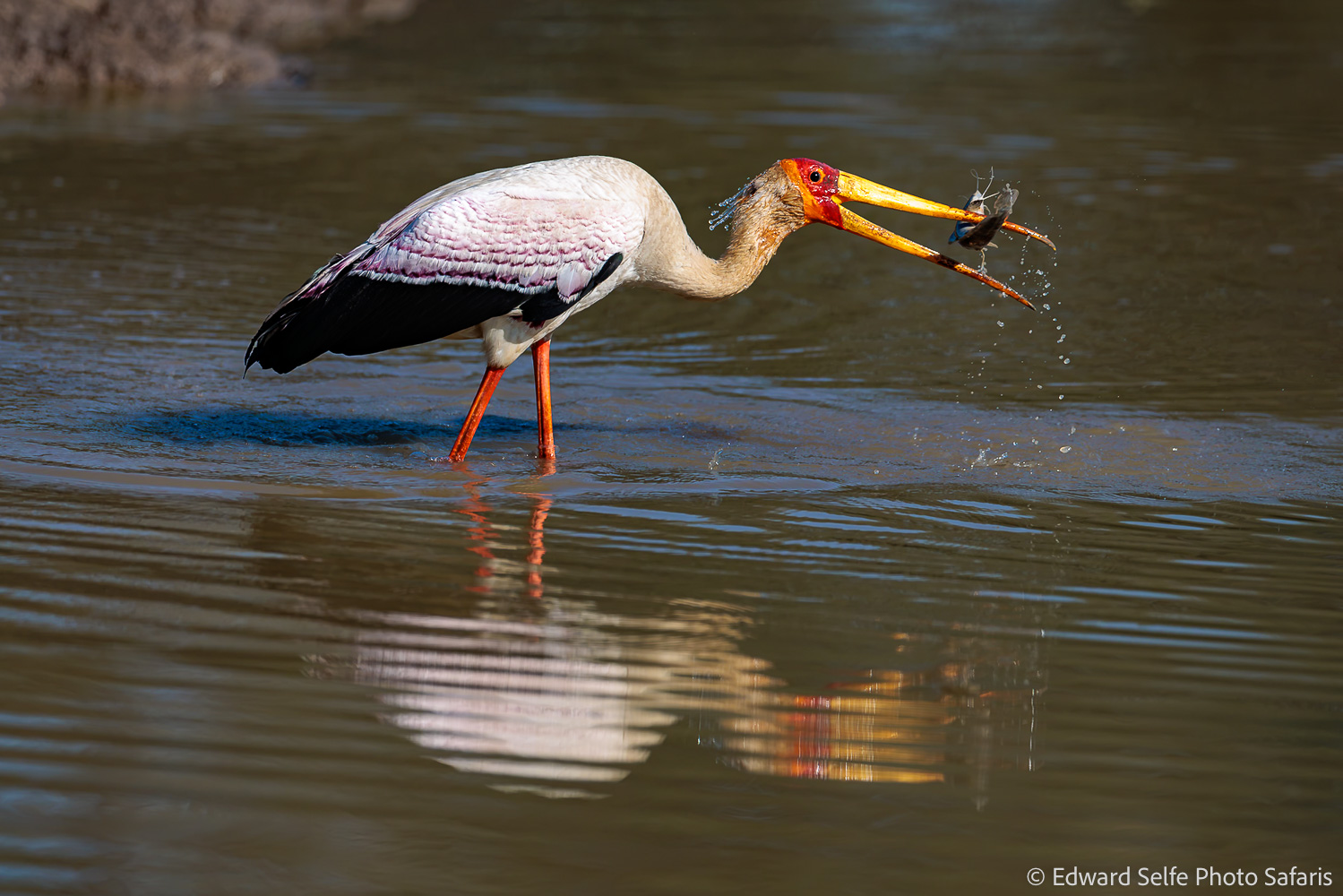
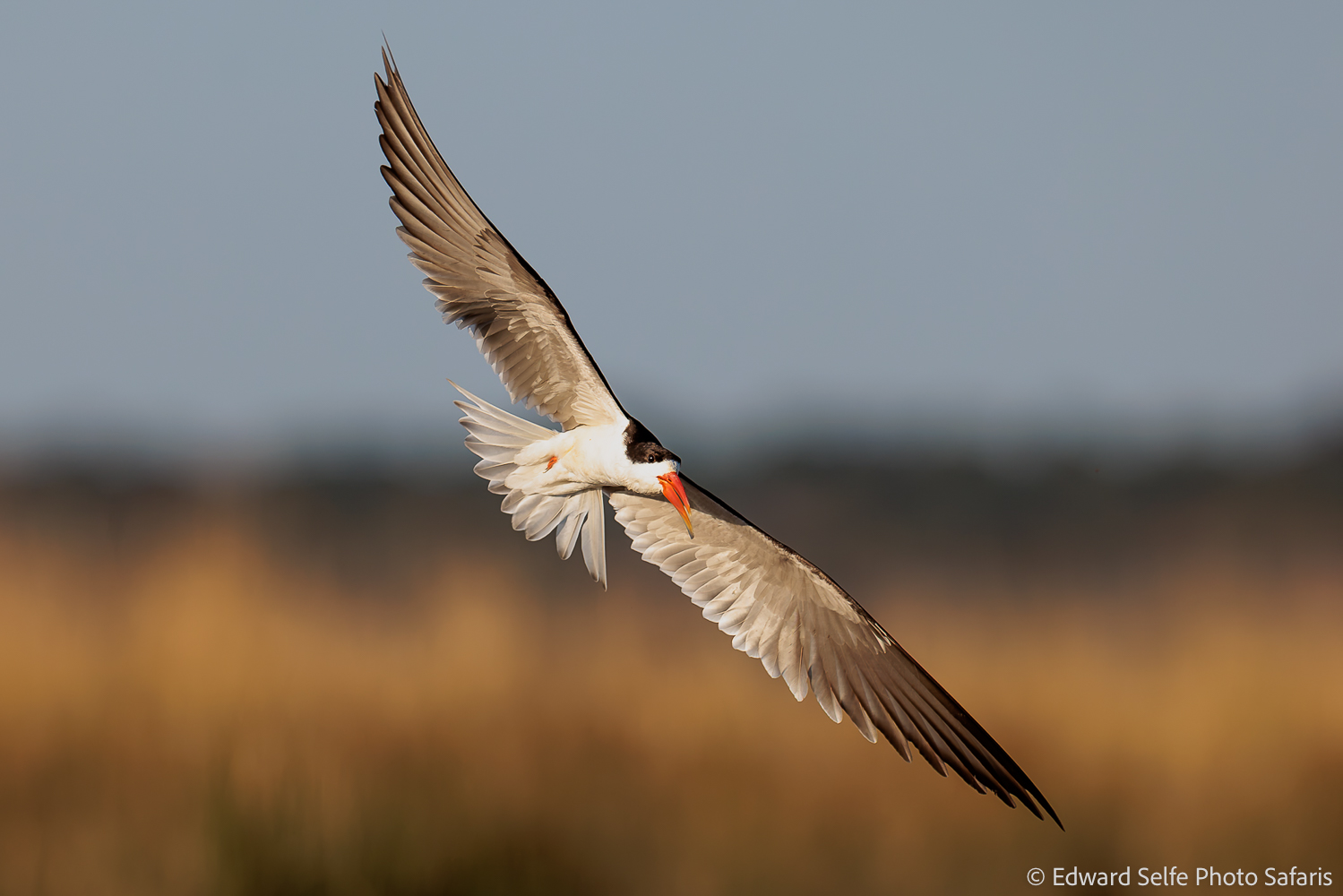
Birdlife dominated much of our time on the river. African Skimmers flew past the boat, providing opportunities to practise panning and flight photography. Fish Eagles were never far away, and one particular hunt stole the show: an eagle dropped towards a duck, flushing 500 ducks off the surface of the river in every direction, creating one of the most dramatic spectacles of the trip.
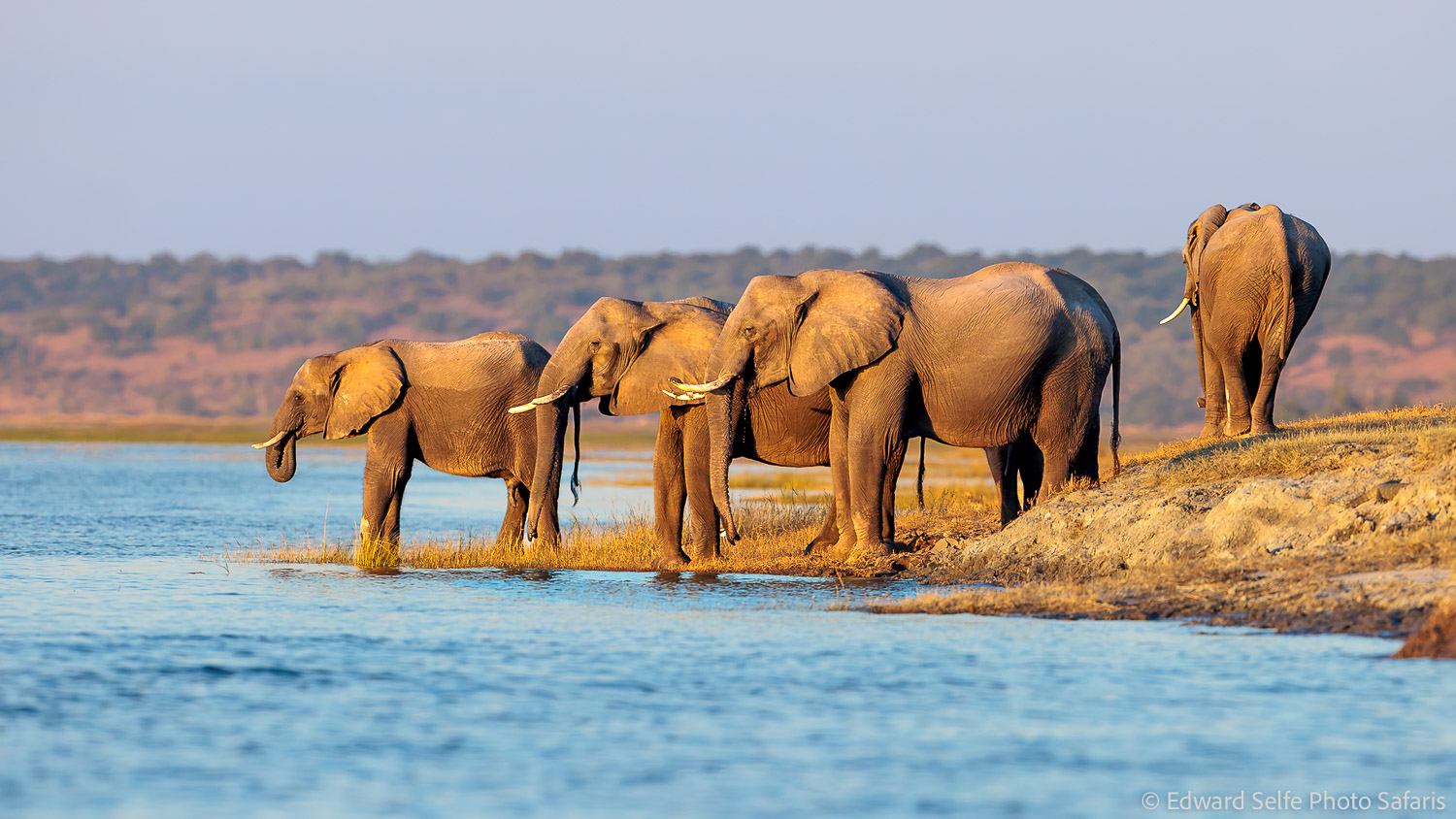
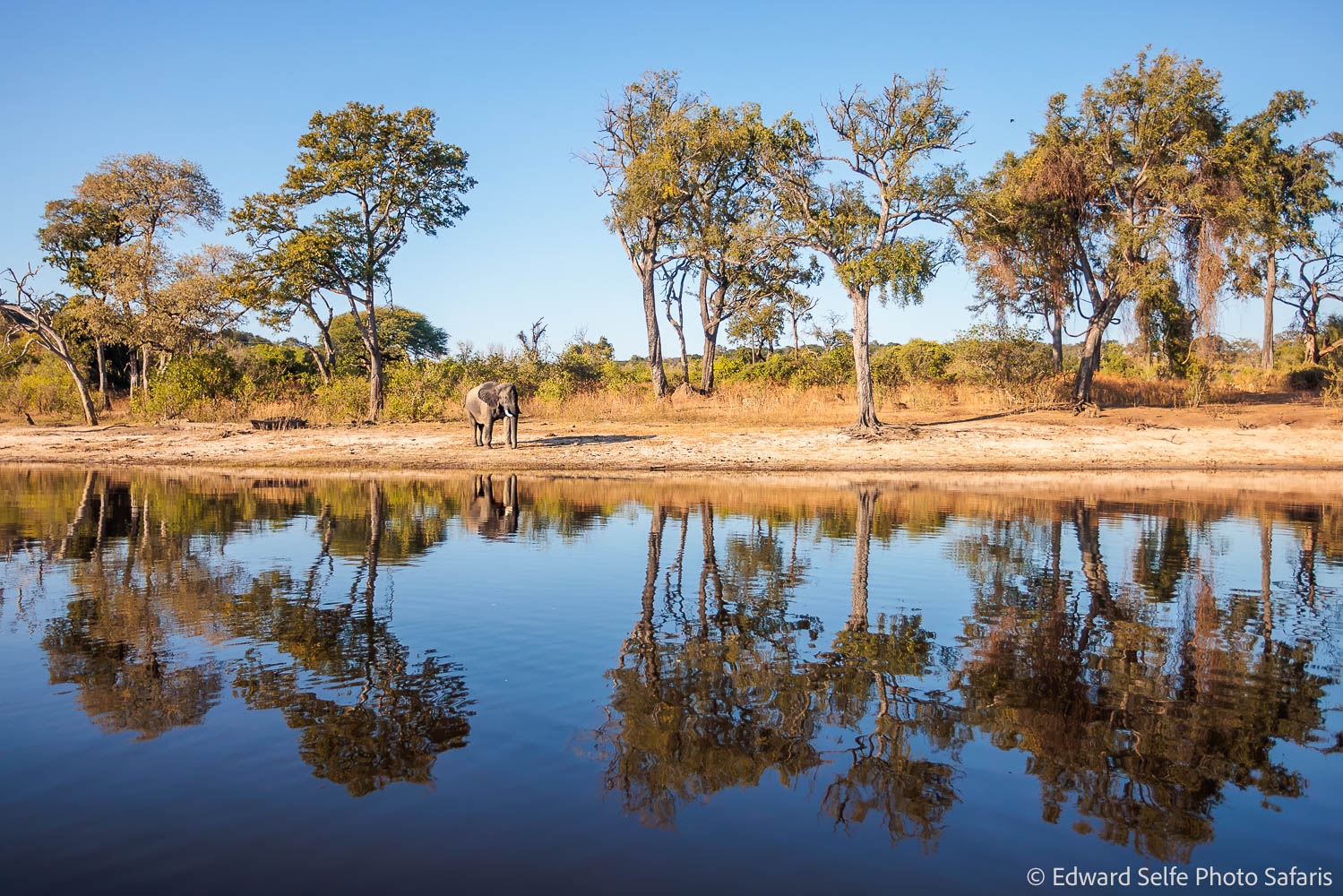
The Chobe’s famous elephants were equally impressive. We spent lots of time watching family groups feeding along the riverbanks and waiting for bulls to make their way across to the islands. River crossings always provide interesting photographic opportunities, and we talked about changing reflections depending on what is in the background.
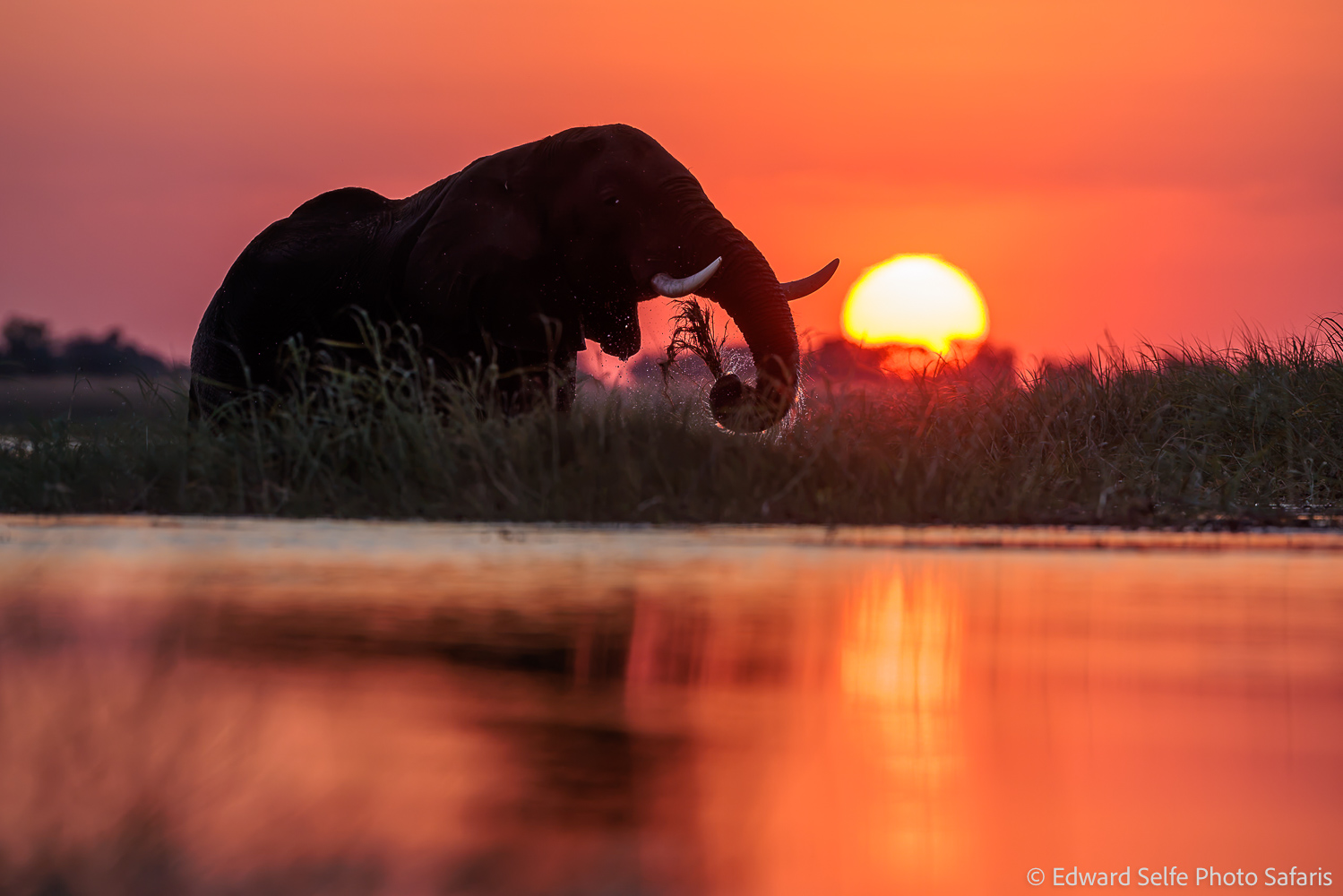
We spent a long time watching a solitary bull feeding in the shallows, waiting for something more than a straightforward portrait. Eventually he lifted a trunk full of wet grass and water, thrashing it to remove the soil, just as the setting sun lit the spray from behind. It lasted just a few moments but it was a reward for a sighting that we’d imagined in our heads and then waited to materialise.
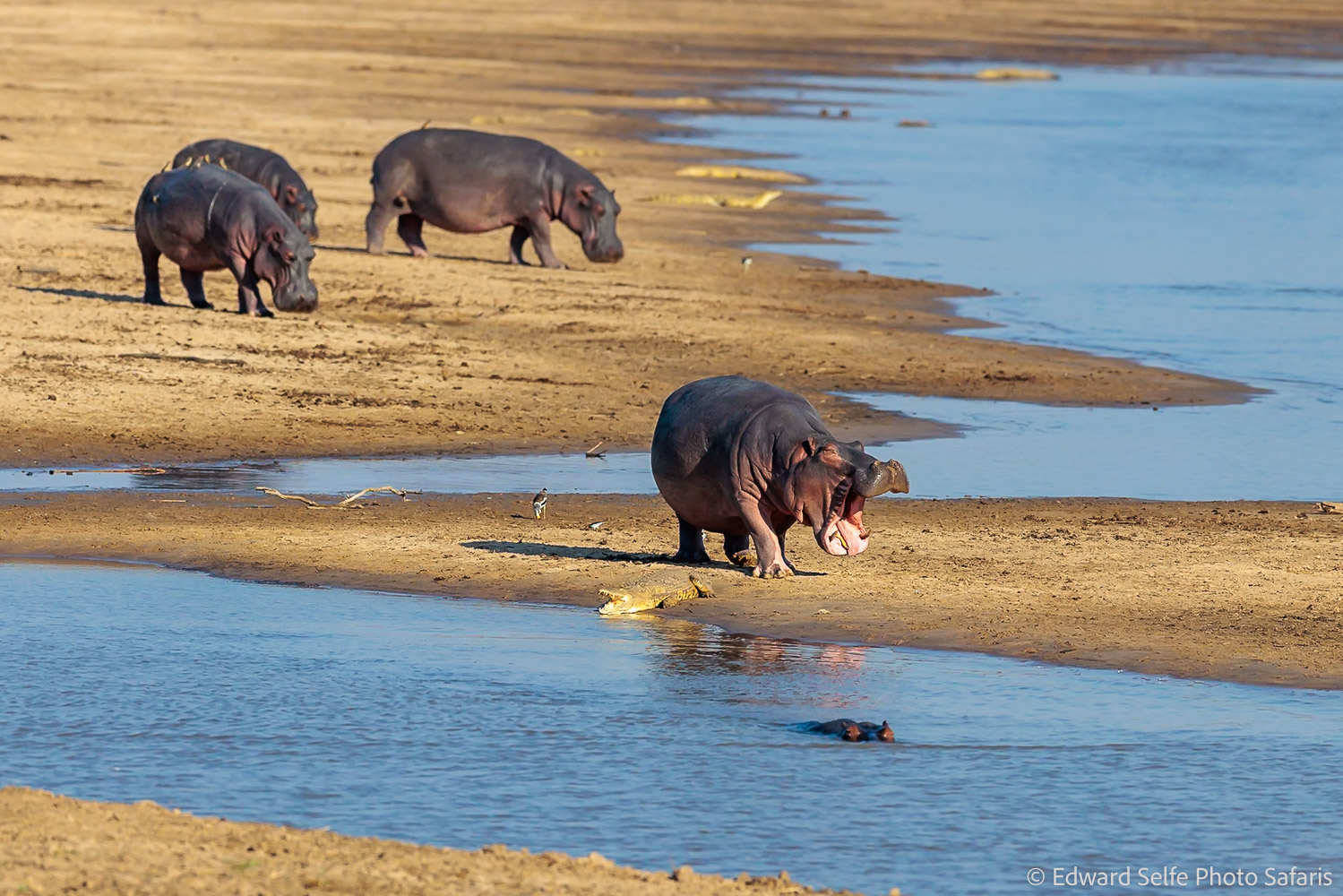
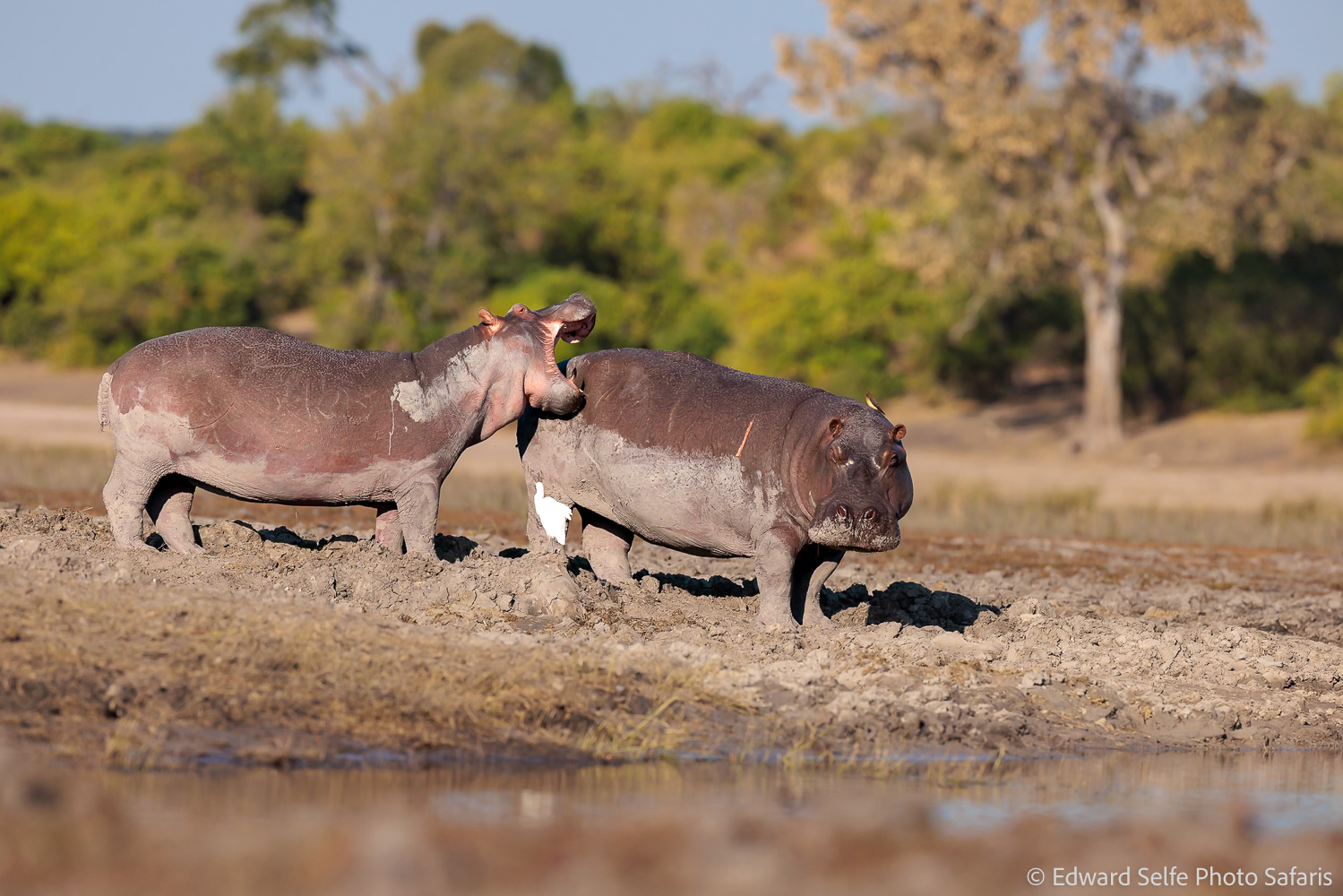
Hippos and enormous Nile crocodiles were constant companions on the river, often providing foreground interest while we waited for birds or elephants to move into position. One of the pleasures of Chobe is that there is almost always something happening, even if the main subject isn’t immediately active.
The changing weather also kept the photography interesting. Some mornings the river was completely calm, producing beautiful reflections and simple compositions. On other outings, the wind created waves and movement, changing both the mood of the photographs and the behaviour of the wildlife.
Chobe was a fitting end to the safari. After the plains game of Tafika and the predators around Lion Camp, the river offered another completely different photographic experience. Birds, elephants, changing light and the importance of patience all combined to reinforce one of the themes of the trip: the best wildlife photographs usually come from slowing down, observing carefully and waiting for the moment rather than chasing it.
It was a great trip and I loved that I shared it with a combination of repeat guests and new-to-Africa explorers. Thank you to the 3 camps who all took good care of us and offered great settings and locations. I will keep using them all for the best experiences available.
Thank you for reading to the end!
Leave A Comment