

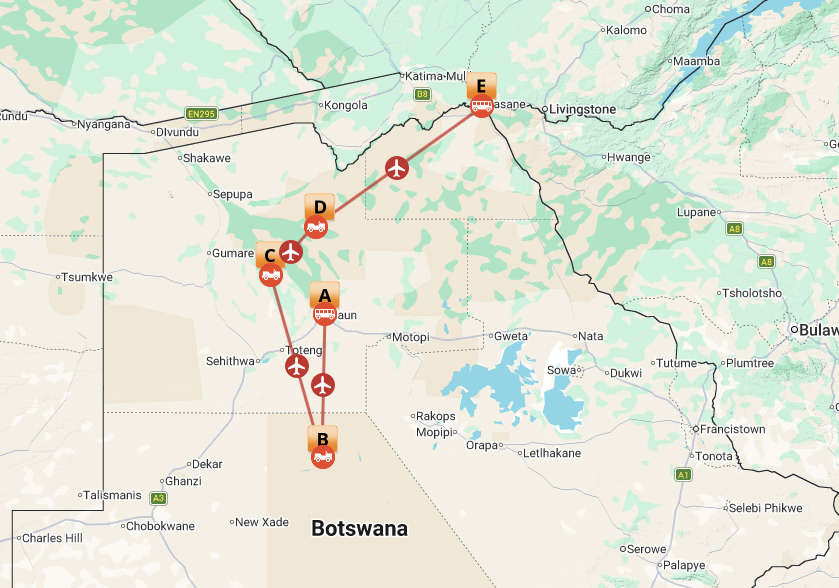
Botswana is a year-round safari destination. There are extraordinary sightings to be had in any season and the unique hydrology of the area ensures that it will always be beautiful. We chose to visit at the end of the rainy season, when the habitat is rich and lush, and just before the major flood waters arrive from the Angolan highlands. In fact, it was one of the wettest years on record, so the experience was even more dramatic than we expected. We started with 4 nights in the Tau Pan in the Central Kalahari GR, moved on to 4 nights at Pom Pom camp south of the Delta, followed with 4 nights at Splash Camp in Kwara and ended with 4 nights at Pangolin Photo in Chobe. Every single outing was wonderful, with great sightings, lots of action, good light and plenty of subjects to play with. We also enjoyed great hospitality from the Kwando Safaris’ teams and the family-feel of Pangolin Hotel.
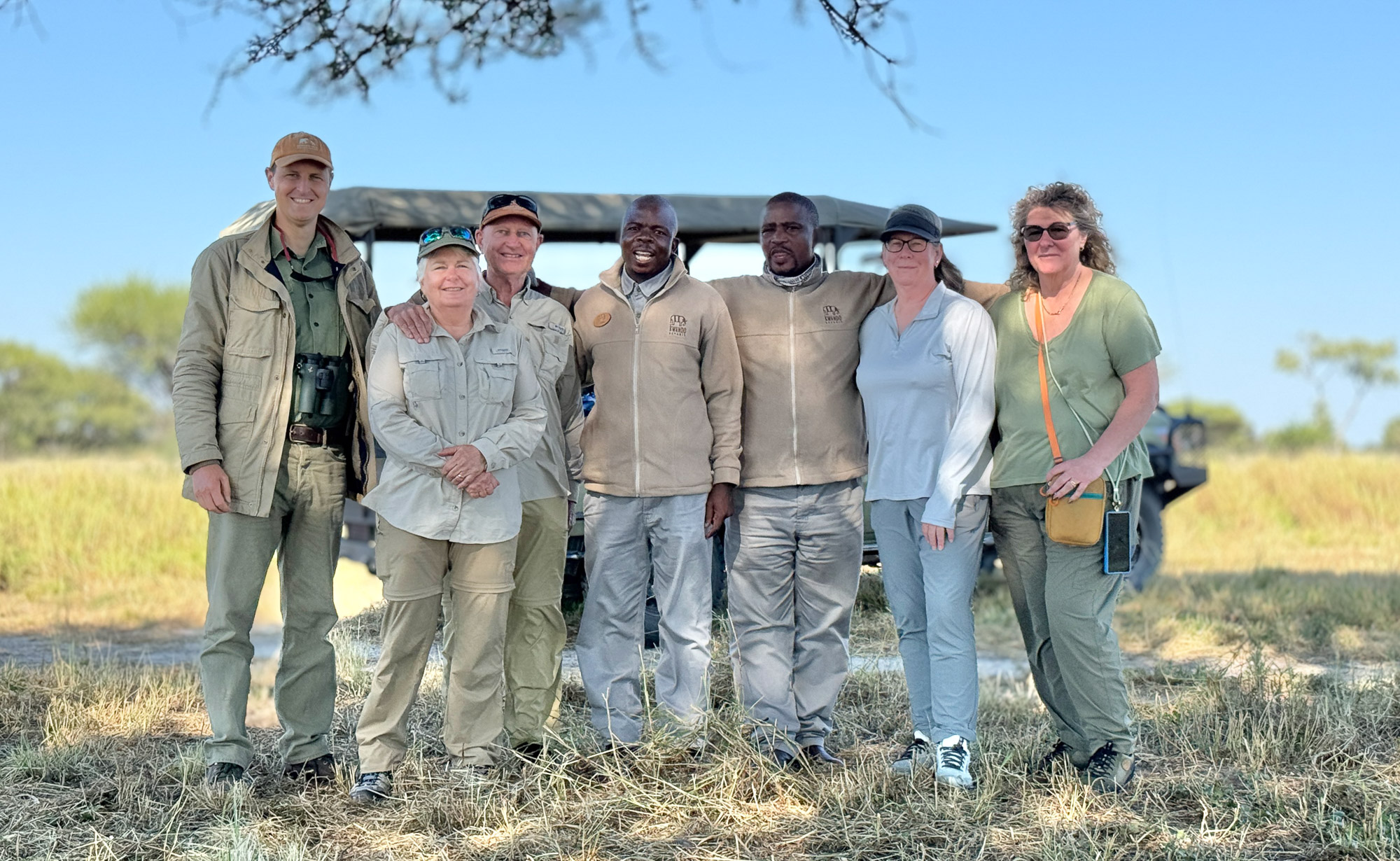
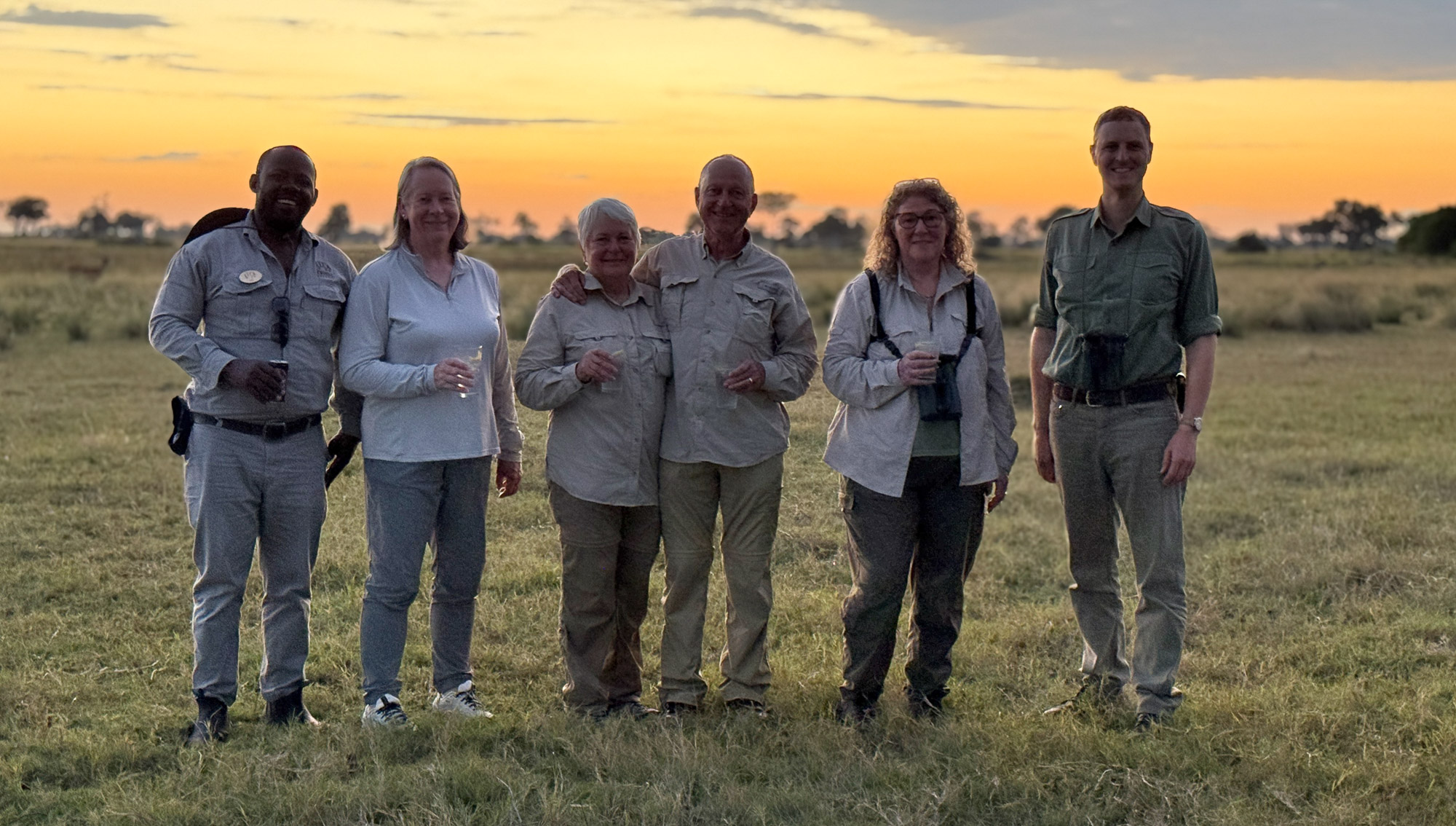
I was joined by 4 guests who have all travelled with me before; some are returning for their 5th and 6th trips and all love the wildlife and the immersion in wild places as much as the photography. This creates a sentiment in the safari vehicle of celebrating whatever comes along and leads — always — to the best sightings.
Please read on, and open the slideshows, for a camp-by-camp summary of the trip.
Tau Pan Camp, Central Kalahari Game Reserve
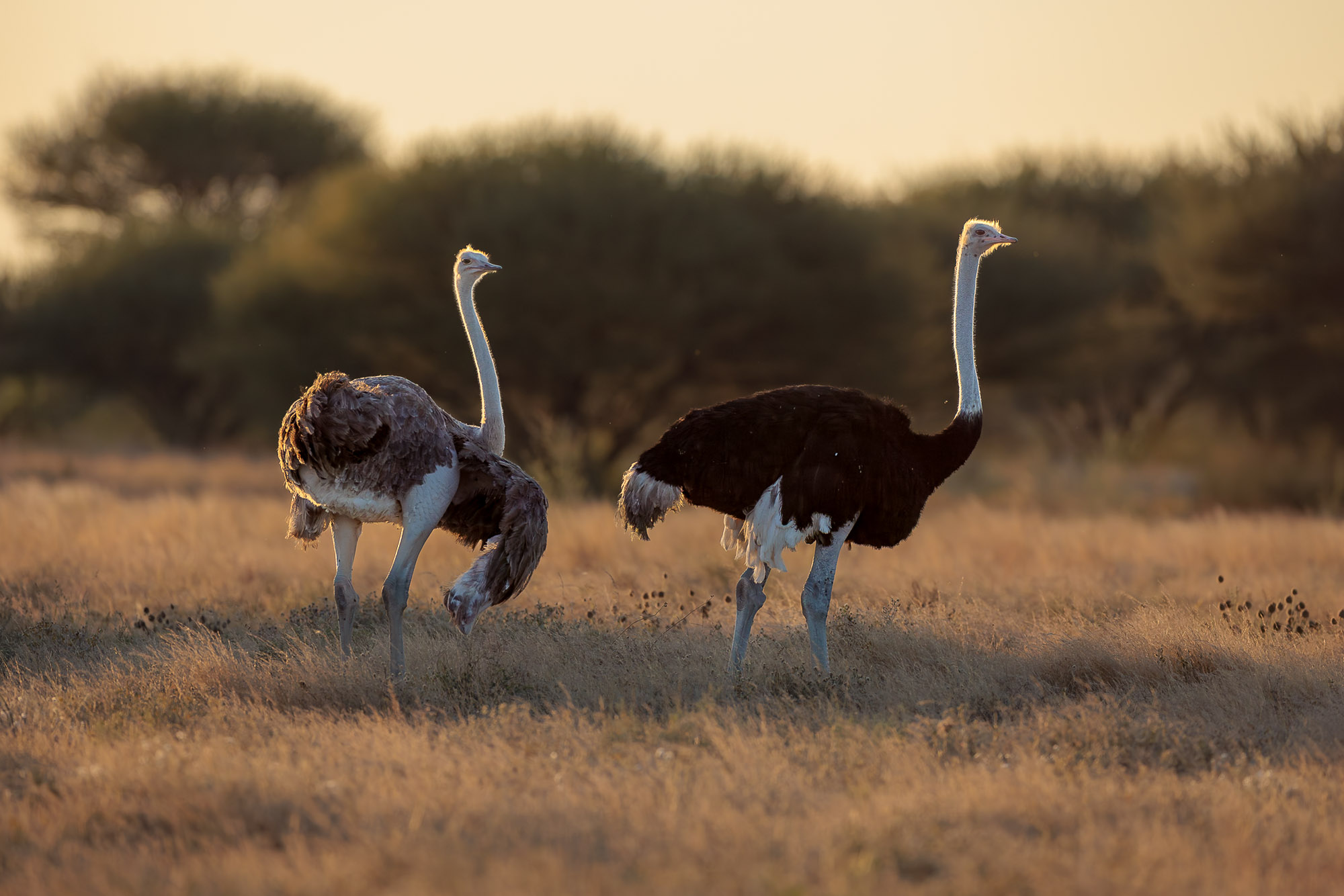
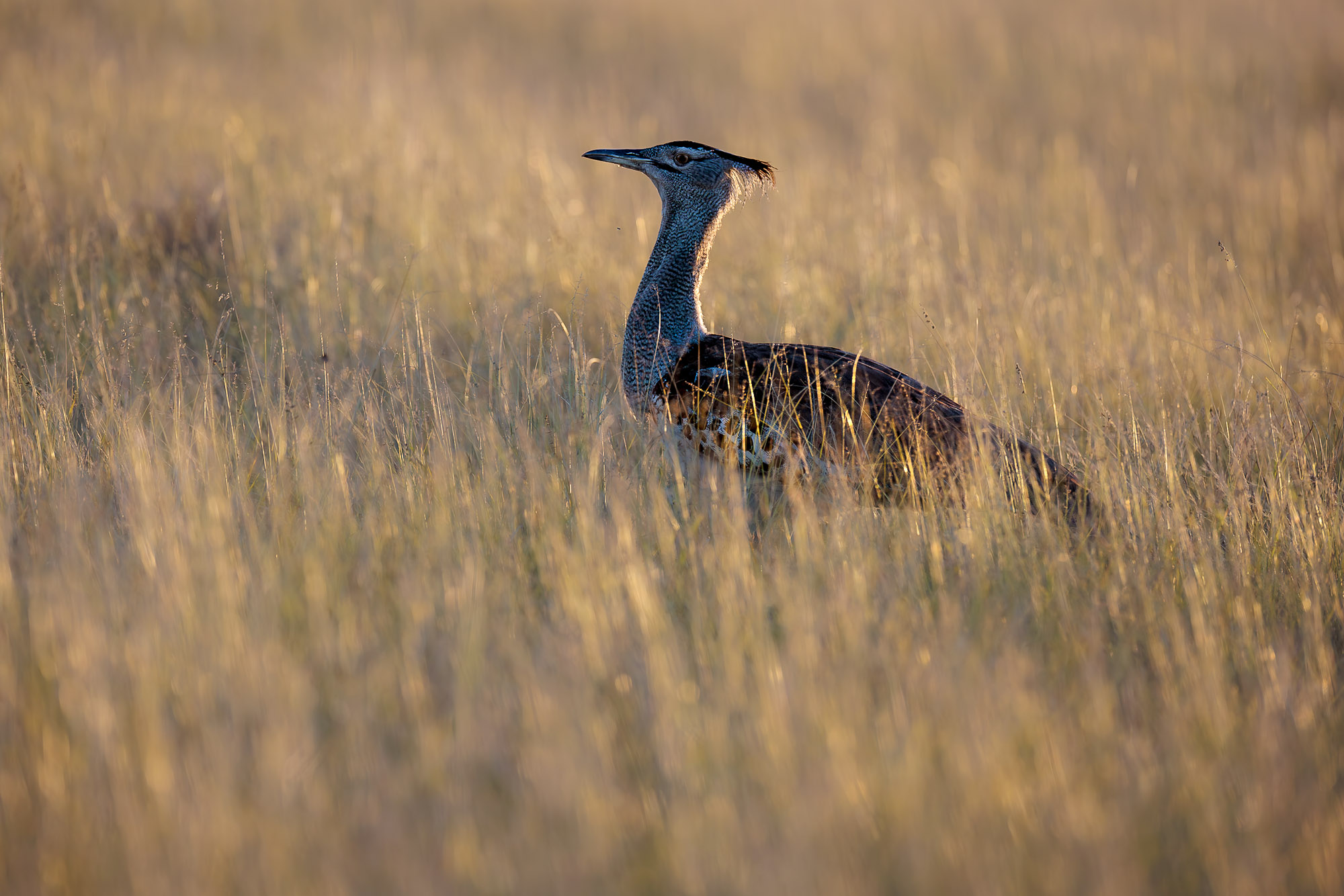
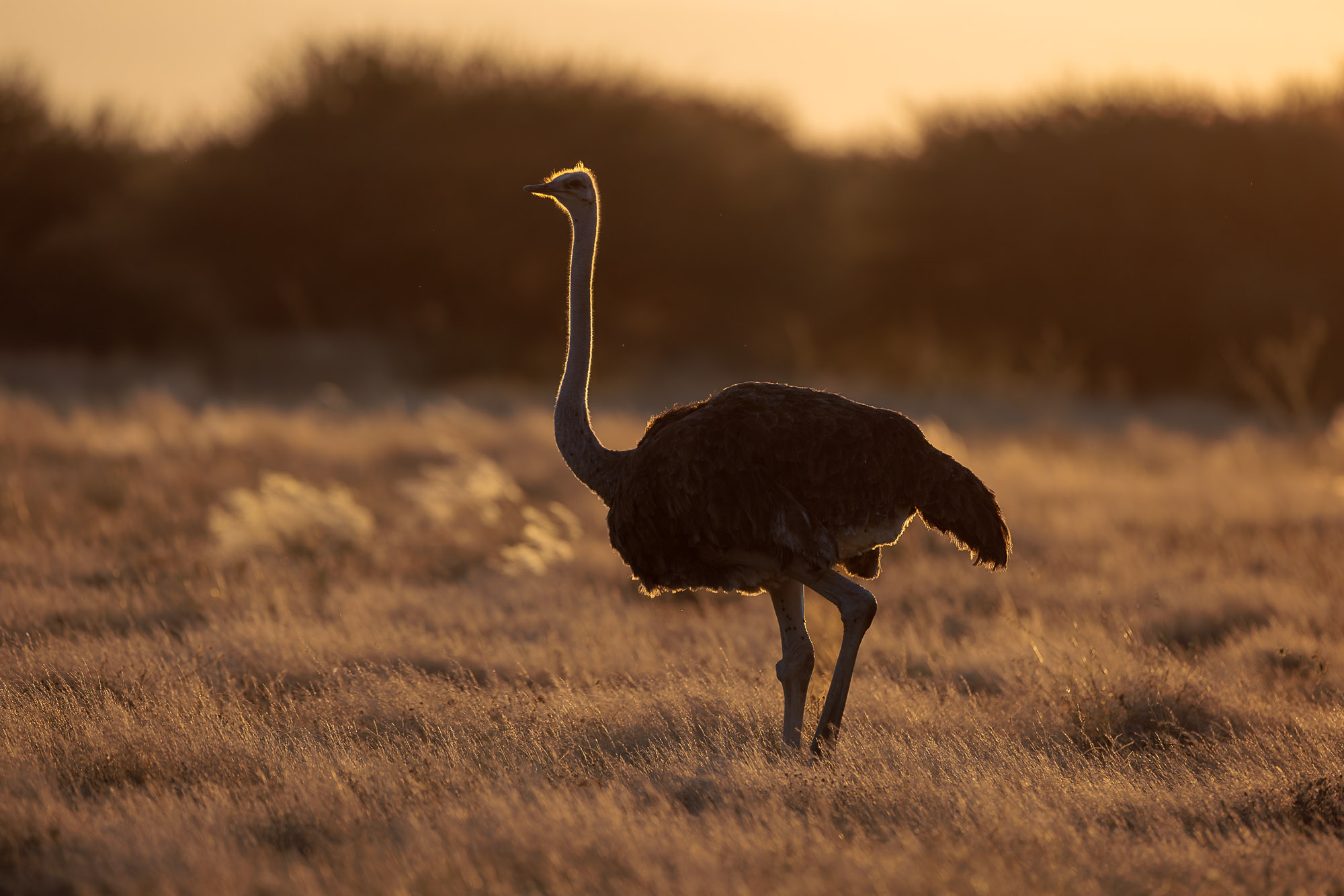
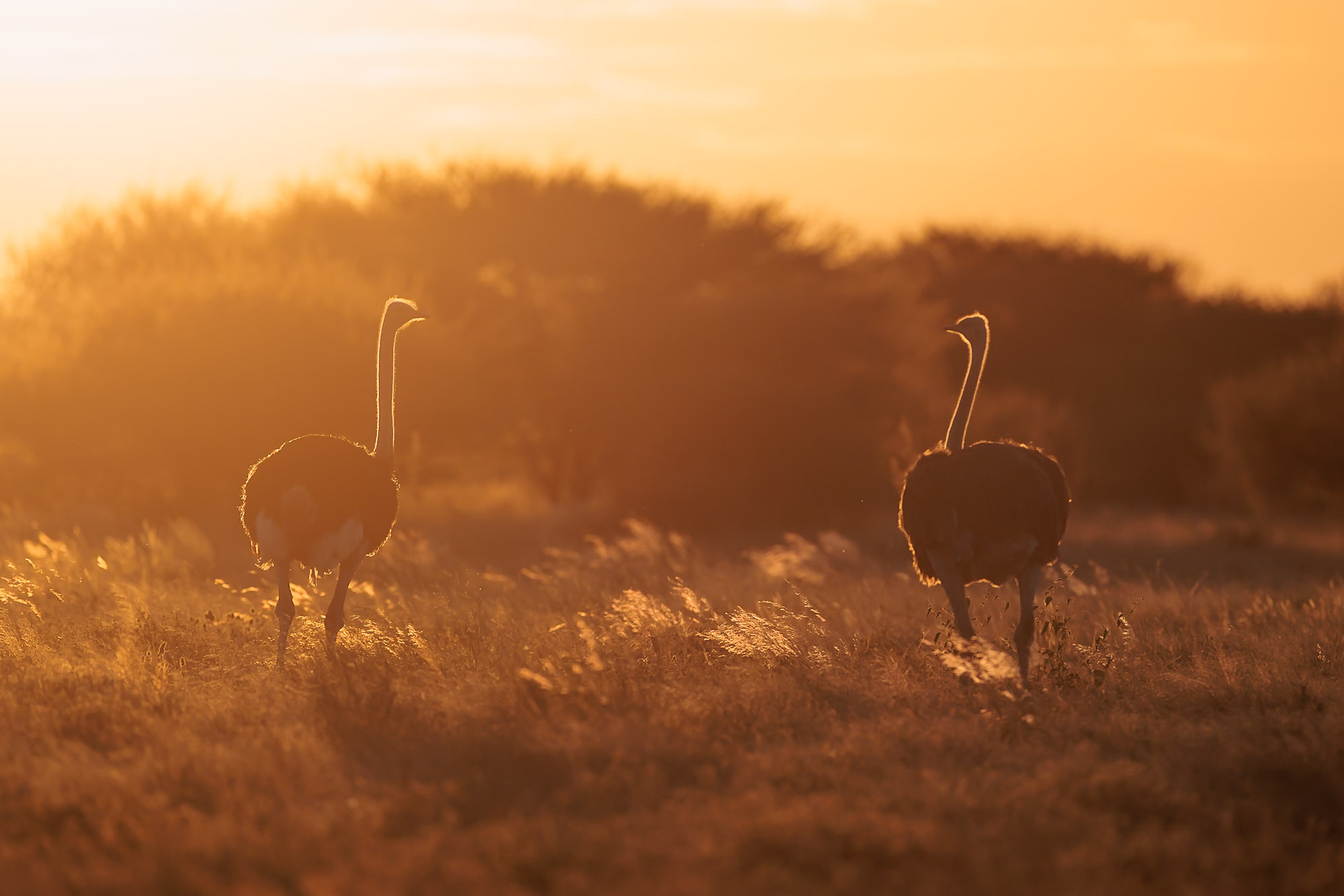
The Central Kalahari is one of the world’s largest protected areas. During the 4 days we spent in the camp, we took an all day drive around some of the famous valleys and pans; when I looked at my GPS maps on return to camp, I was astonished to see just how little of the reserve we had covered, despite travelling for most of the day. It’s an extraordinary place.
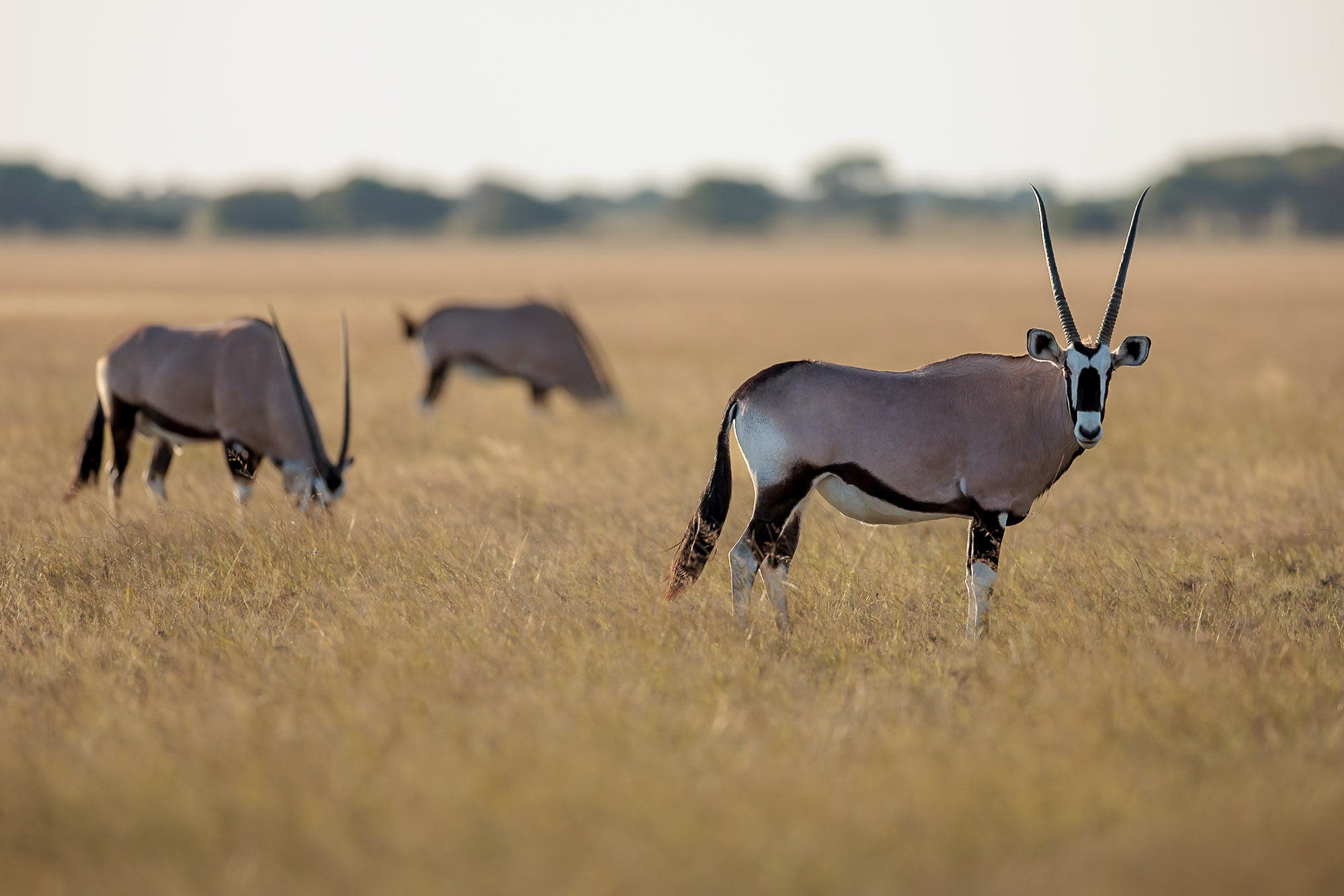
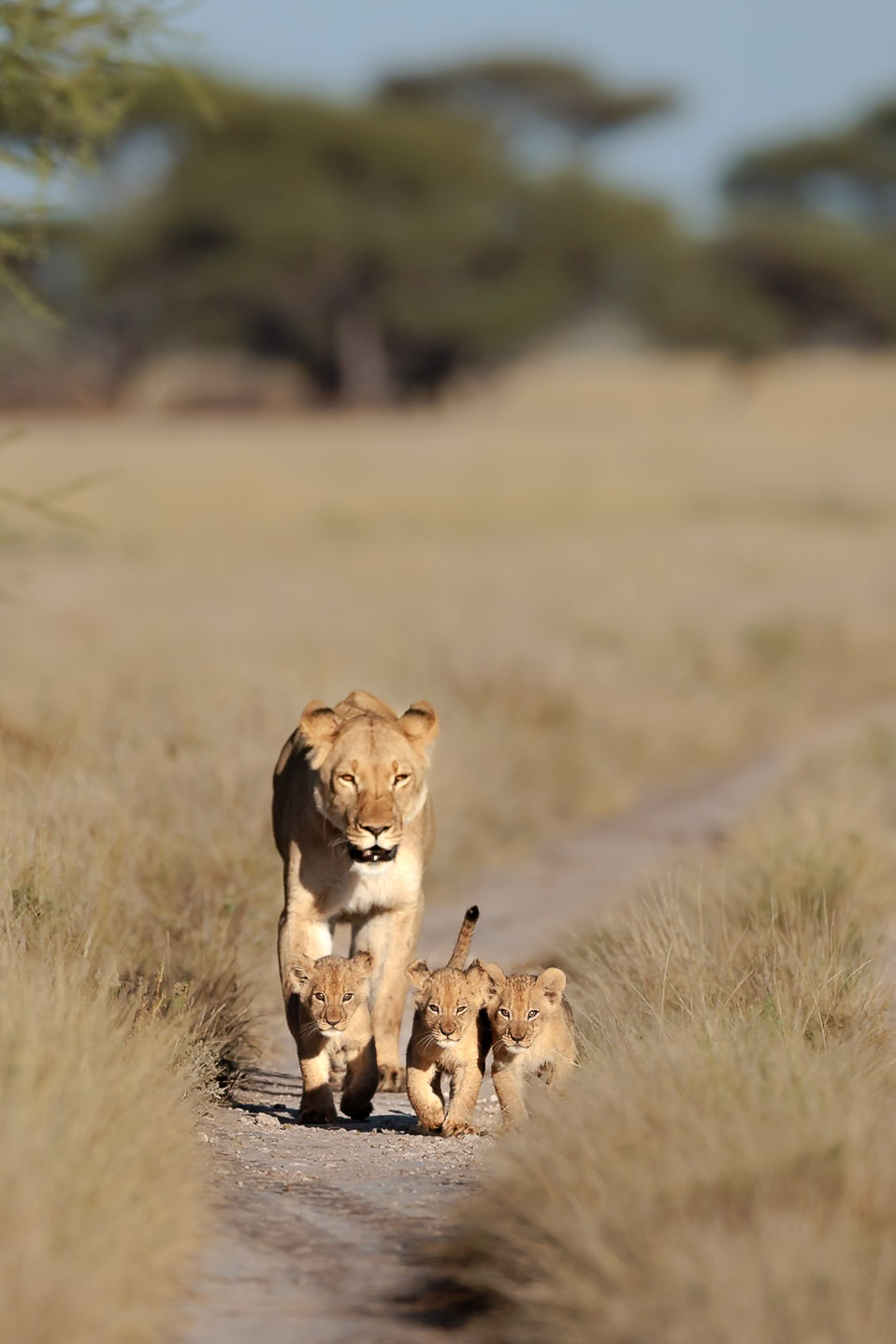
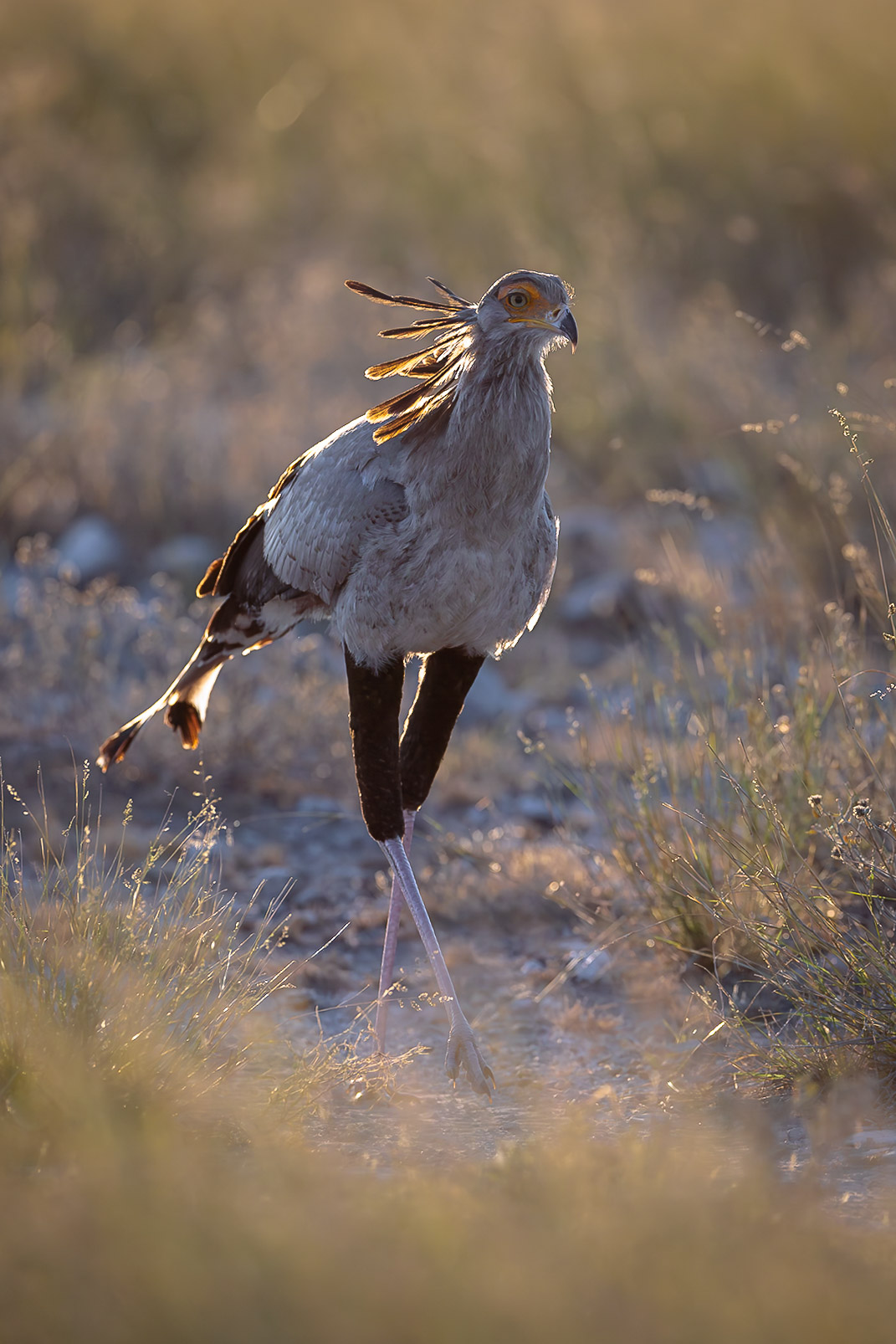
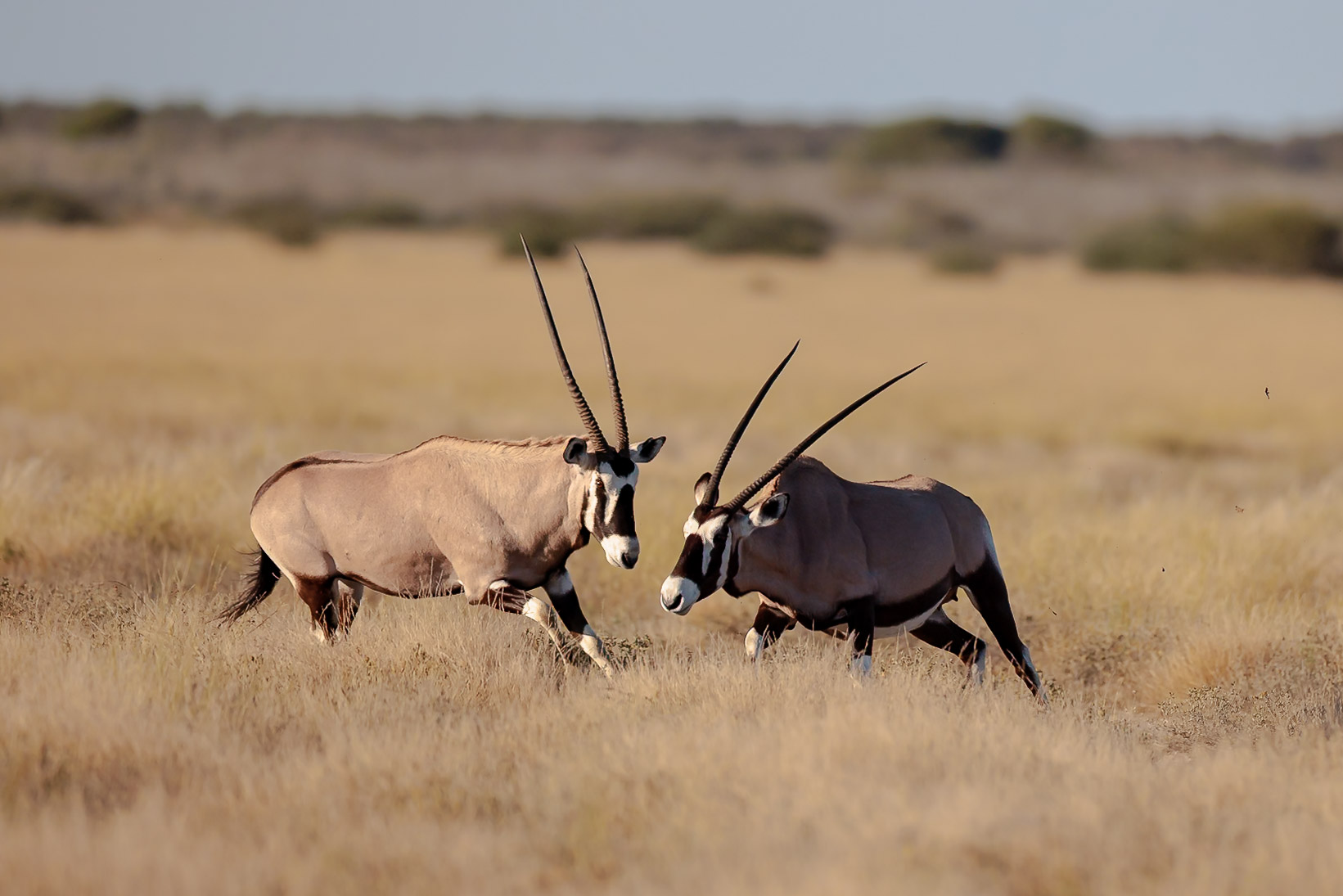
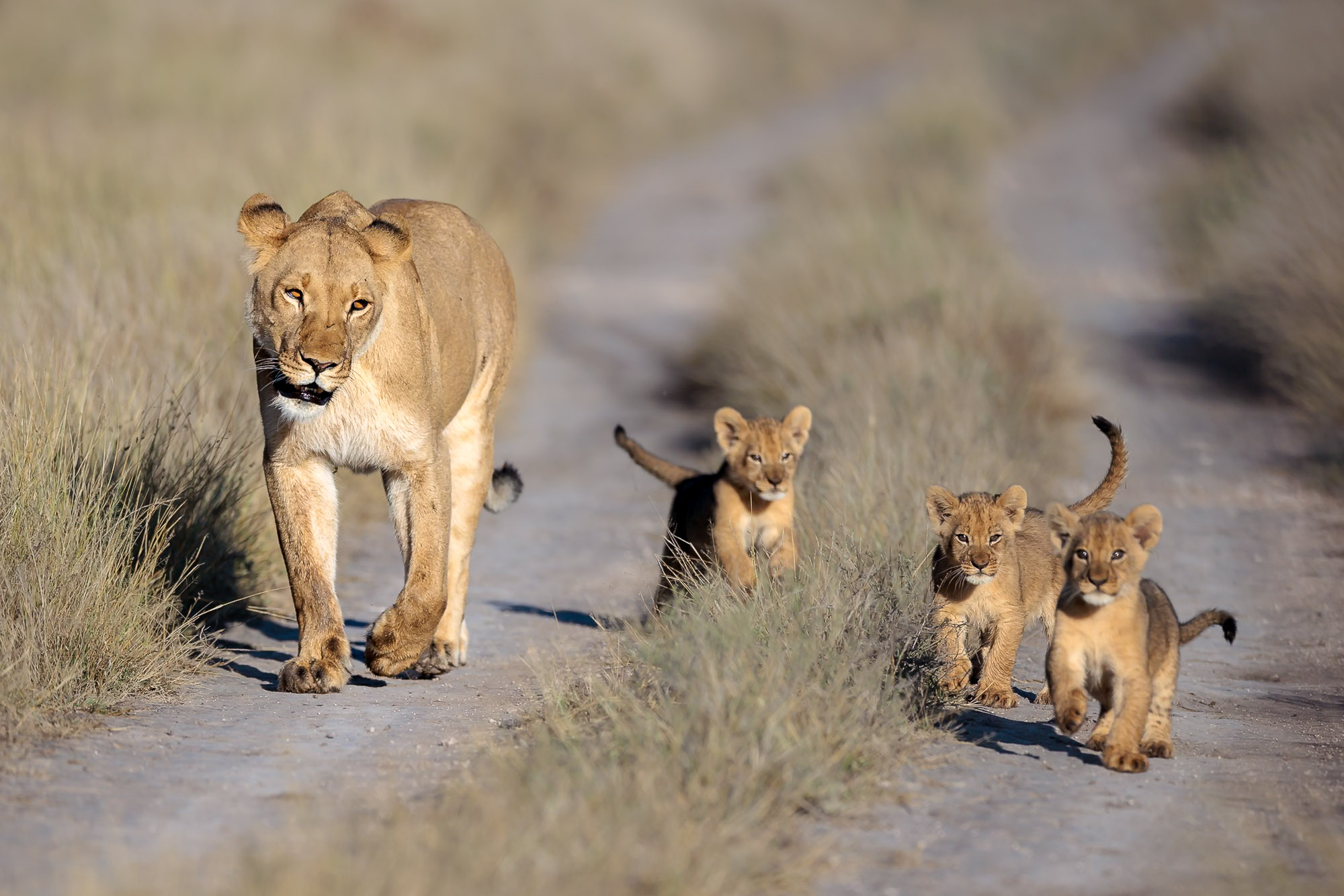
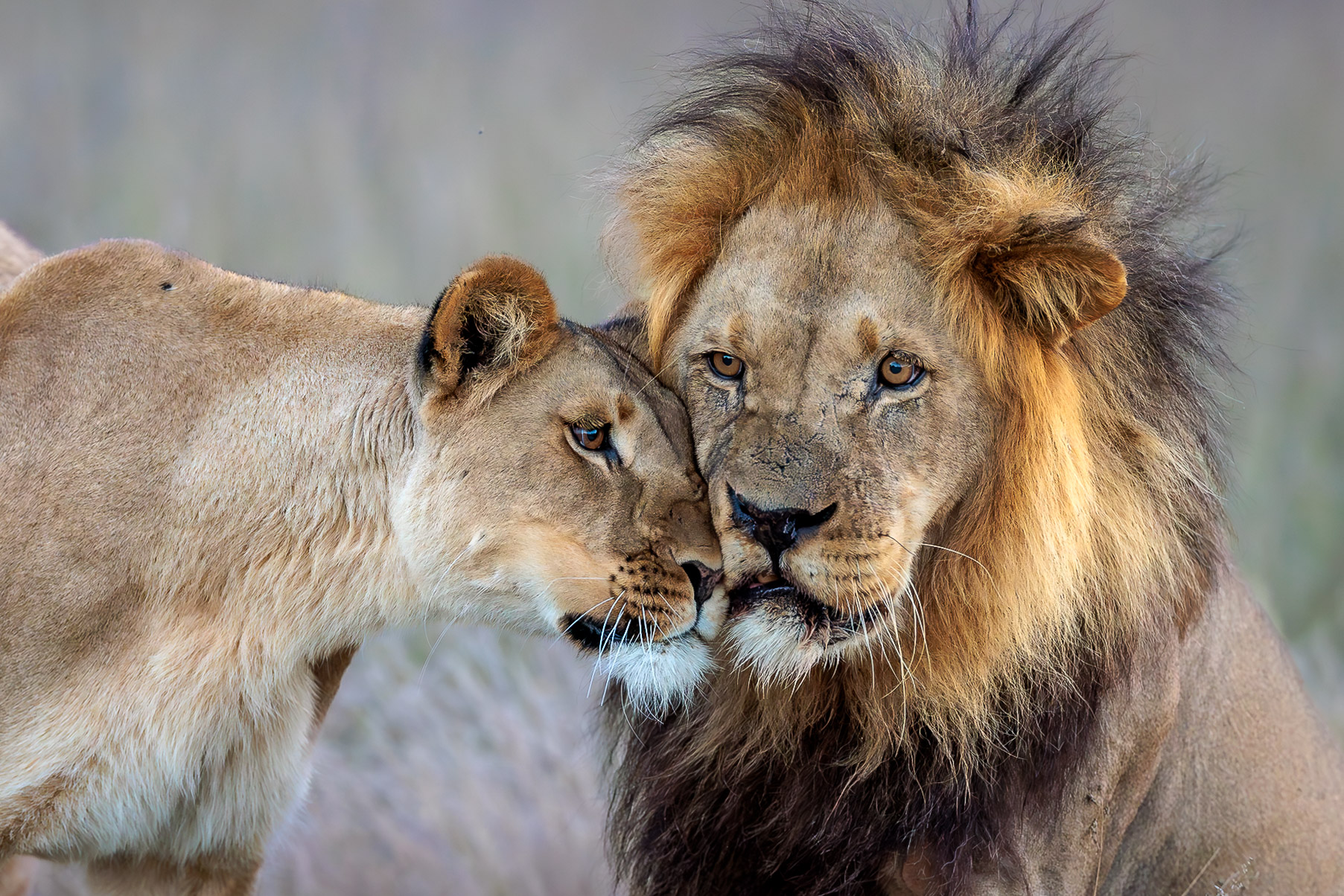
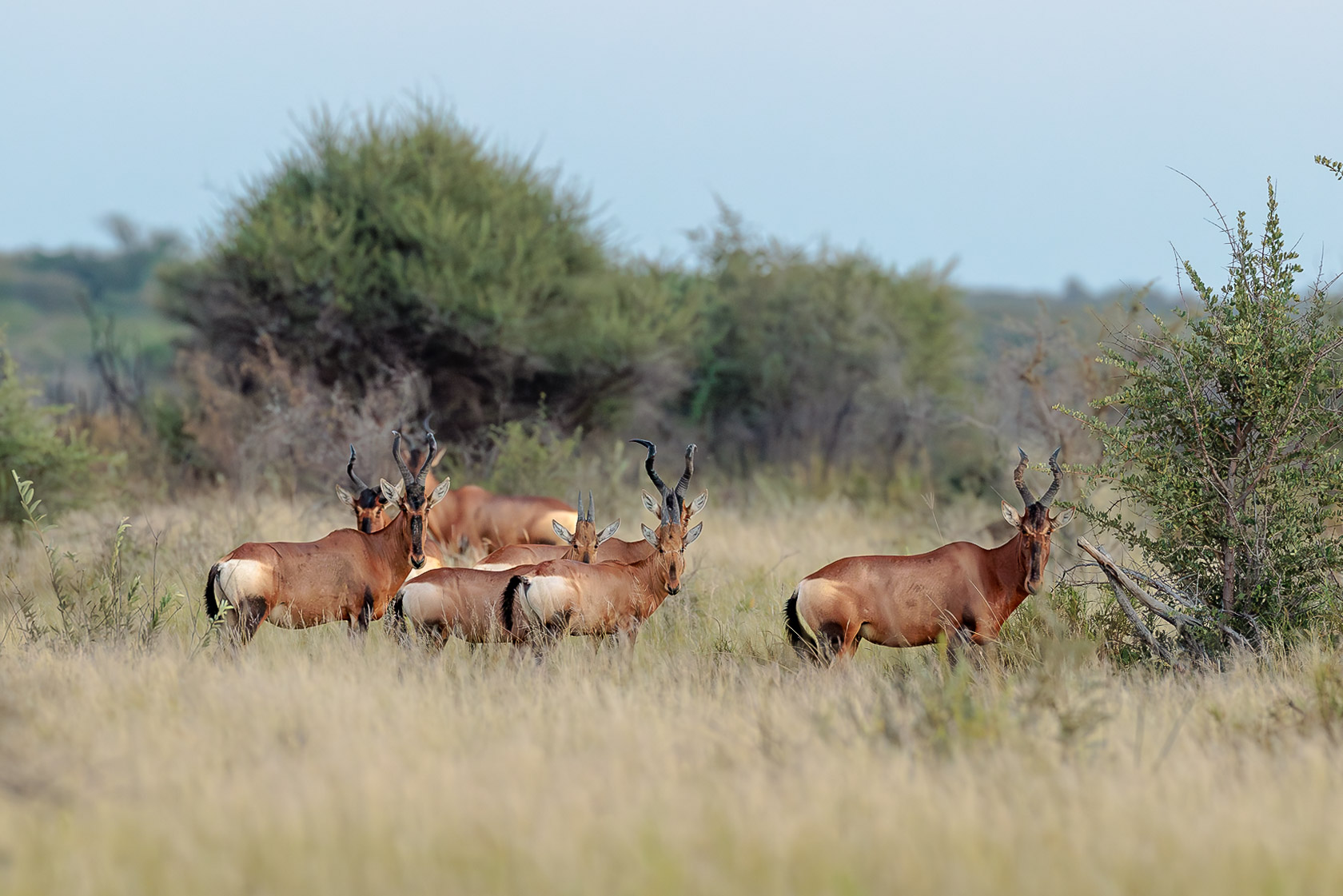
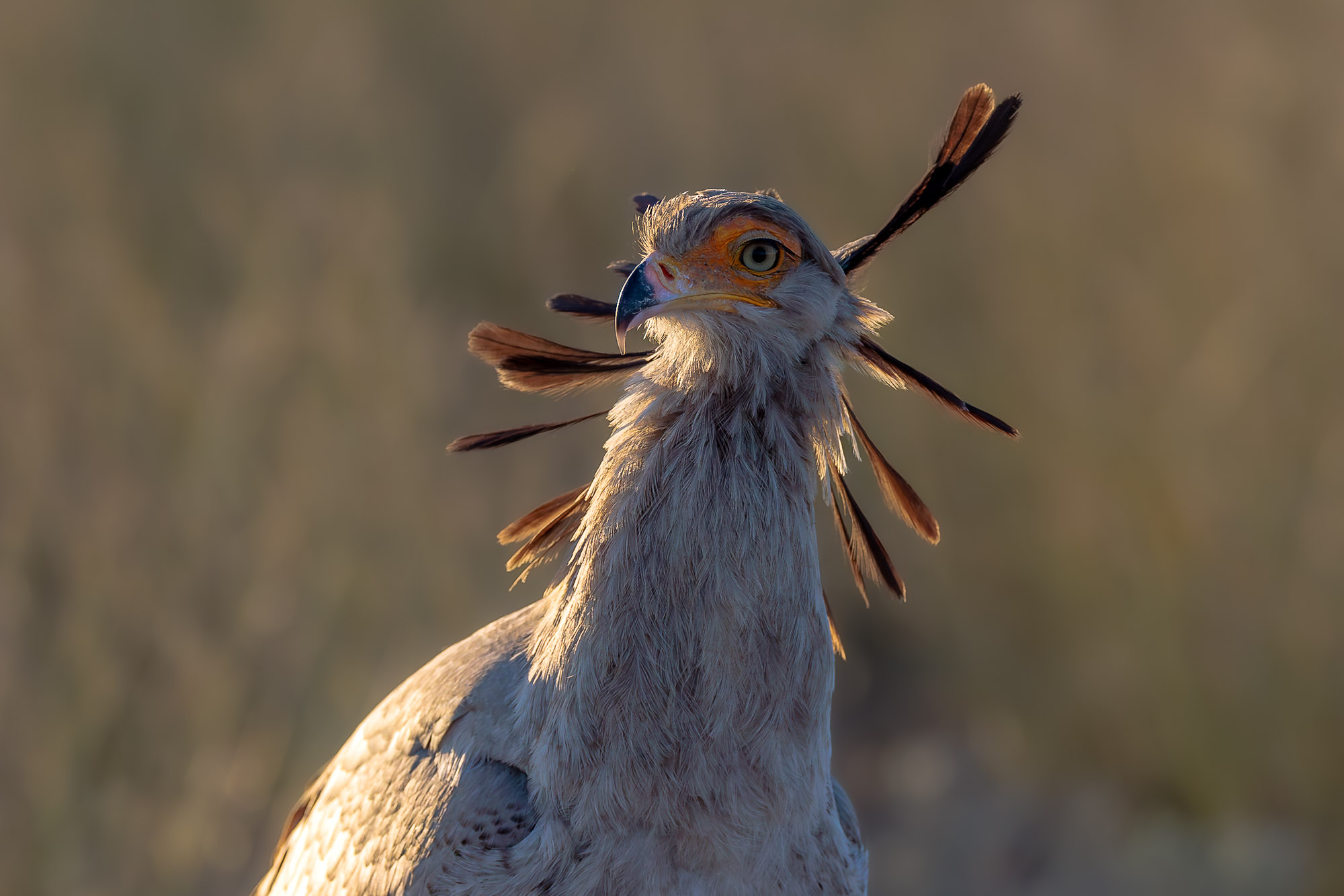
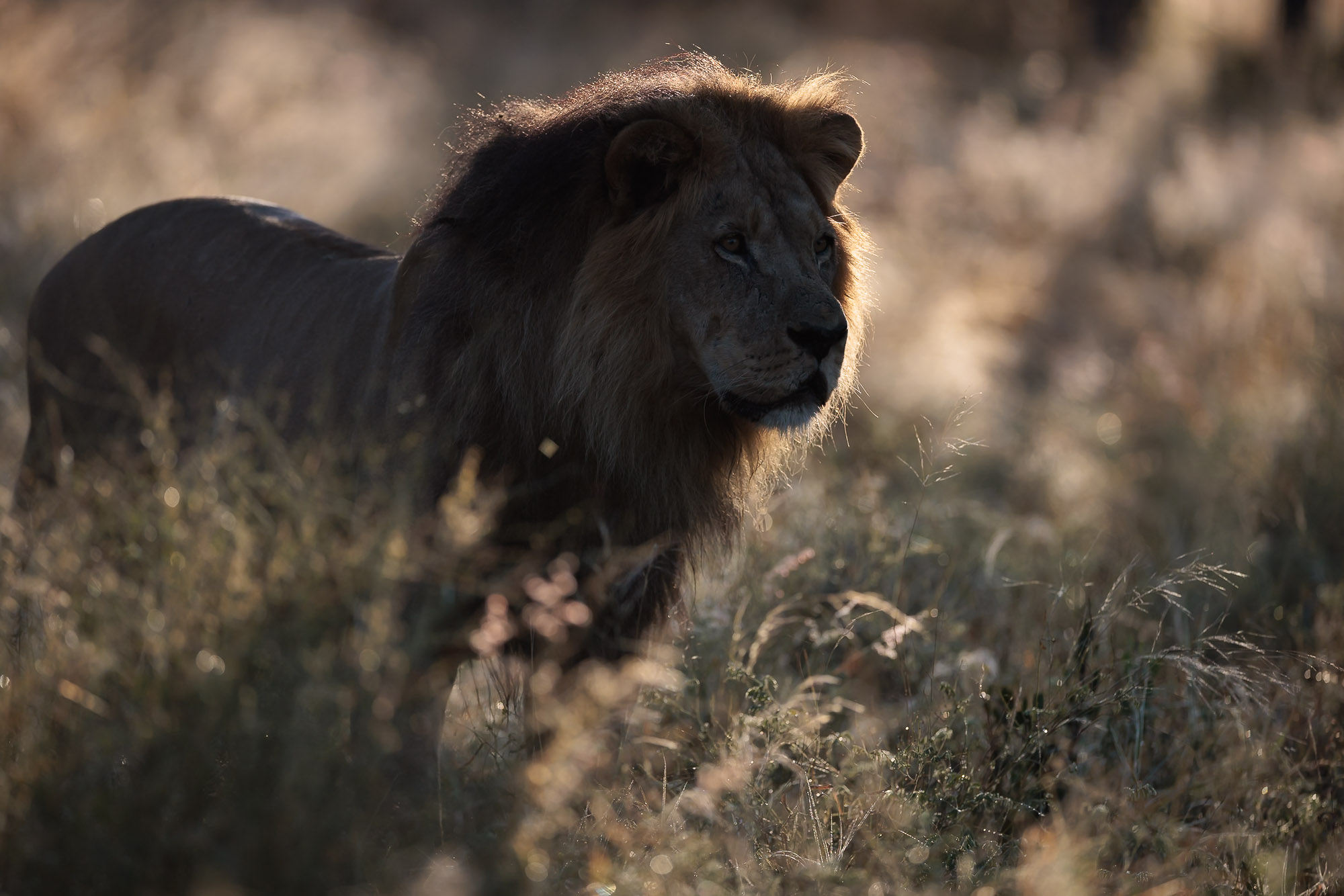
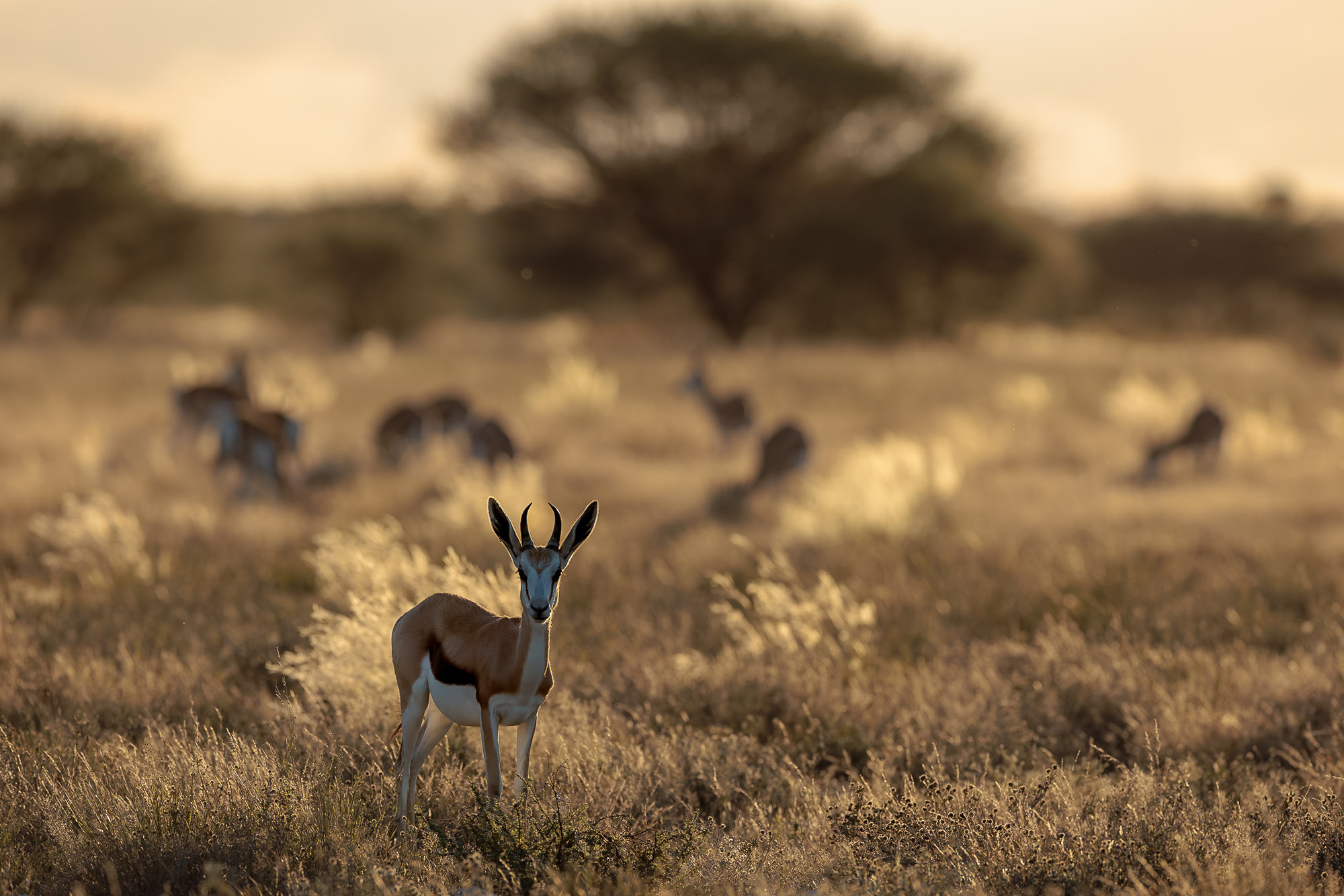
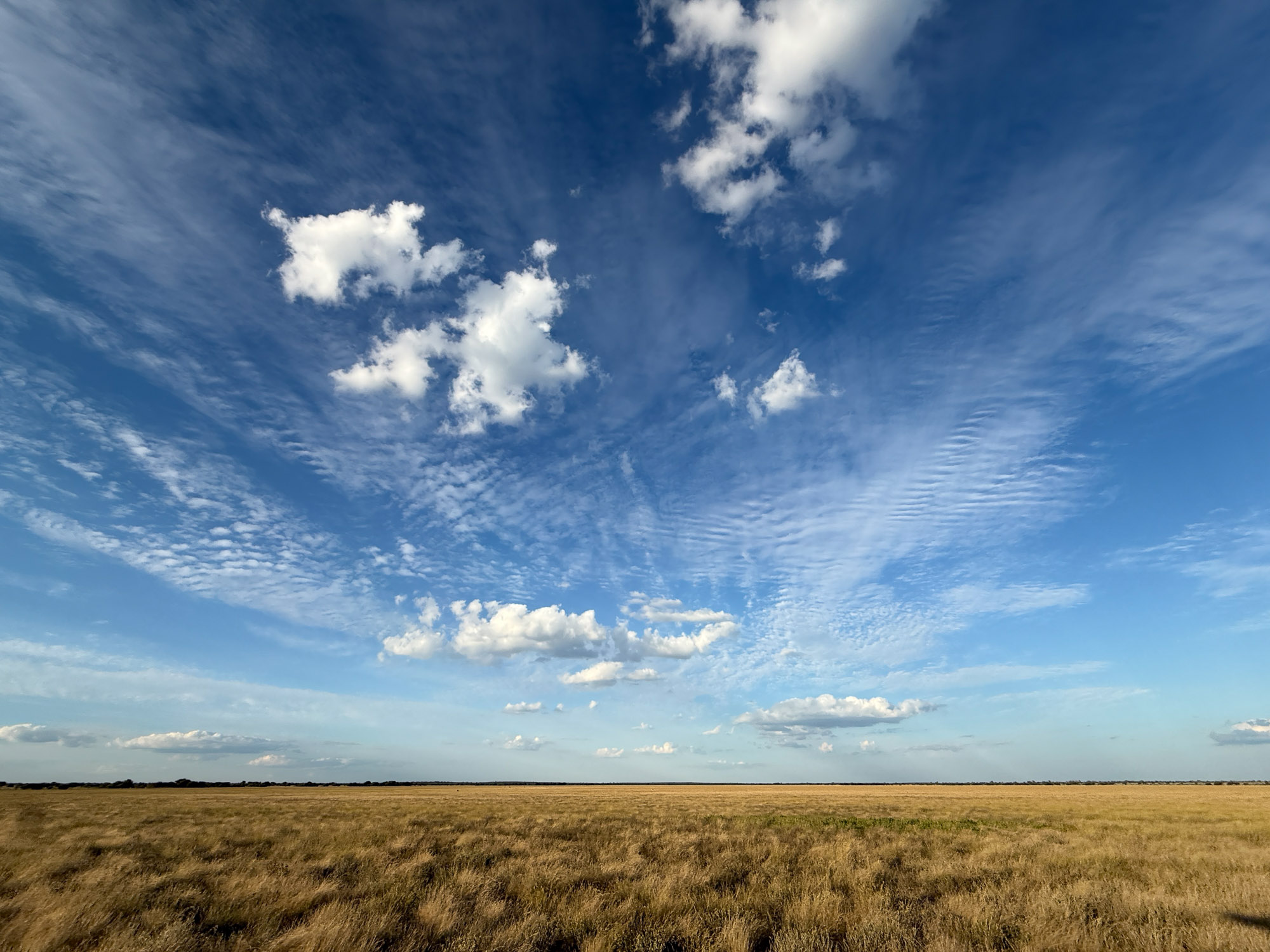
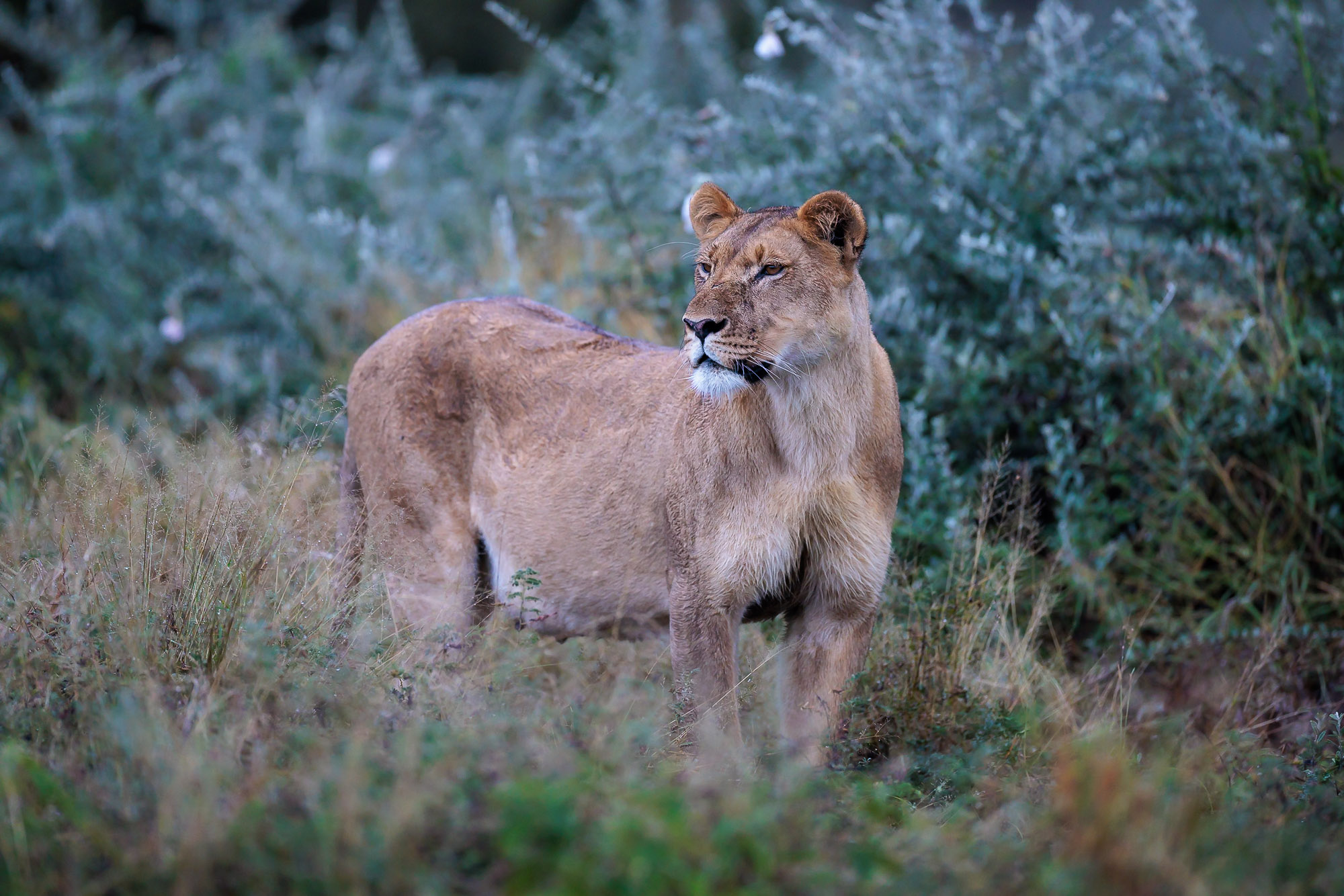
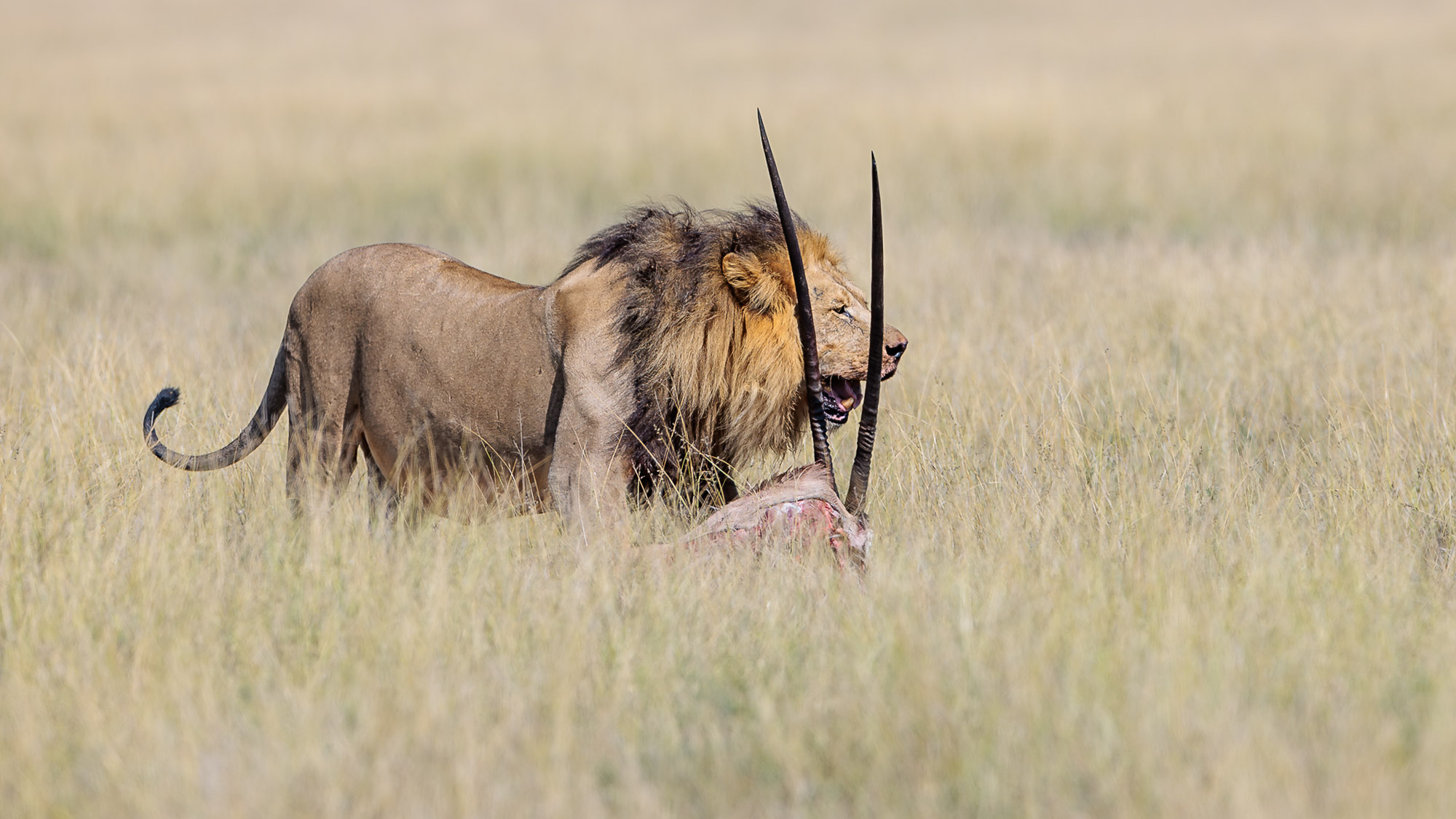
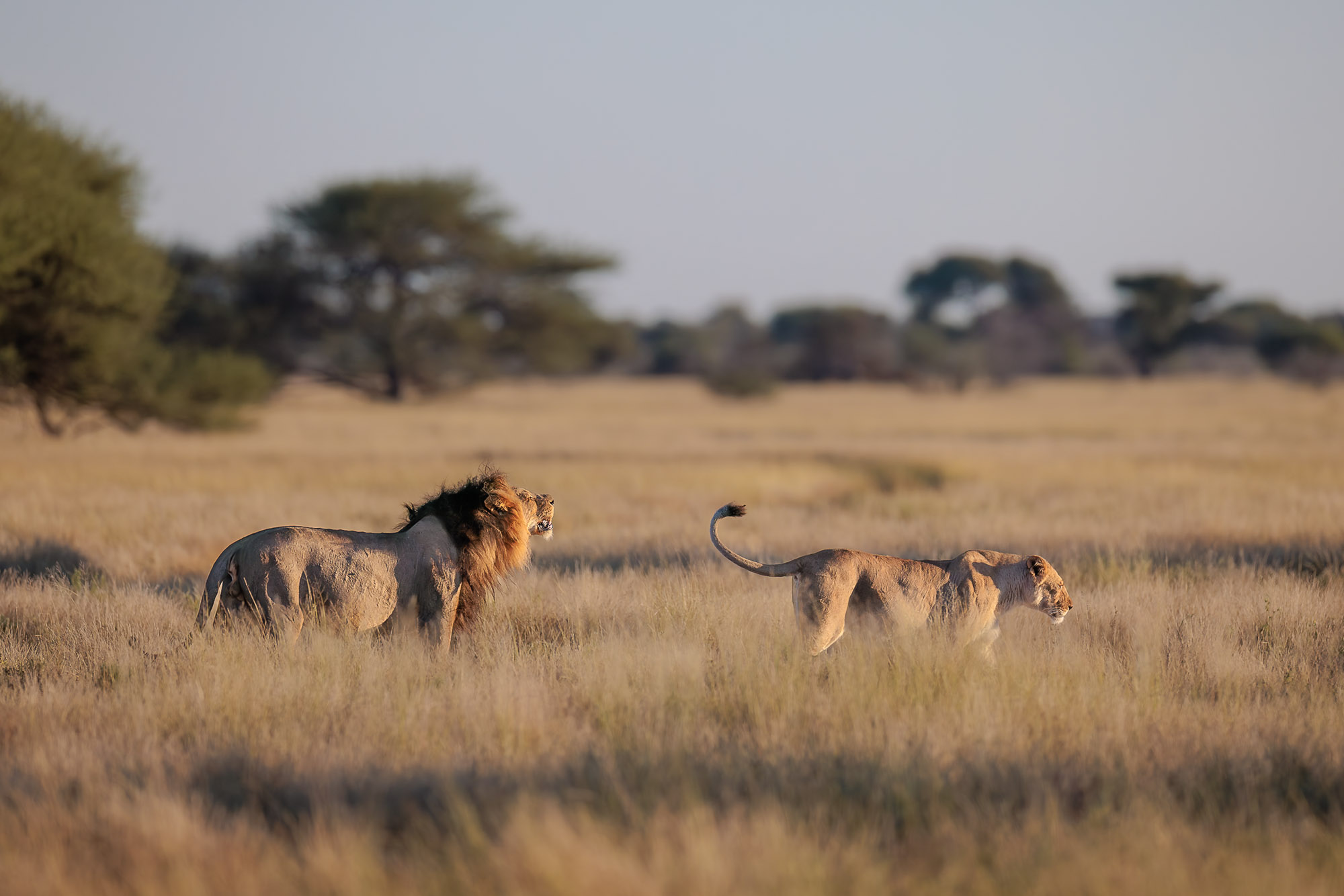
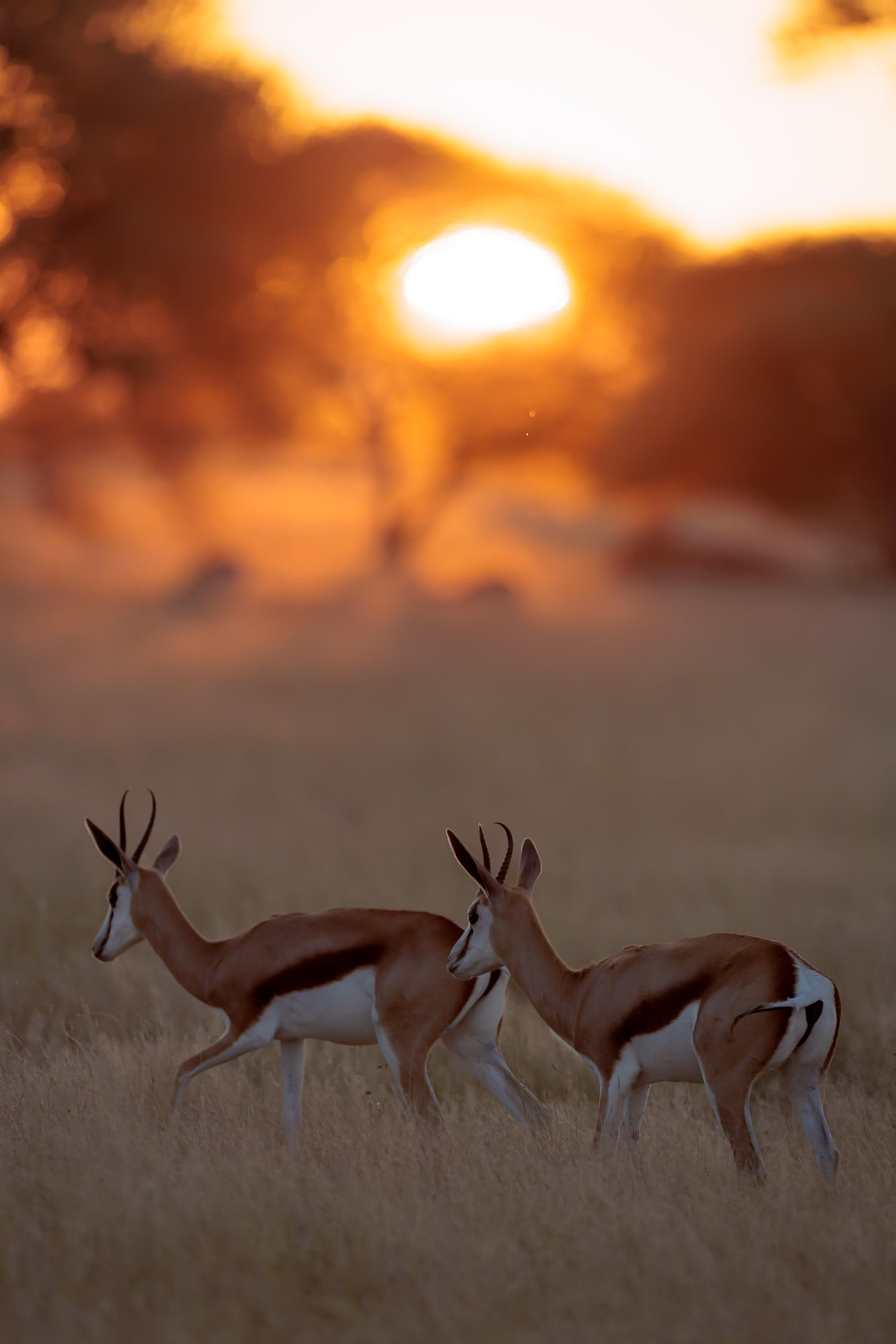
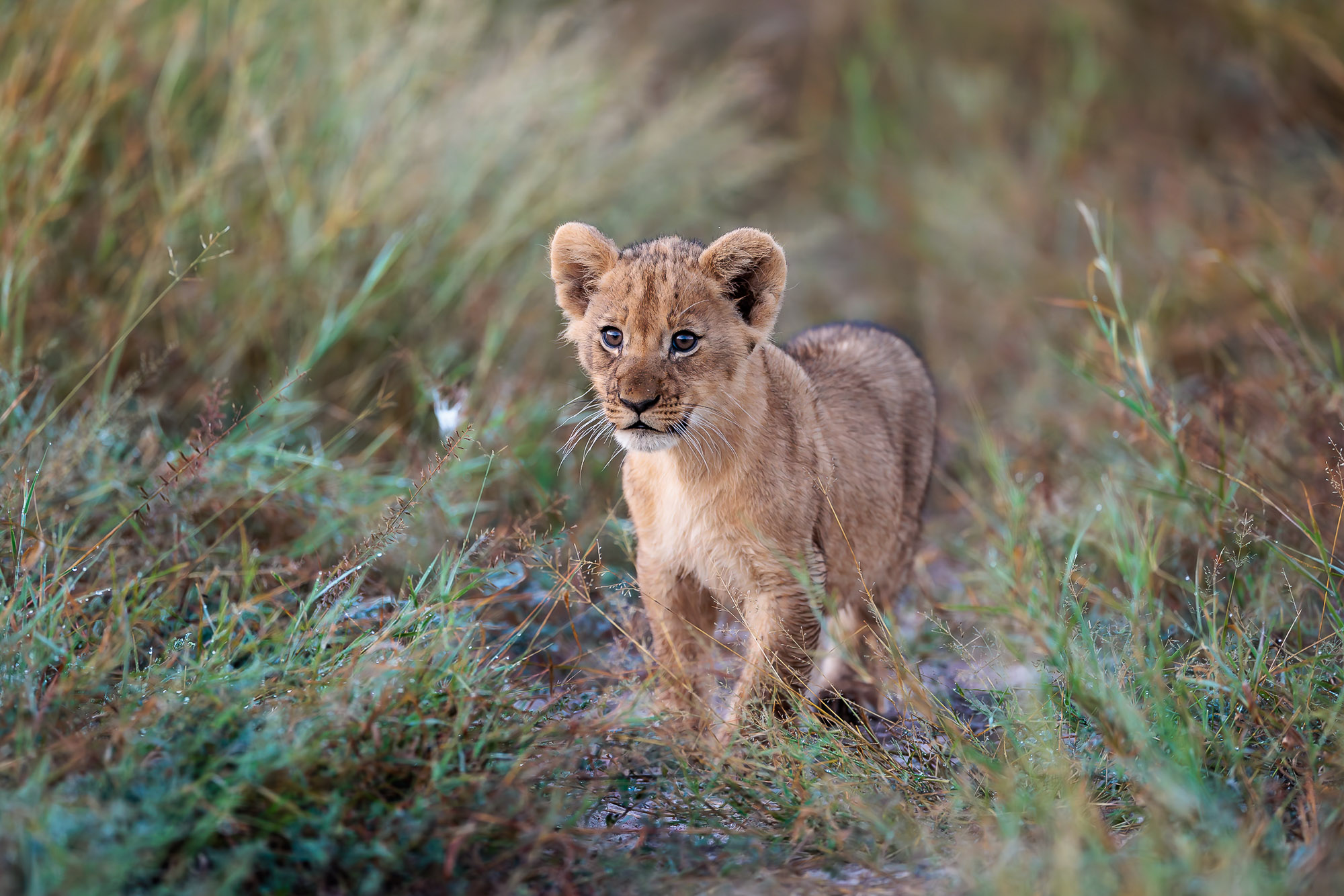
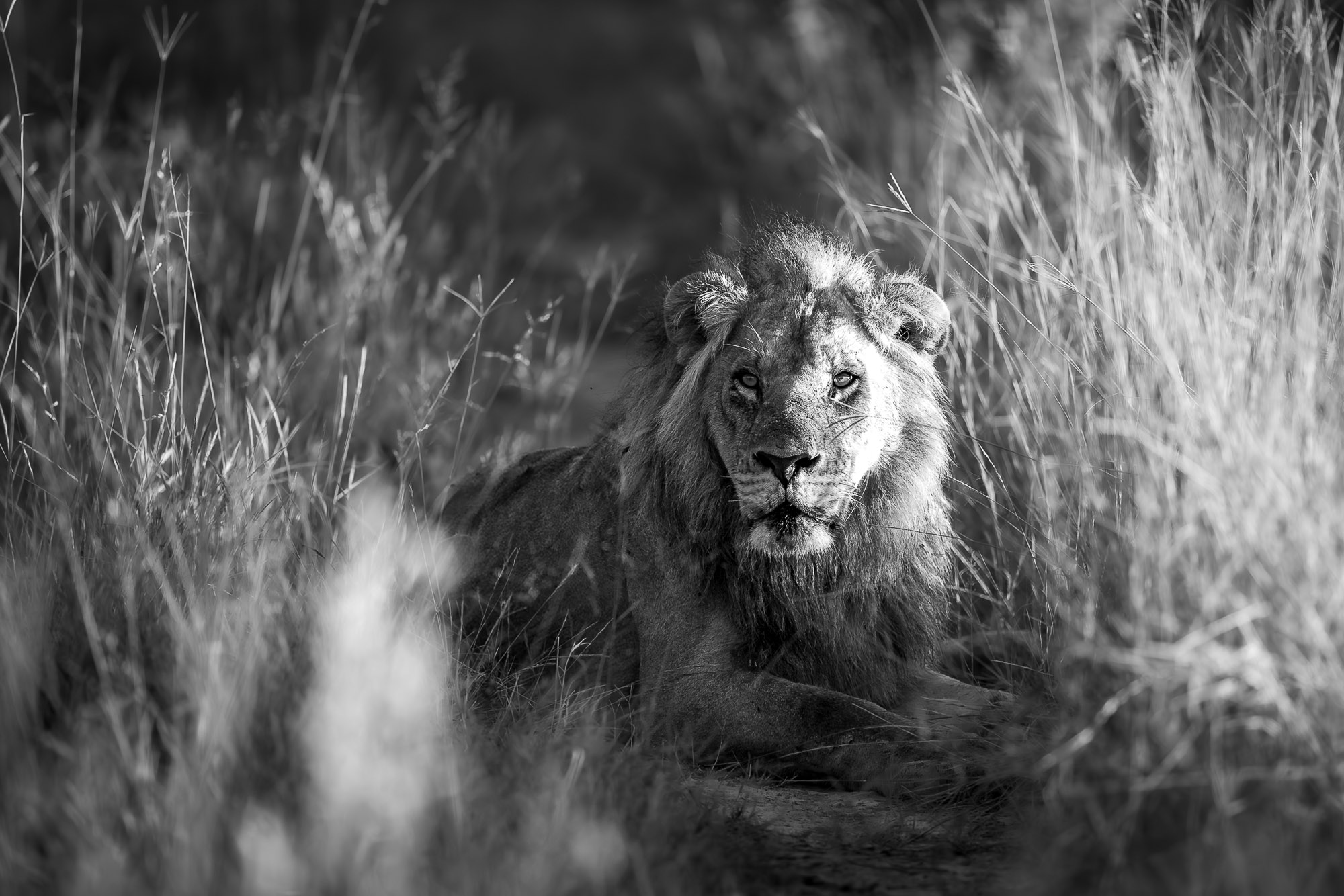
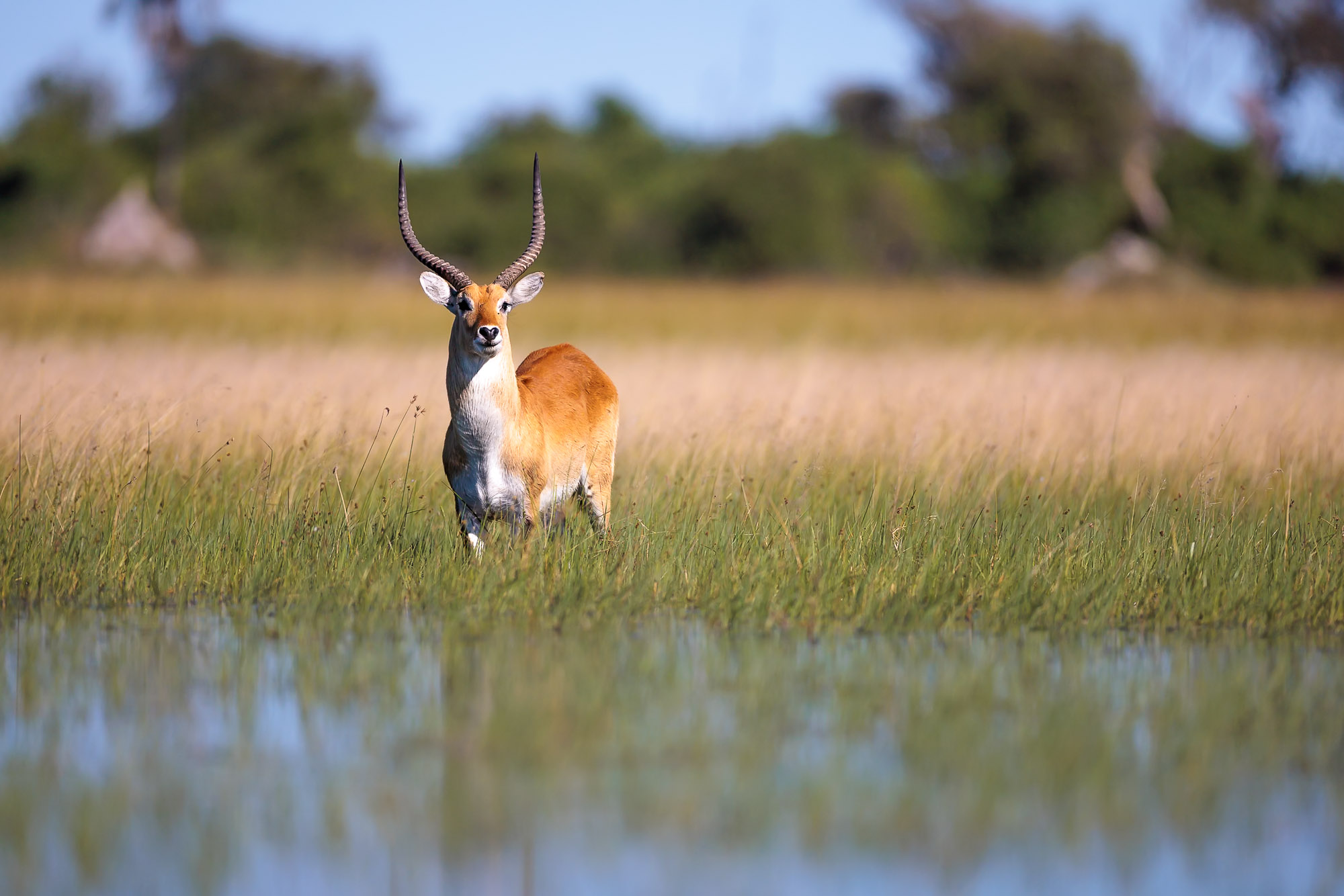
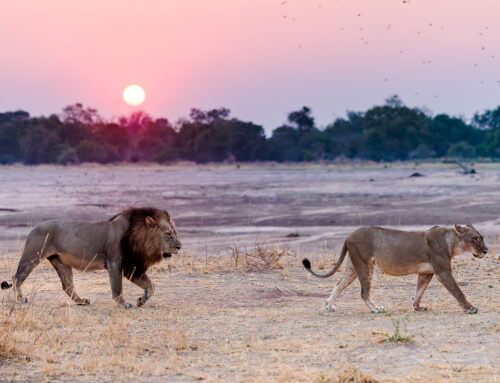
The excellent rains of the 2025/6 rainy season left the desert with long grass, rich colours and lots of wildlife. Whereas many areas see a concentration of game as the land dries, the desert’s inhabitants thin out as the dry season bites, either spreading across the desert in small numbers or moving away to ore fertile areas. So in every pan we visited, there were hundreds of springbok, large herds of gemsbok, flocks of seed-eating birds and associated raptors, giraffes, bustards and lions. We were fortunate that our visit coincided with the emergence of a female with 3 small cubs, which we enjoyed almost every day we were there.
Having seen the area in Sep and Dec 2024, when it was dry and harsh, it was wonderful to see the other end of the year with the life returning to the desert.
Pom Pom, Okavango Delta
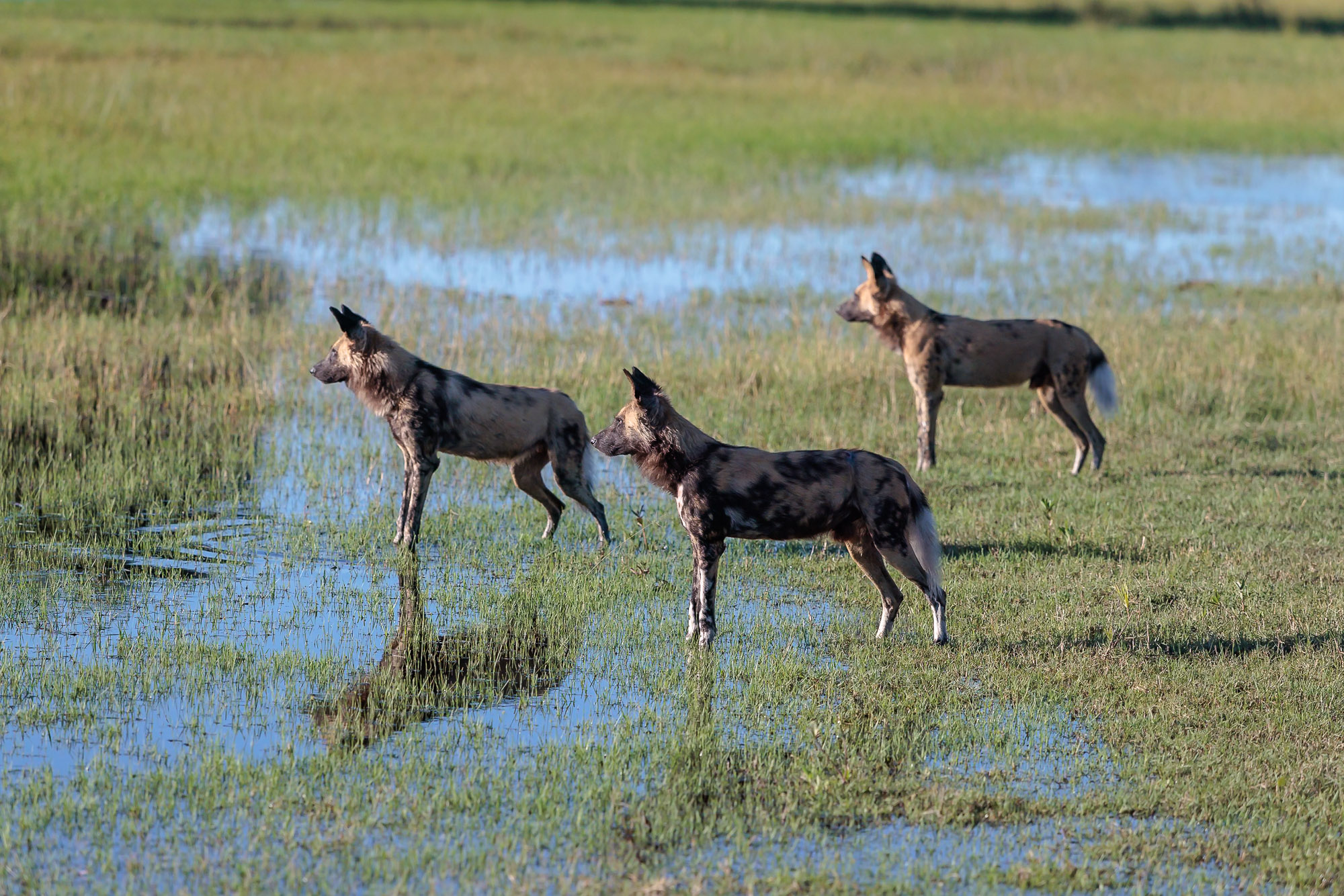
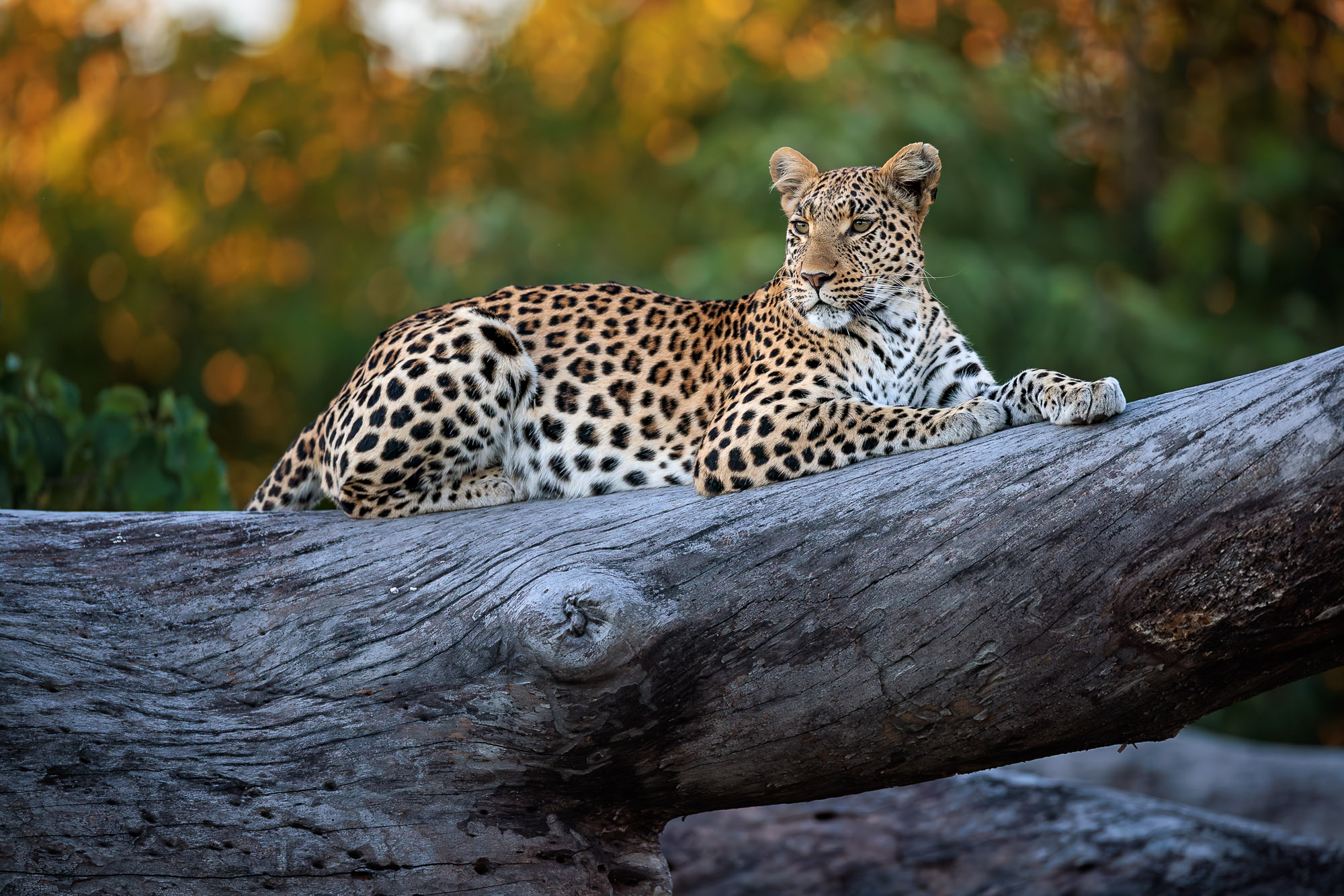
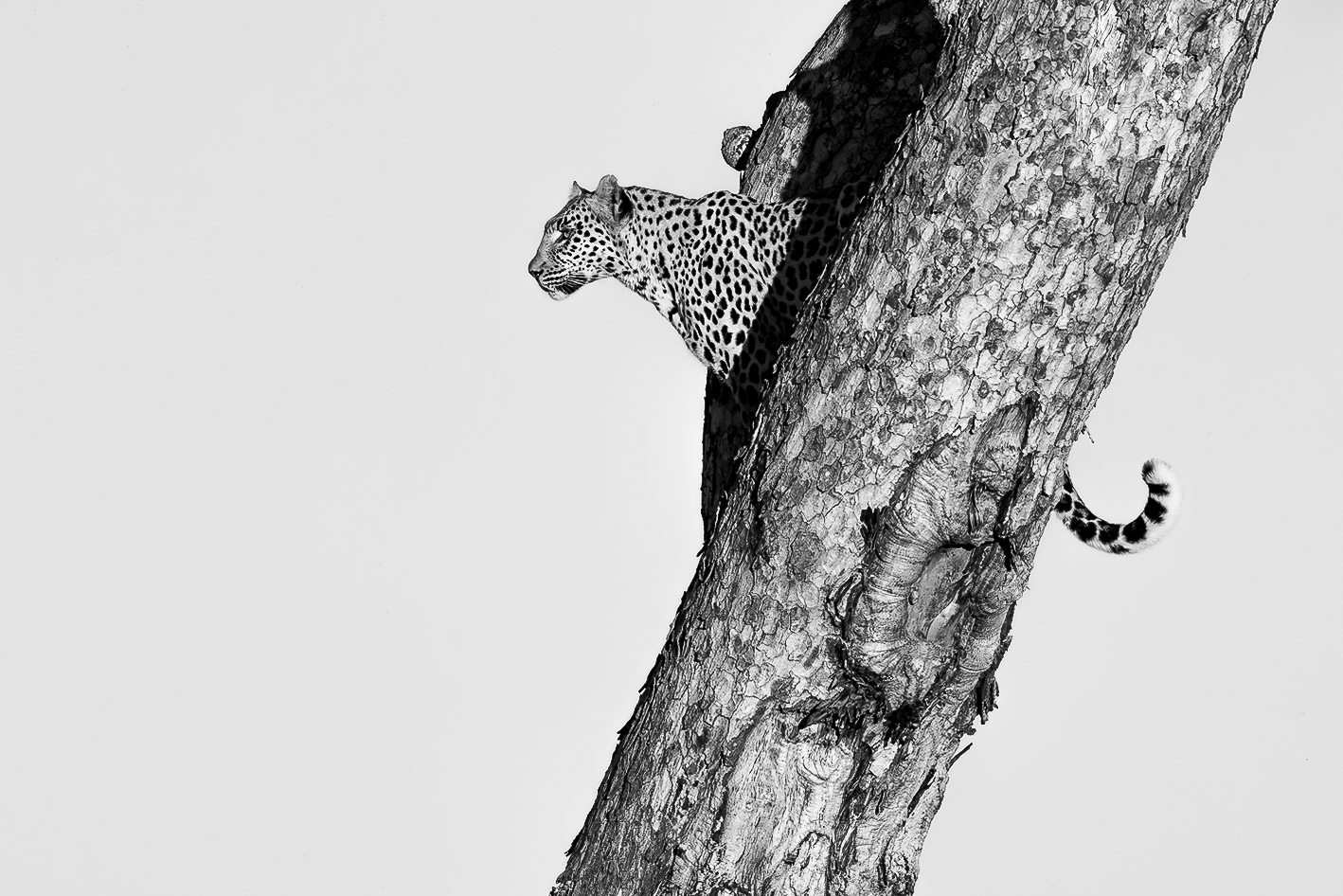
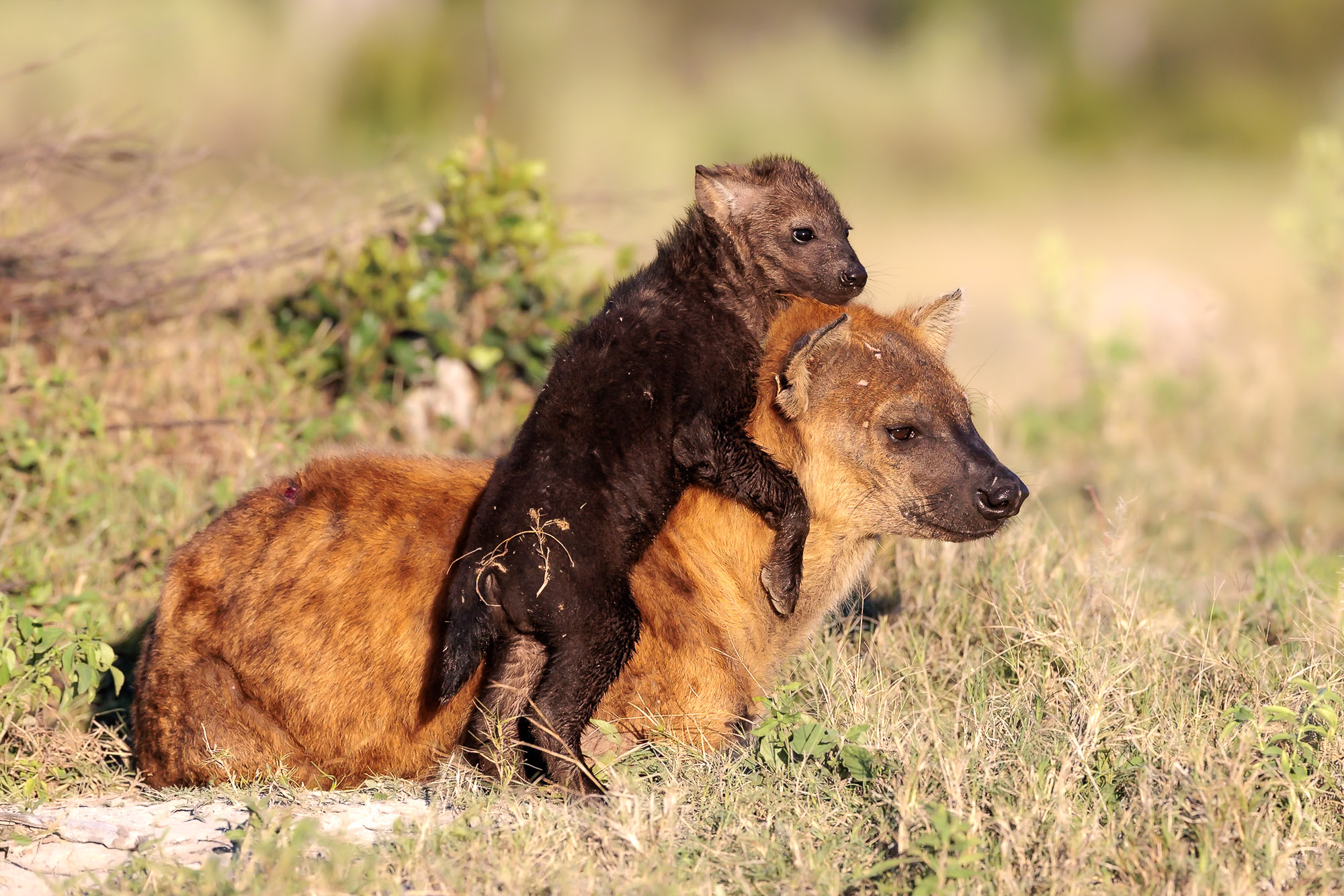
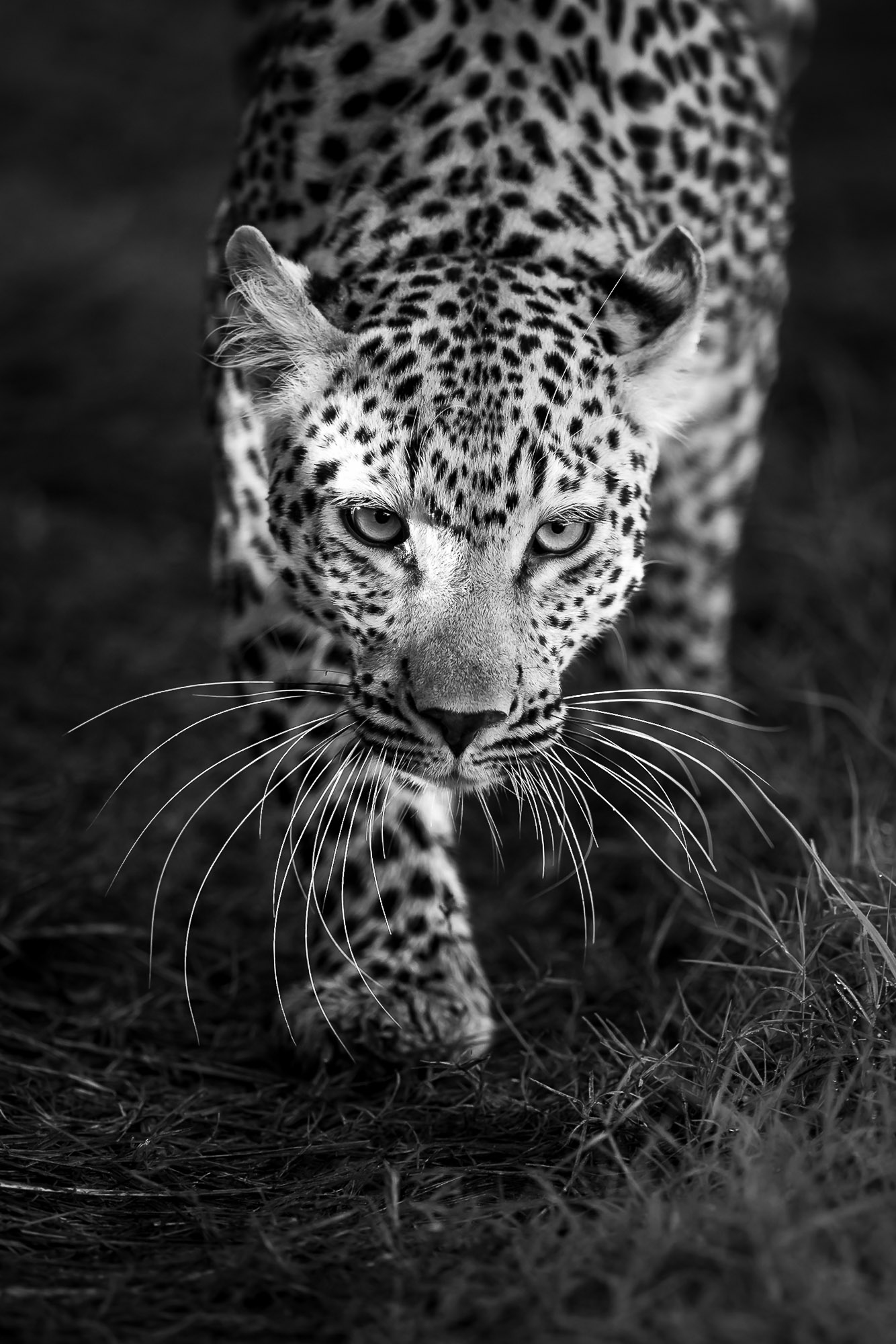
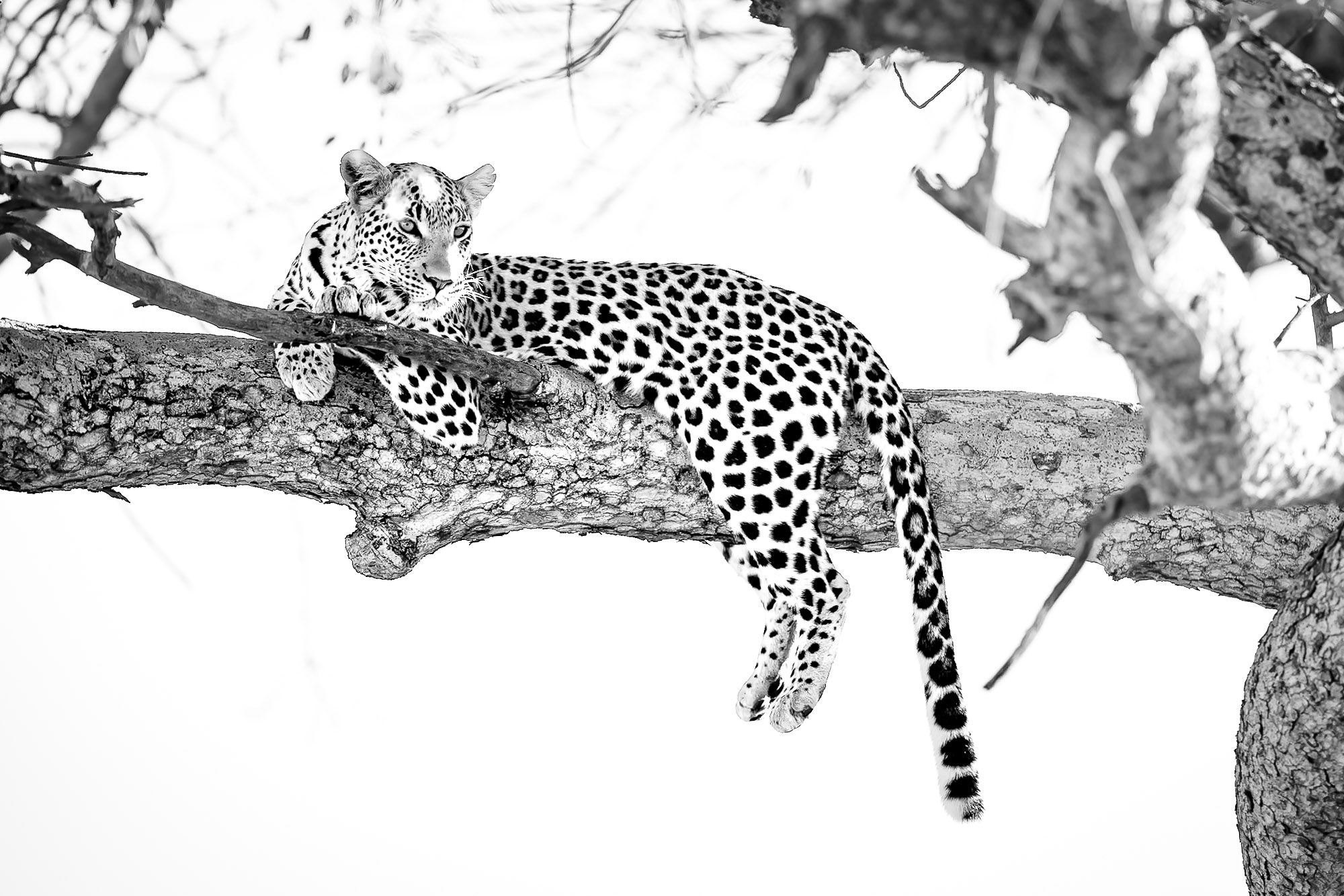
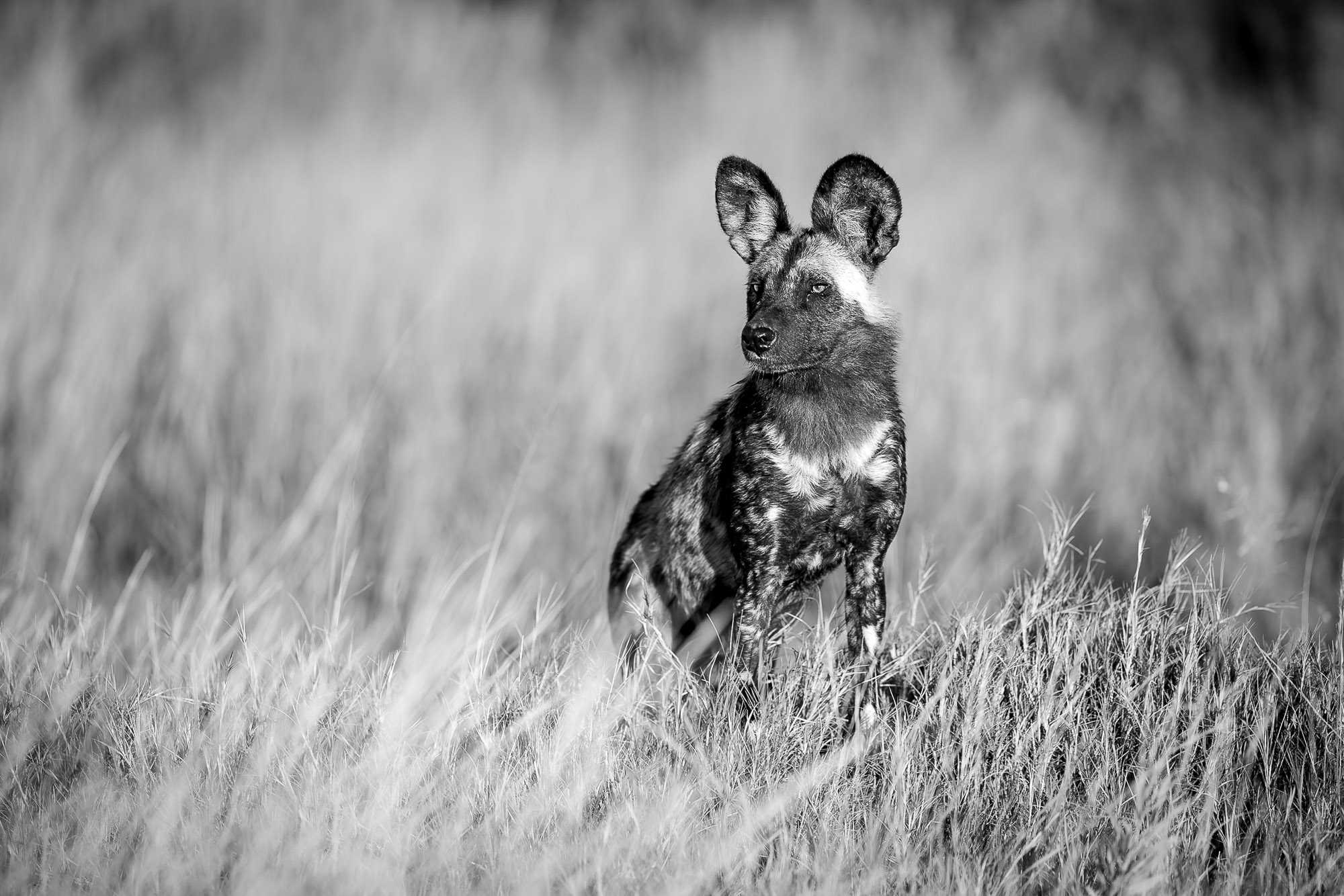
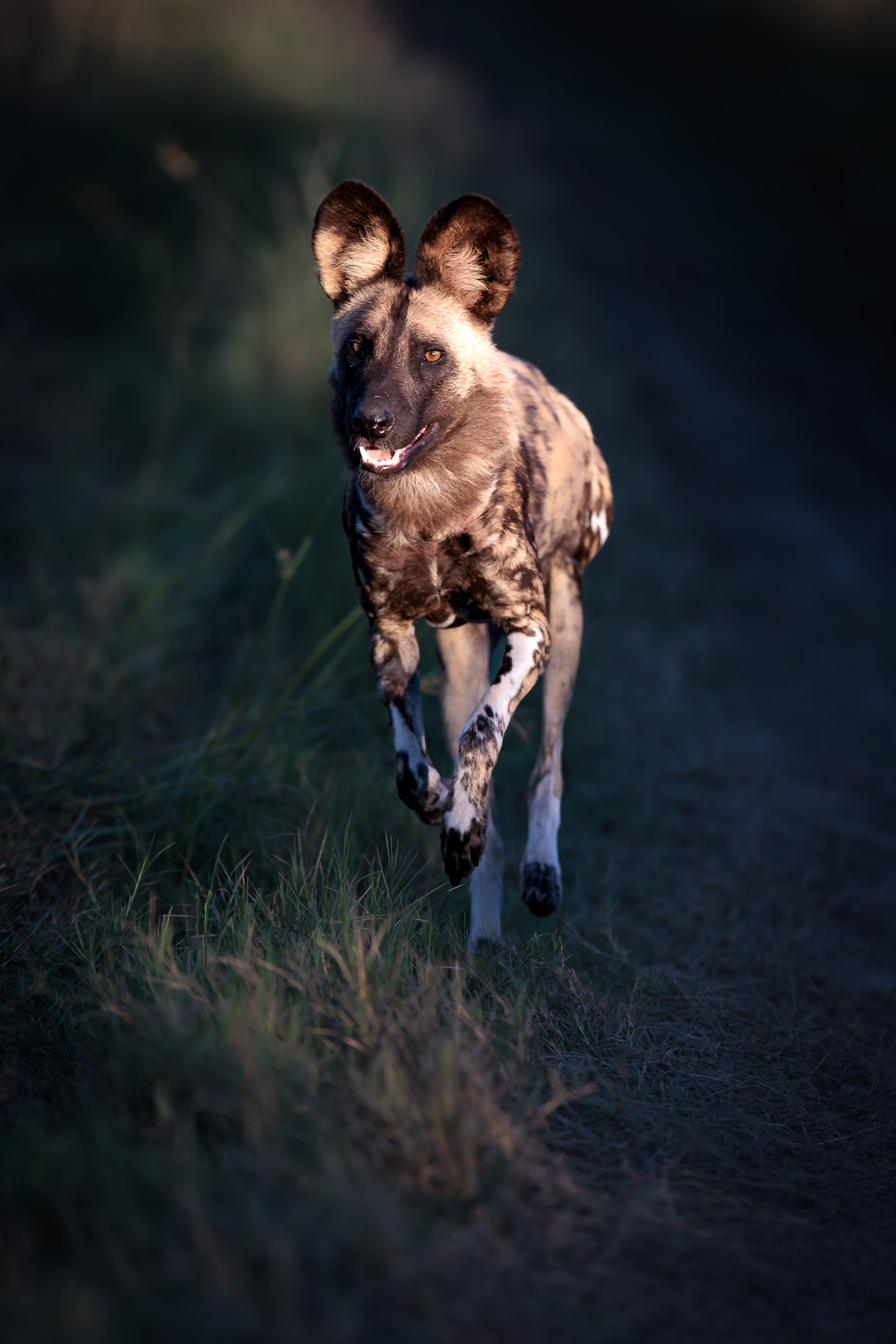
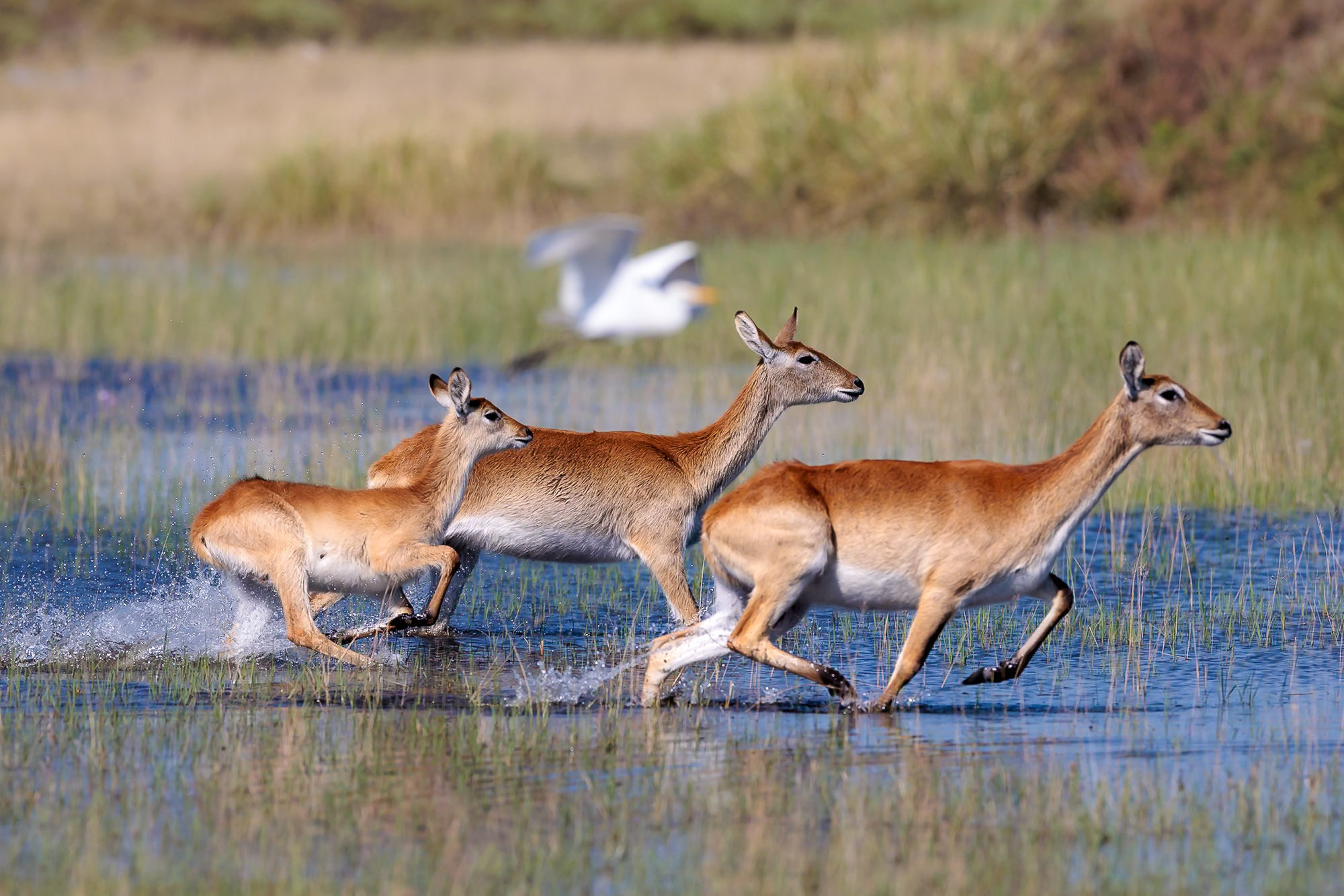
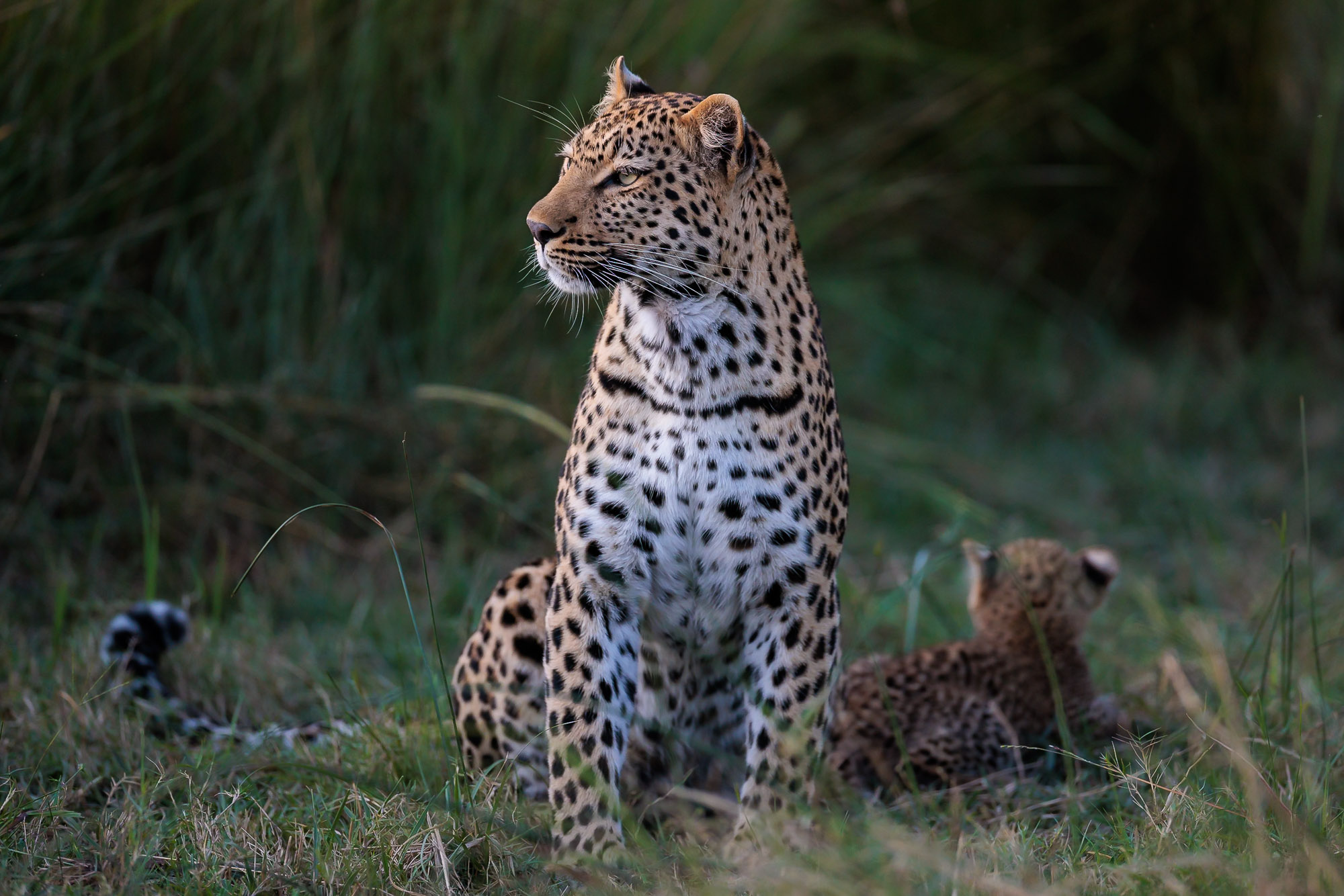
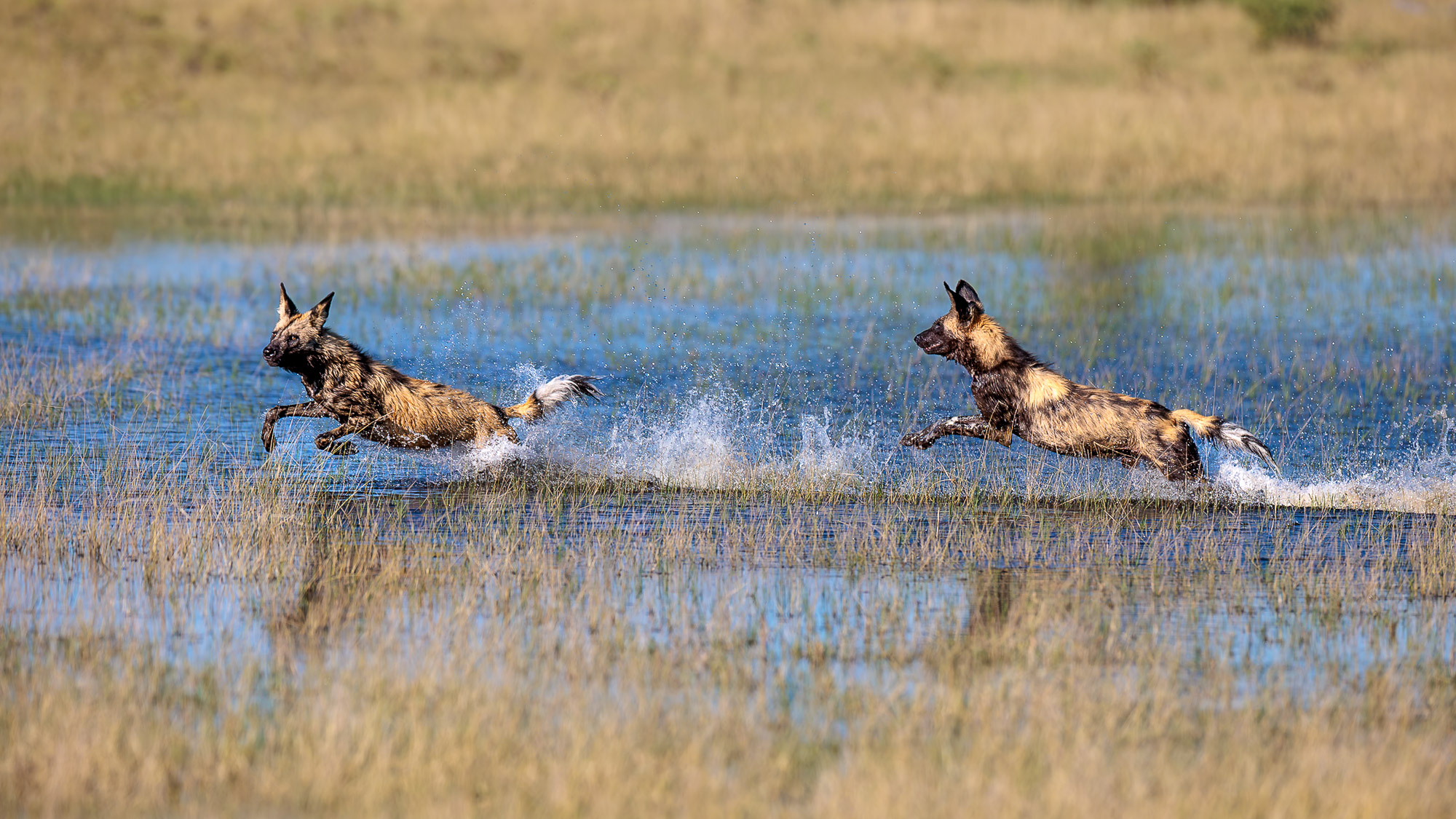
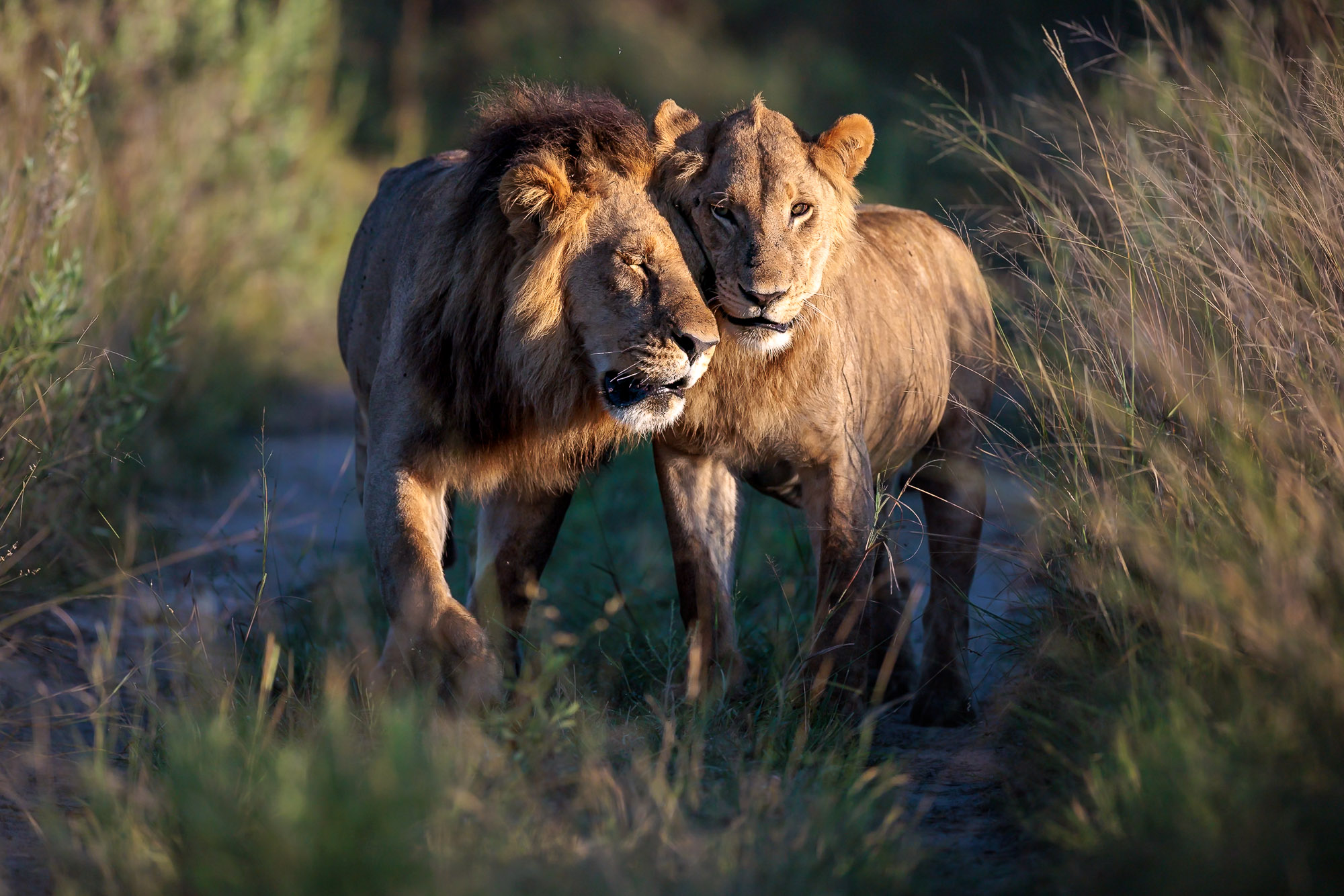
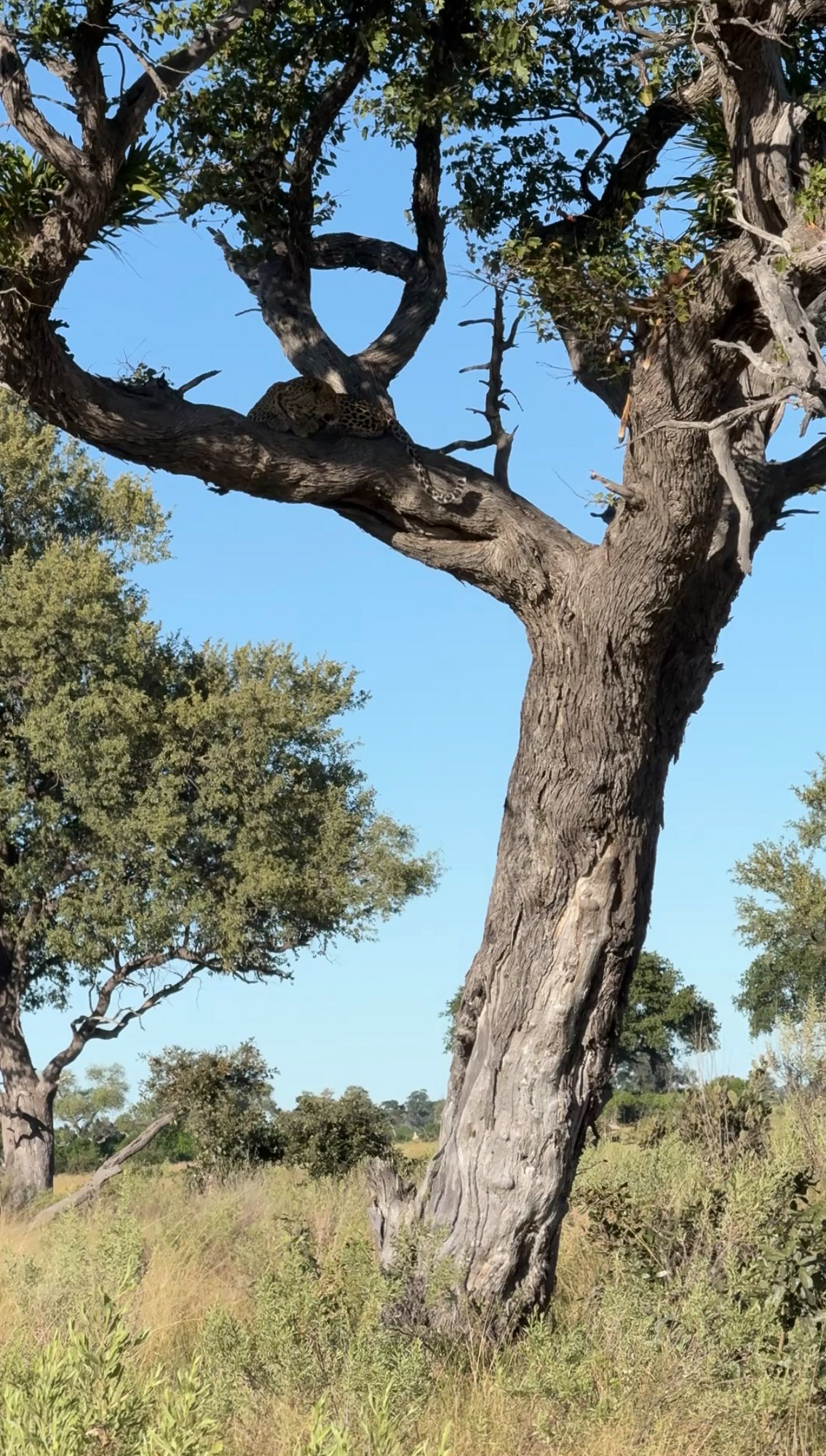
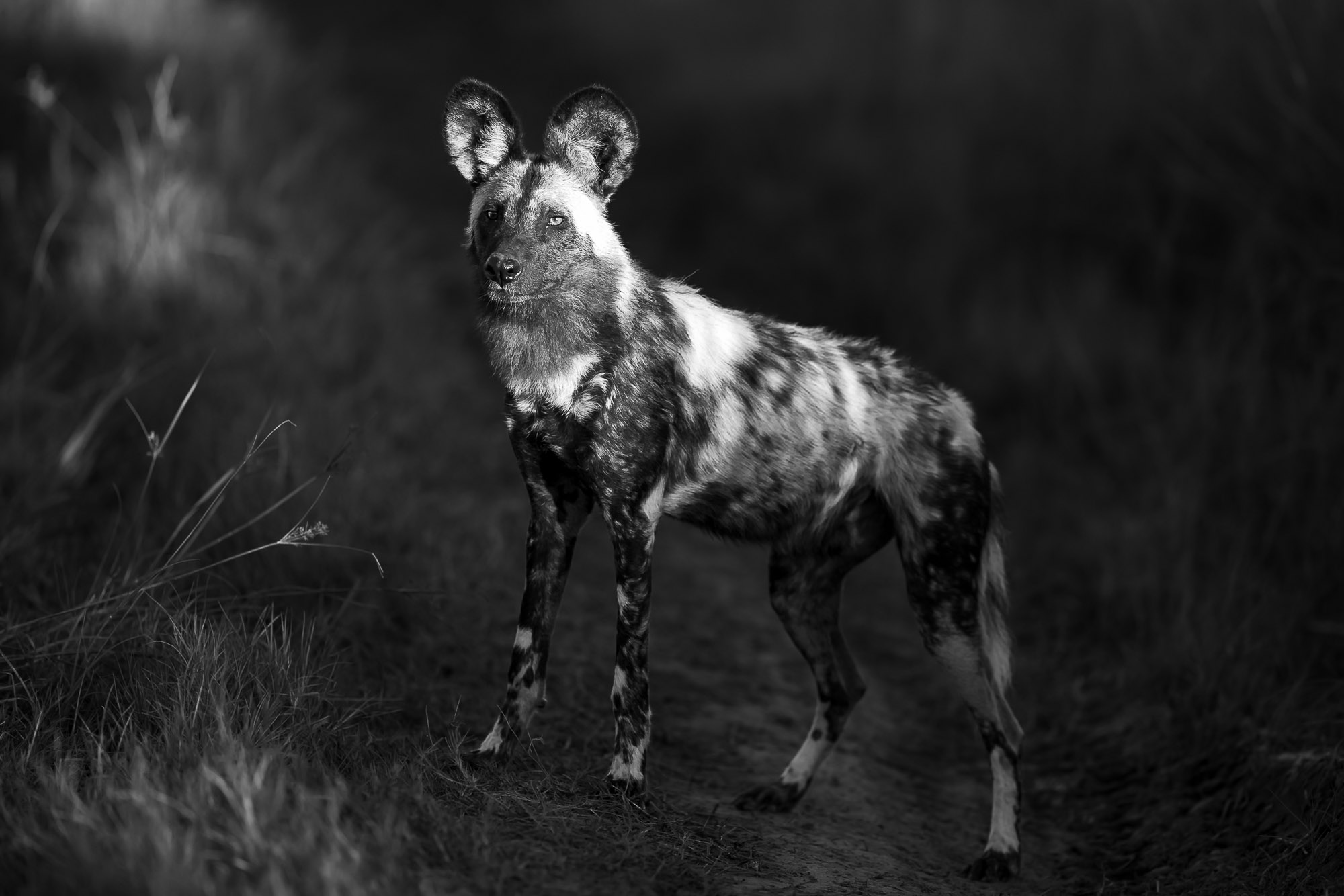
I had been to Pom Pom once before and had a wonderful time, so I had high hopes for this repeat visit. Indeed it’s known as one of the best areas for predator action in the Delta system. It proved to be the case with 4 of the 5 big predators showing up for us in the 4 days we were there. And in some style too. We had leopards in trees, with dramatic ascents and descents; we had lions feeding on a buffalo and then patrolling down the road towards us; we enjoyed spotted hyaenas at the den with cubs; and the wild dogs were seen almost daily, chasing, socialising and playing in the water.
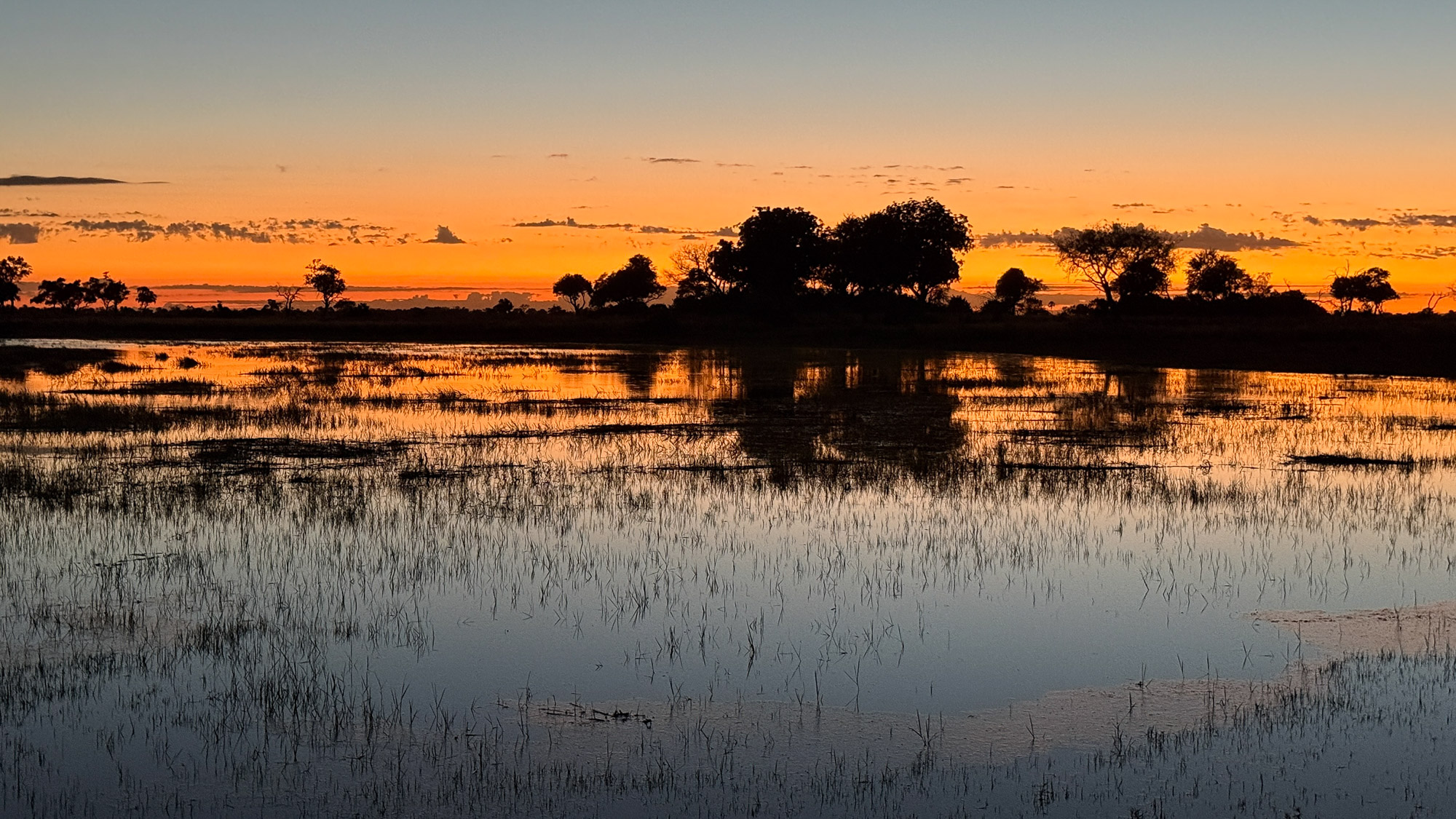
The massive flood that will envelope the Delta this year was already arriving and the water levels were rising fast. We were not able to access many of the areas that I had explored the previous year but in fact, the flood appeared to concentrate the wildlife on the remaining islands. The light was, once again, remarkable, and we managed to make use of it first thing each morning and at the end of the day.
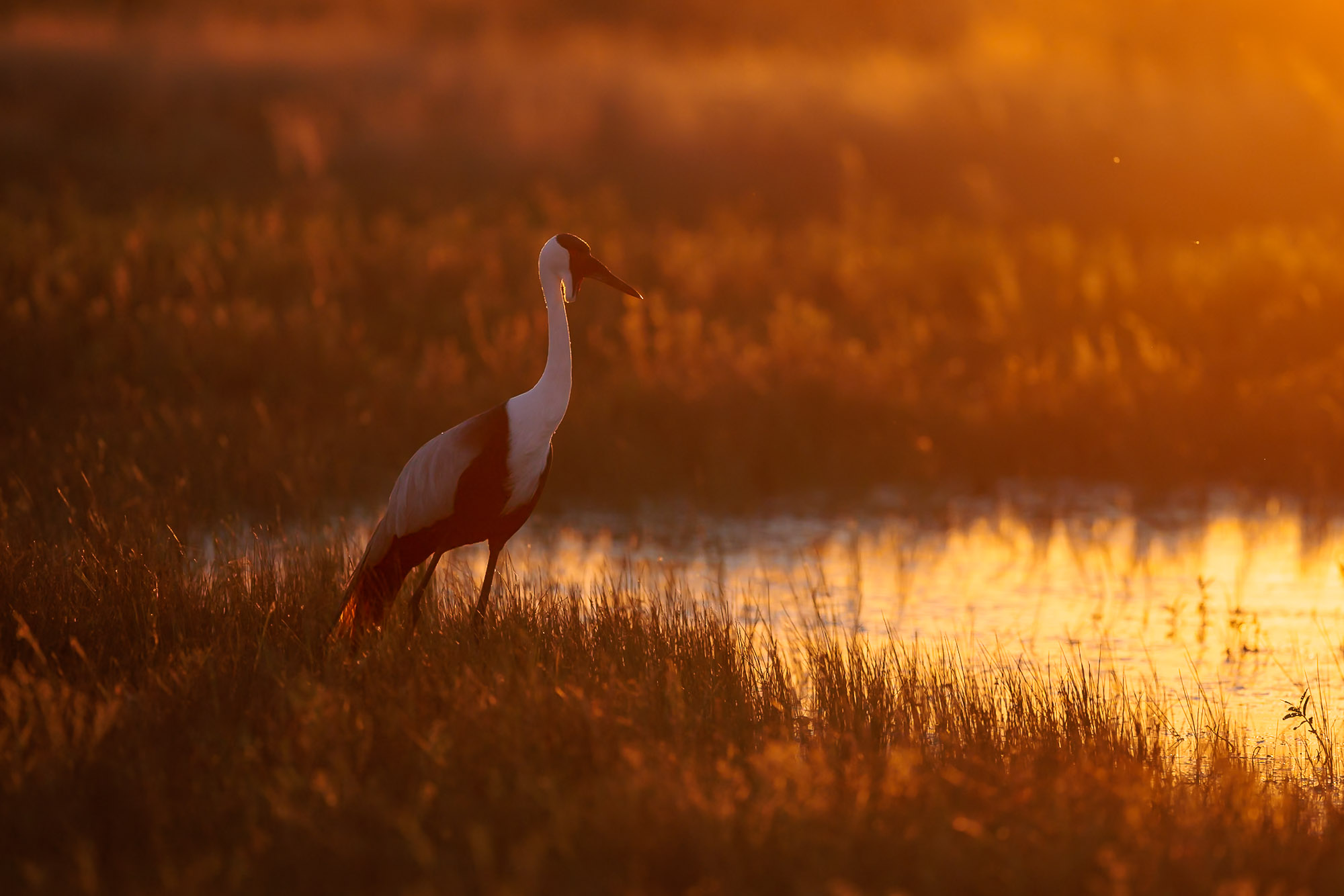
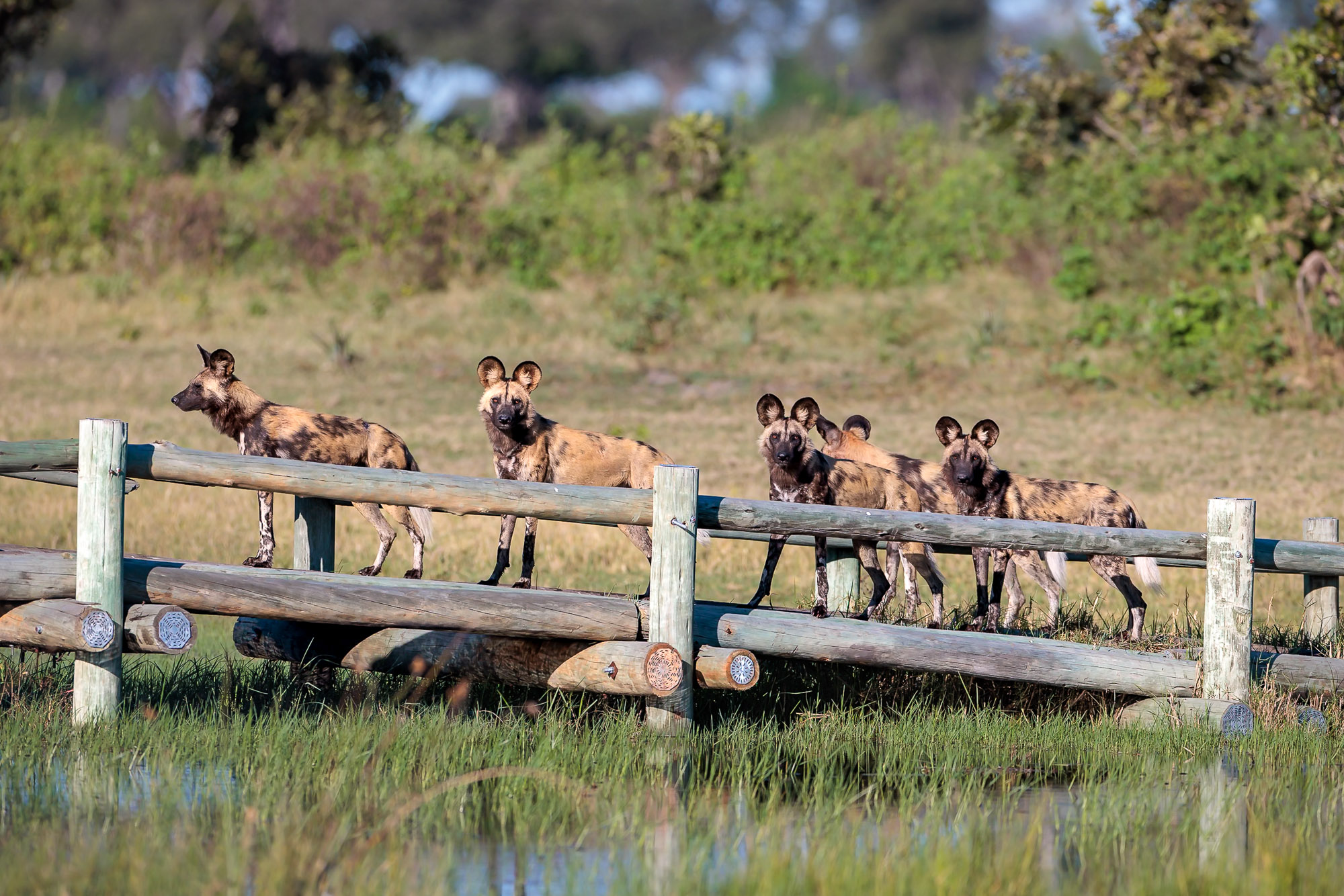
My most memorable experience from these four days was watching a pack of wild dogs trying to decide if they preferred to rush through a channel (with crocs in wait) or cross a wooden bridge (which is alien to them and risks dogs falling through the gaps and damaging themselves). It was a busy and rewarding few days and the images below show the rich diversity of sightings we enjoyed.
Splash Camp, Kwara
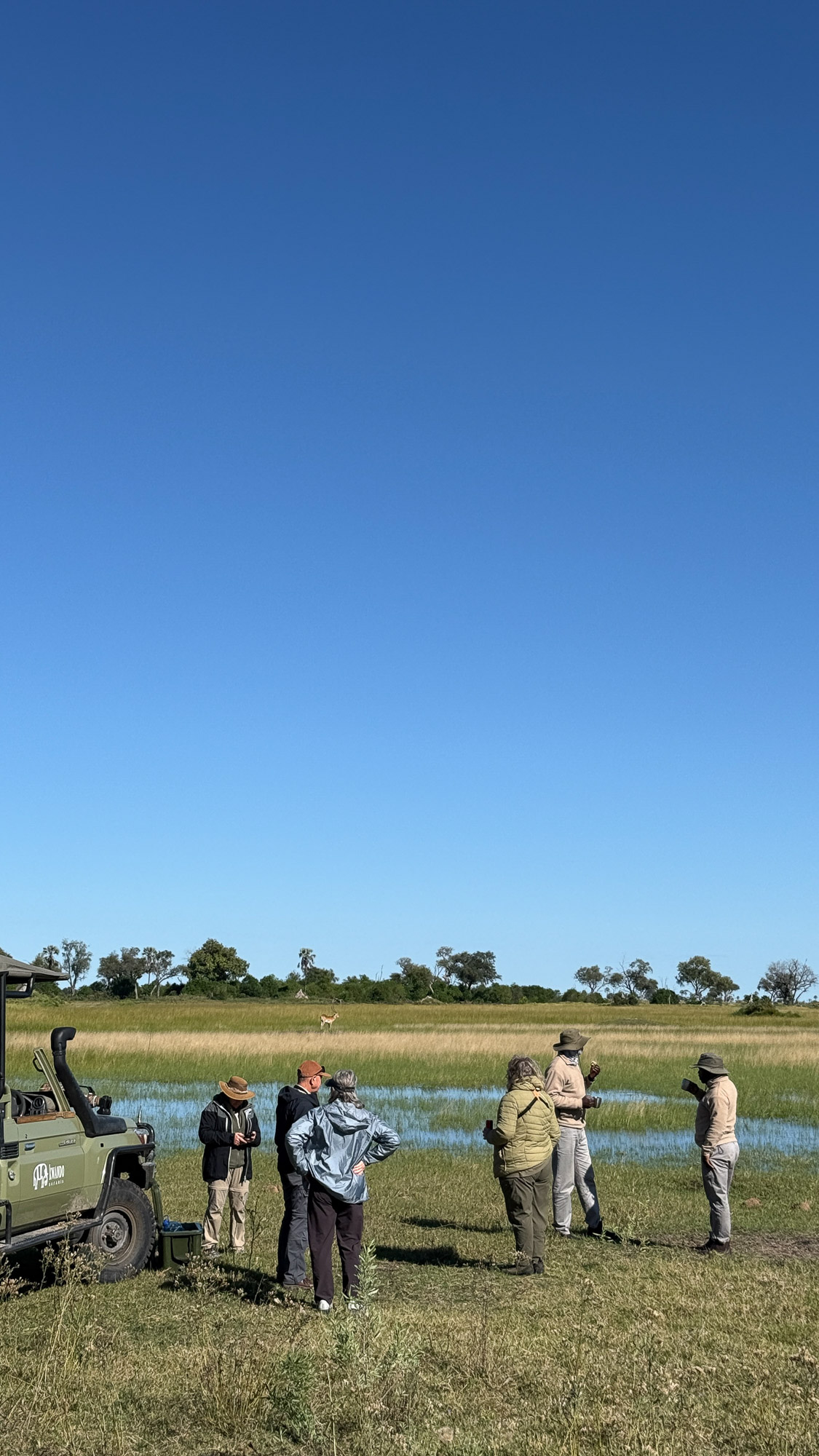
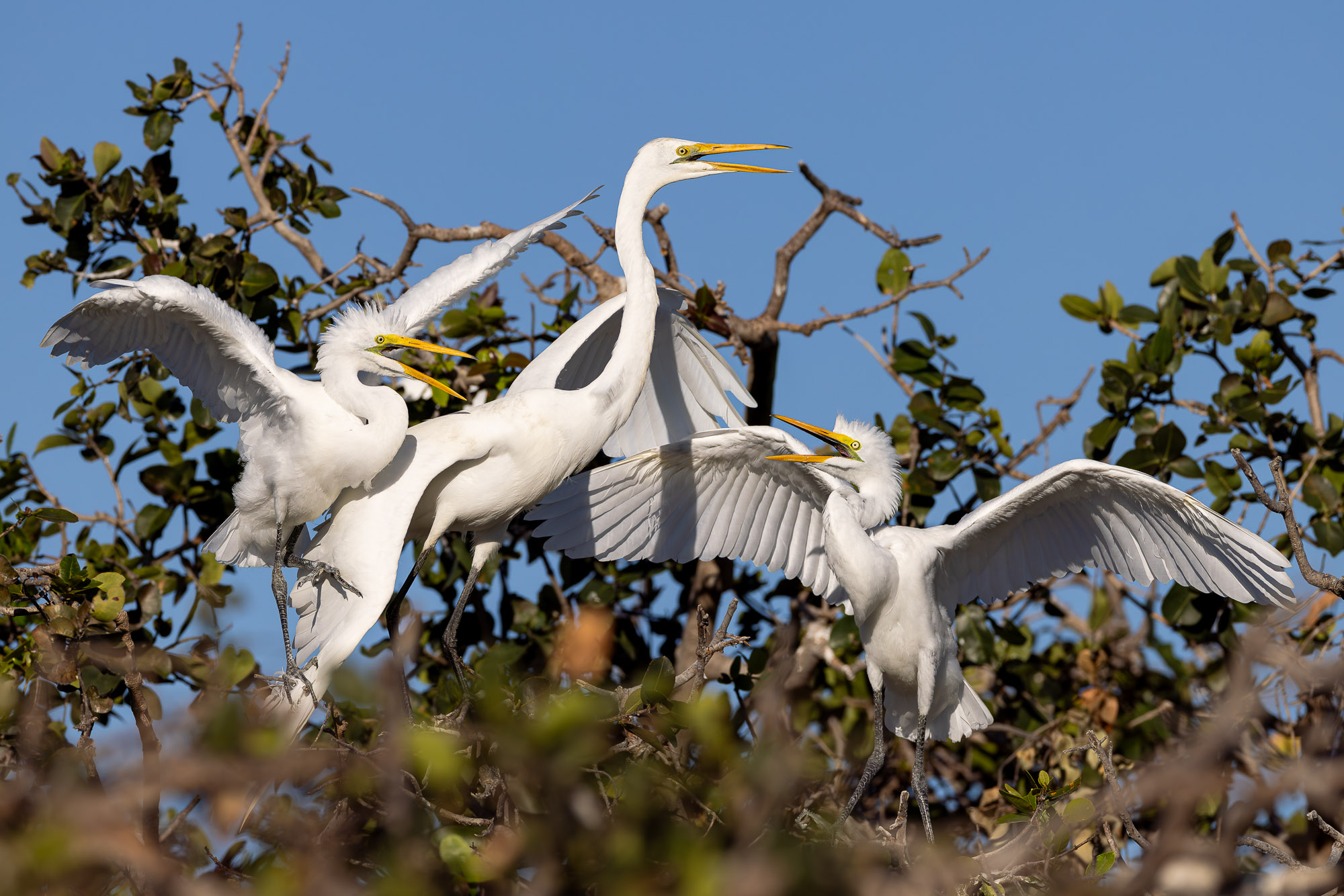
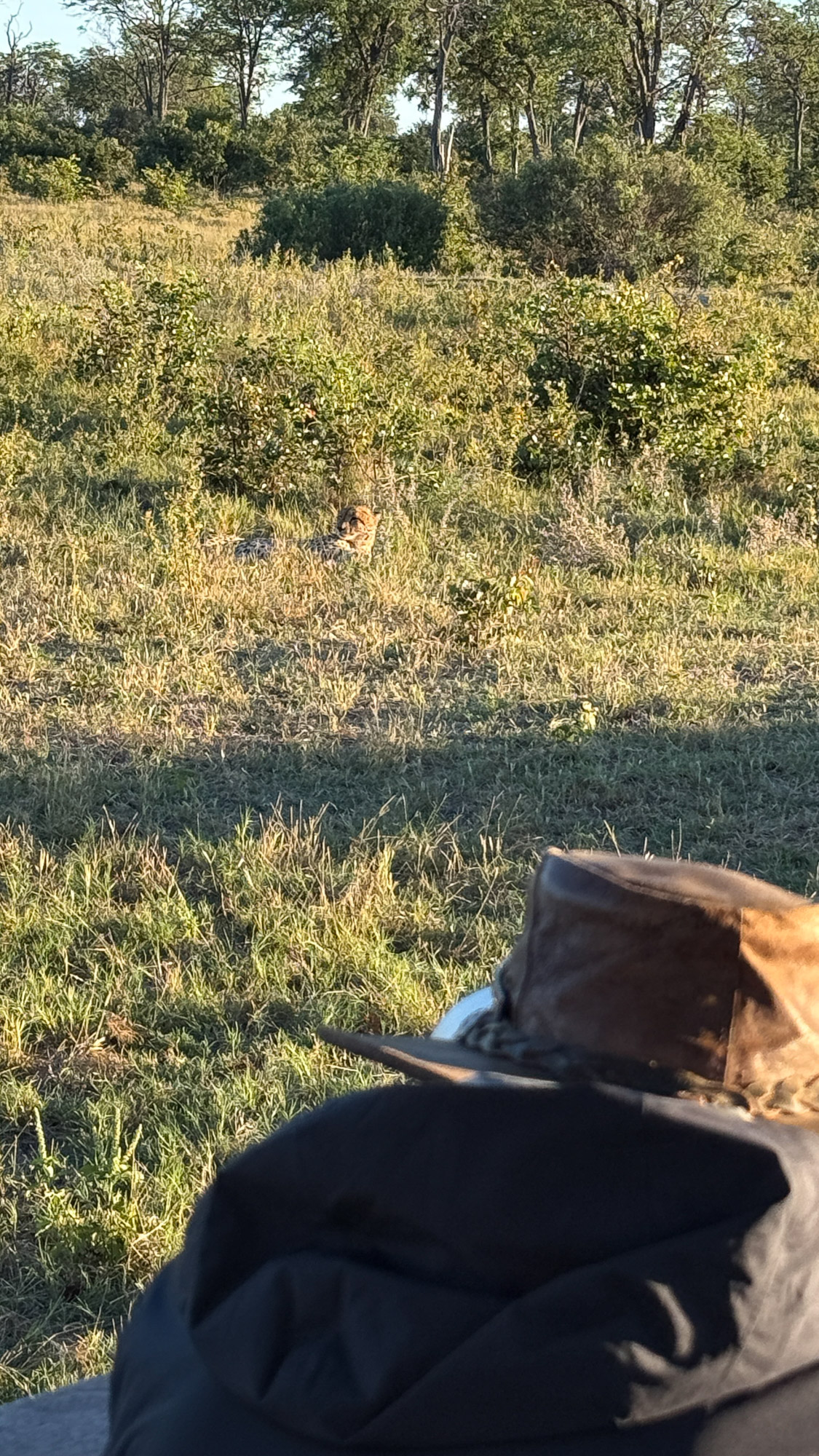
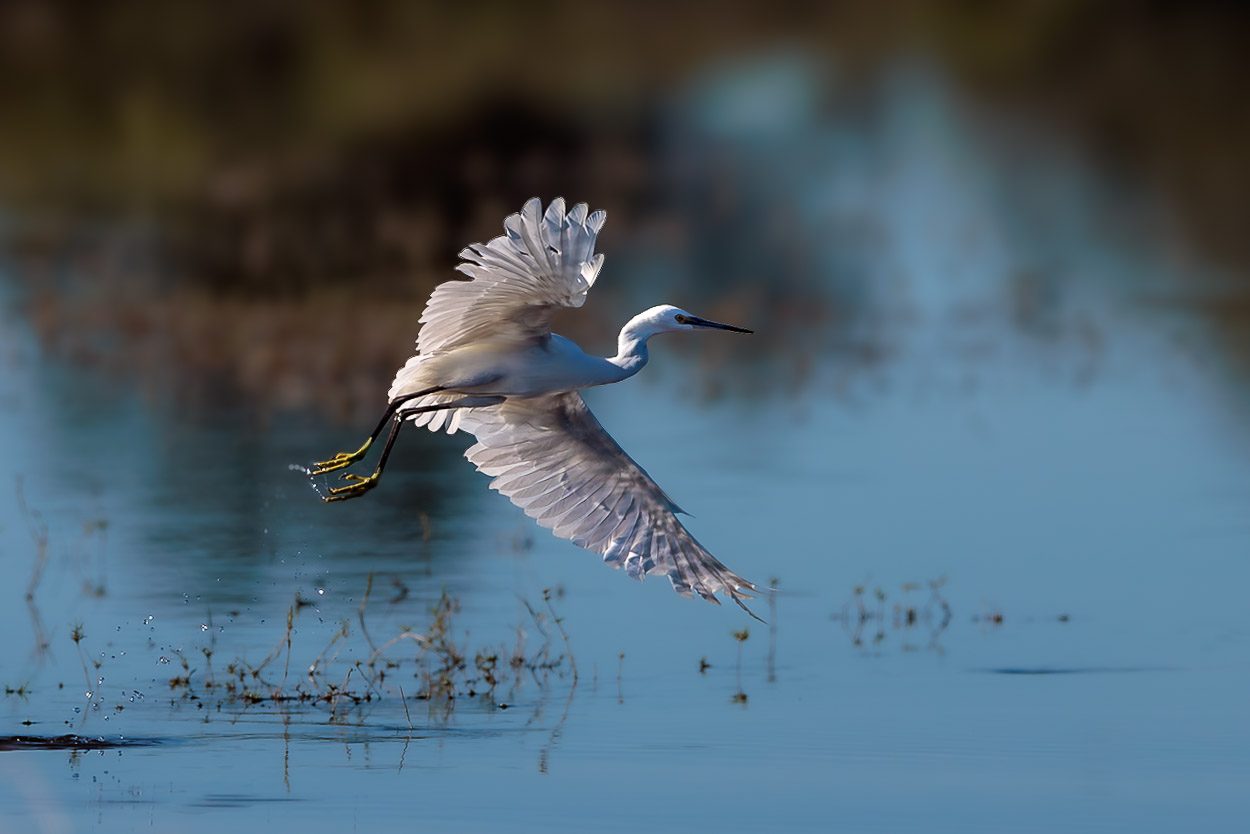
Kwara is vast. When we flew in, we above the concession for 20 minutes before we reached the landing strip. There is lots of wildlife here, but it’s spaced more widely than in some of the smaller concessions which are inundated with water earlier. So we travelled a lot in these 4 days, covering ground and realising the different biomes and habitats of a large concession like this. During the trip, we watched the waters rising, went on a boat trip into Moremi Game Reserve, which proved to be very rewarding with time at an egret breeding colony, and enjoyed our first cheetah of the trip.
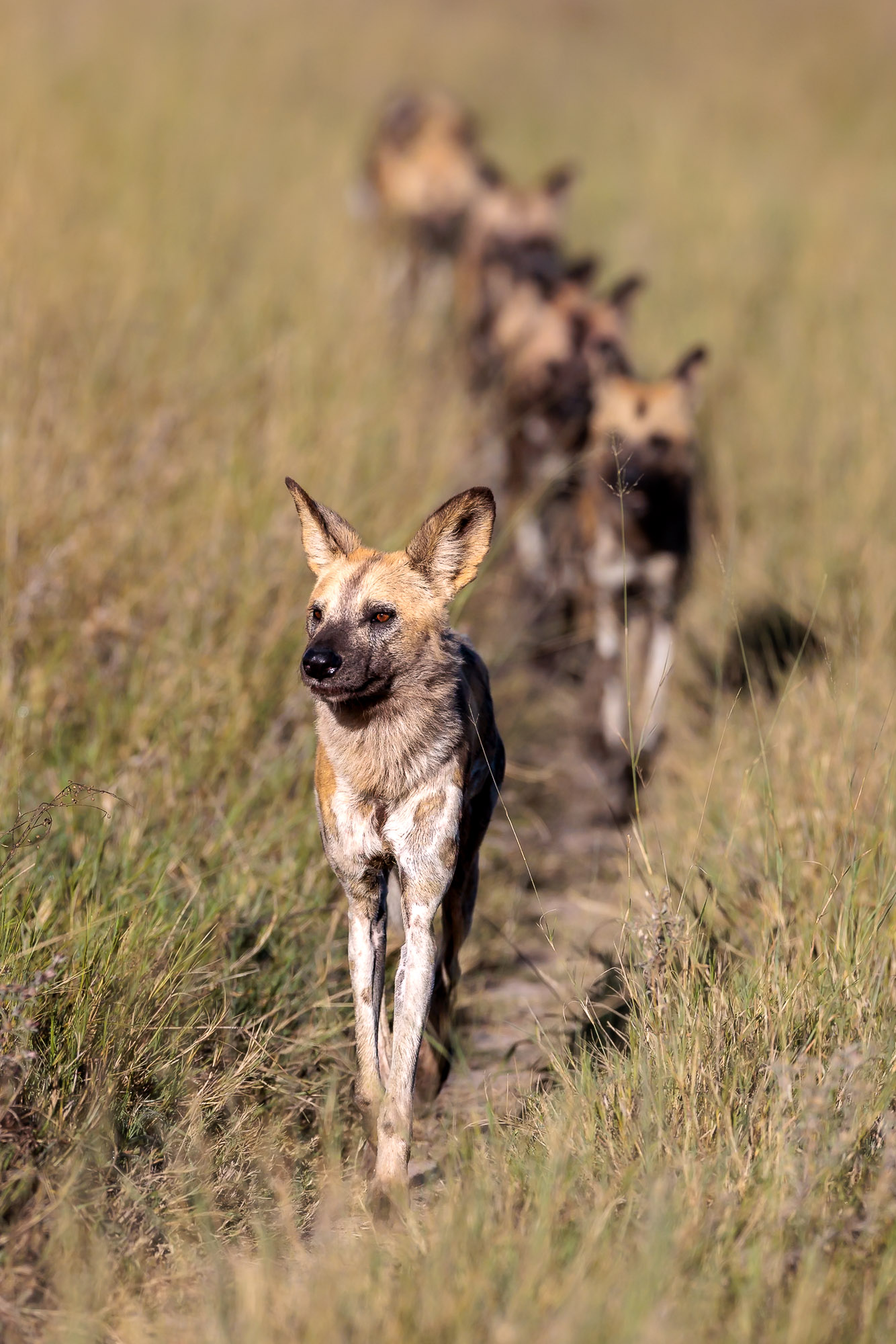
We also saw our second pack of wild dogs and followed them as they hunted. The pack includes two leucistic individuals who lack some of the melanin in normally-pigmented dogs, so appeared paler and more yellow. They didn’t manage to catch anything while we were following them, but we enjoyed their dynamics and the thrill of following a fast-paced hunt.
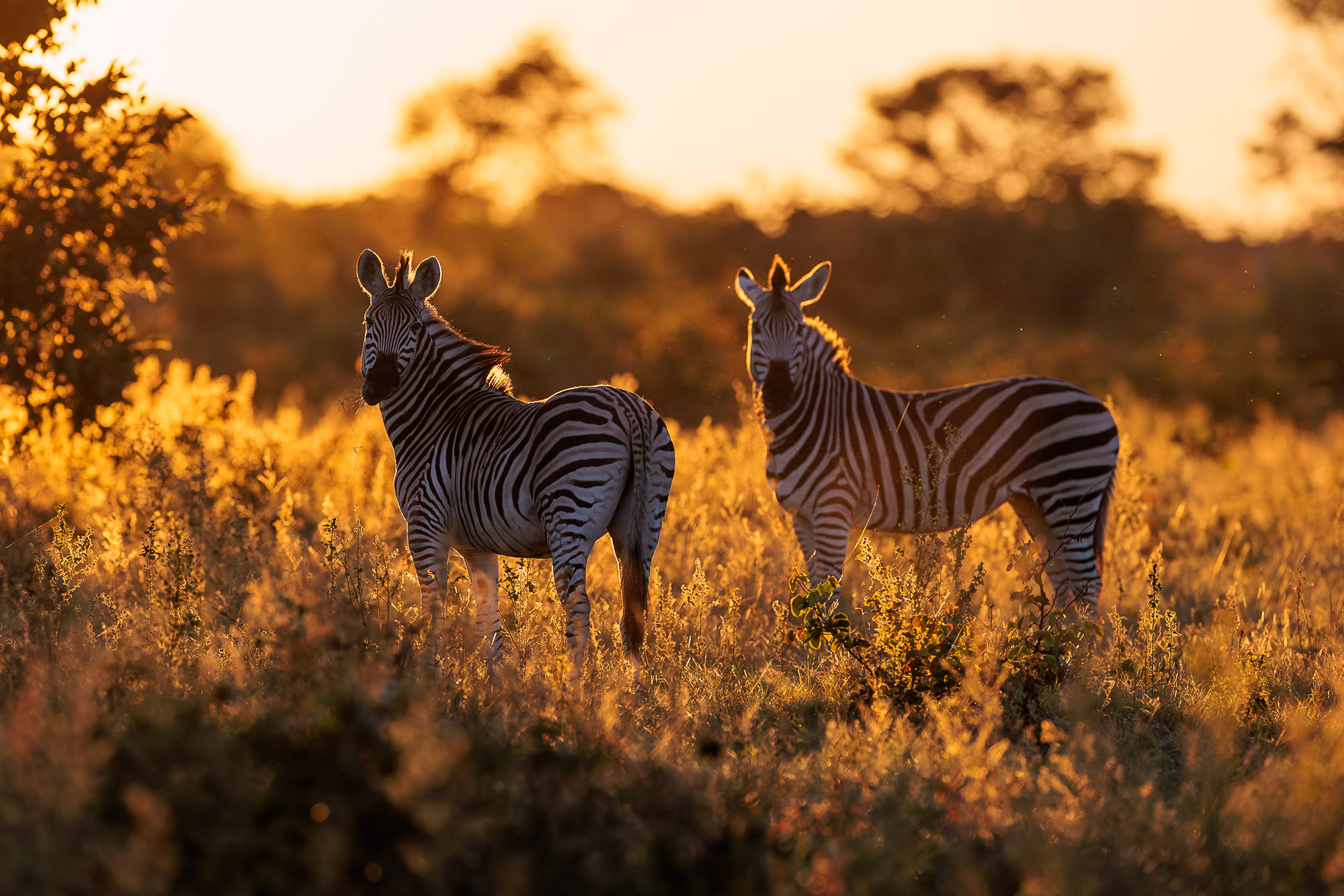
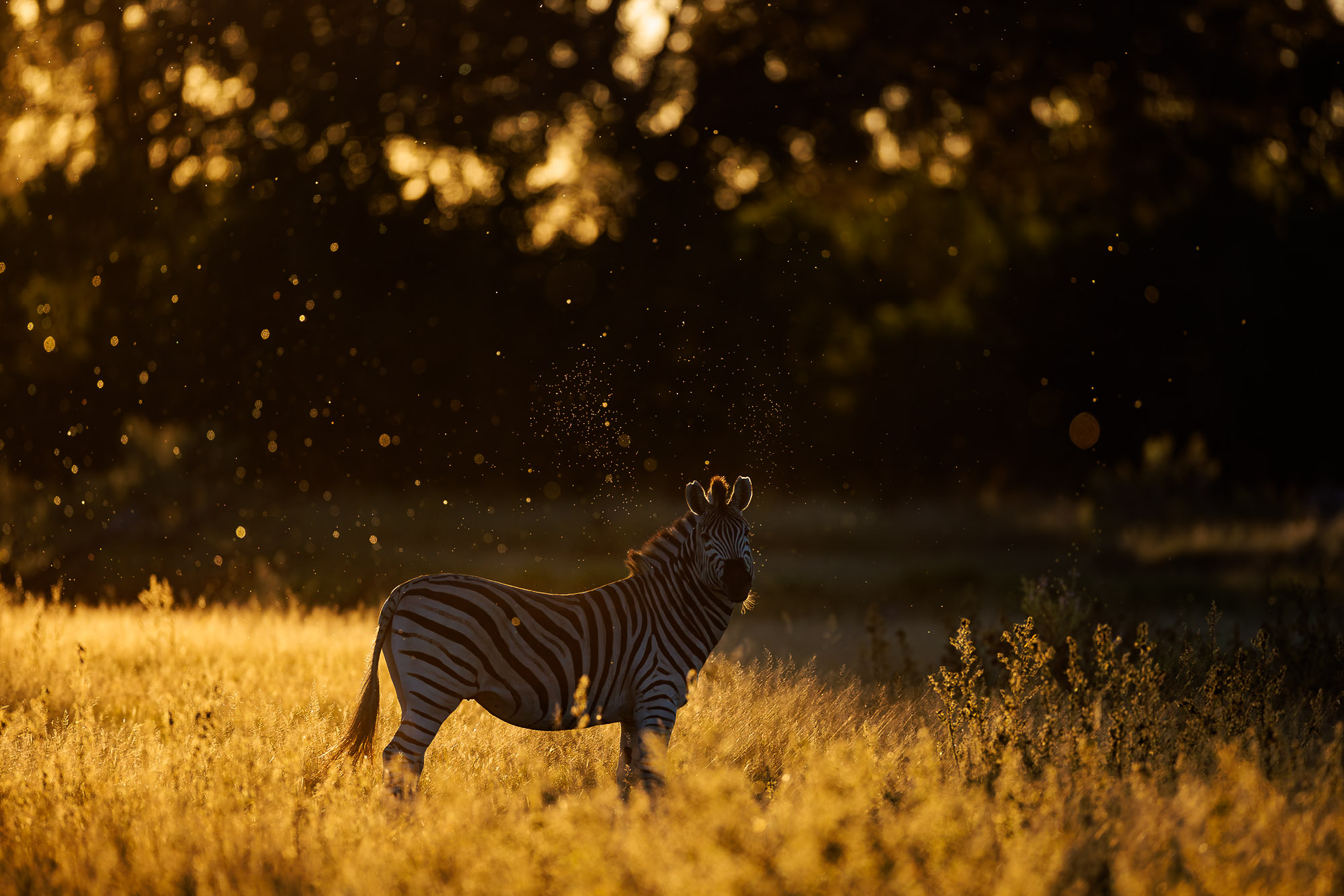
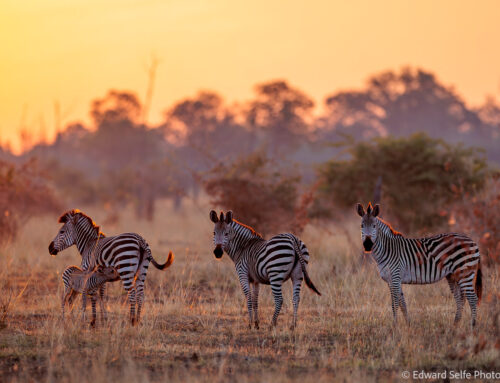
The best sightings of the stay here were the zebra and giraffes which gave us many opportunities in the early morning and evening, shooting towards May’s epic morning light.
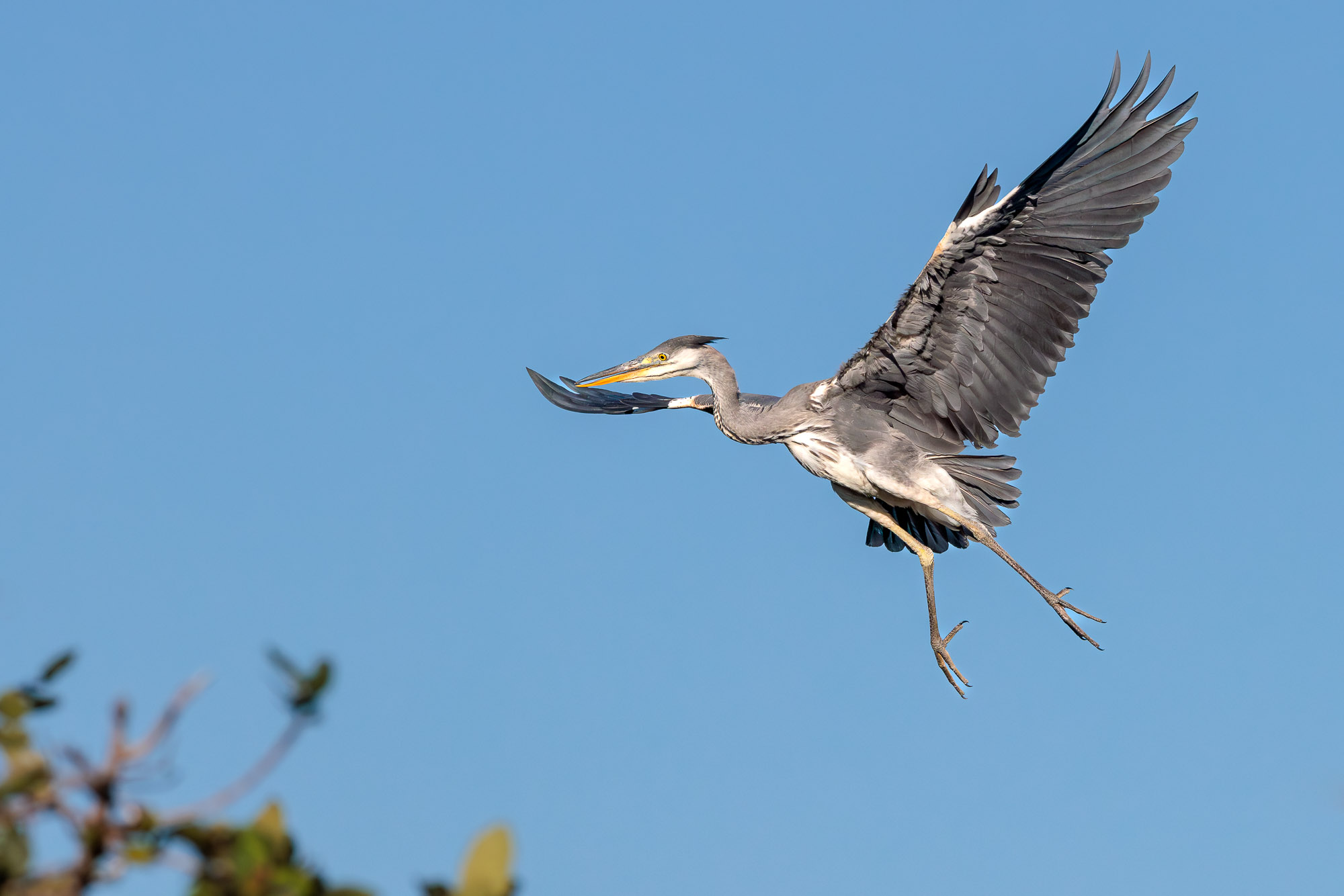
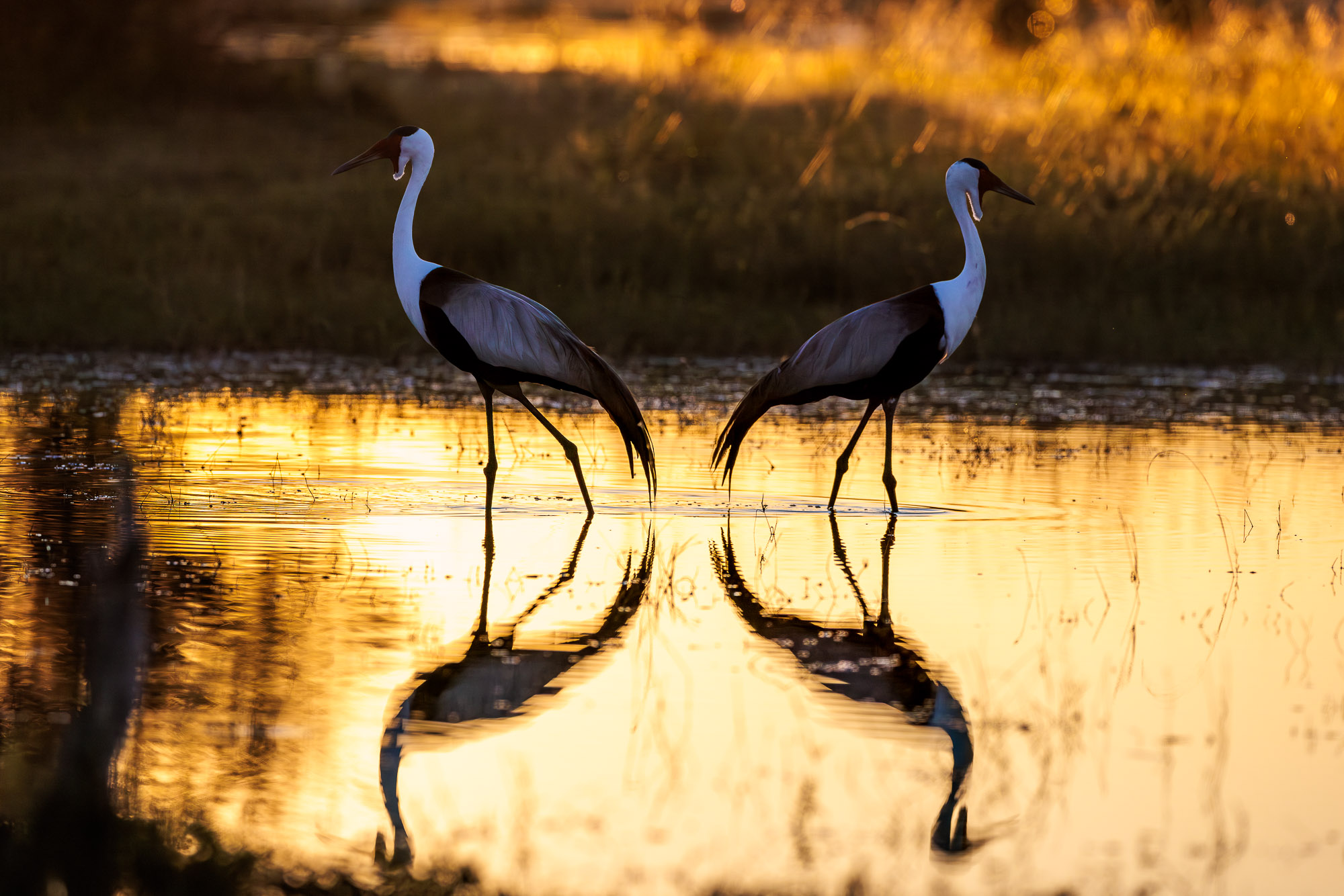
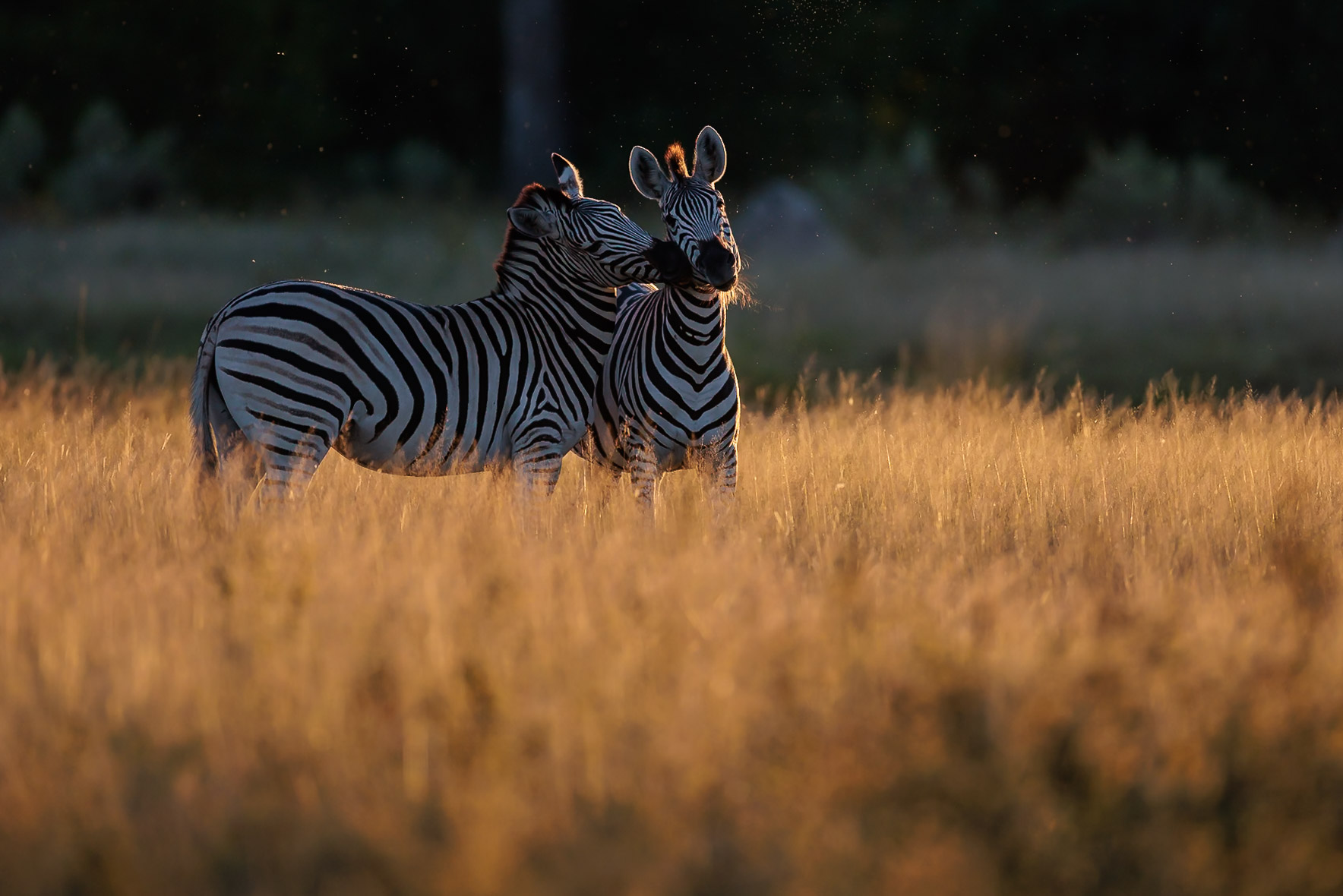
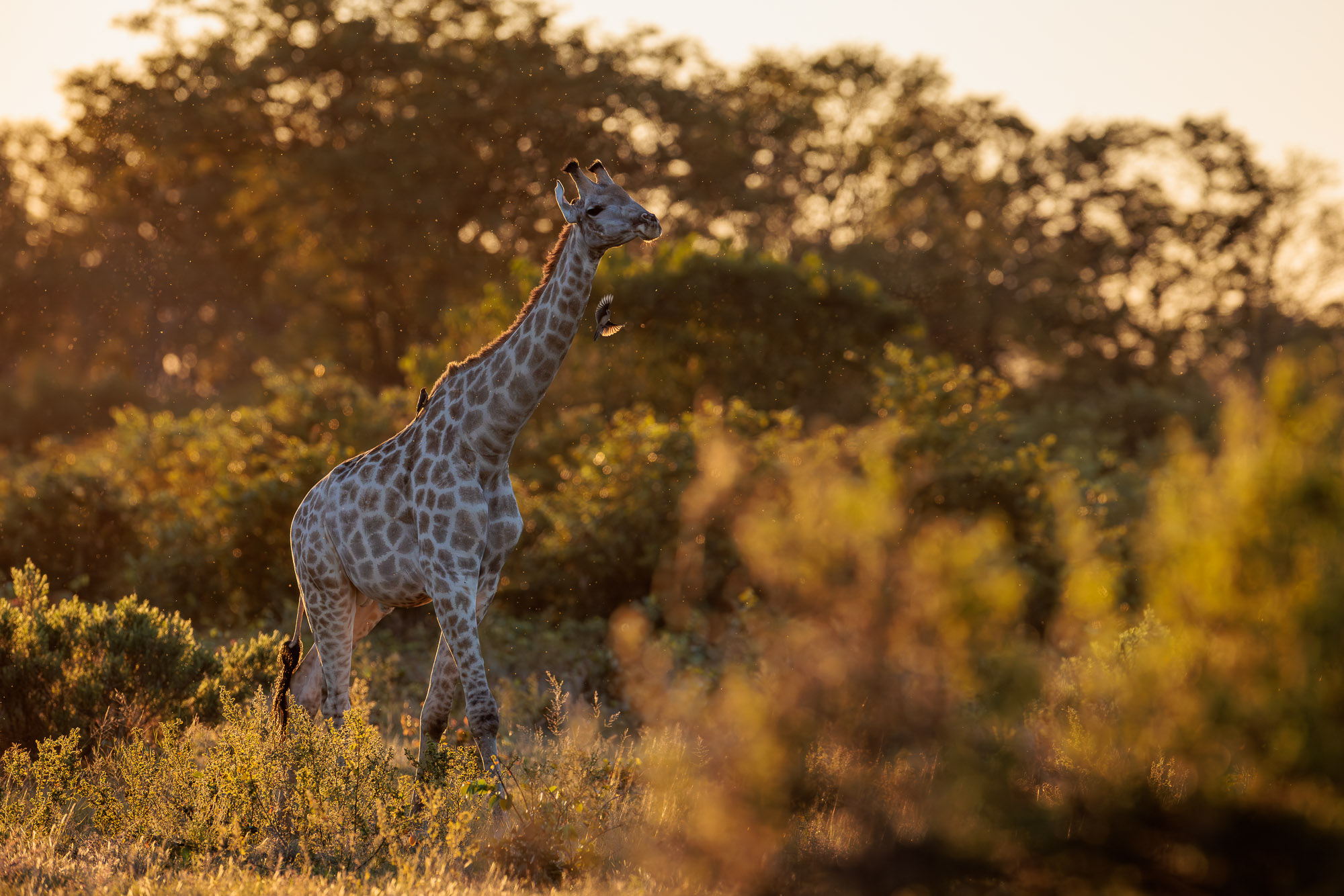
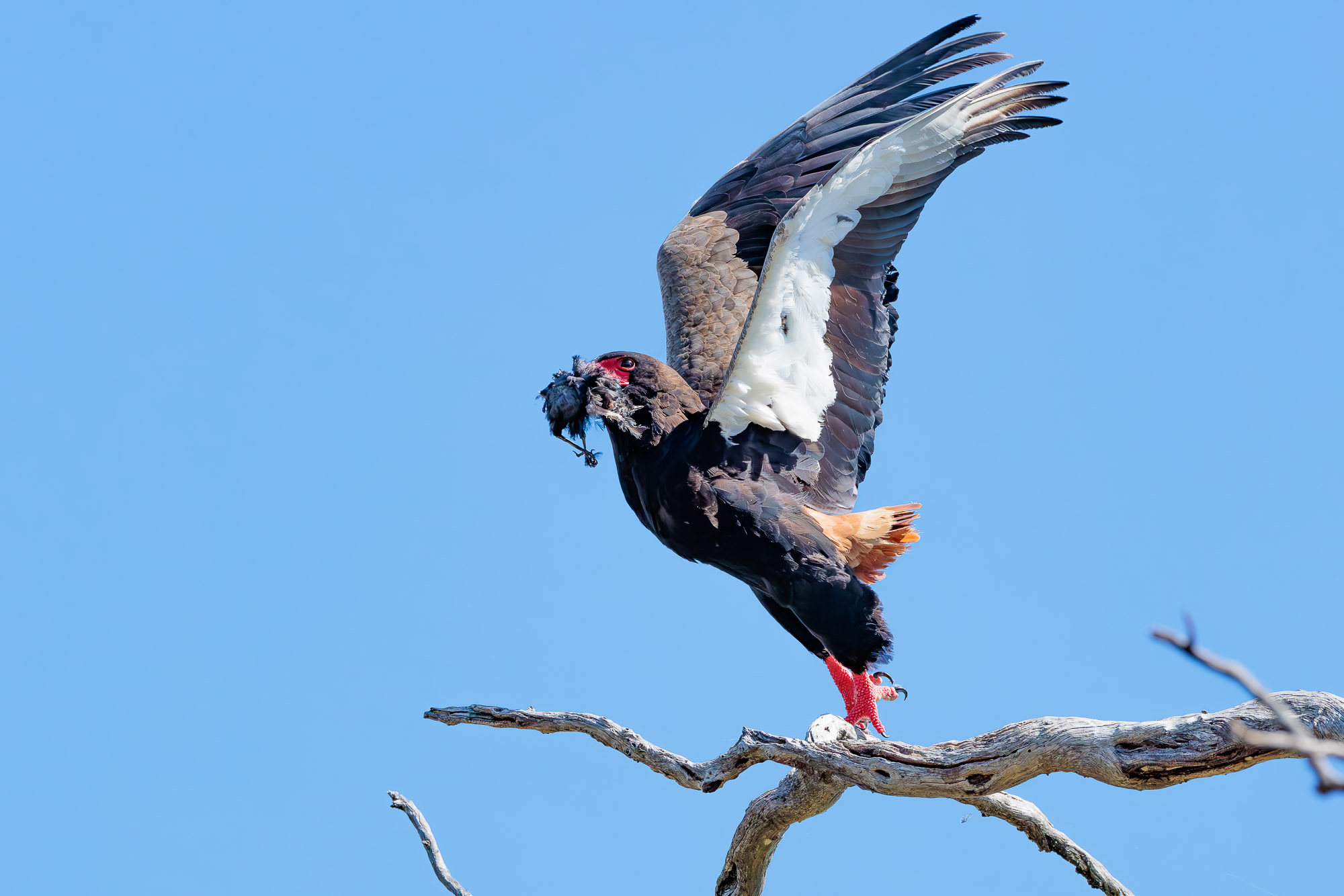
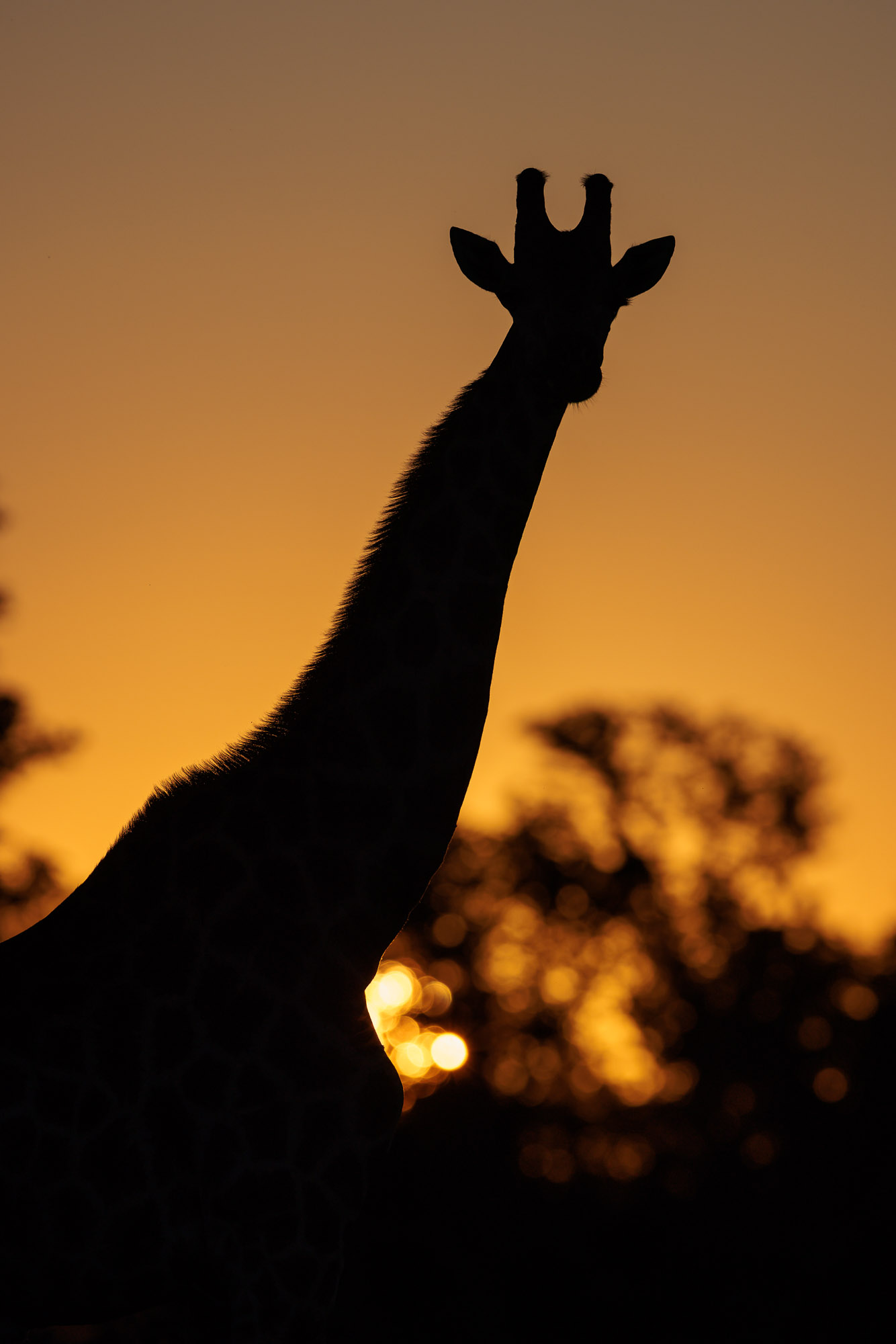
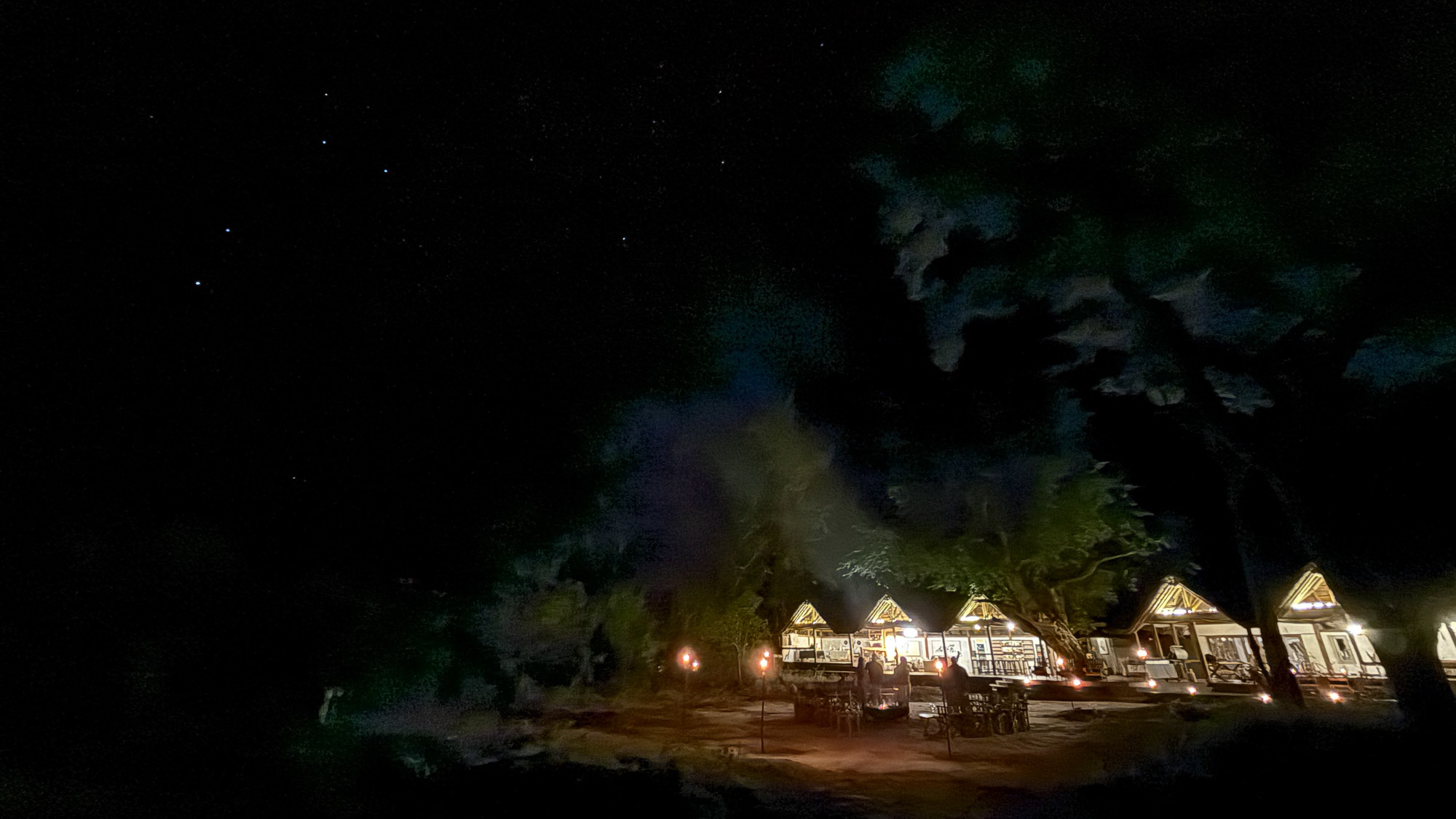
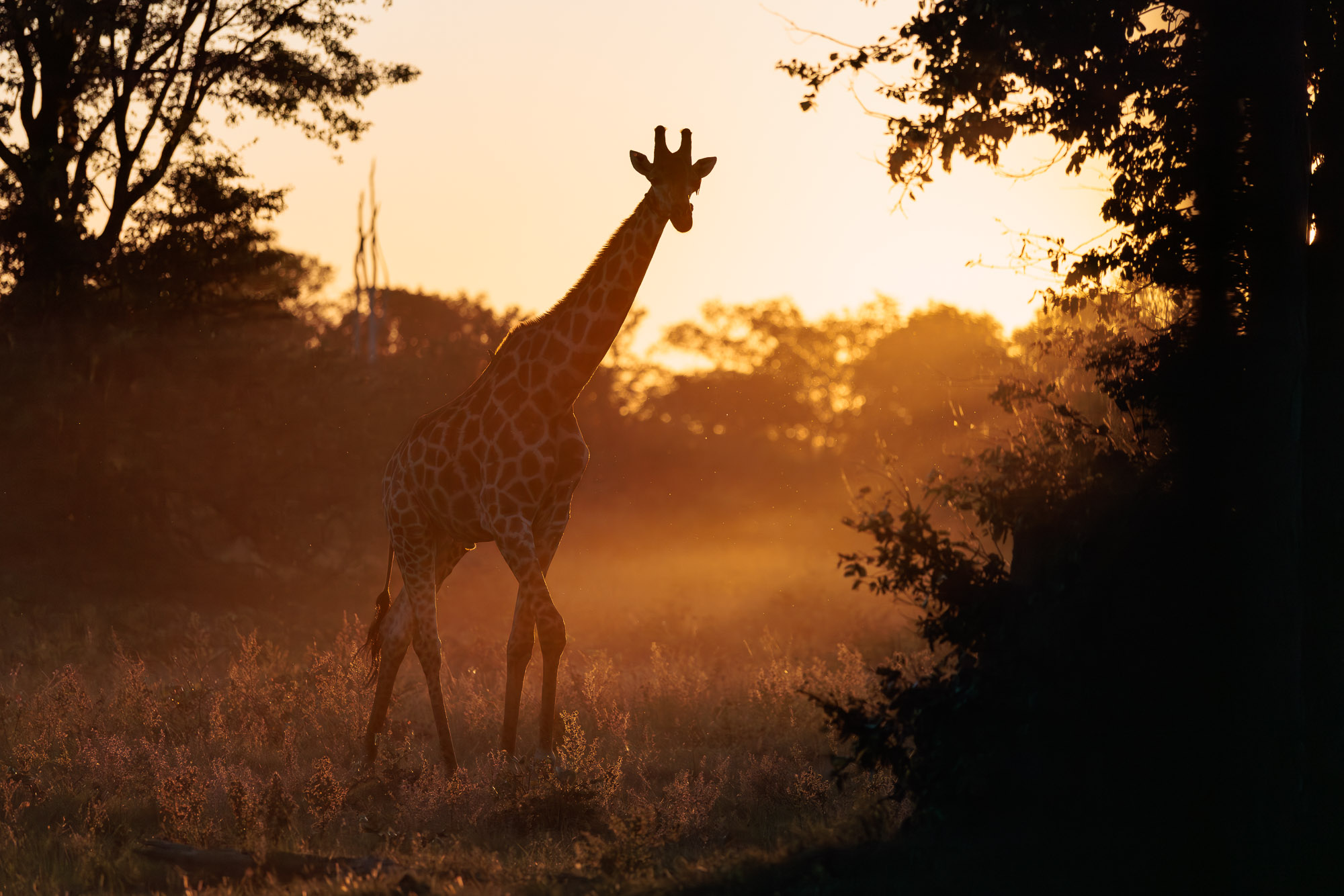
Pangolin Photo Hotel, Kasane
Without fail, each time I recommend a stay at Pangolin Hotel, I am met with some surprise. I doesn’t look like the kind of camp where I normally take my guests. It’s not small, it’s not deep in the bush and it’s not made from natural materials. But the Pangolin Hotel does things differently and it does them very well.
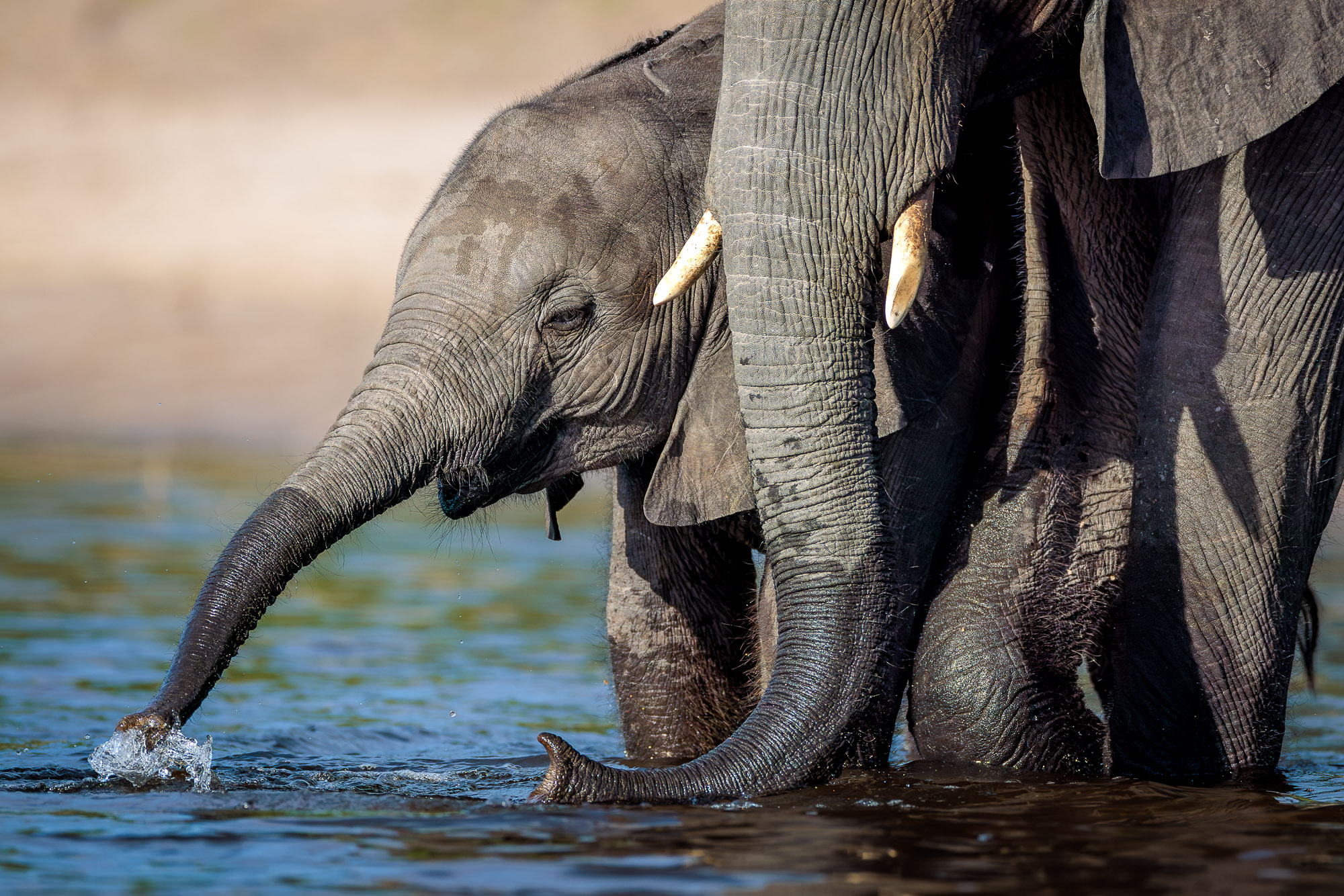
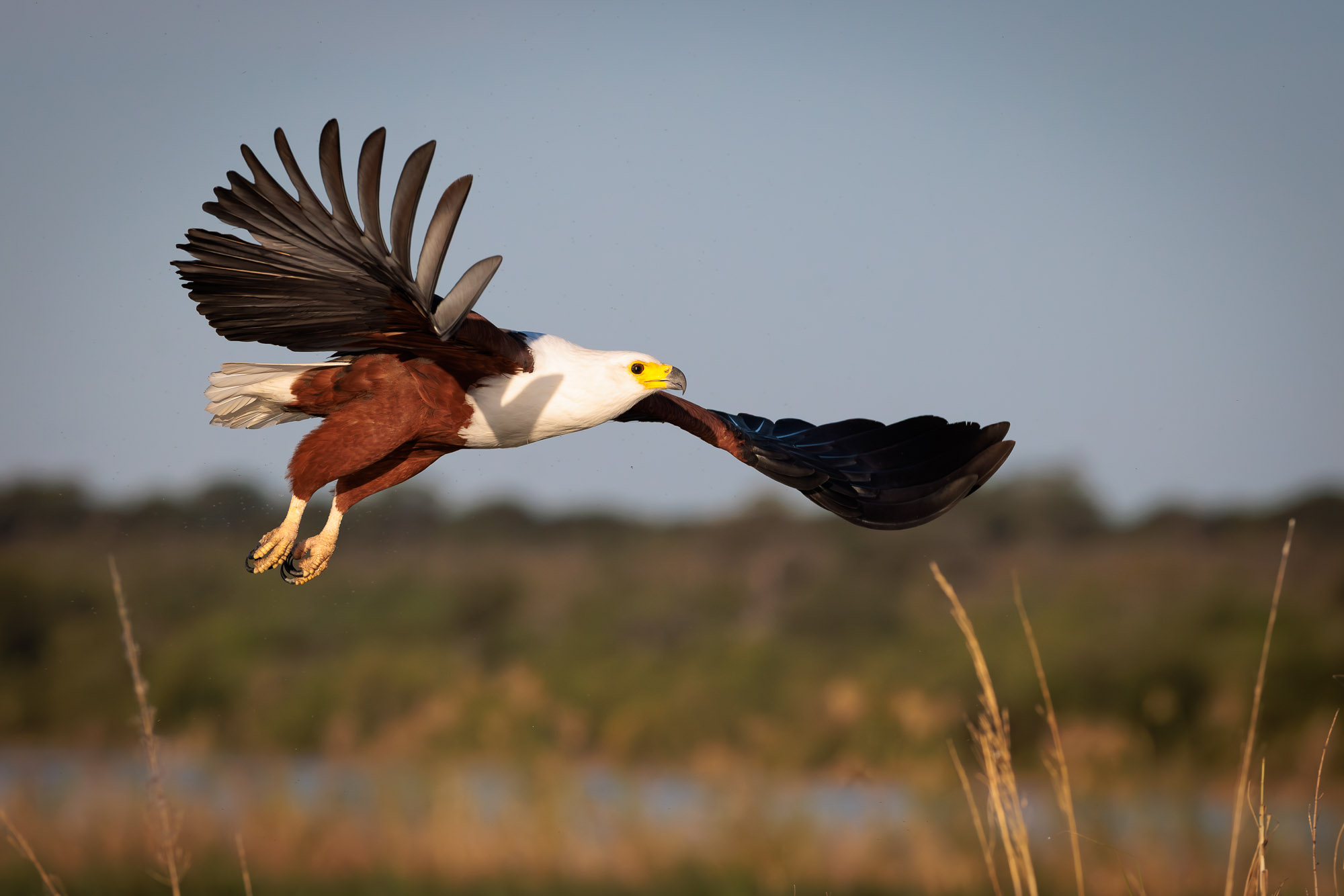
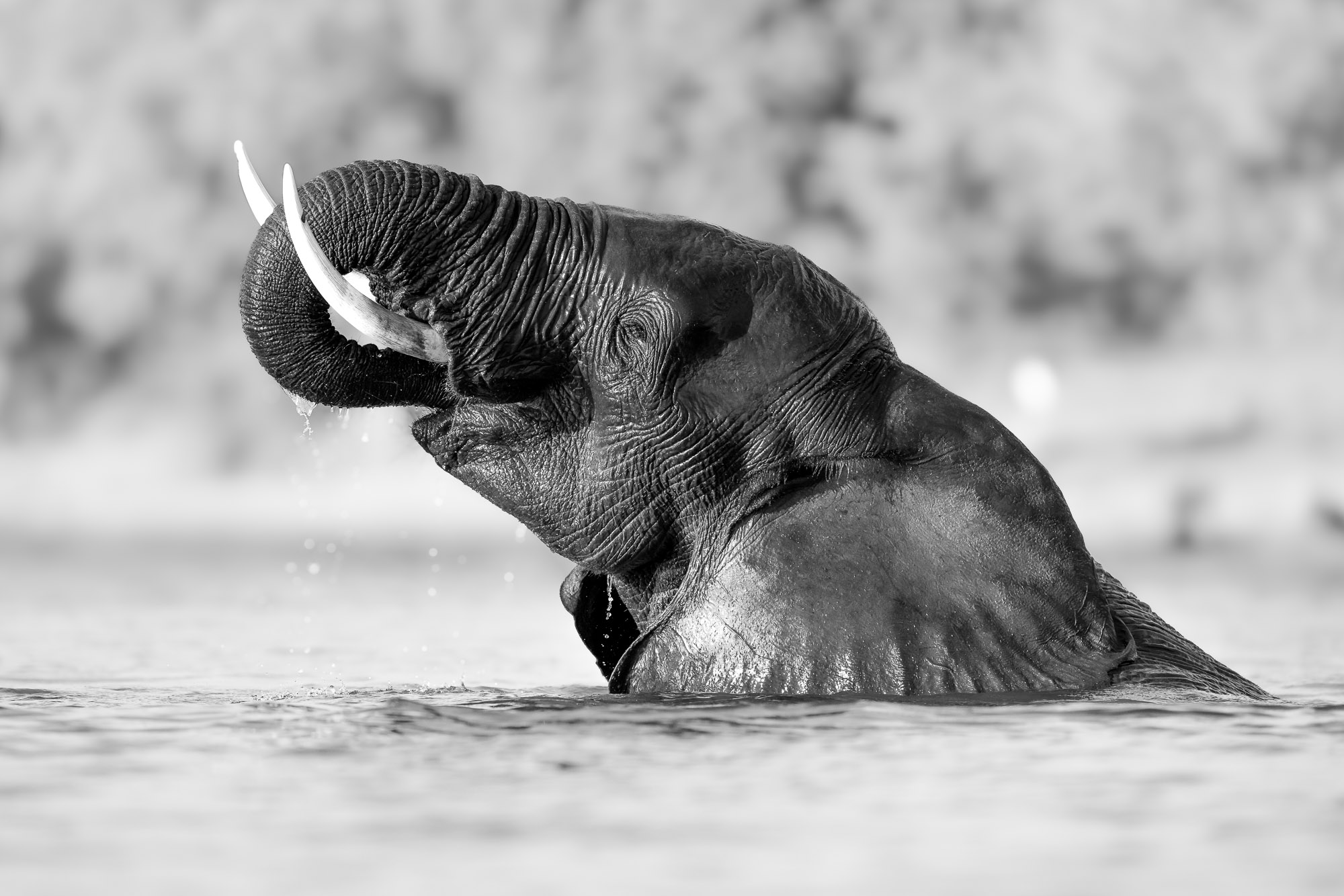
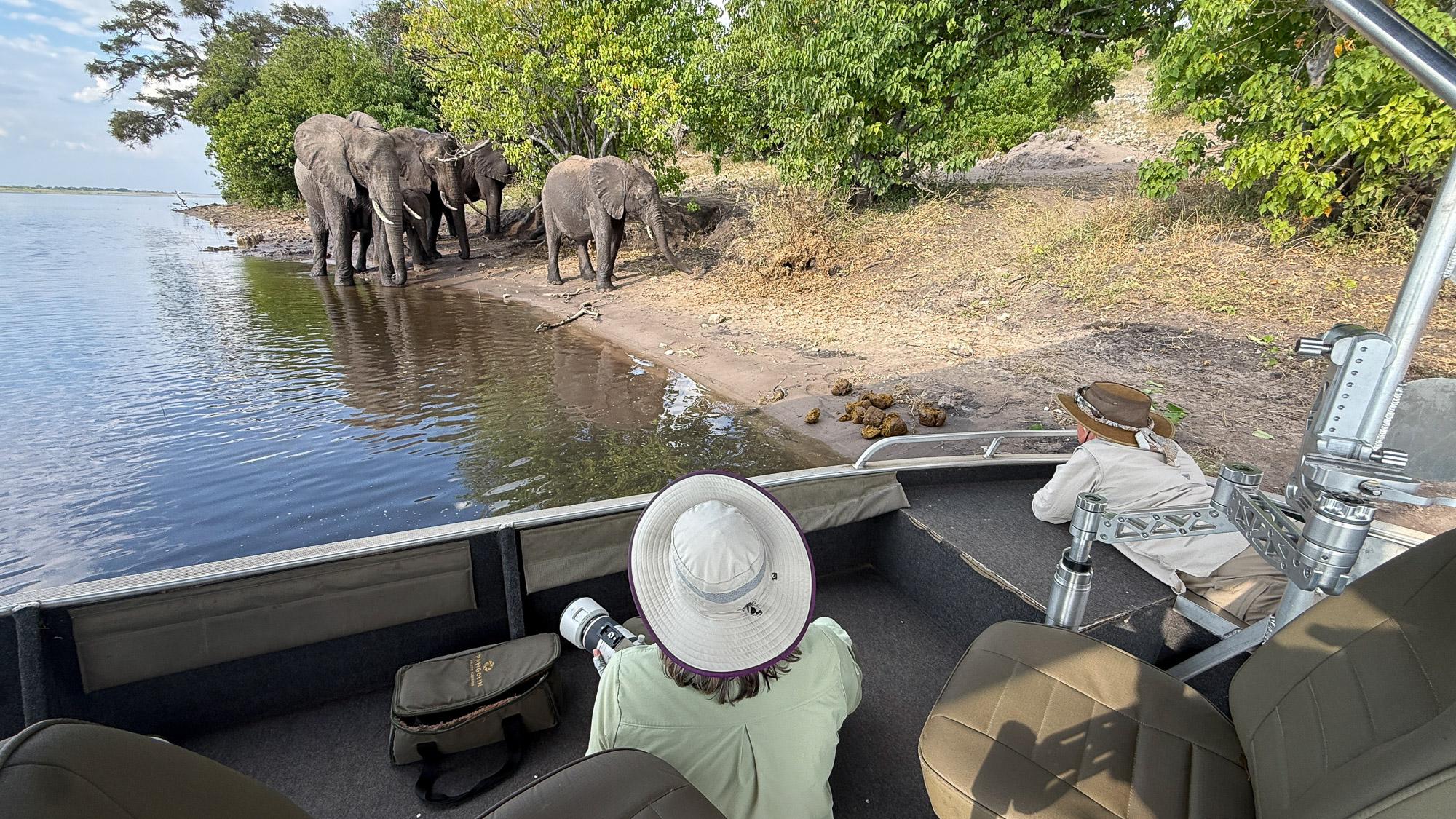
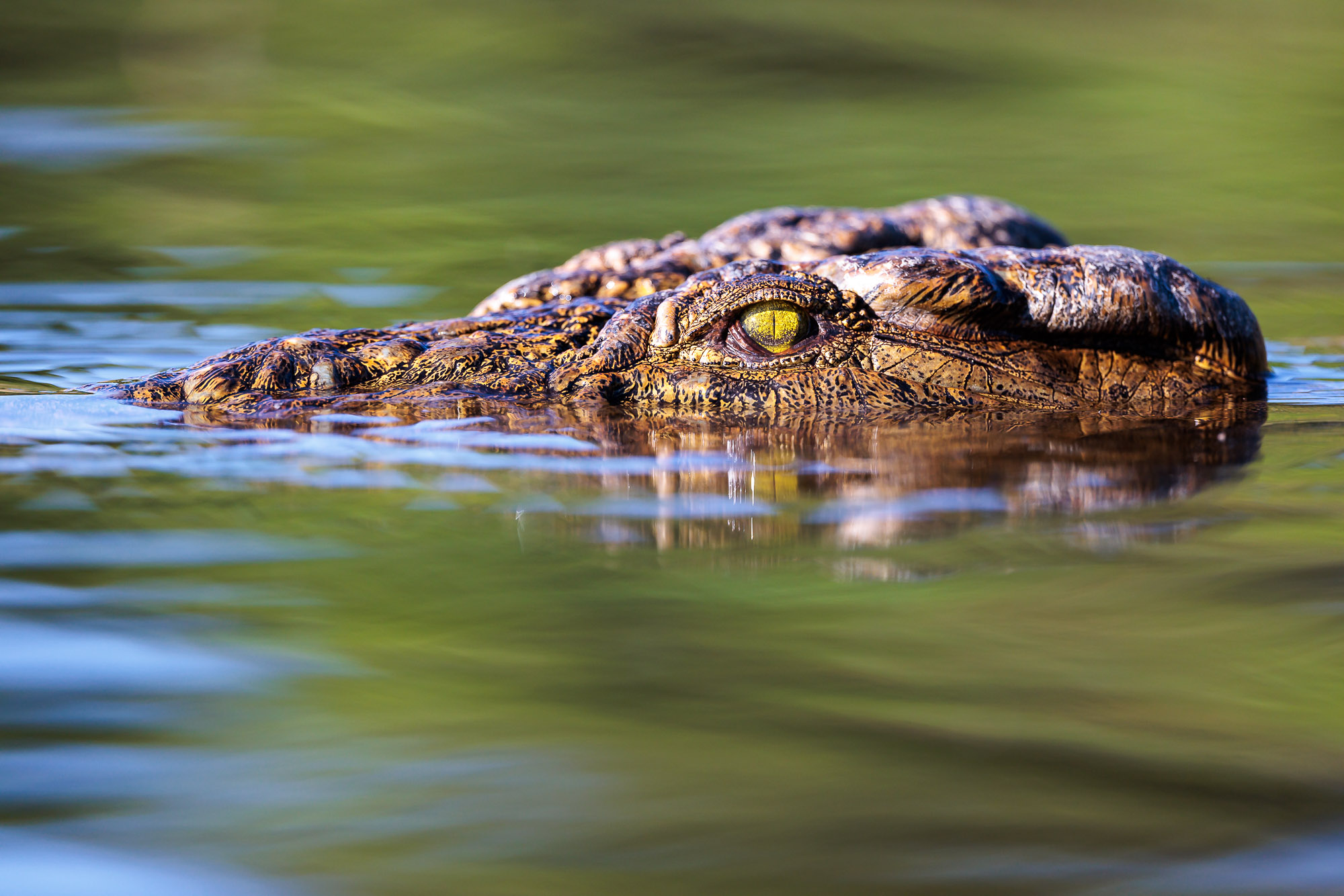
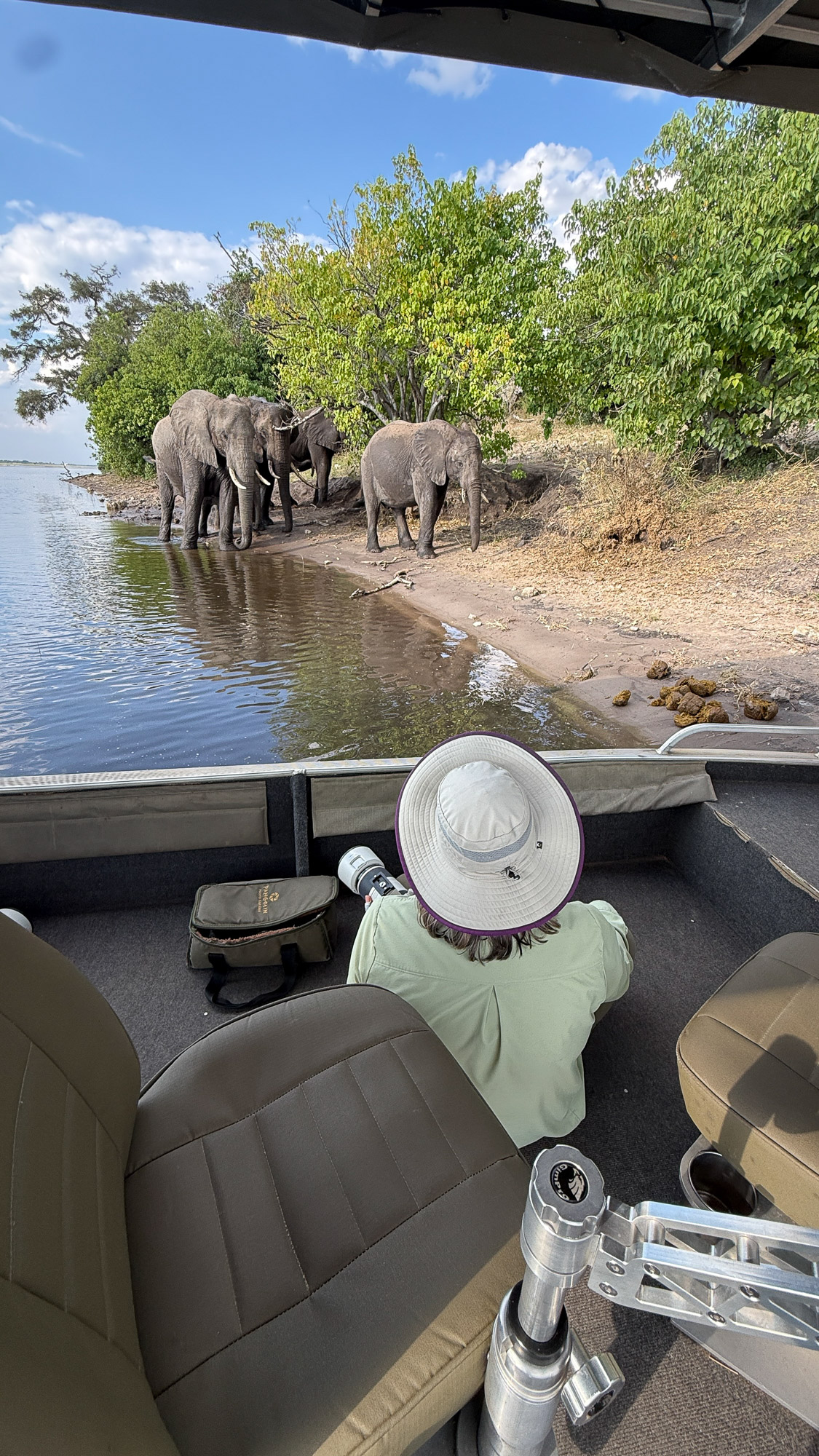
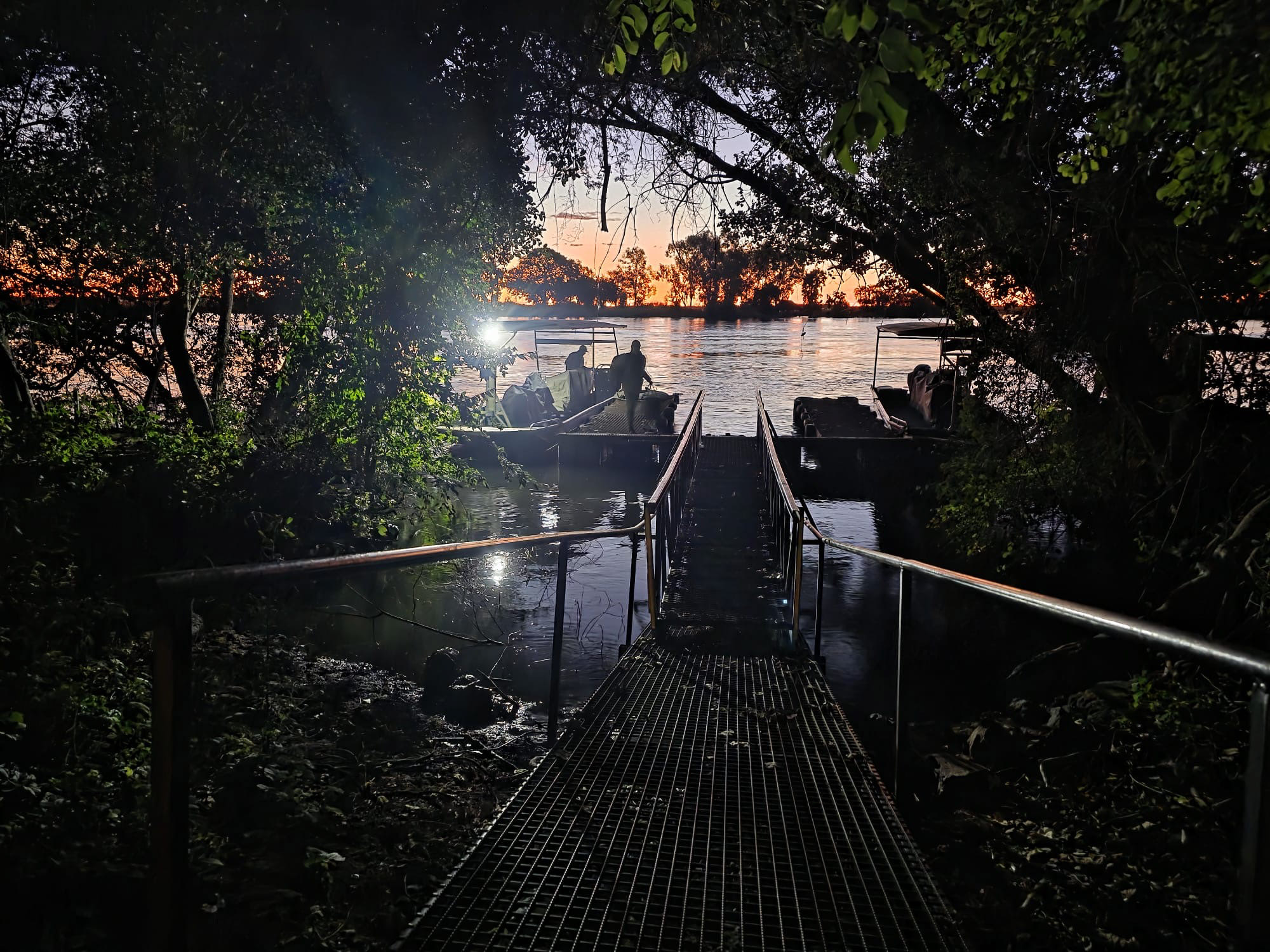
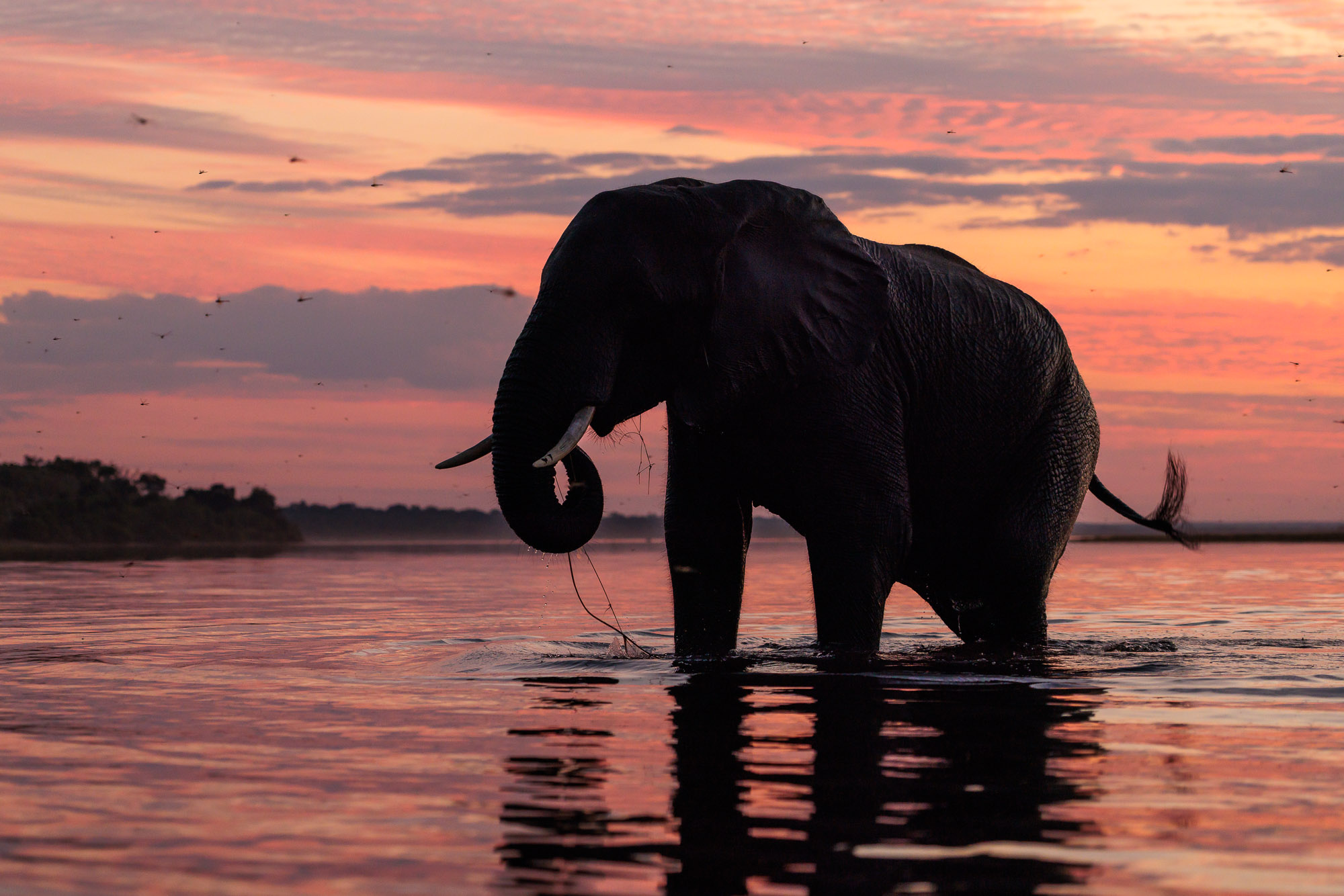
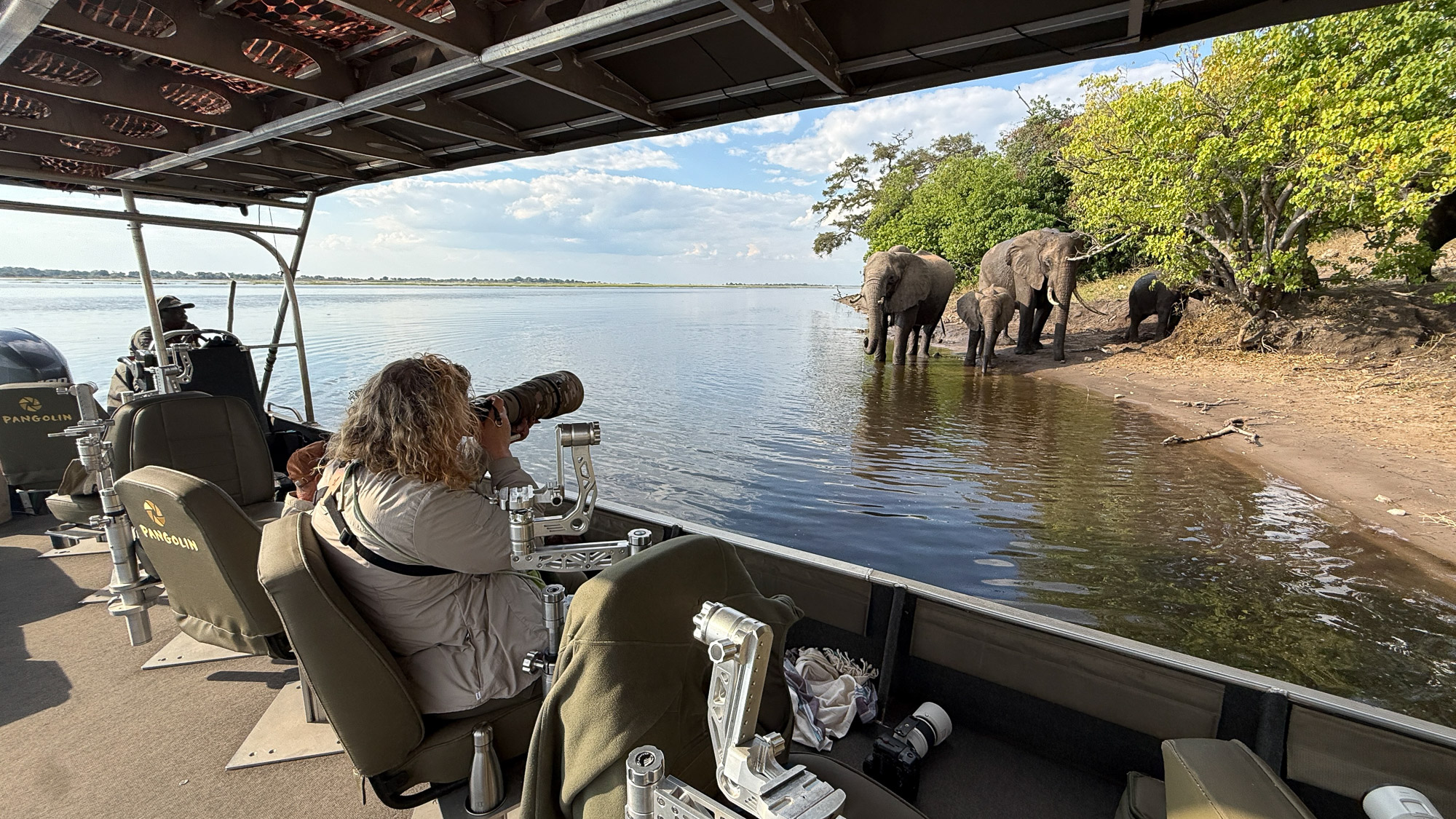
I like to end a trip in Botswana with 4 days of boating along the Chobe River. While it’s not exclusive and private like the concessions in the Delta or the vastness of the deserts, it’s very photo-rich, exciting and the hotel is a wonderful place to rest a bit after a long safari. We spent many hours on the river, looking for special light, interesting action and elephant herds coming to the river bank.
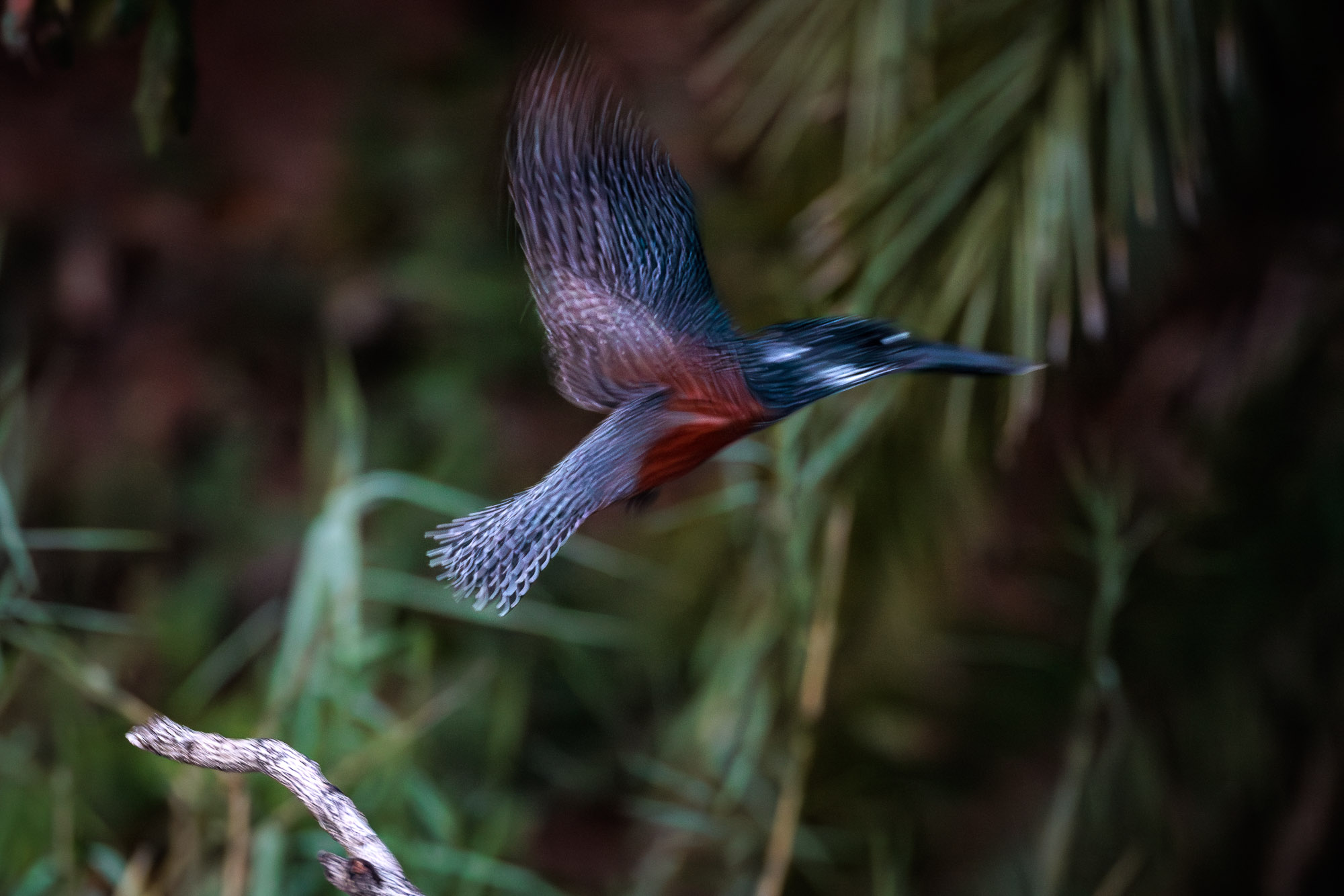
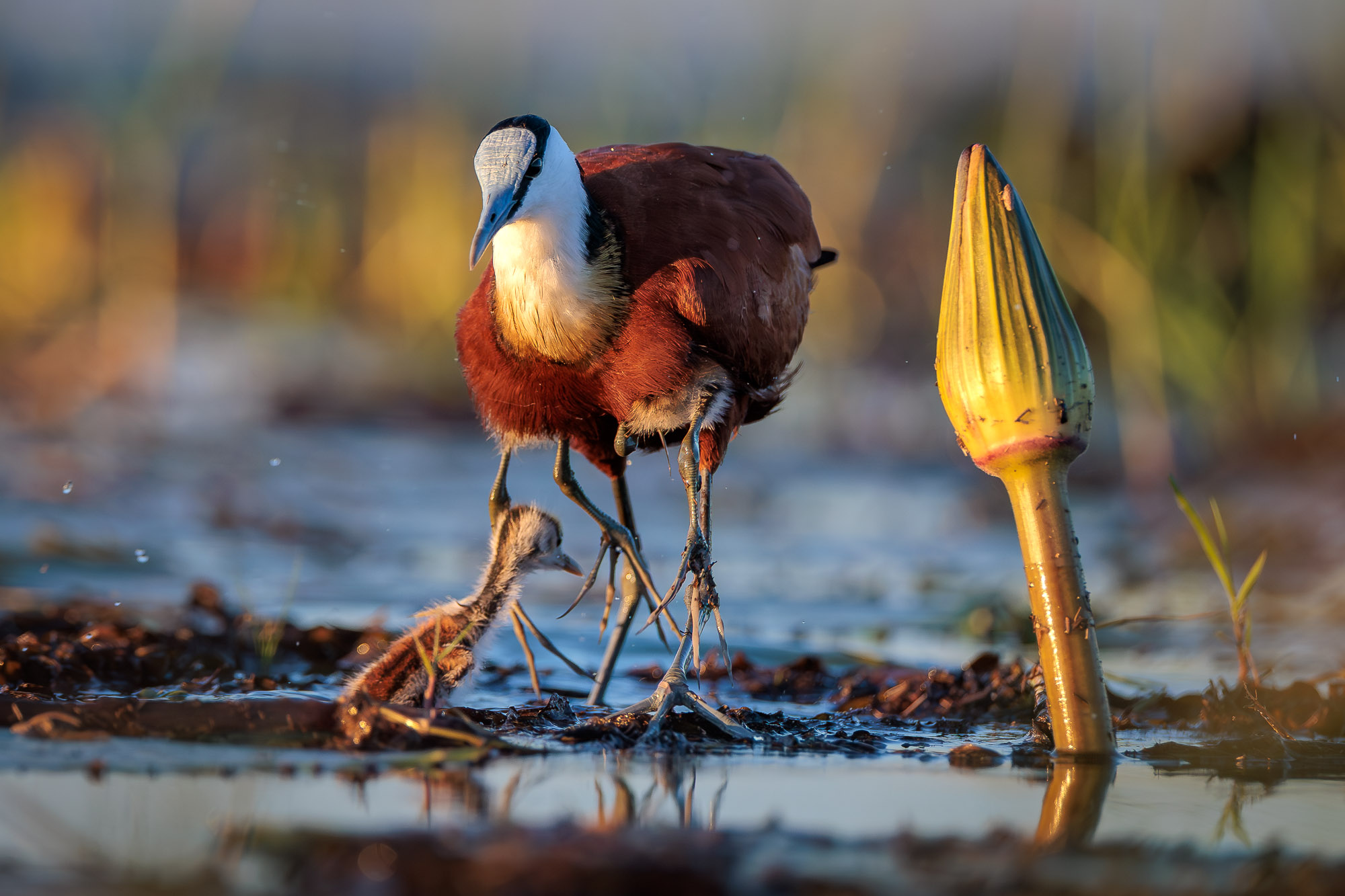
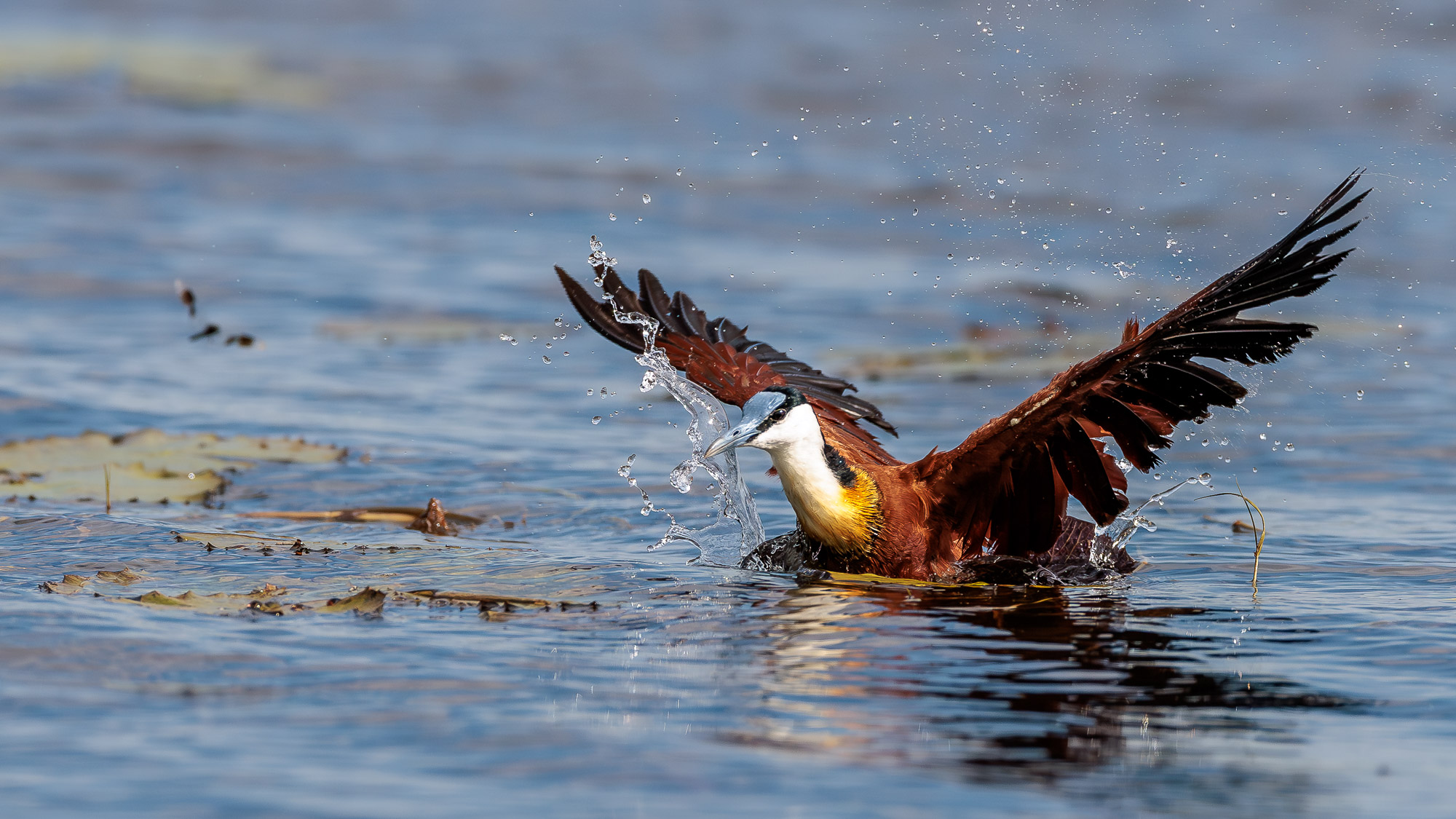
This time of year is also when African Jacanas are rearing their chicks and males can be found tending to small groups of youngsters, occasionally carrying them under their wings for protection. We spent a long time waiting for a sighting like this to develop, giving the birds time to relax to the presence of a boat in their space, and then shooting with silent shutters as the adult dropped the young onto the lily pads. Investing time in sightings like this is so rewarding and separates what we do from an average safari.
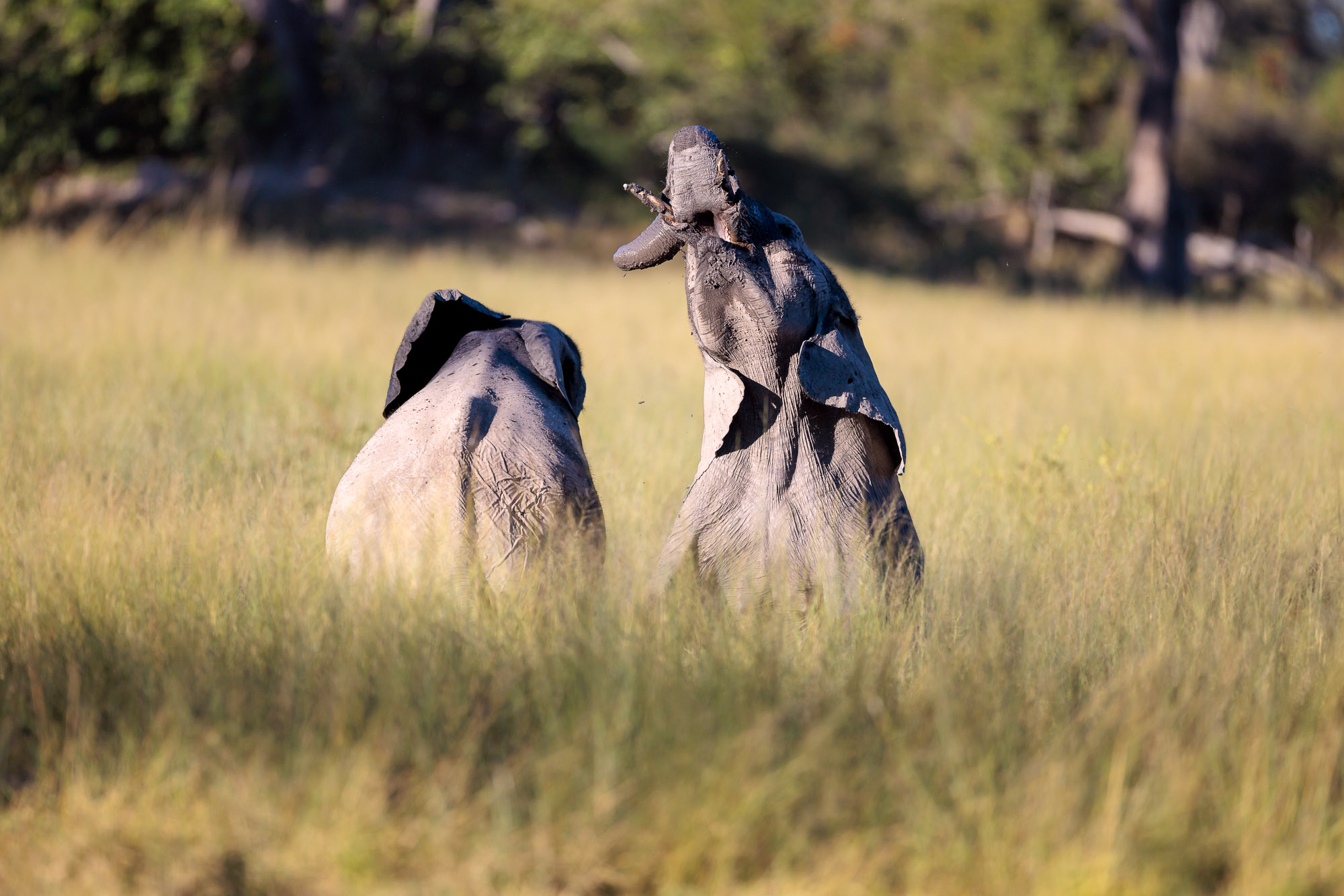
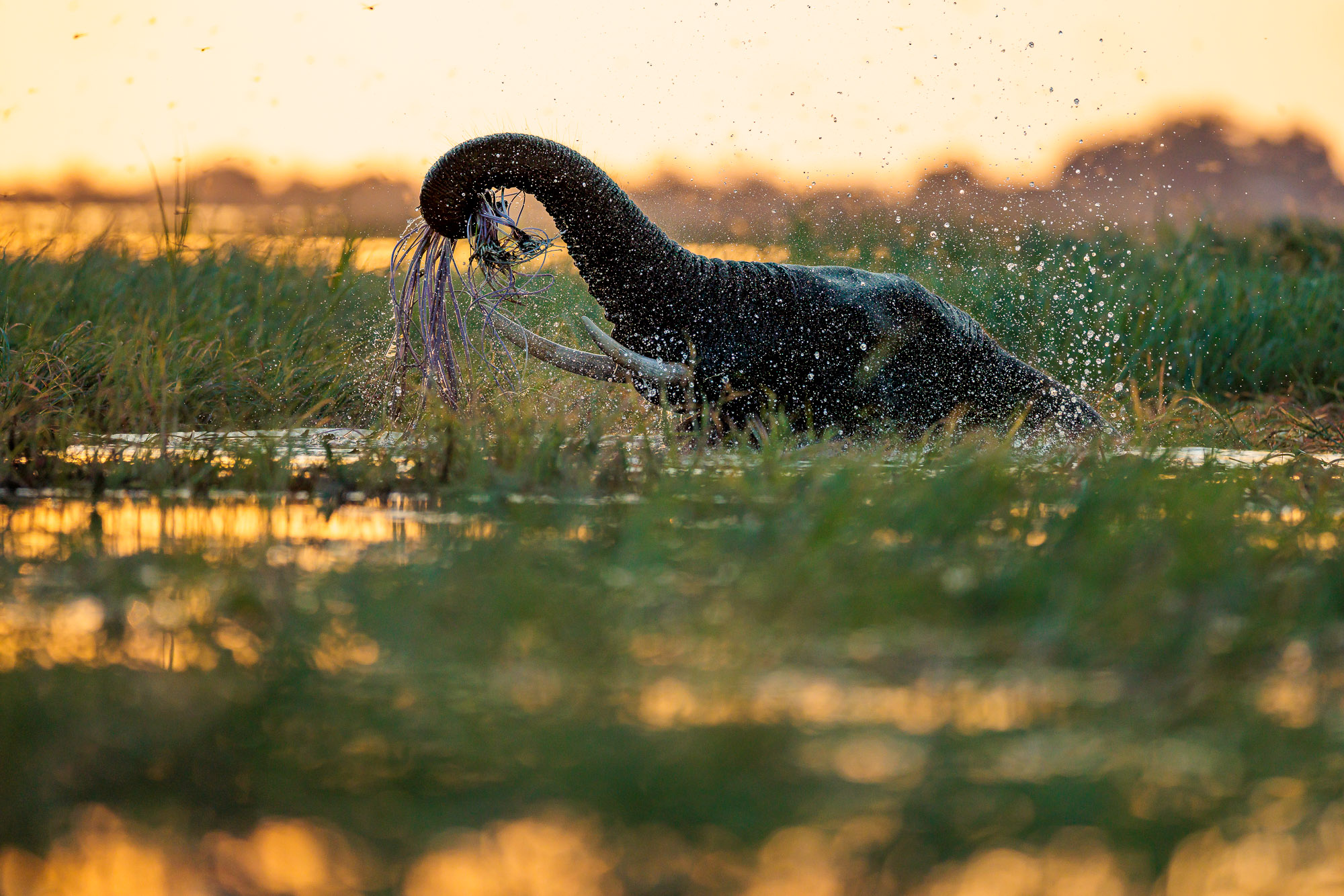
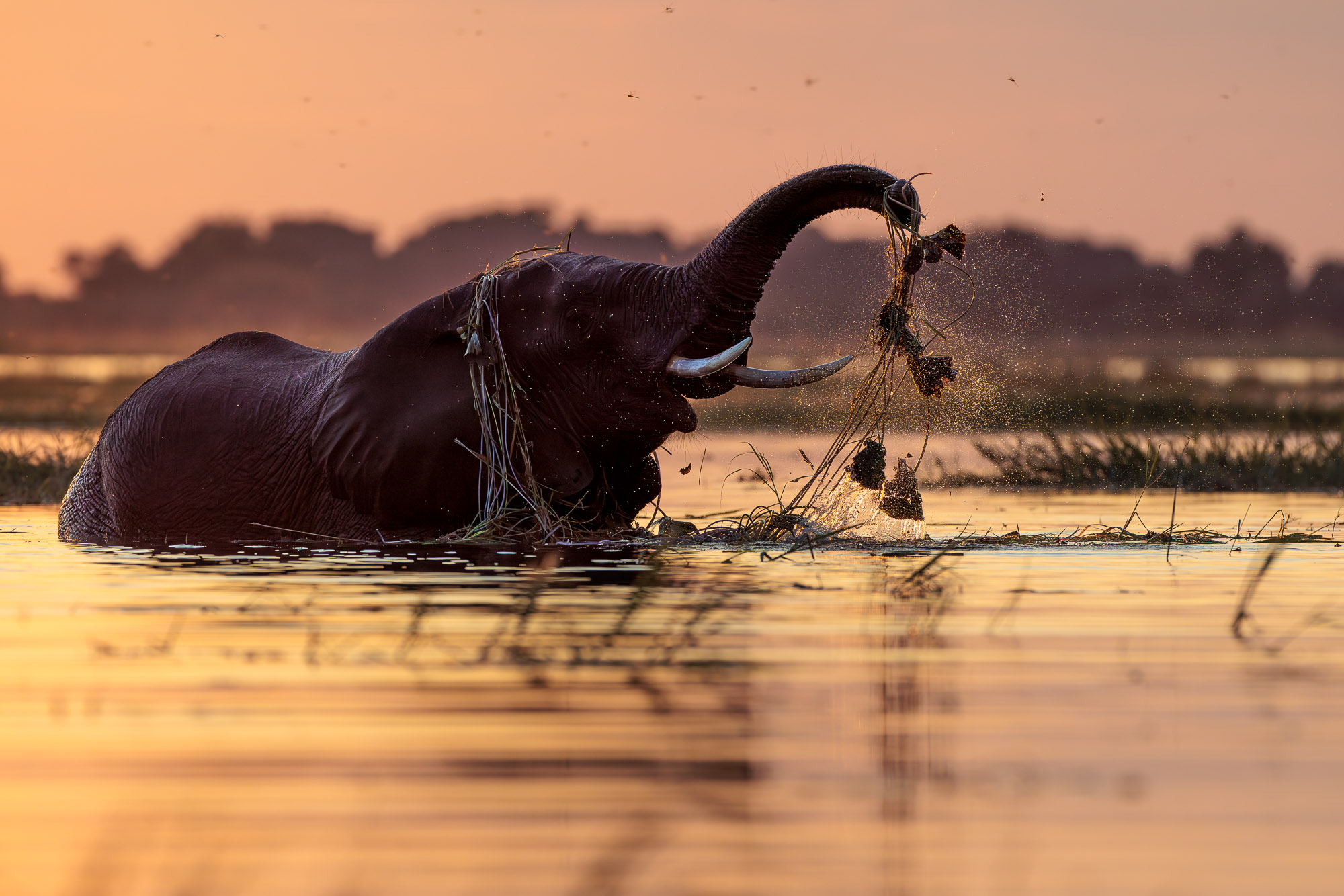
There were not many elephants at the banks during our first couple of days, but that certainly changed by the end of the trip, when we had multiple herds in sight along the shore, and even large bulls feeding on lilies in the middle of the channel.
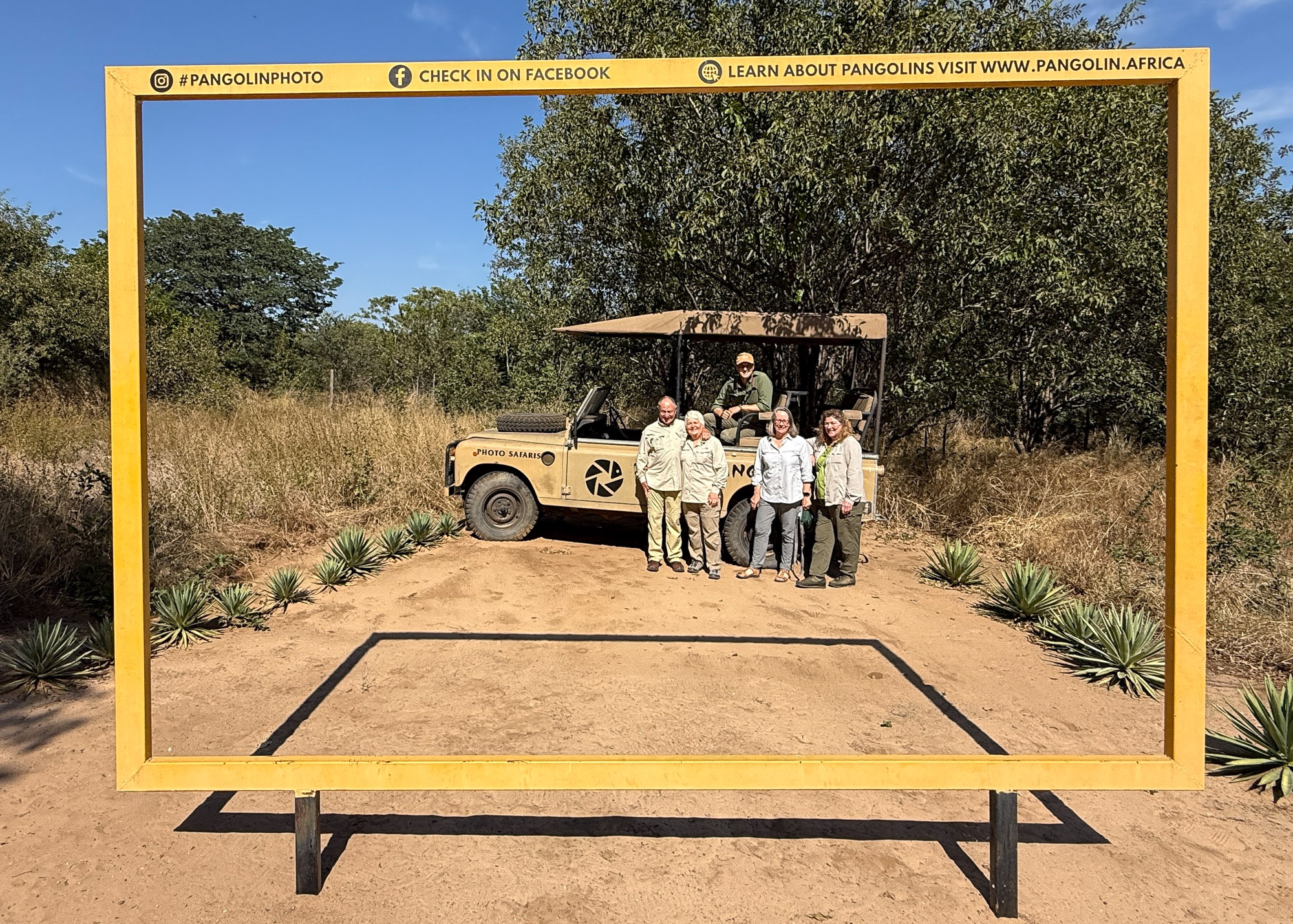
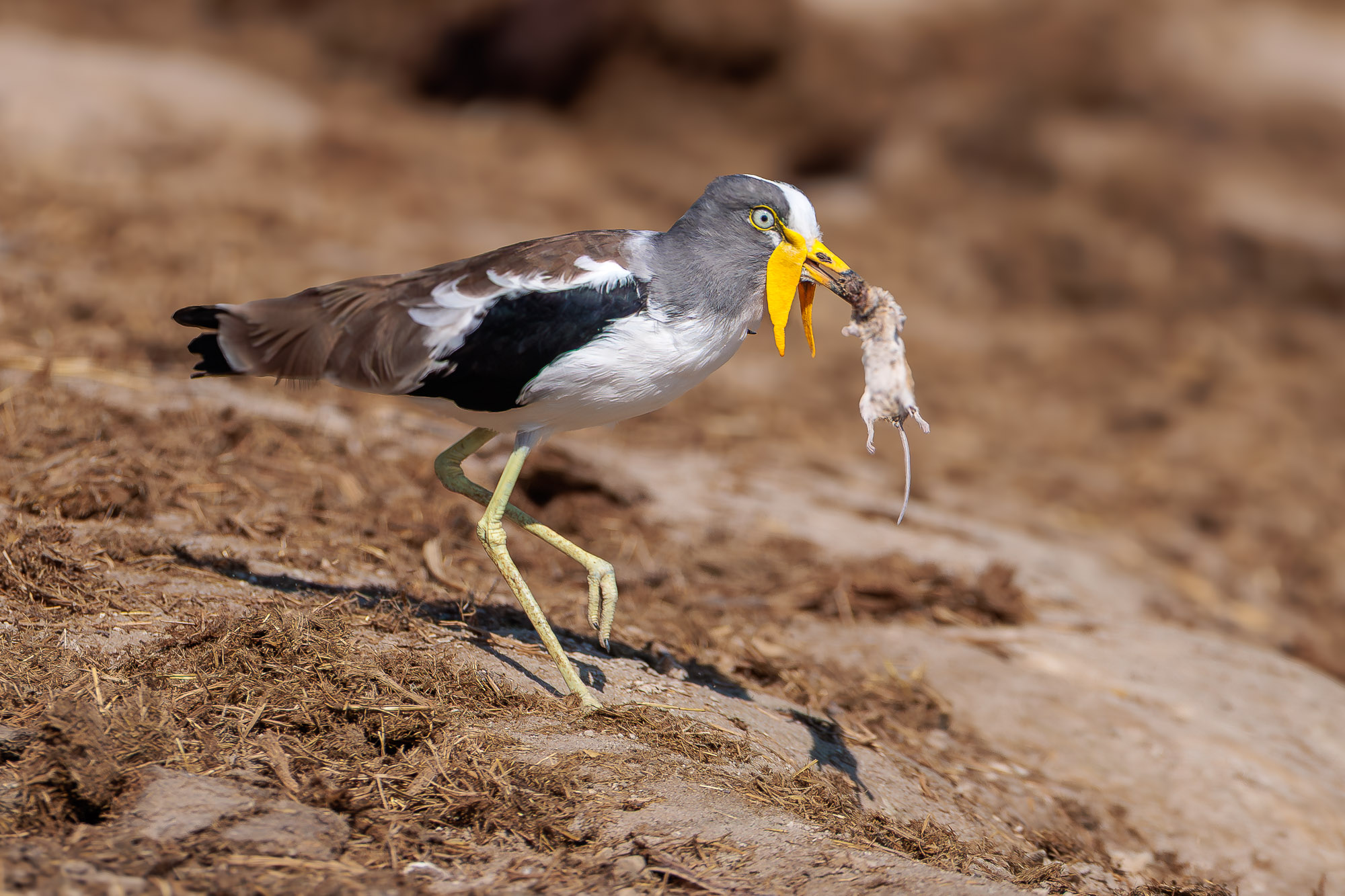
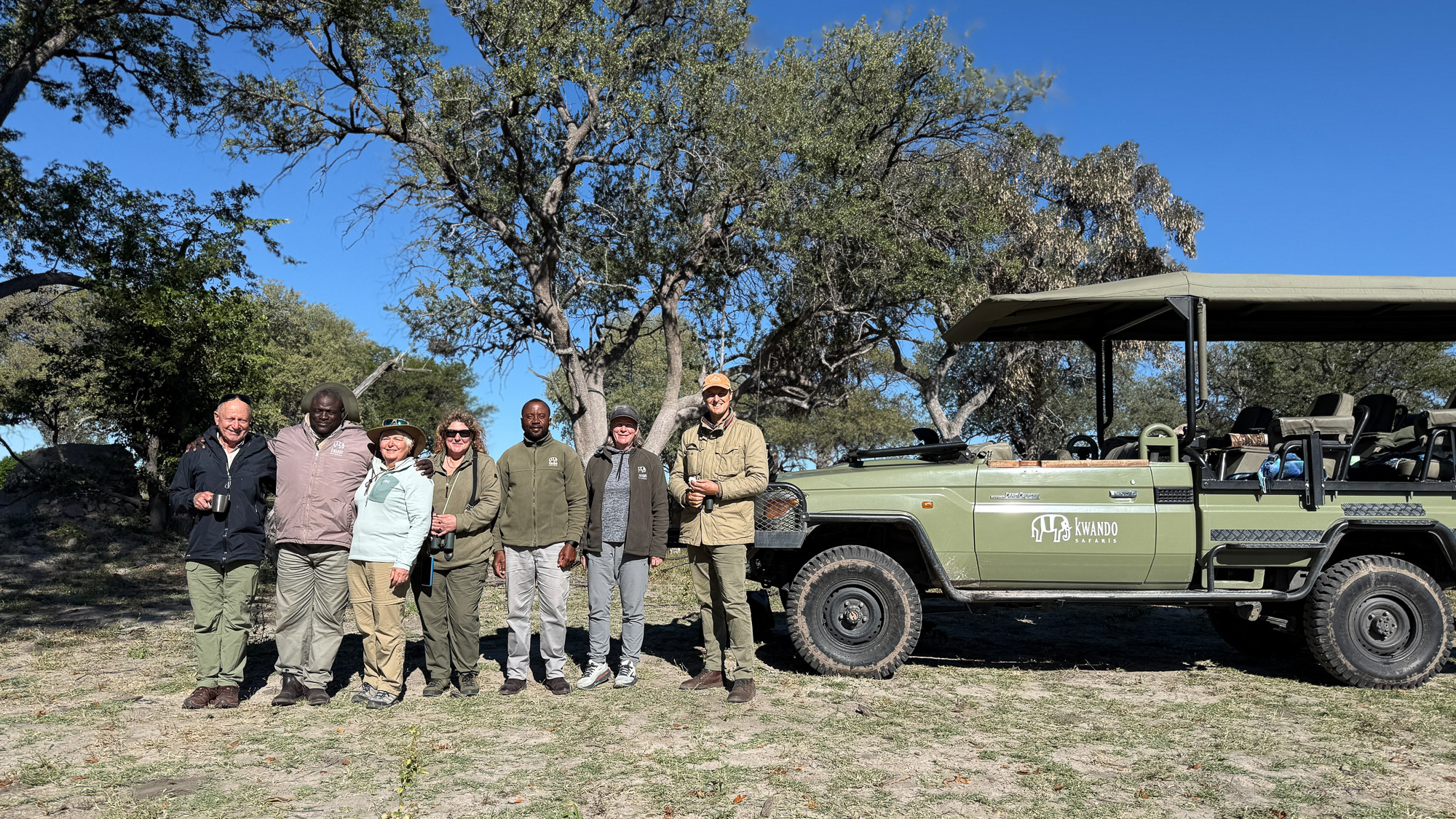
Thank you to Kwando Safaris & Pangolin Photo for a great trip, to my guests for putting in the hours and loving it all, and to all the guides (Lebs, OD, Matt and Dan) who made it a very special visit. If you would like to visit Botswana on a photo safari with me, please get in touch. I am working on trips in July, August and September 2028 so please contact me so I can build the trip around your preferences.
Thank you for reading to the end and I hope you enjoyed. Please leave a comment below if you would like to know more about how any of these images were created.
Leave A Comment